Paul,
I was looking at some YouTubes and I am puzzled by the apparent
difference in cooling air inlet sizes between the Renesis Arrow and the
Western Australia RV ("Melanie"). The latter seems to have just a couple
of small NACA inlets and what looks like a combustion air chin inlet; is
there another inlet that I overlooked? Conversely, the Mistral has big
inlets and, more significantly, the cowl flaps are wide open in what I
assume is slow cruise flight.
We have discussed this before but I have either forgotten what you said
or was too dense to take it in in the first place: how does the cooling
airflow requirement (pounds per hp per second, say) for a liquid-cooled
engine compare to that for an air-cooled one? I have your book; does it
explain the answer?
This is not for an article; just general knowledge.
Peter Garrison
I think you mean the Mistral Piper Arrow.
http://www.youtube.com/watch?v=h-fIvMwI4Rk
That was designed years ago before I knew the people involved.
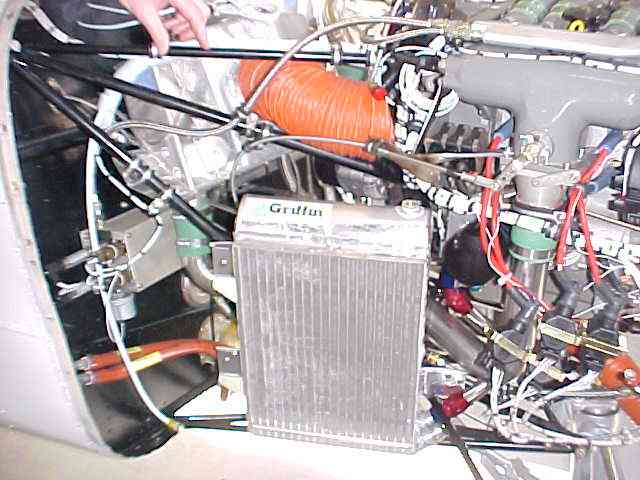
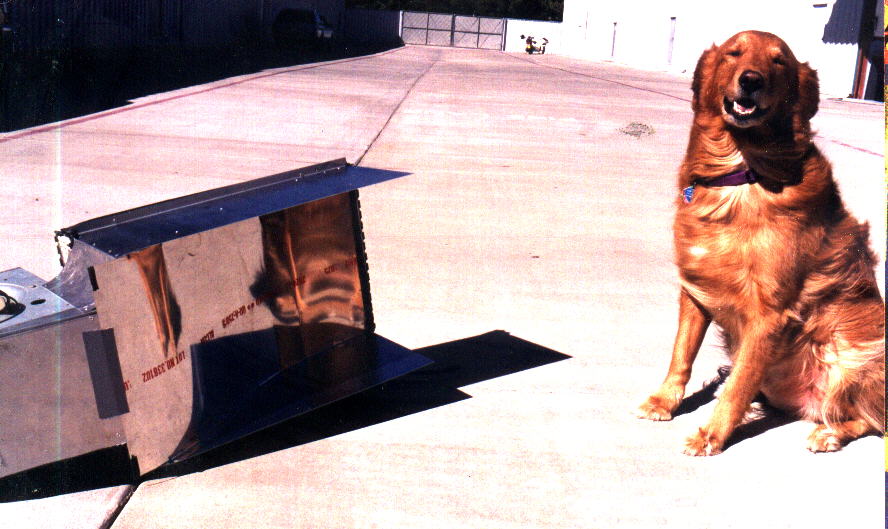
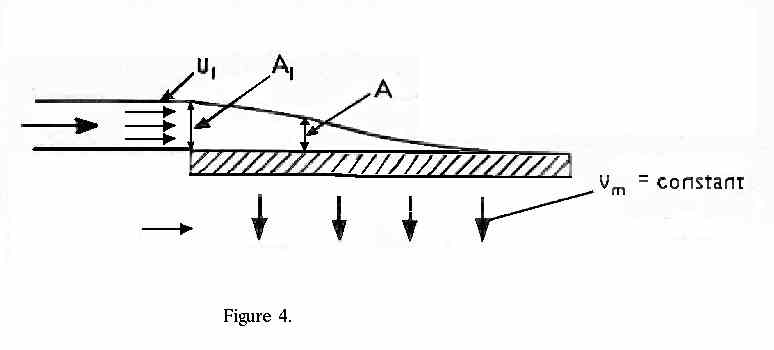
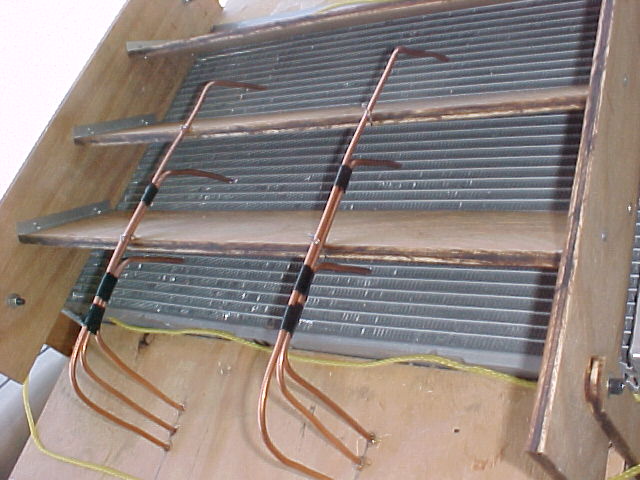
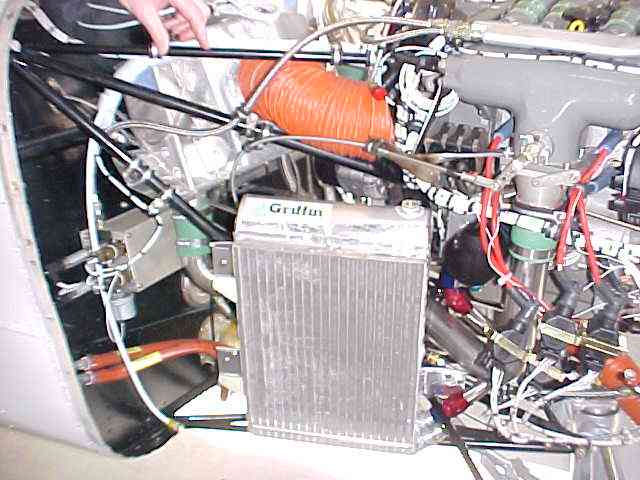
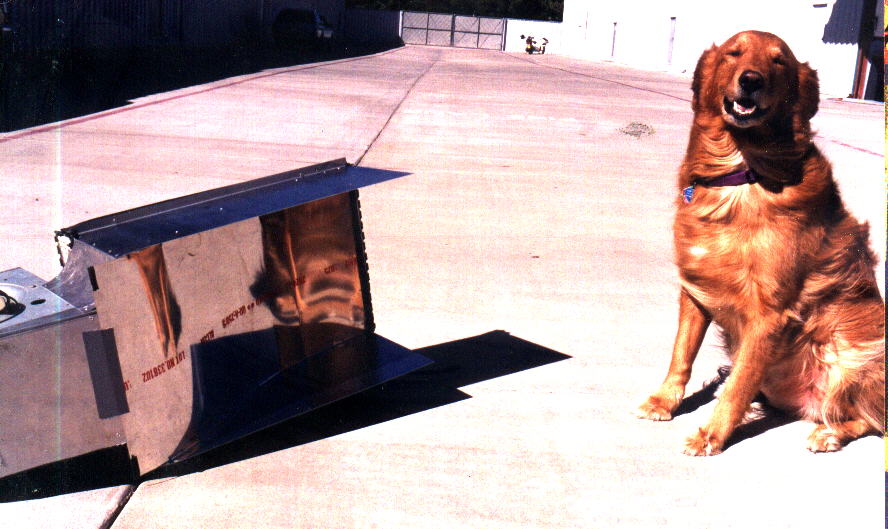
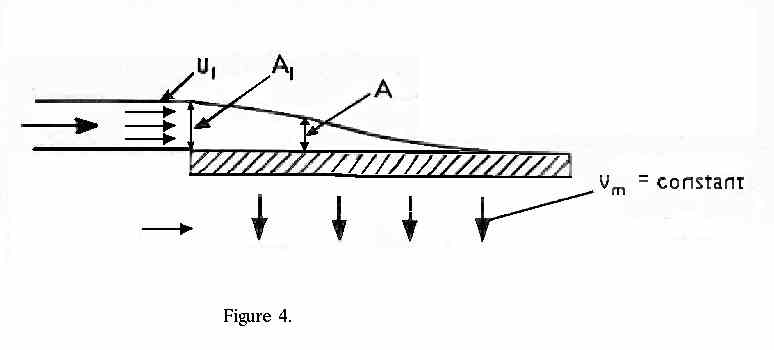
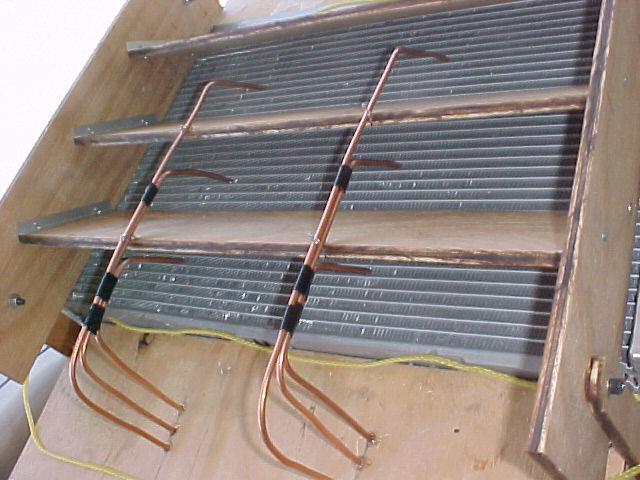
A too thick heat exchanger was chosen apparently with no technical
knowledge of the correct diffuser shape.
Apparently it was chosen intuitively :) Ironically it was done
by some people at Emery Riddle University in Orlando Fl. Also
ironically the correct answer was just down the road in the town of
Malabar Fl. Malabar is the home of Krieger Publishing Company, publisher
of the Kays and London book "Compact Heat Exchangers". The bible
for that sort of thing. One would think the university would
use that as a text book or at least have a copy in the technical
library. Of course liquid cooled aircraft engines are now rare.
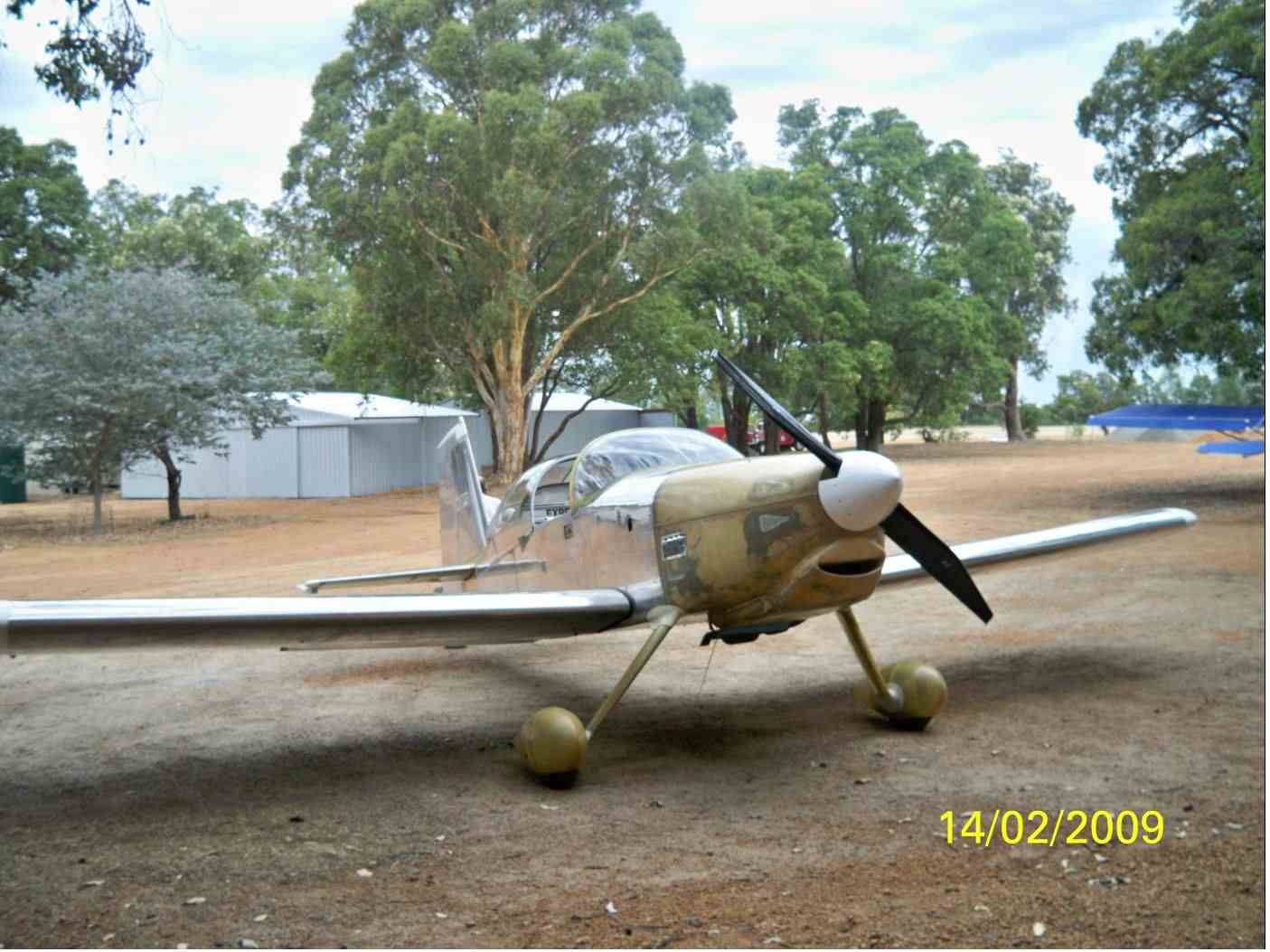
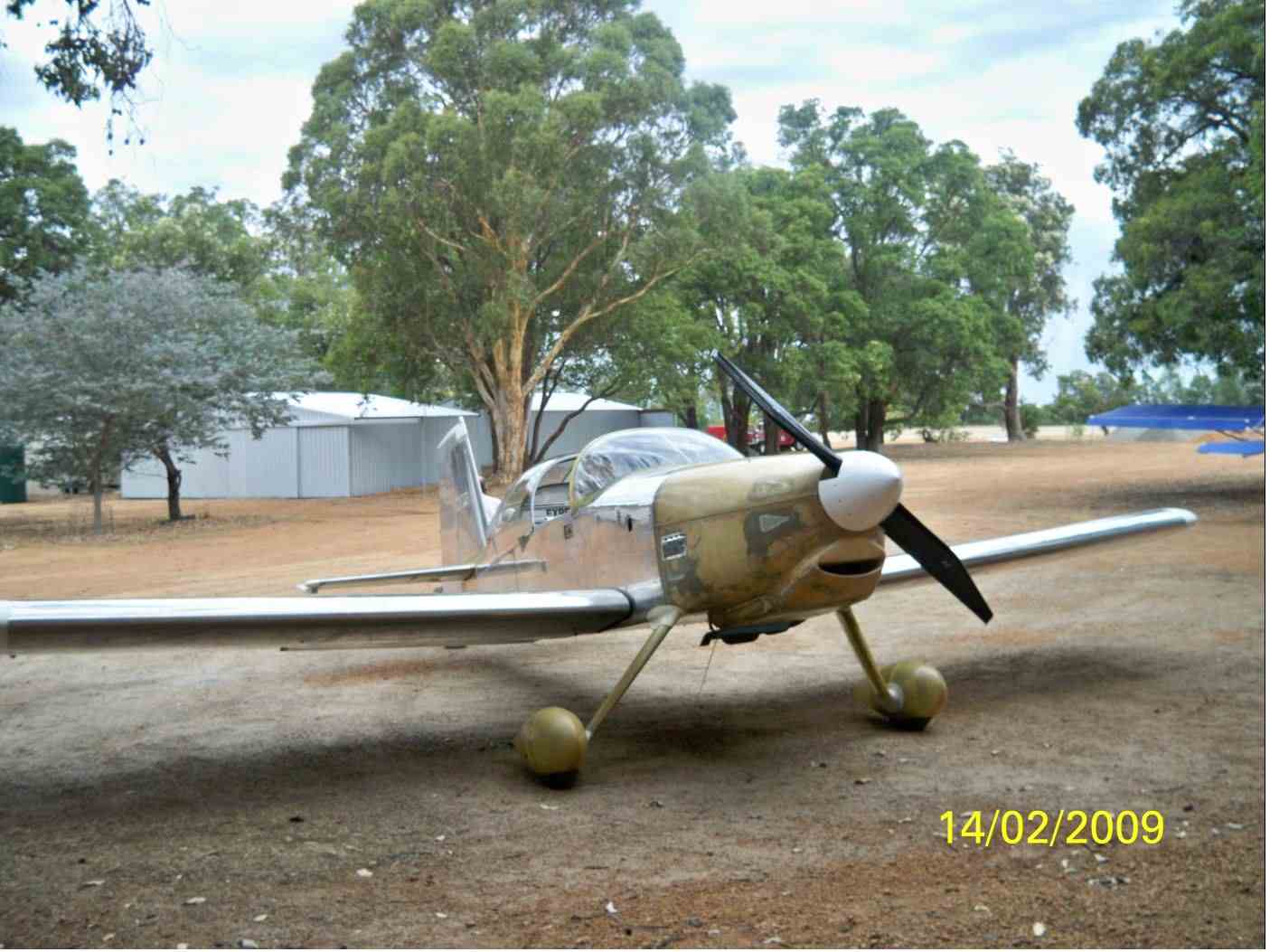
Ian Beadle, the owner of the RV6 in the Melanie video,
had been on the newsletter for years and was familiar
with the work of Kays & London as well as the experiments
that I had made to verify their theory on diffusers.
http://www.youtube.com/watch?v=XgLw3a8DZgM
This was his second rotary powered RV6 he had built.
Ian did some cooling experiments of his own and found that the
exact S shape of the diffuser was more important than I had thought.
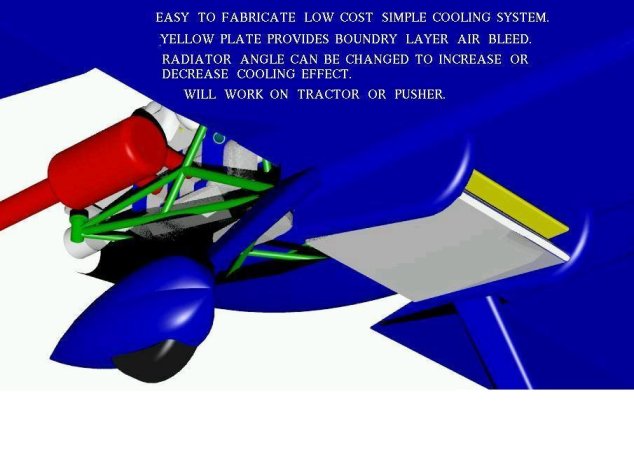
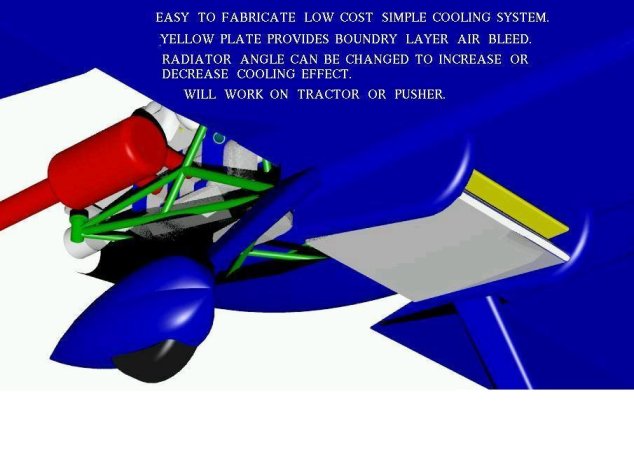
I was suggesting a simple to fabricate wedge.
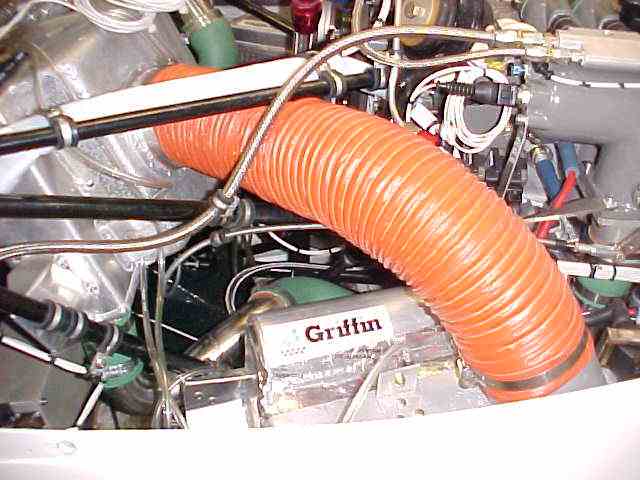
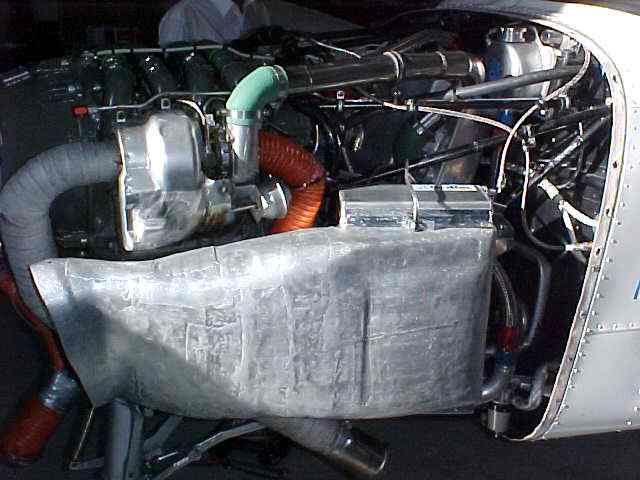
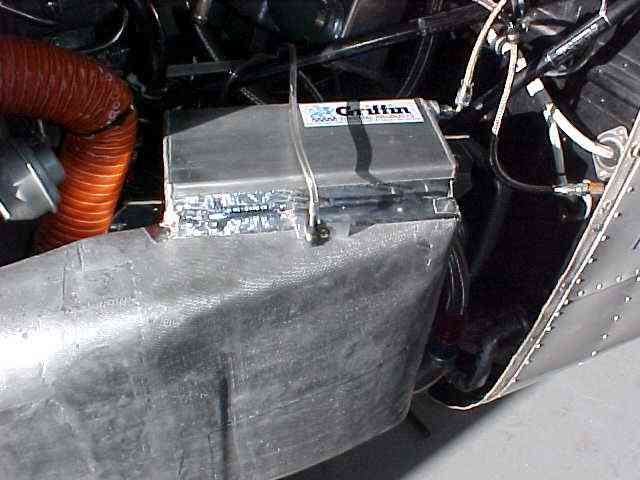
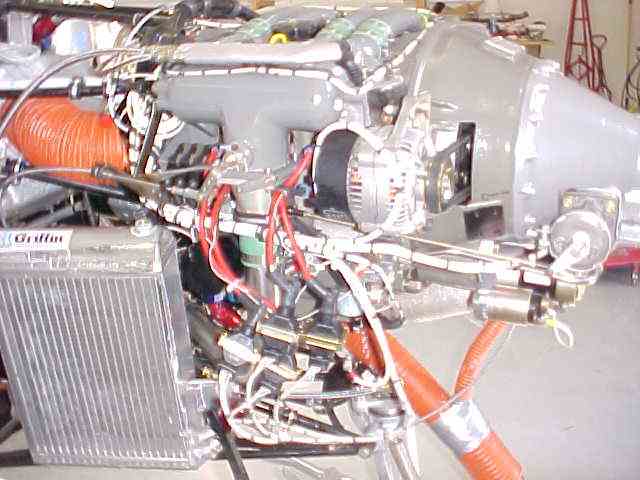
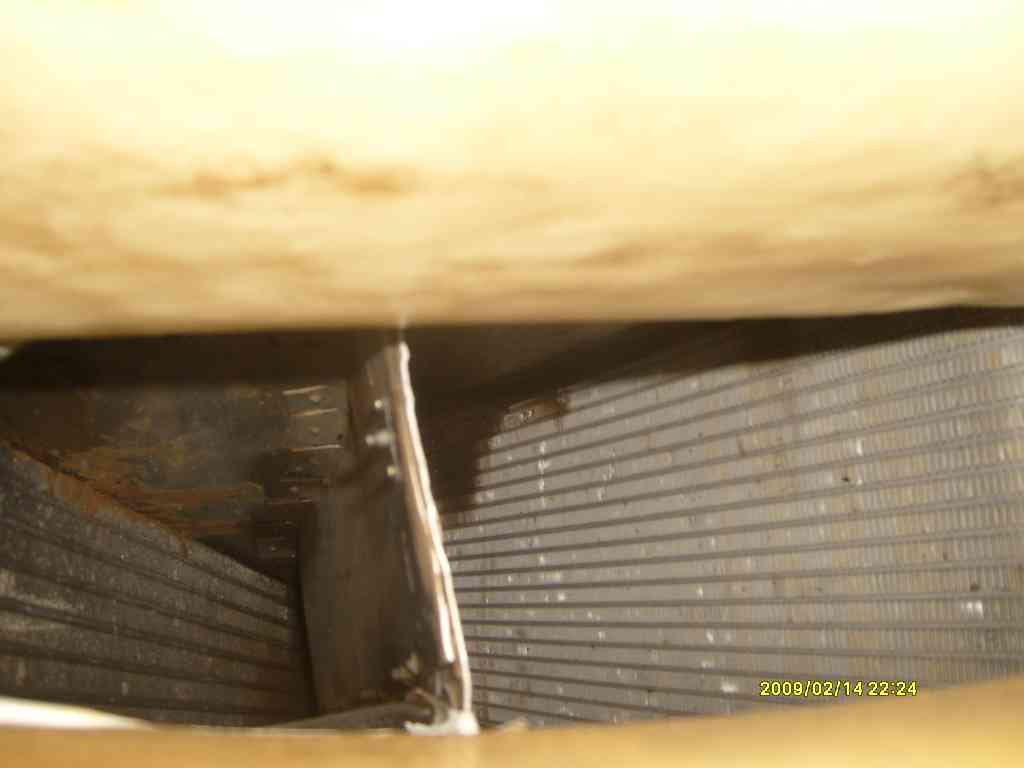
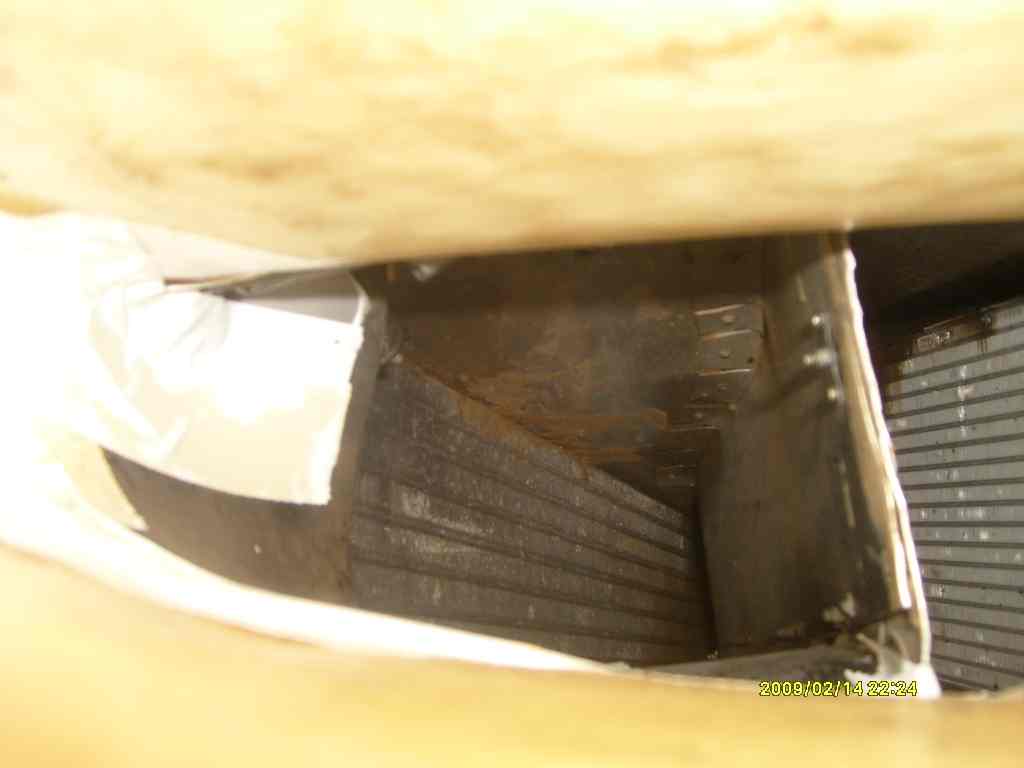
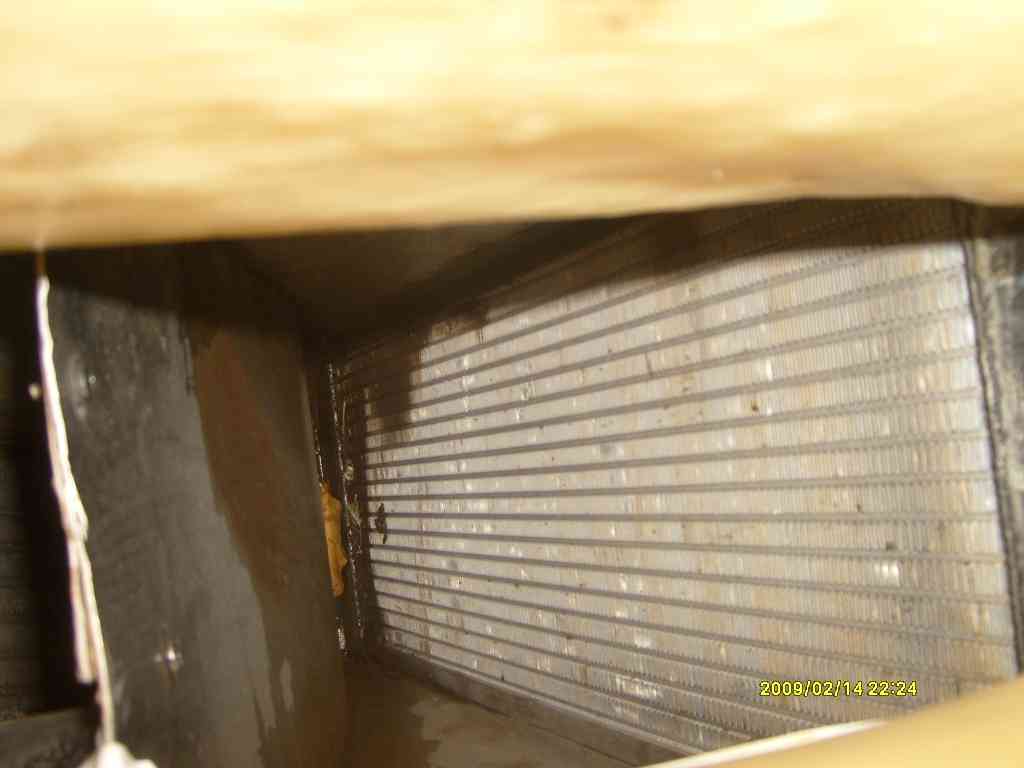
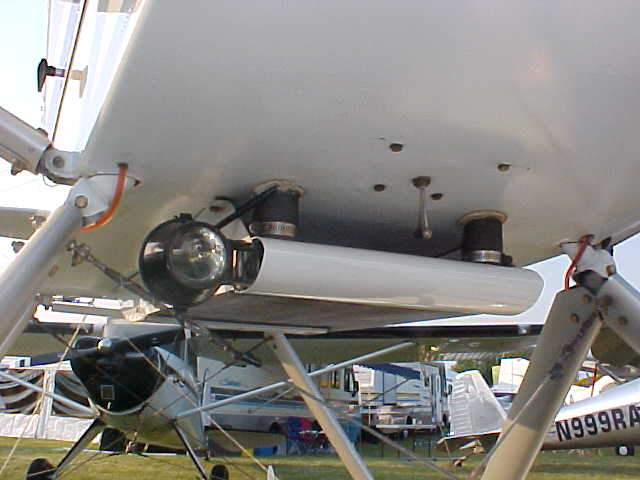
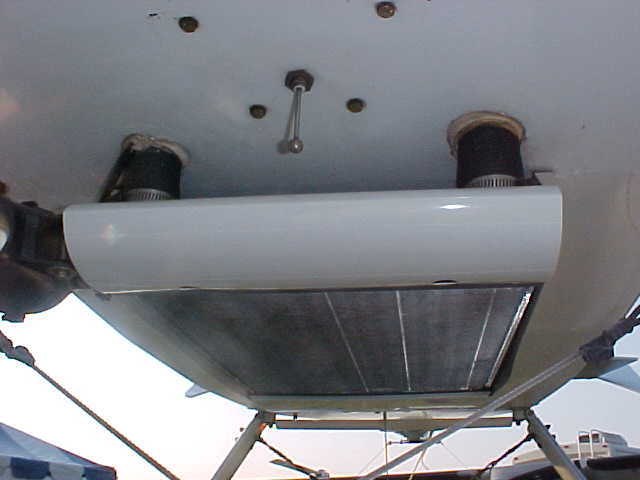
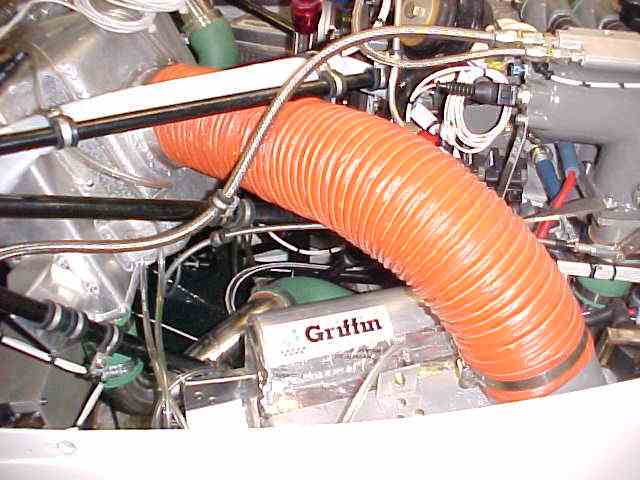
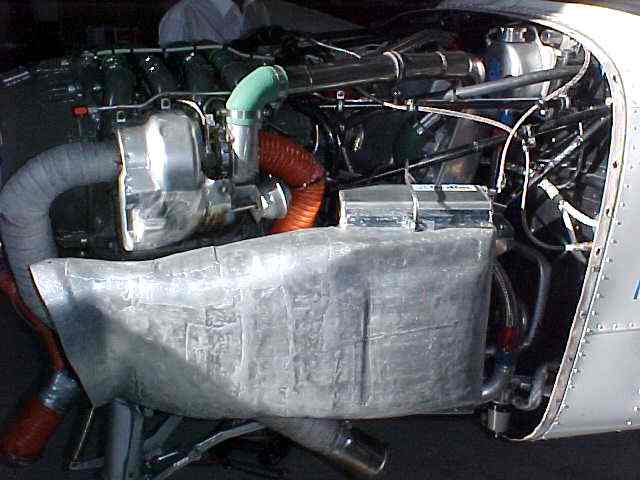
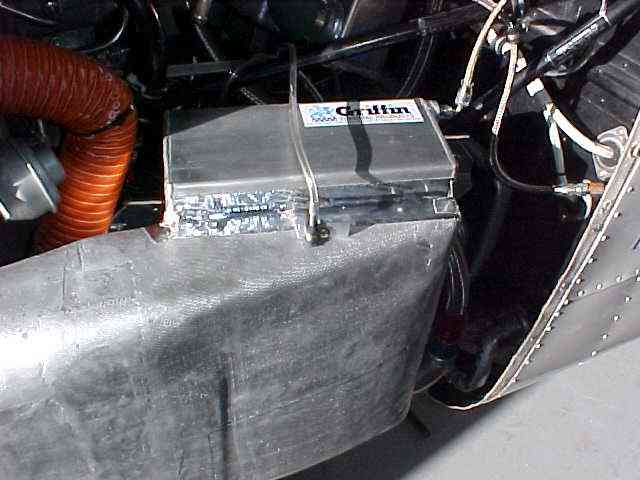
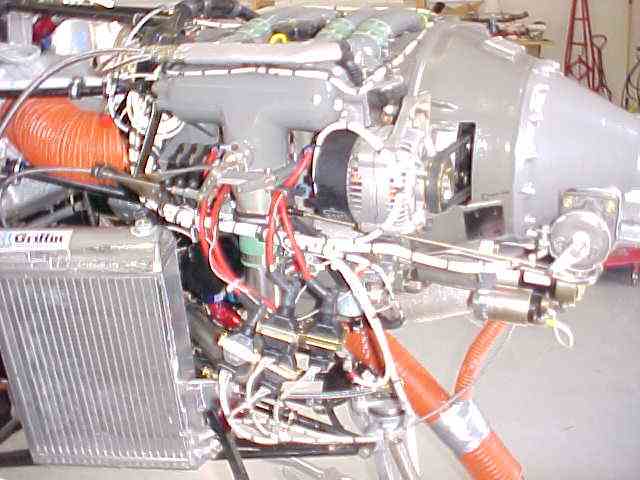
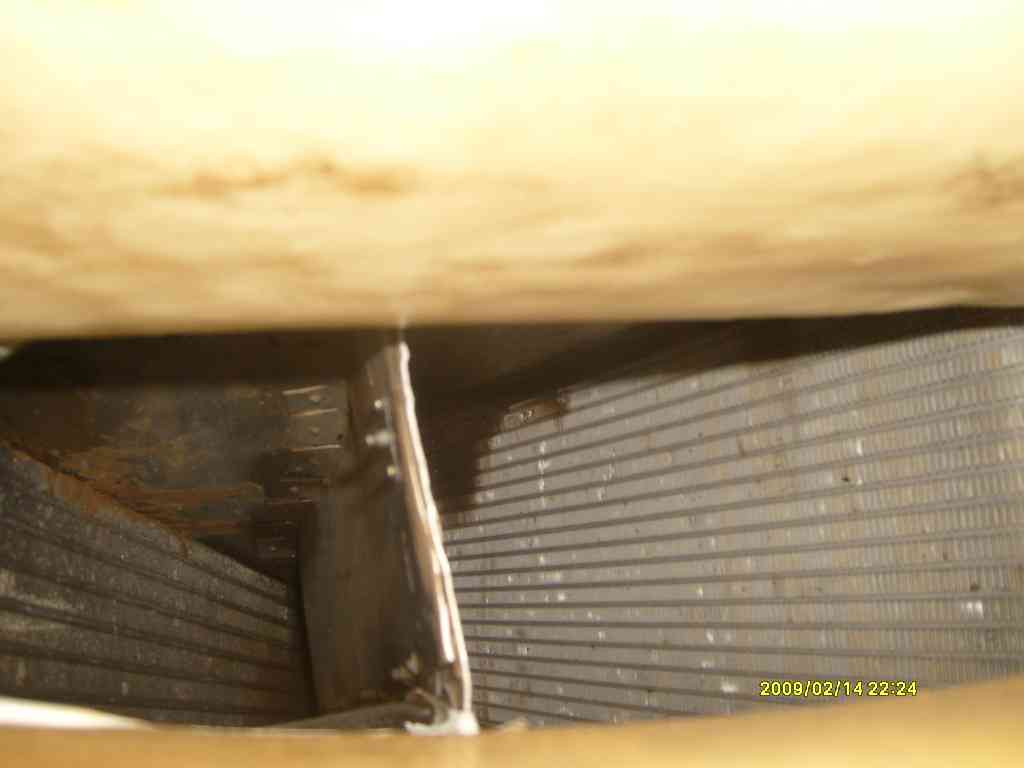
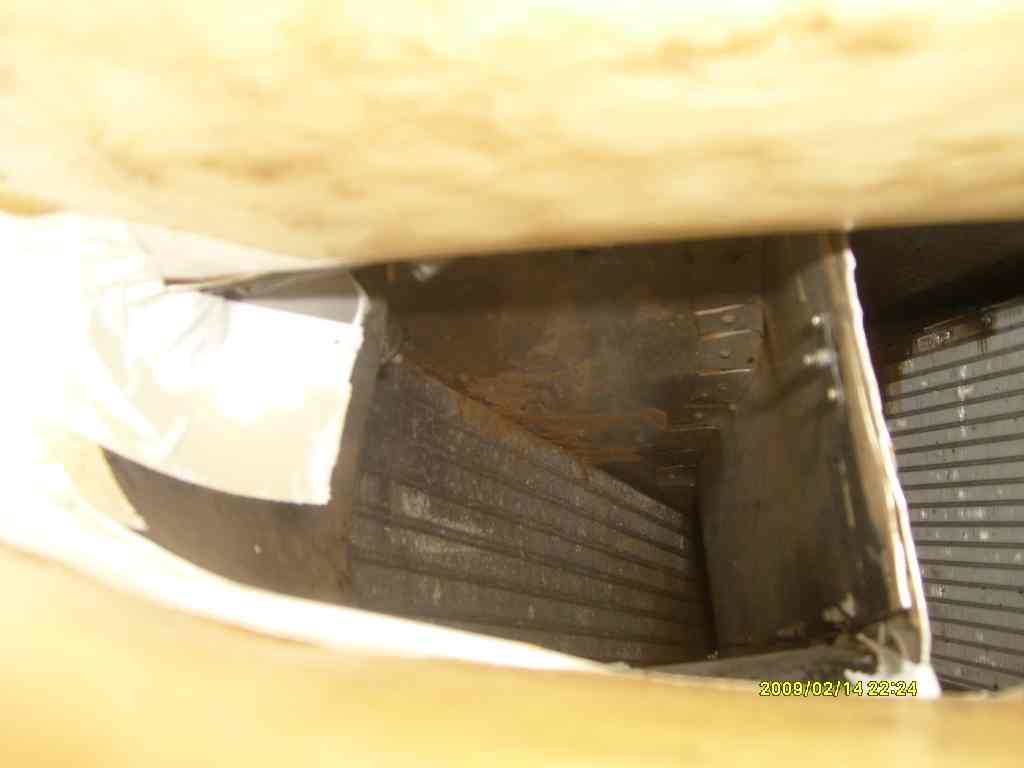
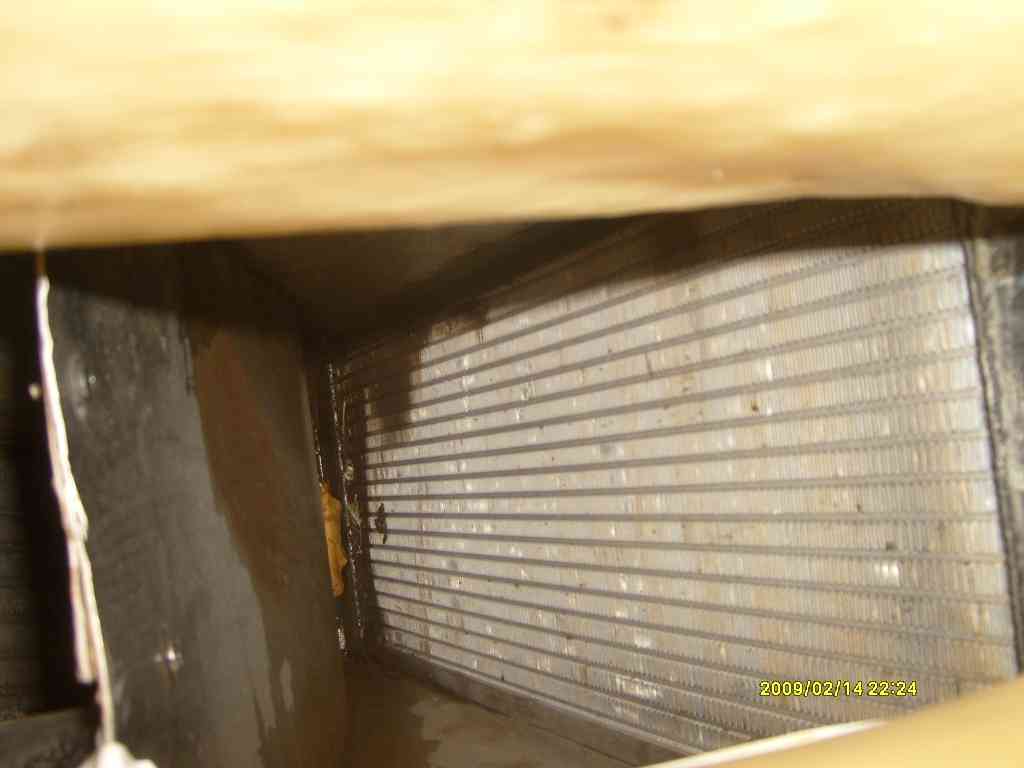
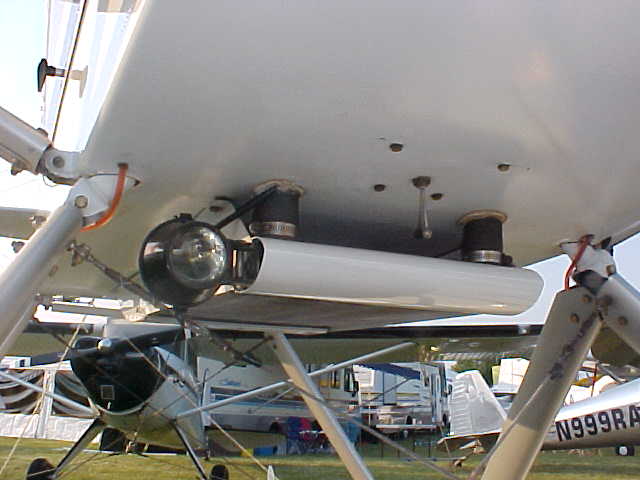
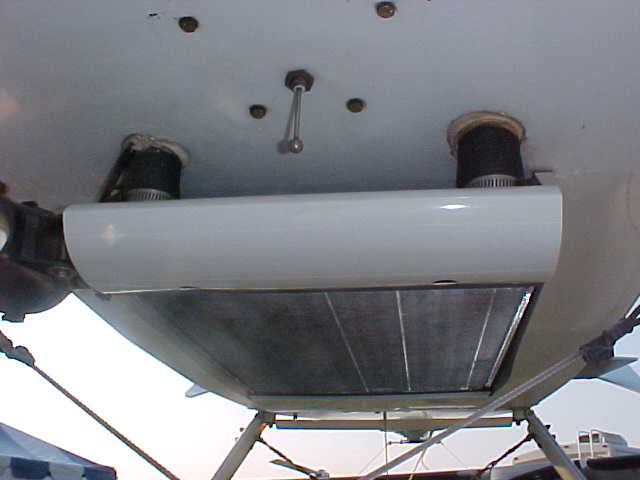
Ian mounted the heat exchangers vertically with lots of empty
space behind them, a point some people are still over looking, fed
with S shaped K&L diffusers. It cooled so well he was able to
reduce the area of the intake by about half while flying in
the Australian outback no less.
For the new people I have a book out called "How to Cool
Your Wankel". Email me for more info.
As far as calculations are concerned my book does not but I
think it can be calculated based on x mass of air raised y degrees.
Of course you need to have a heat balance chart on your engine
to determine the heat rejected to the cooling system. Then of course
you need to know the efficiency of the heat exchangers involved. The
rate of heat transfer is then a strong function of the delta T.
My guess is the liquid cooled engine is at a disadvantage
as the temperature of the coolant is never allowed to exceed
its boiling temperature while with an air cooled engine the delta
T can be hundreds of degrees higher. This subject goes back
to the early 1930's when the US Army and Allison tried to
increase the temperature of the liquid coolant. The Navy
said the heck with it and stuck to air cooling. The fastest
prop driven aircraft of WW II were liquid cooled.
The Dornier 335 huff and puff held the record as I recall.
The Germans did their homework on cooling drag.
Here is an excellent relatively modern paper on the subject by
Continental.
http://www.rotaryeng.net/Voyager-Eng.pdf
Paul Lamar
--
The Rotary Engine NewsLetter. Powered by Linux.
ACRE NL web site.
http://www.rotaryeng.net
Youtube key word PaulLamar2
Copyright 1998-2010 All world wide rights reserved.