BTW I don't think the 15 thou run out on the end of the
e-shaft is the cause of the miss. At what RPM is it missing?
I think you should borrow my RX8 trigger wheel hub and test
the EC2 with out the engine running. I think it has a software
problem over about 6500 RPM. You won't need the water pump
for that as they engine will not be running. If the injector
pulse width is not getting wider that is the problem.
In fact come to think about it I suspect Tracy's system
quits working after the torque peak as it is based solely
on manifold press and max HP comes well after peak torque
AND peak man press. If it has trouble sensing RPM
over 6000 it will not feed the additional fuel needed into
the engine at the same man press at the higher RPMs. Particularly
since you moved the torque peak down.
A car EFI systems uses a mass air flow sensor so
air flow is proportional to RPM as WELL as throttle
opening.
That explains a lot.
We need to hook up the Hytek and see what is going
on in Tracy's system over 6000 RPM with out the engine
running.
It is like trying to determine what some one is thinking
solely by observing their actions :) The hood is welded
shut :)
I have an early EC2 from the days when nobody went over
6000 RPM. Tracy has changed the software from that time.
We tried it on the p-port eng on the dyno but could not get
it tuned. We gave up at $650 a day and put the Weber on.
Perhaps we were having the same problem.
It might be interesting for me to hook it
up with the CAS simulator and see what it does
with my scope.
The bottom line is what does yours do?
Paul Lamar
Paul,
I agree, it would be very helpful to do a bench test on my EC-2. Bobby
Hughes has a scope we can use and I'm pretty sure I can rig it up using my
trigger wheel and my router/speed controller. Bob Darrah could fab an
adapter to fit my router.
There are two reasons I think this may be related. First, I can get
different results by changing the gap between the timing wheel and CAS
pickup. Second, Tracy recently commented that he had a misfire caused by
vibration of his CAS trigger bracket. He built a stiffer bracket and the
miss was gone. As I see it, a wobbling trigger wheel would cause the same
symptoms.
So, I think I will finish installing the Renesis water pump with new crank
hub and see if there is any improvement in how it runs. I can then do the
bench test if it still runs poorly. Keep in mind that before changing
engines this ignition setup would give me 7200-7300 rpm during the first
few seconds of my takeoff run. So, something has obviously changed, I
just
don't know what it was.
It may be that my exhaust system is too restrictive and is causing exhaust
gases into the intake charge at higher rpm. Lynn Hanover has stated that
the P-port engines don't tolerate exhaust restriction well. That makes
sense as a restrictive exhaust could force exhaust gases into the adjacent
intake during the overlap period. Come to think of it the rpm at which
the
engine began rough-running dropped after I installed the new muffler. I
may be on to something here... So, this may not even be ignition
related after all.
One question, what size air inlet should I have feeding the three 1-7/8"
ID
runners? Currently, I have a 3" SCAT hose with K&N filter.
Mark
I'll loan you my hub. No need for Bob to make one.
Well if you just go on area alone three runners are 8.28 square inches.
3 inch scat is 7 square inches. There is also skin friction drag pressure
loss in the tube due to velocity squared so I would go up a size or two.
There is 3.25 OD and 3.5 OD SCAT and SCEET.
SCAT is rough inside. SCEET is smoother but the inner liner
has been known to come adrift and plug it up. If you switch to
SCEET sew the inner liner to the outer liner with small diameter
safety wire.
Thin wall aluminum tube is best but I think about 3.5 inches OD would be
needed. You might want to roll your own out of .025" thick aluminum.
Send me some pictures of the P-port version of the 3 rotor.
Paul Lamar
Paul,
I've enclosed two pictures that show how it all came together.
You've confirmed that I need to enlarge the size of the intake tube.
Maybe
I can get some mandrel bent aluminum tubing and weld the pieces together
so
that I only have two small pieces of flex hose.
Mark
Nice tangential muffler.
Can you get a Harbor Freight inspection camera up the exhaust
pipe far enough to see the small holes in the center pipe?
Some could be failing.
Also nice job on the K&W duct on the oil cooler.
Can I see a picture of the other side of the engine? :)
Burns Stainless has some .065 wall 3.5 inch OD aluminum
90 degree bends for $105. Too expensive and too
heavy.
Carve it out of Styrofoam, wrap with vinyl electricians
tape and make a layup. The foam can be dissolved with acetone
and the tape fished out.
Paul Lamar
Paul,
Yes, I have a Harbor Freight LCD inspection camera and use it regularly.
I
can work it up the exhaust to where I can see a few inches into the
muffler. So far, everything appears to be in tact internally.
Mark
The muffler looks pretty good from the outside. How many holes
in that center tube and what is the diameter of the holes?
In other words what is the total area of the holes?
Somebody, I forget who, said that tangential mufflers can build
a complex internal pressure field due to the internal vortex.
The center of the vortex is low pressure while the outside
of the vortex is higher pressure. If this is true the center
of the field will be cooler as well. You might be able
to verify this with one of those non contacting infrared hand held
temperature gauges. The outer part of the vortex would then
apply more back pressure on the engine. That is the theory anyway.
Therefore you might try a separate 2 inch down pipe from the outside
of the can leading out, down and back. Make it temporary so it can
be removed and plugged up if it does not help. Leave this for
later after you have analyzed the electrical situation with the Hytech.
Robin is out of town on biz but I may be able to come down for a day
or two next week. Remind me to bring my infrared temp gage.
Paul Lamar
Paul,
That is a generous offer, but I work days (M-F) and our daughter is coming
to town Wed through Monday (6/16 - 6/21). I'm not sure what all they
have planned, but I really want to spend some time with her. She lives in
Denver, so I don't get to see her very often.
I need to order parts in order to get the opto-isolator board wired up and
ready to go. You mentioned a Panasonic part, do you have the p/n?
The tube running through the tangential muffler has 109 slits made with a
carborundum cutting disc (too &^%*$# difficult to drill holes in
inconel). The holes were then spread apart with a punch to form a bunch
of
diamond-shaped holes. So, I would guess that the holes are 1" long and
3/8"
at the widest. I realized too late that it would have been better to
angle
the slits to "encourage" the gasses into the inner pipe. I figured I
would compensate for that by using lots of holes (slits). I had thought
about adding an extra exit, or two. Or, I could open it up and replace
the
2.5" inner pipe with a larger pipe. Or, I could remove the inner pipe
altogether.
Mark
I sent the jpg with the pin number on it.
Did you not get it? Here it is again.
It is a Digi Key CNS 7s something. 77 cents each.
Your muffler could be acting like an air compressor
with the hot air swirling around what amounts to a bunch
of cowl flaps. Air could be flowing into the exhaust pipe :)
Just add another exit and see if it helps.
Paul Lamar
Paul,
OK, the opto's are on their way.
Mark
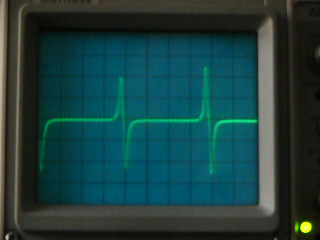
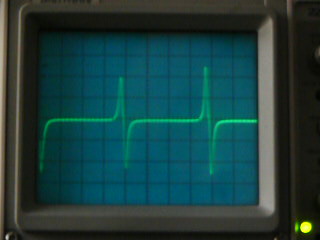
At 250 RPM and .05 inch the signal is 5 volts peak to peak.
If the engine starts it must be close enough.
The scope picture is one half of a revolution.
Paul Lamar
Paul,
What is the output voltage at around 7k rpm with a gap of .0050?
Mark
About 25 volts peak to peak but don't try to cut that down. That
is Tracy's job.
The picture says it all. The upper character line line
on the scope say it is 1 volt per division but
I am using a 10X probe so it is really 10 volts
per division. Hence 25 volts.
The sweep is set to 1 ms per division
so as you can see there are about 8 division
between rotor one and back to rotor one. 8 ms
is about 7500 RPM.
Anything you might do to preserve the
wave form AND cut it down will affect the engine starting.
Set the EFI computer up on the bench. You can simulate the injectors
with a high wattage 5 ohm resistor connected to 12 Volts.
The bottom of the resistor will be switched on and off by
Tracy's computer. Use opto circuits on the injector signals and
feed them into the digital inputs on the Hytek.
Connect the CAS simulator. No need to connect
the manifold pressure sensor hoses at this time. Leave them open.
That simulates WOT.
I think you have other problems and nothing to do with the CAS.
If you are using an MSD ignition or something like that
you can use the Hytek to check the integrity of
the signal coming out of Tracy's computer.
Set the Hytek (poor man's storage scope) sample rate
to 50,000 samples per second.
You only need to run it for a few seconds as it will
acquire a mass of data on your hard disk very quickly.
This way merely checks to see if the ign pulse
is going out in a timely fashion. In that case use
opto circuit and feed the 5 volt output pulses to digital inputs
on the Hytek. The data will show any missing pulses
if any and the width if it is greater than. 1/50,000
of a second.
Paul Lamar
Paul,
I think you mentioned that you had a spare CAS sensor. Would you mind
tossing that in the box with the trigger wheel adapter? The A/C sensor is
hard wired and potted, so I really don't want to have to remove it if I
don't have to.
I had a thought about how to spin the trigger wheel. I have a Shopsmith
wood lathe. The speed is infinitely adjustable. I'm pretty sure that I
can
rig up the trigger wheel so that I can control the rpm very precisely.
We'll see how that works out later.
Mark
Too late. Box went out this morning.
The way to check those things is use an ohm meter.
I think there is an RX8 shop manual on:
http://foxed.ca/foxed/index.php?page=rx7manual
The other way of checking the internal magnet is see if it is
attracted to steel or iron. How many standard washers
will it pick up from a given height.
Go to pep boys and buy one of these for $25.
Just as good as a Mazda $100 pick up.
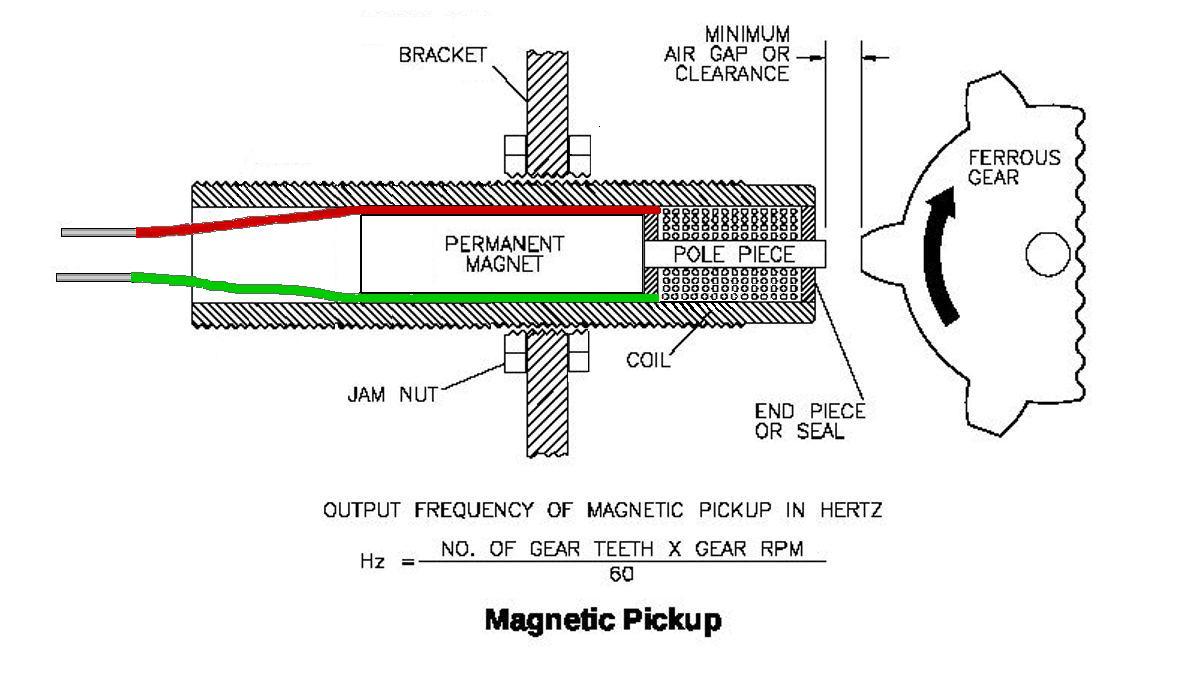
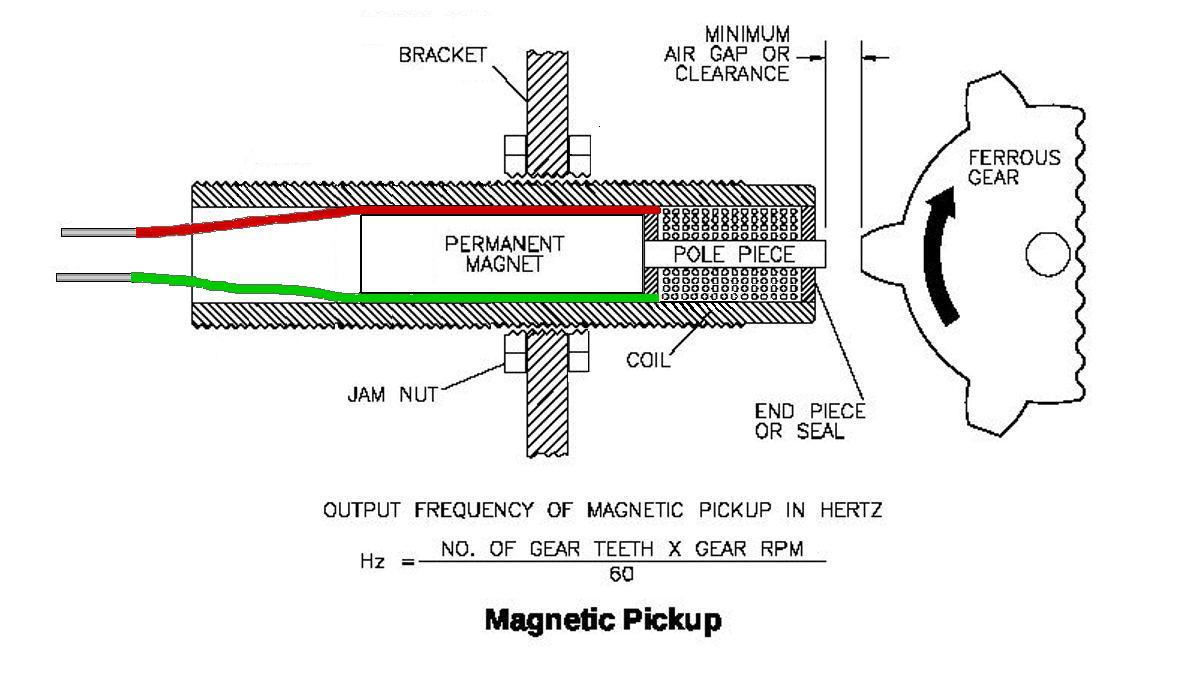
They all work the same way. Many turns of fine
wire wound around a magnet.
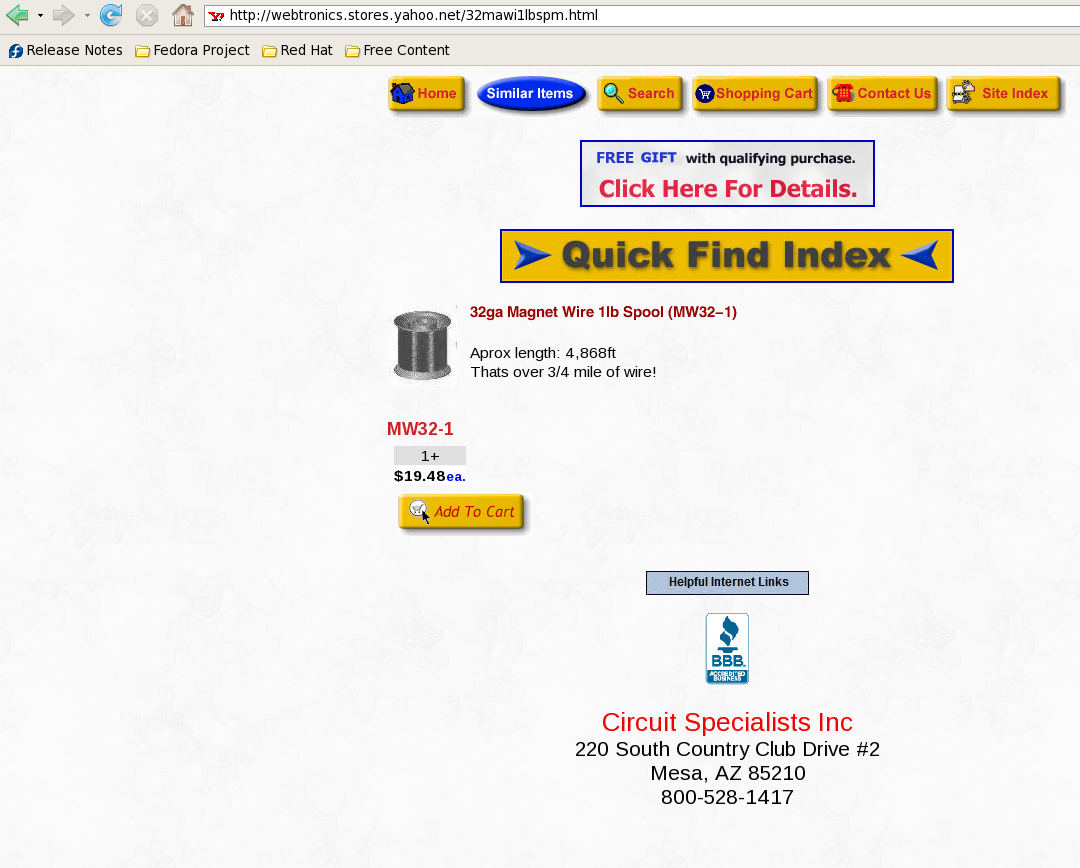
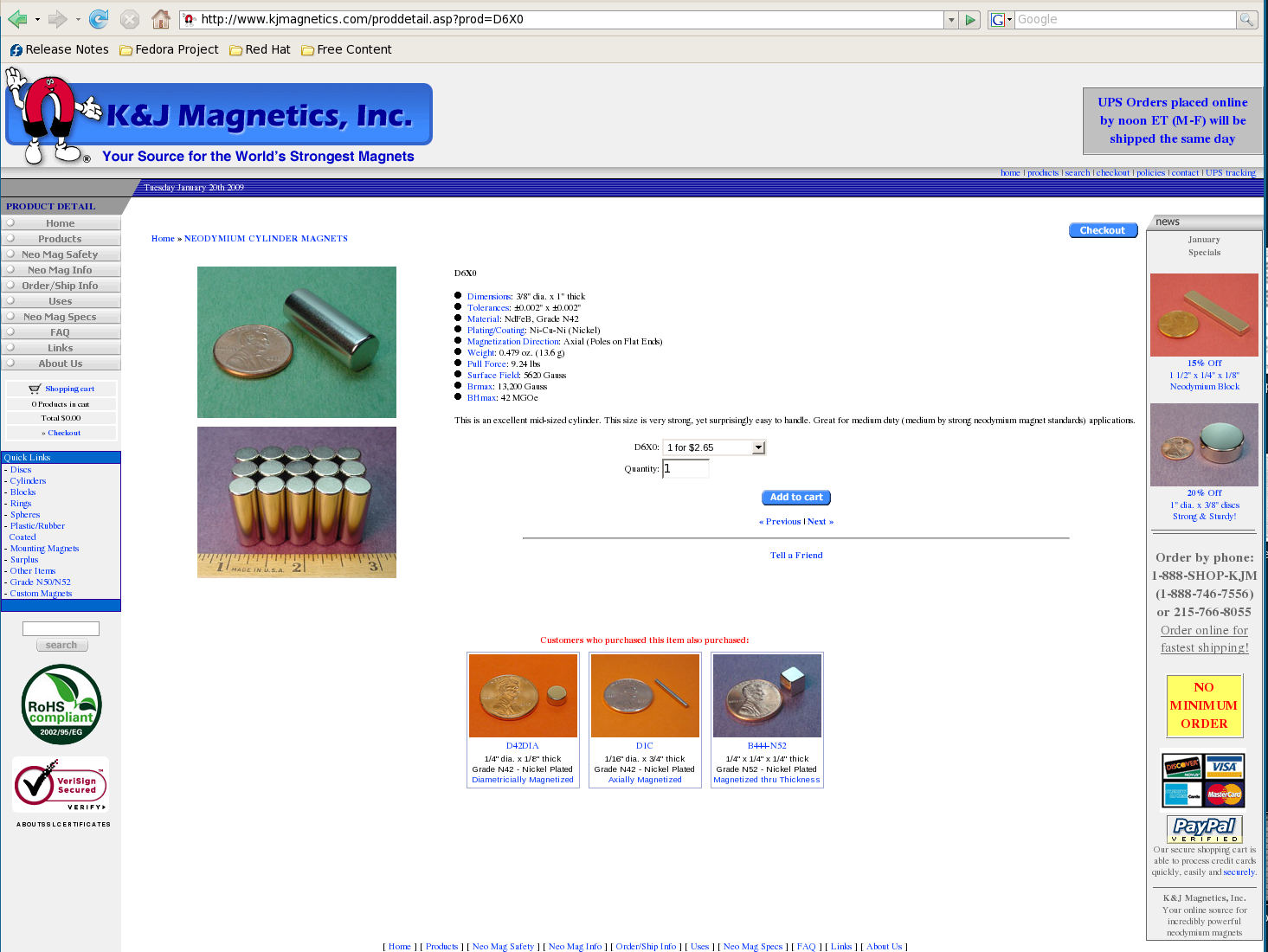
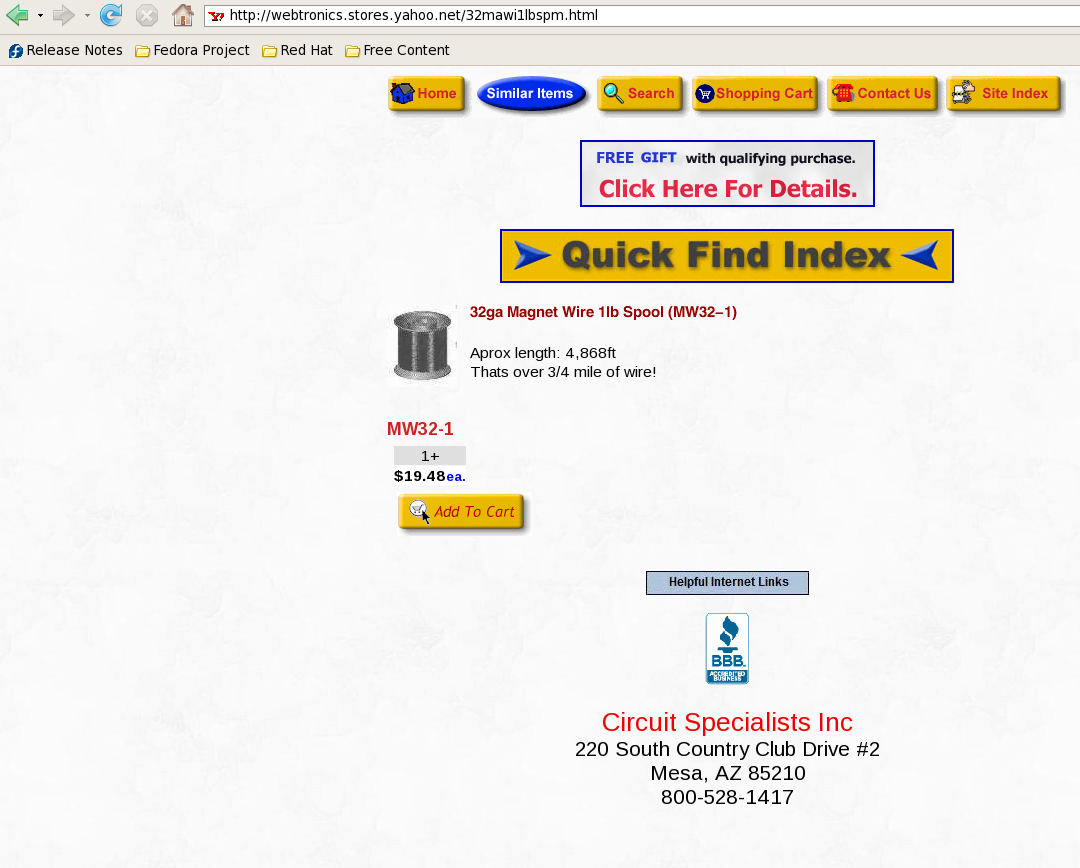
This appears to be the hot tip place to buy
them on the internet.
http://www.pronto.com/user/search.do?displayQuery=abssensor&SEM=true&query=abssensor&adid=1189375855-3014077-0_gs&ref=abs
sensor&creativeid=3254163062&site=
Here is a screen capture of the front page of that web site.
Don't buy anything you can't see a picture of.
The Borg Warner ABS101 part number appears to be obsolete.
Mine looks like the BWD $84 ABS112 but I only payed $16 at Pep Boys.
Print a picture and take it to the auto parts store with you.
Paul Lamar
Paul,
I ordered a spare sensor from Atkins Rotary.
Mark
How much did he charge? Was it used?
Use this chart as a guide and go to your local
pull your own part junk yard.
I'll be surprised if the CAS turns out to be the
problem. Those devices are very robust. There is
no current flowing through them to speak of so
they don't burn out. I suspect they would have
to be in a fire to destroy them.
Paul Lamar
Paul,
I agree, they're very robust, but I wanted a spare that I could experiment
with. It was listed on EBAY for $35, less than half of a new one.
The first one I purchased was listed for a Mazda Protoge - cam angle sensor.
It is identical to the rotary CAS, but was much cheaper. Someone must have
gotten wise because now the Protoge sensor is the same price as the rotary
unit... RockAuto.com for $75/ea.
Mark
They all use the same tech. A magnet with some wire wound around
it.
It would be a good biz for someone un employed. Go to junk
yards and collect all kinds of sensors, clean them up and
sell them on ebay.
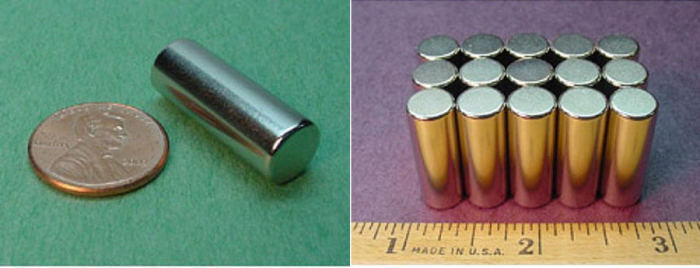
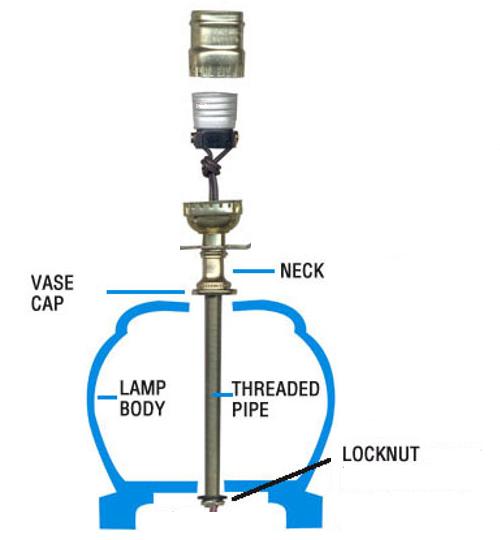
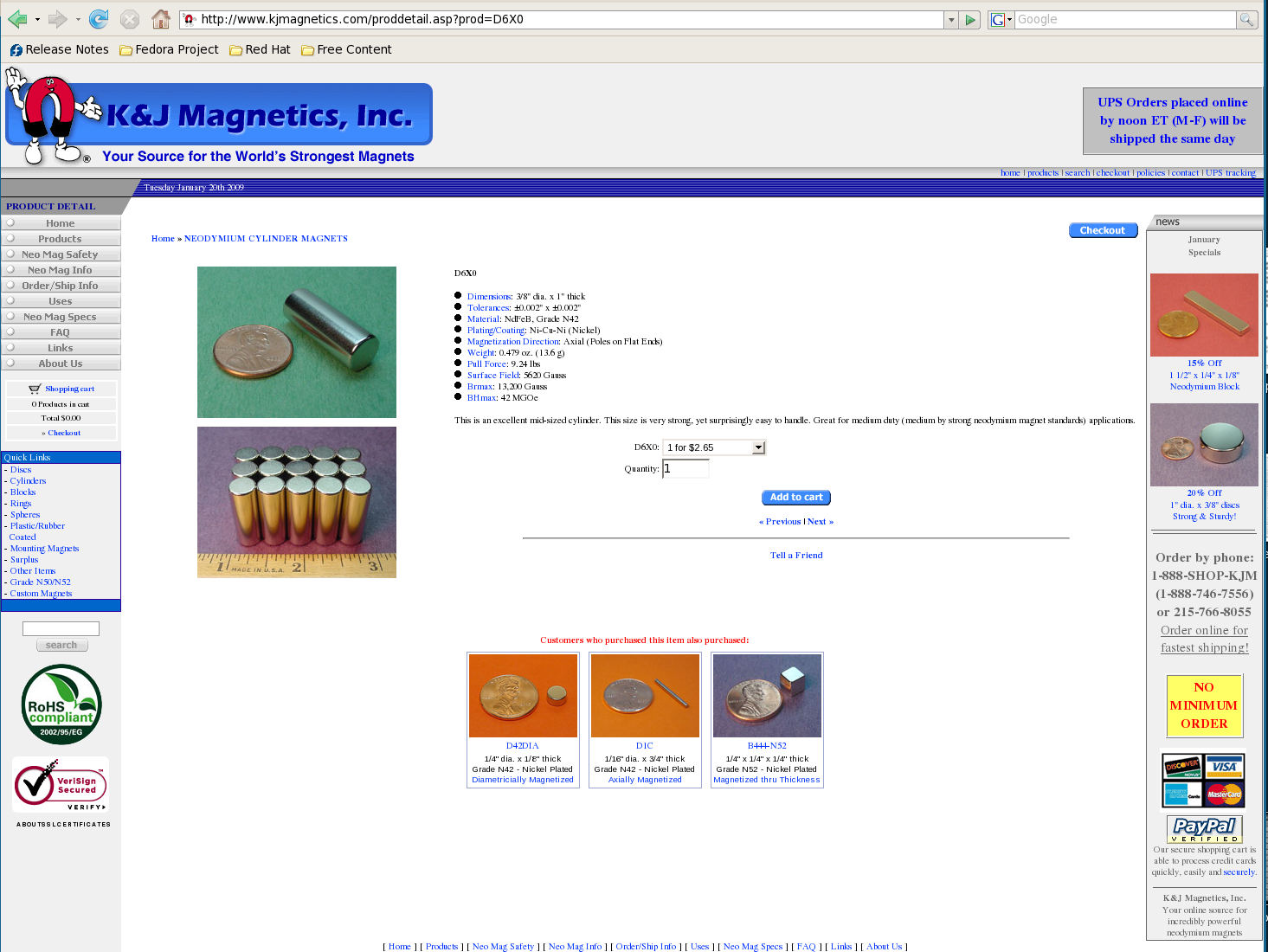
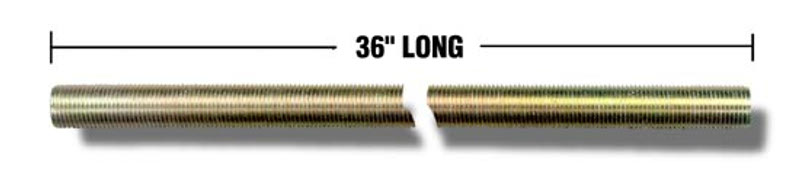
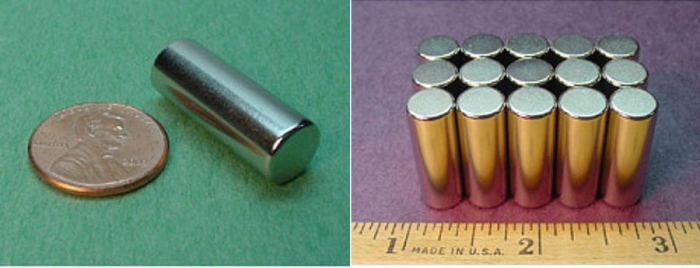
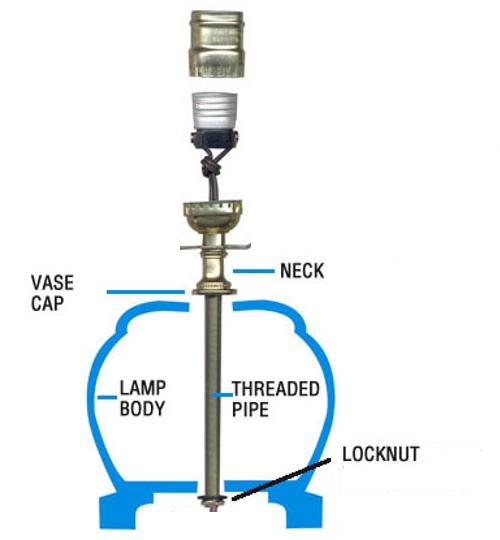
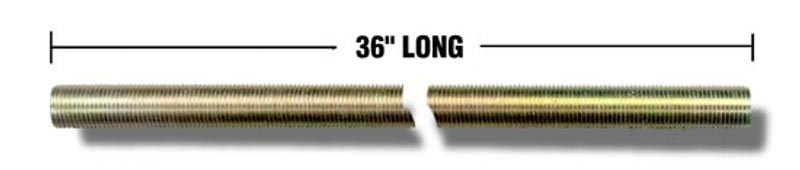
You could also make your own out of the off the shelf
table lamp parts, magnet wire and magnets. Use a drill motor
to wind the coils. I think I wrote this up but I can't
find the message.
Paul Lamar
--
The Rotary Engine NewsLetter. Powered by Linux.
ACRE NL web site.
http://www.rotaryeng.net
Youtube key word PaulLamar2
Copyright 1998-2010 All world wide rights reserved.