Paul:
Perhaps you have followed the development of "Super Critical Fuel
Injection"
by a local Camarillo company, Transonic Combustion Inc.
"We bring dramatic fuel economy improvements to existing automotive
powertrains," said Brian Ahlborn, president and CEO,
Transonic Combustion, Inc. "Our approach to energy efficiency will
help the automotive industry meet 2016 fuel economy and emissions
regulations
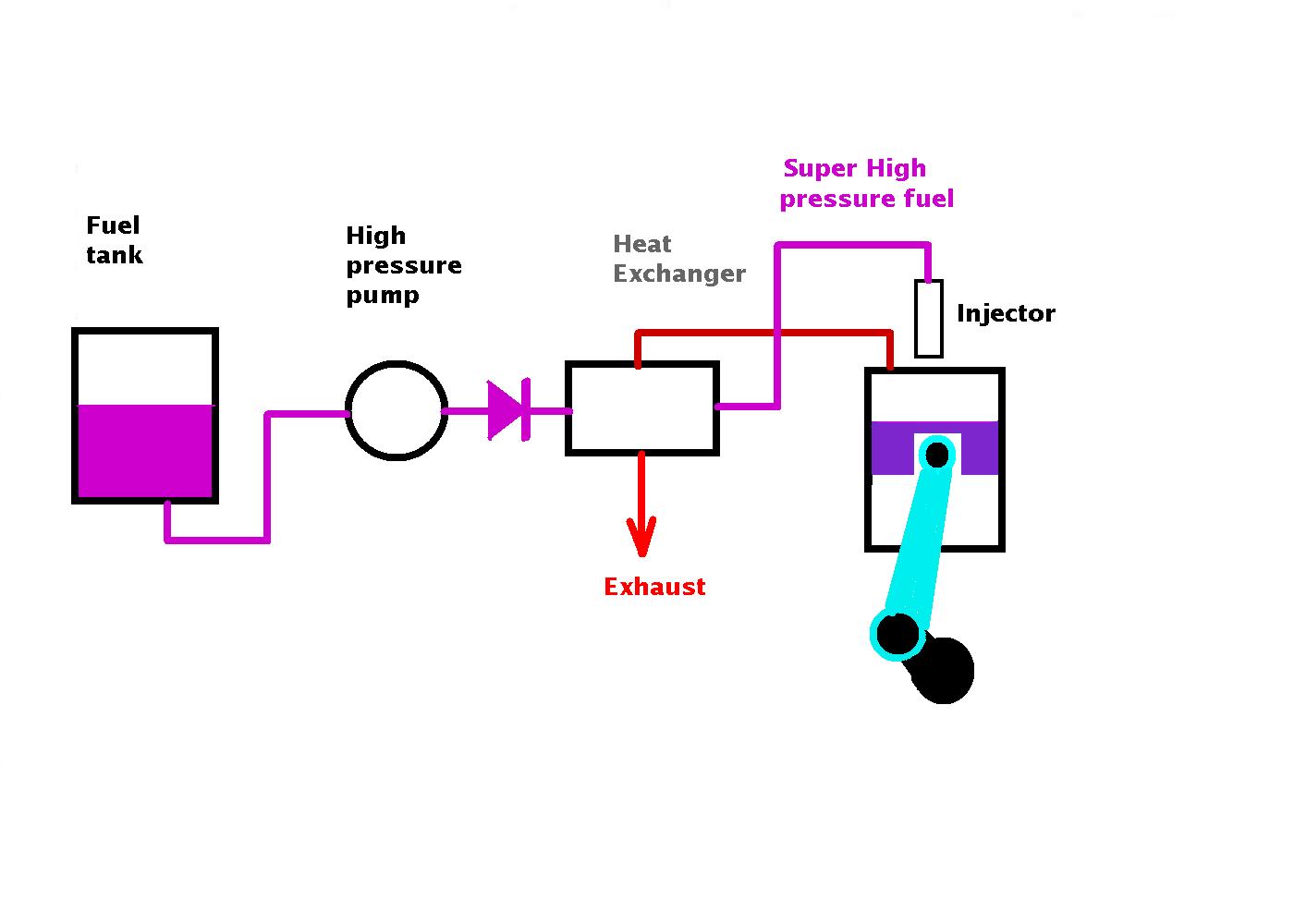
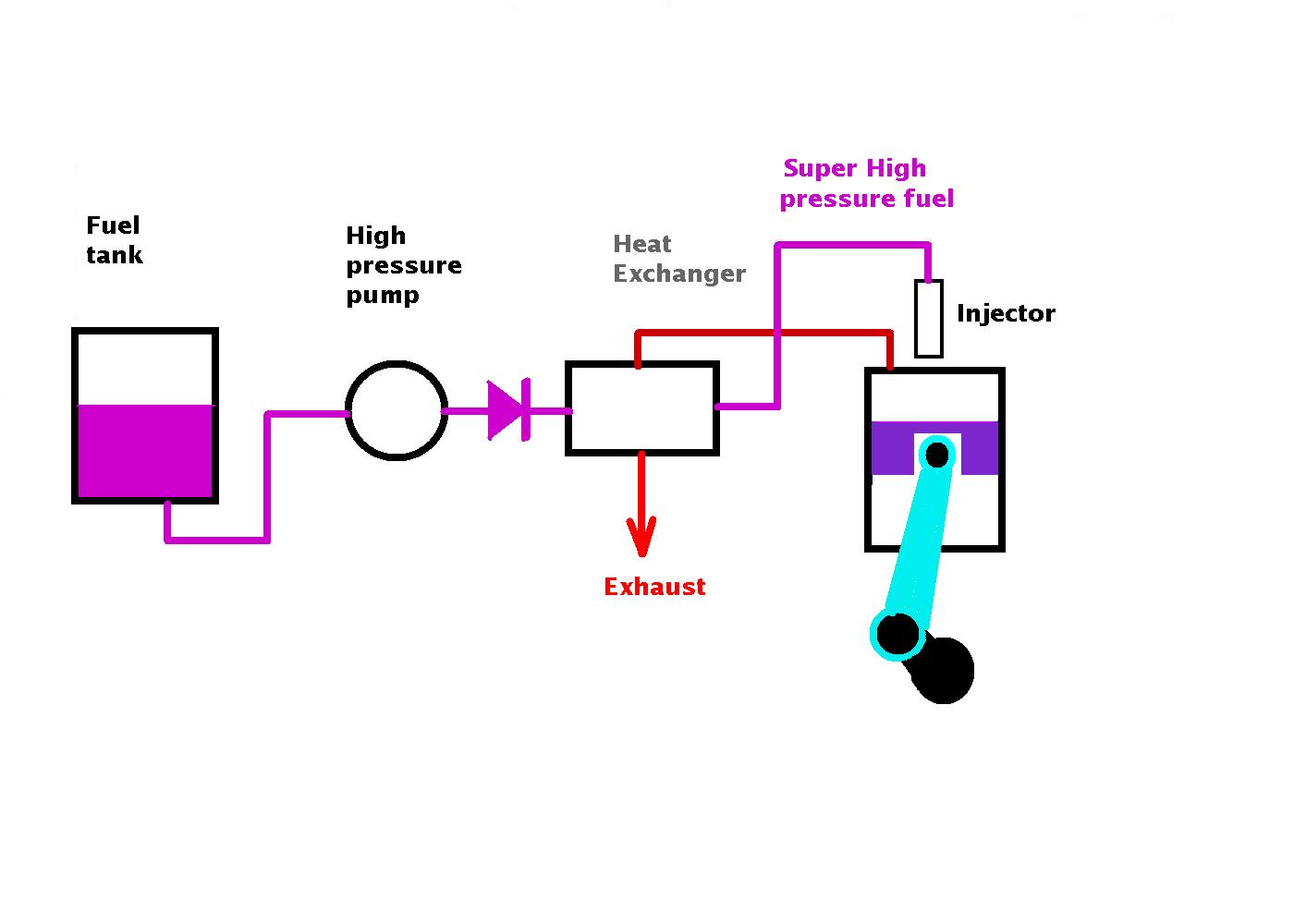
With Transonic Combustion's technology, the fuel is heated to 400 degrees
Celsius, which turns it into a vapor, or so-called supercritical
fuel. The vapor state allows it to mix with air much more quickly
and enter the combustion chamber much faster. "In the supercritical
state, we are able to inject the fuel more rapidly and use
significantly less fuel to achieve the same amount of work to drive
the piston."
See:
http://www.tscombustion.com, and
SAE articles:
http://www.sae.org/mags/aei/7160
Keith Moore
Oxnard
"A modified gasoline engine installed in a 3200-lb (1451-kg)
test vehicle, for example, is getting 98 mpg (41.6 km/L)
when running at a steady 50 mph (80 km/h) in the lab."
Gee that sounds familiar.
Could that be the long lost 100 mpg carburetor? :)
A lot of fashionable green propaganda with zero technical
content.
I have the patent. Obviously the patent office
is no longer bothering to read the pat apps :)
All those people and 70,000 square feet and no car I or
anybody else can drive? :) I know a few automotive
journalist that would love to test it.
I'll believe it when I see it function :)
Paul Lamar
Sounds like a redo of Smoky's hot air engines. Gasoline does not vapourize
all hydrocarbon components until about 450 degrees F. Not saying somebody
can
not come along with a little different slant and make something work, but if
Smoky ran into brick walls with his connections; I don't know. The cool
intake
air is going to pull heat out of the fuel and have a tendency to condense
it.
Knowledge right now says to inject into the cylinder or intake and the
evaporation will cool the air and make a denser charge. OOPS. Somebody got
it
wrong.
Dale Davies
Dale,
FYI, 400 Celsius = 752 Fahrenheit; therefore, all the hydrocarbon components
should be vaporized way before the 450 degrees Fahrenheit is reached.
A denser charge can be achieved with anti detonation injection (ADI), which
is very old technology.
And that is my .02 worth...
Norm DeBoer
I get it. It is the old steam engine trick.
Heat fluid until it expands. Injection water
into a hot cylinder causing it to expand.
Water injection is a form of turbo compound.
Steam occupies about 1,600 times the volume of an
equal mass of liquid water.
Heat any fluid hot enough in the absence of O2 and it
will greatly expand. Don't forget to add in the heat
it takes to heat the fluid when calculating
the MPG :)
If you use the exhaust to heat the fluid it
is also form of turbo compound.
Look up the six cycle engine.
In this case they are using the gasoline as the
working fluid in a steam engine :)
Another clever scam.
Paul Lamar
--
The Rotary Engine NewsLetter. Powered by Linux.
ACRE NL web site.
http://www.rotaryeng.net
Youtube key word PaulLamar2
Copyright 1998-2010 All world wide rights reserved.