One of the options for the multi-strike
rotary engine ignition is to use an off the shelf
DC to DC converter.
www.Apowerdesign.com has a suitable product
for about $150.
Model number is S30-S300 The down side is 4 to 6 weeks
delivery.
It is probably more robust from an environment point of view
and reliable than the 400 watt 12 volt to 220 volt
AC car inverter. It is also much smaller at 2" by 2" by
.5" and far far lighter at 2.6 oz.
What do you think? Is it worth the extra $100 for a one
rotor and $200 for a two rotor version.
I could use just one for a one rotor ignition system.
They do have a 150 V push pull unit in stock that will work
if slightly modified called the S30-D-300 so I ordered one.
I'll use that to build a prototype.
I'm OK with it, I'll pay for reliability over cheapest
option. The engine keeps you up there after all.
C. Smith
Hopefully these ignitions systems will pay for
themselves in fuel savings if I am lucky :)
Paul Lamar
Paul,
Have to date kept right out of your ECU design as I am illiterate
in this sort of thing. However I was speaking to a very clever bloke ,
Rohan Ambrose of extreme Rotaries, here in Oz. (He claims to already know
you) He was talking about progressing to a direct fuel injection with air
injection as well. For that to happen he needs each trigger to set off 3 - 4
contacts at once. One for fuel and the rest for air. The technology he is
following is already out there, but never developed for a rotary. He has had
it running already and at a Lambda of 17 !! Now we are talking economy !
Much more to it but very interesting. His big hurdle in an ECU that can do
all he wants. Can you get your ECU to trigger 4 outputs at once ??
Also just how big an alternator is required for the Current ECU's ??
Tracy's or yours?
Neil.
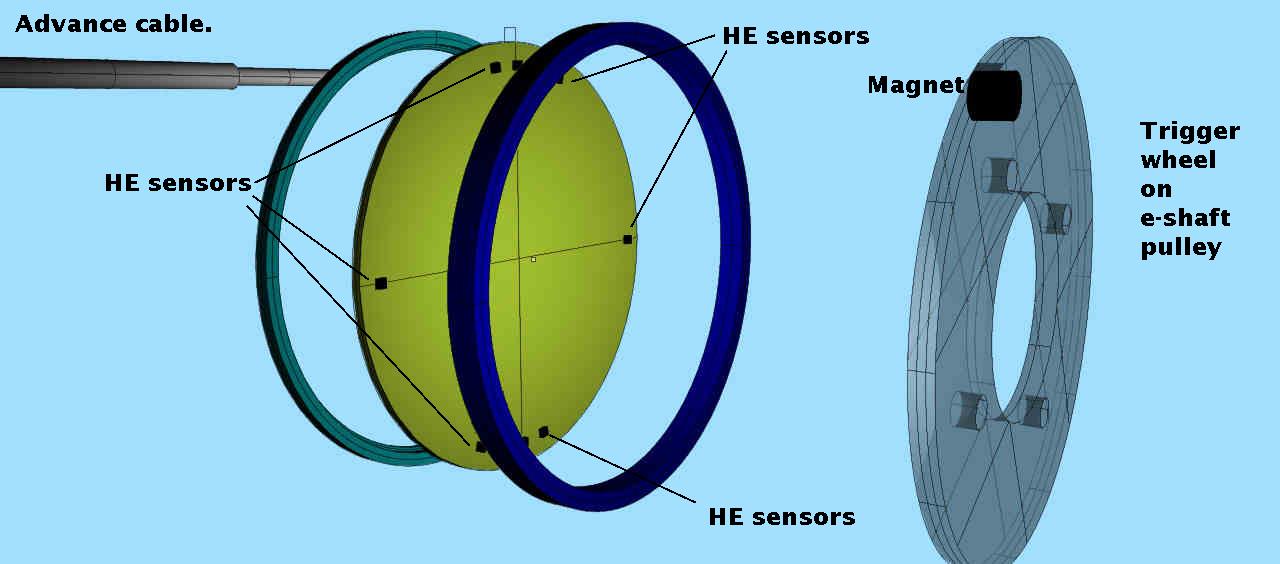
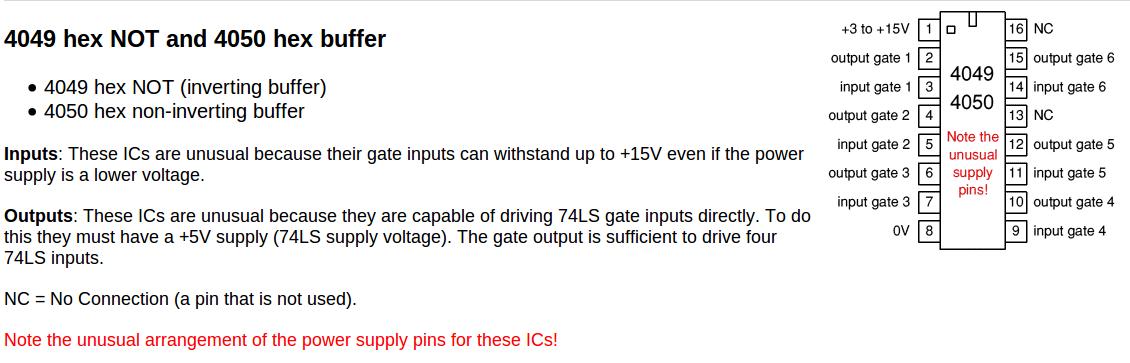
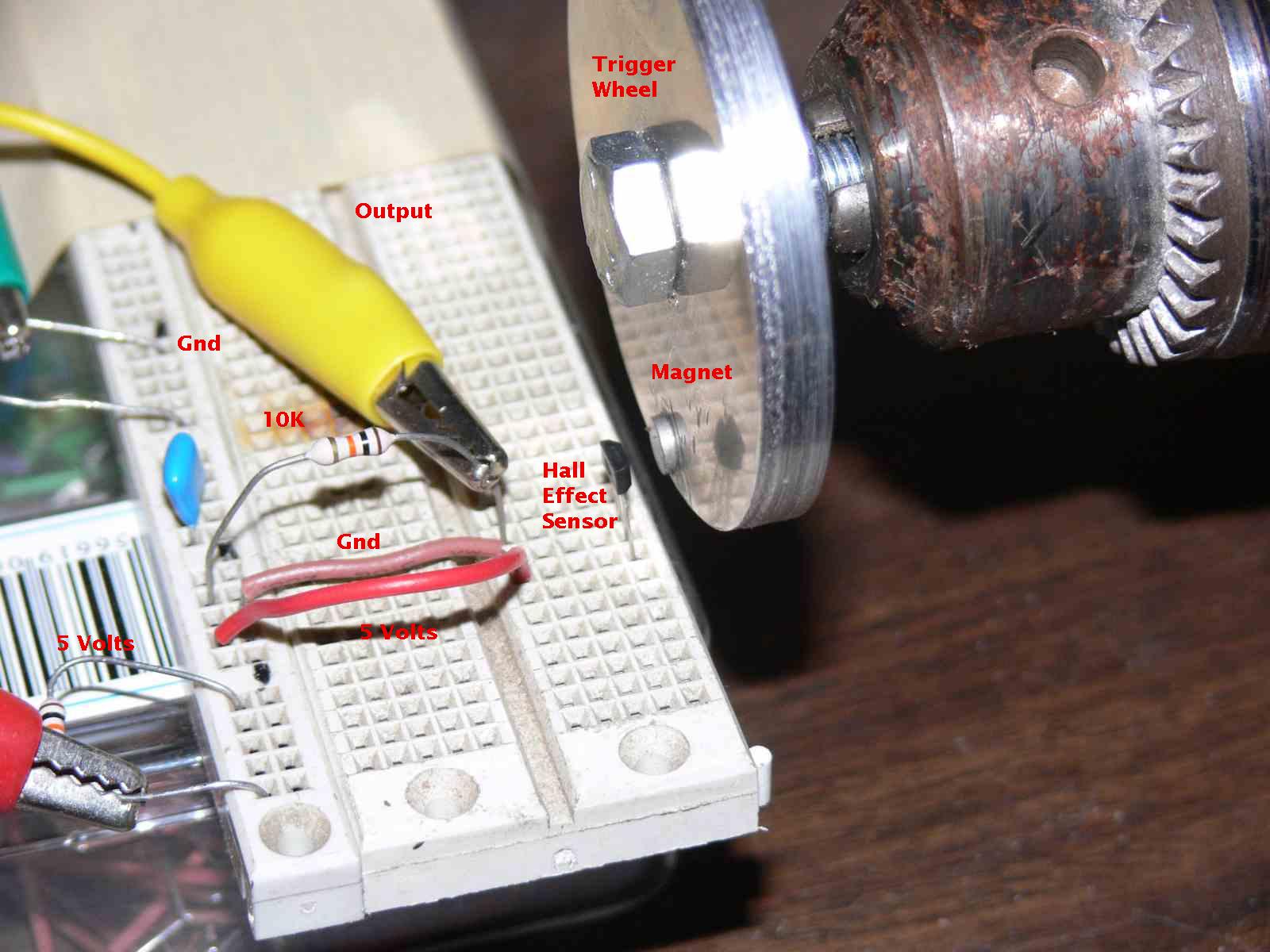
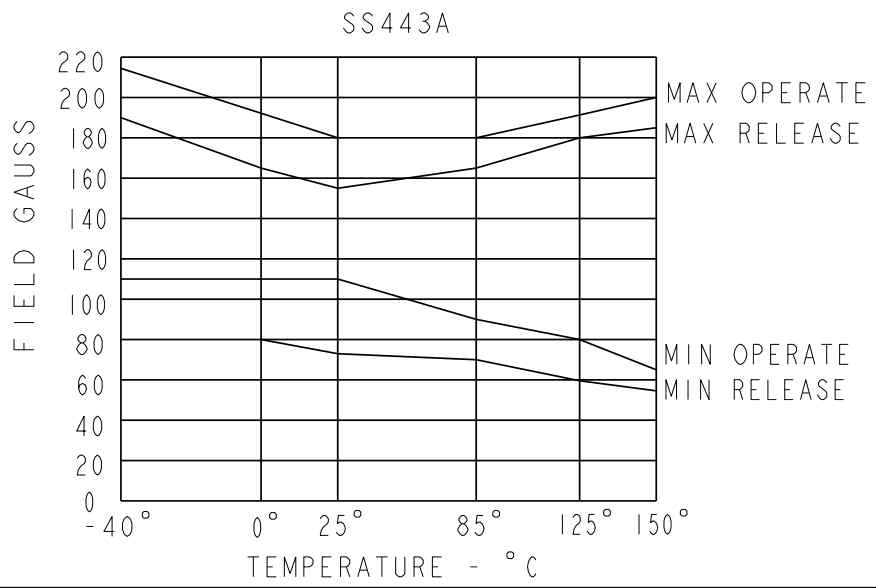
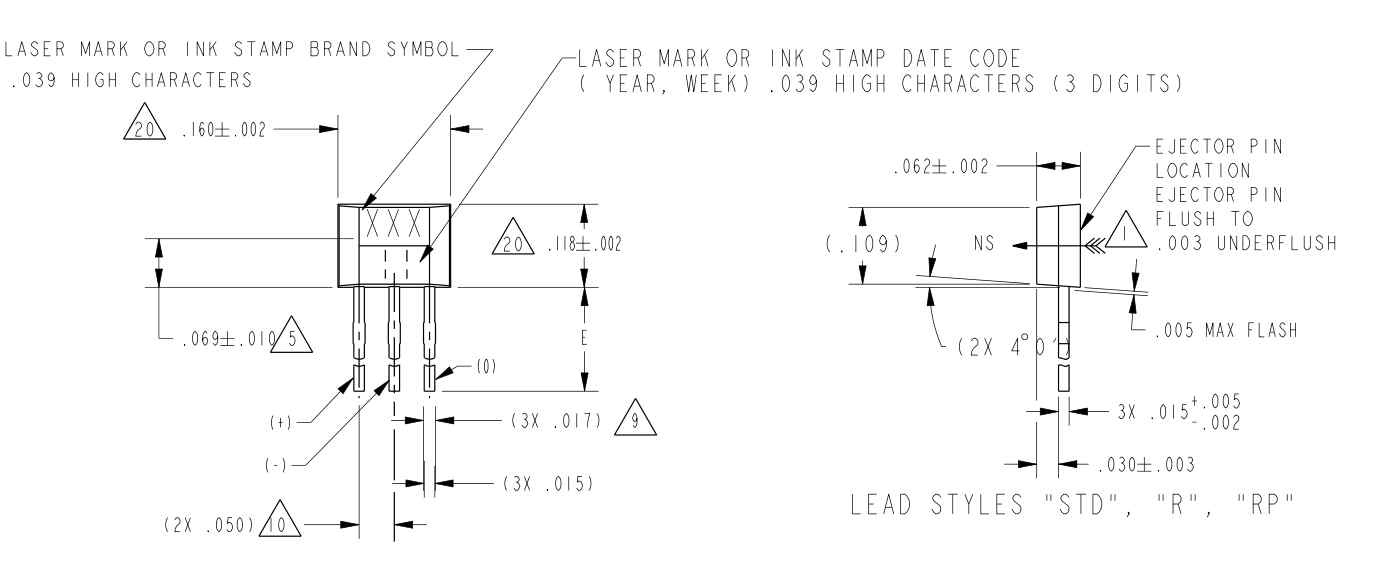
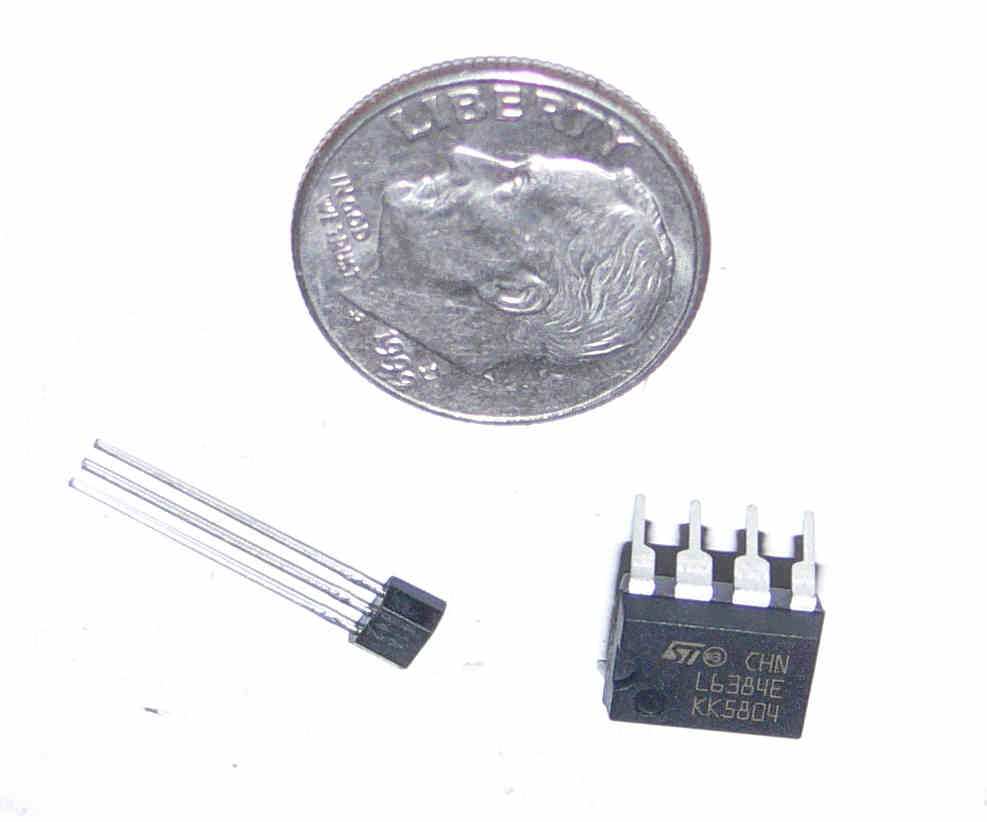
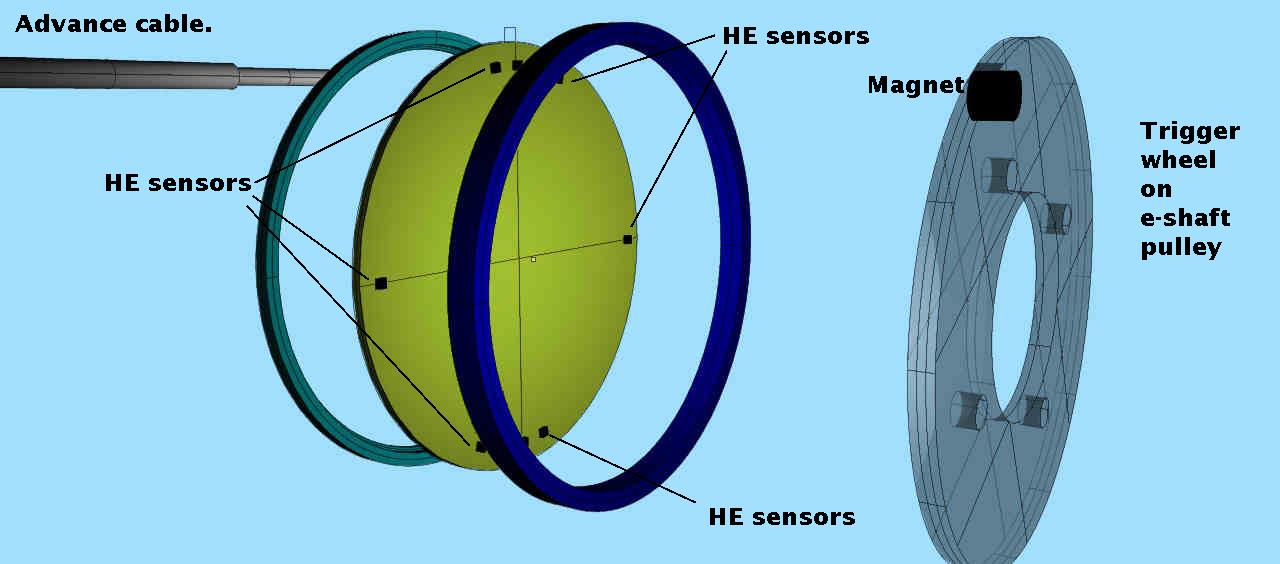
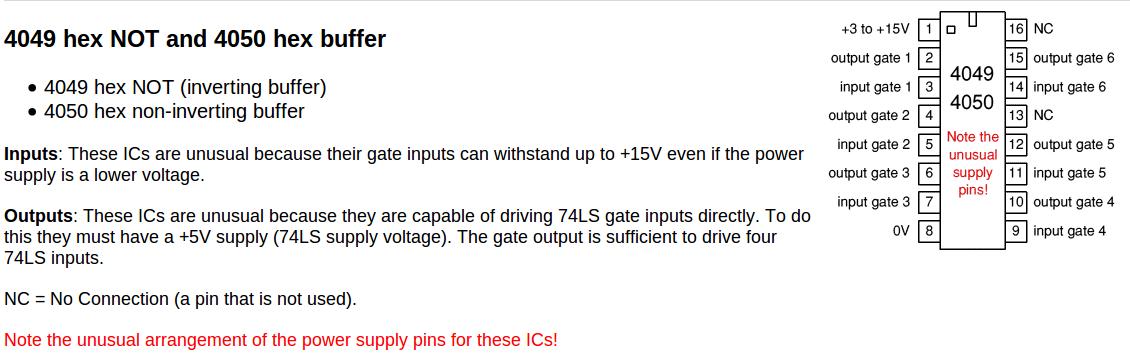
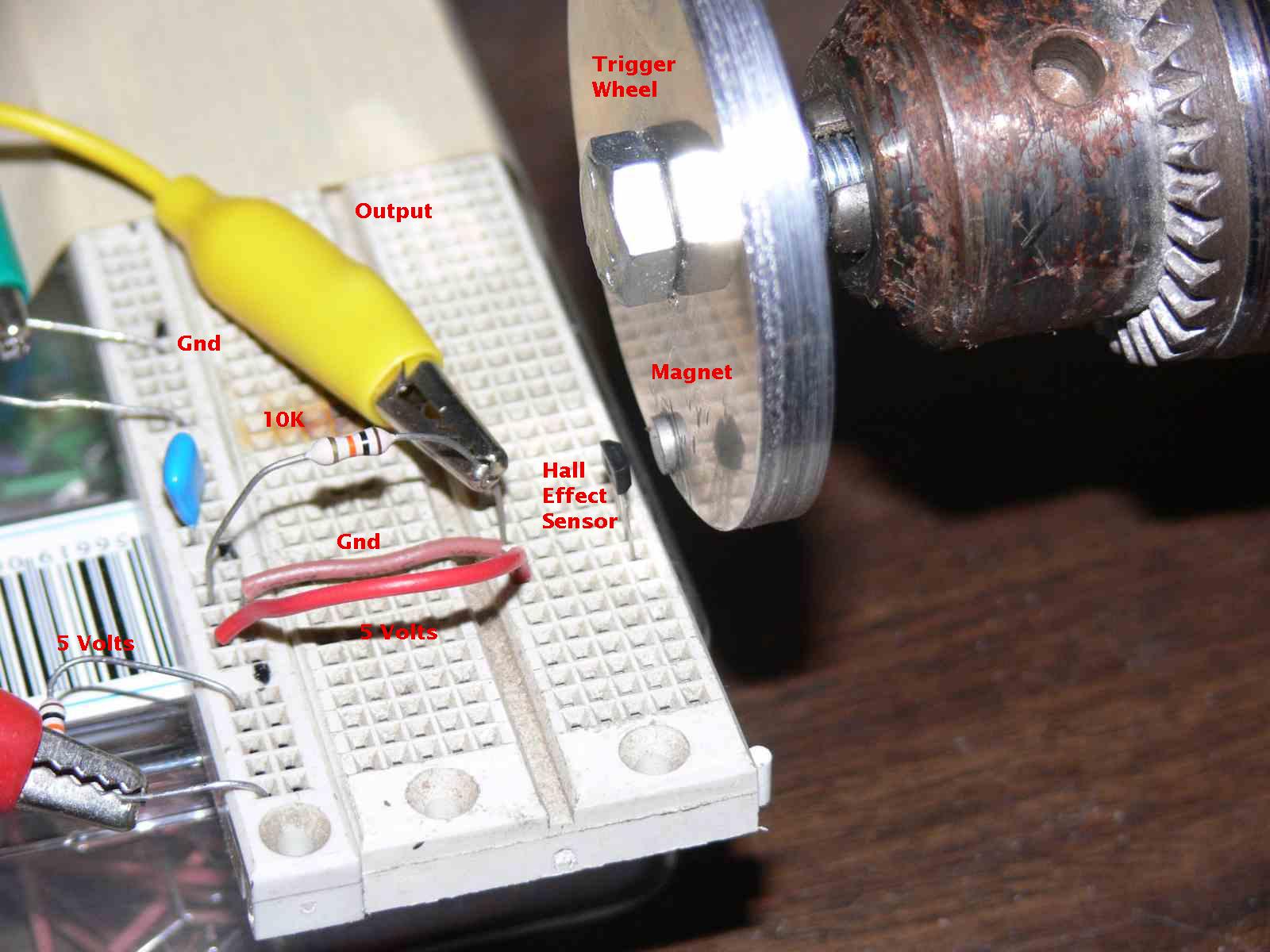
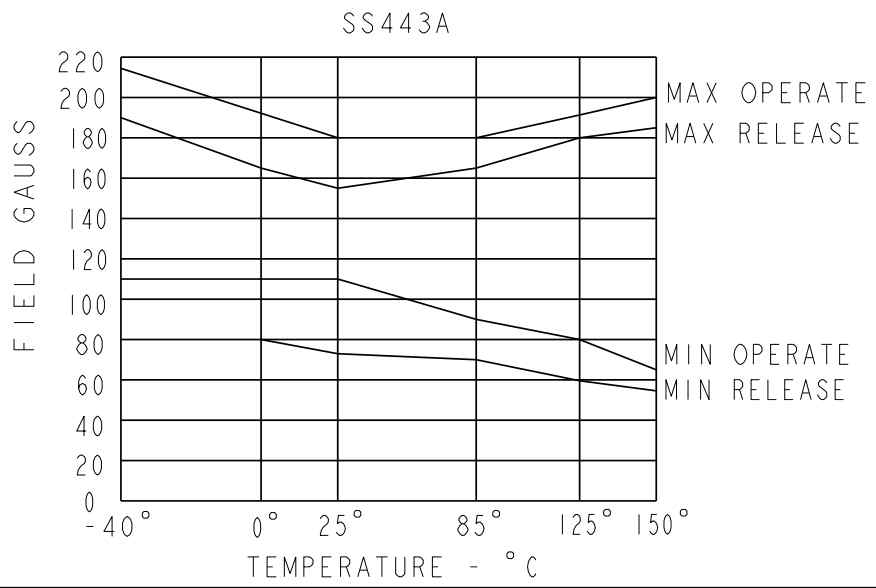
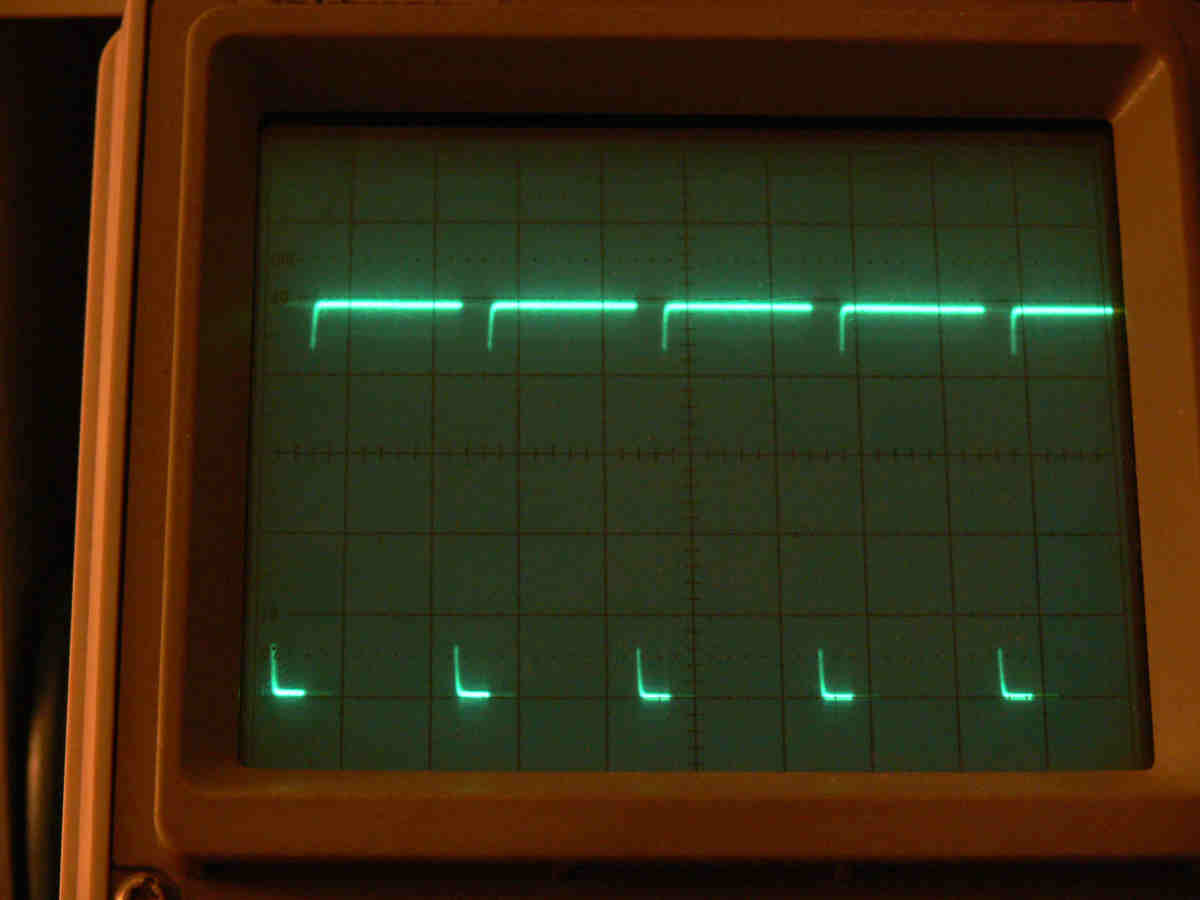
Sure no problem. Feed the output of a hall effect sensor to a
chip called a CD4050. This chip will run from 12 volts and has
six amplifiers in it. The input to the amplifiers can be
wired in parallel so each trigger can fire up to six devices.
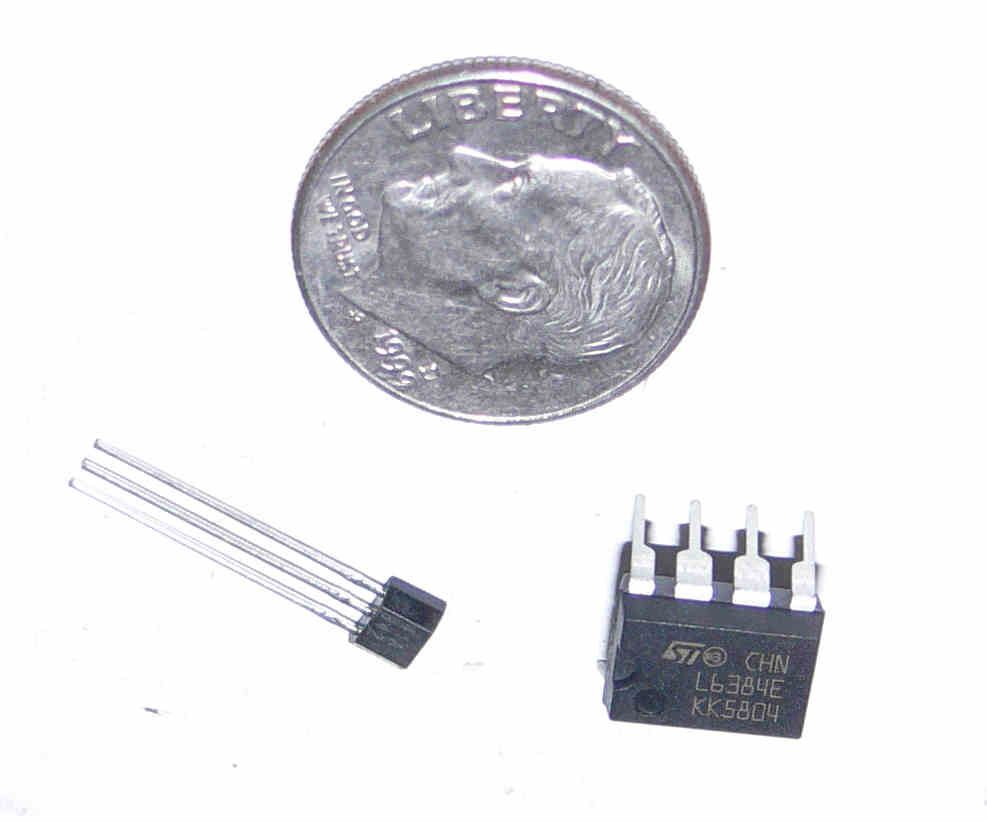
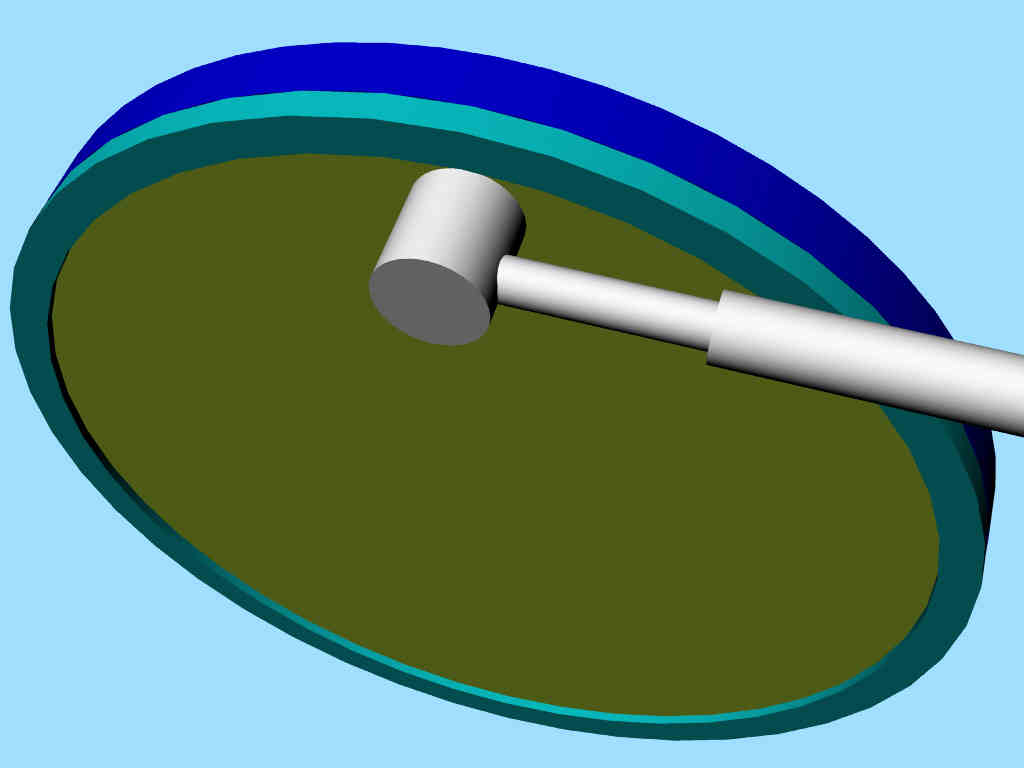
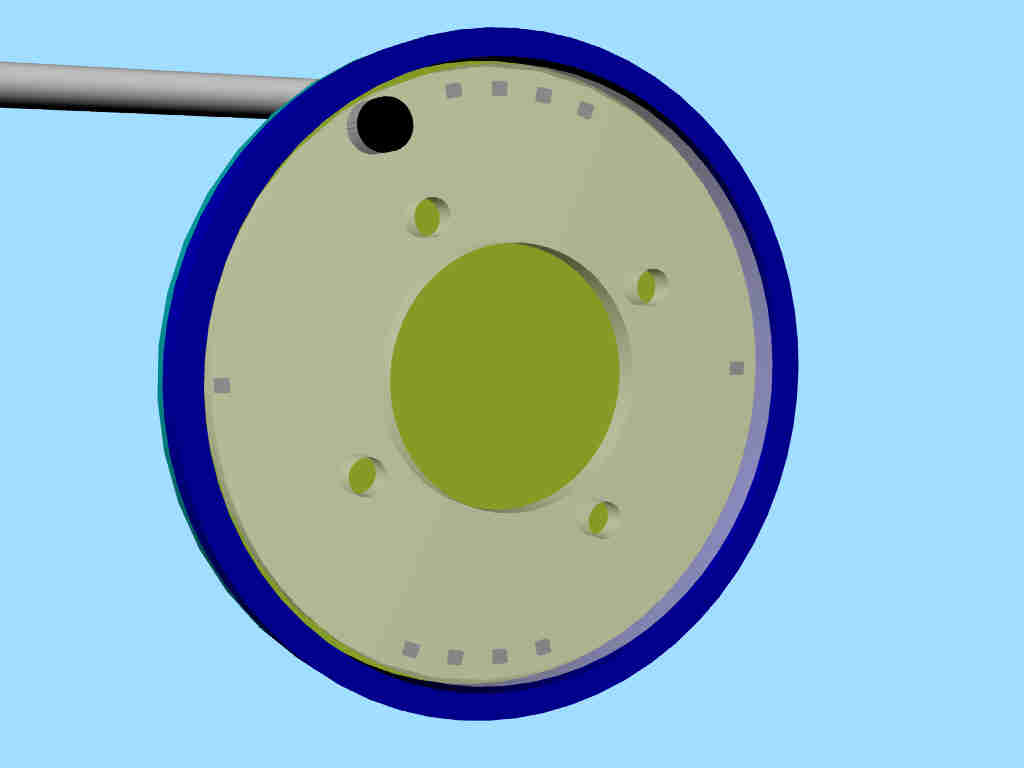
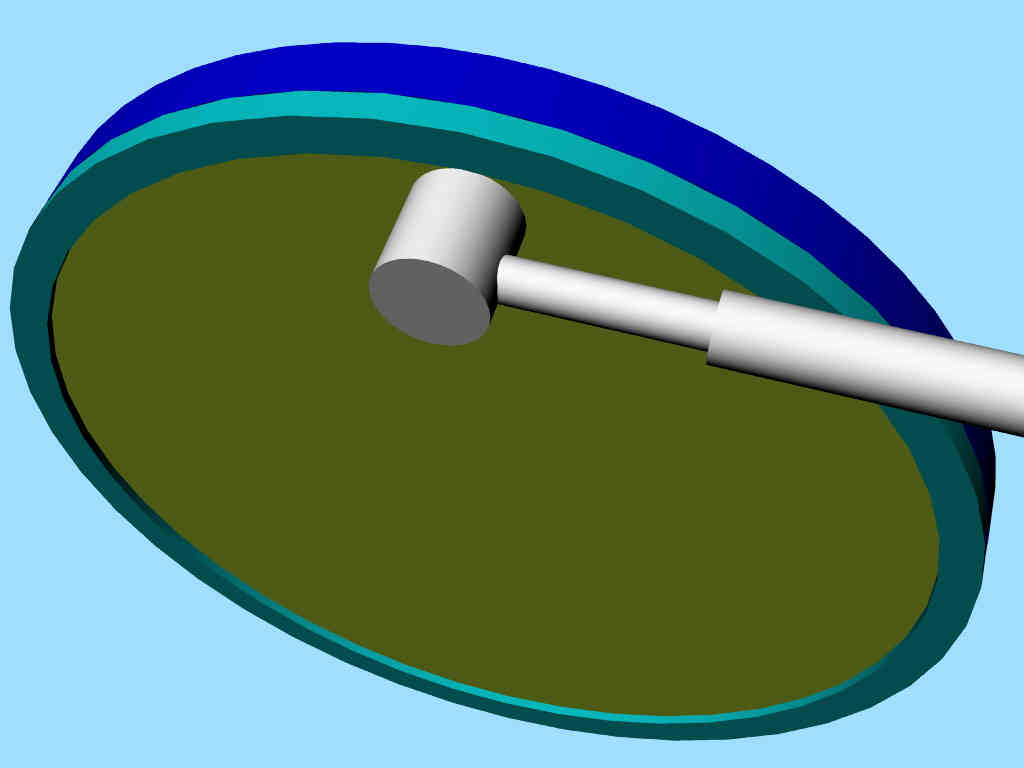
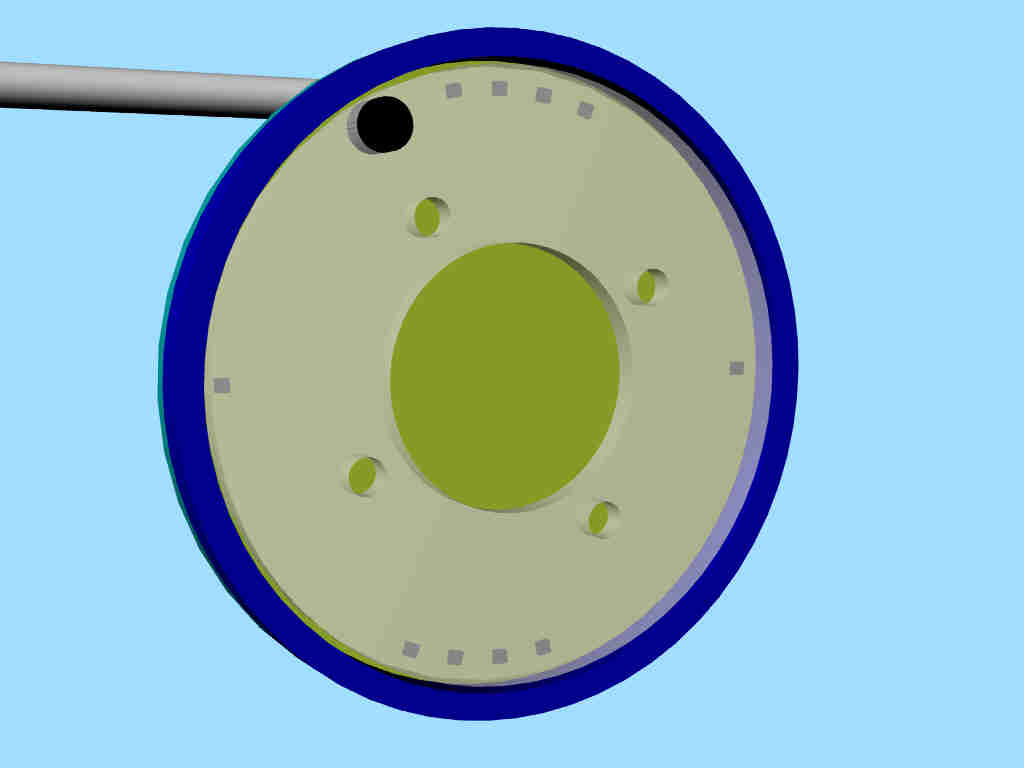
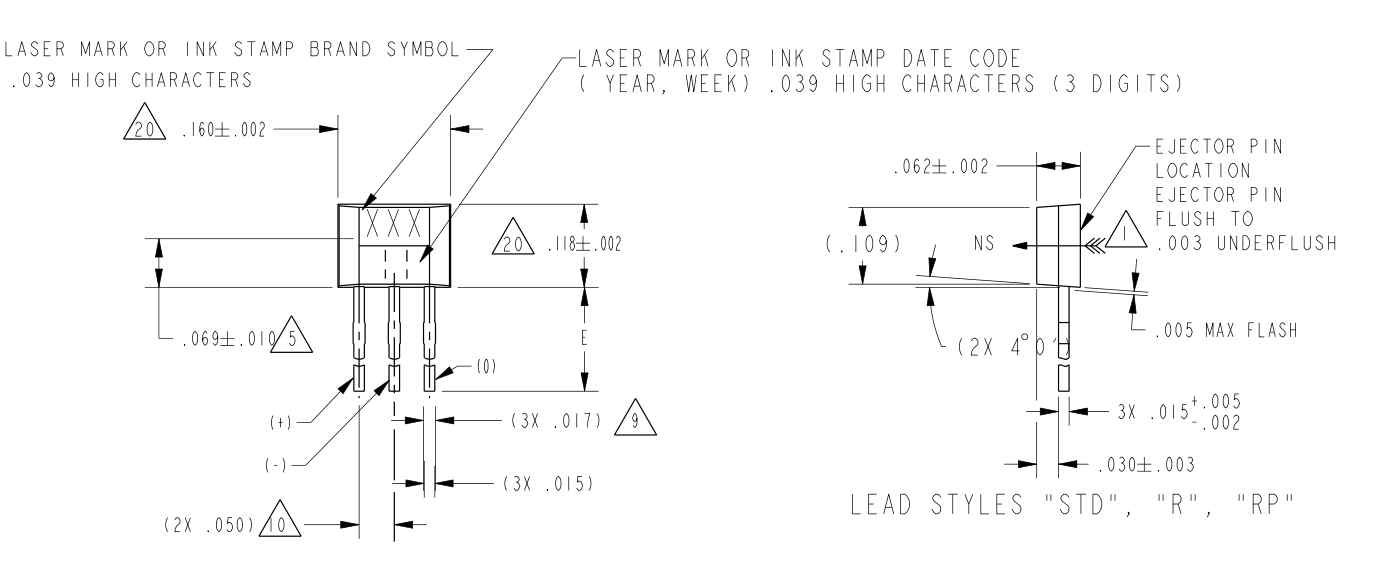
Use the tiny hall effect sensors on a round PC board mounted
in front of the trigger wheel on the e-shaft. On a six inch
diameter you could have as many as 90 HE's spaced apart
at .2 inches. In other words one hall effect sensor about
every 5 degrees. No computer really needed but optional.
Have his electronic technician join the list and I can help
him as he sets it up. This is an open source project so there
are no secrets.
Paul Lamar
--
The Rotary Engine NewsLetter. Powered by Linux.
ACRE NL web site.
http://www.rotaryeng.net
Youtube key word PaulLamar2
Copyright 1998-2010 All world wide rights reserved.