I am calling the ZBasic system the
"Home made comprehensive engine control system."
and I have uploaded it to the web site for
the new subscribers so they can see the back ground.
It is very much a work in progress.
http://www.rotaryeng.net/web-site-ver.pdf
Kind of like the unified field theory for engine control :).
It does it all! EFIS and unlimited engine data acquisition.
Read this first so you can understand what we are working
on for open source ignition systems and fuel injection.
Paul Lamar
Hi Paul!
Just for discussion: Automotive Controller Area Network
(CAN) usage in aviation (not just for homemade FADEC but
also for other devices).
On the market there are small format motherboards with CAN
port installed onboard. By my opinion PCI slot contacts are
too sensitive for aviation usage. Also the orthogonal
position of PCI card regarding to motherboard is not the best one.
B.r.
Viktor
I have moved away from the PC mother board solution for other
reasons. I think I could have solved the PCI contact problem with
a bit of innovative mechanical support for the PCI board position.
The rotary vibration level is very low. Perry Mick has been flying
for 16 years with the rotary engine solidly bolted to the air frame.
Not only that he has a stock Mazda RX7 instrument panel solidly
bolted in as well.
I do agree the form factor is less than ideal.
I don't see the need for CAN. Am I missing something? What
application did you have in mind? The Atmel board has one
USB and two RS232's which looks like enough communication right
at the moment.
BTW I am updating
http://www.rotaryeng.net/web-site-ver.pdf
on a daily basis.
I have no intension of doing a FADEC as there are situations
that require pilot adjustments. Even though there will be
auto lean the pilot will be able to over ride that.
This system is so modular however that someone could
implement that if they wished. Both the ignition system, injector
system and RPM counter will work with any computer that has
parallel port capability. The current Atmel board will not
be around forever. In fact there is a more powerful version
in the works as we speak.
Paul Lamar
Hi!
If I understand properly you have some mixture between manual
and automatic control with "glass" instruments - very good idea.
I like very much Perry Mick experience - 16 years without dampers and
without losing significant electrical contact, hats down. This
is additional evidence that rotary engines are extremely
competitive for aviation propose.
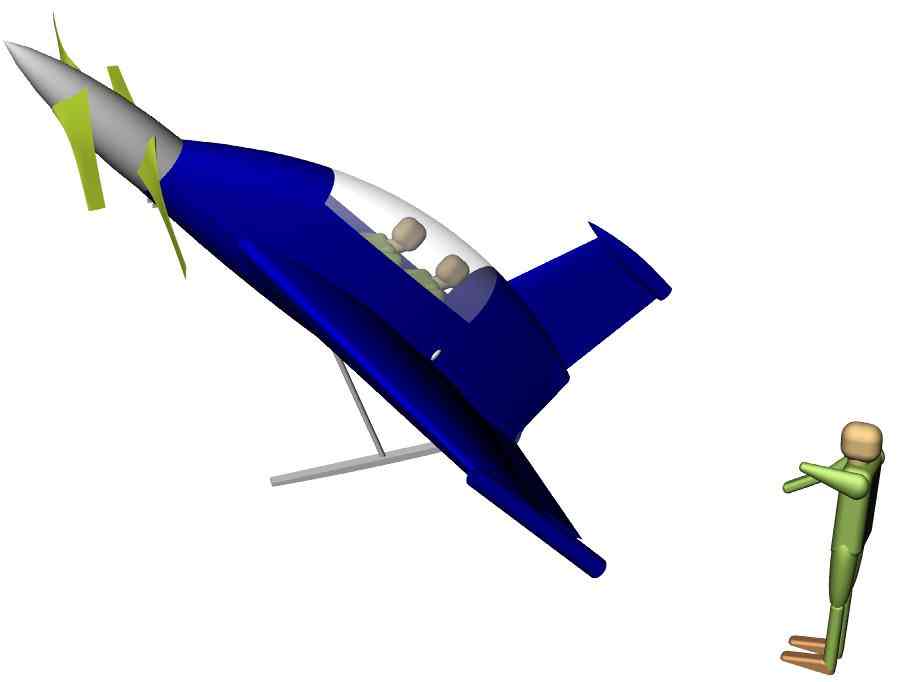
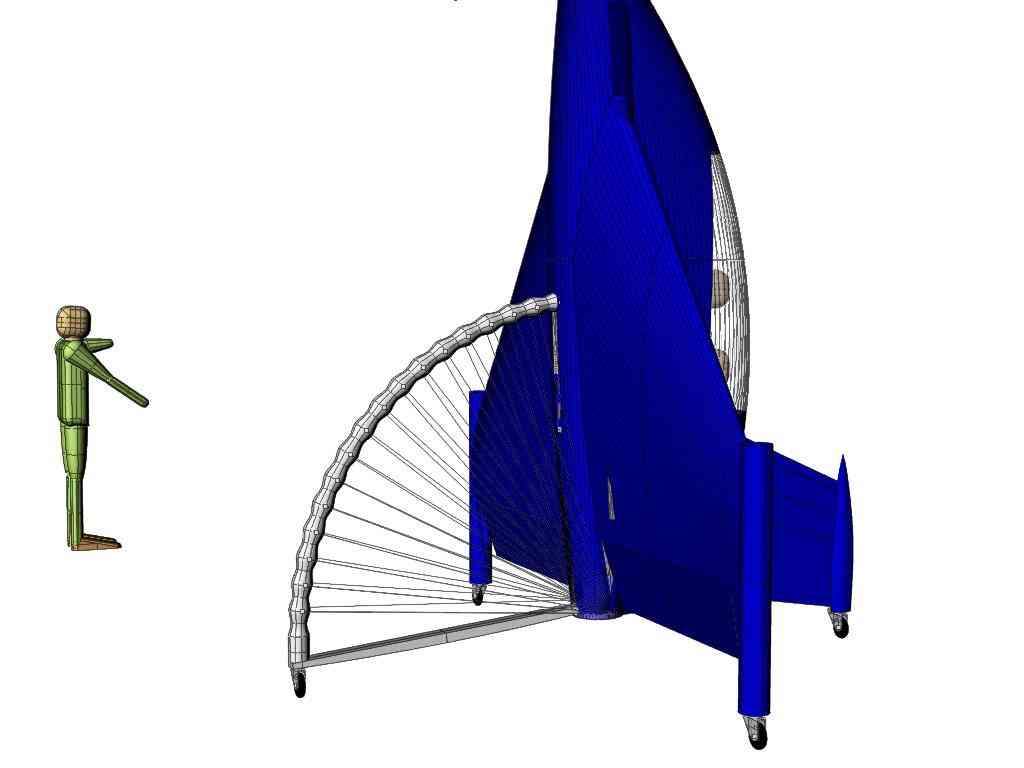
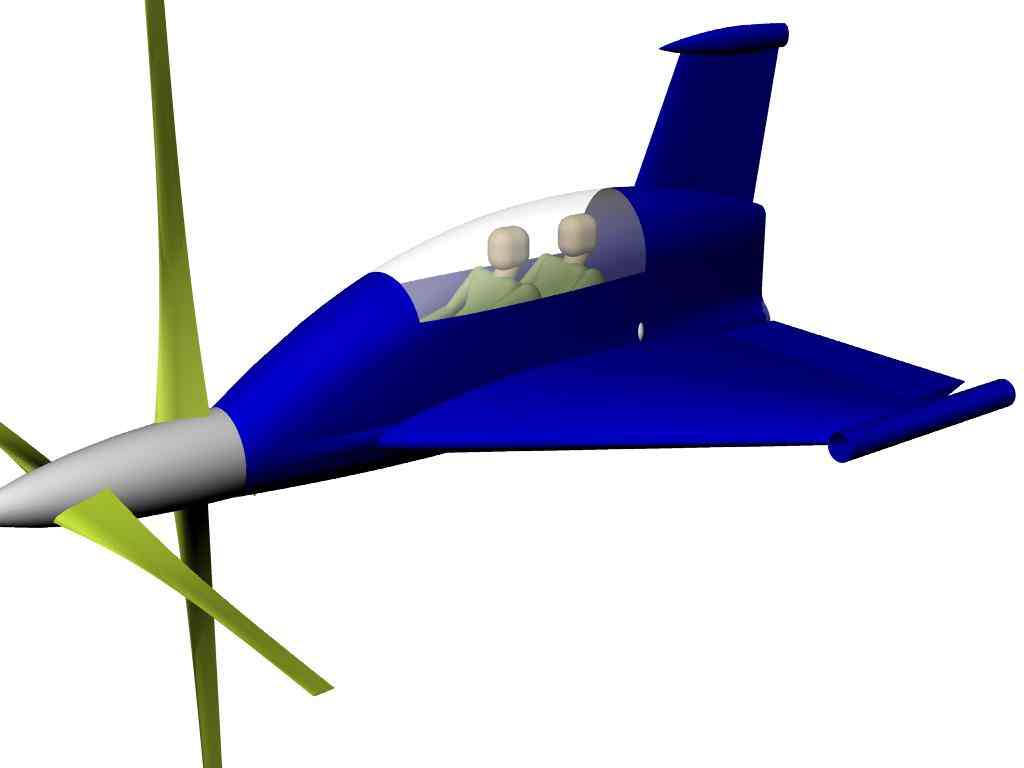
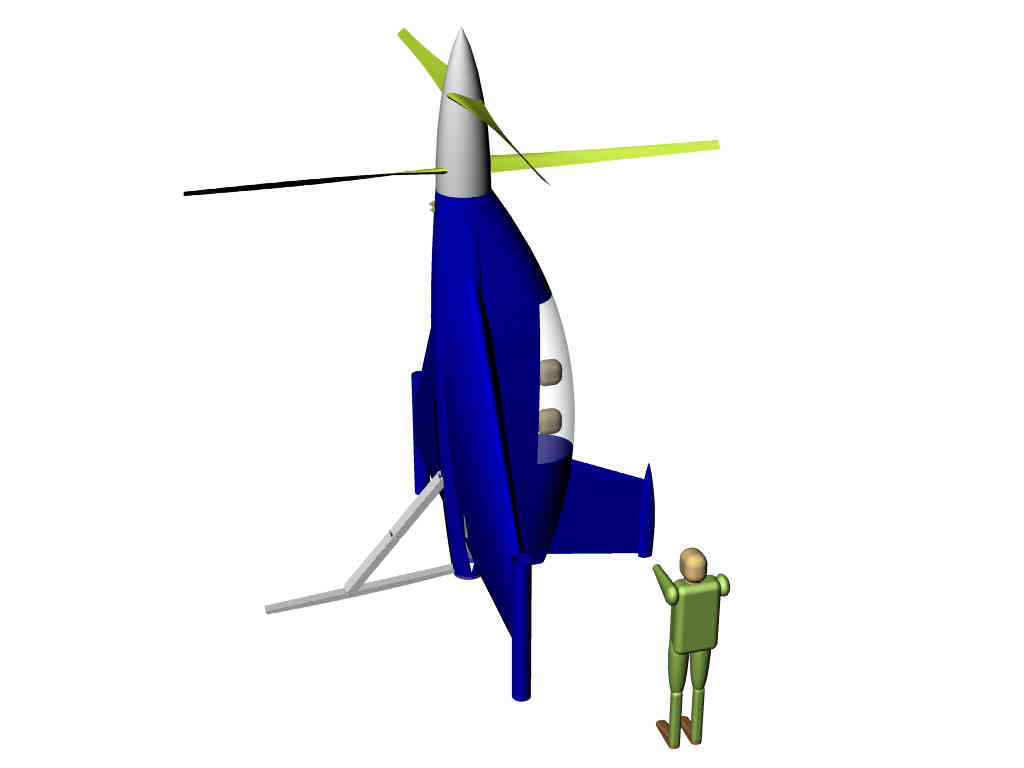
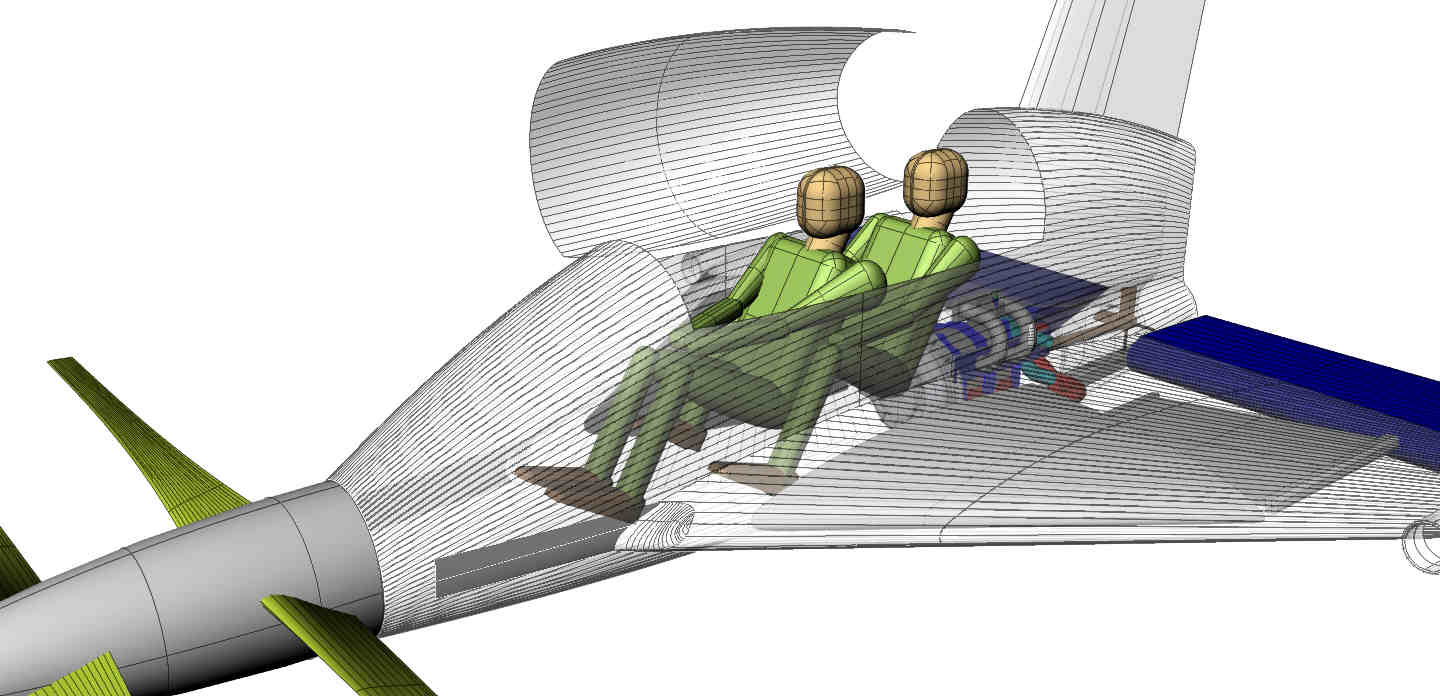
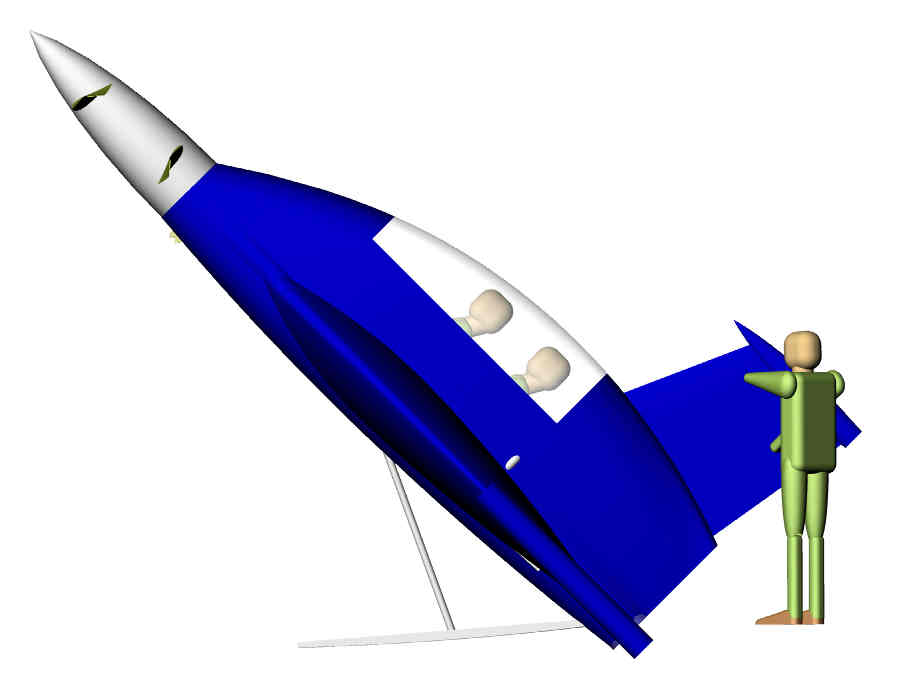
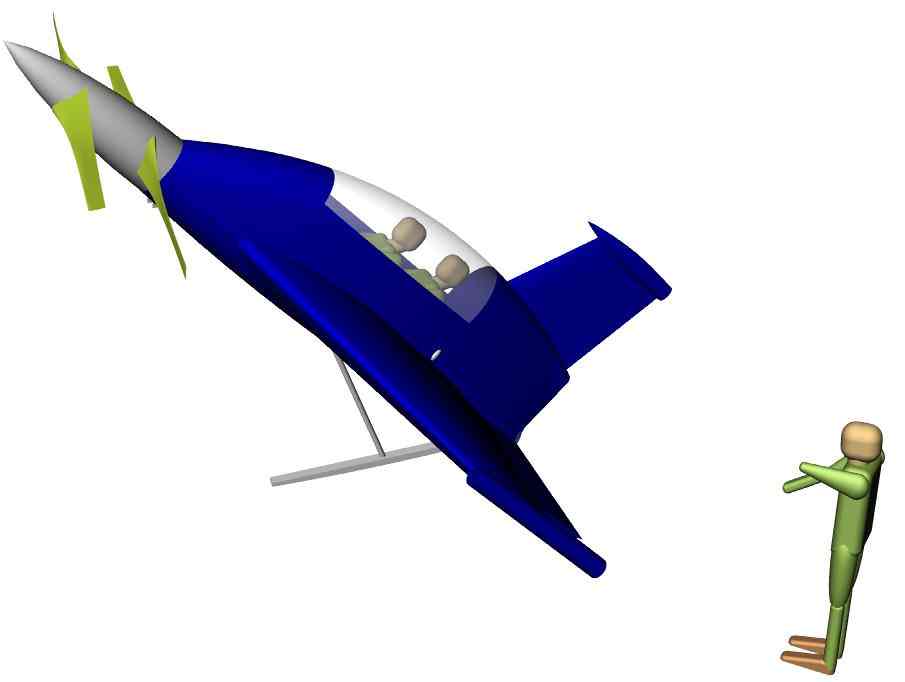
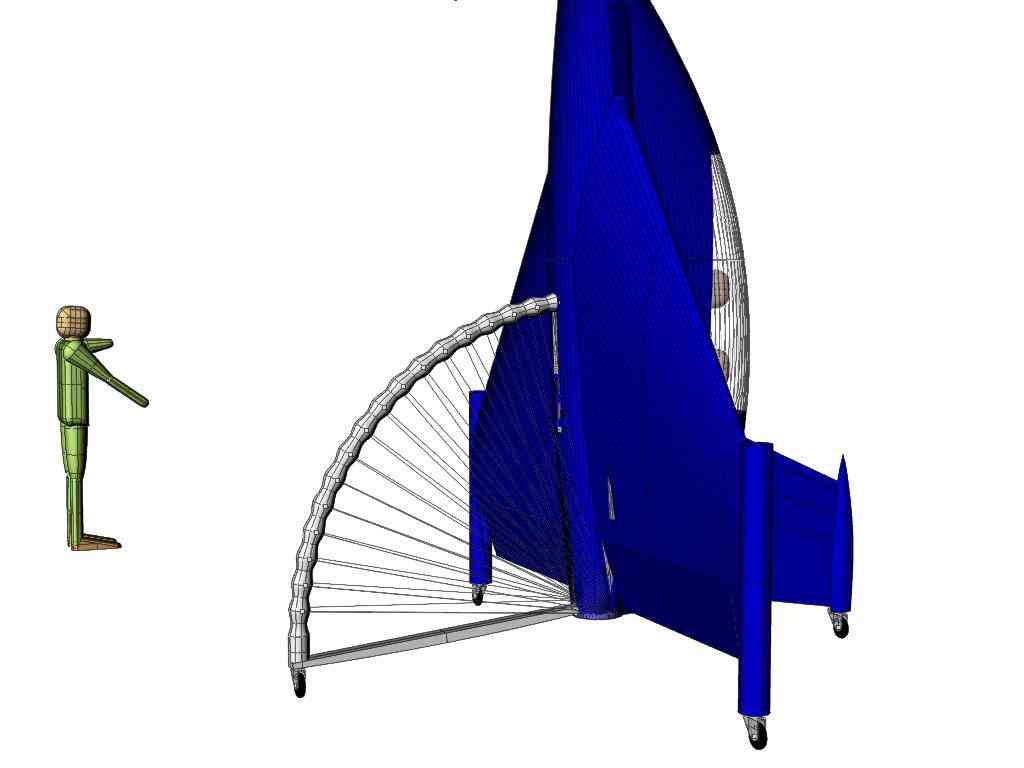
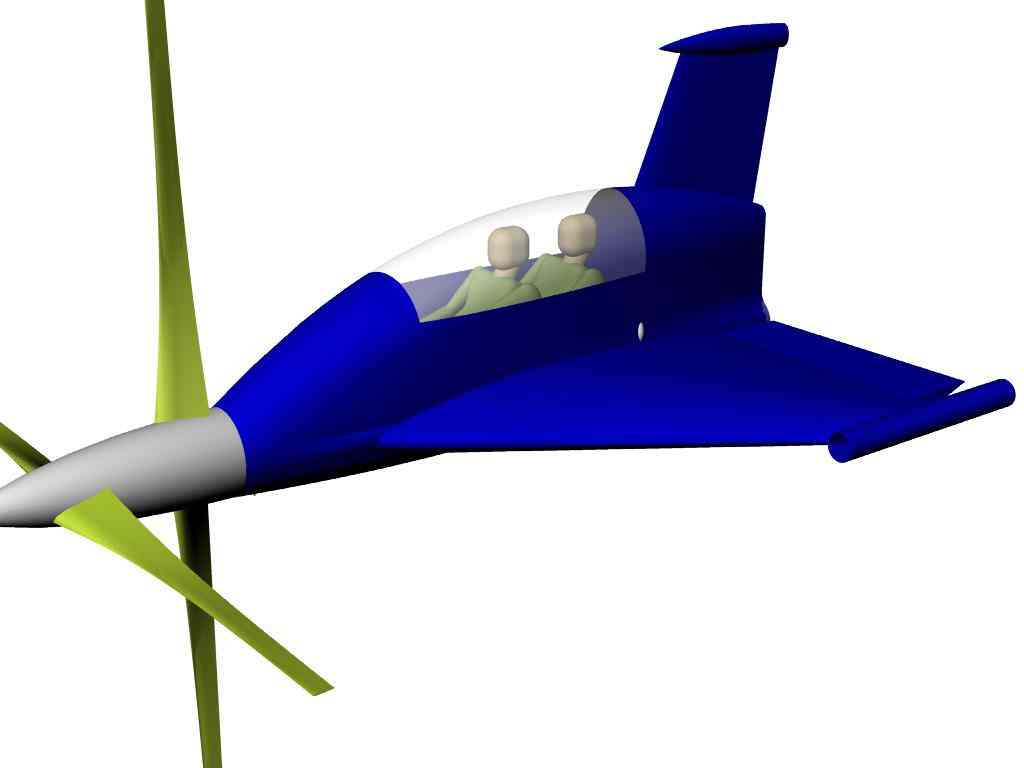
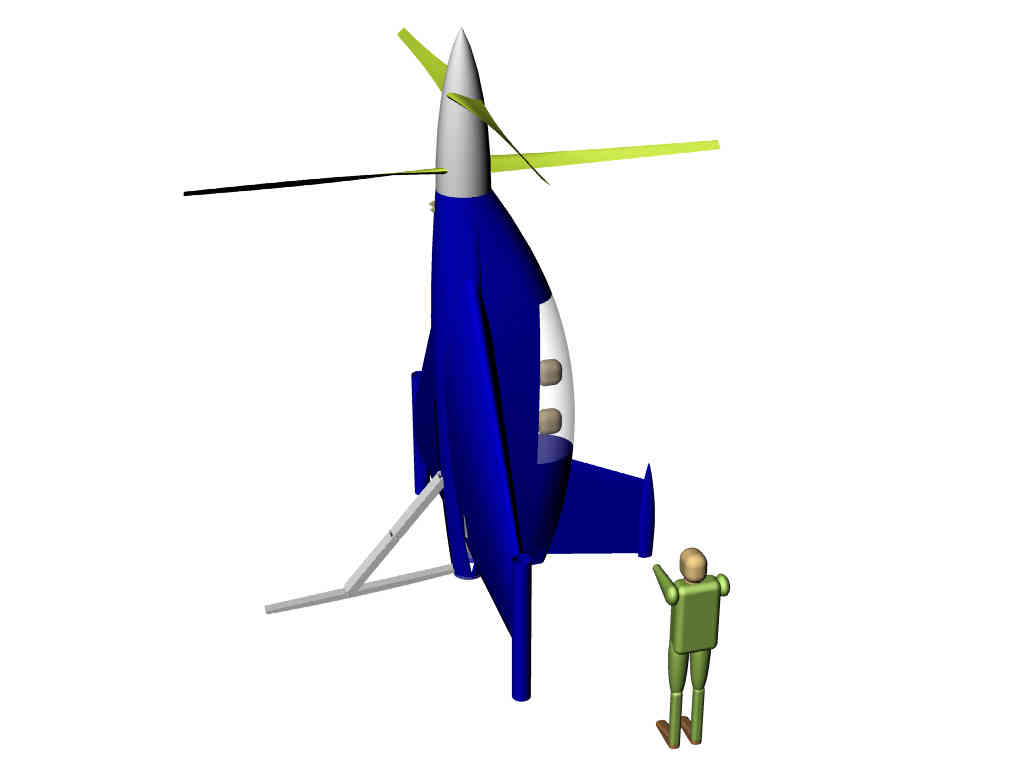
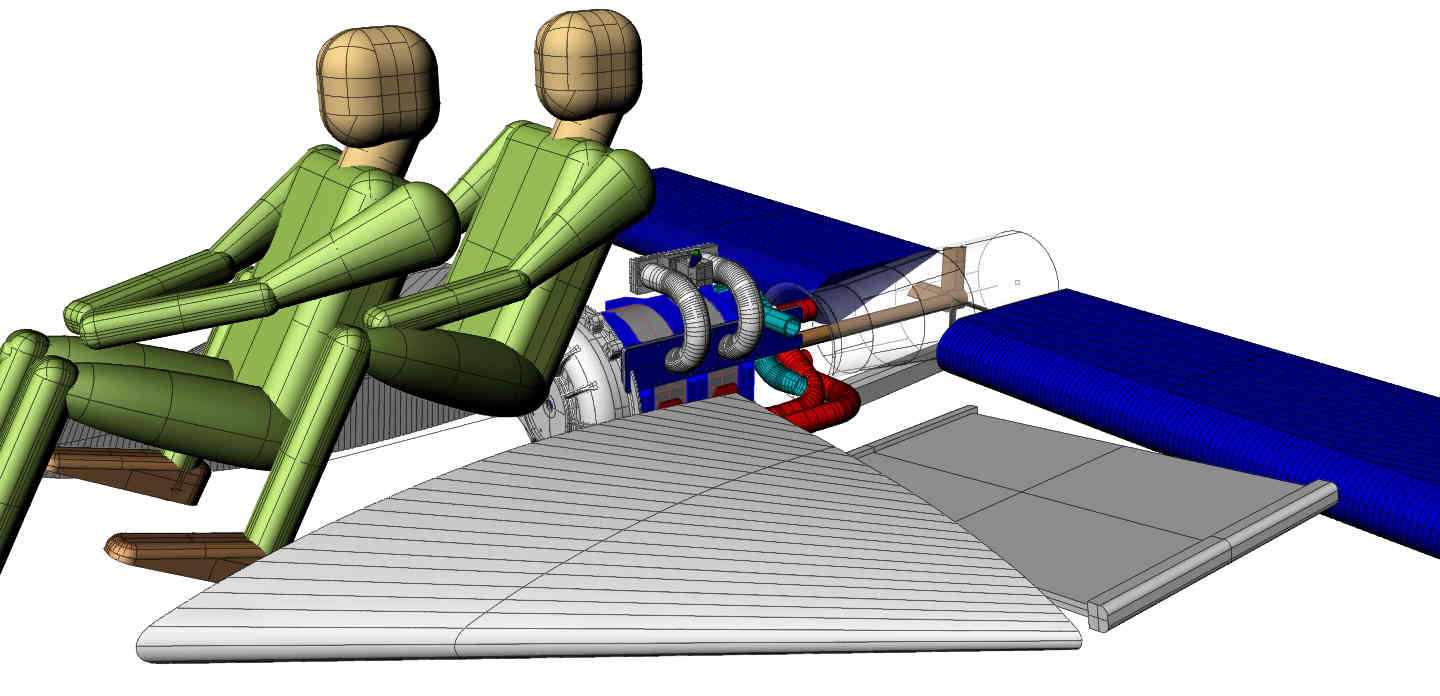
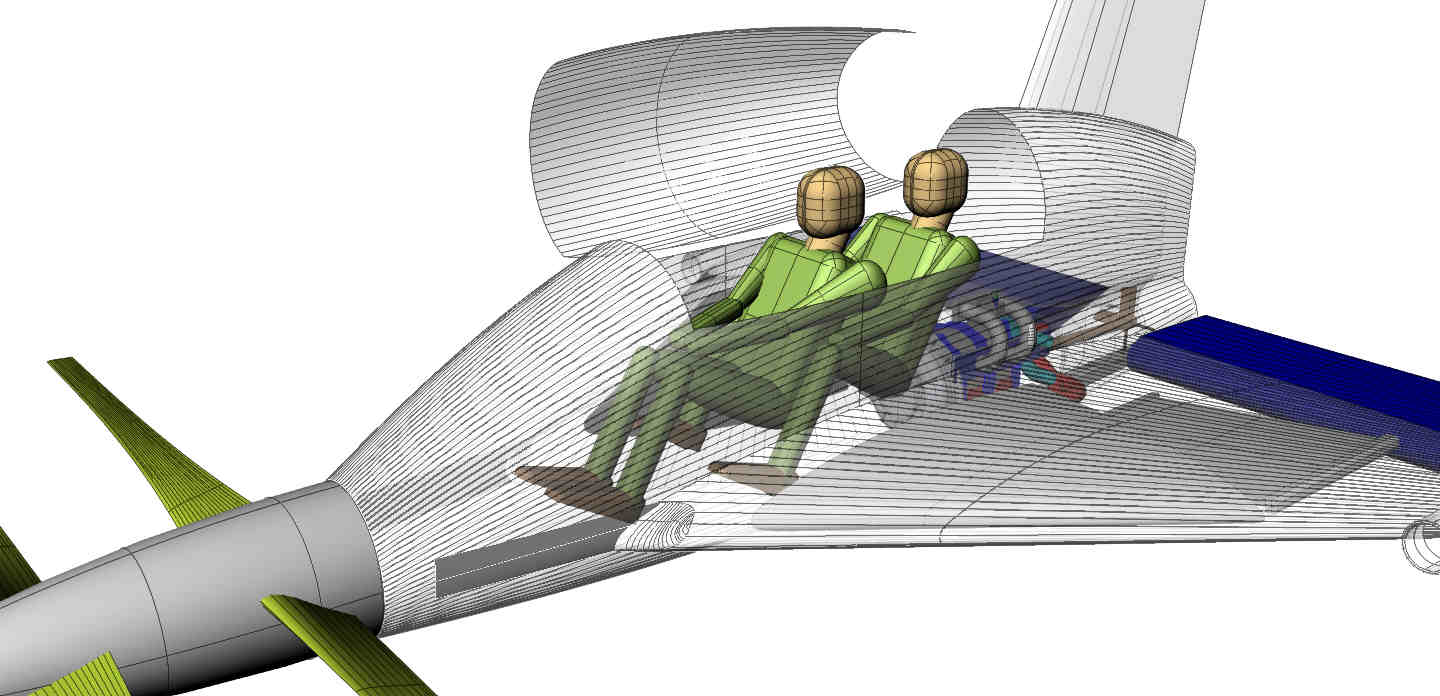
Tilt rotor VTOL (like xv-15 and others). Classical commands are
too complicated and heavy for tilt rotor VTOL (especially
collective and cyclic). Maybe use of fly by wire and electronic
stabilizer (for hovering) will be easier to implement (like in
v-22). Here CAN can help. But system reliability could be
problematic. Just for info: activating of car airbag is done
through CAN. What about lightnings and other EMC, is the CAN so
safe?
Group of students are working on electronics for stabilizing
hovering platform (3x gyros, 3x acceleration, PIC
micro controller). Testing is made on RC model - powered by
electric motor. System is statically stabilized but dynamically -
we have to work more on 3d - loop feedback (coupled
instabilities).
Viktor
Thanks Viktor.
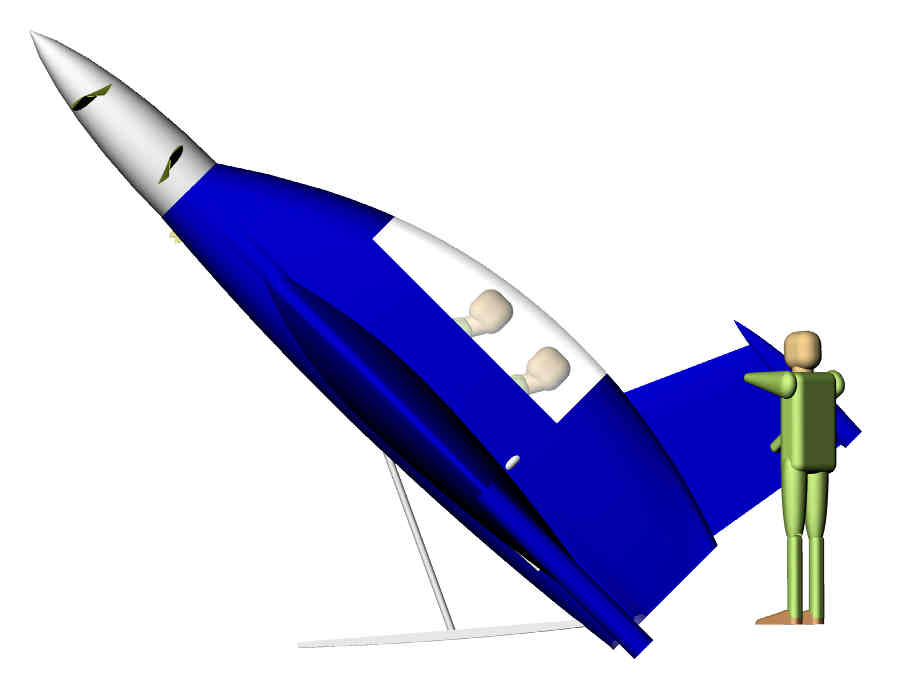
If the students want to build a model of this VTOL please take
some movies and send them to me.
http://www.rotaryeng.net/VTOL.html
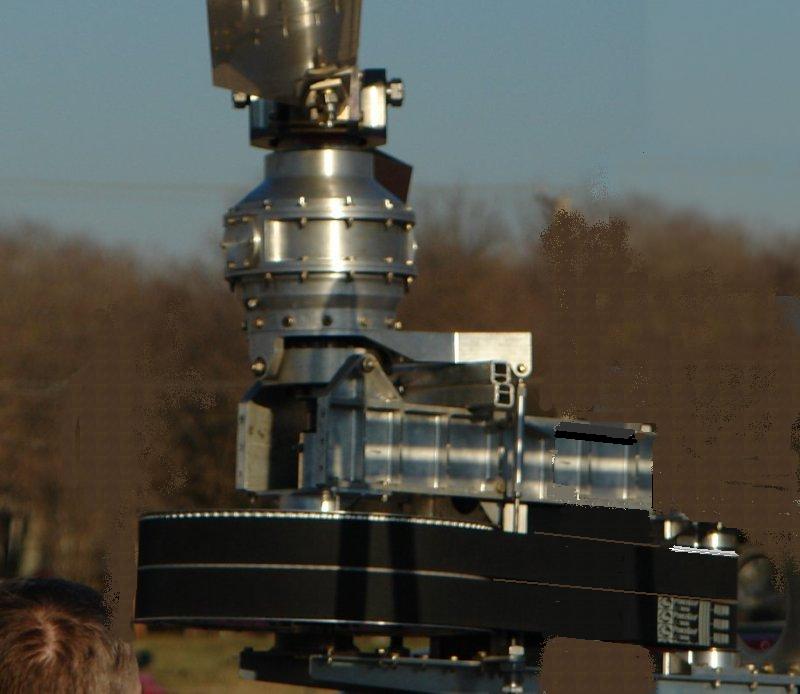
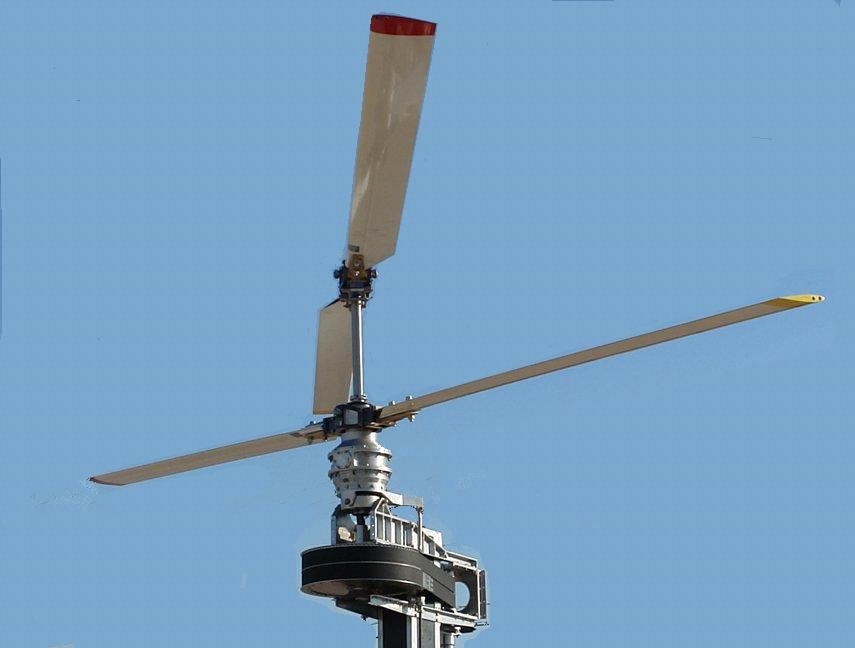
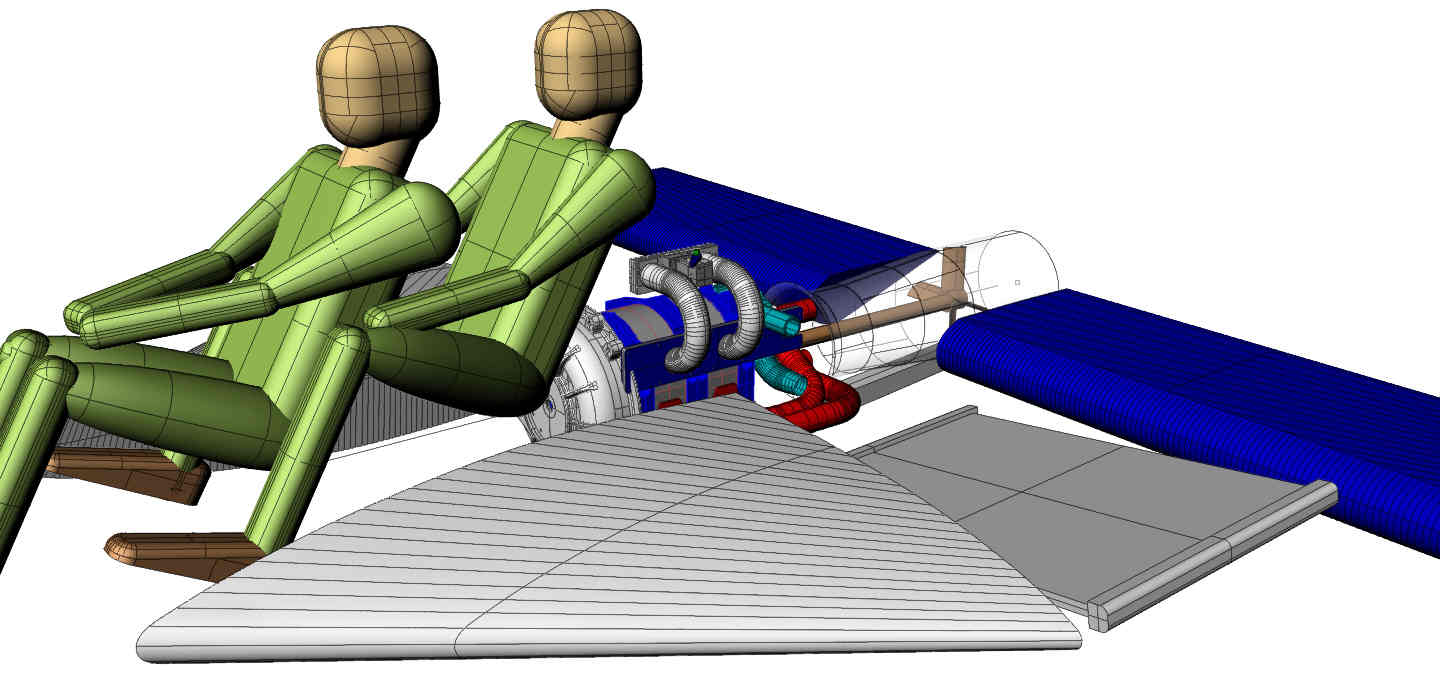
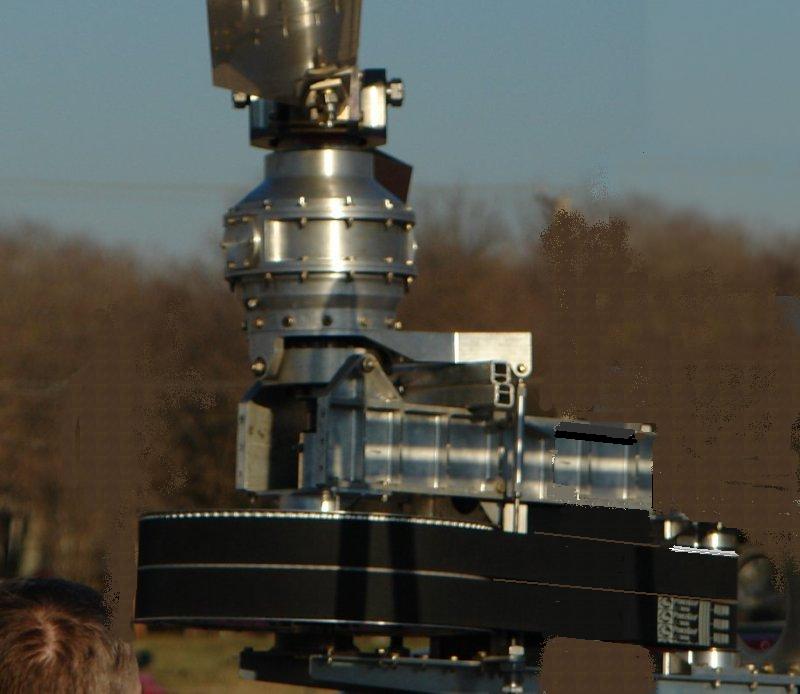
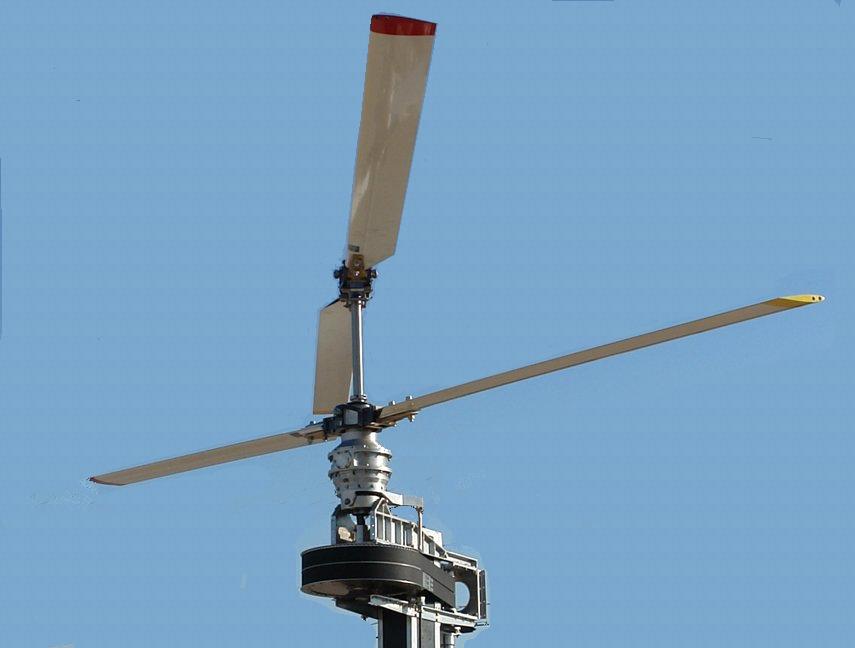
If you use an AirScooter type rotor head you don't need
cyclical as it works like a hang glider.
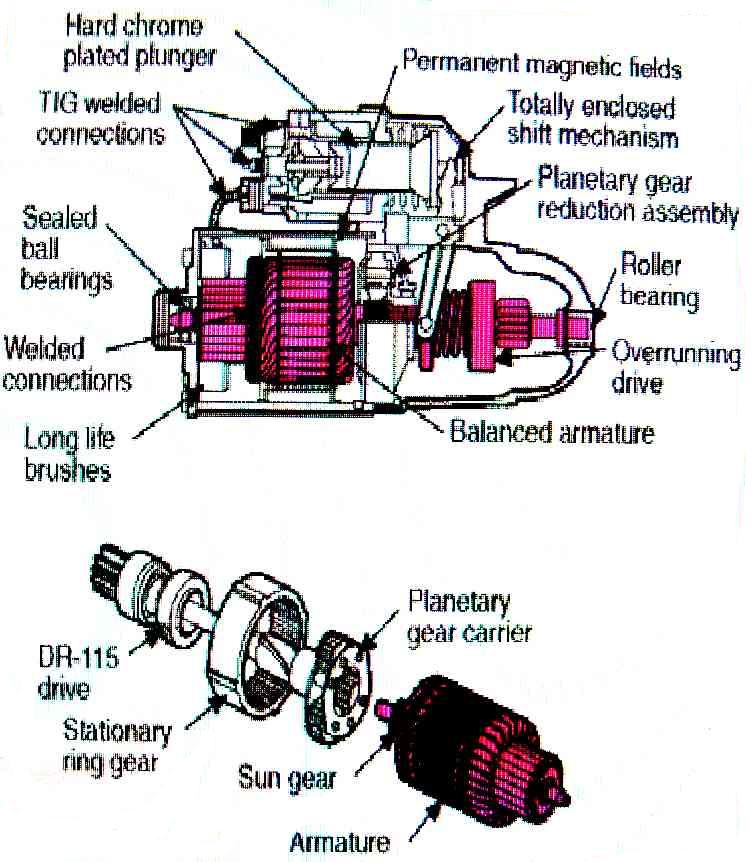
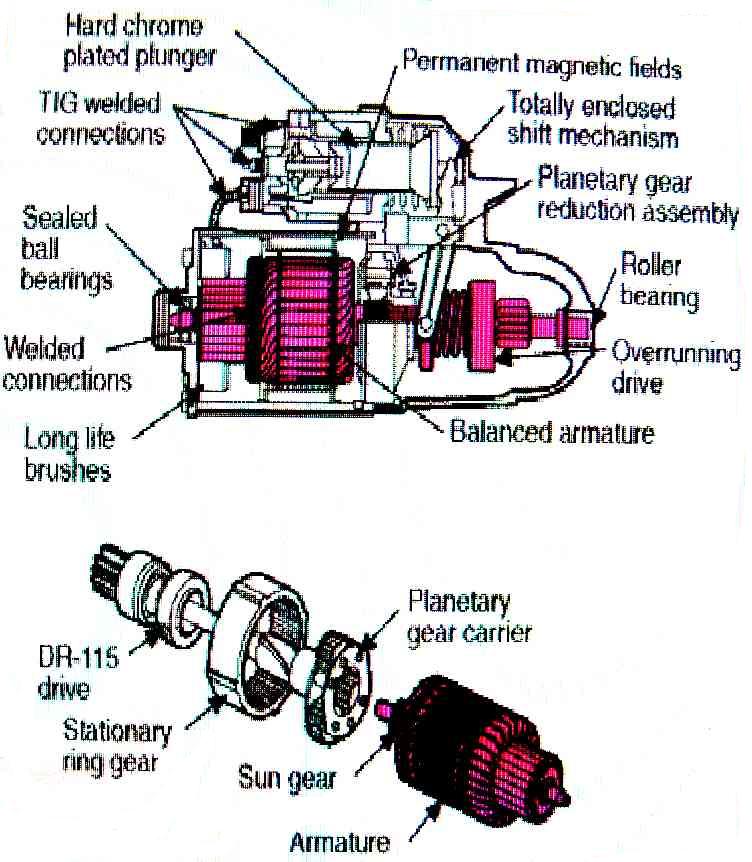
Also a good sources for model planetary counter rotating drives
are car starter motors.
Paul Lamar
--
The Rotary Engine NewsLetter. Powered by Linux.
ACRE NL web site.
http://www.rotaryeng.net
Youtube key word PaulLamar2
Copyright 1998-2010 All world wide rights reserved.