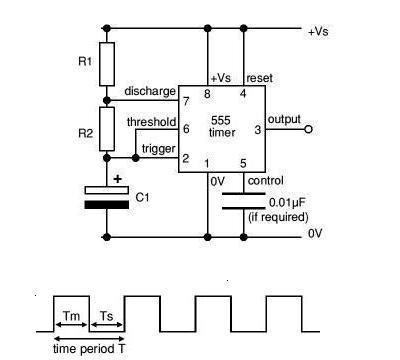
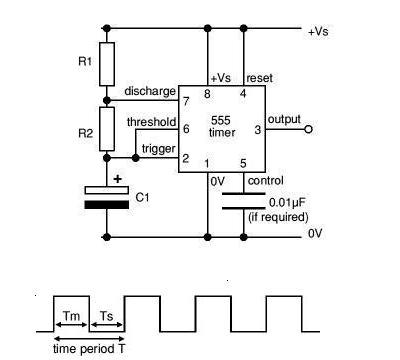
I was developing the RPM counter module to be stable
over a wide temperature range using a a hair dryer and
was blown away by the CMOS 555 chip yet again. (Yes jd?)
This is an amazing chip. It will work over a wide
range of combinations of resistance and capacitance.
I needed it to oscillate at 26.66 cycles per second (Hertz for
the young guys.) when divided by 16 that gives a frequency
of 1.66 CPS or a measuring period of .6 seconds. I had
a spare divide by 16 counter left over on the PC board.
Assume there are 100 teeth on
the flywheel. At 7500 RPM that is 125 RPS times
100 teeth or 12,500 CPS. If I count that for .6 seconds
I get a direct read out of 7500 RPM.
Back in the old days before the CMOS 555 (BCMOS-555) that was
a tall order. Not only that but that oscillator frequency must
not vary significantly with temperature or the RPM
will not read out correctly.
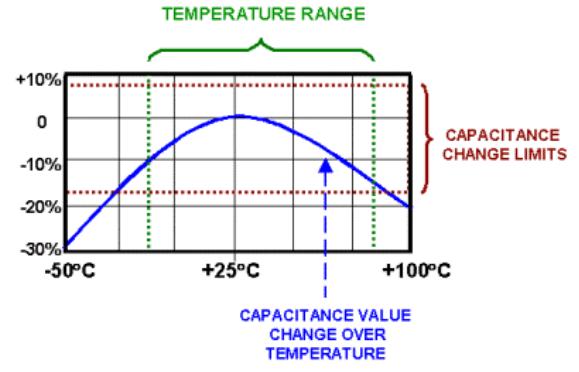
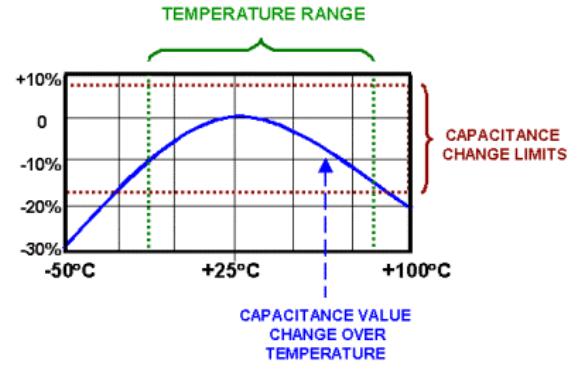
Here is the capacitance verses temperature chart for a
typical ceramic capacitor. Note the rapid change
in capacitance with temperature. Fortunately there
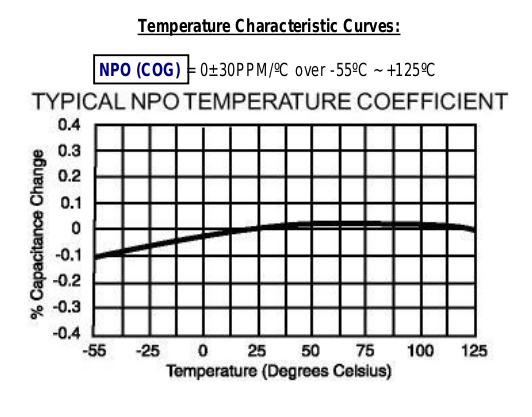
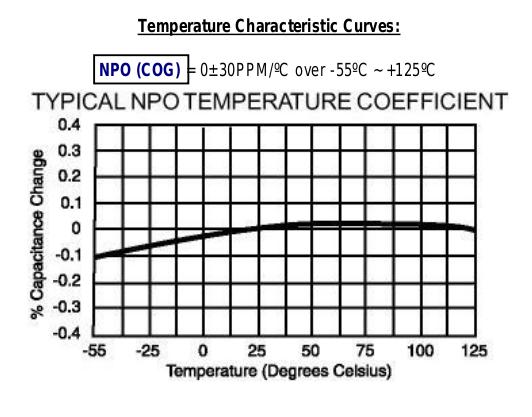
is a type of ceramic capacitor that is more stable
called a COG-NPO. That is what I am going to use.
Unfortunately they do not come in capacitance greater
than .001 ufd. Now the problem is getting the 555 to
oscillate at a super low frequency with such small
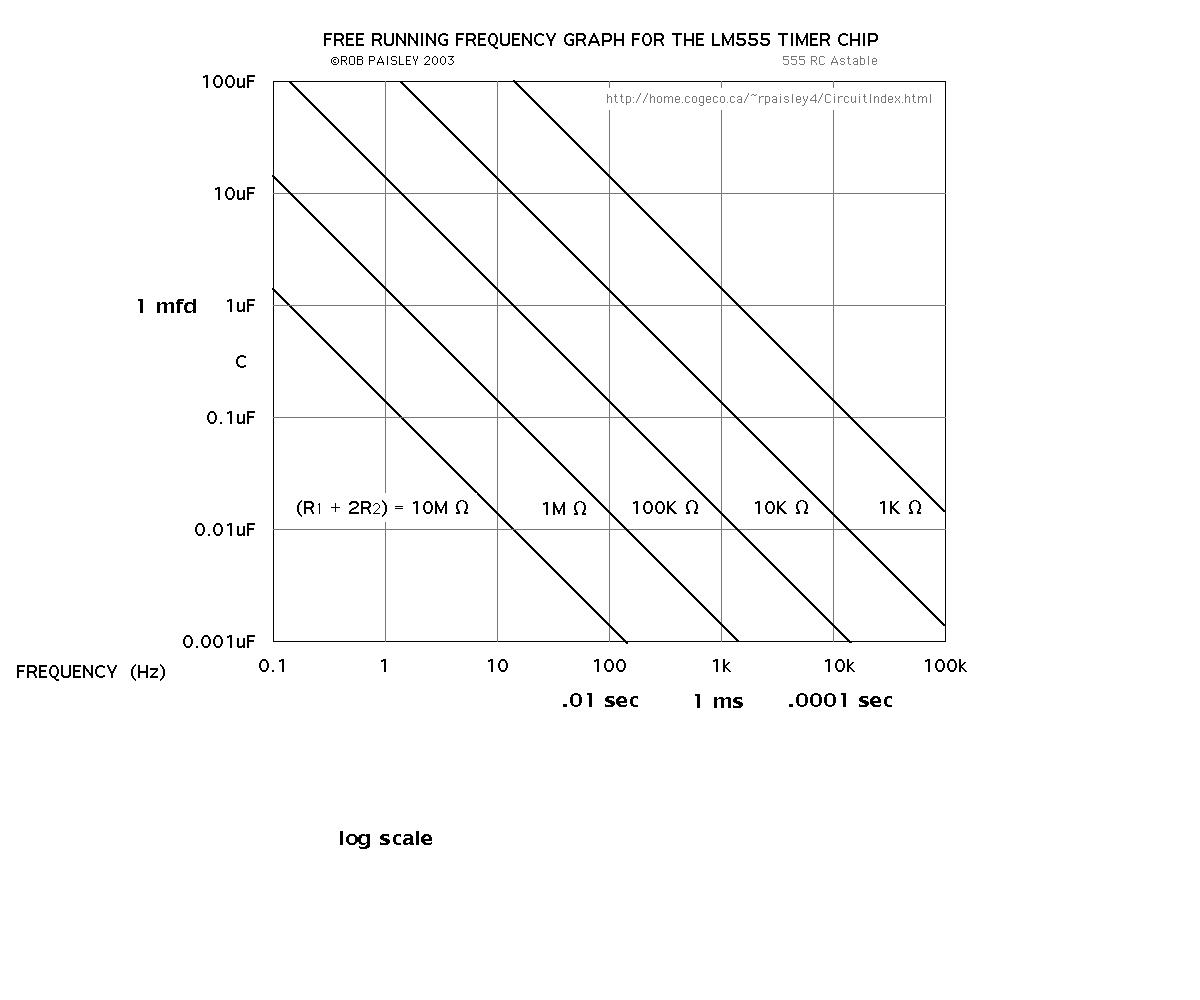
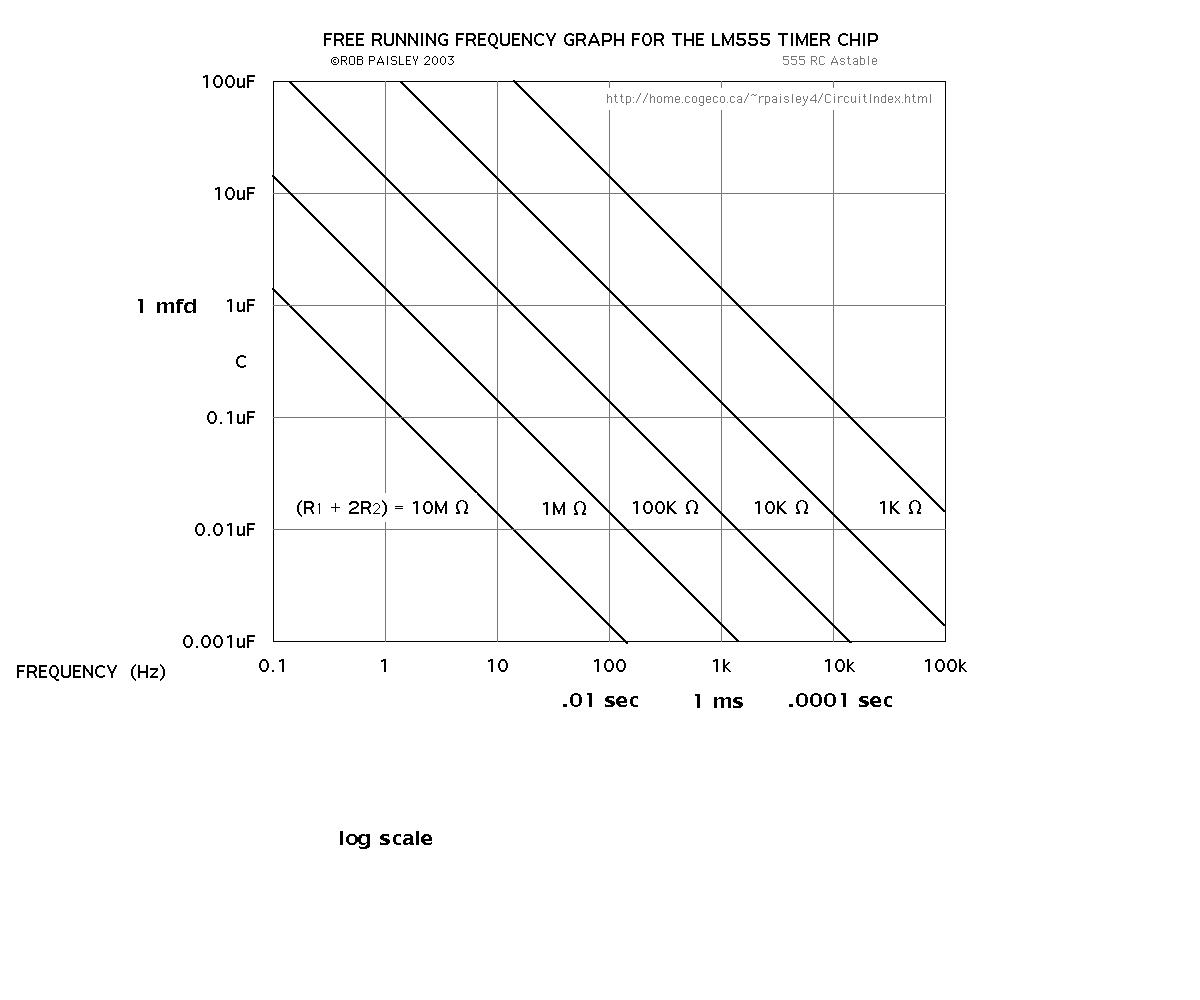
capacitance. The .001 cap is right down near the bottom
of the R-C-verses frequency chart so I will use
two COG-NPO .001 caps in parallel giving me .002
ufd to work with.
CMOS 555 to the rescue. Here is the chart
for the 555. One needs about a 10 meg resistor along
with the .002 cap to get the correct frequency.
Usually a crystal oscillator is used but the common
crystal oscillators oscillate around 32,000 CPS.
That requires a very long counter chain to act
as a divider. This can be done with a signal chip
computer of course but there are all sorts of drawbacks
to that. I want to keep this simple so anybody can build
it without a Phd in assembly language programming.
I have been there and done that.
See
http://www.rotaryeng.net/EEE-road-test-sys.pdf
I have been accused of being stupid for attempting
this and not using a single chip computer so let me
know if you see something stupid.
Paul Lamar
--
The Rotary Engine NewsLetter. Powered by Linux.
ACRE NL web site.
http://www.rotaryeng.net
Youtube key word PaulLamar2
Copyright 1998-2010 All world wide rights reserved.