A few weeks ago I wrote that I had run up the engine to 4500 RPM, but that
was not WOT. I went up and ran it today,WOT, and got the following
results.
Temperature today~ 70 F
Humidity- high, maybe 80%
RPM 5660
MP- didn't remember to look
Prop Catto 74 DIA x 88 pitch
Engine 93 13BREW N/A
Primary injectors - stock, 28 lb.
Secondary injectors stock 40 lb.
PRSU RWS 2.85/1
RWS EM2 said it was making 161 hp. at 5660 RPM
Tail wheel was tied down, the brakes don't seem to hold at WOT even on dry
cement.
My induction system was not hooked up, it was configured as shown in the
photo.
I think, based on the above, that I might see 194 HP at 6800 RPM, which is
2386 RPM at the prop. Anyone who can calculate this more accurately, or
shed more light, please go ahead and 'splain it to me.
In any case, I'm pretty sure it will be able to get off the ground.
The airworthiness inspection is completed, taxes are paid, and
registration
should arrive in the next few days. I'm still working on my tail wheel
endorsement, I should have it by the time my instructor makes his next car
payment, I hope. Also, trying to get some time in some tail wheel RV's.
There
are several people who have offered to take me up to get a feel for how
they fly.
Steve Beckham and Mark Hatch graciously flew up to give the plane some
scrutiny two weeks ago.
So, depending on how the stars line up, This plane might be airborne by
the
end of the month.
Brian Trubee
Congratulations Brian. You are moving right along.
For more evidence on power out you need to know the mixture
setting and the fuel burn.
Then you use the full rich number of .60 to divide
the pounds of fuel burned per hour to get the full rich
HP. Convert gallons per hour to pounds per hour by multiplying
by 6.25.
To get the full lean HP use the .47 number.
Lets say it is burning 10 gallons an hour while cruising
full lean. That is 62.5 pounds of fuel per hour. Full lean
cruise HP would then be 62.5 divided by .47 or 133 HP.
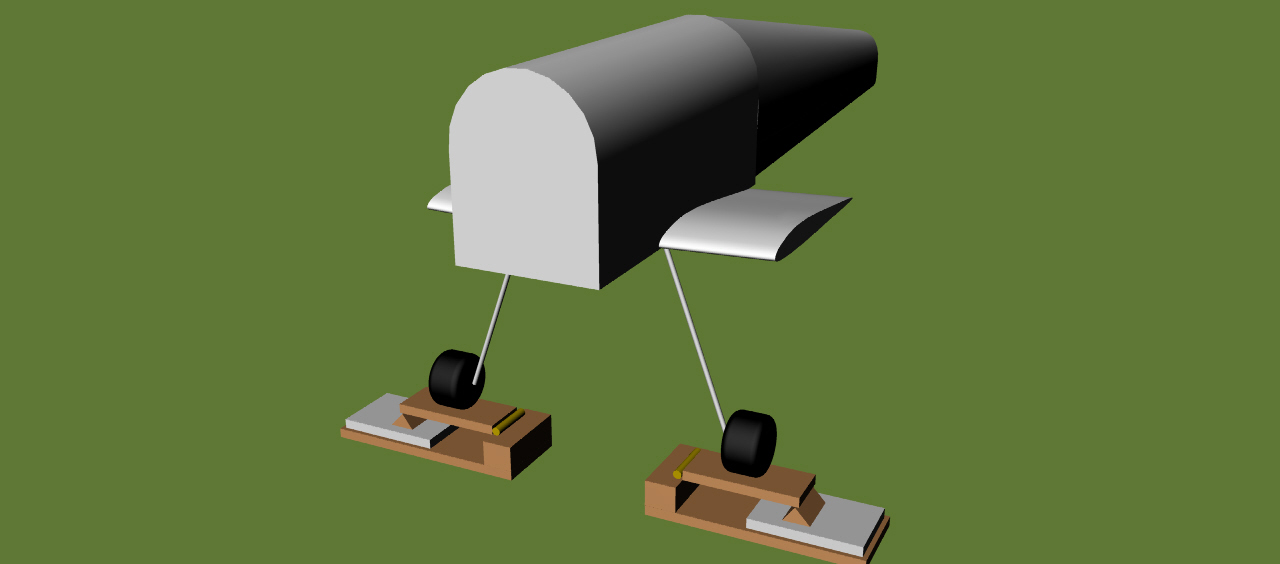
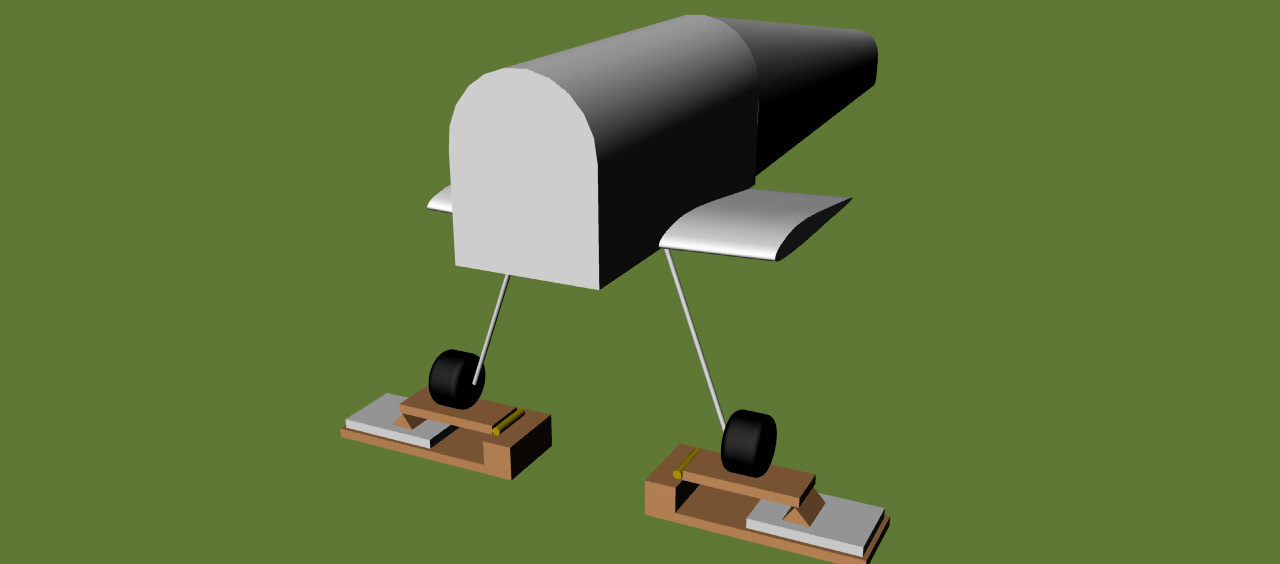
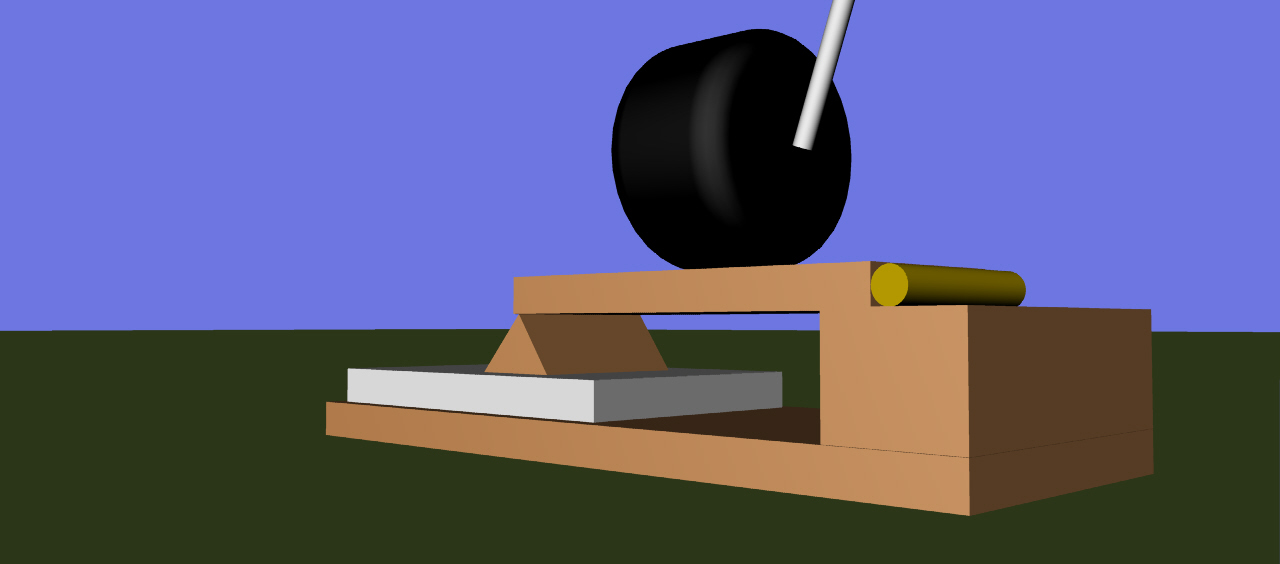
Another way of doing it is use a couple of race car scales
and put one under each main tire. Bath room scale readings are not
quite high enough unless you use a two to one levers. They are
generally limited to 300 pounds. You need 600 pounds.
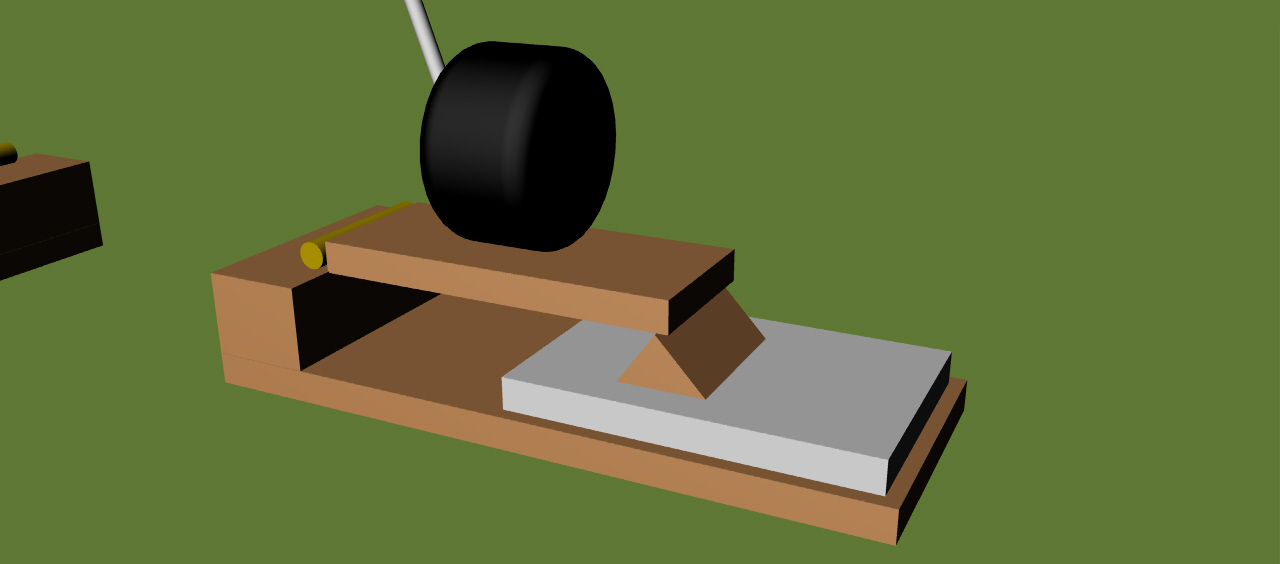
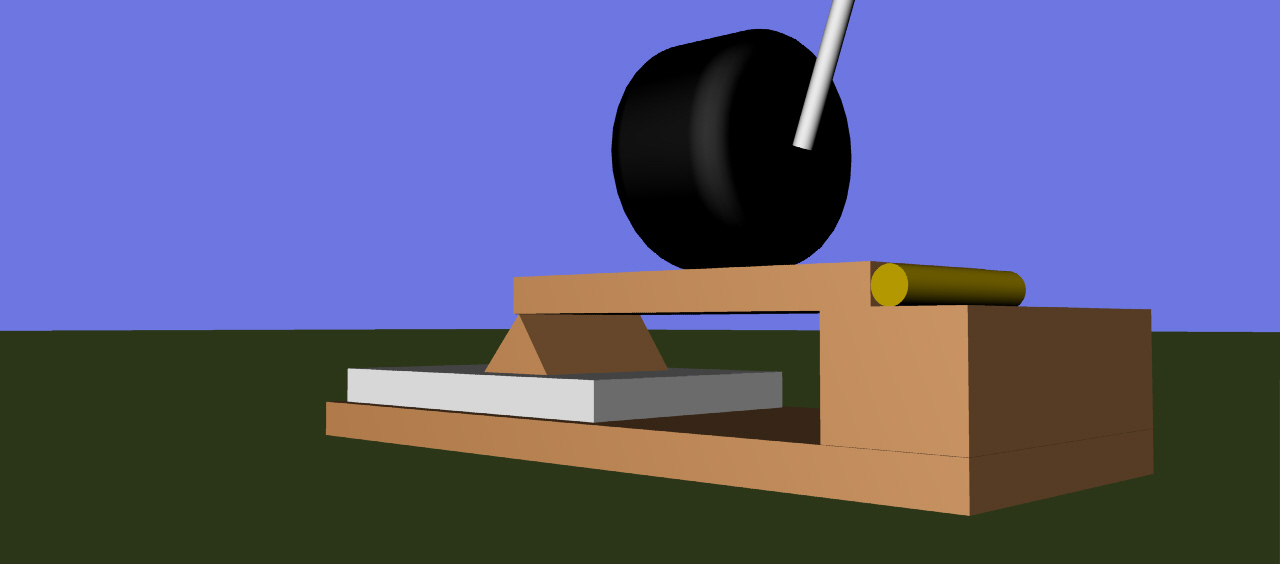
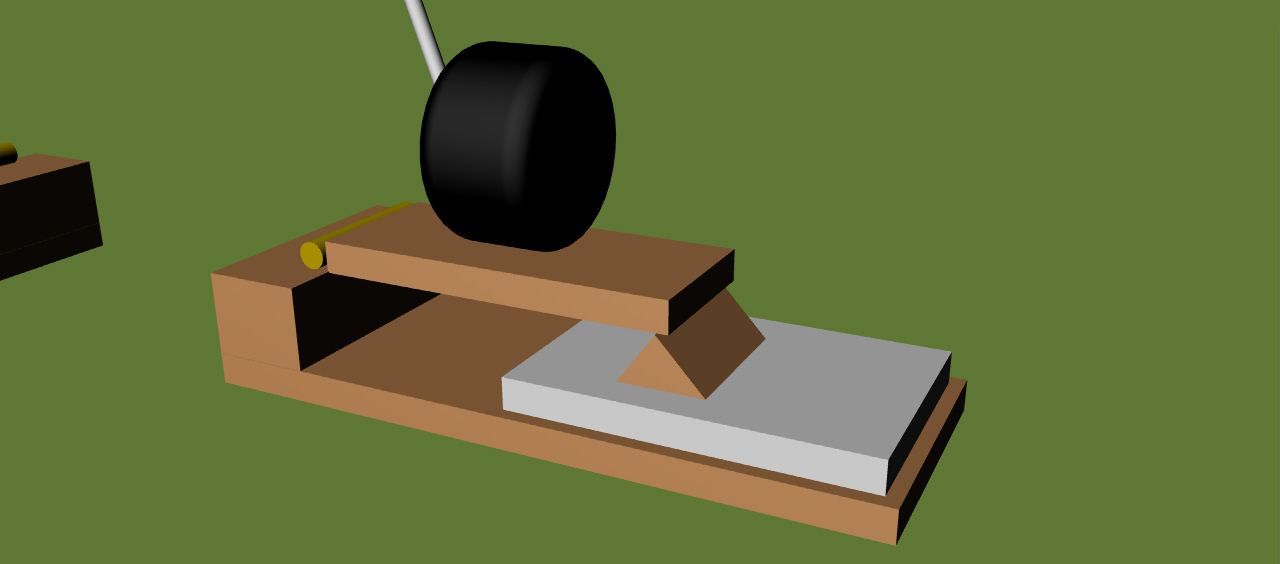
See the attached sketch for that.
Use a long rope from the
tail wheel to a pickup truck to keep the airplane stationary.
Don't tie it down as that will introduce an error in the
scale readings due to thrust tending to pitch the airplane
nose down. Make something out of plywood and a 4 by 4.
Use a gate hinge to keep the top plywood in place.
You need to know the distance
between the mains. Run the engine up to full power and
note the RPM. Take the difference in scale readings
and multiply by the distance between main tires.
That is the torque the engine is generating at that
prop RPM.
HP = Torque times RPM divided by 5252.
Paul Lamar
Paul, the drawings you show for the bathroom scale will 'double' the weight
on the scale, not half it.
Bill Schertz
KIS Cruiser #4045
N343BS
Phase I testing
Thanks for catching that Bill here are the corrected pictures.
Was there any new rotary stuff at OSH this year? I could not make it
due to biz. Got any pictures you can send?
Paul Lamar
--
The Rotary Engine NewsLetter. Powered by Linux.
ACRE NL web site.
http://www.rotaryeng.net
Youtube key word PaulLamar2
Copyright 1998-2010 All world wide rights reserved.