I have heard good things about your newsletter and how persons interested in
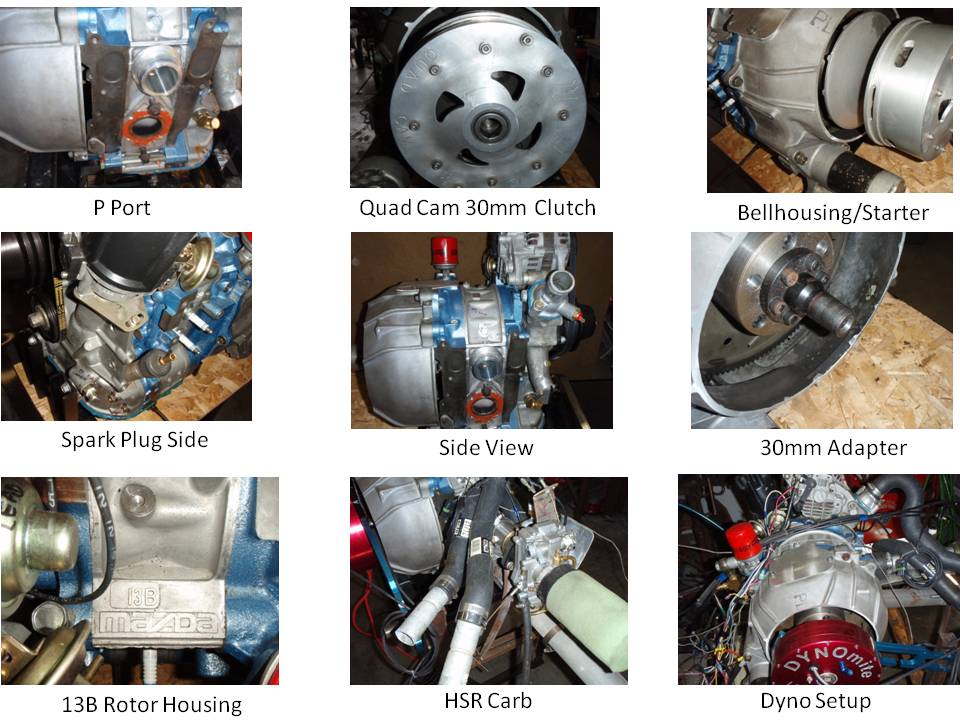
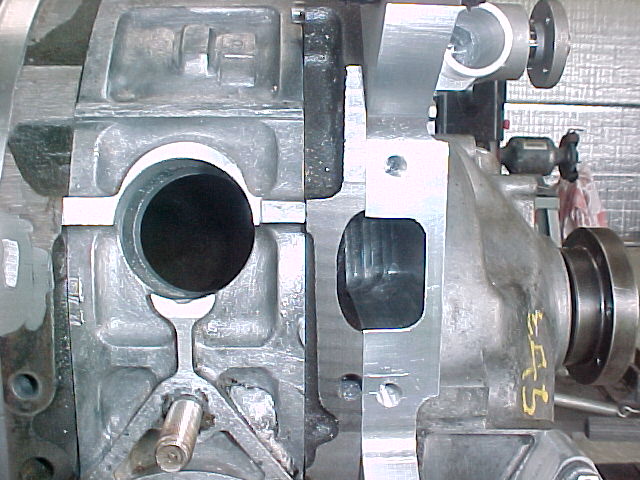
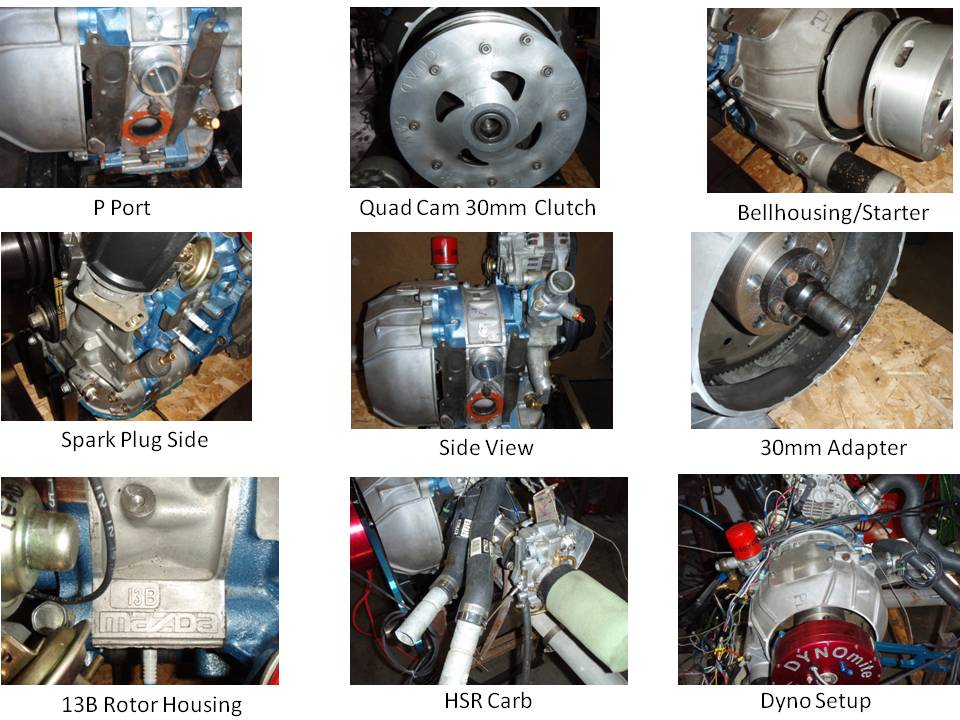
rotary engine performance can share information. I currently have a P-Port
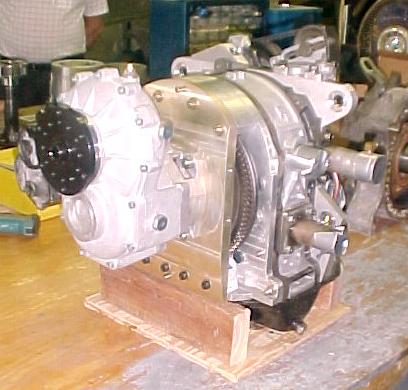
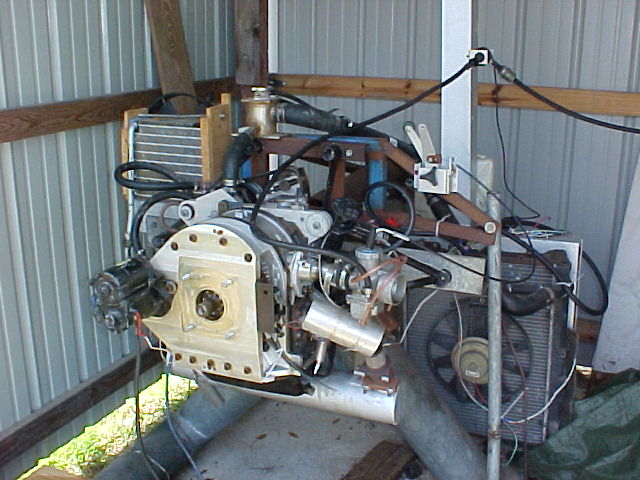
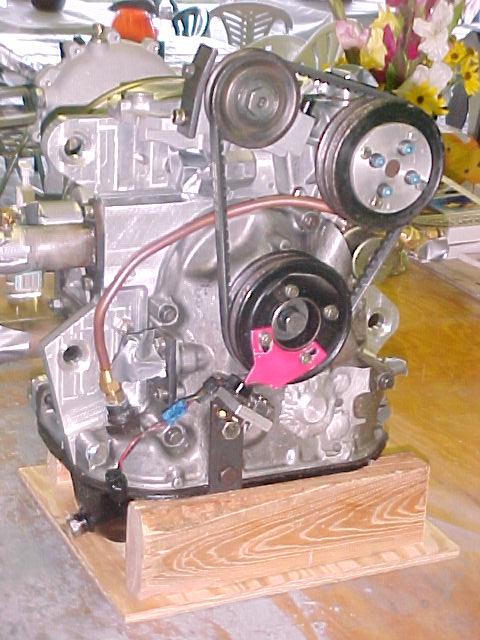
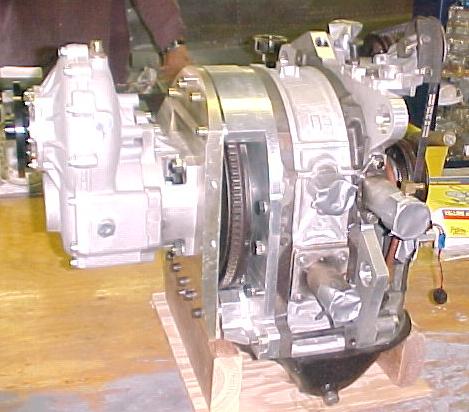
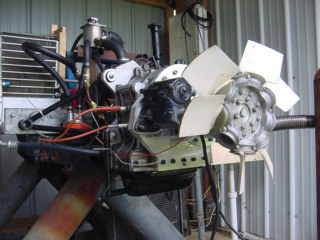
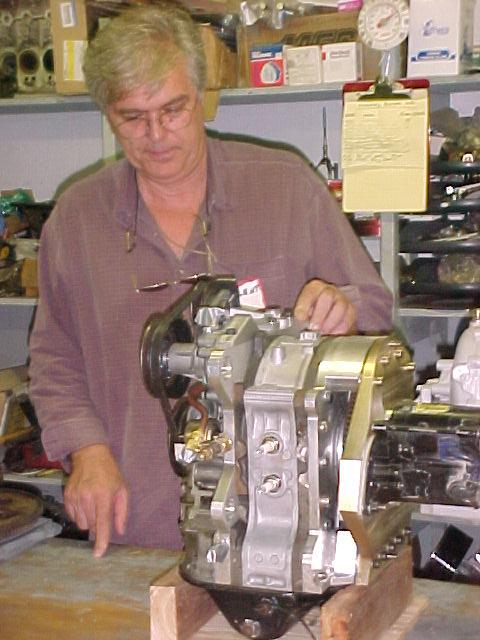
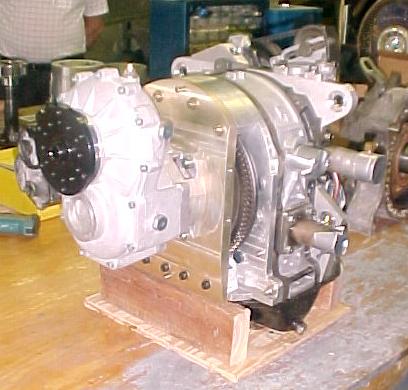
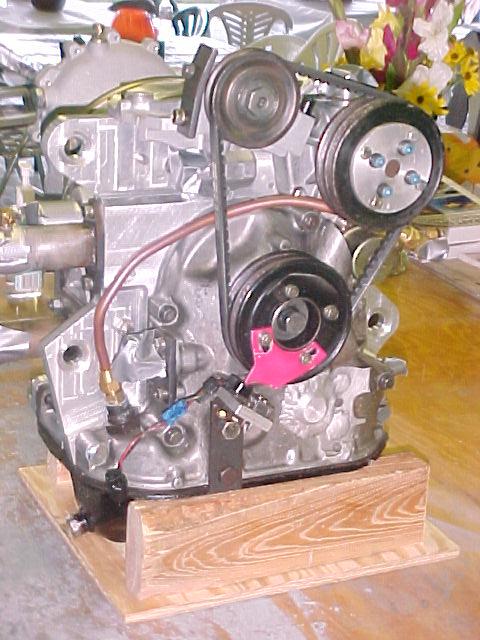
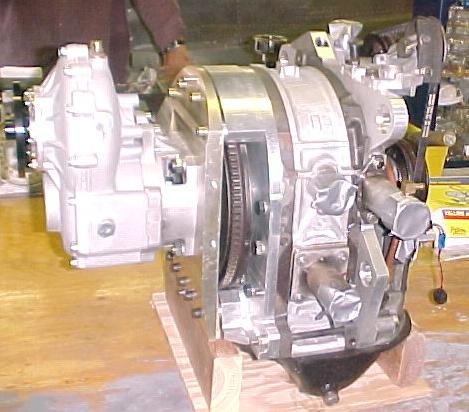
Mazda single rotor and a Rotamax single turbo engines that I have been
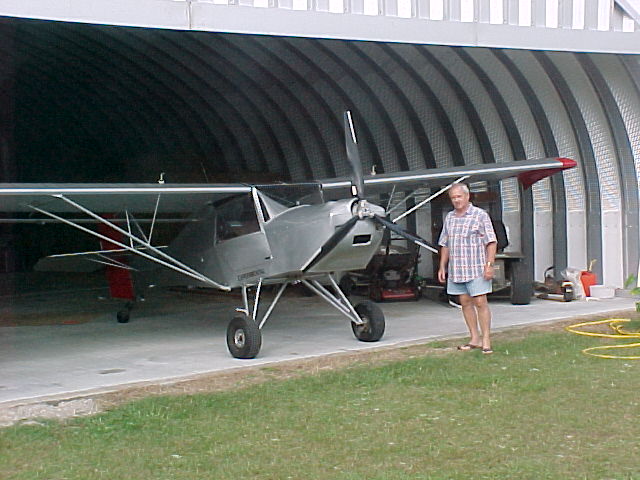
dynoing in several off road configurations. The idea of an aircraft
application intrigues me given the power curves available from these
engines.
Thanks and I look forward to my subscription
Bud Westerman
Your in luck Bud. I just came up with an idea to fix the Rotamax.
The problem is charge cooling. This SAE paper by Wankel will explain what
the Rotamax problem was.
There is a lot here based on years of research with charged cooled rotary
engines.
The home made water cooled hollow eccentric shaft will fix the problem. It
is machined in two pieces and welded together than ground to final
dimensions.
---------------------------------------------
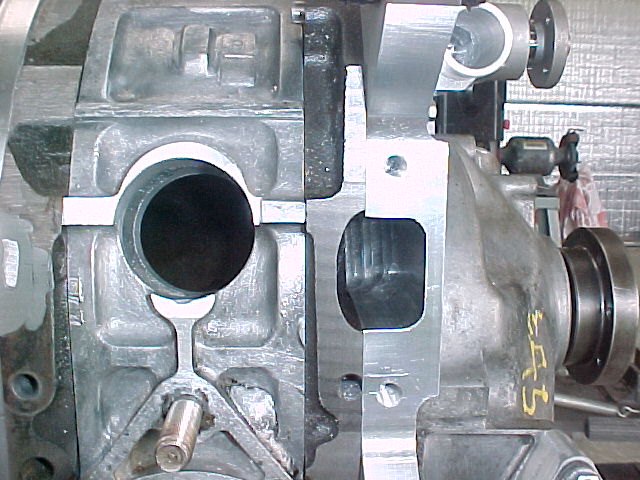
Bud, disassemble your Rotamax and if you see any discoloration in these
areas the engine has been run at excessive speeds or continuous power levels
beyond its ability to cool.
The shaft and bearings may be history. If not you are in luck as you can
increase the power and RPM capabilities at relatively low cost. The current
limit to what the engine can be run at IMHO is about 4000 RPM. The limits
the power to weight ratio.
The power out is directly proportional to the RPM so a small increase in RPM
will give you more power. Towards the end of the Rotamax company they kept
backing off on the claimed power and RPM. I suspect this was typical charge
cooling rotary characteristics learned from various attempts to use it in
aircraft. At that time I was in close touch with an aircraft company that
attempted to use it. By June 2008 the HP was derated to about 120 HP at 5700
RPM but I suspect that could not be sustained.
One well known trick to improve charge cooled rotary engines is to drill
holes in the eccentric shaft in the indicated area to better lube the rotor
bearing. I learned this trick about charged cooled engines too late to help
Rotamax.
IMHO and I am guessing here this could increase the continuous RPM to as
much as 6500. That should increase the continuous power out from around 80
HP to about 100 HP or more.
As I said I am guessing. In any event it will make the engine more durable.
The second trick is to replace the rotor and main bearing with expensive
silicon nitride roller bearings.
This is the ultimate solution short of water cooling the e-shaft and should
further increase the RPM and continuous power out.
http://www.ceradyne.com/products/industrial/roller-bearings.aspx
Ceradyne, Inc.
3169 Red Hill Avenue
Costa Mesa, CA 92626
USA
Tel: 800-839-2189
Fax: (714) 549-5787
Email:
info@ceradyne.com
Made out of the same stuff the best apex seals are made from.
There is no real reason why a water cooled e-shaft, p-ports and ceramic
bearings would not run to 10,000 RPM and roughly 200 HP in a Rotamax based
engine.
Paul Lamar
Bud and group,
What does your power curve look like for the Mazda single rotor?
It is looking like I have to develop a single and am hoping for 130hp @
7,500 to 8,000rpm. Don't really want to spin this high, should I consider a
turbo to cruise at a more realistic 4.500 to 5.000rpm? And, don't want to
add weight but what turbo is best for an aircraft single rotor?
Dan F
Forget all you know about piston RPM.
A rotary thrives on RPM. 6000 is a good cruise RPM.
7500 RPM is a good take off RPM. My RX8 does not start to go until 6000 with
a 9000 red line.
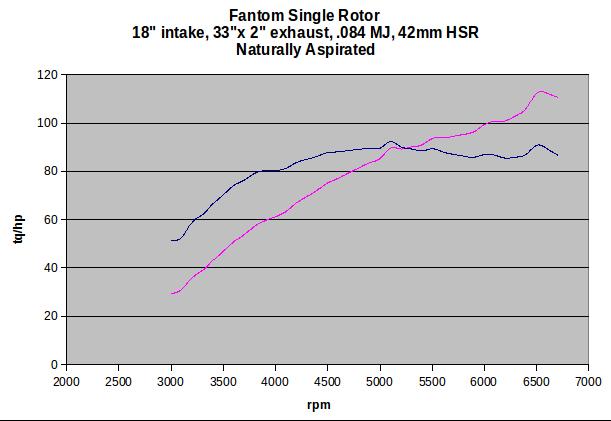
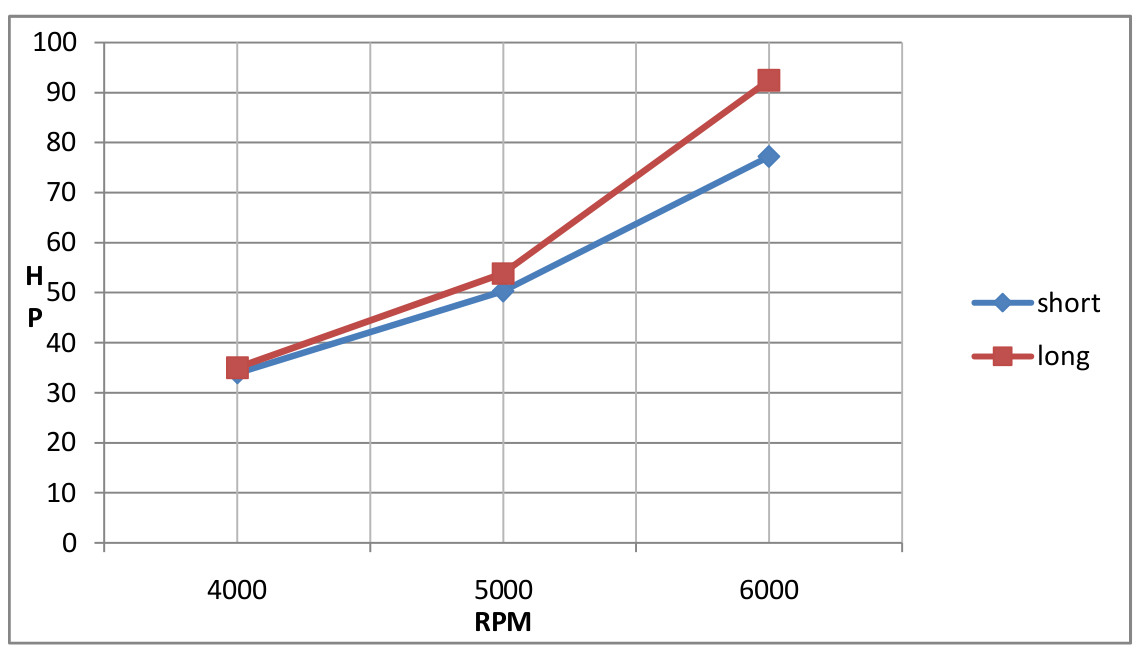
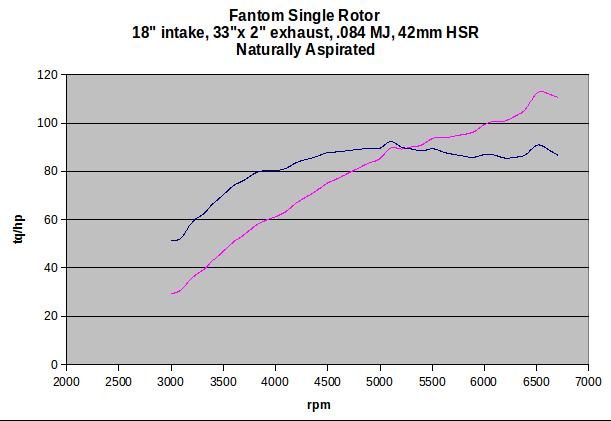
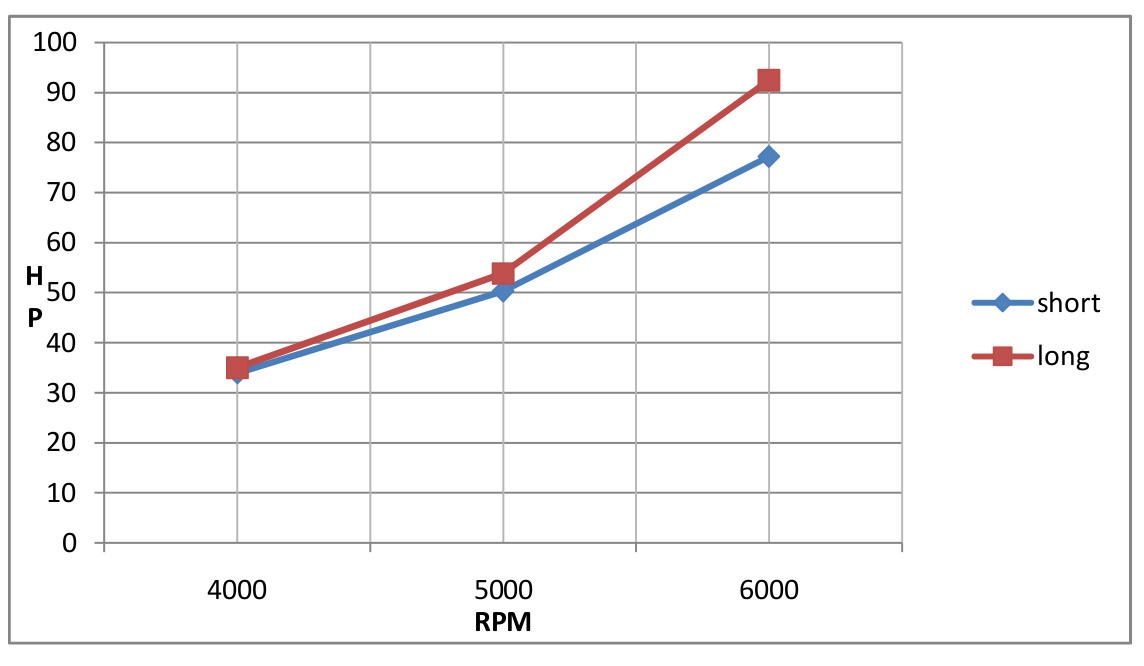
Here is Richard Sohn's last HP curve on the one rotor P-port Mazda.
Turbo'a are a real pain in the butt. You need a lot of instrumentation to
monitor them like EGT, wide band mixture monitor and turbine RPM.
Turbo's are harder on the engine as one slip up on the mixture and you can
fracture an apex seal.
They make sense if you want to high speed cruise long distance at 12,000 to
14,000 feet.
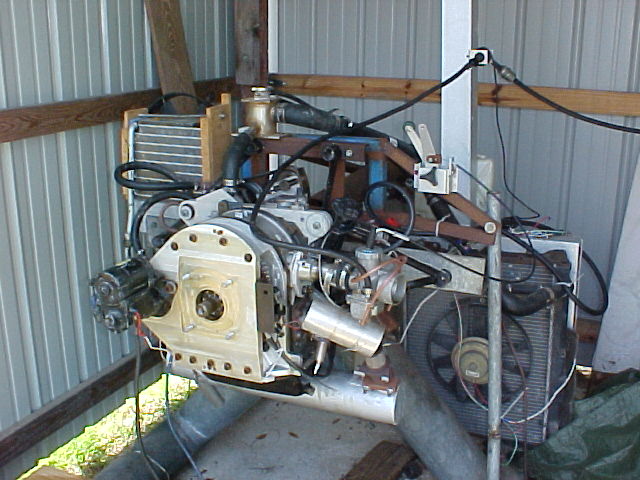
So far a modified stock RX7 1990 to 1991 has been successful for two rotors.
For a one rotor it would be a whole new ball game and you would be on the
bleeding edge.
Paul Lamar
I too have quite a bit of experience with the Rotamax but in
off-road/snowmobile applications. My NA engines always ran higher charge
temps for reasons as Paul suggests. The turbo engines ran 50-100 degrees
cooler charge temps and the engines were happy. I will dig out some dyno
runs of the single and twin turbo engines. The twin was real tolerant of 92
octane fuel and 18# of boost. I haven't experimented with octane on the
Mazda turbo yet.
As for the NA Mazda P-Ported single I was looking for at least 100HP at
6000rpm. My engine essentially met that goal with a peak HP of 112@6500. I
originally built the engine specifically for a high performance turboed
snowmobile application, but the engine as 40# too heavy to be effective as a
hill climber. In reviewing aviation applications, this engine appears to be
a good fit either for a LSA or a turbo aircraft requiring 200+ HP.
Bud
Richard Sohn is in the process of developing aluminum end housings
which will take out 30 pounds or so. Racing Beat sell aluminum end
housing for about $1500 each for Mazda's which will take out a bit
more weight. Around 40 pounds is my guess. Snow mobiles have the
advantage of running in cold weather which eases the cooling
requirements.
I don't know anything about them. I don't know at what power level
they run at on average. Do you ride flat out for hours on end?
We are getting about 125 HP per Mazda rotor with 1 7/8" ID intake runners
about 22 inches long at about 7500 RPM with a 52 mm down draft
Weber. Probably a bit more with EFI and a slide throttle.
Since you have a dyno Bud I am thinking of loaning you one of my
multi-strike ignition system that fires two sparks every ten degrees
from 20 deg BTDC to 10 degrees ATDC for testing. The idea is to
burn more of the raw fuel and improve the BSFC.
Paul Lamar
--
The Rotary Engine NewsLetter. Powered by Linux.
ACRE NL web site.
http://www.rotaryeng.net
Youtube key word PaulLamar2
Copyright 1998-2010 All world wide rights reserved.