For a rotary engine end housing doing parallel roughing and
waterline finishing with pencil point cleanup to an accuracy of .0001
takes
about 3 minutes on a 1.8 Ghz processor computer and Meshcam3. I haven't
used
it on the 3.4 Ghz quad core which would be faster but I have that one to
run
the X-Plane simulator for the airframe testing.
At $29.95 for the flight
simulator with plane maker and airfoil maker included this is probably the
best value in experimental aviation software.This software has allowed me
to
get an aerobatic 233 KIAS canard to glide at 58 KIAS with a vertical speed
of 380 FPM by changing wing incidence and canard location. Also useful to
establish CG limits and cruise speed numbers with fixed versus retractable
gear.
George grimes
George,
Do you think X-plane would work for a lifting body?
http://www.facetmobile.com/
Scrole to the last few pages to see the FMX-5 project. Barnaby gave
compelling
reasons for this plane at an AirVenture seminar this year. Just a
diversion now but
would like to build in the future.
Dan F
Dan F, Included in the simulator are airplane files for a dozen types of
planes helicopters etc. One of them is the NASA lifting body reentry
vehicle.
You design your flight model in the X-Plane program with the plane maker
subprogram. If you open up the lifting body design you can see how it is
entered.
Basically you use a background bitmap or JPG image of the top,
bottom, side, and front which you have saved in the resources/bitmaps
folder to line up the edges of the parts and cross sections to enter the
part. If you want to have it used in the flight dynamics you enter it as a
miscellaneous wing unless it is actually a wing which is done in the wings
section.
If you enter it in the miscellaneous bodies section only the flat
plate drag and similar parameters are used. Flight dynamics are done with
blade element theory by dividing the surfaces into very fine quads and
considering the aerodynamic forces on each individual mesh segment. This
is different than Microsoft flight simulators approach which uses look up
tables and does not lend itself to a new type of design for which data is
not known.
If you design in Rhino, do a render and save it as a JPG or bitmap
image. For multiple views I do copies in an array and rotate them around to
different views. Then draw a rectangular box and surround all the images
with the same box.(also done as an array) This allows lining up all the
images to the size of the render window so everything is lined up and at
the
same scale (a necessity). There is a series of 32 tutorials on you-tube
that
demonstrates how to enter a plane in X-Plane.
You might want to do a search for Allan Shaws "atlantica" design which
is a blended wing body. As a generalization these designs seem to have good
stability as a glider but not much control leverage to counter propeller
torque and changes in engine thrust. You can assign buttons on the joystick
or keyboard for aircraft trim in a simulator, as well as takeoff trim but
when doing these lifting body types I would animate the actual trim
surfaces
for a more realistic representation of what will occur on an actual
aircraft.
To gain some confidence in the simulator enter something like a PA
28 and fly it to verify that it behaves as the real world aircraft.
Alternatively, download a known aircraft at X-Plane.org and dissect it's
data
entry in plane maker to see if you can find anything that is not like the
real world aircraft. The wing airfoils and propeller airfoil, diameter and
pitch get extra attention.
I am using the propeller specs from a design I found in the
X-Plane.org /users designs which is a twin Mazda rotary design called
Peregrinne that has an MT prop. It is showing 278 KIAS out of two 215 HP
rotaries. If you are not doing a jet engine on a lifting body counter
rotating
props would be a suggestion.
George grimes
George, Are you and Jean still working on the rotary powered scale
Avanta? Here are some pictures I took today of the real McCoy.
Paul Lamar
George,
Thanks for the info about X-plane. I had no idea about how powerful it had
become.
This will be a good winter project. The RC models have no control problems
and
Barnaby did not mention... Will be a good idea to check this out.
And, yes please keep us updated on the Avanta and your twin canard
projects.
Paul, please update my subscription from Juno to xxx
Dan F
Send me email from your new address.
Paul Lamar
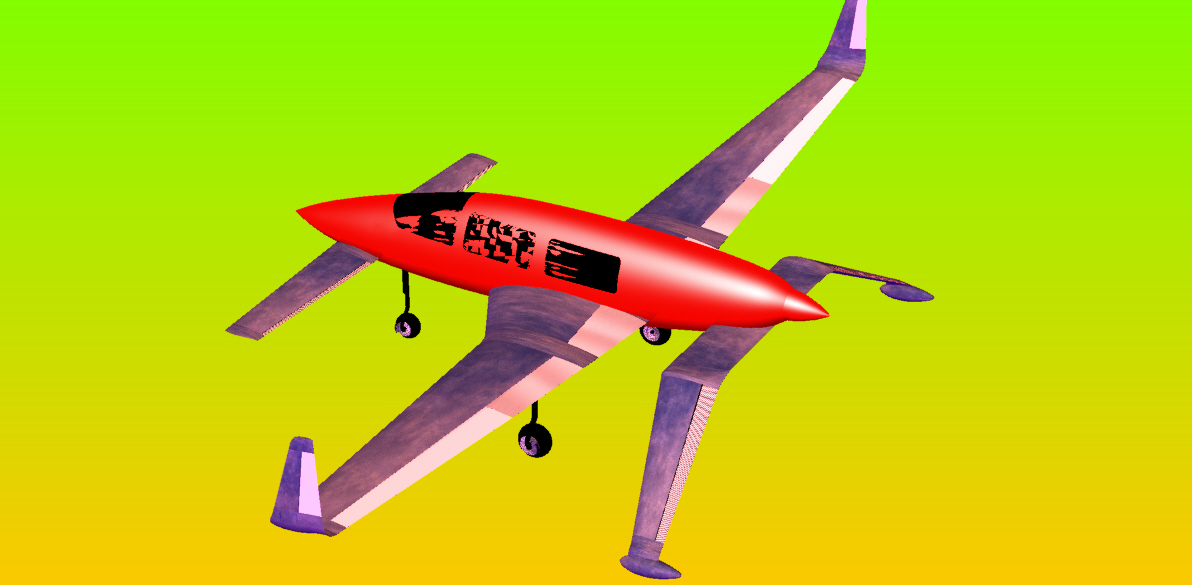
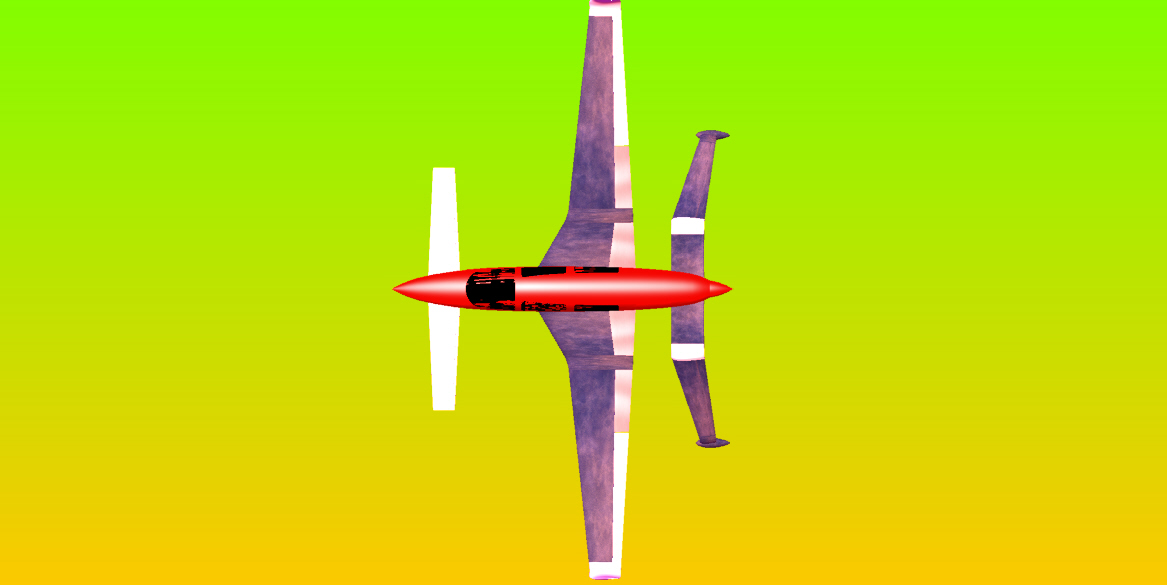
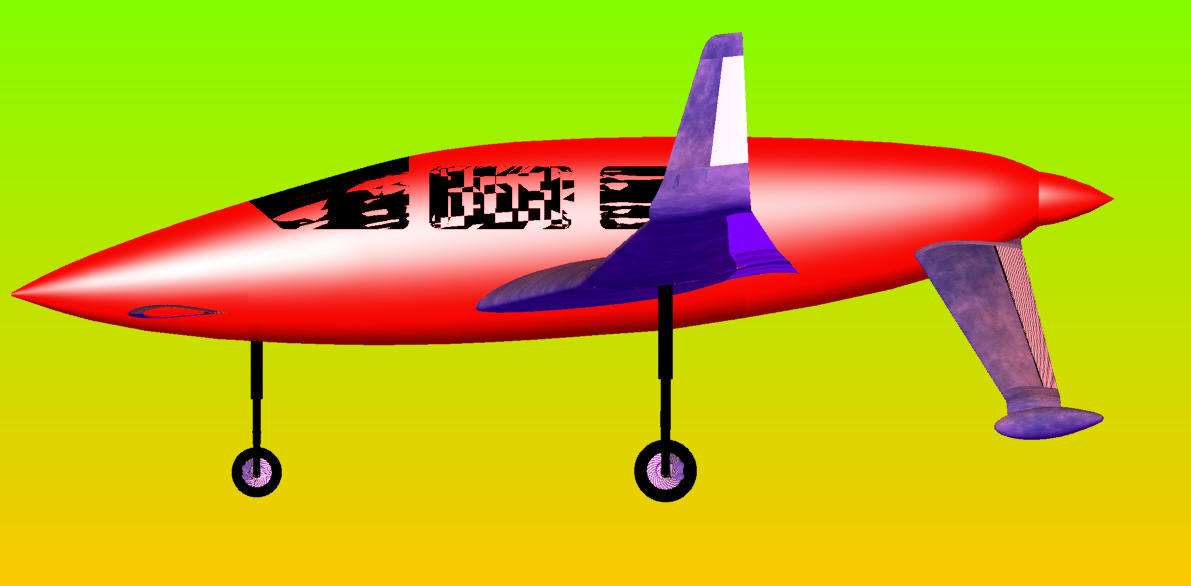
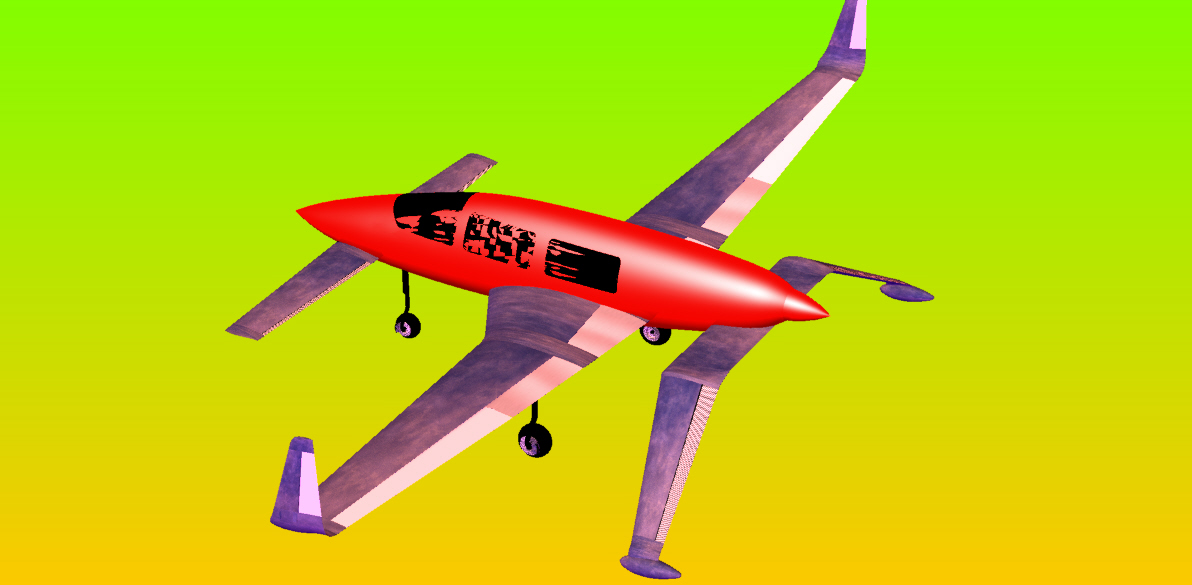
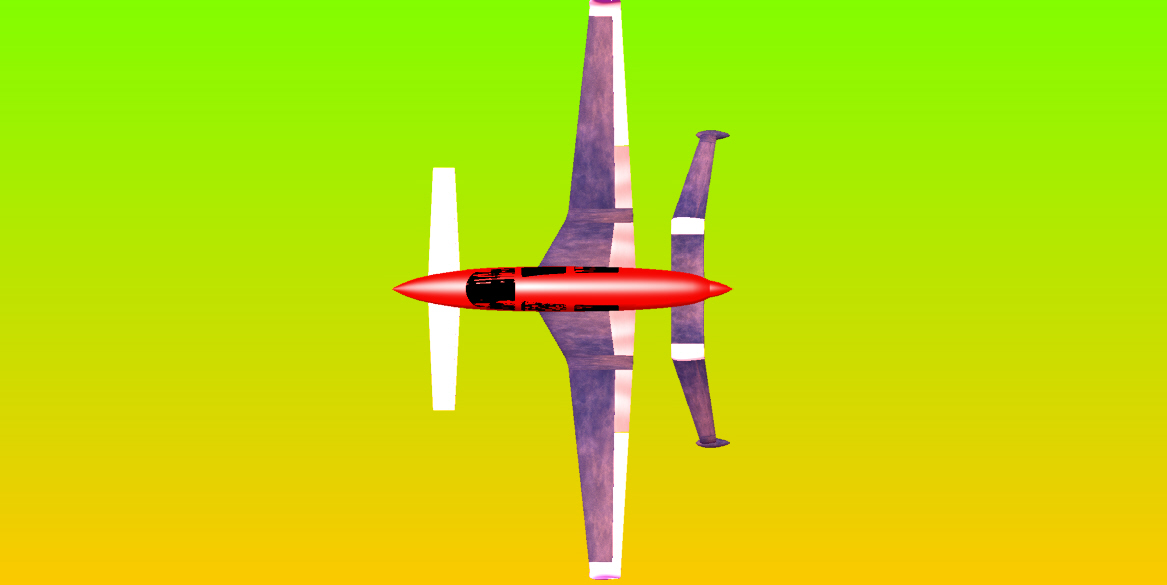
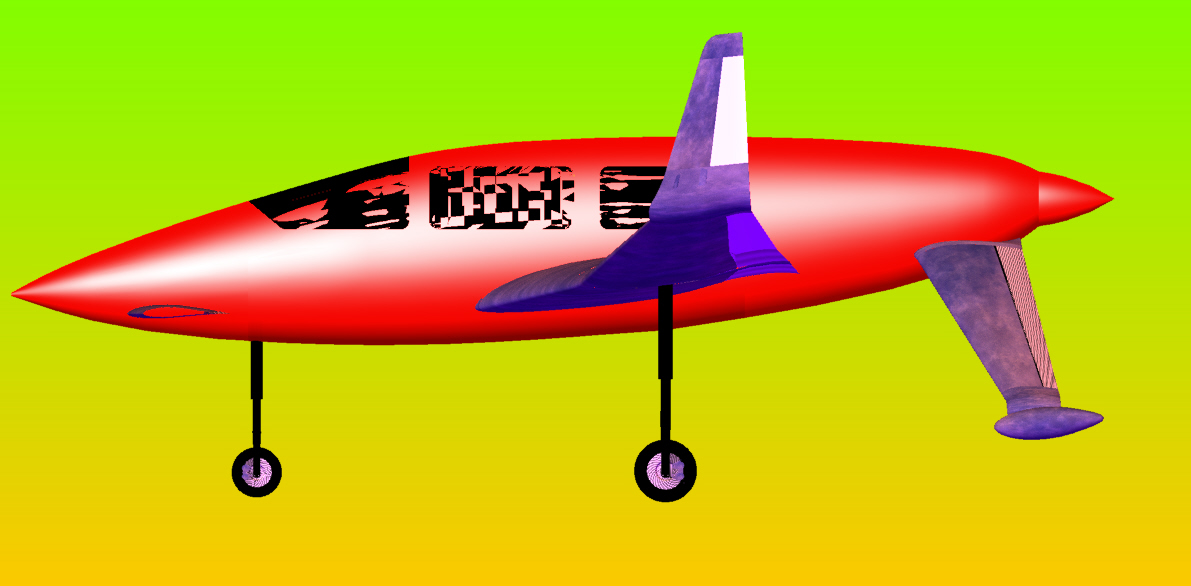
Dan F, I am attaching some jpeg images of the 4 rotor aerobatic canard
that I am flying in X-Plane. It still has not gotten to 300 KIAS with the
reduced HP of 4 rotors (down from a six rotor of the conventional design
from three years ago) This airframe could be done in a 5/6 scale for more
speed and less fuel burn or turbocharged at the current size to meet design
speed. I am leaning towards the current fuel burn at 233 KIAS and cruise at
180 KIAS with a significant reduction in fuel burn. This may be a
reasonable speed for a 4 wing surface airplane of this size but I do not
know of another one to compare it with. I am investigating the 2.72 ratio
planetary gears from a ford super duty transfer case to replace the 2.85
ratio and want to try a Paul Lips type propeller in place of the MT
currently being used in the X-Plane model. I need to keep the power train
unchanged while working out the airframe adjustments but can try power train
changes later. The roll stability is currently neutral with good positive
stability in pitch and yaw. I have flown a variety of other designs in
X-Plane and nearly all have similar roll stability. If I can get a positive
roll stability at less than a 4 KIAS penalty that seems to be a good trade.
As shown in the attaches jpeg there are no intersection farings
being used on the X-Plane flight model which on an actual build would lower
the drag and reduce fuel burn a little more. The under engine air inlet is
also not in the flight model and could increase drag more than the reduction
of the intersection farings. I intend to adapt the cooling ductwork and
exhaust augmenter from the previous conventional style airframe which with
the much larger (23 cu ft) inside cowl volume is not a problem. The main
wing was also from the conventional design so testing the reduced power
canard powertrain on the T-rex airframe may give insight about the
lower speed of the current design. Unfortunately I have misplaced the
X-Plane file for the t-rex . It is hideing on one of about 800 CD and DVD
disks but not included on the label list.
Anyway that is the current update on my design and how I am using
X-Plane on the airframe designed in Rhino 4. It doesn't have the "ramp
speed" of the t-rex design but is alright for the cross country utility
cruiser that it is. I don't have a clue how to make it look better but it is
like children where your own are never as homely as the neighbors kids.
george grimes
--
The Rotary Engine NewsLetter. Powered by Linux.
ACRE NL web site.
http://www.rotaryeng.net
Youtube key word PaulLamar2
Copyright 1998-2010 All world wide rights reserved.