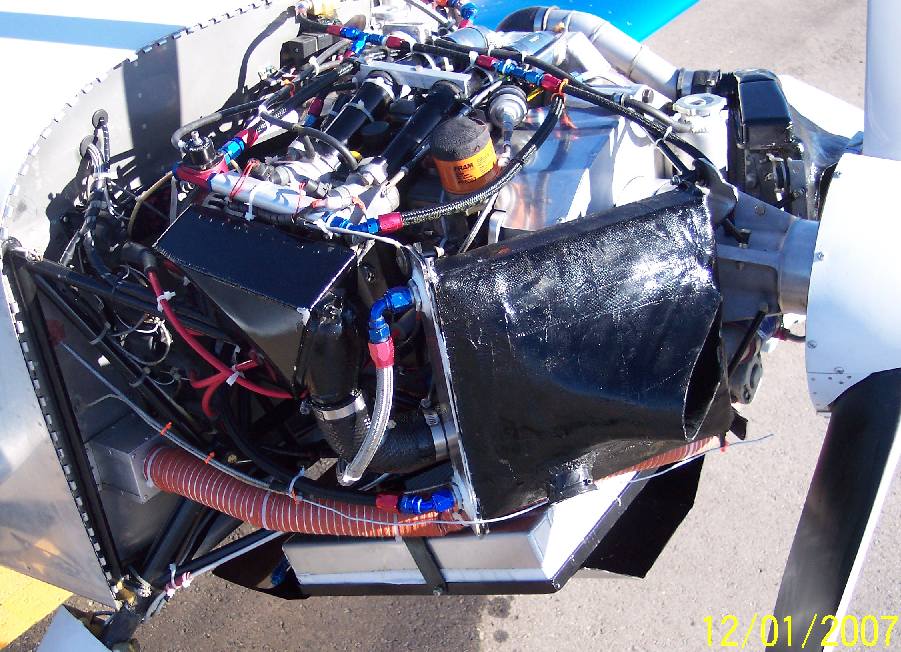
Well, I am pleased to report that my turbo, stock housing with TO4
wheel and
60-1 compressor with a fixed open waste gate has lasted over 230 hrs
without
a single problem. The solution to good enough? Make it better. I just
finished my annual during which I upgraded my turbo to a similar TO4 big
shaft wheel, but now it has a TO4E 50-trim compressor and the wastegate
flapper and actuator are back in place. Why the change? Either I am a
glutton for punishment or I am starting to pin down this turbo issue.
For
those of you not familiar with my turbo history, here is a quick recap:
First turbo - the stock second generation with waste gate flapper
installed, ridden hard and put away wet... it was run at full
throttle at
high altitudes, often at peak EGT. It lasted 70 hrs before the turbine
wheel fell apart and broke off. The thought at the time was that the
stock
turbo was just too small for this heavy duty abuse and was
overspeeding at
altitude.
Second turbo - small shaft TO4 wheel with 60-1 compressor and removed
waste
gate flapper. It was also run mostly at peak EGT but the power
produced was
somewhat lower because of the bypassed exhaust. It lasted about 140 hrs
until it suffered the same fate as the first turbo while I was in a long
full power decent (read extra high RPM and EGT's). My thinking at this
point is that the high EGT's are primarily the problem.
Third Turbo - The one I just removed after 230 hrs. Same
configuration as the second but I kept the EGT's under 1600 F,
mostly as lean as I could while keeping the engine running not
too rough. It was also run at pretty low pressure ratios. It
could only make about 38" HG MAP on take off and about 40" HG at full
bore down low. At 16k altitude it was down to about 22" HG. My
curiosity now is weather I can perhaps increase the boost and
continue to have the turbo last, as long as I keep the EGT's
under 1600 F. I know, glutton for punishment...
Other issues..
Lean of Peak operation. During the turbo change I discovered that my
stock cast iron exhaust manifold had developed a number of serious cracks
and some advanced erosion. Much of the erosion/oxidation was near the mating
surface with the turbo and it had started a small leak. My concern is that all
those hours of LOP operation allows too much oxygen into the exhaust to
promote to oxidation and accelerates the problem. The question is,
should I start running rich of peak to prevent rusting away the exhaust system
components? ROP operations also allow me to keep even lower EGT's
(for the turbo) and smoother engine running (for the wife). Turbos and exhaust
components that I get from cars usually have the appearance of being run
rich, rather than the dry orange color of the inside of my
components. The only obvious downside is the obvious much increased fuel usage. I think
that for the next couple hundred hours I have going to have to bite the
bullet and fly ROP (while at higher power settings). Thoughts?
S.A.G. is really baffling. Spark plugs only seem to be lasting 20-30 hrs
before SAG starts kicking in. Noted by a distinct and marked loss of
power as I cross through about 1500' AGL after take off. The problem is
usually intermittent and mildish at first becoming more consistent and
remarkable as the hours accumulate on the spark plugs. The problem is
always solved by changing out the spark plugs. I am switching to colder
platinum plugs in order to try to get them to last longer. Perhaps
running ROP will help them last long too?
Time for a new Prop? On a test flight yesterday, the engine was
running great. No SAG. At 7000' and 33"MAP I was at 6500 RPM,
about 1/3 throttle and doing 175 KTAS [201 MPH]. It is a 64
length x 77 pitch 3-blade Cato, but that is more like an
effective pitch of closer to 71". I seem to remember being able
to get closer to 185 KTAS [213 MPH] at 6500 RPM in the past on
the same prop but I did have a little taken off because of the
low output of the previous turbo. After some more experience I
may discover that it is time for another new prop. Might soon
contact Paul Lipps, I liked his article in the last issue of
Contact! mag. If that is my worst problem, I am going to be
pretty happy.
Doing some formation flying with the guys next week that may make its way
into a movie...
Keep building!
-- David Leonard
Turbo Rotary RV-6 N4VY
http://N4VY.RotaryRoster.net
http://RotaryRoster.net
Hi Dave;
Regarding SAG - what type and temp range plugs are you running?
coils?
How do the SAG'ed plugs look?
Cheers
Cary
I was using the stock plugs called for by Mazdatrix BUR something something
7,and 9. The plugs look pretty good except the center electrode gets worn
down somewhat. I just switched to Platinum and may also try the Iridium
and/or go to colder plugs (all 9's).
--
David Leonard
Turbo Rotary RV-6 N4VY
http://N4VY.RotaryRoster.net
http://RotaryRoster.net
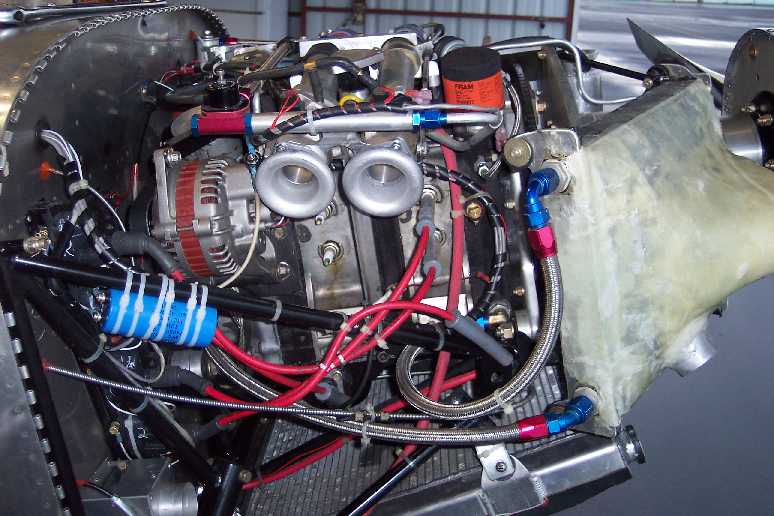
Dave, I can't quite make out from the old pictures what ignition
system you are using. What system are you using?
For the new subscribers rotaries fire the plugs twice
as often, much like a 2 cycle engine, but it is not a 2 cycle.
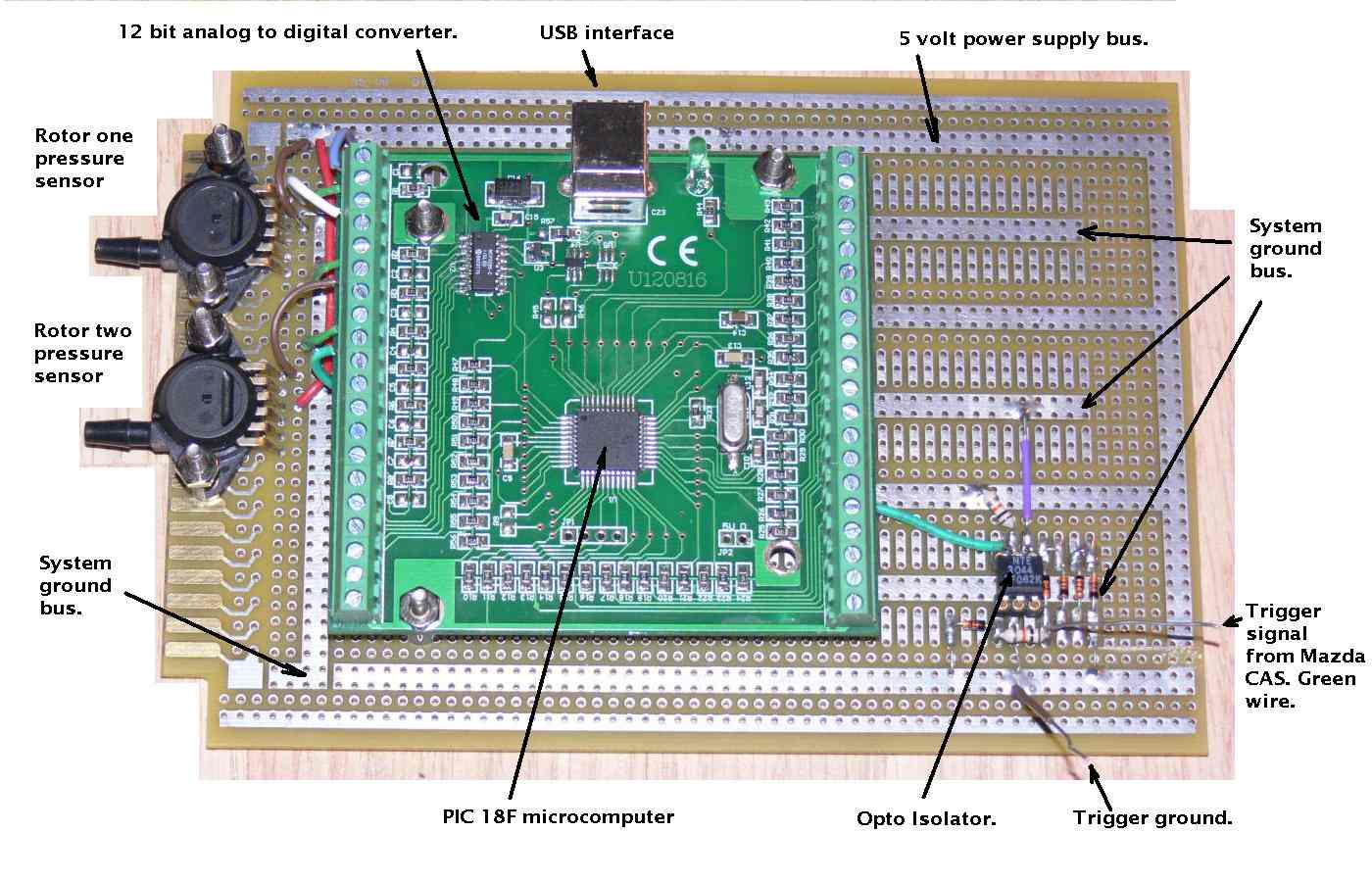
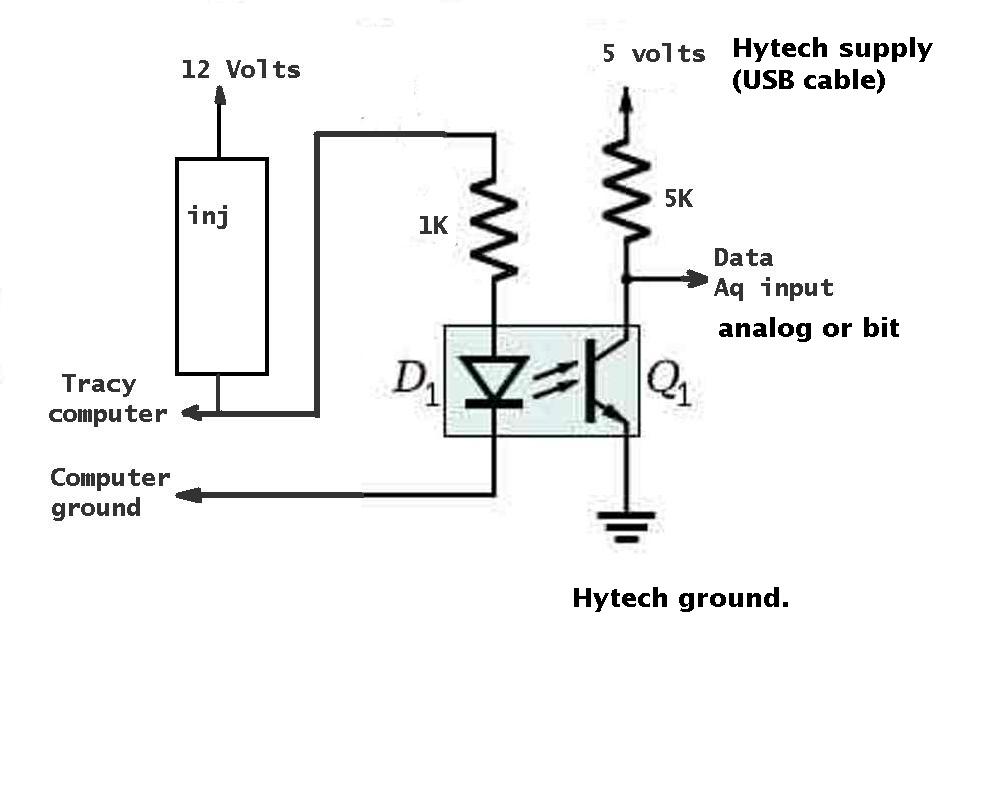
It could be the coil dwell time is inadequate
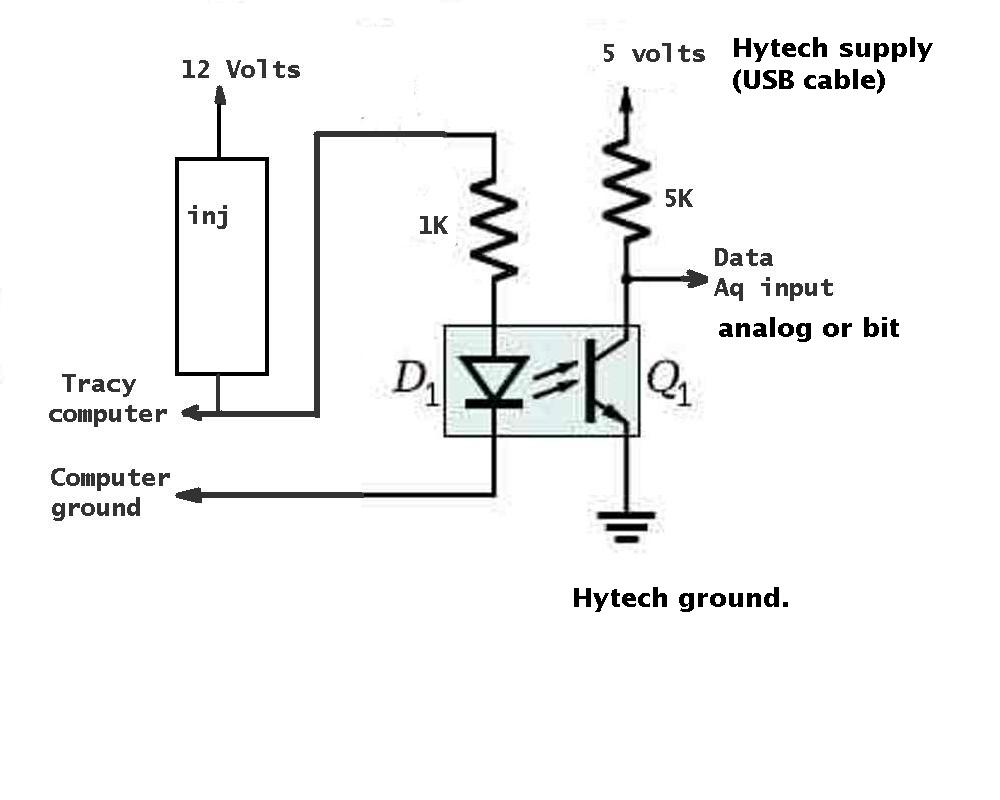
if you are using the Chev V8 coils. It is possible to measure
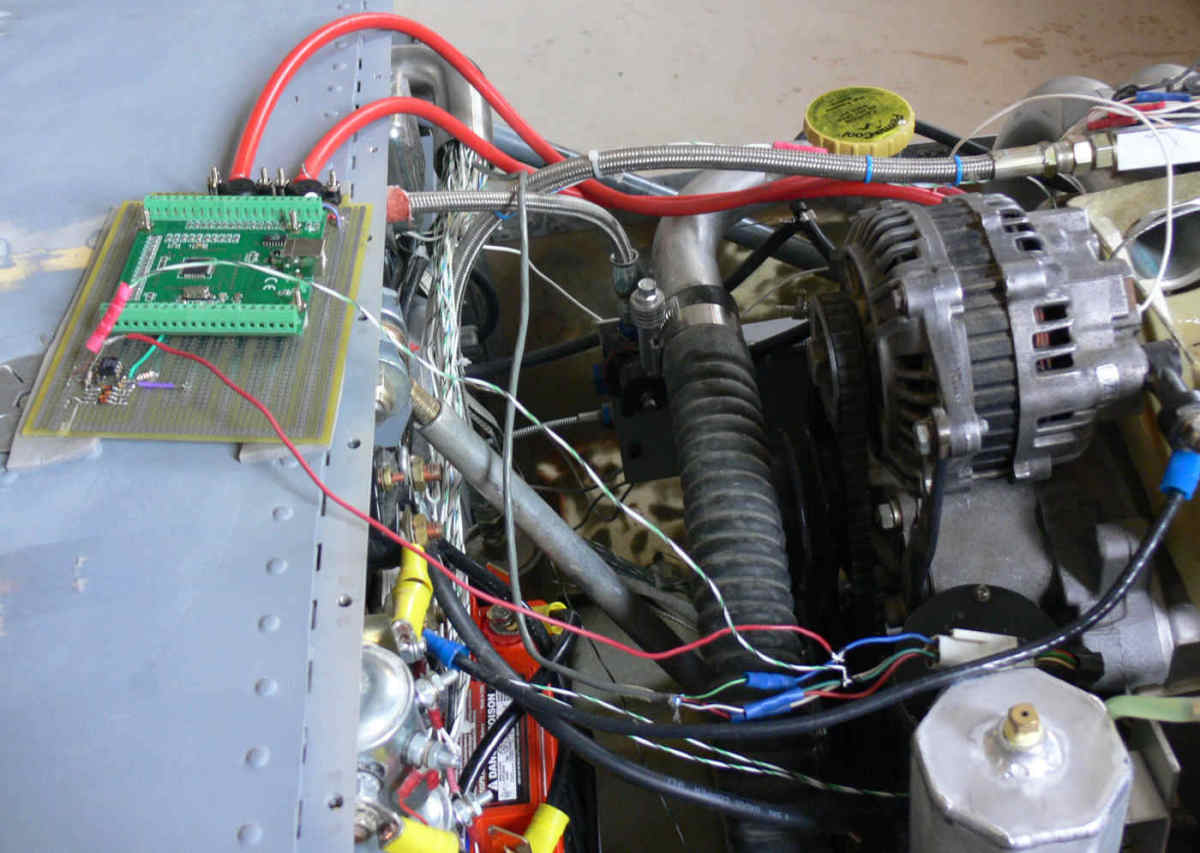
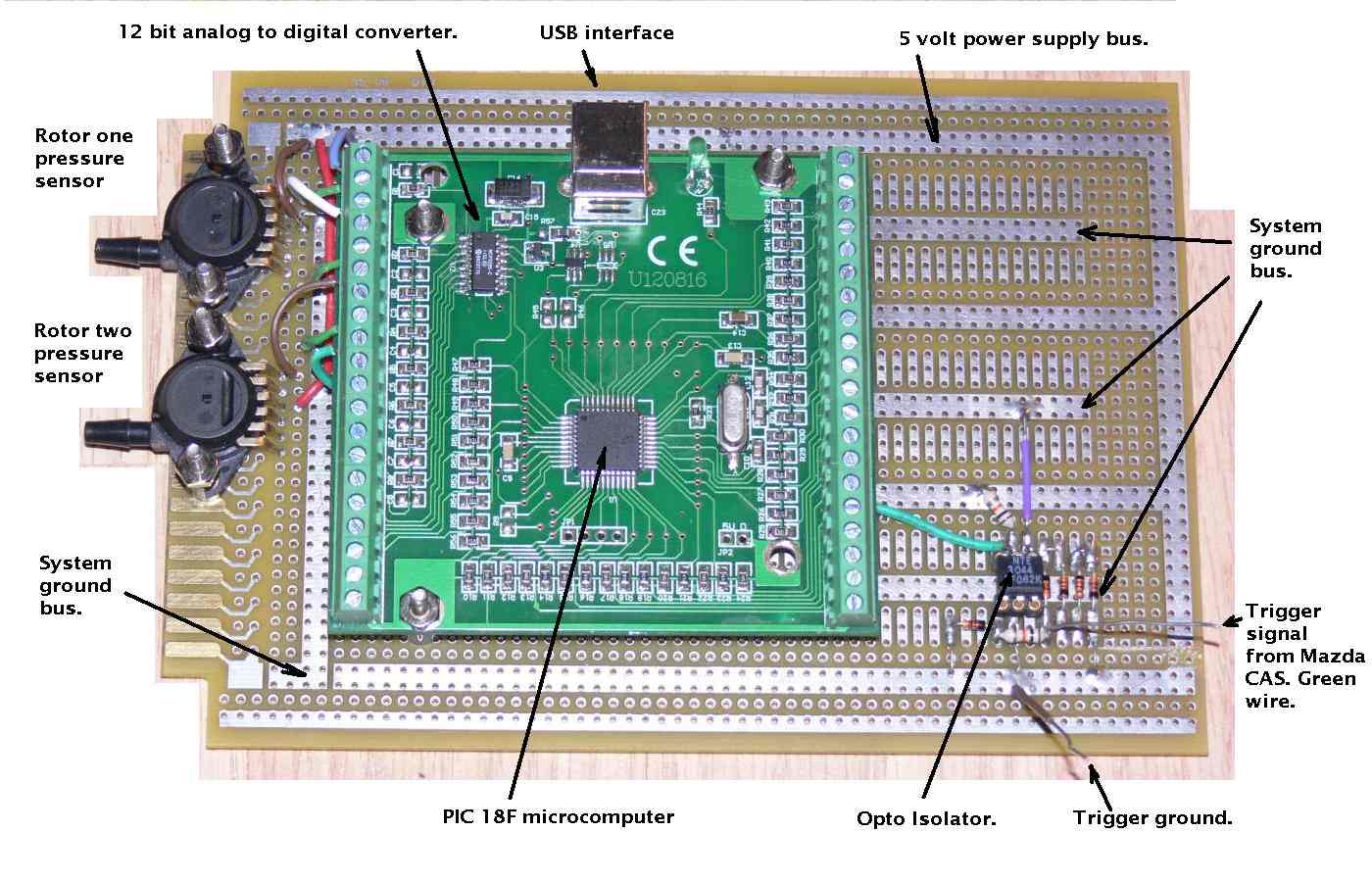
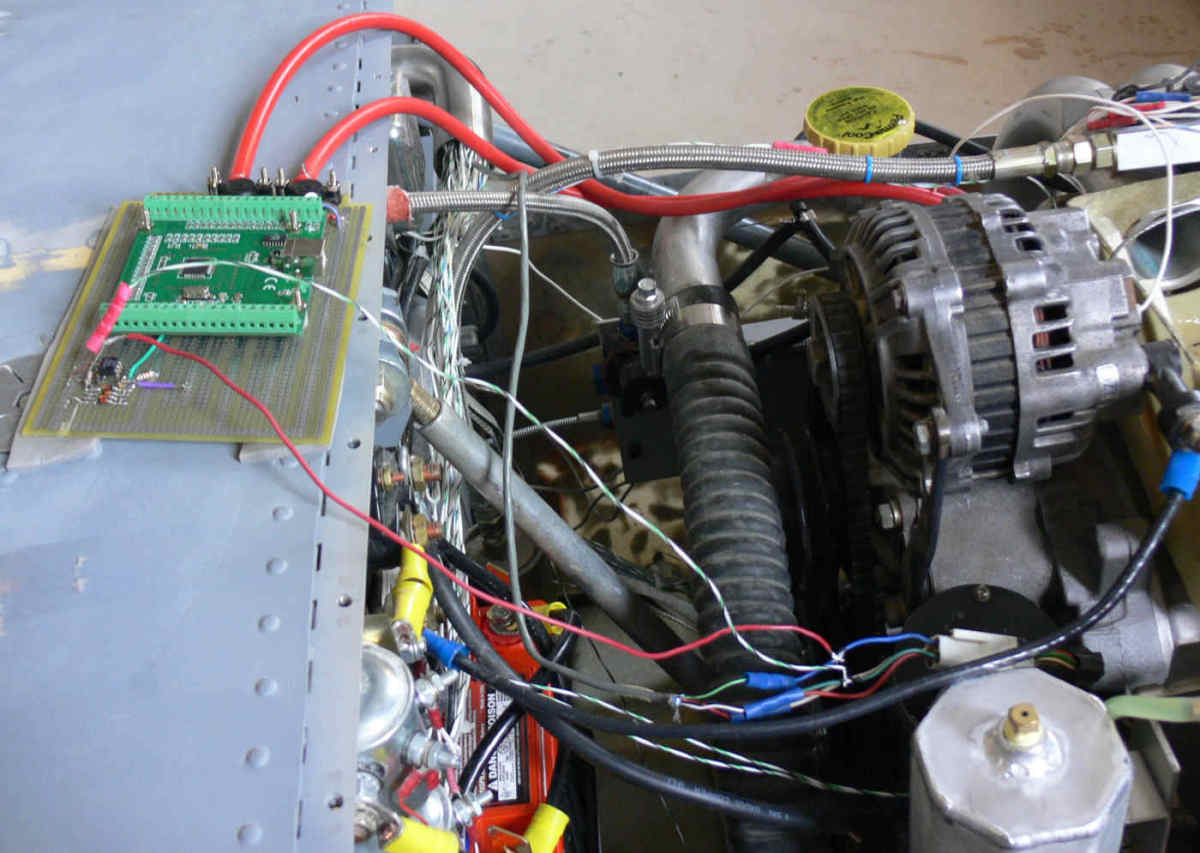
the dwell at all RPM's with a low cost Hytek Automation data acq system.
No breaks in the wires are required. Just attach the wire from
the data aq to the side of the coil attached to the CPU.
An opto isolator will be required next to the data acq.
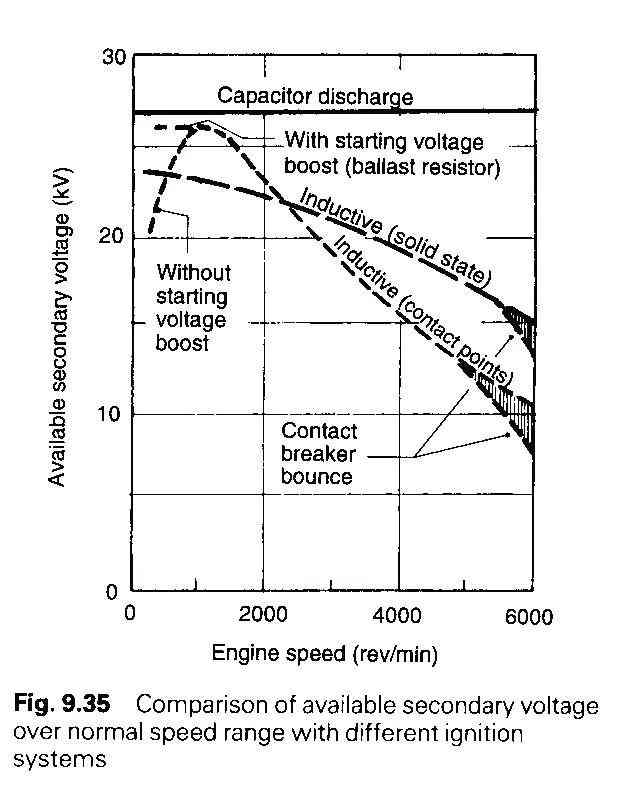
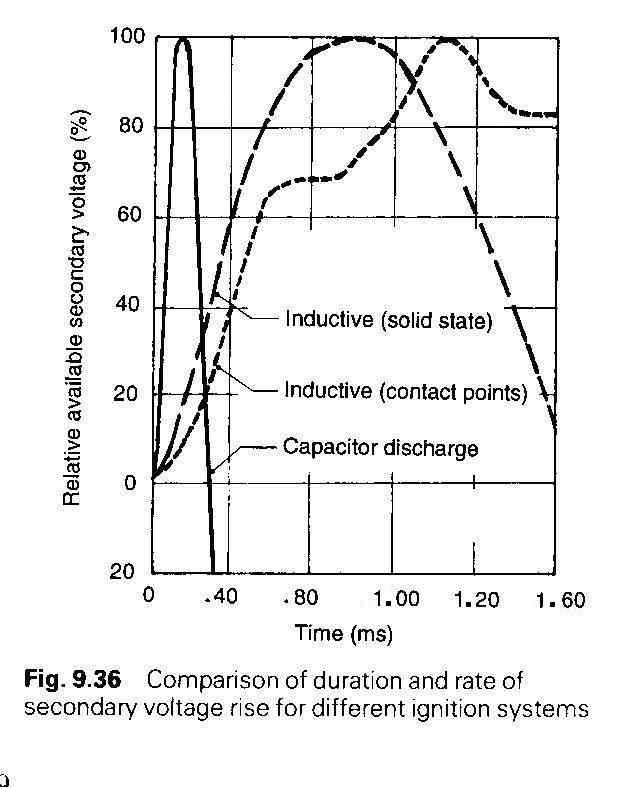
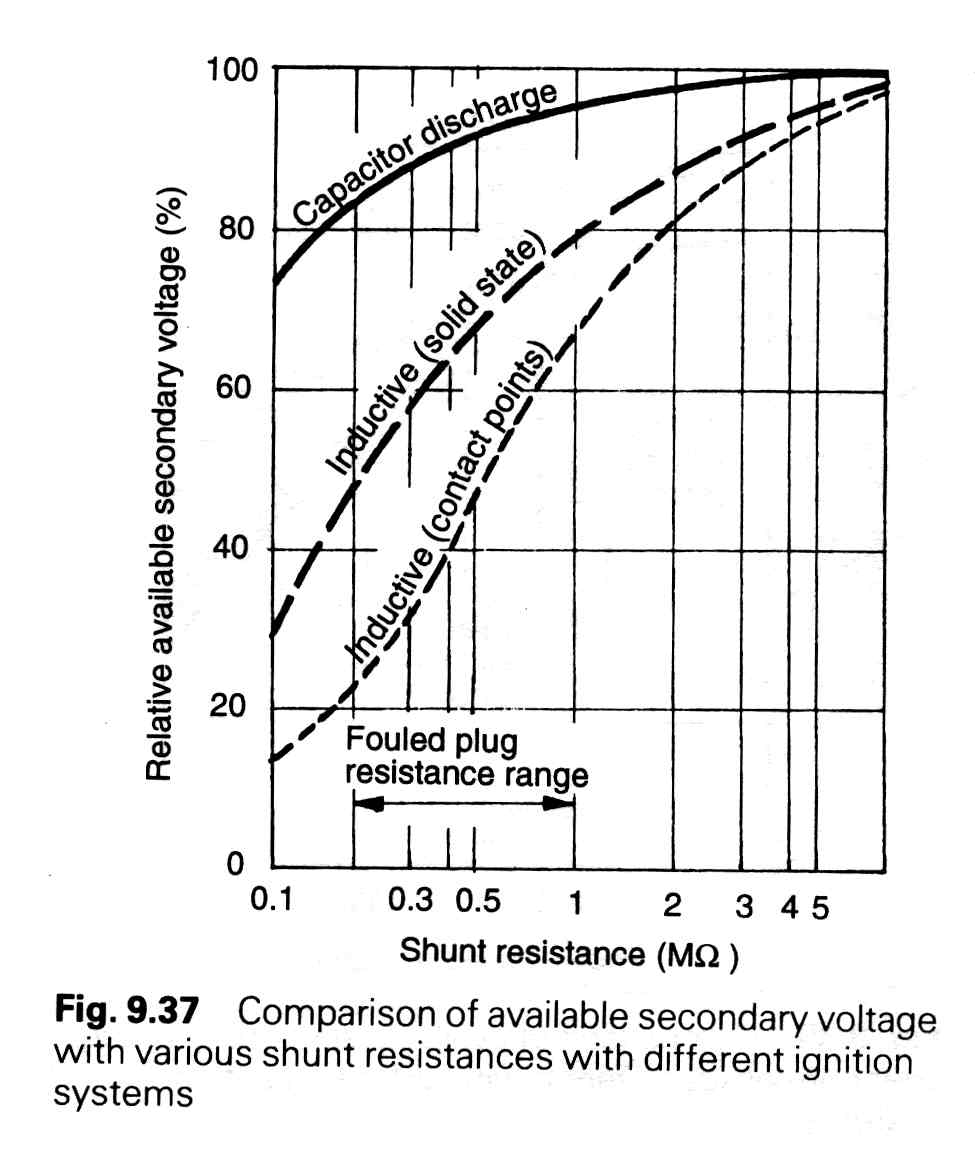
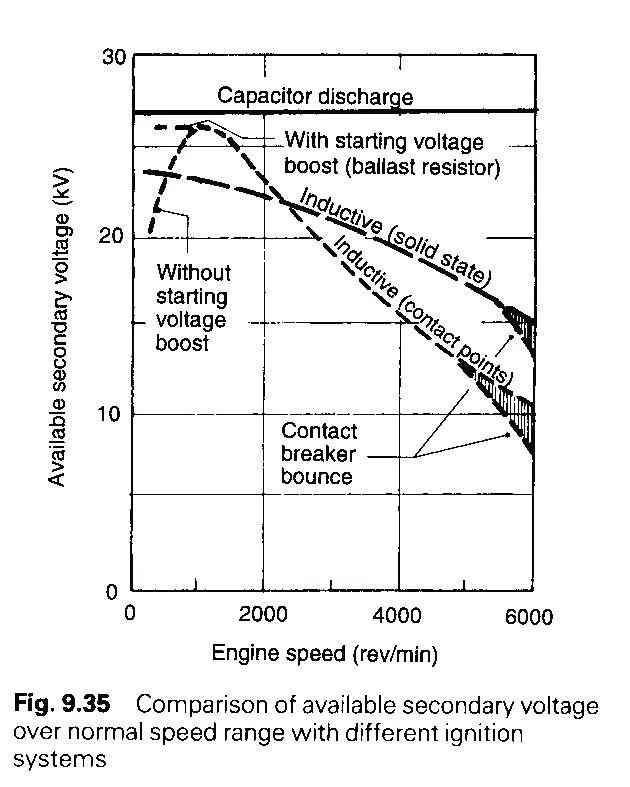
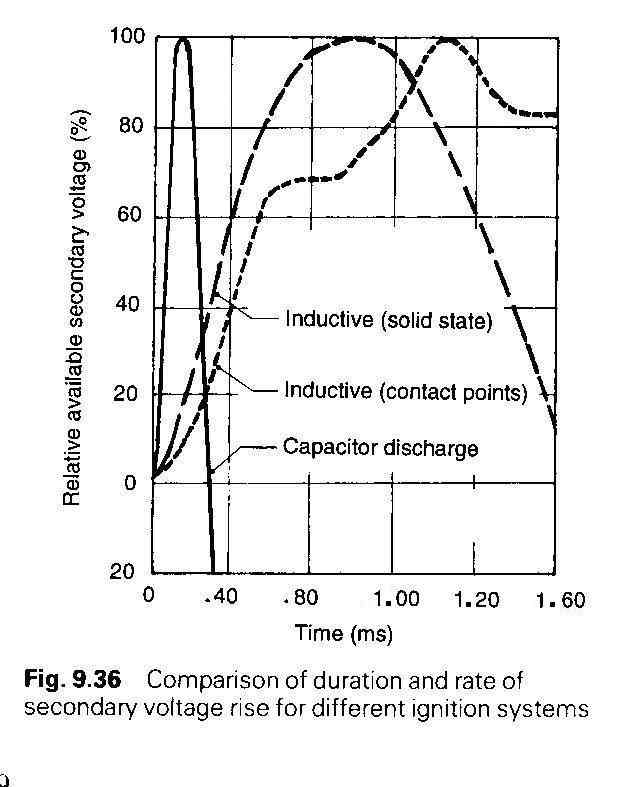
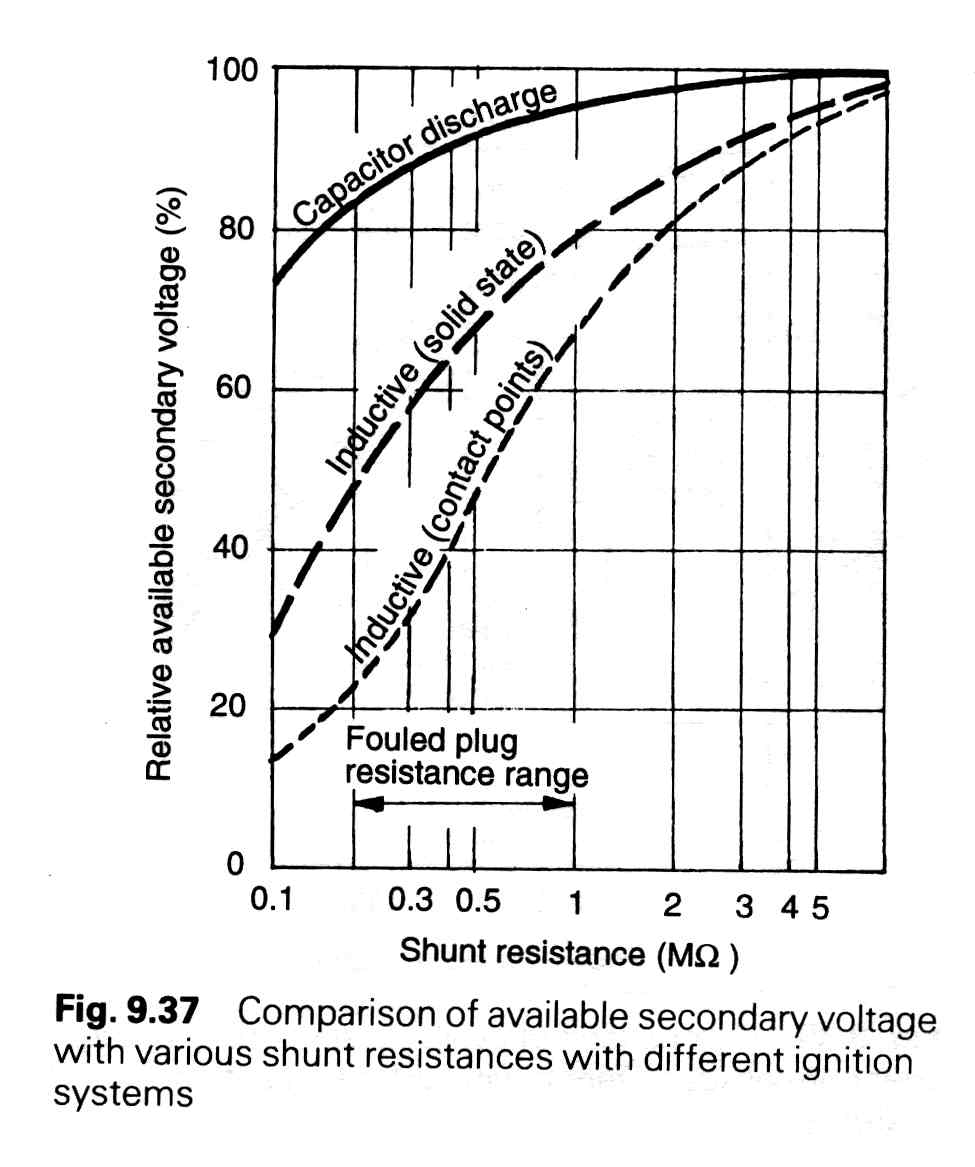
In cars, plugs last longer with CD ignition systems due to a faster
rise time. Just about all the rotary racers use MSD CD ignition systems.
They run for 24 hours up to 11,000 RPM without changing the
plugs. Hundreds of rotary racers have used and are using MSD CD systems.
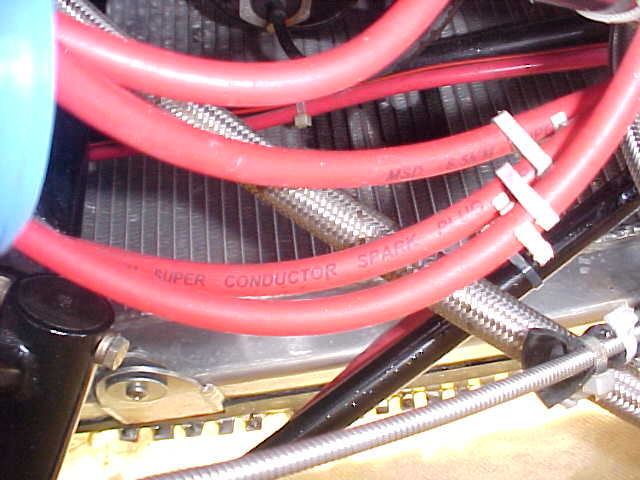
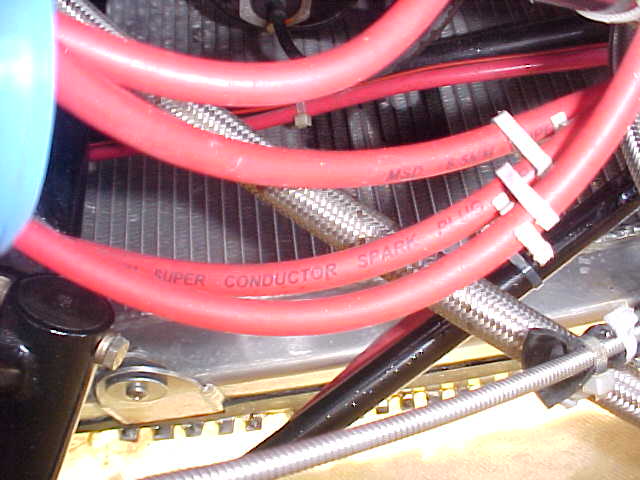
The plug wires need to be widely separated as the voltage is so high
cross fire can be a problem.
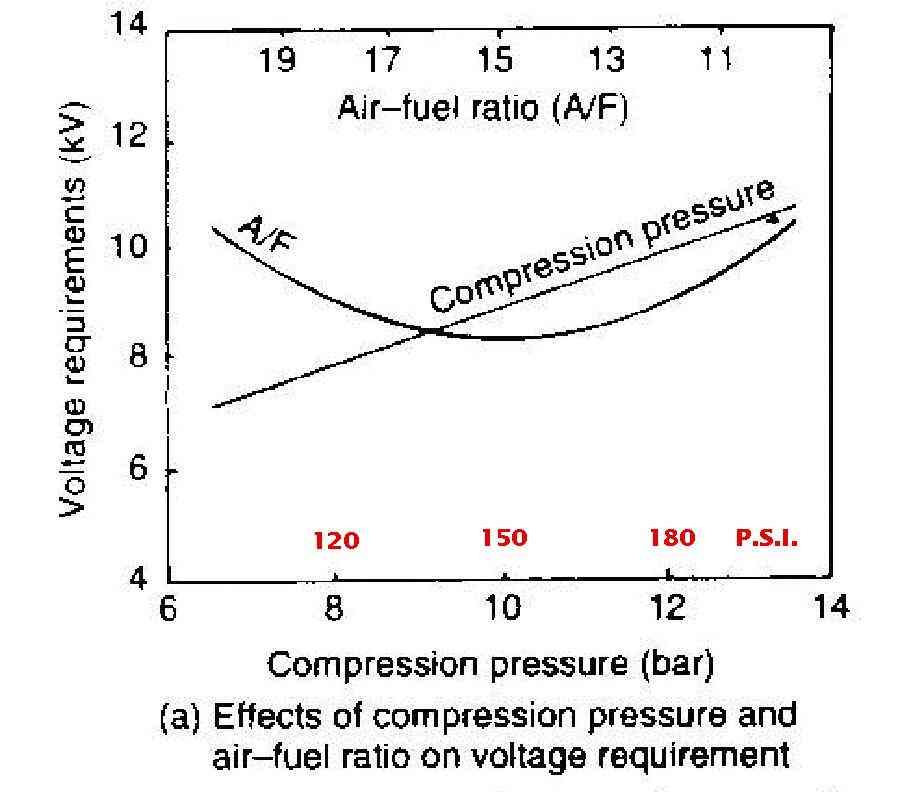
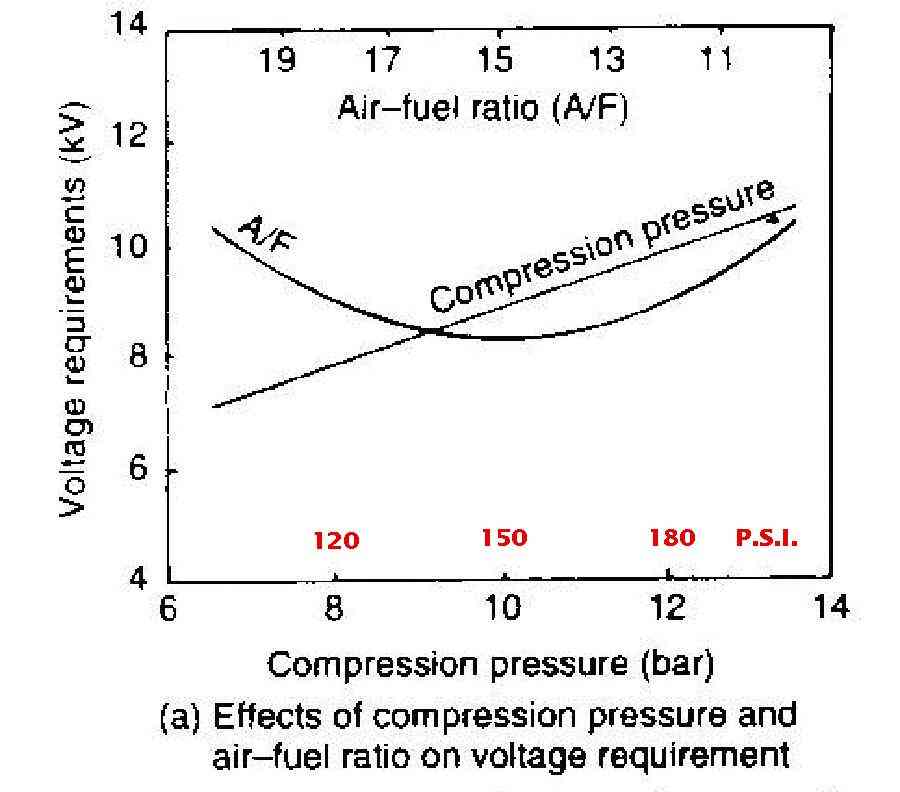
Turbo engines require higher ignition voltage as compression pressure
is higher.
I know Tracy does not like CD systems as one failed in an A/C while he was
flying. That was over 12 years ago and a lot of advances have been
made in high voltage semiconductors since then.
Paul Lamar
--
The Rotary Engine NewsLetter. Powered by Linux.
ACRE NL web site.
http://www.rotaryeng.net
Youtube key word PaulLamar2
Copyright 1998-2010 All world wide rights reserved.