Hi Paul, I am in Australia and a motor mechanic for the past 50
years and have NEVER as much as taken the plugs out of a rotary
engine!!! I had someone come to me once and asked if I could time the
engine, "no worries said I", but I looked and said I think you will
have
to take it to Mazfix, he did not have a manual for it so I had no idea
where to start.
Anyway I have been building a experimental helicopter
with my son and we now have it flying (just getting the bugs out), I
was
interested in the comment by some how the Mazda rotary is unlikely to
seize or stop, because of lack of all those things like
pistons,rods,valves,camshafts, breaking, which can happen in a instant
in a recip. engine.
Can the rotary motors be operated vertical, ie. with a
dry sump? Some of the engines pictured on your site appear to be dry
sump engines, I was thinking of possibility of installing in a Rotorway
helicopter, you do not know of anyone who may have tried/or
succeeded in
fitting one?
Their power to weight and apparent smoother drive along
with the ability to keep running appeals to me.
I await your thoughts,John Burey,Charleville,
Australia.
We have several people interested in helicopters on here.
I don't think it would last vertically but I could be wrong.
Nobody has tried running a Mazda vertically to my knowledge.
I would think the 9 pound rotor would wear out the end housing
it was resting on but I could be wrong.
Somebody is working on some aluminum rotors which may change
the situation.
Of course you are not risking much money as it is unlikely to quit
running. It may wear the end housing more rapidly but these
end housing usually last up to 3000 hours.
Rotary cars typically go 300,000 miles if the oil is changed and
it is not allowed to over heat. I have owned six since
1972. Not all have had 300,000 miles :) Just one or two. My current
2004 RX8 only has 30,000 miles but I have a beater I drive
every day.
Paul Lamar
Hi Paul, That was quick!! I guess that the side seals, or whatever
they are called would have to take the weight of the rotors on the end
housing, may be inviting trouble especially if one could use a reduction
gear then to the final drive and have a engine with . Thanks for your
thoughts, I will follow the discussion re these motors in aircraft, it's
always a pet hate of mine that a engine can be perfectly fine and
producing good power and as you say a "hand granade" goes off inside and
futttt!! it all stops!
Thanks again for your comments,John Burey.
I think if the rotary had been perfected before the piston
engine people would laugh at the piston engine as being
a rube goldberg device.
BTW Sachs built some rotaries that ran on their side for
lawn mowers. As I recall they did not have side seals
on the bottom of the rotor. That might be something to
try with the Mazda. Just leave out the side seals
on the bottom side. I know the engine will run fine
without the oil seals as I drove my Cosmo for years
with leaking oil seals. The O-rings had melted.
Since that time Mazda changed the O-rings
to a higher temp material.
It would not be hard to set up a junkyard engine and try it.
You will have to go to Sydney or Brisbane to find a cheap 12A to set
it up and test it. If there is one country in the world that
really needs a rotary powered airplane it is Australia.
Paul Lamar
Hi Paul, I have been looking on the net around Brisbane there
some importers of Jap front cut RX7's for around $3000 complete except
some have brakes and dash removed. also I saw one for $800 engine only.
Front cuts are popular here as we drive on the correct side of the road
as Japan. ;-)
I have had someone else email me so I will contact them, maybe it
would be safer to just try the steel rotors and see how they go rather
than go alloy, as in your comments you say that they do not seize
because the rotors are steel and the housings are alloy so they expand
at different rates? Even only? 1000 hrs would still be cheap motor
between overhauls.
Thanks Paul,John Burey.
Definitely. The hollow aluminum rotors have not been tested. Any aluminum
rotors run so far have been solid aluminum and probably run
in drag races for only 10 seconds at a time.
Paul Lamar
HiPaul,Happy birthday for next weekend! would love to come but
Australia is a bit far away, I was in the US in June 2002 was to leave
end of September 2001, but thought it prudent to put it off for a year,
my eldest son was in the UK and trying to get back to Australia in
September 2001, was a worry for a time.
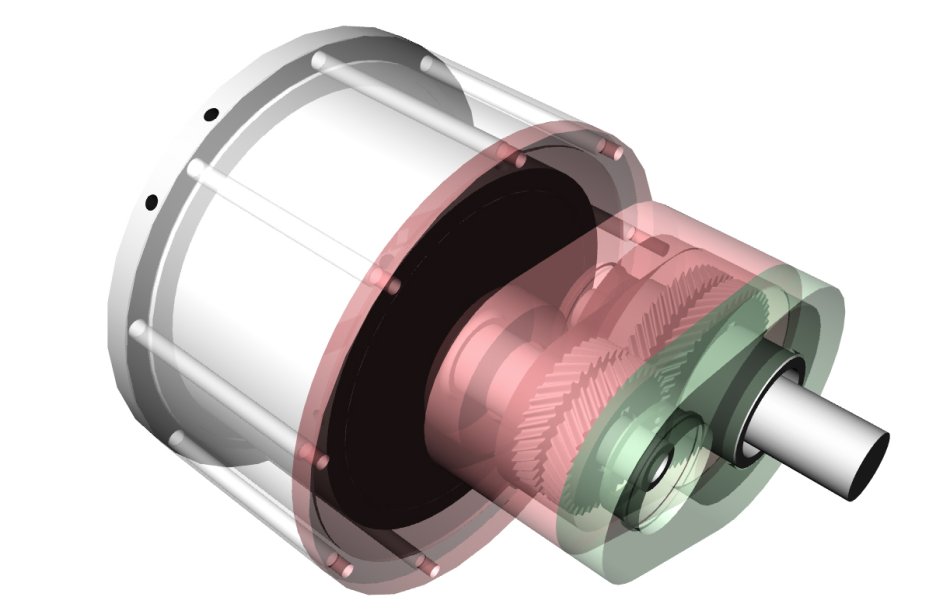
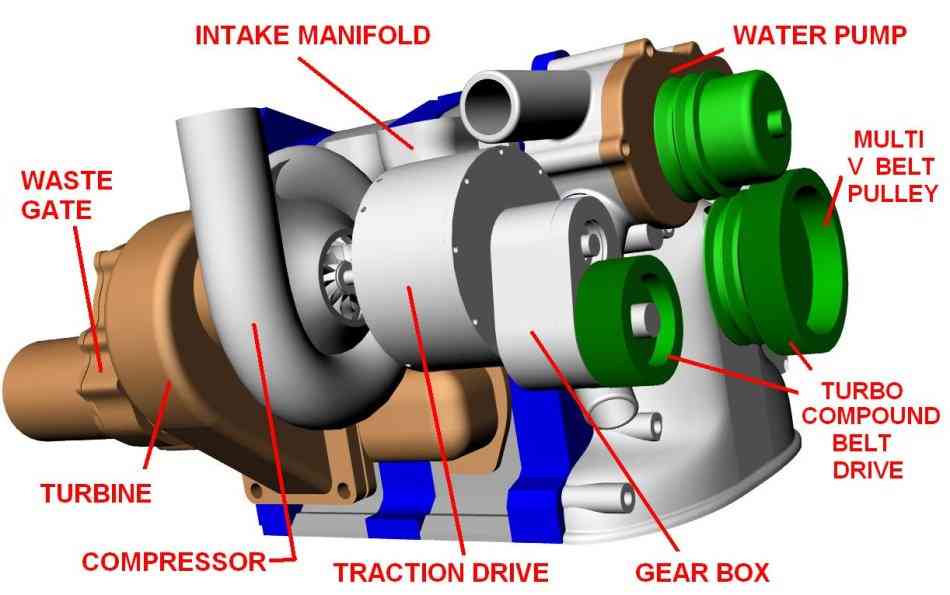
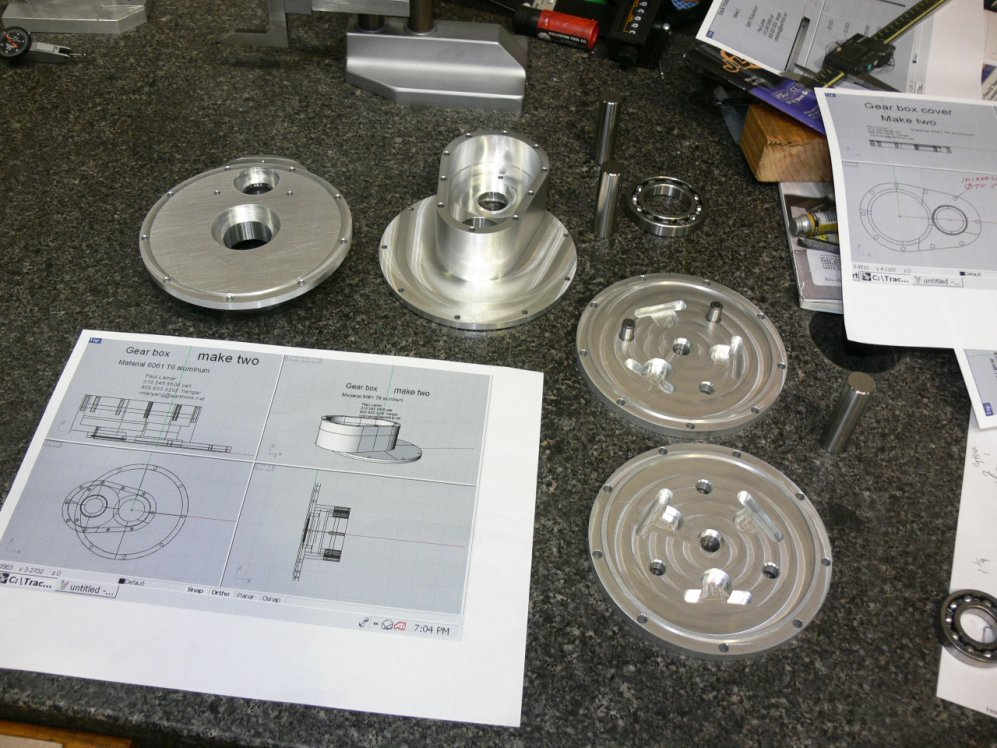
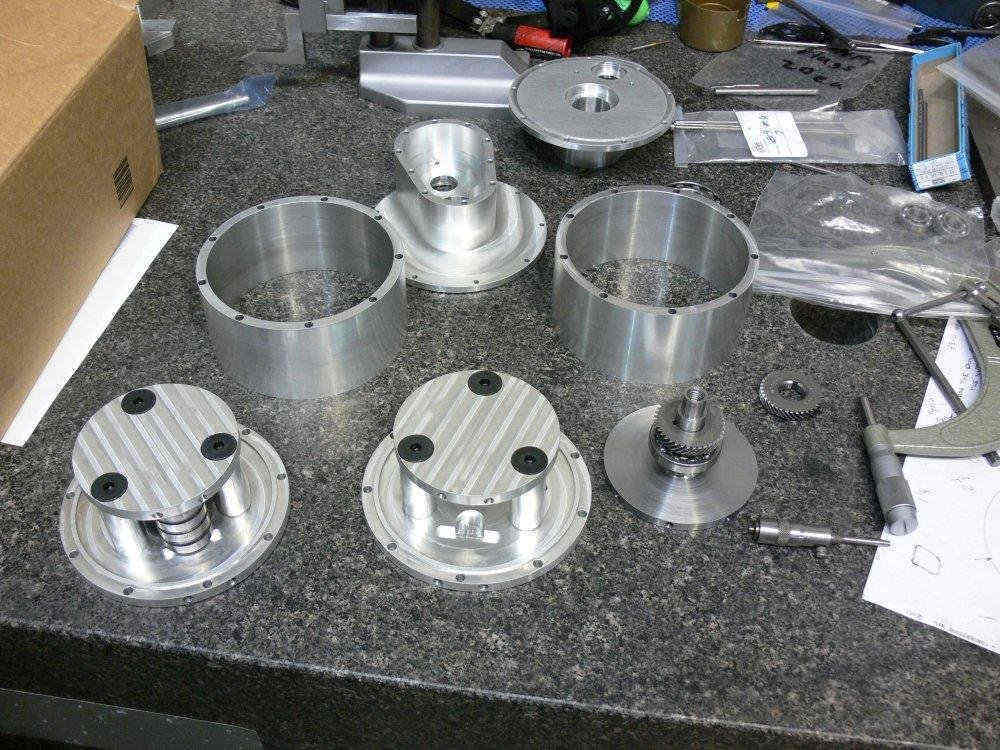
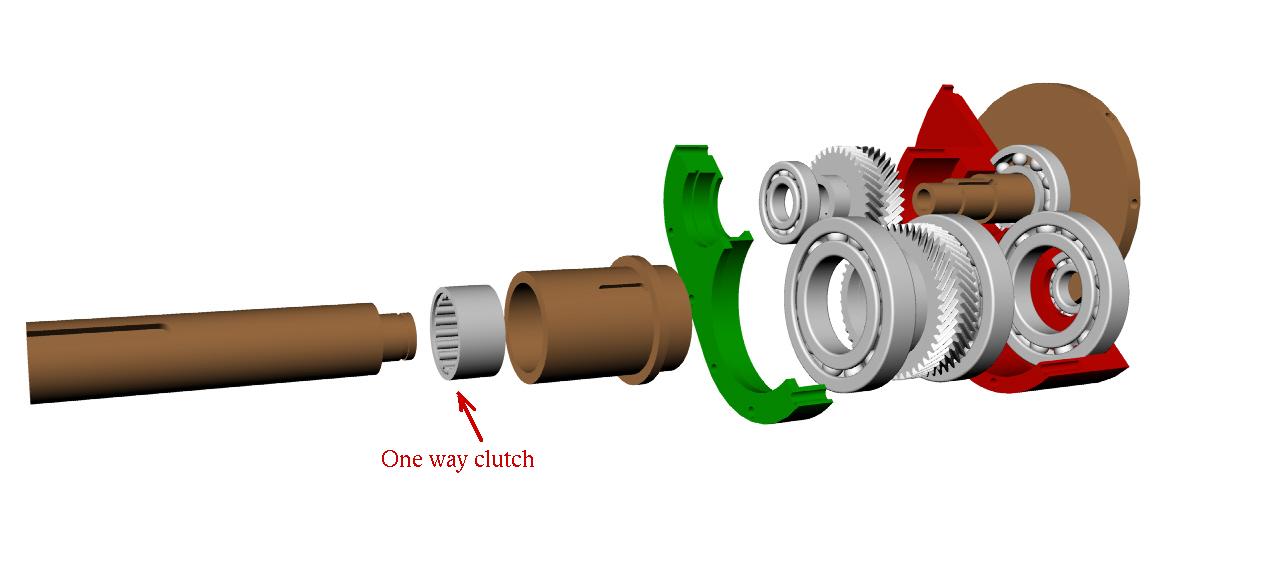
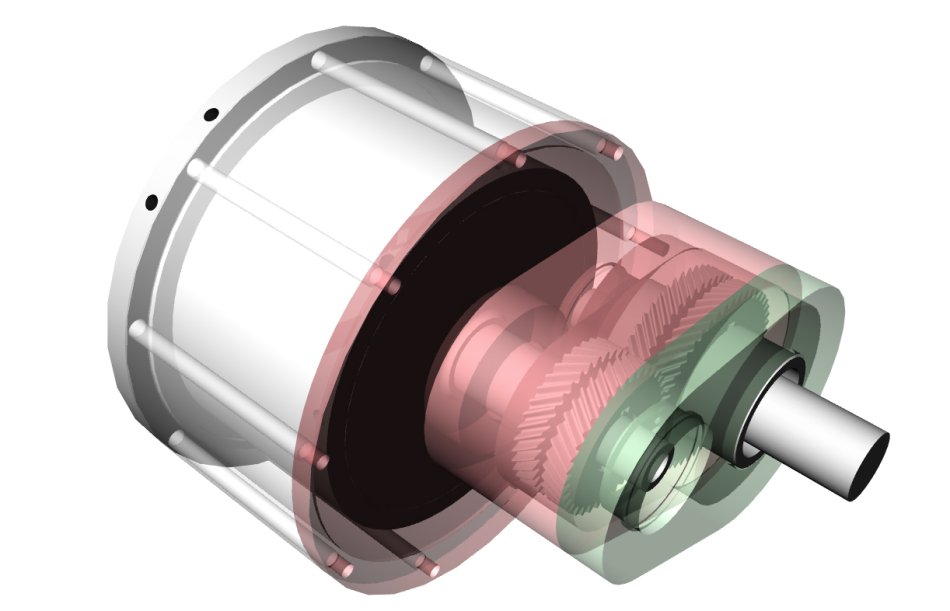
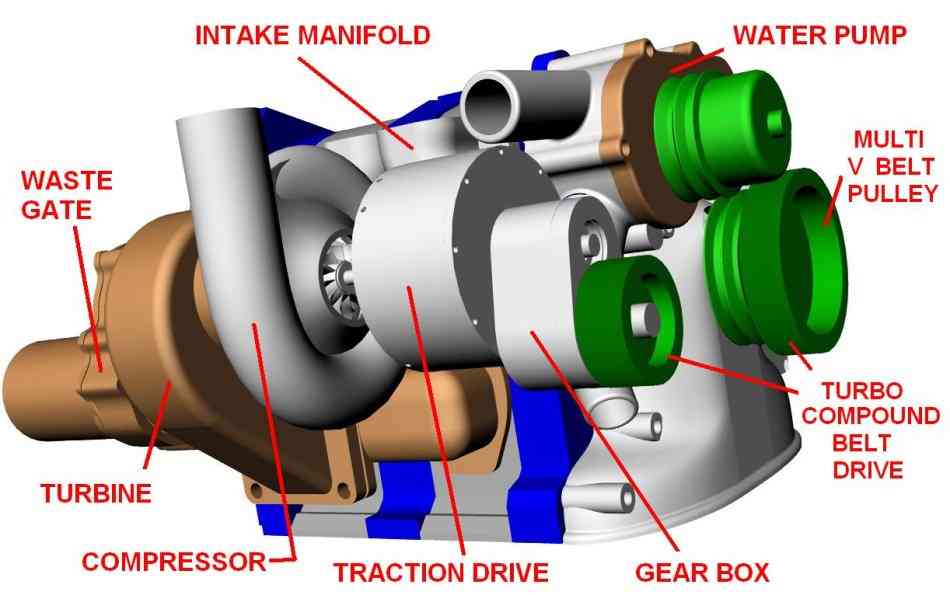
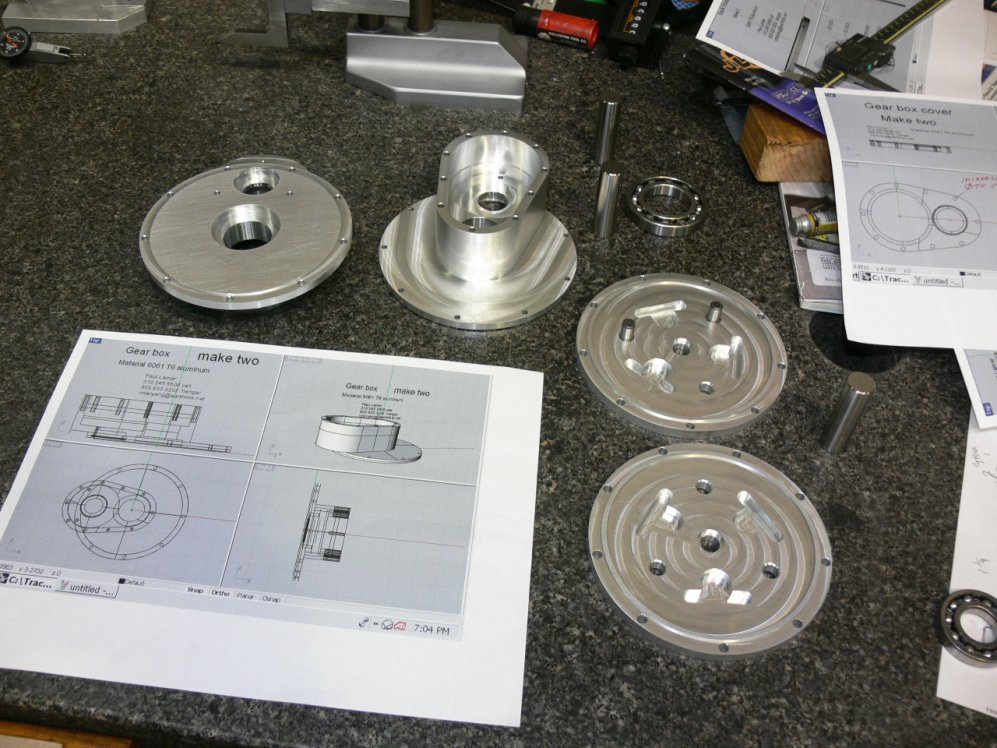
On a lighter note, what is your thoughts on coupling
a exhaust turbine to the crankshaft, via cog belt or micro v belts? My
thoughts are to stop the vibrations of the crankshafts getting thru to
the turbine, while extracting the energy from the exhaust.
I also have not been able to locate the suppliers of
alloy end bits for the rotary engines.
ThanksJohn Burey.
That is exactly how I planed to get the power into the e-shaft
for the same reason. My new years resolution (starting soon ) is
to get my dyno working so I can test some of this stuff.
http://www.rotaryeng.net/turbo-compound.html
Paul Lamar
--
The Rotary Engine NewsLetter. Powered by Linux.
ACRE NL web site.
http://www.rotaryeng.net
Youtube key word PaulLamar2
Copyright 1998-2010 All world wide rights reserved.