A right angle gear box starts to look attractive. Probably a billet
case, bevel gear and pinon and perhaps the end bell from a mini sprint
car quick change rear end. The pinion would be driven by belts from
the engine. It is an ideal way to drive the tail rotor shaft as well.
This is the basic way almost all horizontal engine helicopter drive
trains are set up. The gear box does not need to contain the main
rotor shaft. If the heli is small it can drive a final belt drive (see
Mosquito) which is not a bad system.
I may try the one of the vertical engines mentioned because I have a
helicopter that used a vertical Rotax 582 two stroker, but I'm looking
seriously at a right angle gear box arrangement too. Then, a single
rotor Mazda looks like a possibility, but maximum weight reduction
will be needed. That leads me to new questions. By the way, the
engines are becoming more interesting than the helicopter itself.
John McEverett
Why not use a rear-end from a car to turn the drive 90 degrees to vertical
and then you could leave the engine horizontal;
Strange engineering has specialized Ford 9 inch diffs that have a 'spool'
(differential part removed)
Get a Ford 9" and buy a spool shaft for $49 to lock the diff. They also have
aluminum versions.
Then use a belt reduction to proper speed.
BrianG
Iowa
Too big and heavy. We don't need the 800 HP these 9 incher are
capable of. That is why we are looking at the mini sprint car rear endsd.
Paul Lamar
I've been looking at a Dana 30 for this application
Steve Brazil
There is a web site with a Dana 30 pinion and ring set for a Rotorway
Jet Exec modification. It looks very nice. The builder made a gear
case from billet. He shows the parts, box, and installation clearly.
Very nice work:
http://www.swanstrom.net/petes/helicopter/drivemods/index.htm
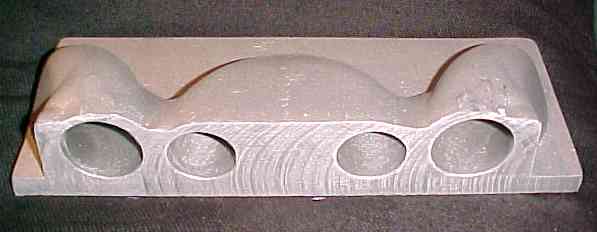
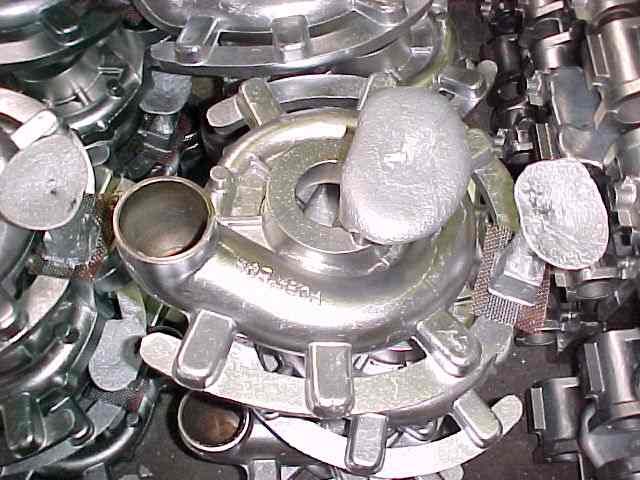
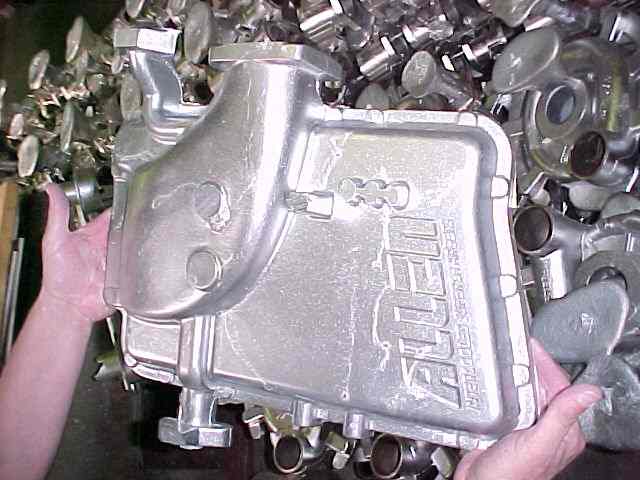
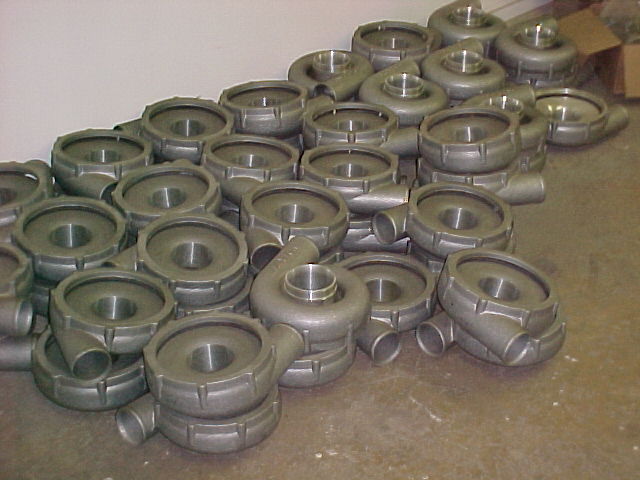
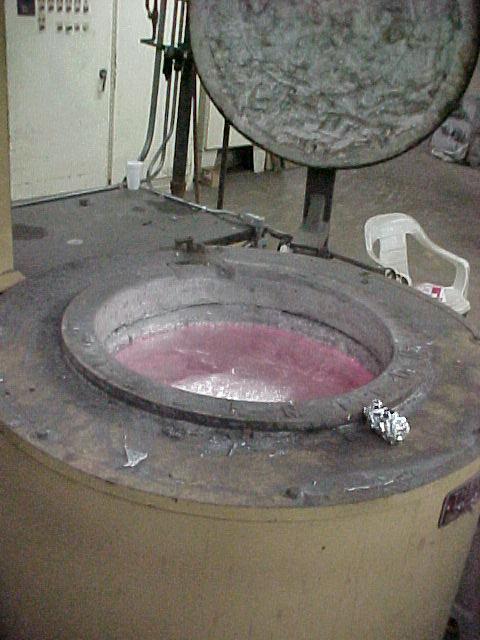
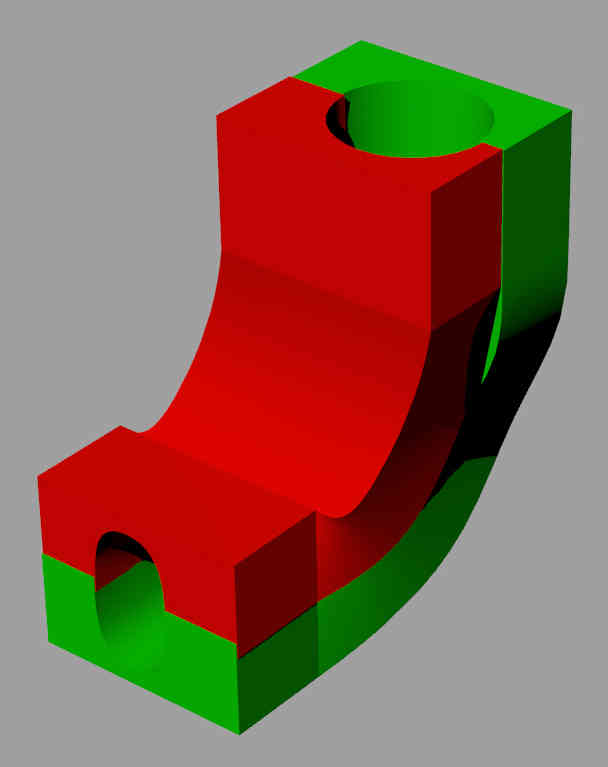
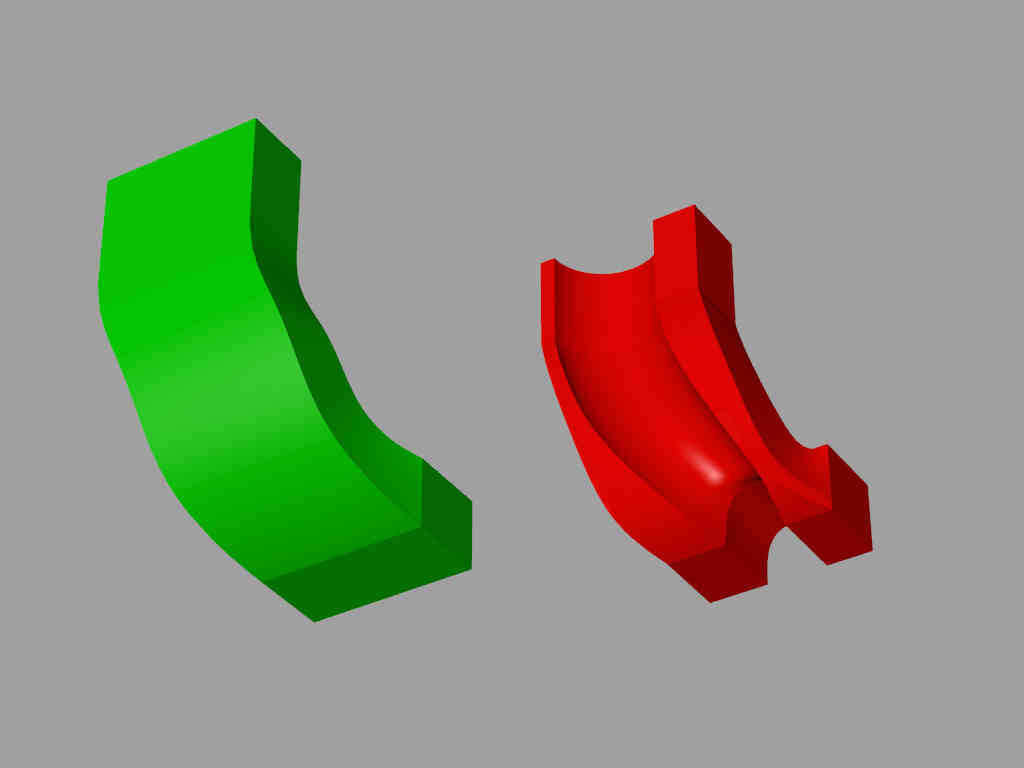
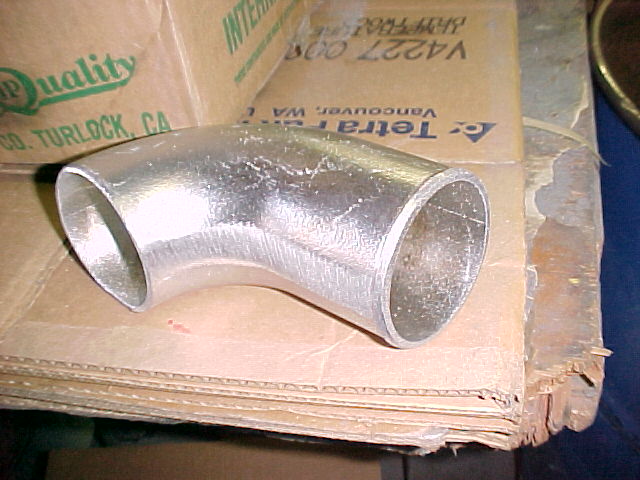
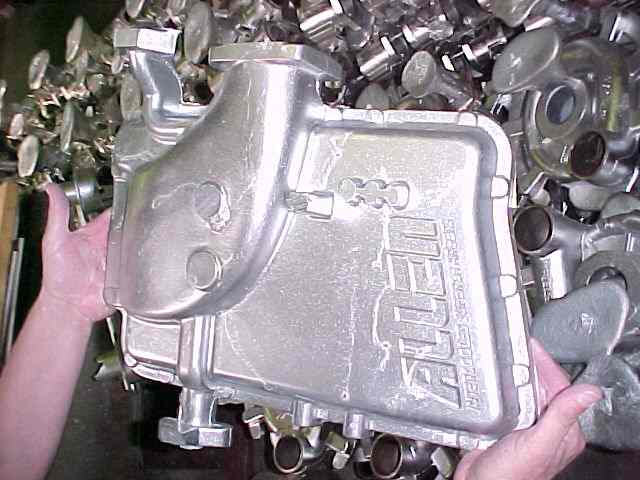
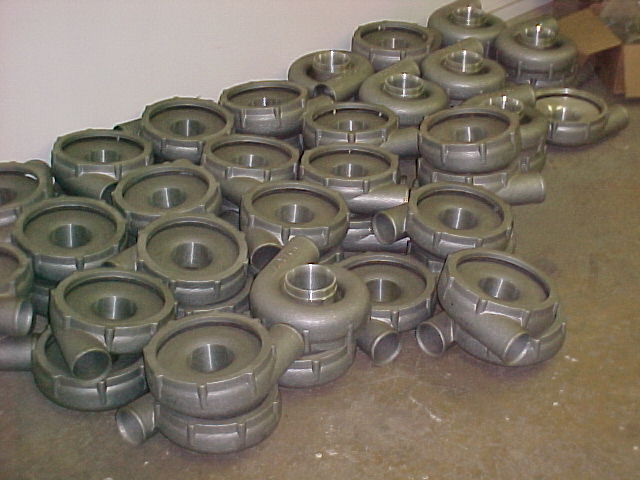
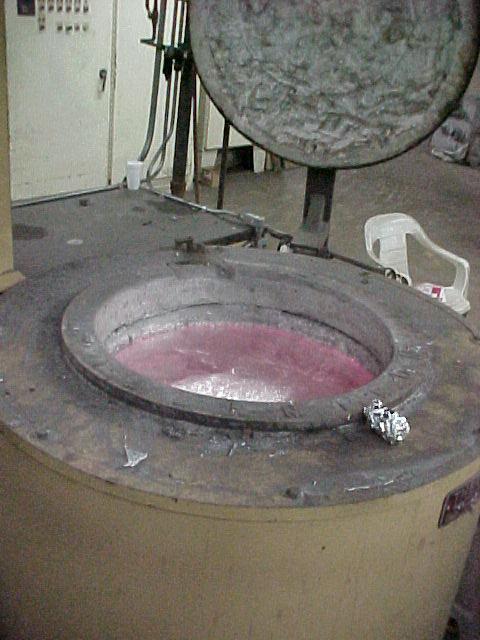
A properly designed cast alloy case could reduce weight even more.
Considering the time involved with machining a case from billet, having
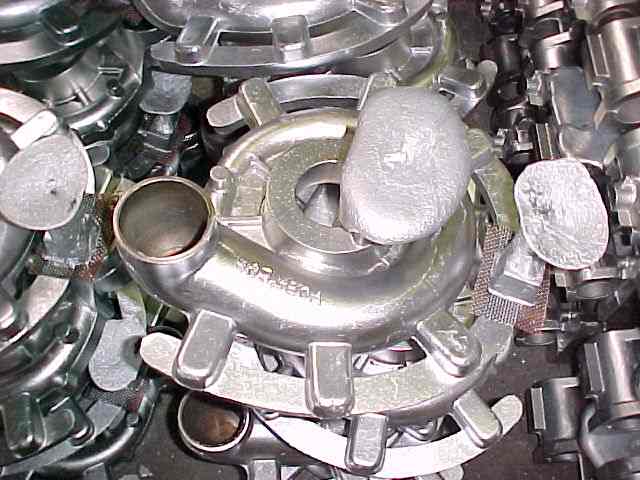
a pattern made and casting the case looks attractive, especially
considering weight reduction. I've had a few cast aluminum parts made
in the past. The cost was reasonable. Finding a good pattern maker and
foundry willing to work on the project is the problem. It is almost a
lost art in America these days, but the few remaining would probably
appreciate the work... as long as you don't mention aircraft.
John McEverett
I think you will have to go to Mexico. That is where Continental gets
their castings. I have used a company in So California called American
International but they have doubled their prices making them uncompetitive.
Cheaper to NC machine now.
Larry went to all of the trouble of doing an NC bell house
pattern based on the old price. We showed up with the new pattern and they had
sold the biz. The price was double what they first quoted.
Jeff now NC machines an adapter plate and spacers that serve the purpose
at less cost and weight.
There are a lot of low cost used NC machines on the market here is So Cal.
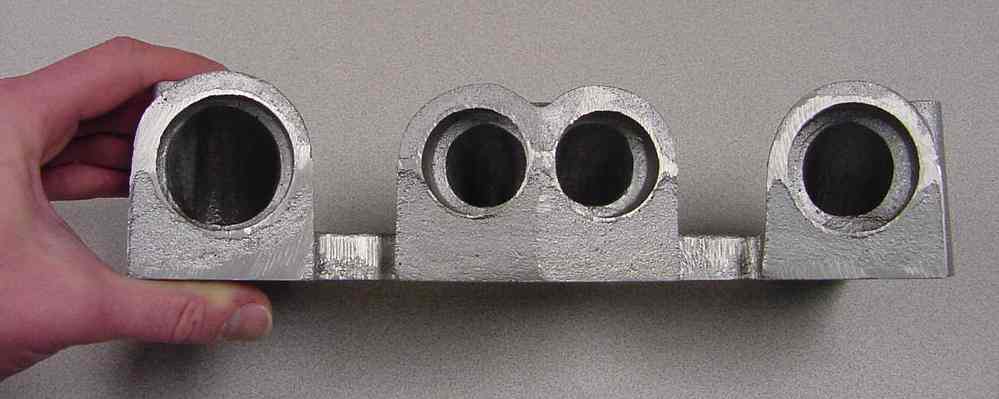
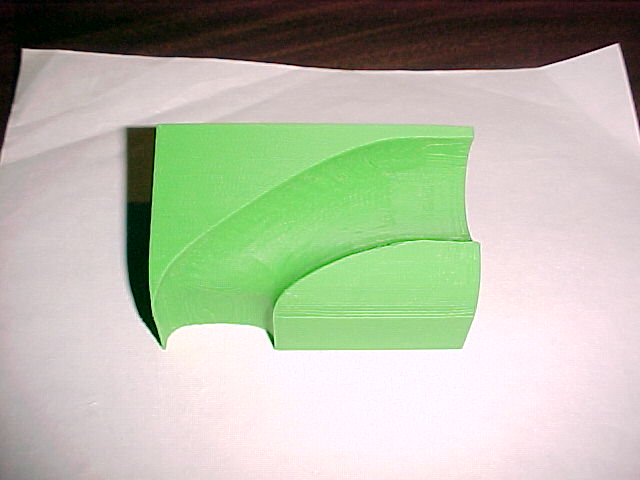
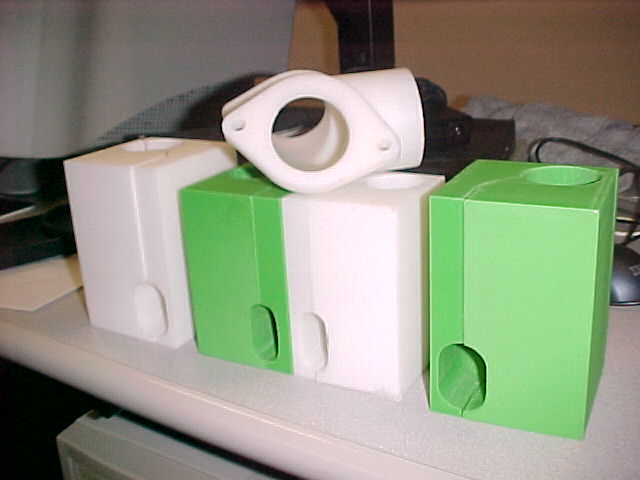
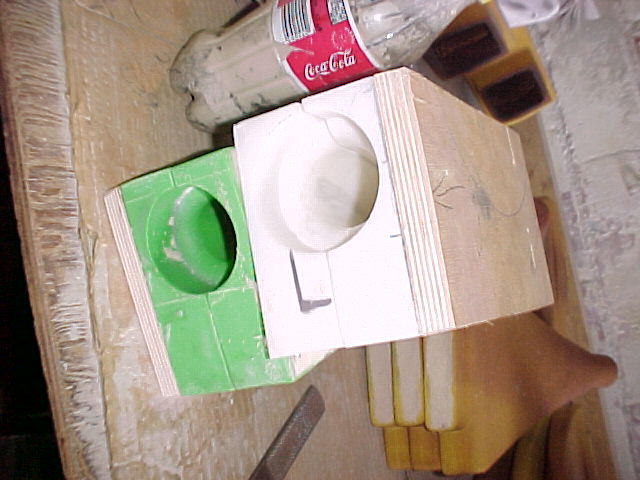
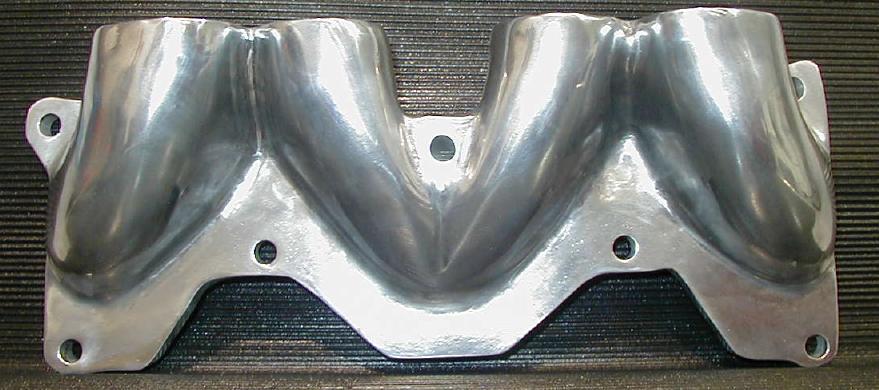
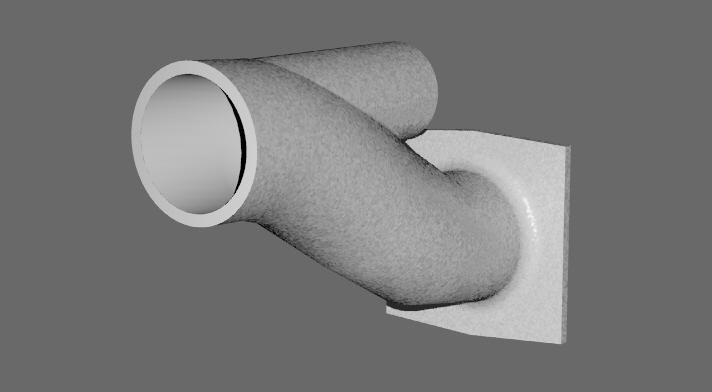
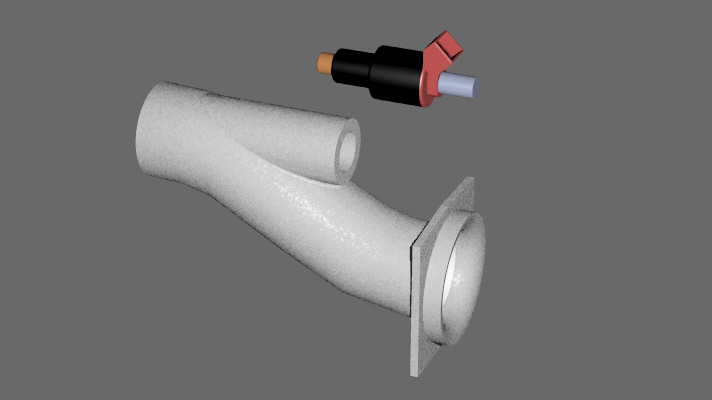
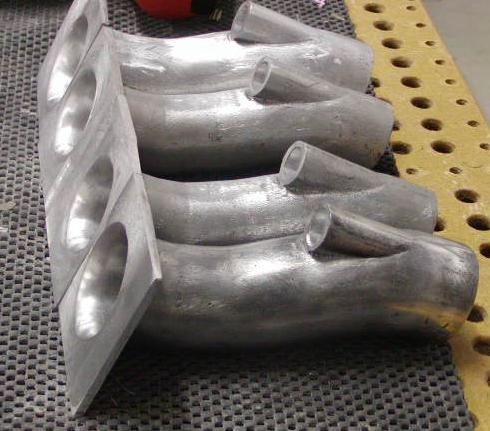
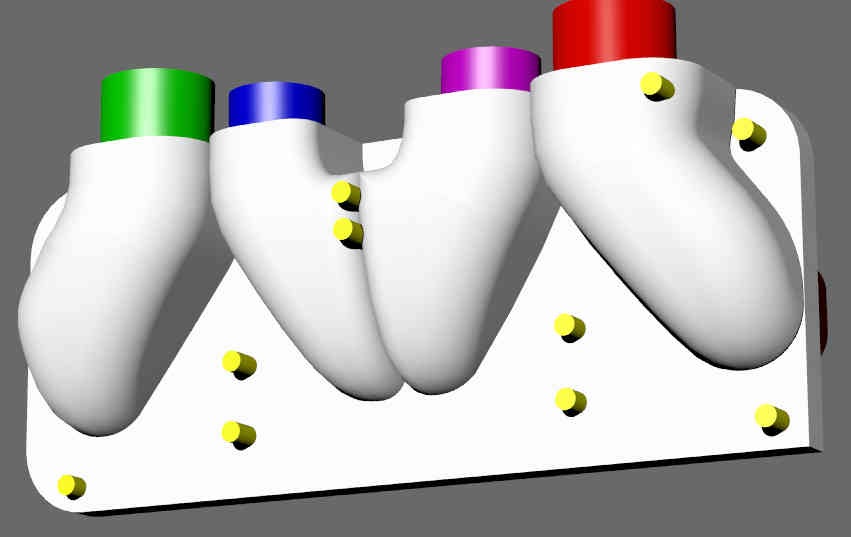
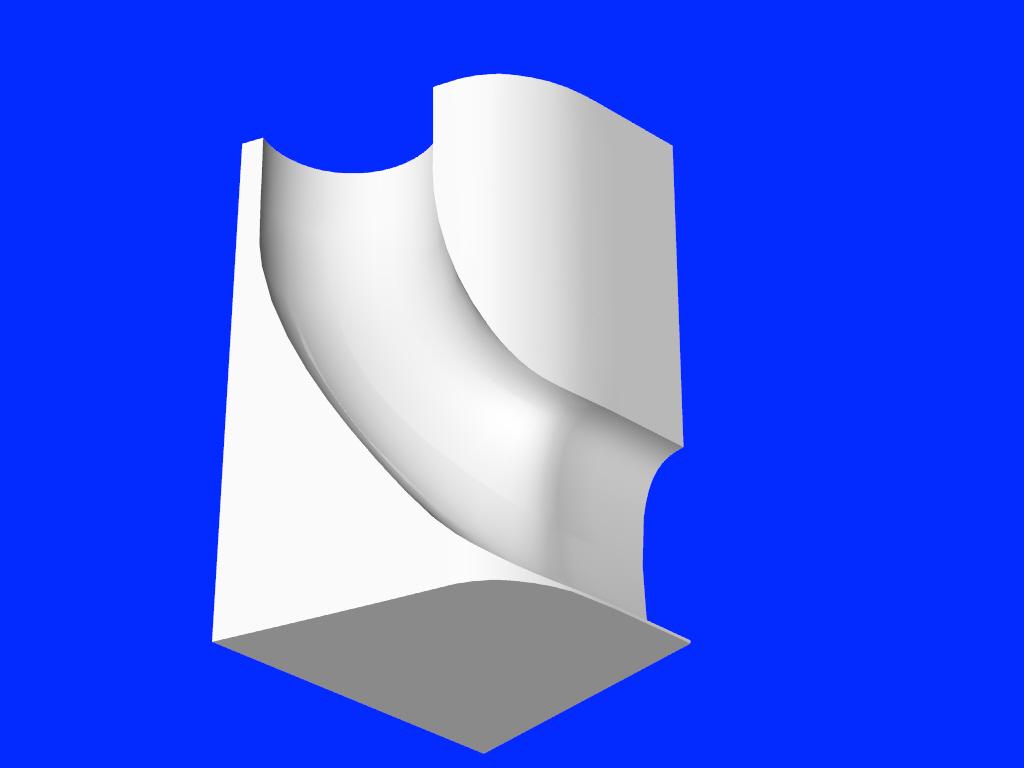
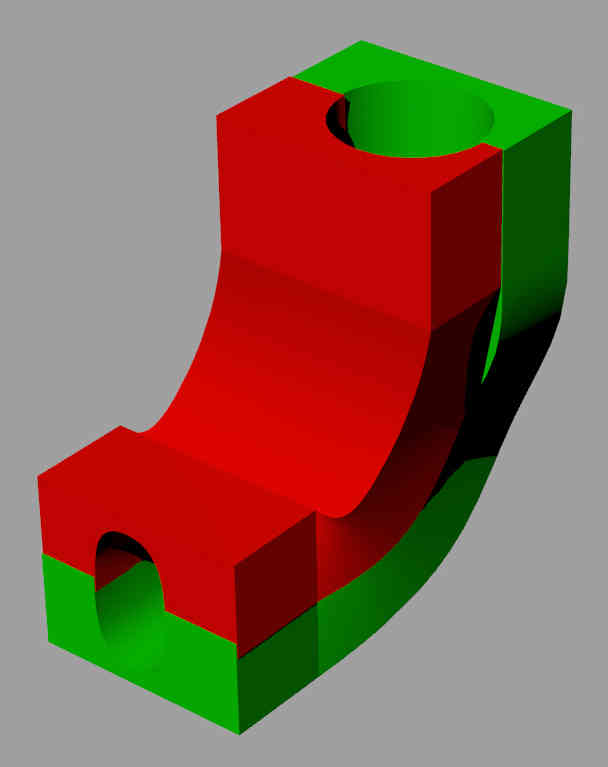
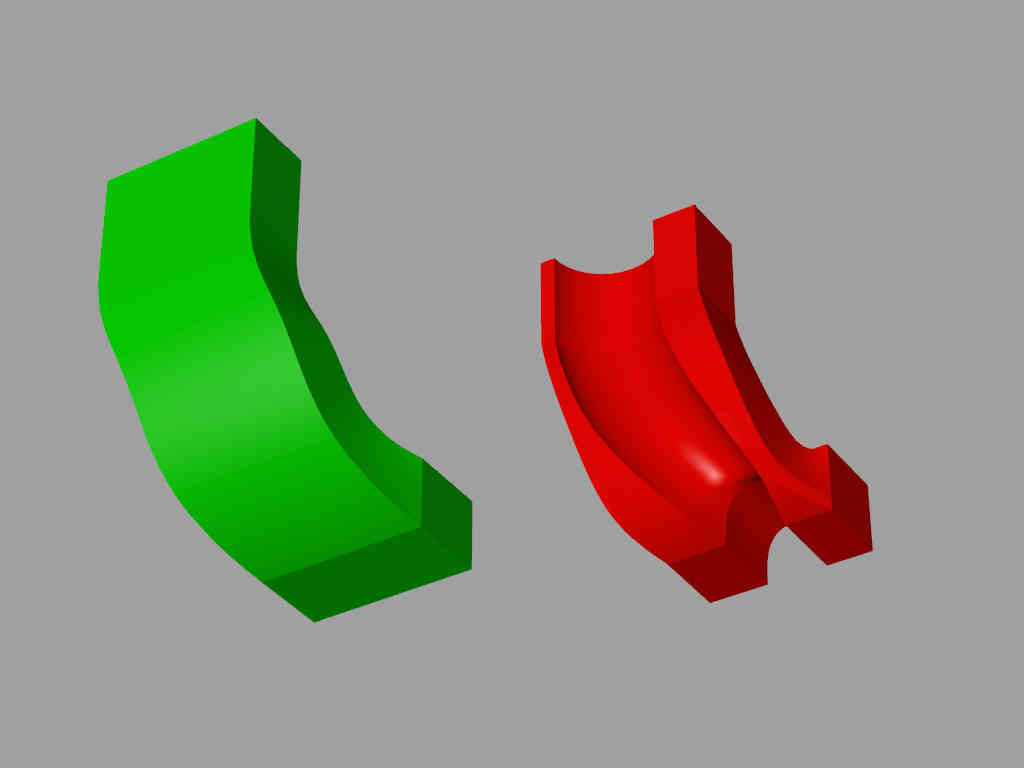
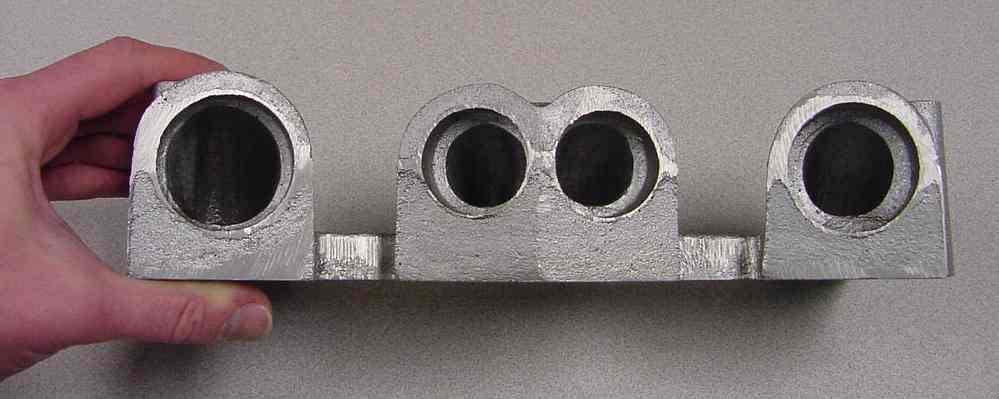
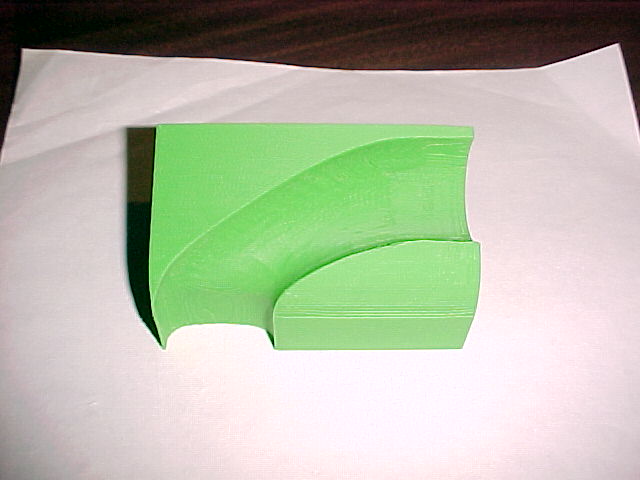
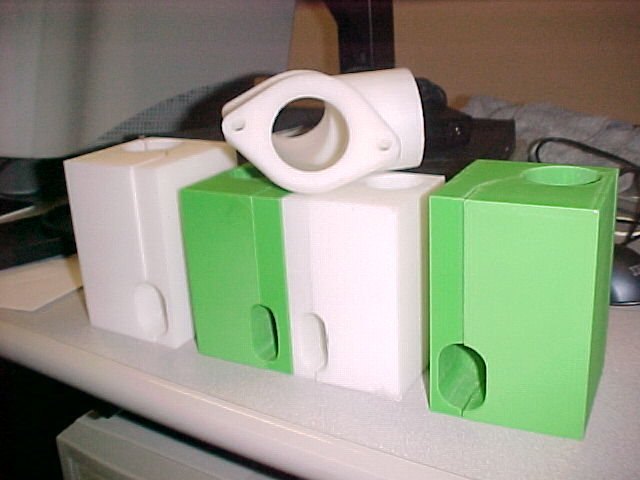
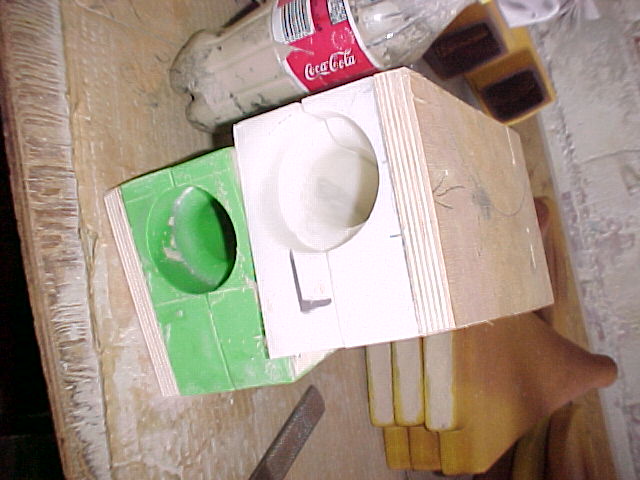
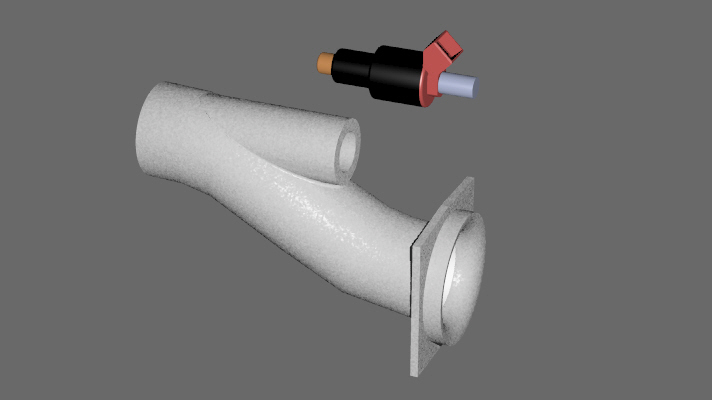
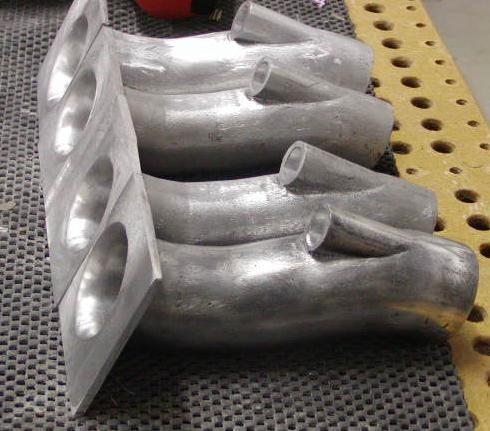
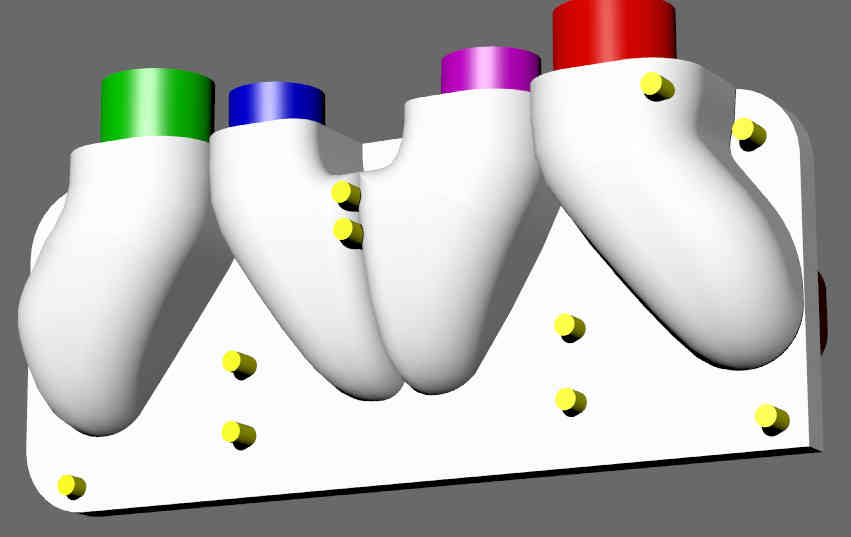
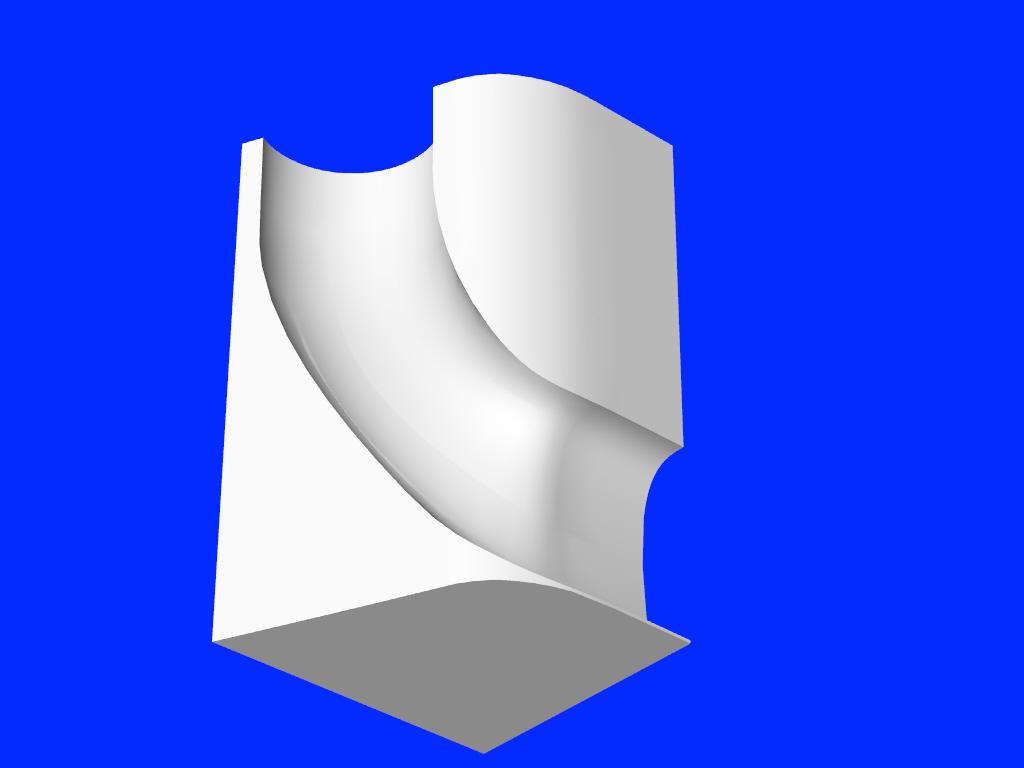
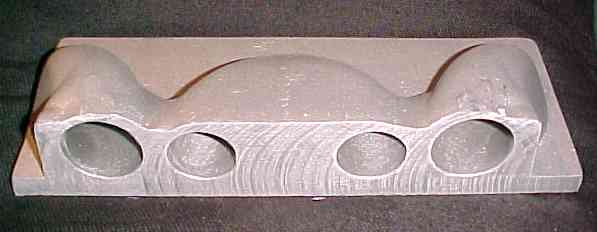
Many shops are short of work. Casting patterns are expensive. I had the use of
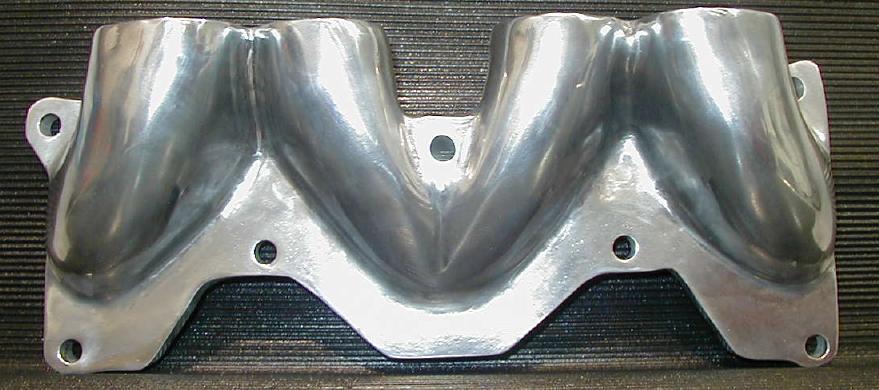
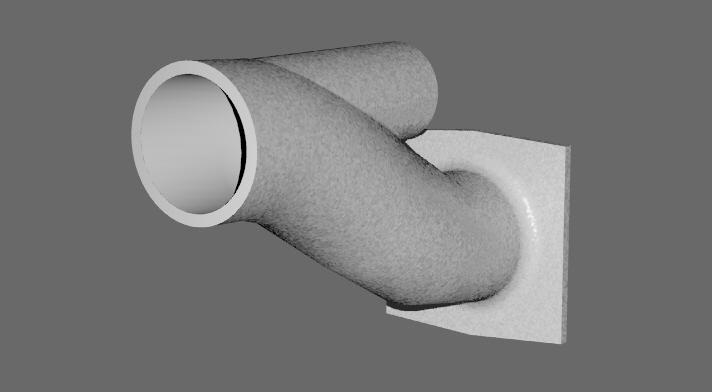
the local college stereo lithography machine to make some intake manifold
patterns and core boxes. The college cut back and stopped providing the
support for the SL machine. That added a tremendous cost to the patterns
for me. I gave up doing intake manifold patterns as too many different versions
are now required since the RX8 hit the market. It is now cheaper to
do p-ports as they fit all rotaries regardless of the model or year.
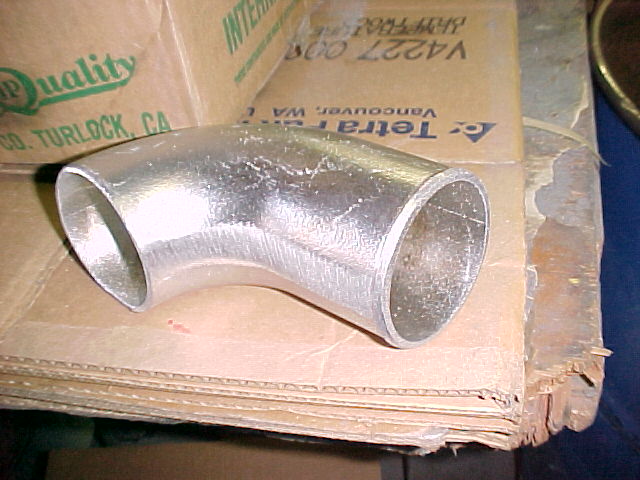
A couple of two inch tubing bends are all that is required. A bonus
is 25% more power and less weight.
Another alternative is use a aluminum weldment out of thick wall tube
and plate where ever possible and final machine that.
Paul Lamar
--
The Rotary Engine NewsLetter. Powered by Linux.
ACRE NL web site.
http://www.rotaryeng.net
Youtube key word PaulLamar2
Copyright 1998-2010 All world wide rights reserved.