When using 2 engines together with a common power output is there a
simple way to assure that both engines are contributing equal power?
I can imagine that one or the other could be doing more work even
though they both are running at the same rpm (obviously). I'm thinking
of using 2 of the smaller available rotary engines on the helicopter,
but my question could apply more broadly to any engine type.
John McEverett
You could measure the torque on both engines.
Blue Tooth strain gauges on the output shafts.
Paul Lamar
John,
I also have been pondering this issue in considering
fixed-wing designs that incorporate one or more centrally-located
engines driving two separate propellers via a common
drive train...
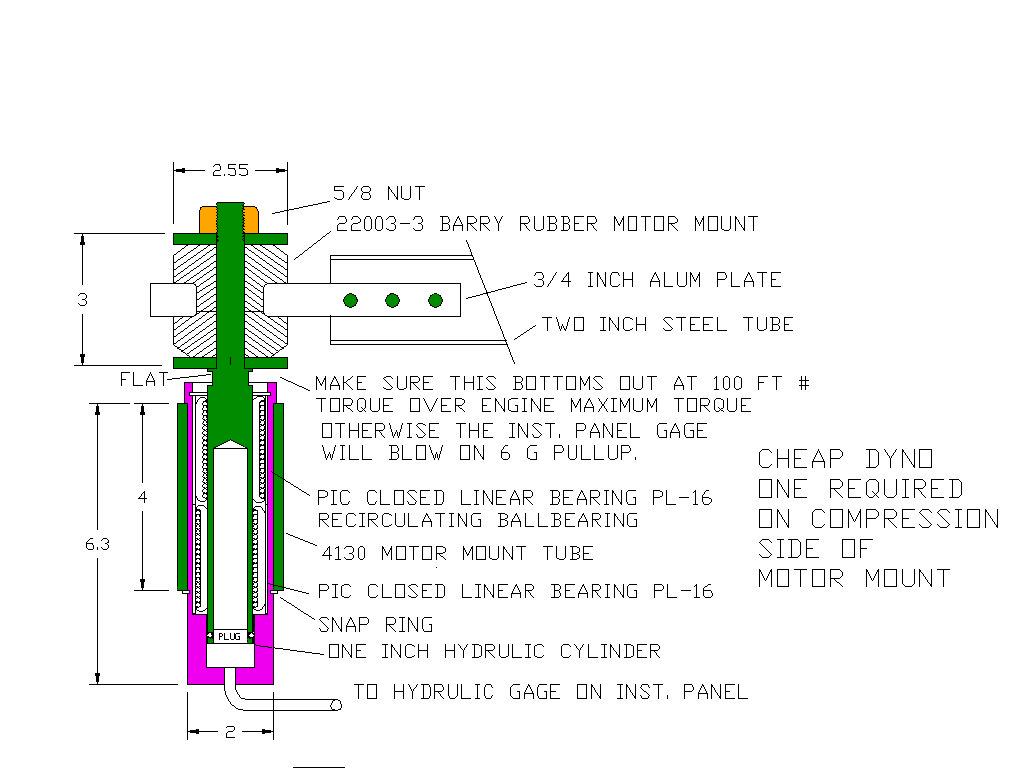
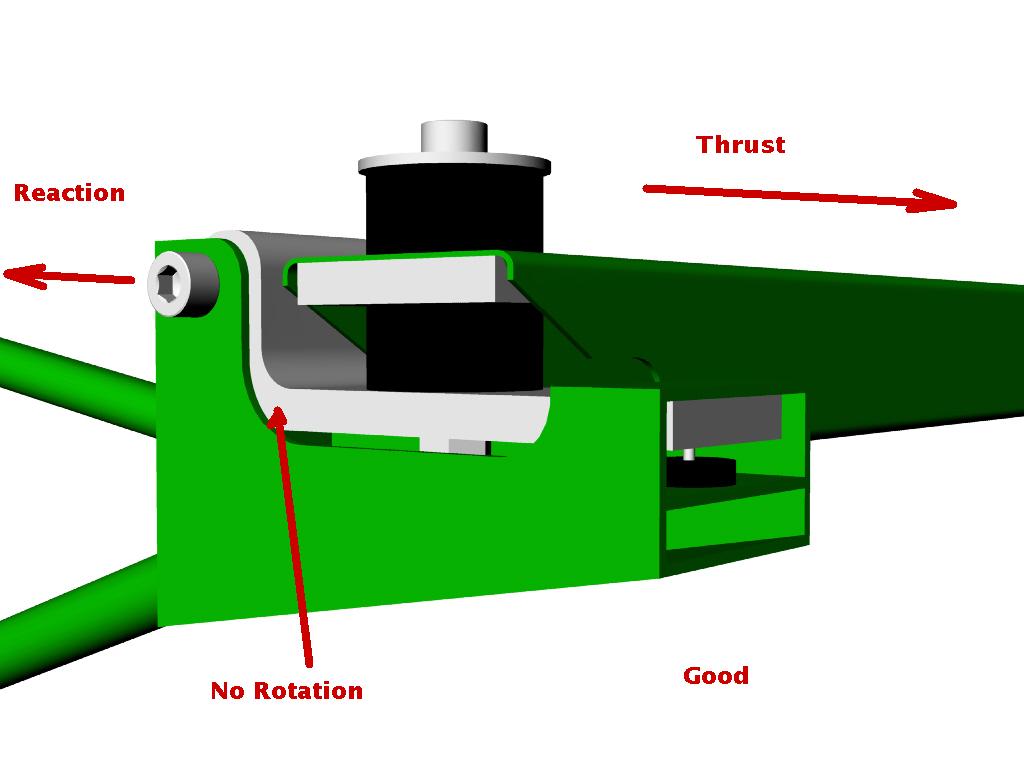
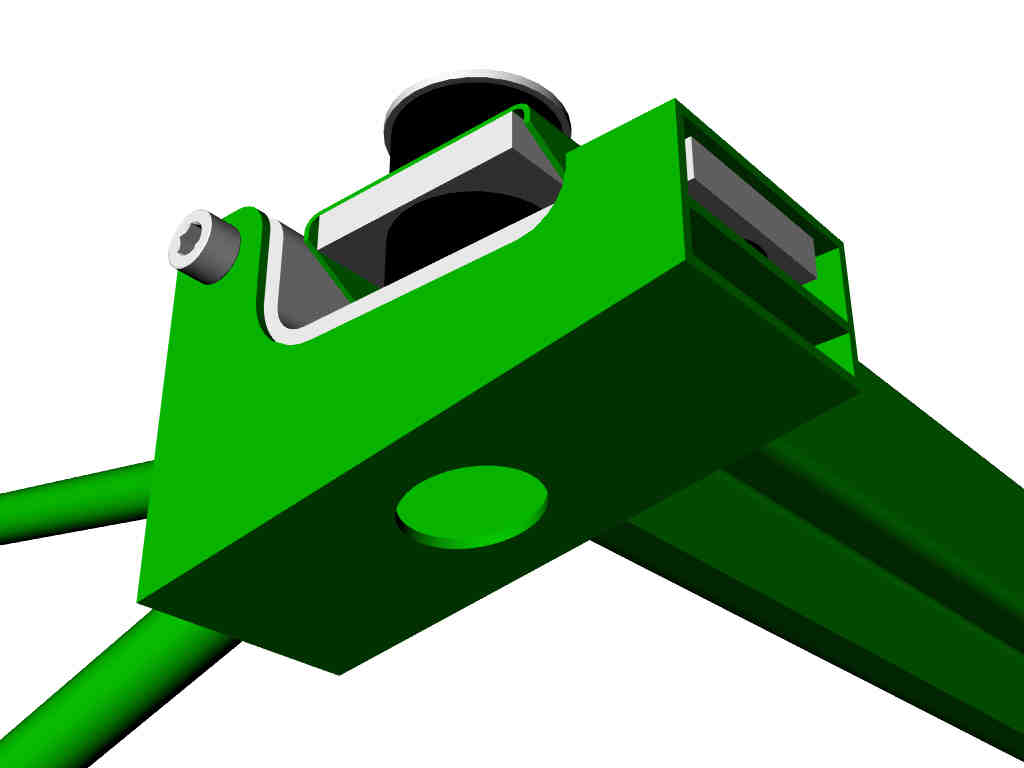
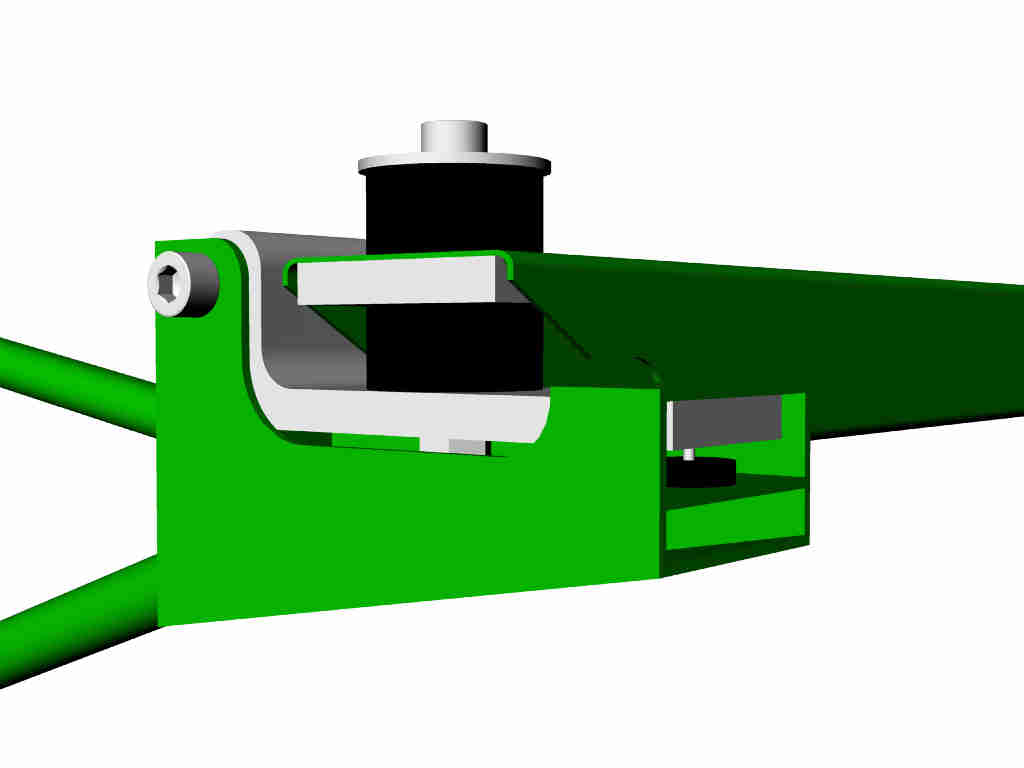
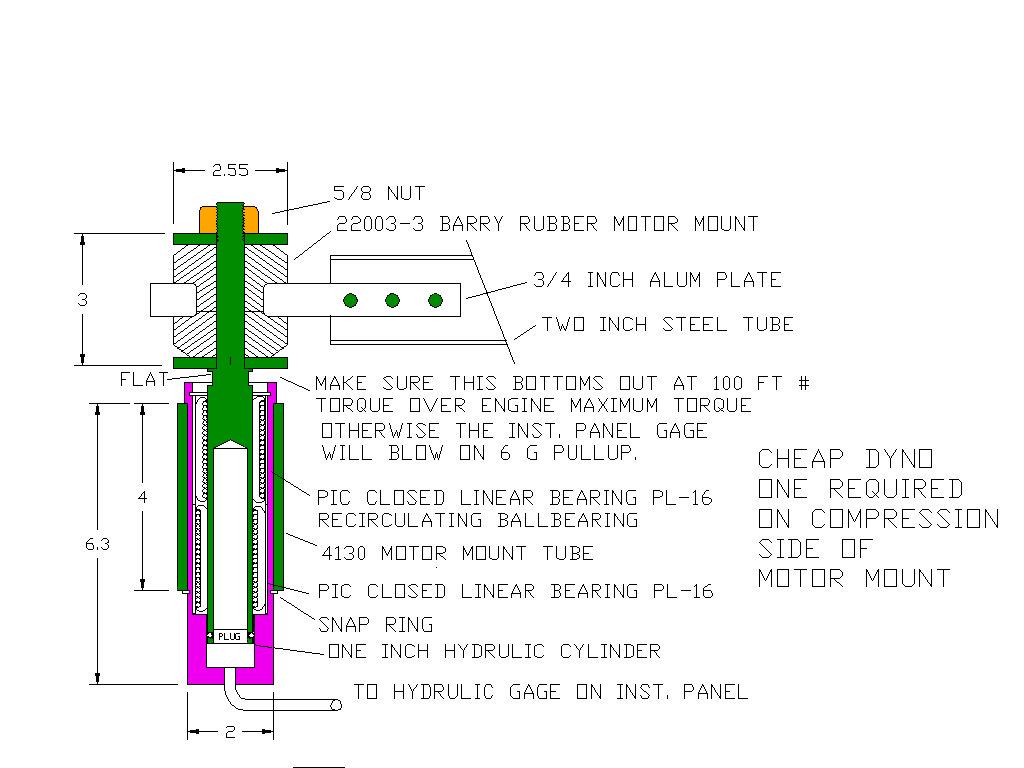
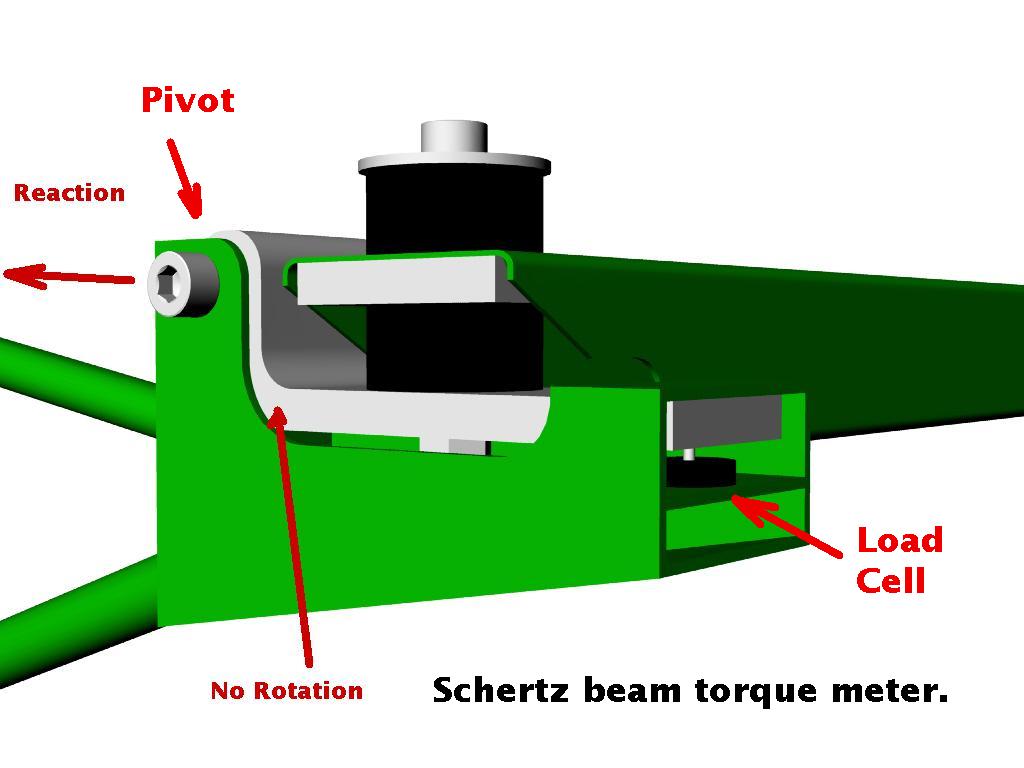
Could we attach strain gauges, contact switches, or other
types of transducers at the engine mounts to determine if the
torque on the mounts represents positive power input from the
respective engine [or conversely if it is being 'driven' by the
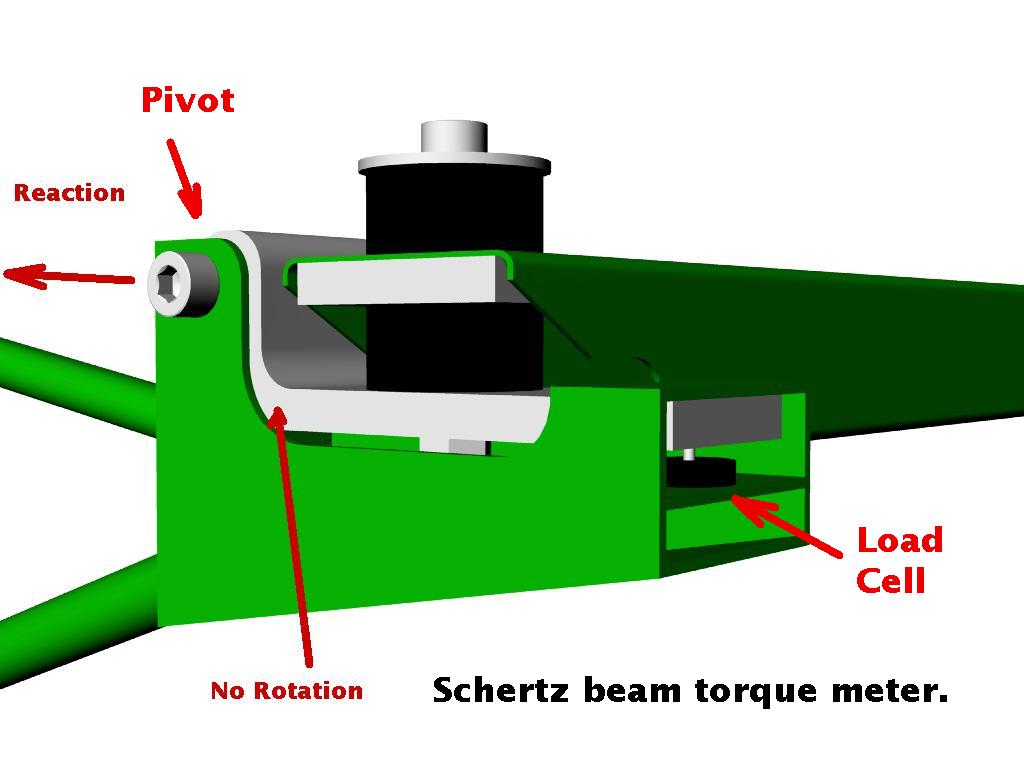
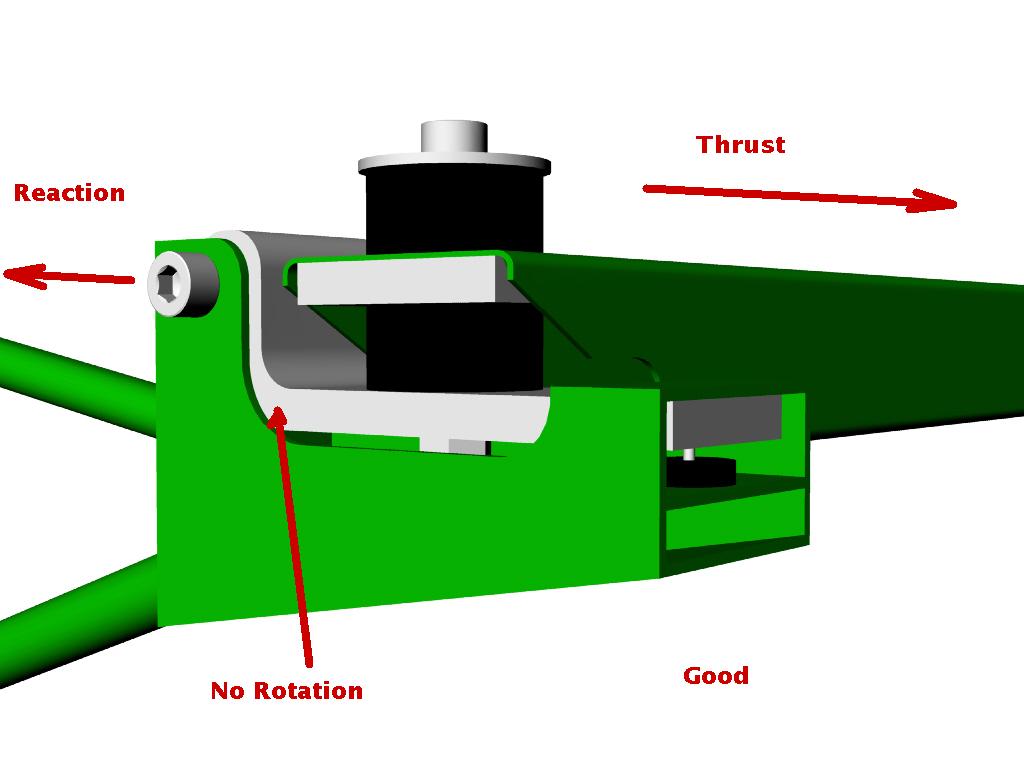
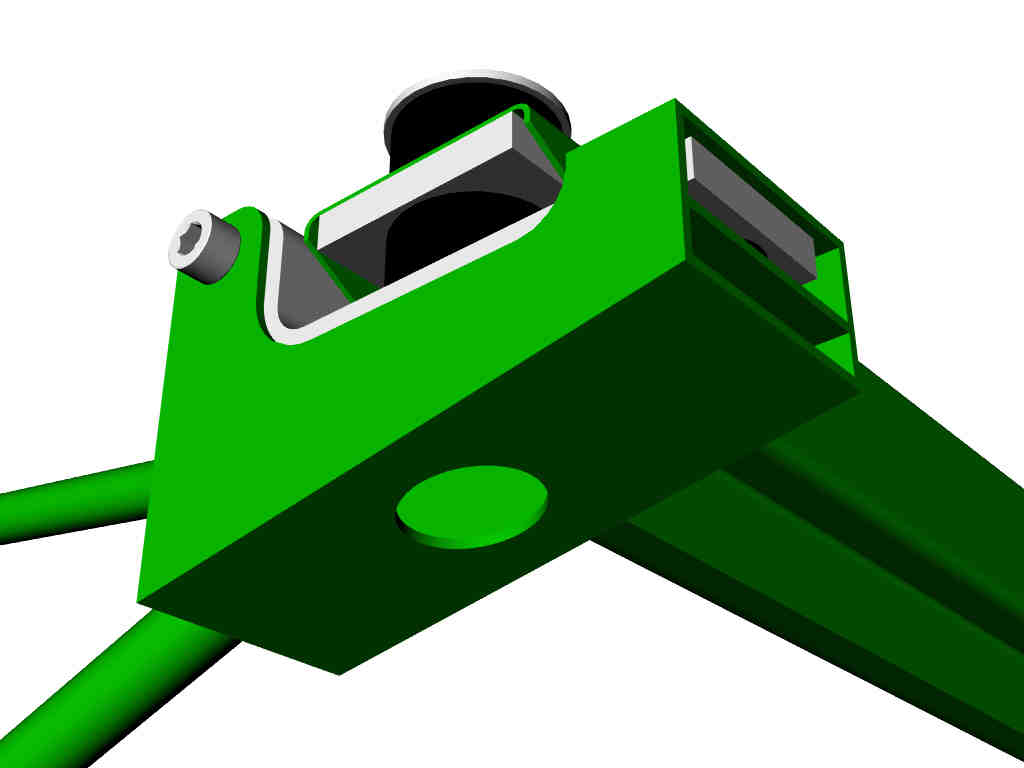
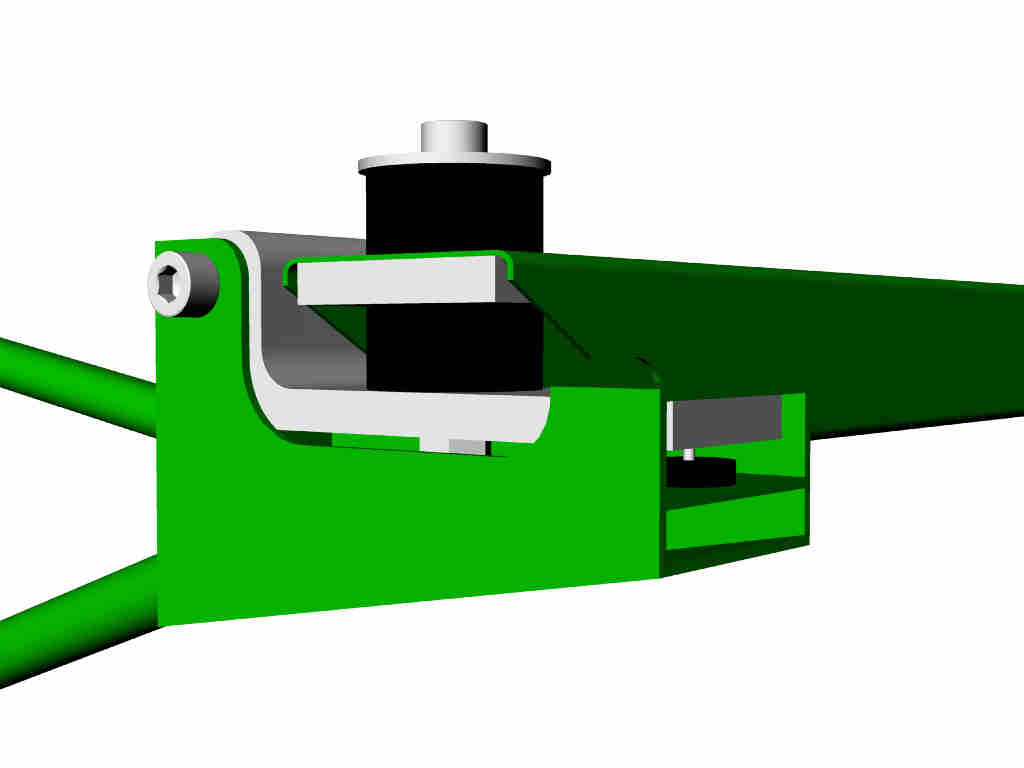
system] in the same way we measure torque at the Schertz
beam mount? Ultimately, it should be possible to fine tune an
engine's power output from the torque readings from its own
engine mount.
I am guessing that as long as the power input to the drive train
from the second engine is positive, the first engine will be happy
to get all the help it can get. The only downside being differing
wear rates on the two engines, possible unanticipated strain on
the drive train, and of course not realizing full power potential
from having two engines.
If the second engine is actually being DRIVEN by the first engine,
with 'negative' torque readings at its engine mounts, then it
is nothing but a drag on the overall system and might also be
a harmful situation for the driven engine.
By the way, thanks to all who offered information on sources
for 3 and 4 rotor engines!!
Gene Kahn
--
The Rotary Engine NewsLetter. Powered by Linux.
ACRE NL web site.
http://www.rotaryeng.net
Youtube key word PaulLamar2
Copyright 1998-2010 All world wide rights reserved.