When using 2 engines together with a common power output is there a
simple way to assure that both engines are contributing equal power?
I can imagine that one or the other could be doing more work even
though they both are running at the same rpm (obviously). I'm
thinking
of using 2 of the smaller available rotary engines on the
helicopter, but my question could apply more broadly to any engine
type.
John McEverett
"is there a simple way to assure that both engines are contributing
equal
power?"
Same problem exists in EVERY multi-cylinder engine.
brian gochnauer
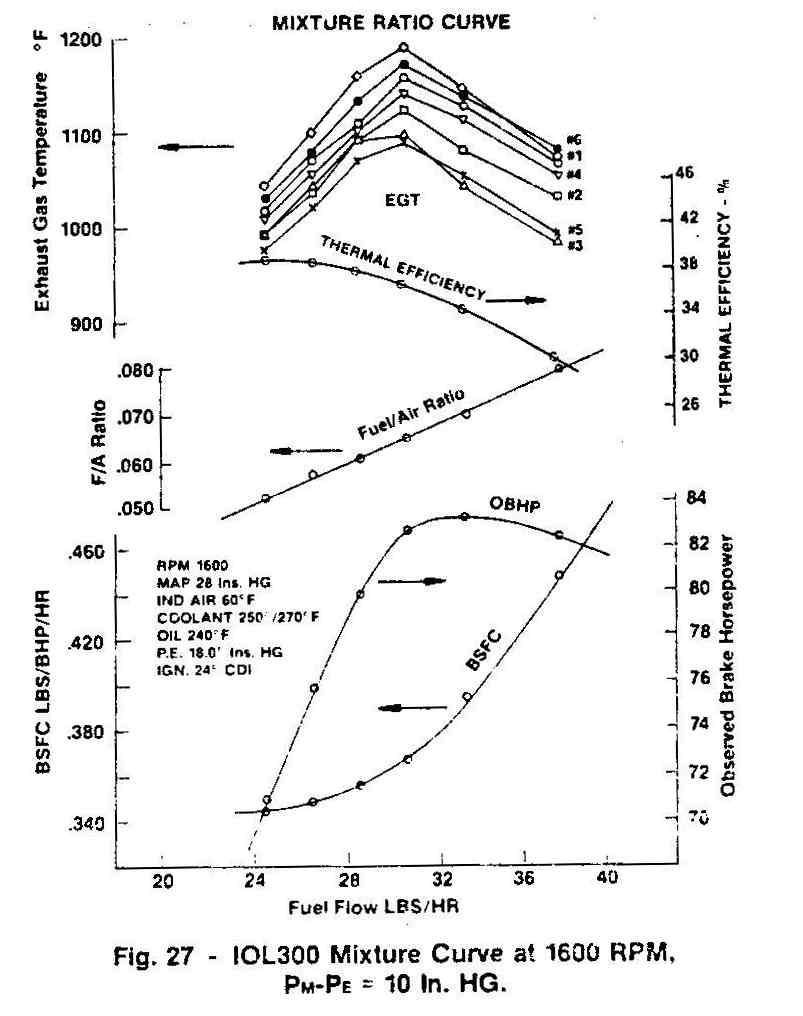
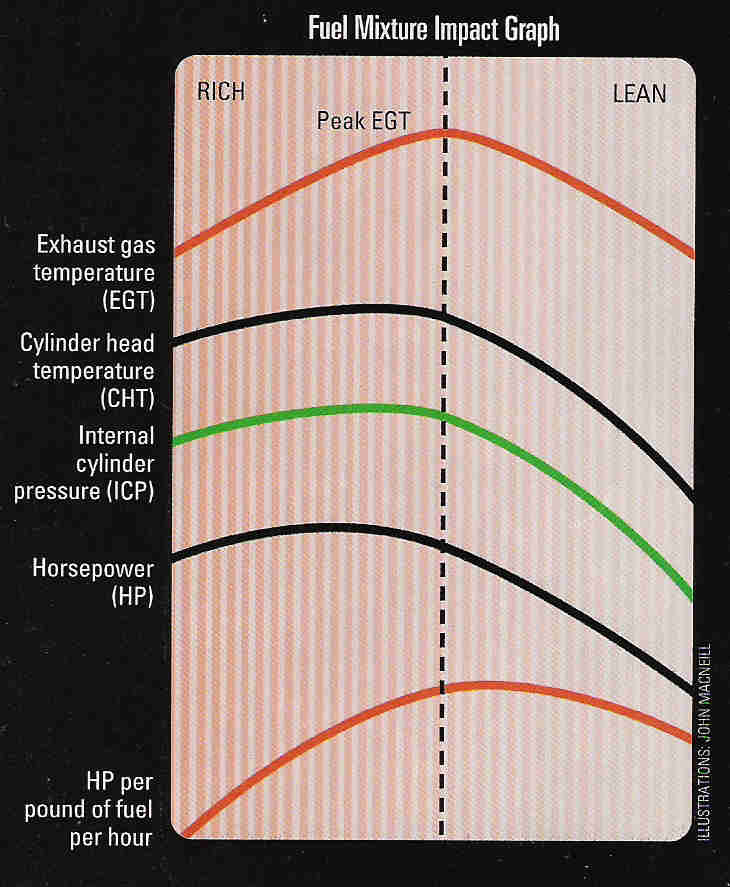
That suggest a simple way to do it is compare EGT's.
Paul Lamar
You would probably be much better off comparing CHT's. EGT's are only
an imaginary number. The EGT probe sees about nothing interesting 3/4
of the time because the exhaust valve is closed most of the time during
the intake, compression, and power stroke. During the other 1/4 of the
time there is exhaust flow. The measured temperature in the exhaust
manifold varies according to the configuration of the manifold. Same
thing as the problems with pressure variability in the intake manifold
depending on several variables.
See
http://www.sportaviationonline.org/sportaviation/201010#pg89 for a
nice article on the subject.
Mark LaPierre
What exhaust valves? :) We don't have no stinking
exhaust valves :) Normally people don't install
CHT's on rotaries with at least one exception but I advocate
and maintain it is still a good idea. They just monitor coolant
temp which is common on both rotors.
Now for two engines you could monitor coolant temp but
there could be significant differences in the two separate
(if used) cooling systems.
Paul Lamar
Now valves but the point still stands. 3/4 of the time the engine is
not exhausting burnt gasses. Rotaries are still four cycle engines.
The EGT is not a real number as far as any indication goes.
Mark LaPierre
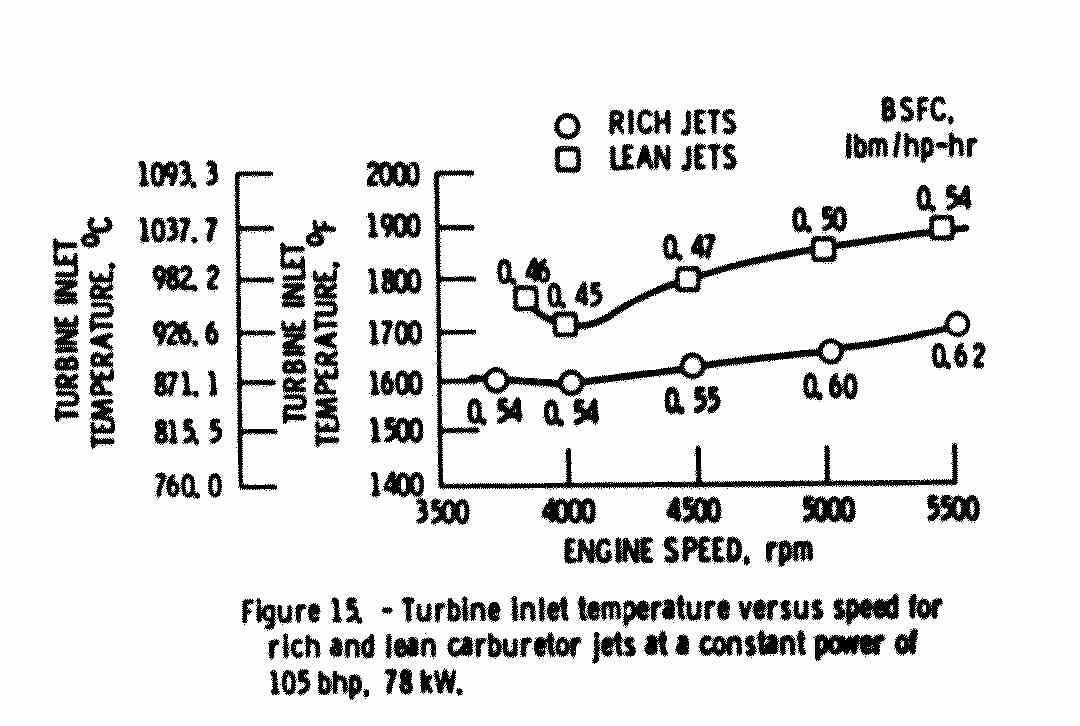
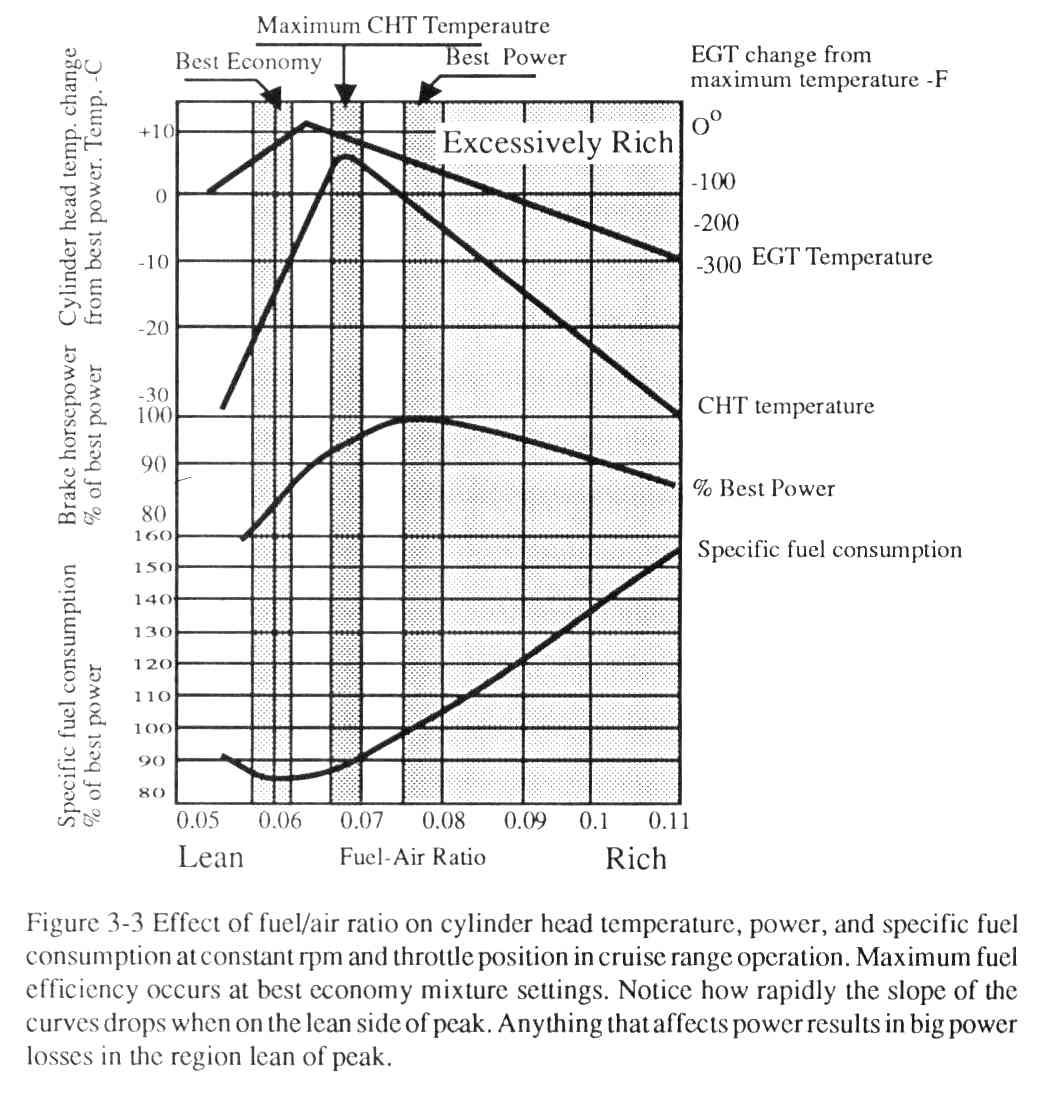
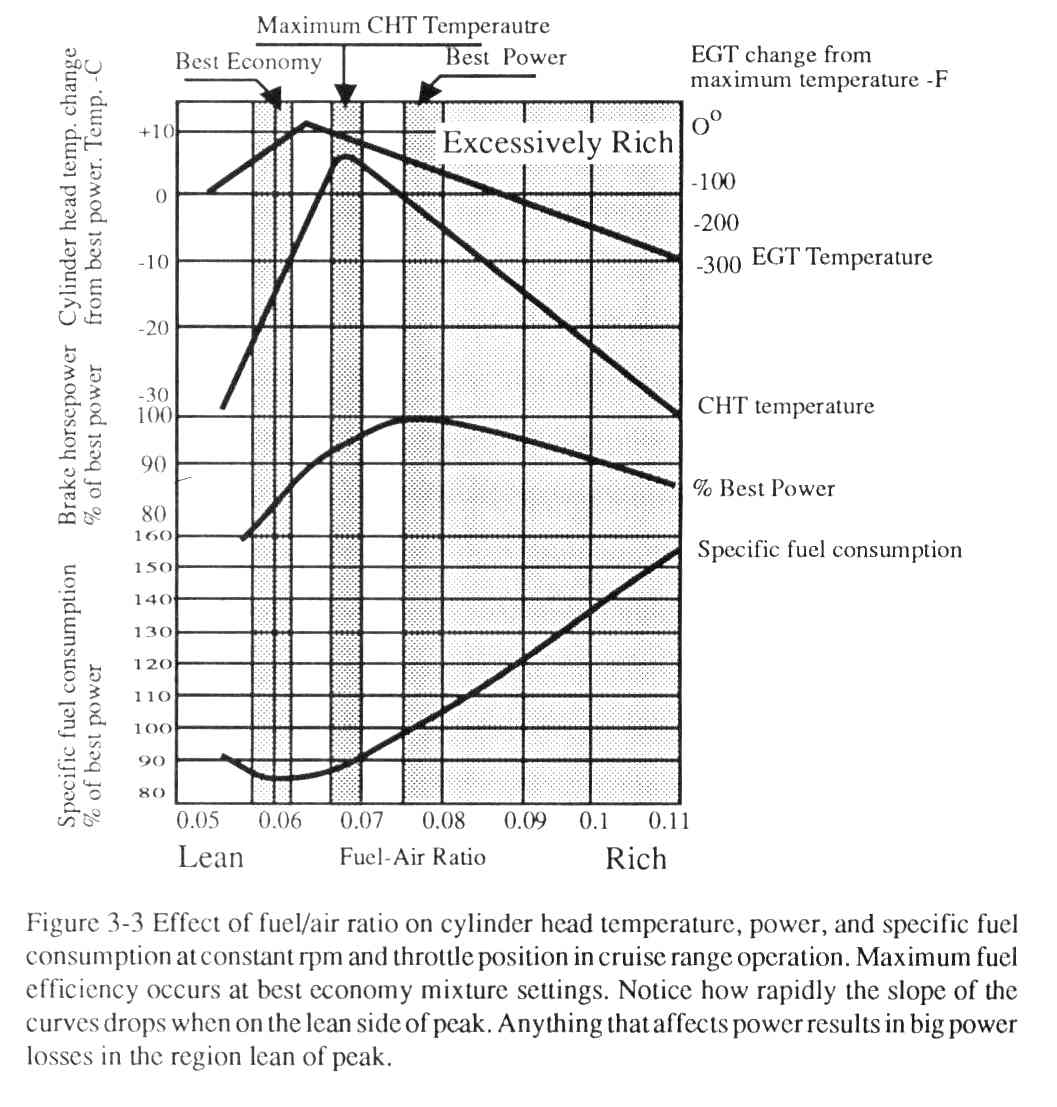
There is no doubt that high CHT's have a serious effect on the
durability of aluminum cylinder heads. There is also no
doubt the CHT on engines of identical design indicate
the relative HP being generated.
That EAA article is nonsense or misleading at best. No chunk of metal
the size of something found in the structure of a full size aircraft
internal combustion engine in the world can significantly change it's
temperature 20 times a second and that includes exhaust valves.
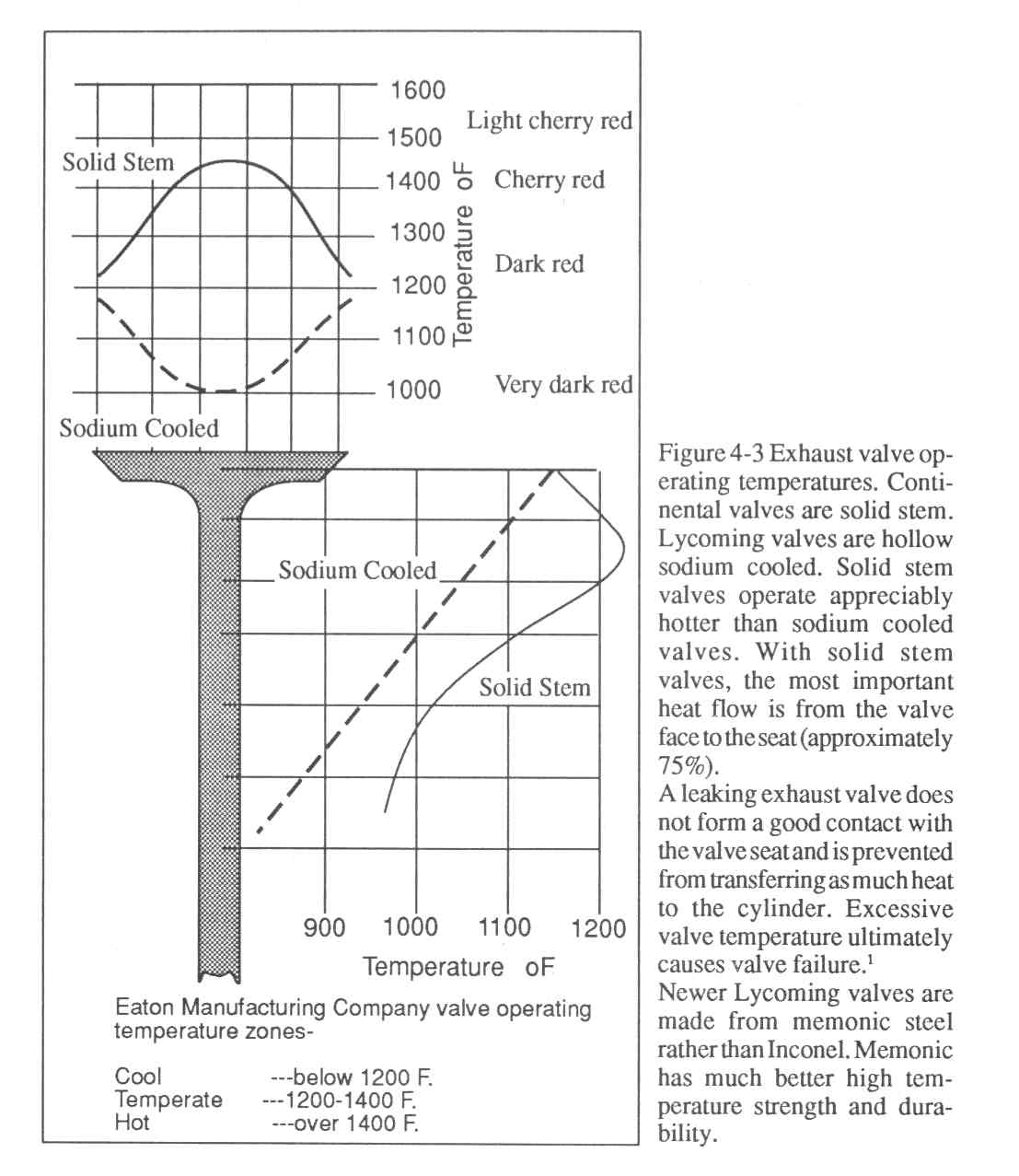
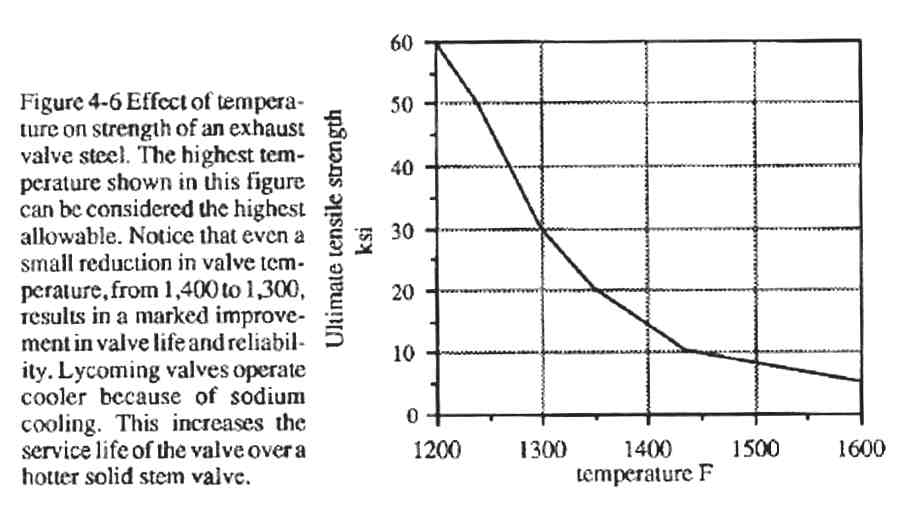
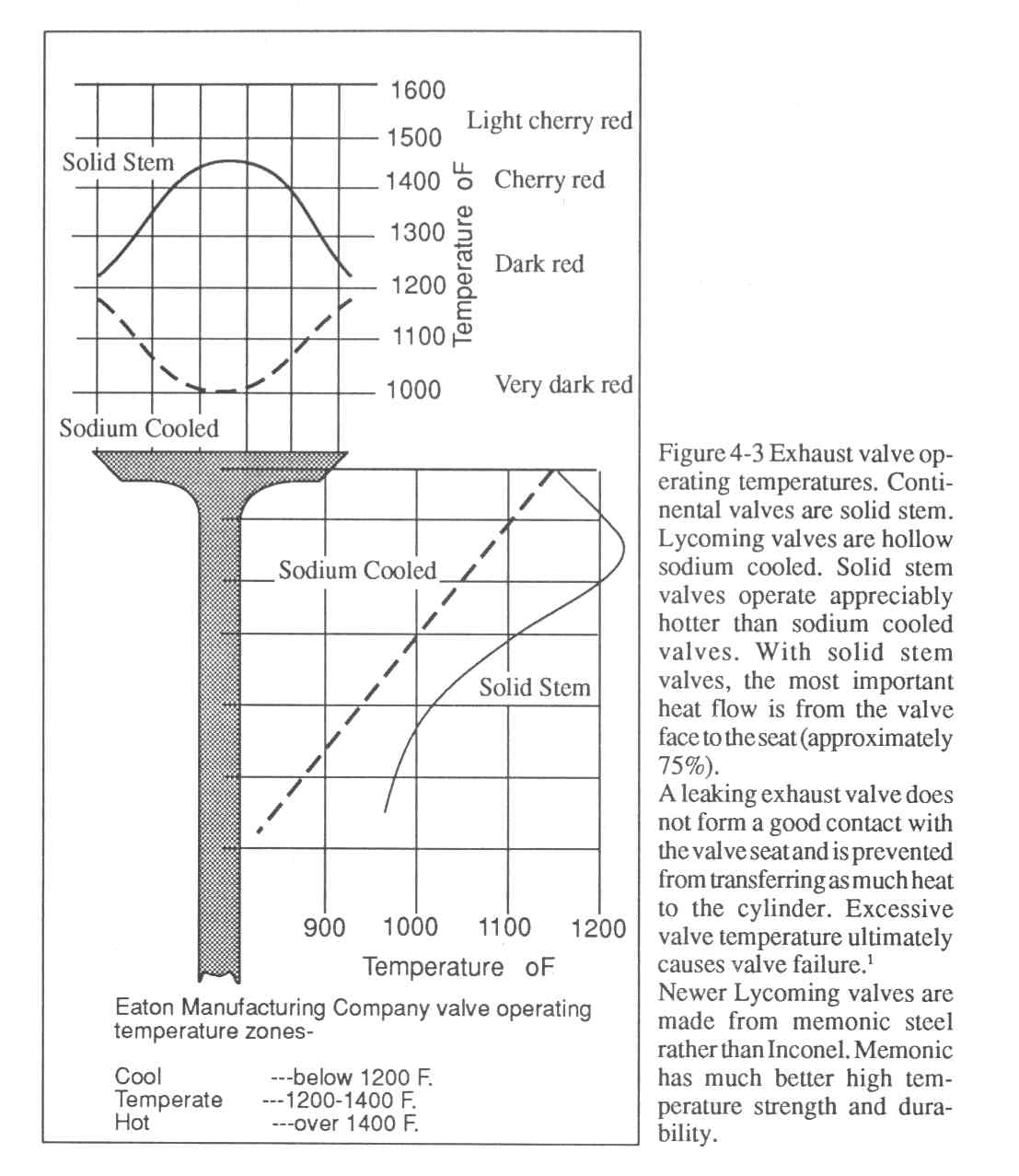
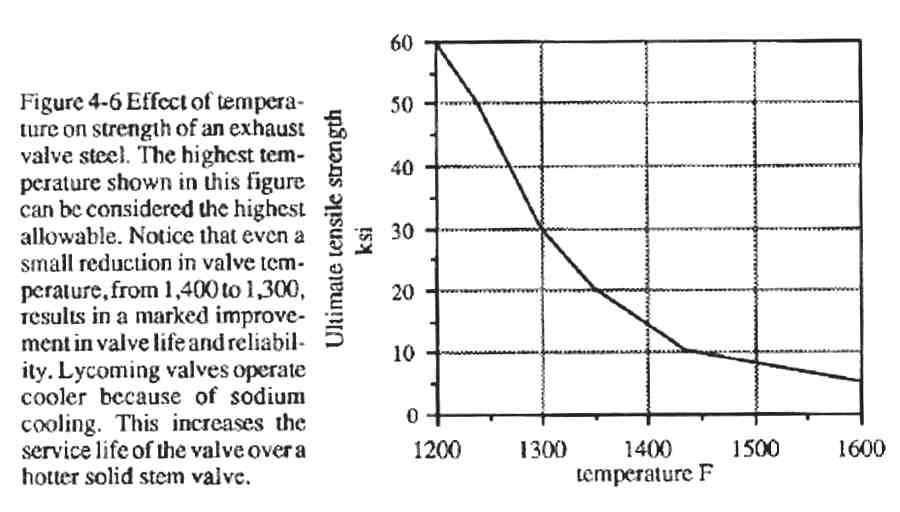
Ask Lycoming why your warranty is void if you lean your engine based
on an EGT reading. See the enclosed pdf file. If EGT's did
not matter we would have far less trouble with exhaust valves
in aircraft piston engines than we do now. Exhaust valves are
the Achilles heels of the aircraft piston engine as we know it.
Ask anybody with a few thousand hours owning a piston engine
aircraft.
Besides that the rotary fires each rotor twice as often
as any single cyl piston engine running at the same engine RPM.
To top that for the same HP the one rotor fires four times or more
often than that of a direct drive single cyl piston aircraft engine
at the same prop RPM because it is geared.
Furthermore there are no exhaust valves to absorb heat from
the exhaust tending to average the temperature.
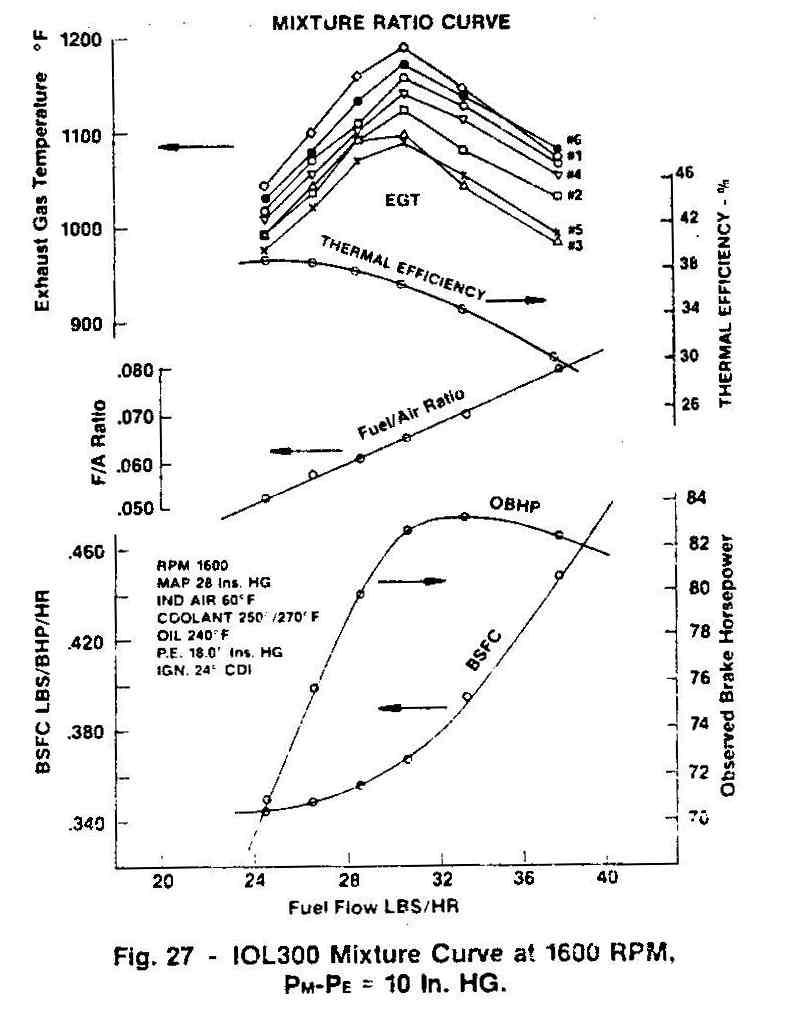
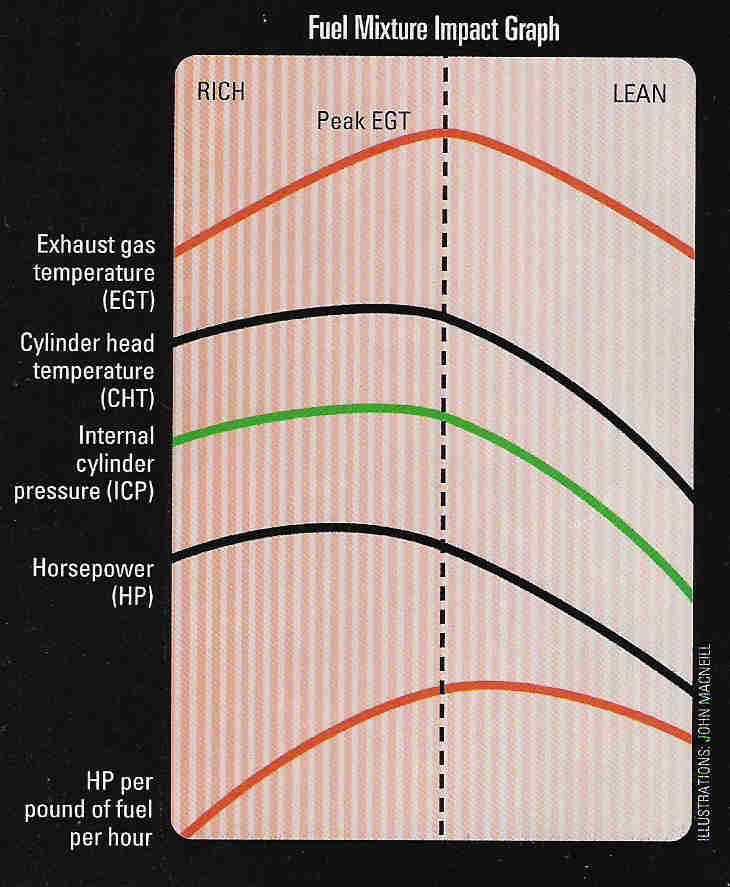
The point of the article may have been and should have been the
fact that the EGT by itself is not a function engine efficiency.
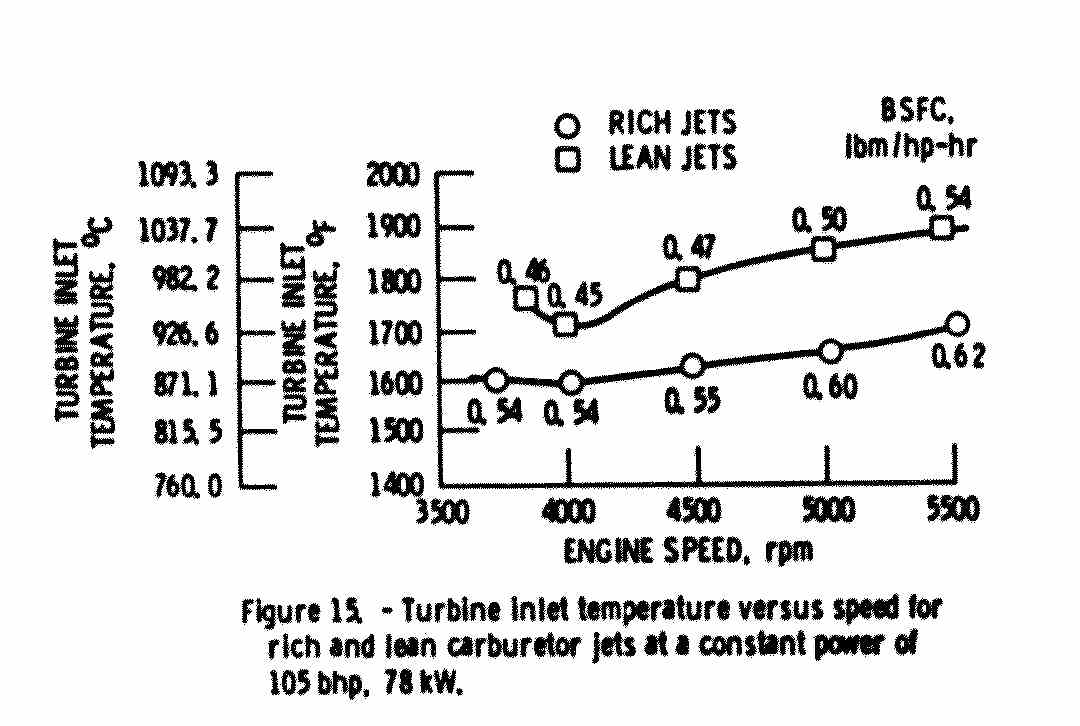
You can have two different HP's depending on whether
the engine is rich or lean and still have the same EGT.
My original statement was based on the premise that both
engines were leaned.
IMHO if you want to read the best article I have found on the
subject in the last dozen years read this.
http://www.rotaryeng.net/Voyager-Eng.pdf
Paul Lamar
--
The Rotary Engine NewsLetter. Powered by Linux.
ACRE NL web site.
http://www.rotaryeng.net
Youtube key word PaulLamar2
Copyright 1998-2010 All world wide rights reserved.