When using 2 engines together with a common power output is
there a simple way to assure that both engines are contributing
equal power? I can imagine that one or the other could be
doing more work even though they both are running at the same rpm
(obviously). I'm thinking of using 2 of the smaller available
rotary engines on the helicopter, but my question could apply
more broadly to any engine type.
John McEverett
"is there a simple way to assure that both engines are contributing
equal
power?"
Same problem exists in EVERY multi-cylinder engine.
brian gochnauer
That suggest a simple way to do it is compare EGT's.
Paul Lamar
You would probably be much better off comparing CHT's. EGT's are
only an imaginary number. The EGT probe sees about nothing
interesting 3/4 of the time because the exhaust valve is closed most
of the time during the intake, compression, and power stroke.
During the other 1/4 of the time there is exhaust flow. The
measured temperature in the exhaust manifold varies according to the
configuration of the manifold. Same thing as the problems with
pressure variability in the intake manifold depending on several
variables.
See
http://www.sportaviationonline.org/sportaviation/201010#pg89 for
a nice article on the subject.
Mark LaPierre
What exhaust valves? :) We don't have no stinking
exhaust valves :) Normally people don't install
CHT's on rotaries with at least one exception but I advocate
and maintain it is still a good idea. They just monitor coolant
temp which is common on both rotors.
Now for two engines you could monitor coolant temp but
there could be significant differences in the two separate
(if used) cooling systems.
Paul Lamar
The EGT's in a rotary will have a fairly constant temp reading as the
pulse
from one side of the rotor is almost done exhausting, the apex
seal is crossing the port. The next chamber starts flowing. If the
temp probe is installed just down from where the two exhaust pipes
from the ports are joined, the "cylinder" temps are averaged. Then
the two engines could be compared.
Dale Davies
Usually twin engine aircraft engines are set with matching manifold
pressure and RPM's plus a slight tweak on the throttles to match the
revs exactly, ( with constant speed props) , my guess is that if both
were built and run exactly as a pair the manifold pressure plus EGT's
would tell the tale?
John Burey.
Please note John McEverett's original post: two engines with a common
output
for use in a helicopter. This is where the strain gauges and EGT's
compared
would get them matched up to both pull an equal load. Obviously, the
tune
on
the engines would be virtually identical; both lean or rich of peak.
Throttle
position sensors set up individually to give identical outputs could
also
help
in getting them matched, with respect to throttle opening.
Dale Davies
Dale
Thanks for getting the question back on track. Common to both engines a
single shaft output is key. My application is a helicopter, but
someone else
might do the same for more power and twin engine reliability on a single
prop. It is done commercially with turbines and I suppose some sort of
torque measurement is used. Each engine would have an over-runing sprag
clutch so if one engine stopped (or was shut down) it would not present a
load to the other. This may be the place incorporate the sensor... as
part
of the formsprag. With a belt drive to the common shaft I may be able
to use
a tensioning arm arrangement that could sense torque, but this is just an
idea that I have not put much thought into. The overall requirement
is: Keep
the engines in balace with minimal parts, minimal weight, minimal
complication, and minimal cost. At the very least I think EGT would work.
About everything I've ever flown has had an EGT gauge to monitor and
it does
indicate something, real or not. My interest in doing this for the
helicopter is two fold: 1) allow use of available engines, and 2) provide
the safety of two engines. Thanks for eveyones help.
John McEverett
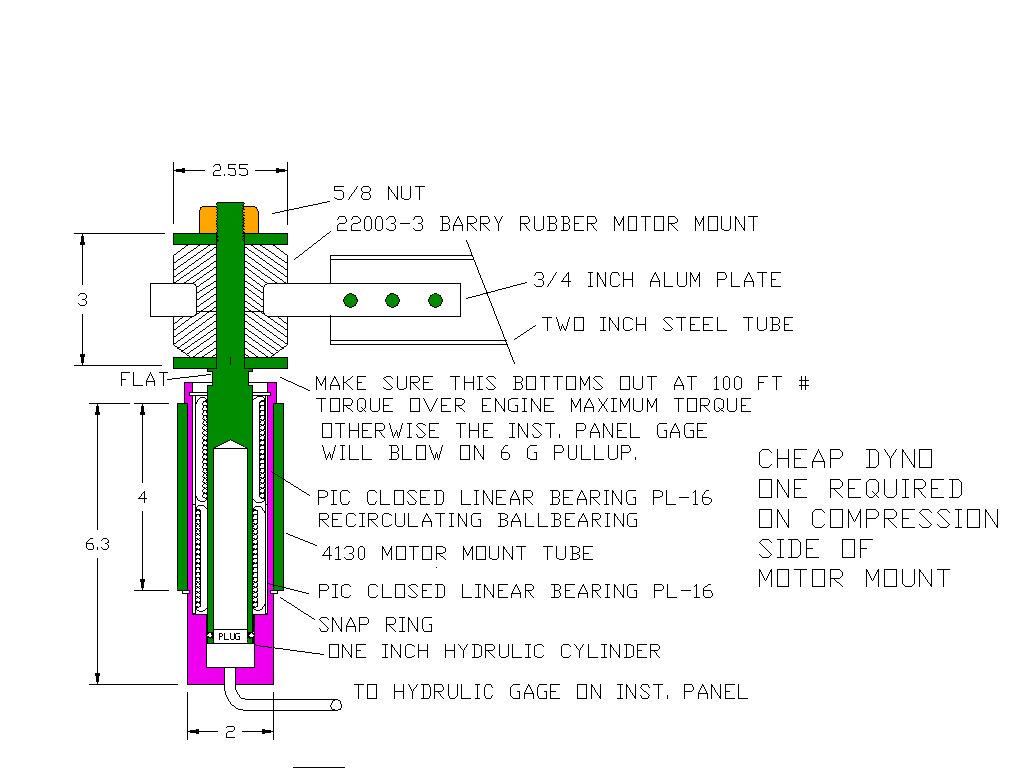
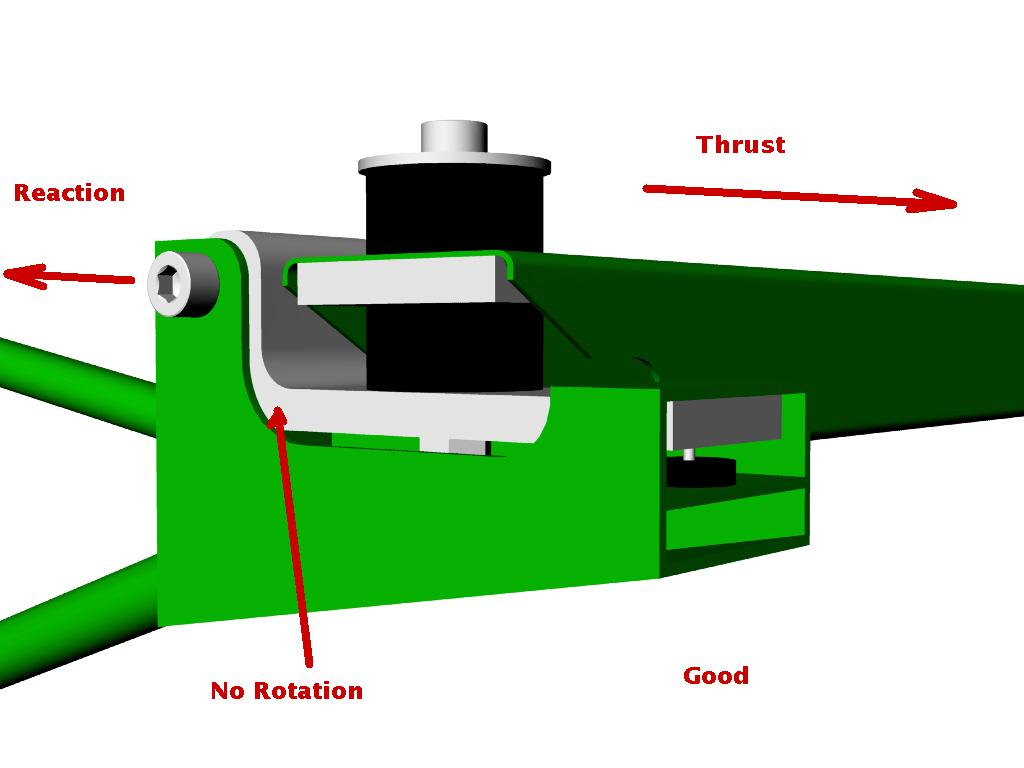
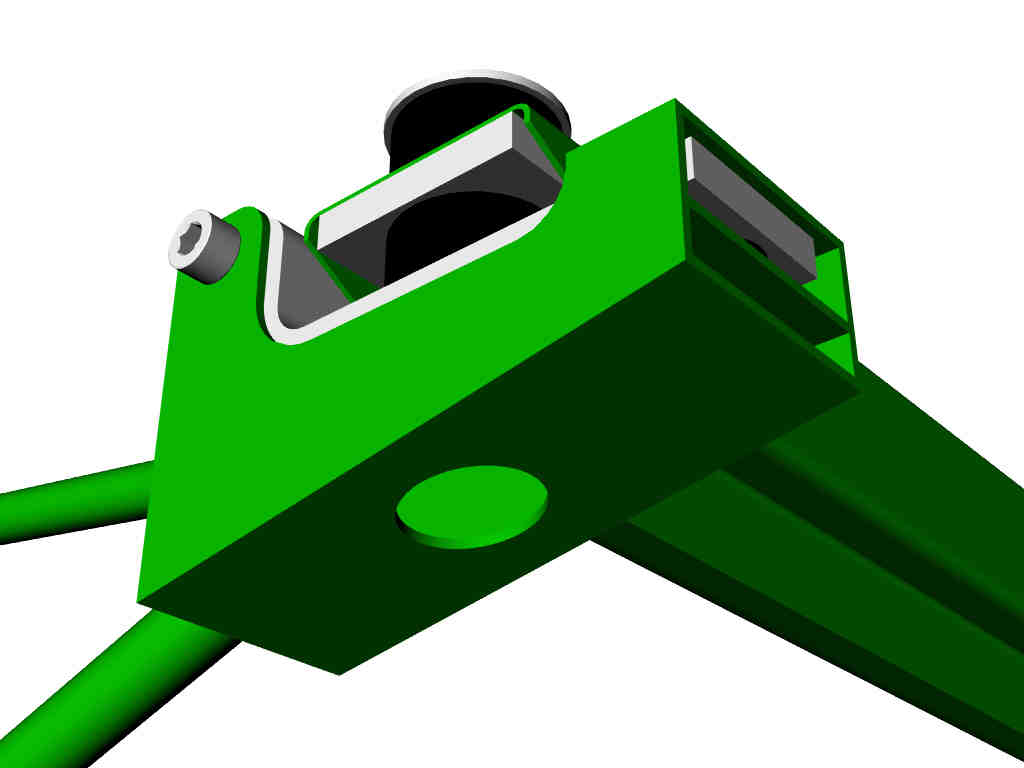
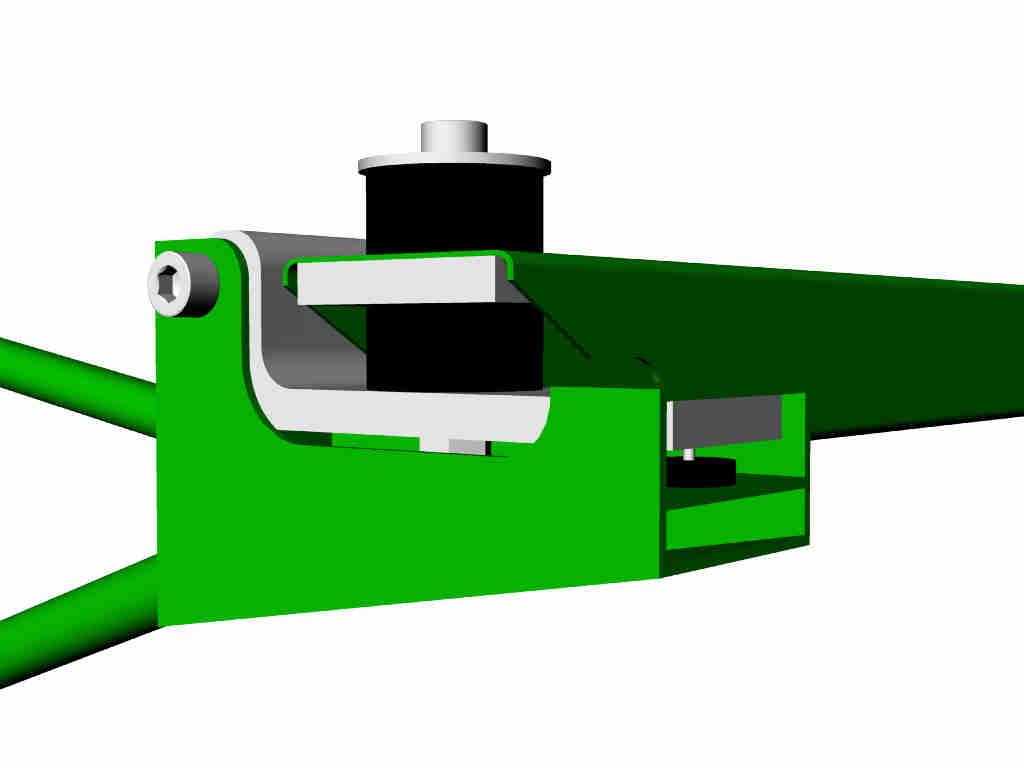
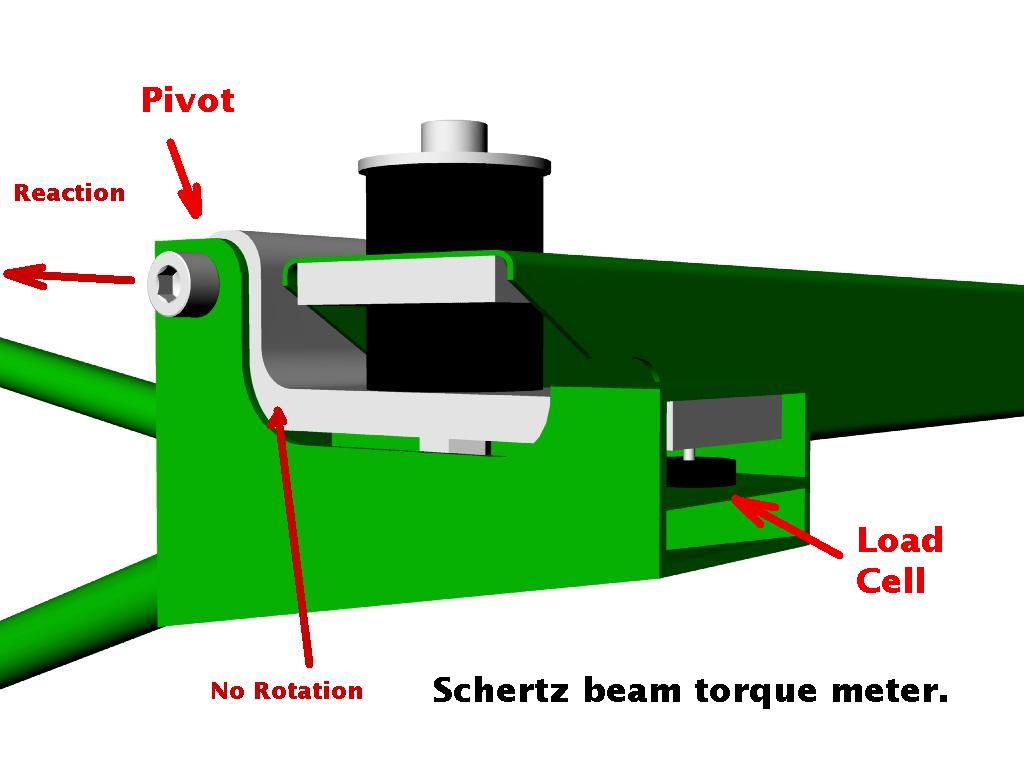
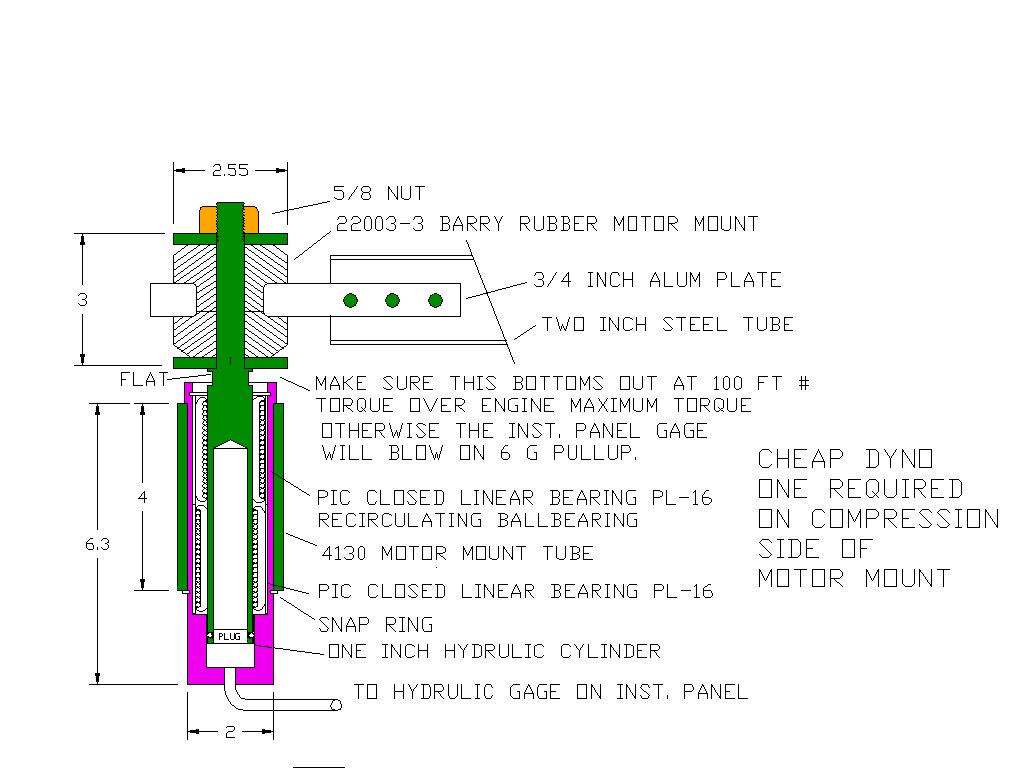
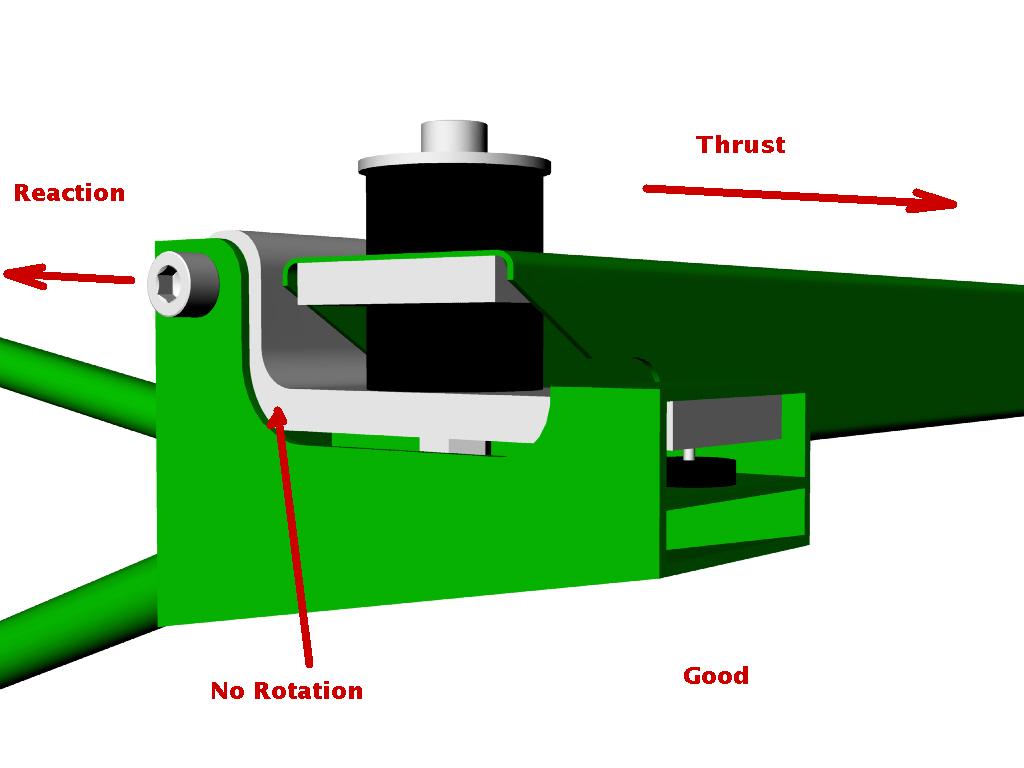
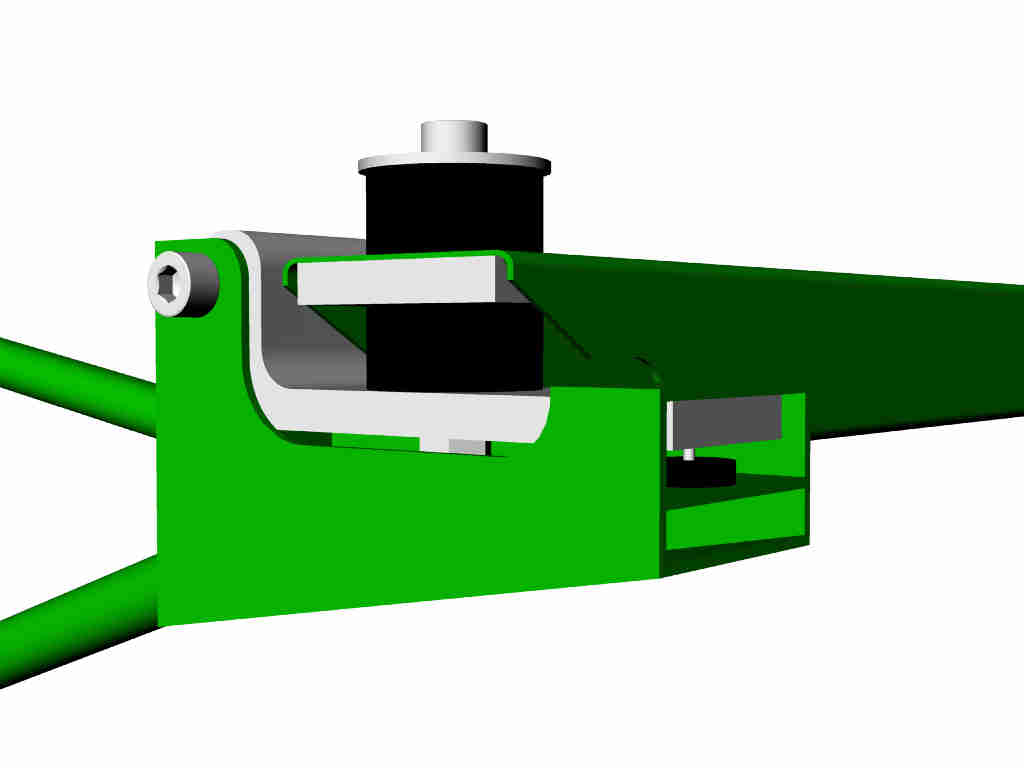
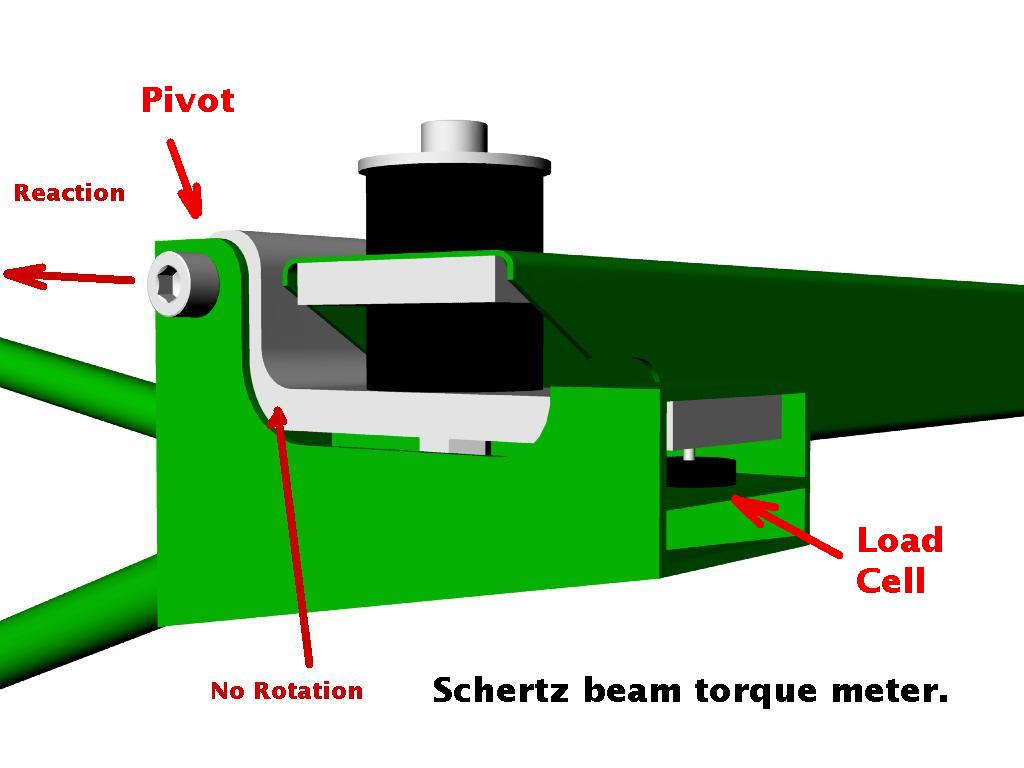
Assuming both engines have identical mounting structures, simply compare
the torque reaction of the shock mounts between the two engines; if they
are producing equal power, they will have equal deflection.
EGT will only tell you that something is different, such as mixture. you
could have one engine rich of peak and the other lean with the same EGT,
but not the same power. Alternately, you could have one rich /one lean
with the same power but different EGT.
Choose mechanical, electrical, or hydraulic devices to measure the
difference in deflection.
Victor Roberts
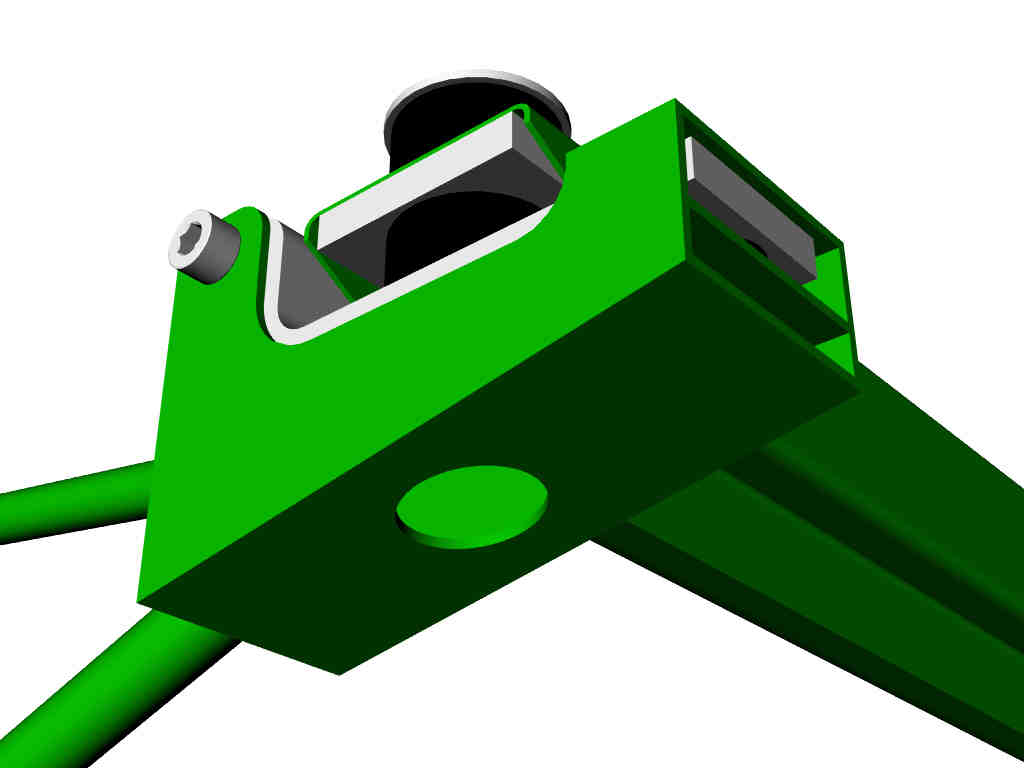
Hey guys before you comment make sure you read all the messages.
This idea has been discussed and these pictures up loaded
two maybe three times on this thread alone in the past week
or two. I know you have been on here Victor for at least a month.
Please set your email program to automatically display
attached pictures. That way the idea will be recorded
in you brain more securely. You won't have to make a conscious
effort to open and view them.
If you are a new subscriber hold off commenting
on a subject for a week or two. Then if something is not clear
ask away.
Paul Lamar
--
The Rotary Engine NewsLetter. Powered by Linux.
ACRE NL web site.
http://www.rotaryeng.net
Youtube key word PaulLamar2
Copyright 1998-2010 All world wide rights reserved.