Here is a new diesel being developed for aviation. 500 hp and it weighs
700
lbs. I don't think that even includes the cooling and accessories.
http://www.aopa.org/aircraft/articles/2010/101122diesel.html?WT.mc_id=101126
epilot&WT.mc_sect=gan
Couldn't a 4 rotor beat this and have 300 lbs to spare?
With all the money being thrown down the drain, you'd think Mistral could
have found some investors.
C. Smith
Don't believe it. It is a Mercedes V12. Austro Engines AKA Diamond
Aircraft are also working on just such a dumb idea. It is a wonder
the CEO's do not study engine history.
It will be "certified" in Europe by becoming a throw away engine.
If it is cracked at 1200 hours TBO you throw it away, No overhaul allowed.
The FAA don't want people going down to the Mercedes dealer and buying
parts.
This is the same situation as the Thielert 4 cyl and the Austro Engines
4 cyl. Diesel hope springs eternal since the early 30's when Packard,
Junkers and others built some. Lately Renault went through the futile
exercise. What these dummies don't realize is a diesel burns almost
as much fuel as a gas engine in the 80 to 100% aircraft power range
not to mention the power to weight ratio sucks big time.
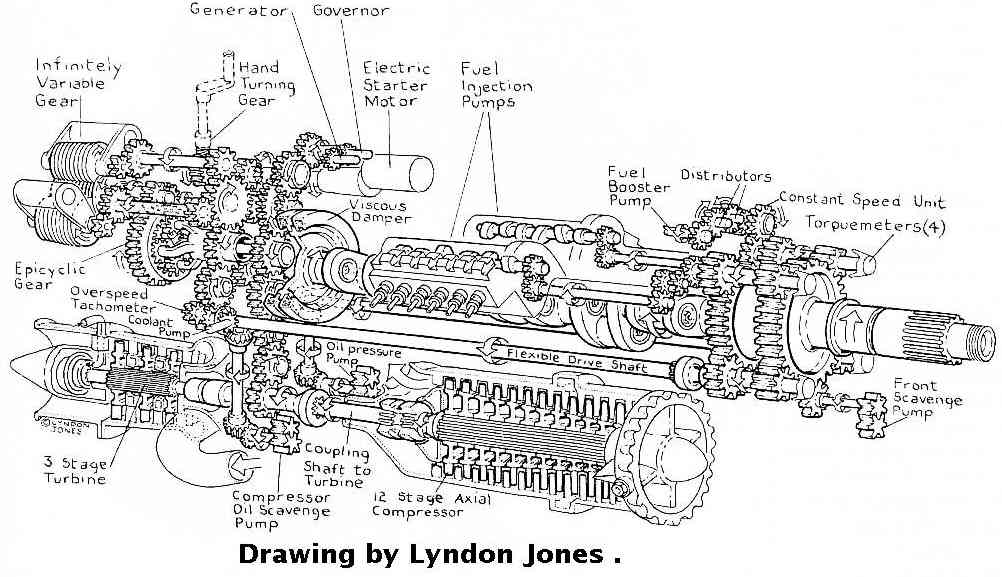
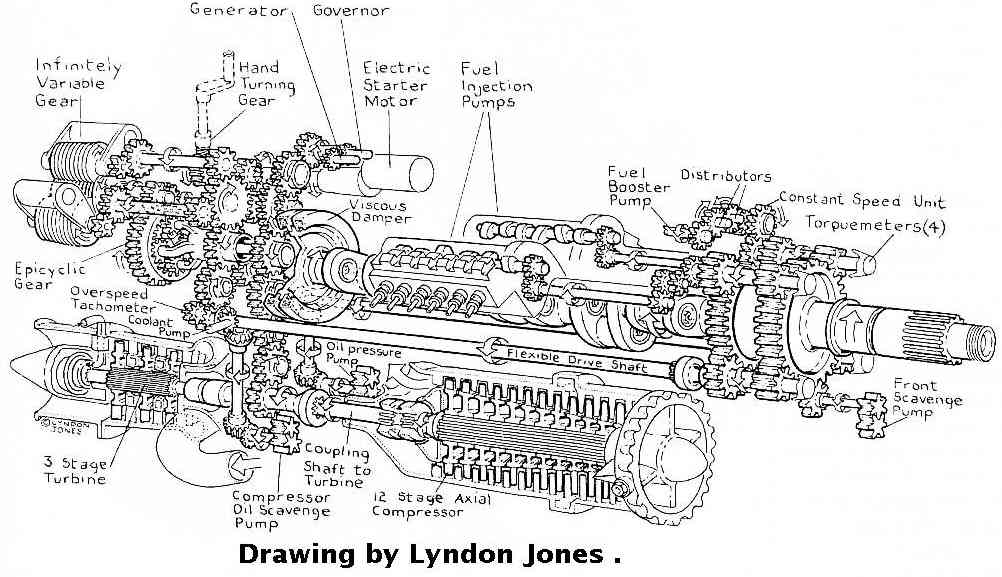
Here is a near ideal structural configuration for a diesel aircraft
engine.
(Read power to weight ratio.)
It is based on the old GM 2 cycle diesel engines with what is called
uniflow scavenging. Scavenging is the key to 2 cycle engine efficiency.
Unifolw scavenging is one of the best types but it is still not
near as good as a 4 cycle diesel engine. GM gave up on it for that
reason. The Delta Hawk has a much worse scavenging type so
the BSFC will be even worse than this engine.
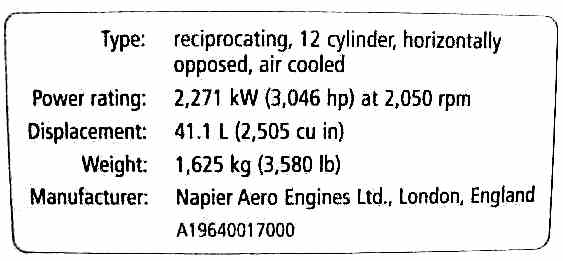
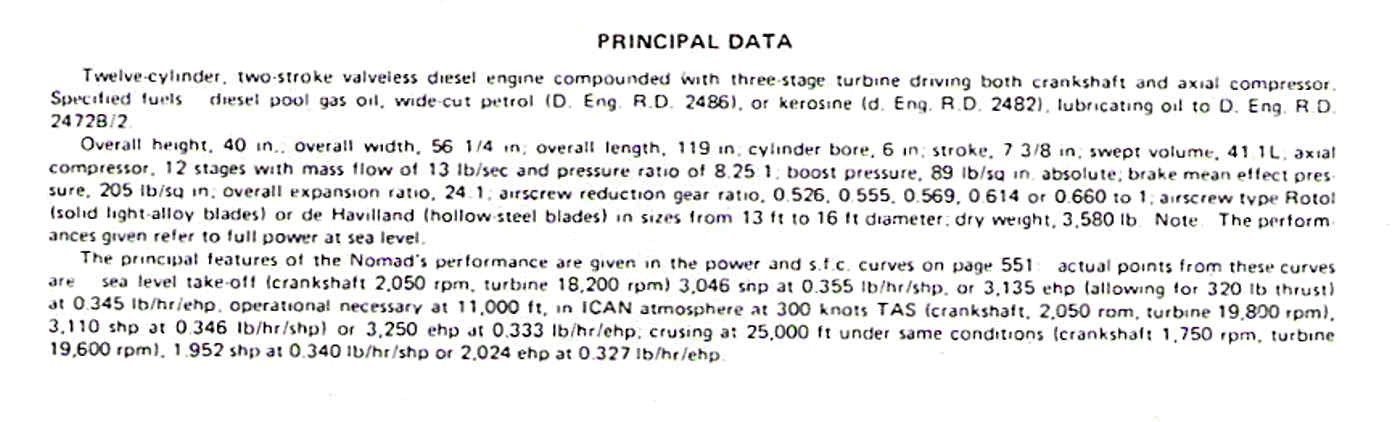
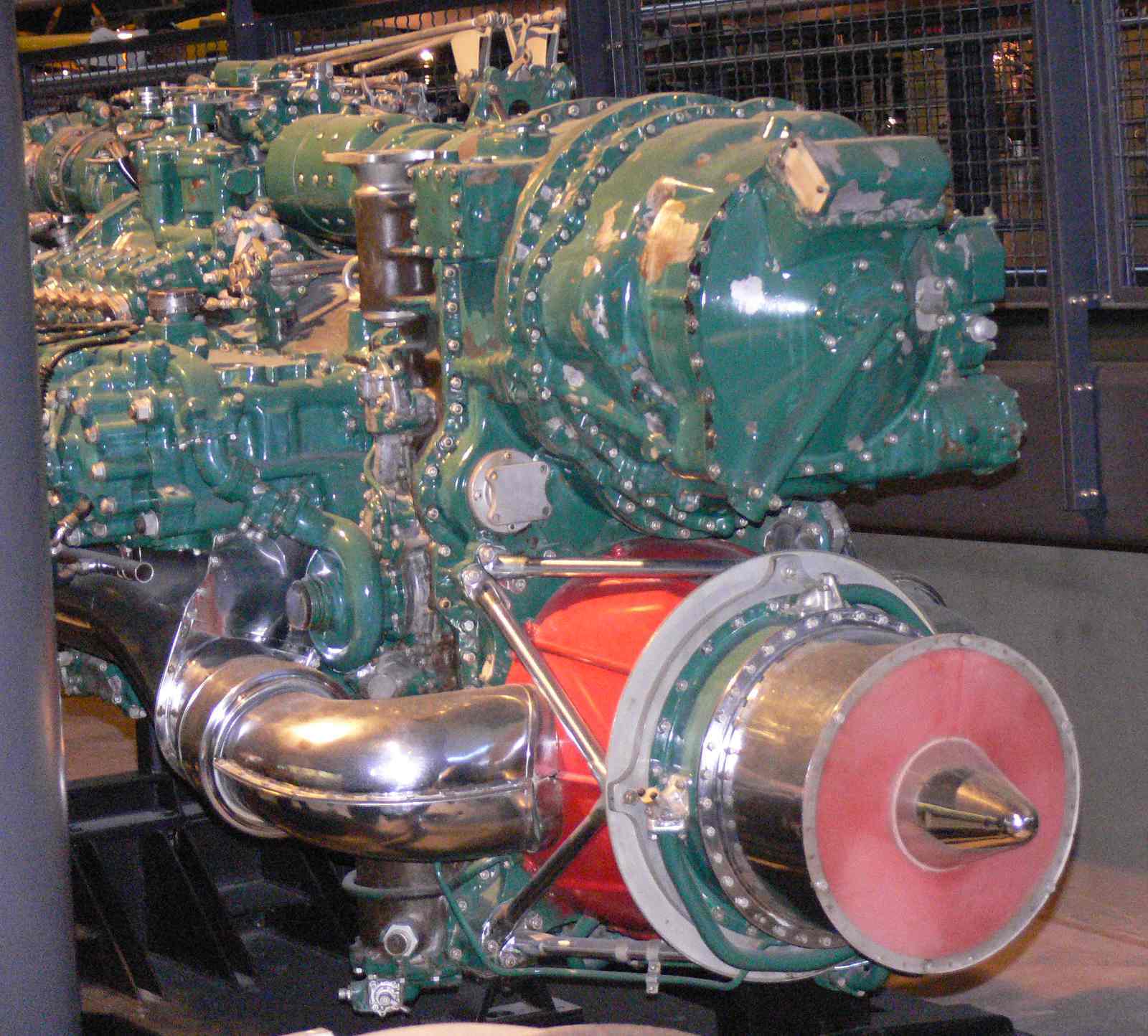
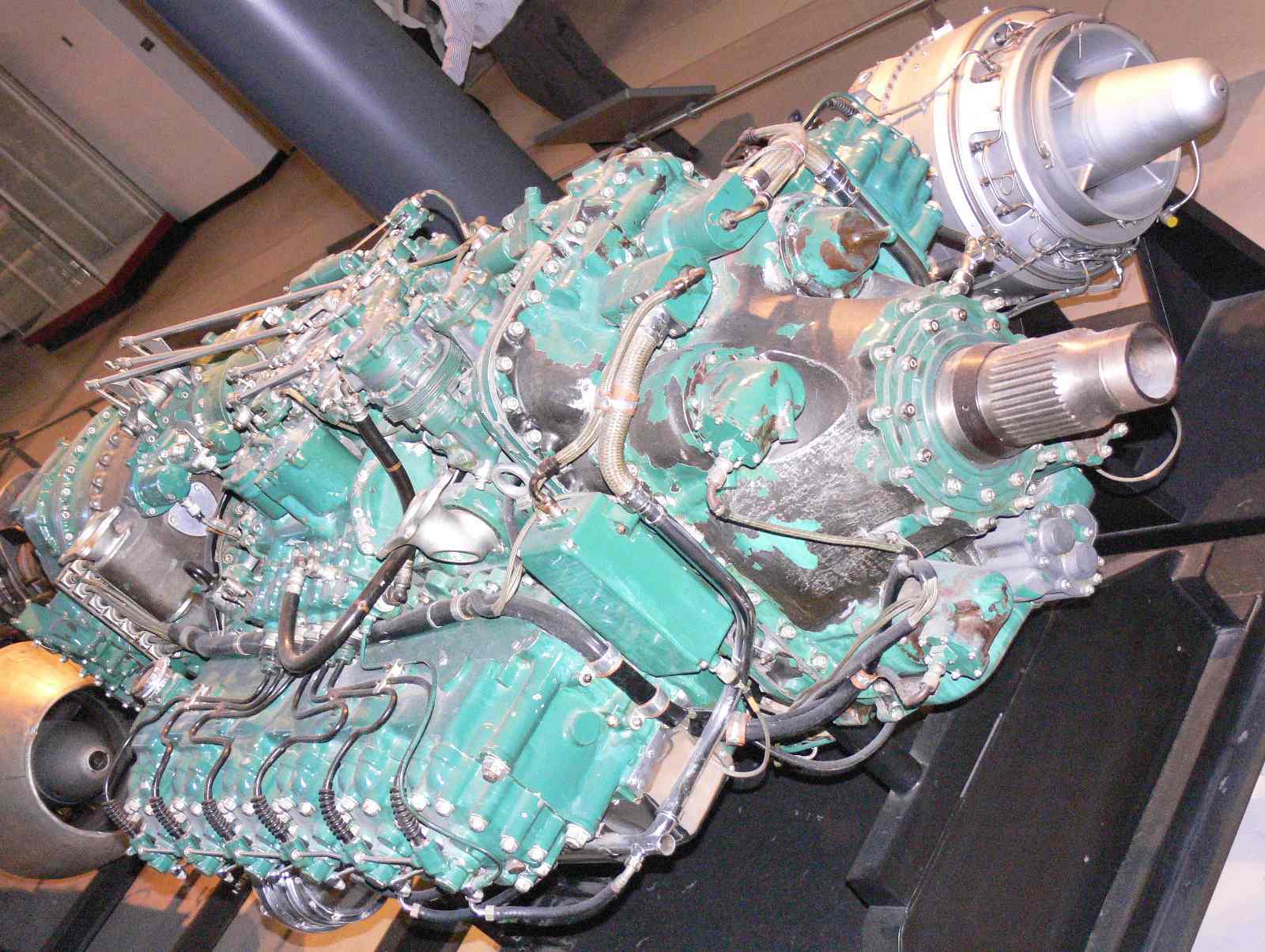
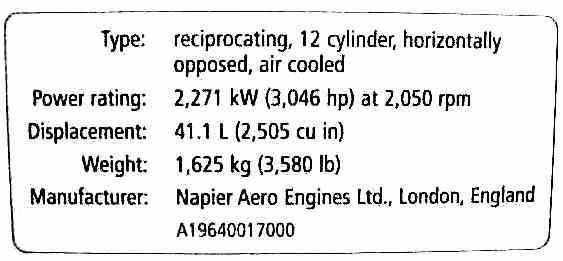
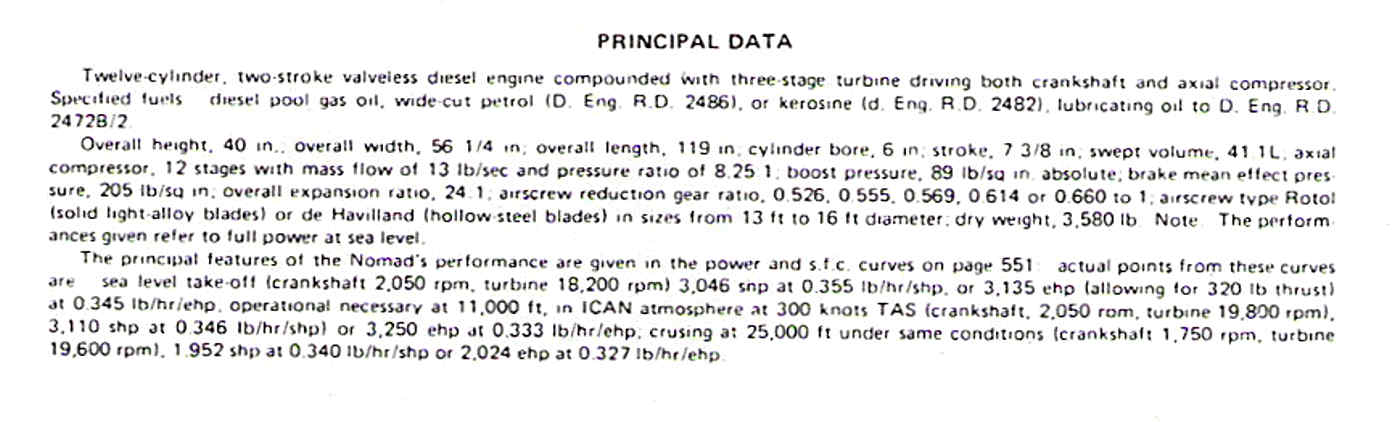
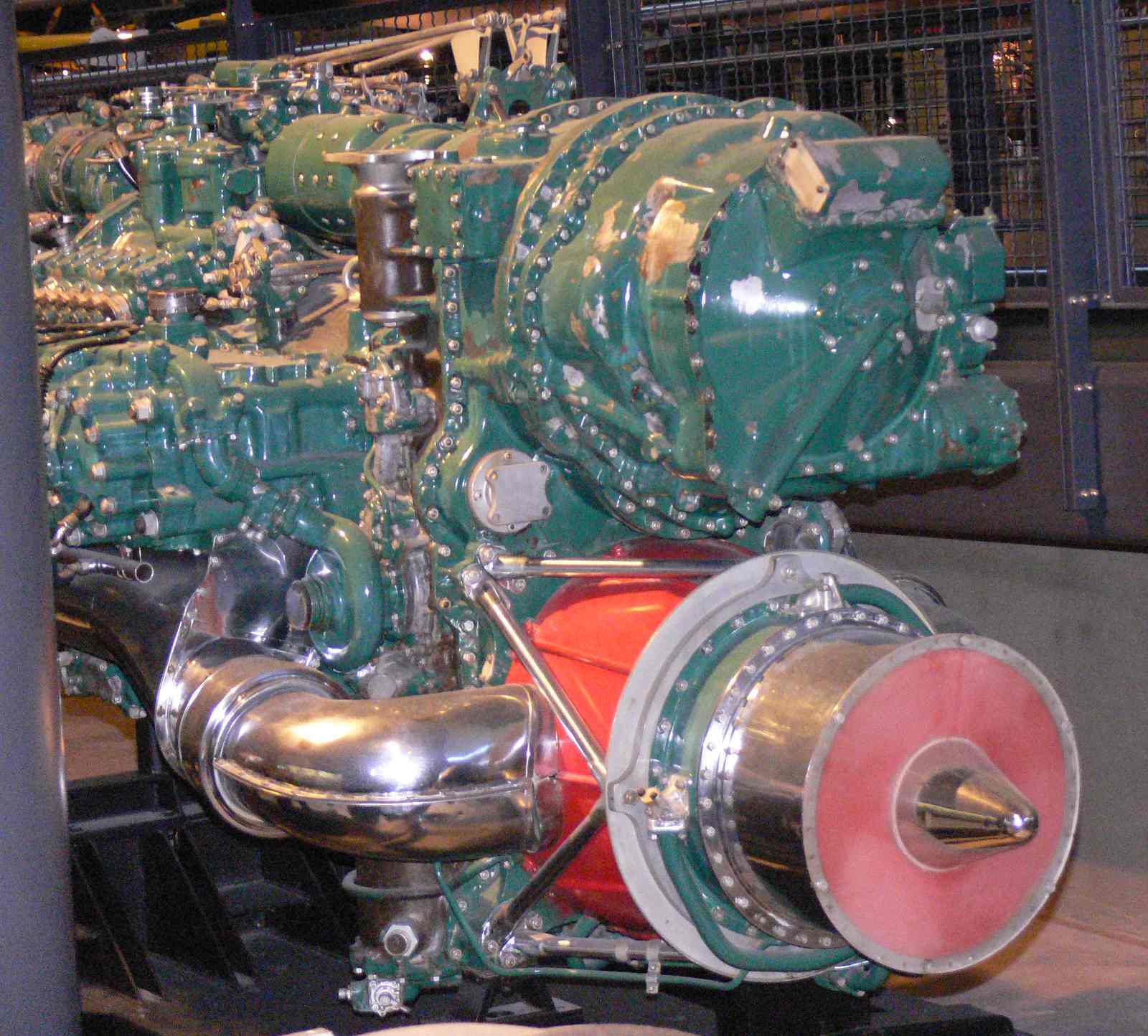
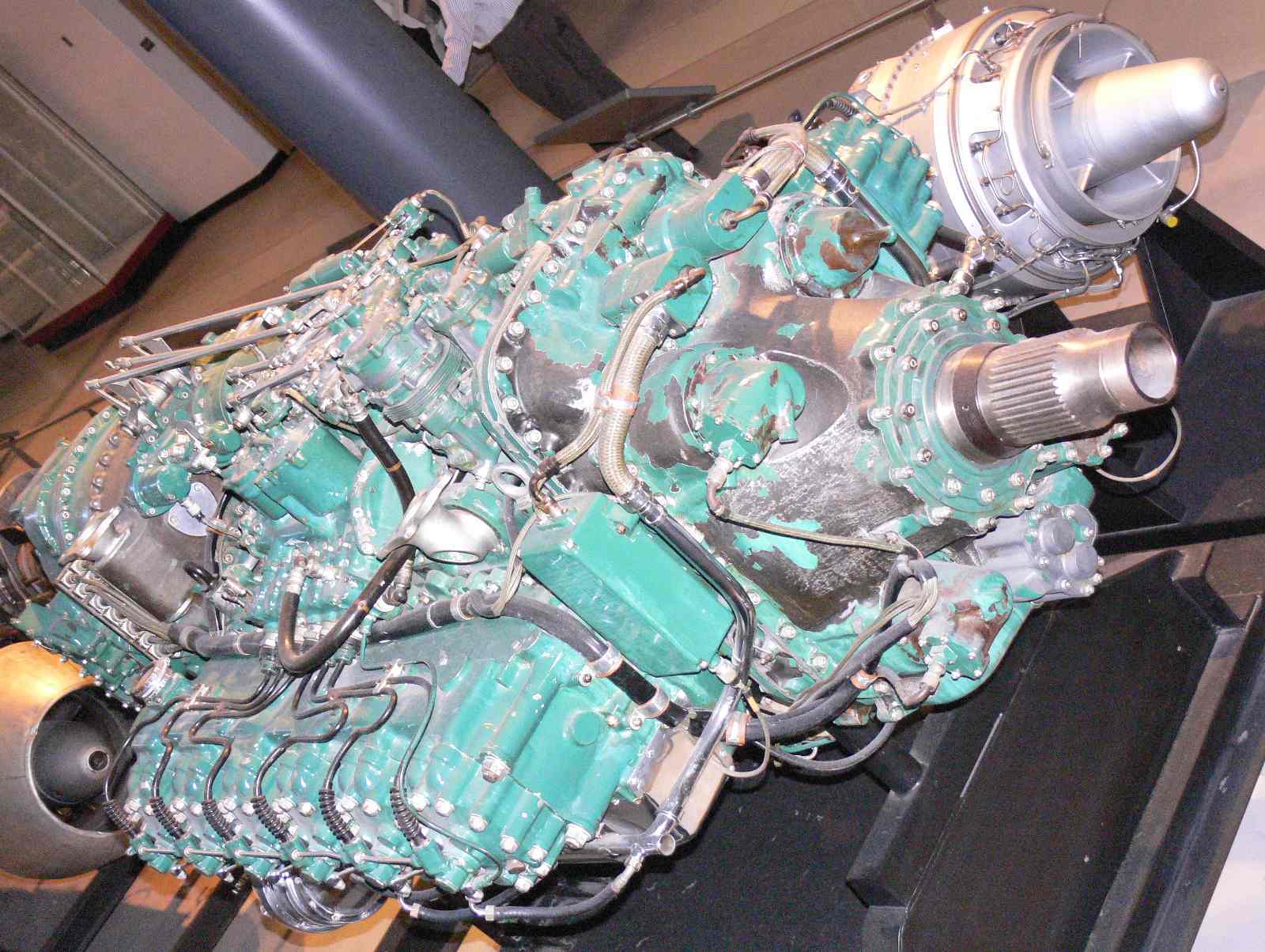
Mystery engine of the month. Can anybody identify
it?
Paul Lamar
--------------------------------------------------
sure,but will a wankel run on jet a like a diesel
David_Parker
-------------------------------------------------
Sure but why is that important?
http://www.wankelsupertec.de/
Jet A is only 3.82 gallons out of a 44 gallon
barrel of crude. Gasoline is 19.15.
Gasoline is more widely available than jet A.
Paul Lamar
G'Day Paul,
"Crude oil" is not the only source of diesel fuel whereas apart from
ethanol I understand gasoline virtually has to come from crude. There are
numerous plant sources of vegetable oils for diesel fuel and diesel has
been made from sewage sludge. I guess this is unimportant if the abiotic oil
theory is correct and it's not a diminishing resource after all.
There seems to be plenty of LPG or propane,but I notice this is barely used
here in the US, having to shut the tank off to go through tunnels over here
seems to be overkill, we don't do that in Oz. Virtually all of our taxis run
on LPG and other LPG vehicles are quite common. I have been told that the
oil industry flares off enough propane to run the whole car fleet!
Some people are "fumigating" their diesels with LPG due to claims of
improved performance and economy. Perhaps that would be a way of using
diesel in a rotary, but it would miss out on the economy that goes with the
usual high compression ratio.
I was surprised on filling the Propane tank on my RV to find that Propane
costs about the same as gasoline, in Oz it's about half! This is due to
different tax treatment.
Those who remember the British Commer "Knocker" with its good power output
and great economy from its blown unidirectional flow scavenging two piston
per cylinder engine would be less skeptical about aircraft diesels. There is
a lot of out of date thinking about modern diesels.
John Evans
The two piston per cylinder option was extensively investigated
by Junkers and others for aircraft engines and was abandoned. One would
think diesels would add enough range on the Lufthansa sea plane flights from
Germany to South America in the 30's but not enough. The planes had to land
at sea and be refueled by ships.
The money spent on diesel AC engines would be better spent on turbo
compound. That was proven by the long range of the TC Super Connie's in the
1950's
long after the AC diesel approach was abandoned. A TC Super Connie could fly
from SFO to London non stop.
Trading off fuel for food is not a good idea IMHO. Brazil tried that for
years with millions of poor people. Luckily Brazil recently found a lot of oil.
The price of food in the US is now going up due to the sale of corn for
alcohol fuel.
Paul Lamar
It is annoying that BS statement
The price of food in the US is now going up due to the sale of corn for
alcohol fuel
continues to be propagated by informed city folk.
All the corn used in alcohol could be grown by two Iowa counties.
And no; I don't believe corn can ever replace gasoline.
Current prices are from world-wide export pressures and a very weak dollar.
China has 25% of the world's population and only 10% of the world's food
production.
Lifetime native of rural Iowa.
brian gochnauer
http://en.wikipedia.org/wiki/Ethanol_fuel
-------------------------------------------------------------
"Ethanol fuel is ethanol (ethyl alcohol), the same type of alcohol found in
alcoholic beverages. It is most often used as a motor fuel, mainly as a biofuel
additive for gasoline. World ethanol production for transport fuel tripled
between 2000 and 2007 from 17 billion to more than 52 billion litres. From 2007
to 2008, the share of ethanol in global gasoline type fuel use increased from
3.7% to 5.4%. In 2009 worldwide ethanol fuel production reached 19.5 billion
gallons (73.9 billion liters)."
"Ethanol is widely used in Brazil and in the United States, and together both
countries were responsible for 86 percent of the world's ethanol fuel production
in 2009. Most cars on the road today in the U.S. can run on blends of up to 10%
ethanol, and the use of 10% ethanol gasoline is mandated in some U.S. states and
cities. Since 1976 the Brazilian government has made it mandatory to blend
ethanol with gasoline, and since 2007 the legal blend is around 25% ethanol and
75% gasoline (E25). In addition, by 2010 Brazil had a fleet of more than 10
million flexible-fuel vehicles regularly using neat ethanol fuel (known as E100)."
-------------------------------------------------------------------
If we can get 10% of our total fuel requirements from just 2 Iowa counties
then we need only 20 Iowa counties to provide all our fuel requirements.
There are 99 counties in Iowa so Iowa alone could perhaps supply
100% of the fuel used in the world :)
Paul Lamar
Surely you can't legitimately compare 1930s diesels with the current crop of
extremely high pressure common rail diesels, furthermore who says they can't be
turbo compounded? With piston controlled exhaust ports you will no longer have
exhaust valve shrapnel damaging the turbine wheels, the exhaust is similar to
the rotary in being very energetic without the restriction of a poppet valve.
John Evans
Yes I can because the high power BSFC has changed very little since the 1930's.
A .01 improvement is a major improvemnt in BSFC.
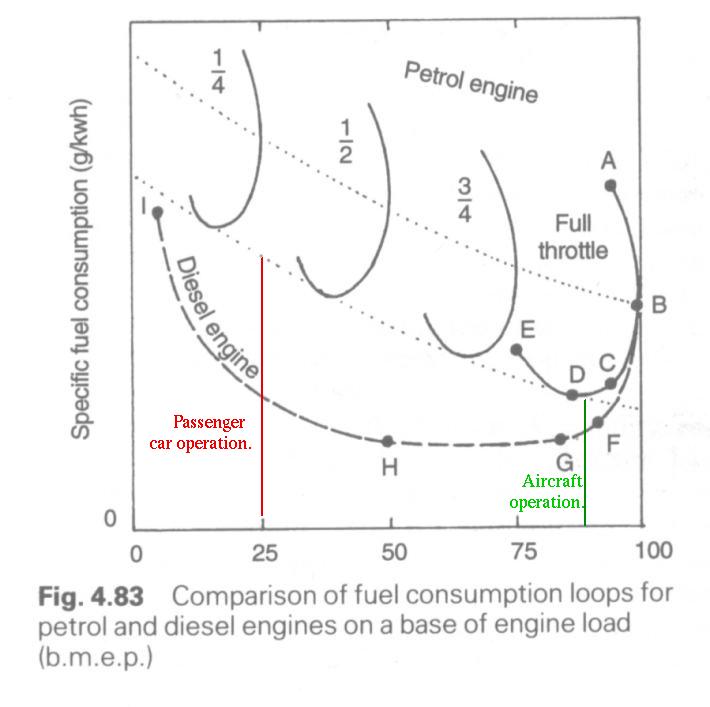
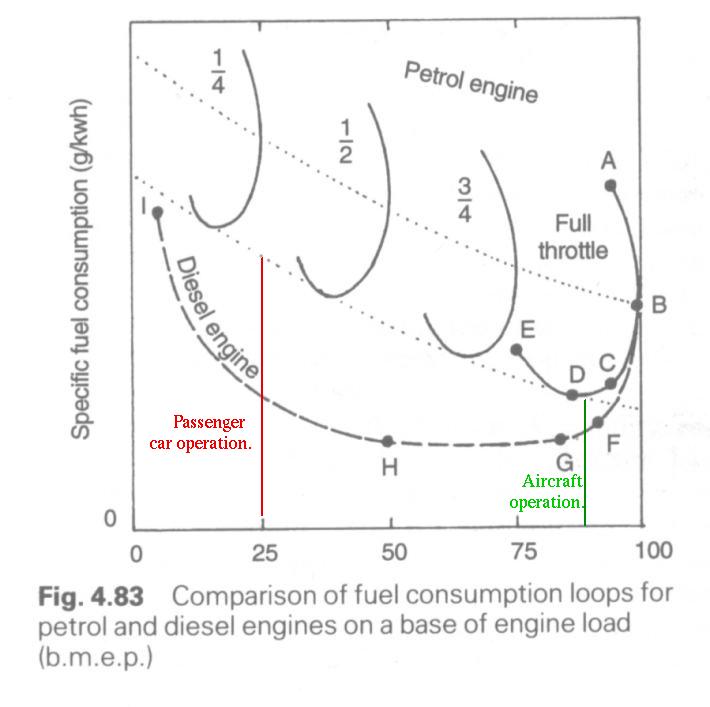
Diesel's get their good BSFC from the fact that they run very lean
at wide open air throttle all the time. Power is increased by richening the
mixture alone. This means the pumping losses across the partially open
air throttle are eliminated.
You can see that effect from this chart.
Of course the 20:1 compression ratio also helps greatly.
This fact intrinsically adds to the weight of the engine.
Perhaps carbon fiber would help. If so it would also
help other kinds of engines. Weight is the bane of our
existence in many areas of life :)
Very few of the diesel fans really understand the physics
involved. If one does not understand the physics one is
doomed to making the same assumptions over and over again.
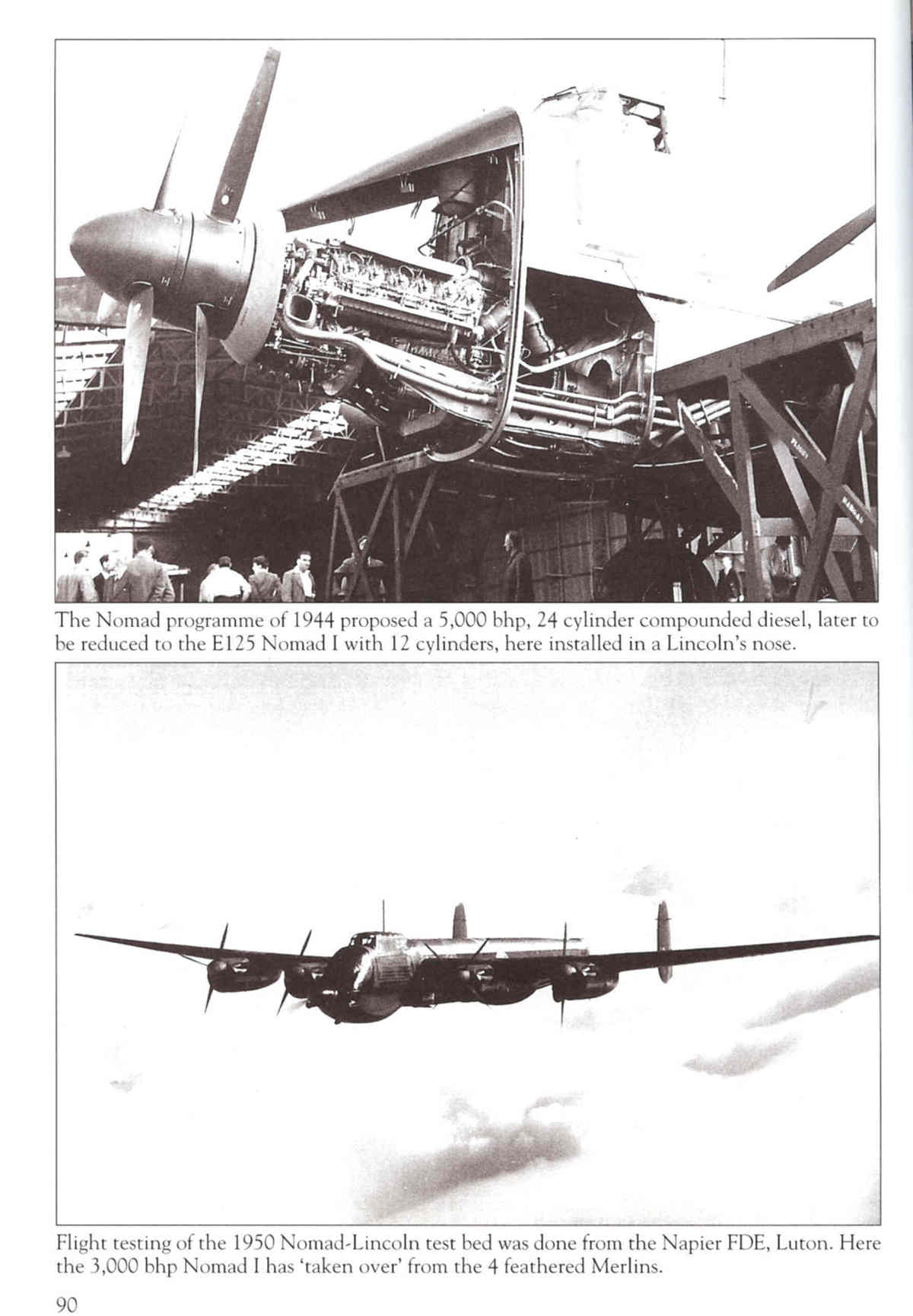
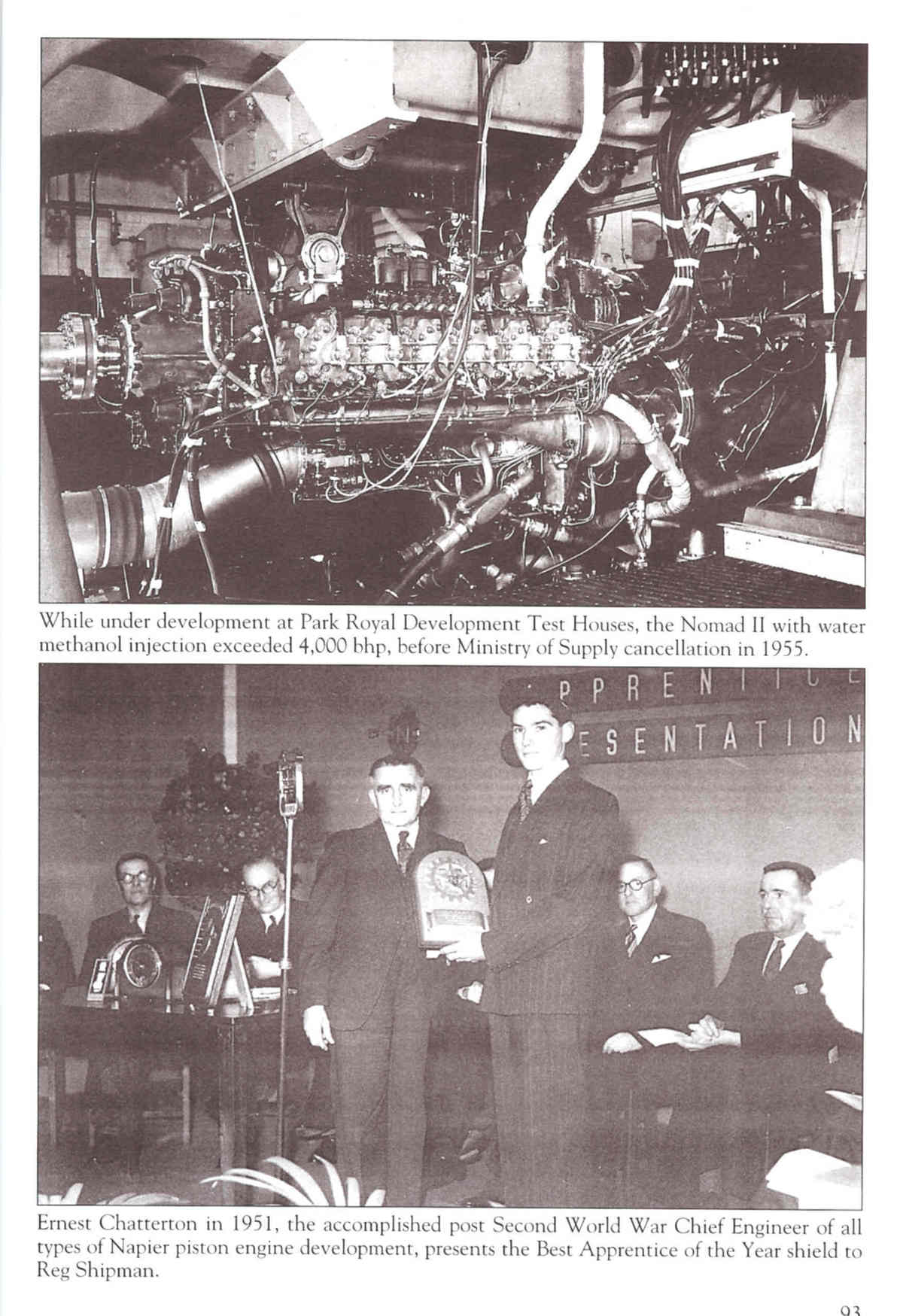
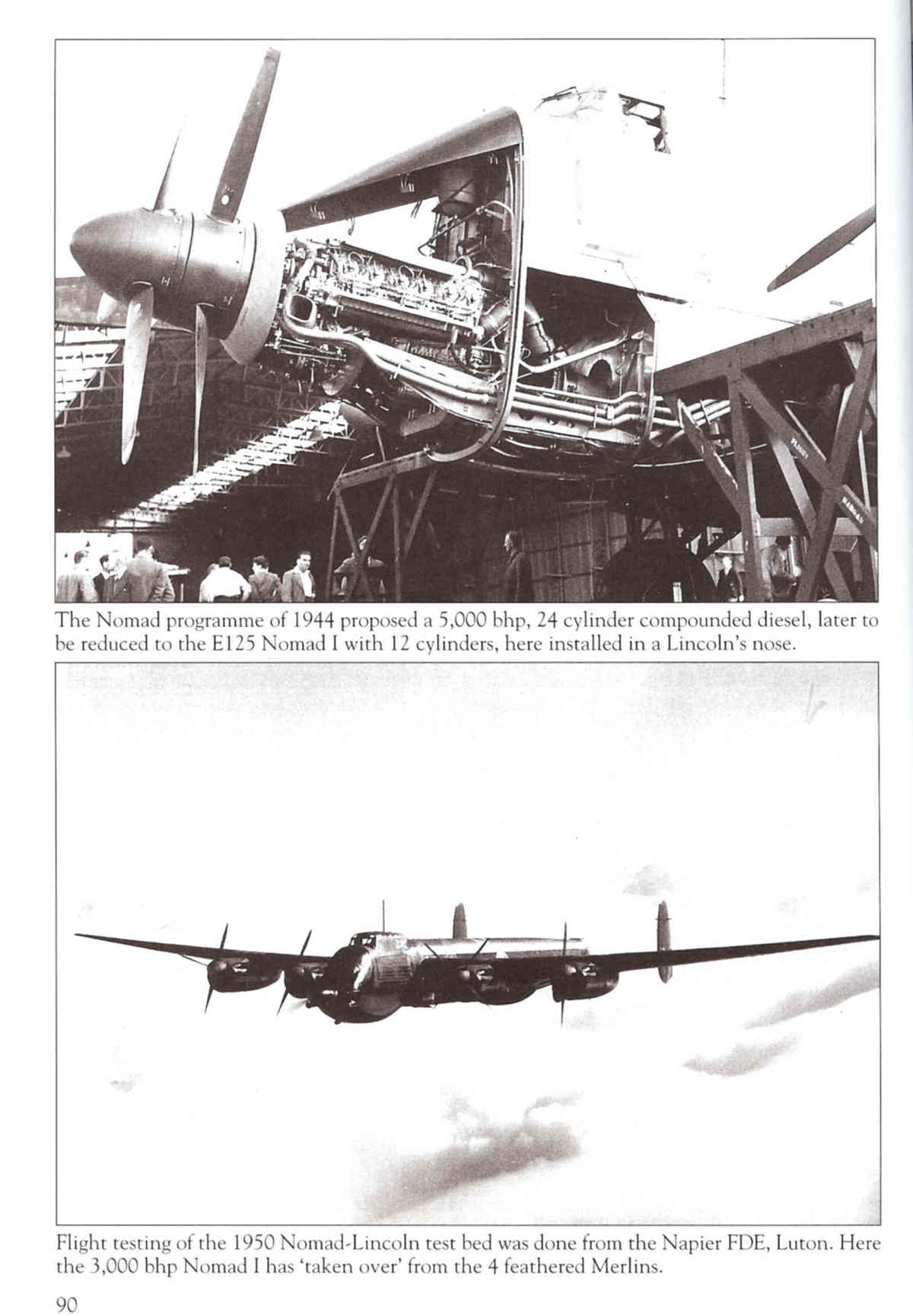
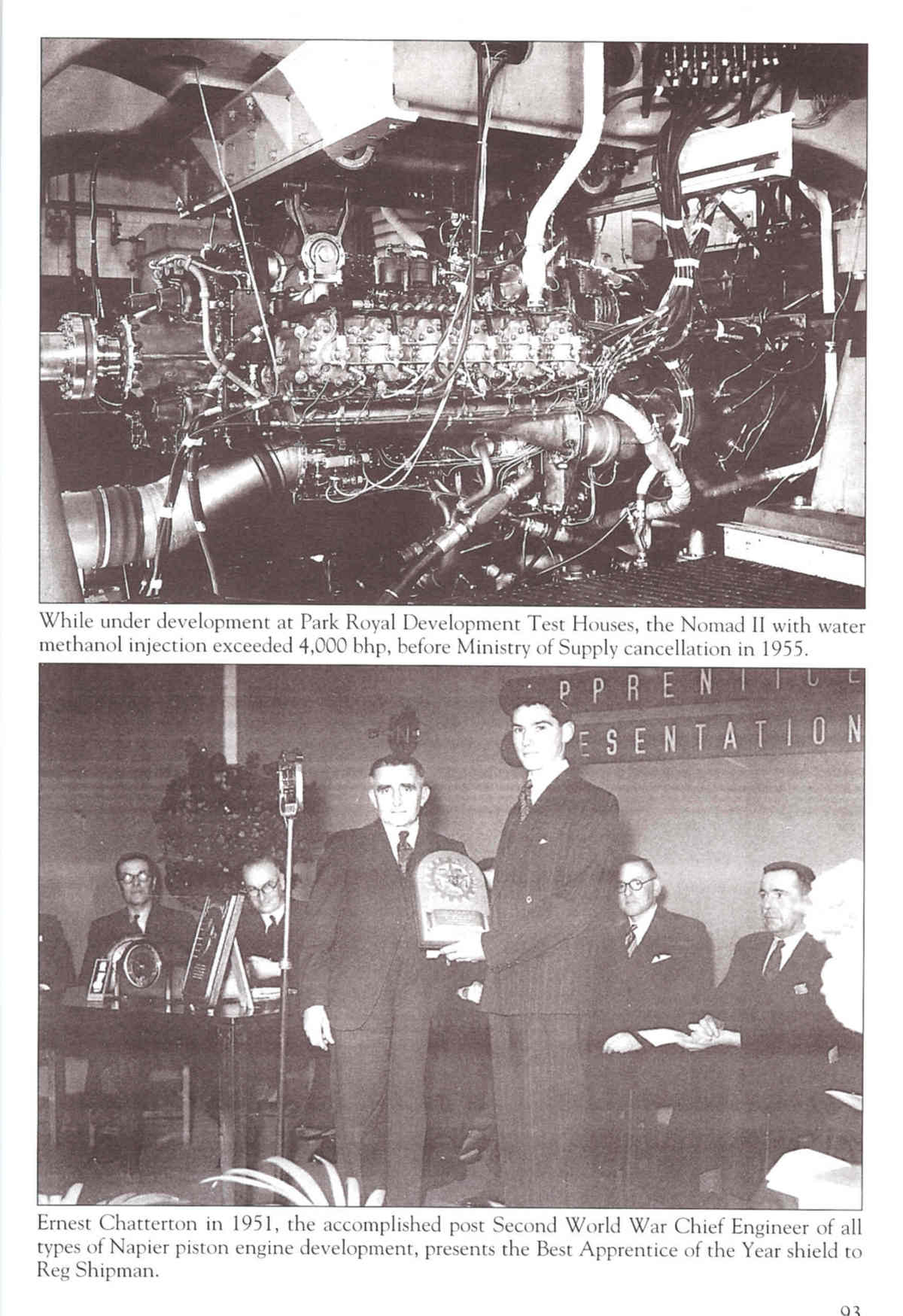
Turbo compound diesels have been tried and it resulted in
a sea level world record for BSFC at 50% power. Namely the Napier
Nomad. It was never tested at altitude as far as I know.
Turbo compound diesel are now the truck diesel engine of choice.
The gasoline CW R3350 TC holds the BSFC record at 30,000 feet.
We are still waiting for BSFC results from the P&W Turbo Compound
Wankel.
Paul Lamar
--
The Rotary Engine NewsLetter. Powered by Linux.
ACRE NL web site.
http://www.rotaryeng.net
Youtube key word PaulLamar2
Copyright 1998-2010 All world wide rights reserved.