G'Day Paul,
From what I can recall opinion seems fairly evenly divided on the
merits
of
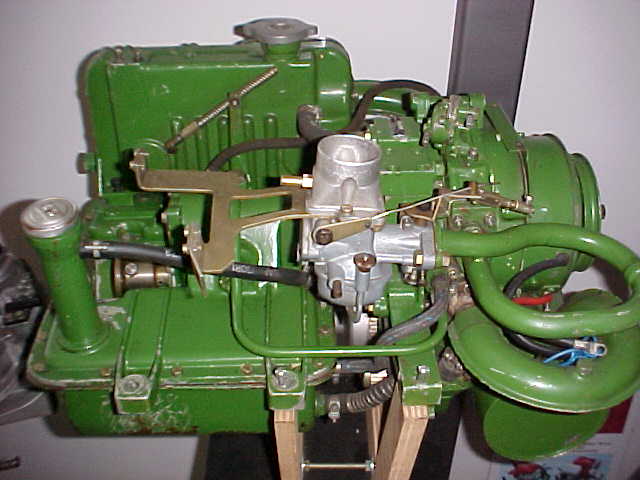
carburettors and fuel injection, however the importance of carby heat
seems to
get ignored and I haven't noticed any provision for it on any of the
installations I have seen here. Are rotaries immune from carby ice, or
have i
missed something?
John Evans
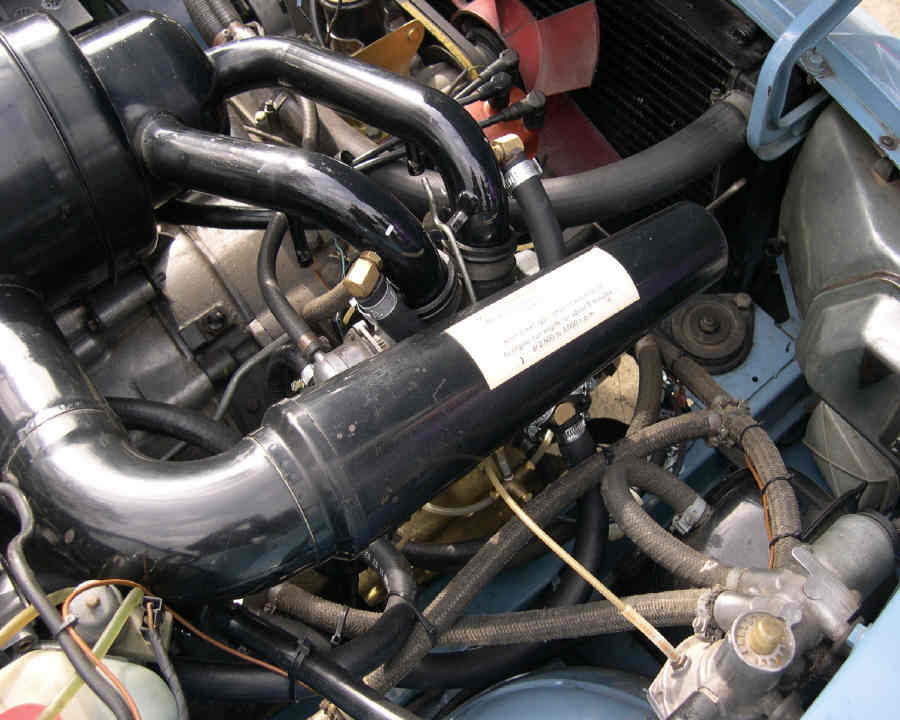
The FAA will not sign off on a AC carb here in the U.S. unless it has
carb heat.
I have never brothered to draw something up as it is quite simple
to copy certified aircraft carb heat designs. God knows we have plenty
of exhaust heat to work with :)
Paul Lamar
Not sure that is true. Just looked at an RV-12 -- no carb heat on the
Rotax 912S.
Joe Spelz
That is dangerous. I am not familiar with that engine.
It could be hidden. Due to evaporation of fuel the AC intake
manifolds generally run ice cold.
Paul Lamar
In my experience with Rotax 912/912S (about 3000hrs) the only time
ice was
an issue was in the first five minutes of running, on the first
flight of
the day, in temperatures slightly above freezing. Once the engine had
warmed
up, the heat rising up off the engine into the manifold and carbs seemed
to
stop the carbs from icing. I can not recall ever experiencing icing with
these engines in the air. Of course I am not advocating not having carb
heat
and not testing for its correct operation before every flight.
John
I assume the carb is on top of the engine while the typical
ac engine the carb is on the bottom. Heat rises.
Paul Lamar
Correct, twin carbs on top.
John
In that case we may not need carb heat with this design.
I still doubt however the FAA inspector will accept it with
out what looks like carb heat.
Paul Lamar
Hey Paul,
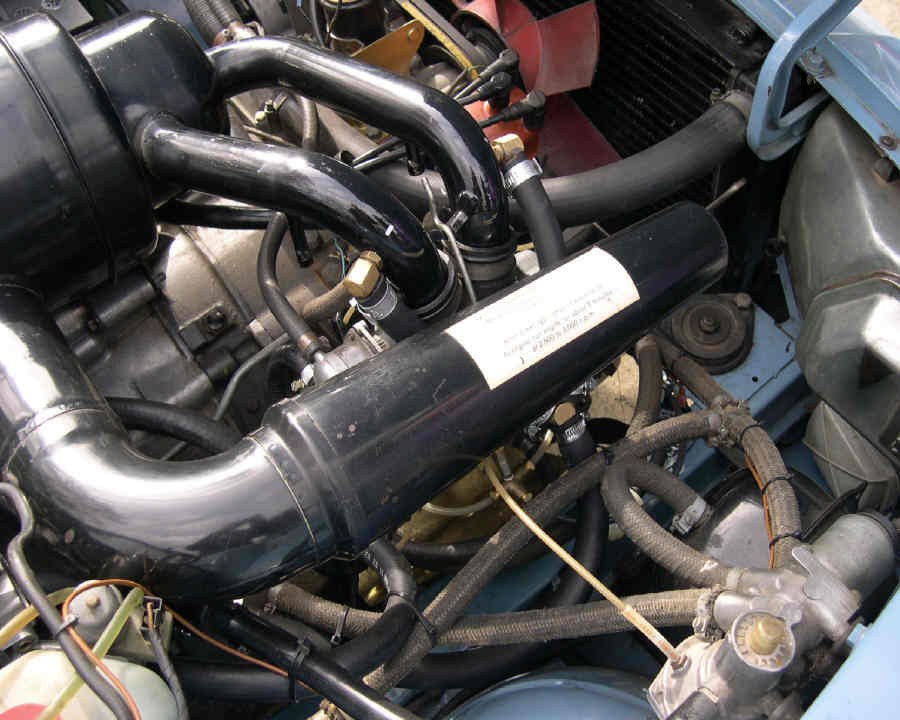
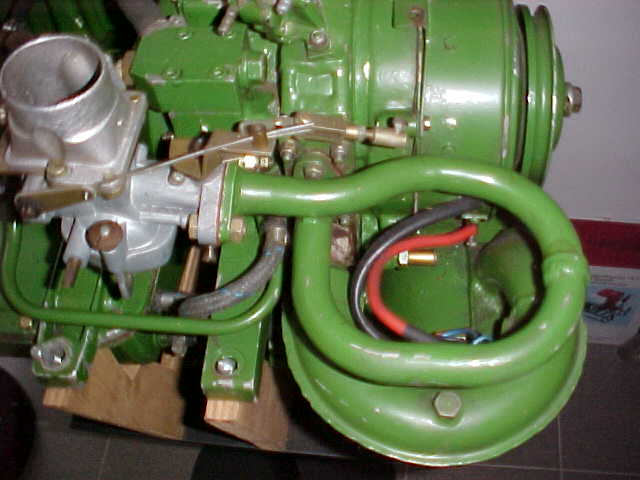
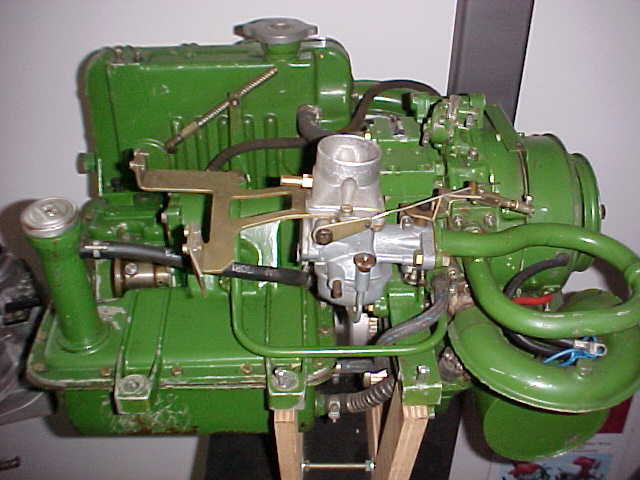
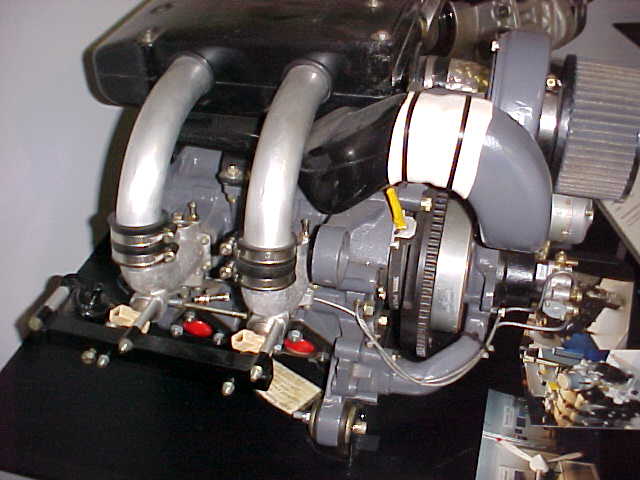
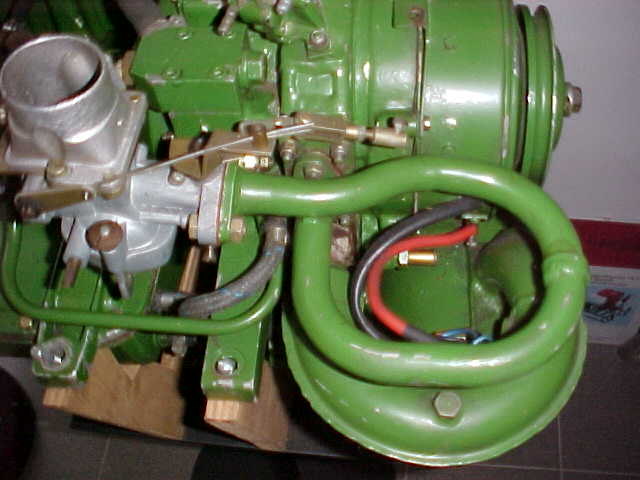
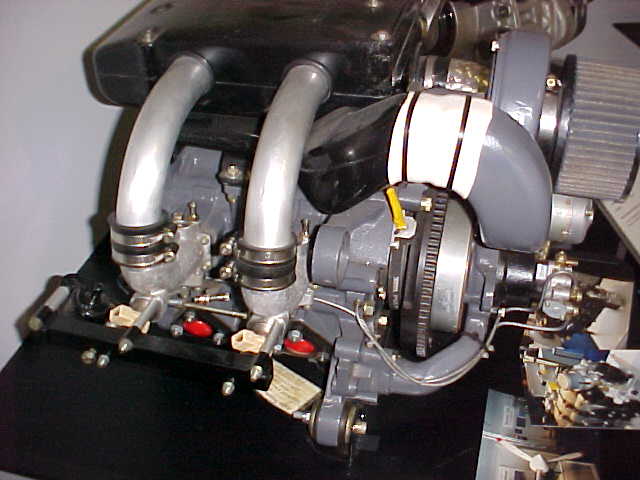
Did you make all the pretty models? What's with all the bends man? Are
you trying to tune the intake with a specific length of tube maybe?
Why don't you come straight off the ports and connect to a plenum. Drop
the carb directly on top of the plenum. Maybe use a bellmouth where the
tube joins the plenum. Less tube and less bends equals less flow
restriction. Less bends equals less turbulent flow.
Mark LaPierre
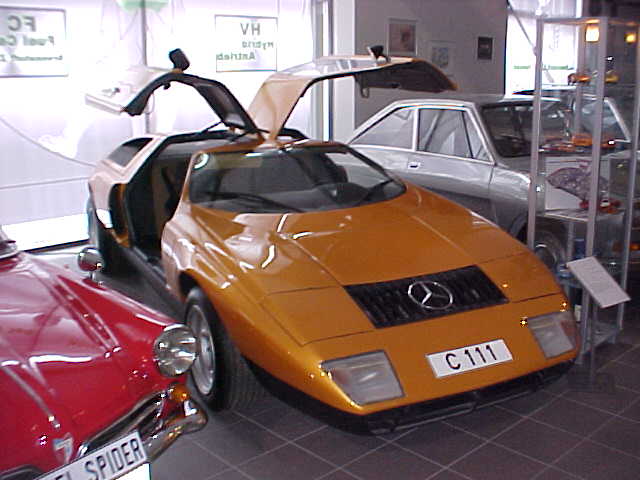
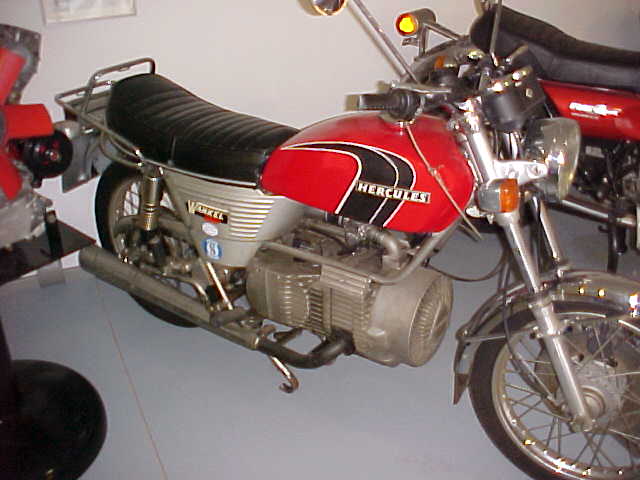
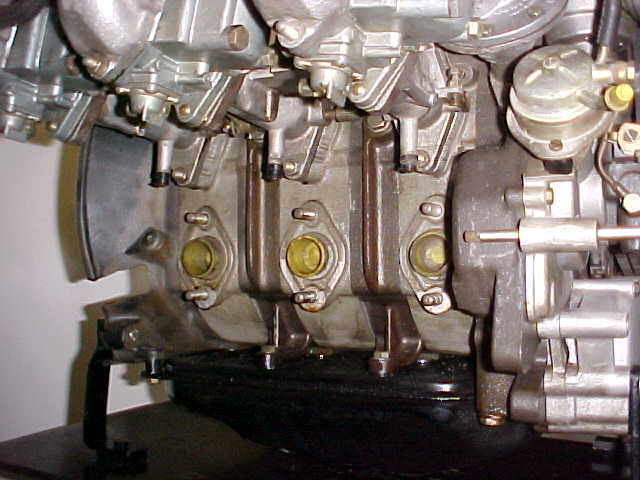
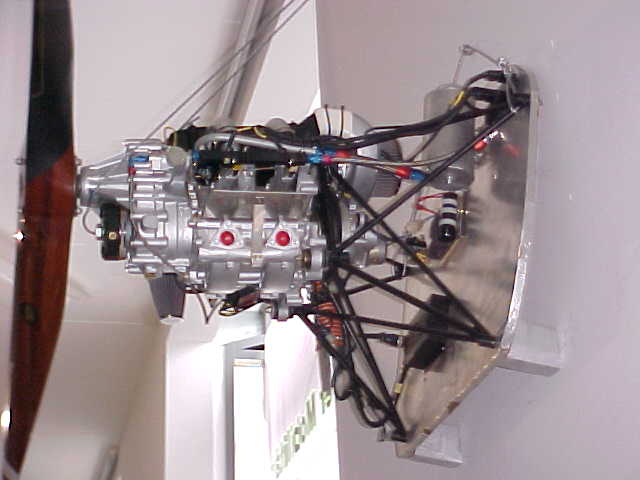
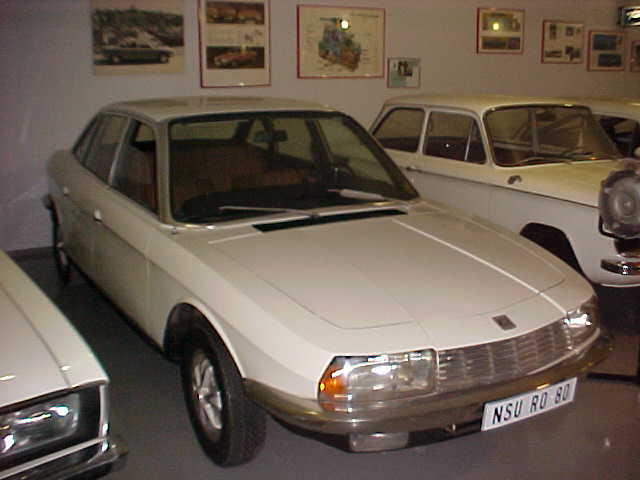
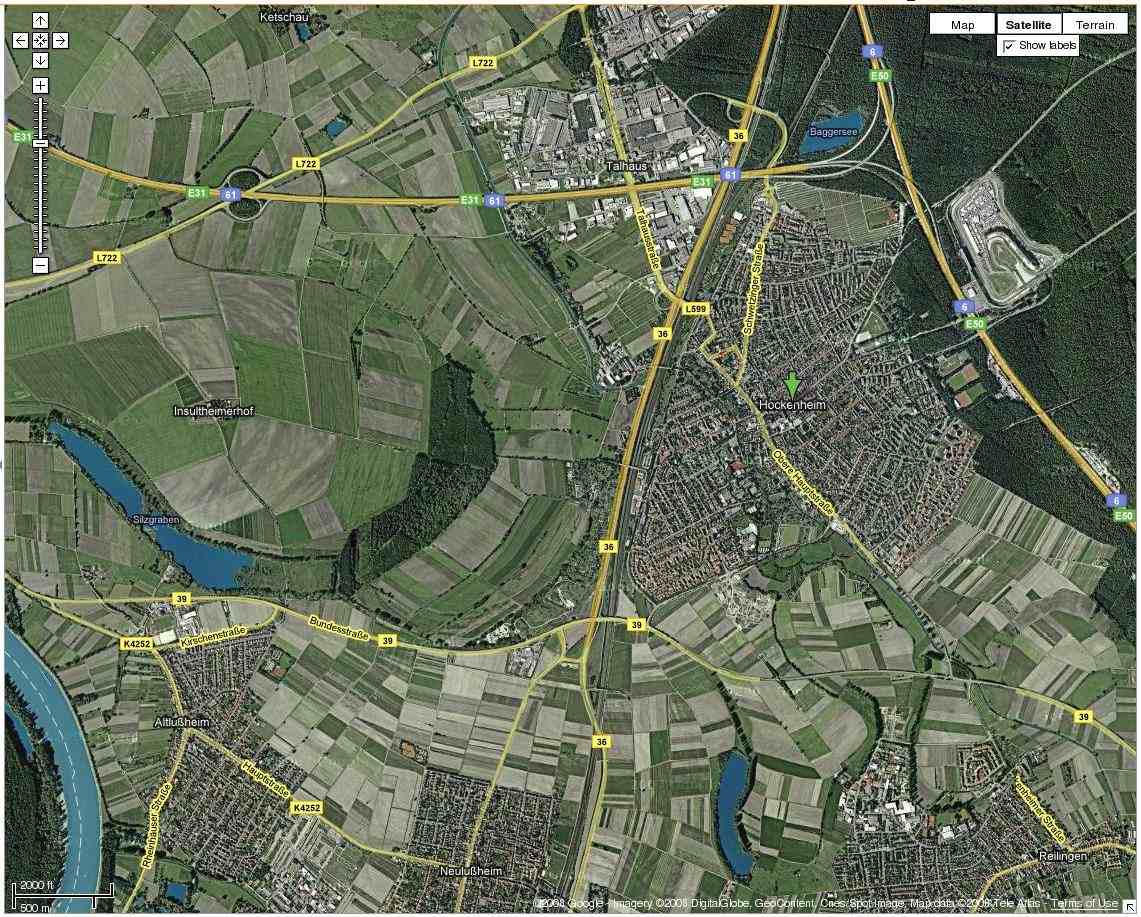
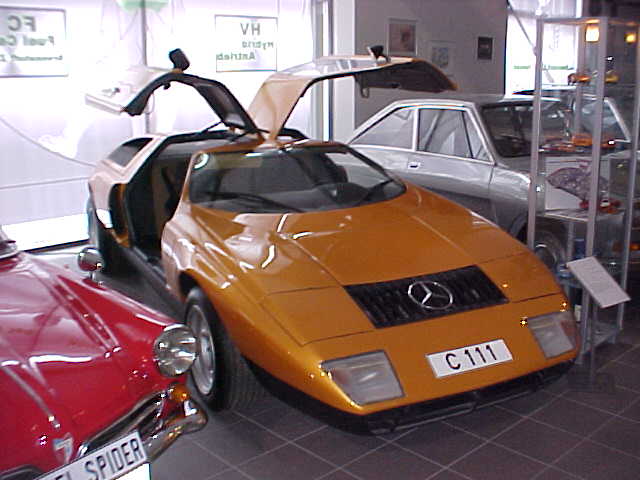
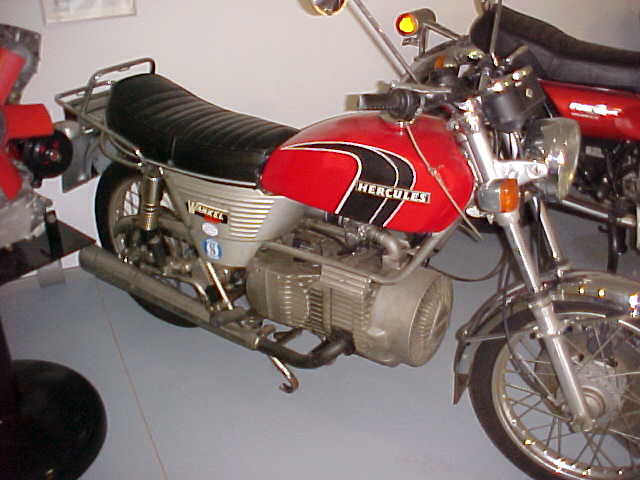
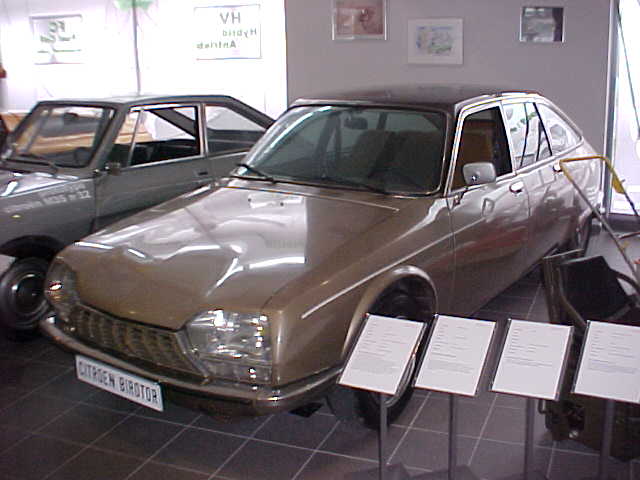
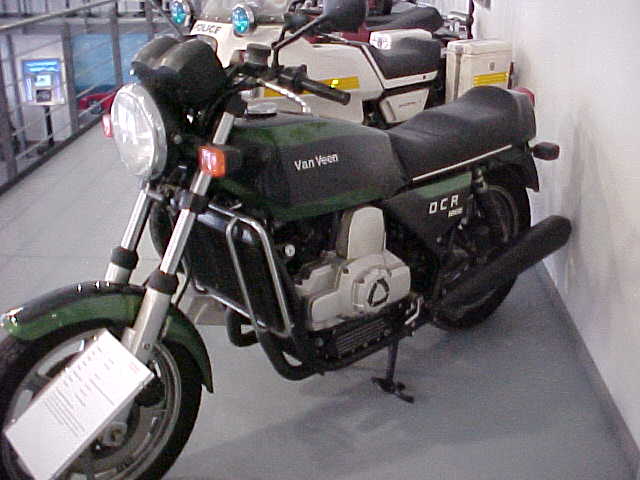
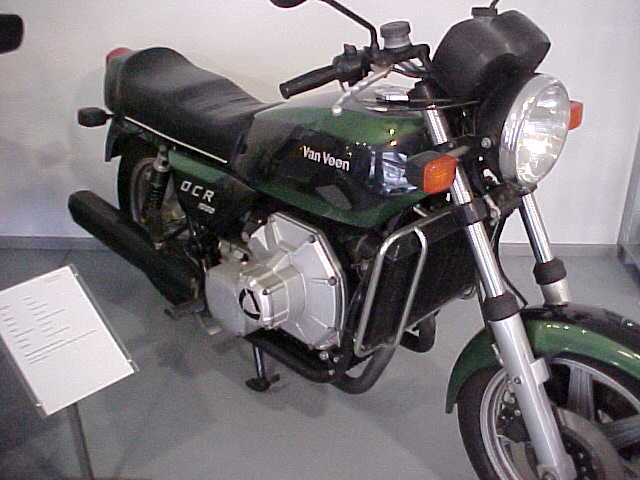
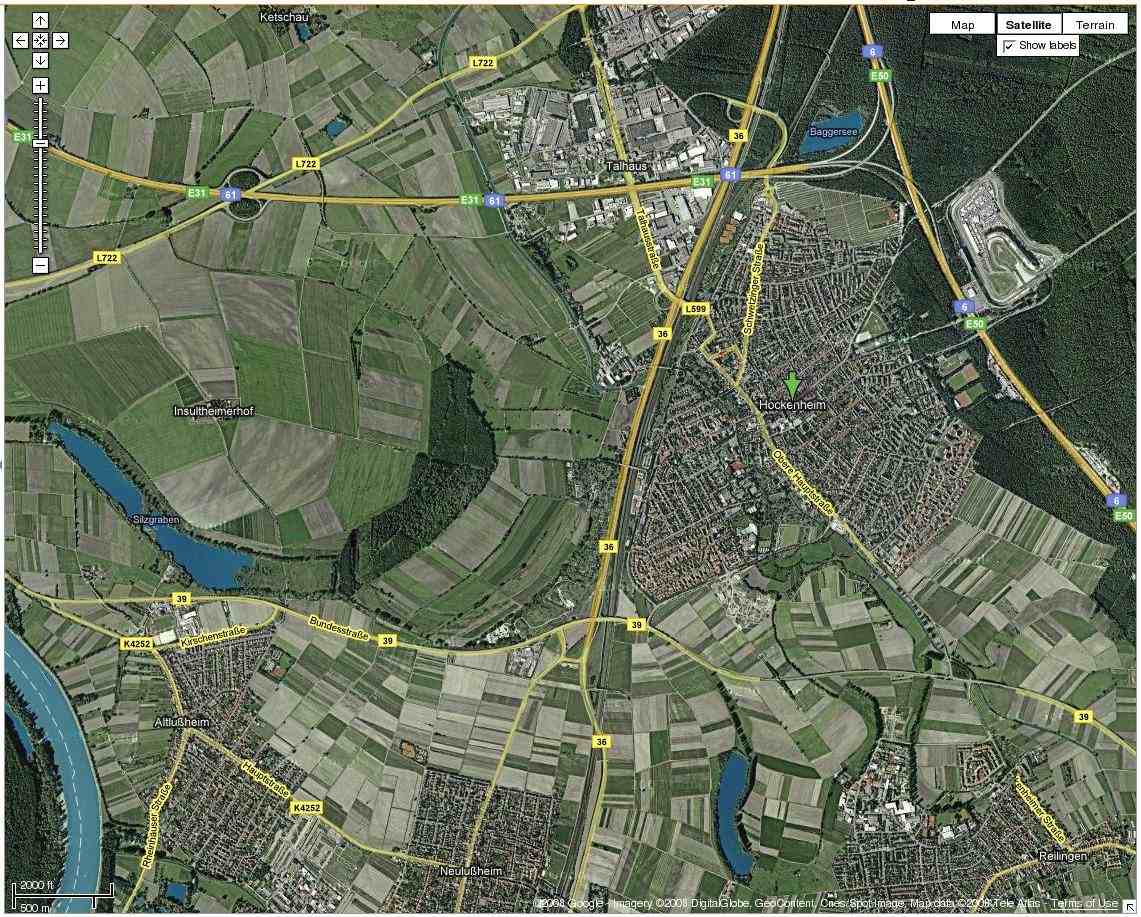
Yes of course. Nothing new. Have you ever been to the Wankel
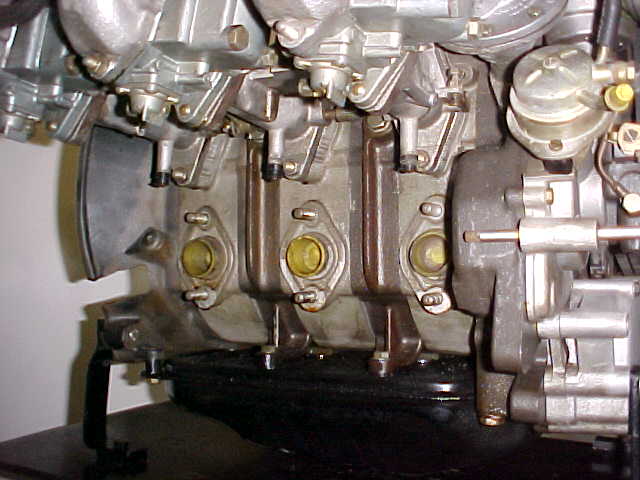
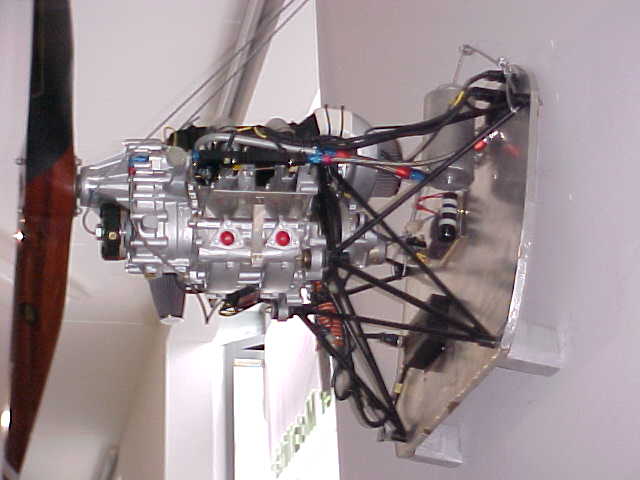
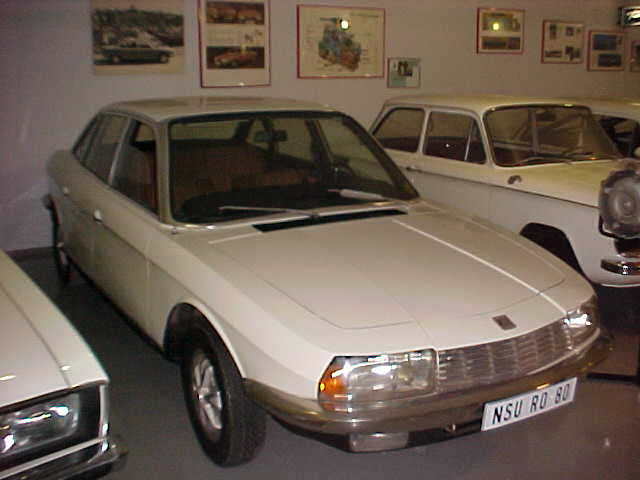
museum in Altlussheim de? The NSU RO 80 had tuned intake runners.
That is how we get 250 HP at 7500 RPM. The RX8 has variable
length tuned runners in stages.
We cannot use straight because there is not enough room under
the average cowl for the required 22 inches runner length.
Paul Lamar
--
The Rotary Engine NewsLetter. Powered by Linux.
ACRE NL web site.
http://www.rotaryeng.net
Youtube key word PaulLamar2
Copyright 1998-2010 All world wide rights reserved.