Dear Sir,
Can you gentlemen fabricate cross counter flow heat
exchangers for internal combustion engines?
Thank you for your time.
Paul Lamar
Editor
Dear Paul
We have the ability to produce a wide range of coolers to specific size
and design, do you have a drawing of the cooler you require?
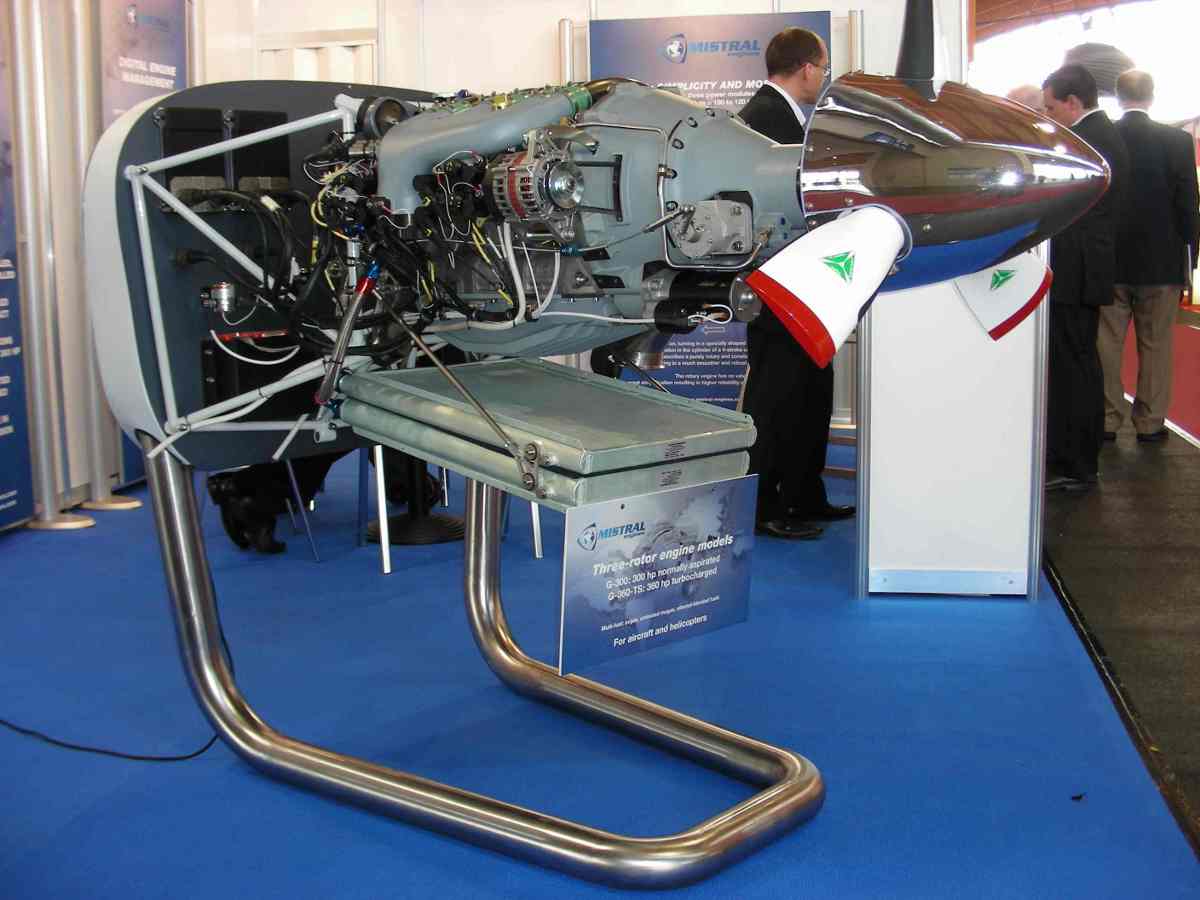
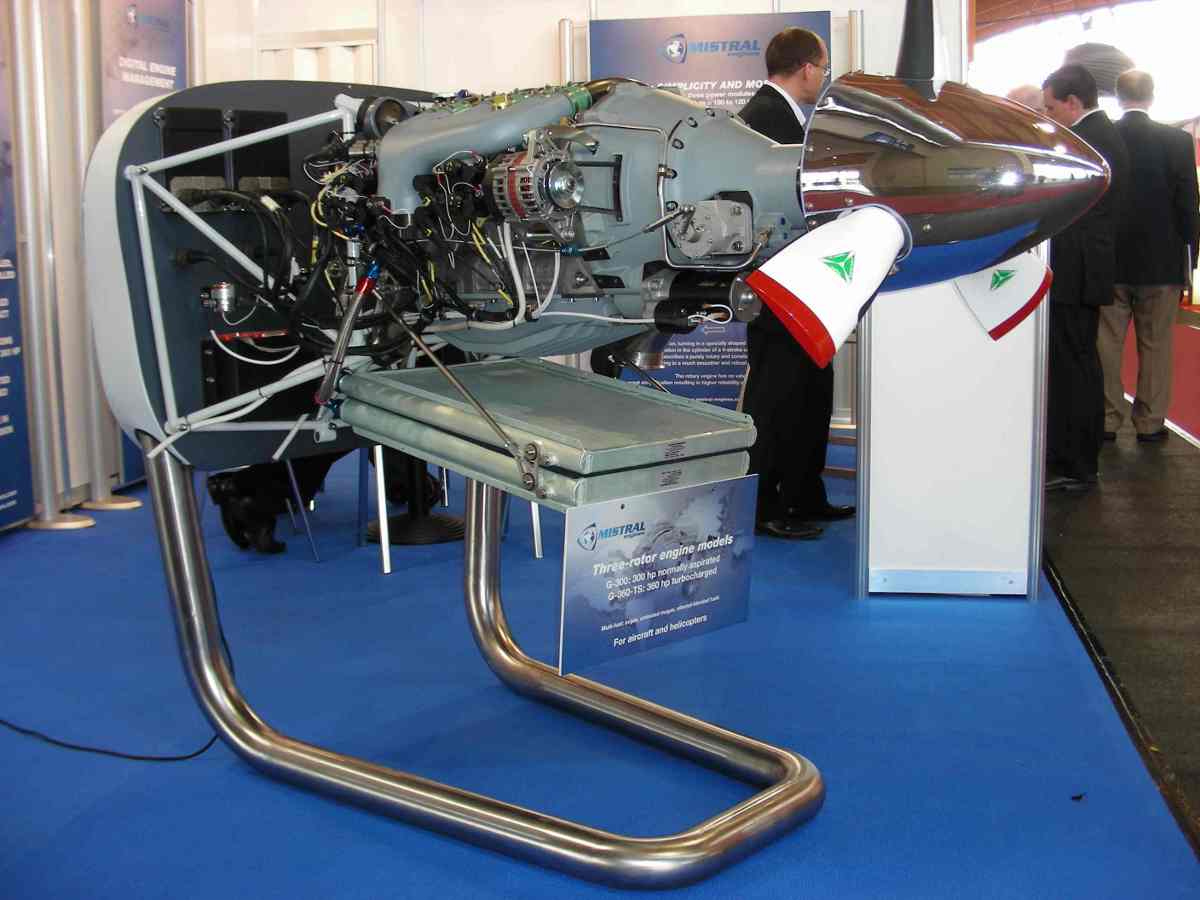
Please find attached a photograph oh the Mistral engine with our water
and oil coolers.
Kind regards Mel Johnson
Engineering Director
Docking Engineering.
mel.johnson@dockingengineering.com
Paul,
Wow,! Did it cool well? This is the identical mounting config. I was going
to use but only for the water heat exchanger. That picture contradicts a lot
of assumptions I have had about cooling. Why warm up the air with the oil
cooler before sending it into the water cooler? Notice both heat exchangers are
one pass side to side.
Doug in Japan
That picture was taken at Aero in 2009.
They never got a chance to fly it.
Here is the last configuration that flew in 2010. It did not cool
because the air was coming in from the bottom and the back exit side of
the oil rad was blocked by the oil pan. Page 46 and 47 in my book.
I was helping them with a fix when the lights went out.
On this flight configuration the oil cooler got the hot air from the
rad. In other words the oil cooler was on the top and not the
bottom while the Aero non flown configuration was the opposite and
would have worked better if the air was brought in from the
top of the cores and allowed to exit straight down through
the oil cooler.
The mistake was based on the erroneous assumption that pointy
cowls are significantly better than blunt cowls.
Question for you. Why is the oil cooler the same size as the water
rad?
Paul Lamar
Paul,
Yes, I see what you are saying about the configurations. The answer to your
question of why the heat exchanger are the same size is easy! Because they
are cheaper to make. Only half kidding:) Performance wise it is because of
the balanced air flow through it, and the low delta T the oil X-changer
experiences (if the x-changers are flipped in position) will require more
surface area and a lower oil flow velocity to work satisfactory. Oil pressure
within the unit will be lower as well which might be a good thing for an
untested design.
If if works, fine. Me, I would take that same space and divide it up
differently. I would rather pick up a proven oil cooler that has a known
track record. Setrab, Modine, etc. For instance I'd put a 3 inch thick by 5
inch wide by 20" long standard dual pass oil X-changer next to your proposed 3
" thick RCF design and have the best of both worlds. Connection are also in
back. Installed both together they would be about 22 inches wide. Enough to fit
in my planned 24 inch wide cowl. I may need a slight turbo bulge and a shoe
horn to fit everything else in though. Intercooler and rammed air scoop on top
sticks up a wee bit over the standard front cowl height.
Doug in Japan
See the last message about cooling drag.
Paul Lamar
--
The Rotary Engine NewsLetter. Powered by Linux.
ACRE NL web site.
http://www.rotaryeng.net
Youtube key word PaulLamar2
Copyright 1998-2010 All world wide rights reserved.