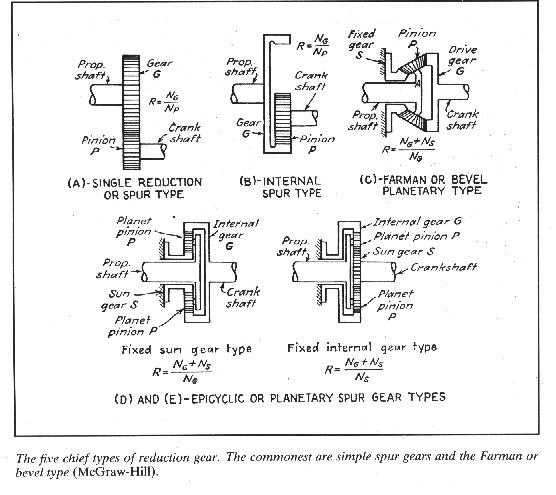
Why is it in these recent exchanges relating to design of planetary
reduction units there appears to be no testing of assumptions or
presentation of comparative merits of straight-cut planetary gear sets versus
the clearly mechanically inferior, but indeed cheaper,helical cut versions?
Steve Beckham
It all has to do with line contact length.
The gear life is a function of this contact length
as that is where the compressive stresses are
the highest in any gear set. These compressive stresses
result in minute deflection within the line contact
area which leads to fatigue surface failure of the
gear tooth called spalling.
http://www.machinerylubrication.com/Read/664/wear-bearings-gears
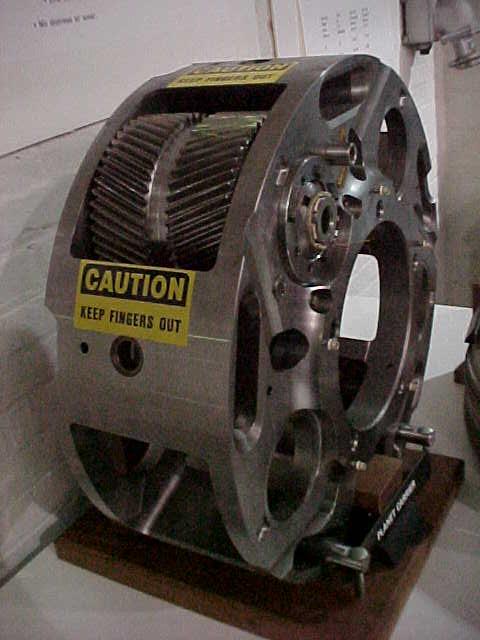
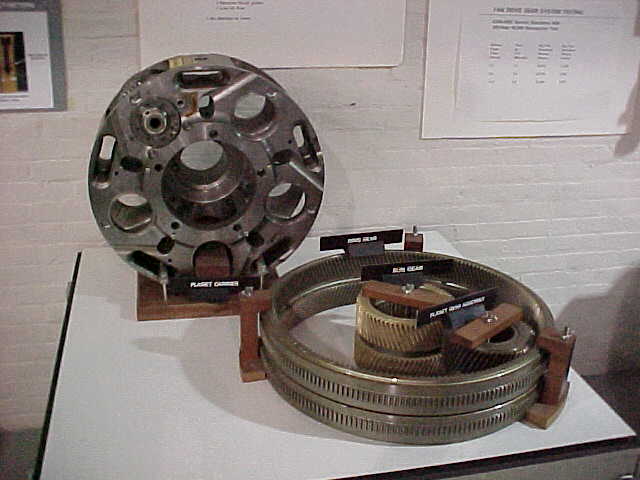
A six pinion planetary has six times the line contact
length of a spur gear of the same width. There is an optimum
width to diameter ratio that also enters into the equation.
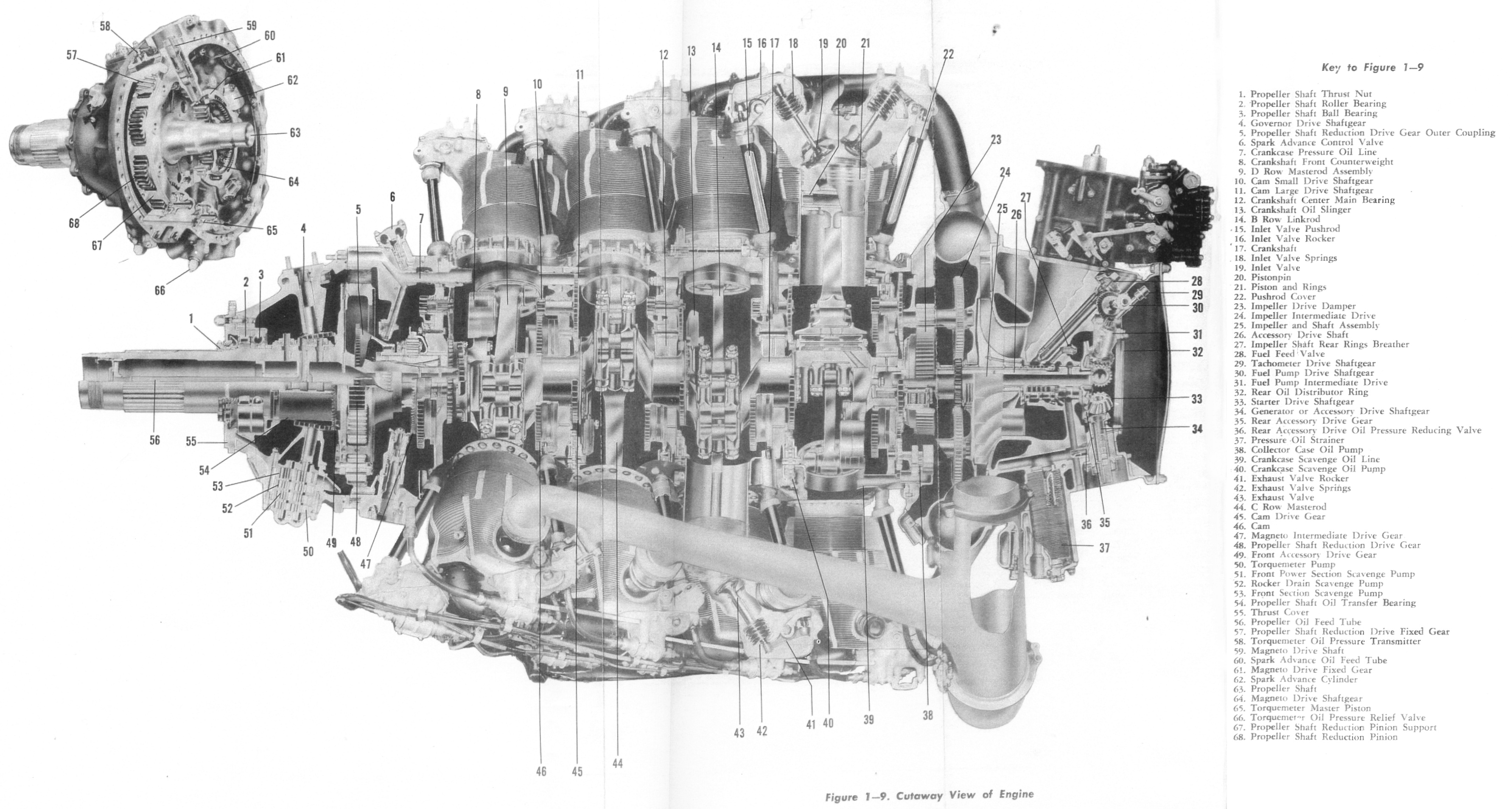
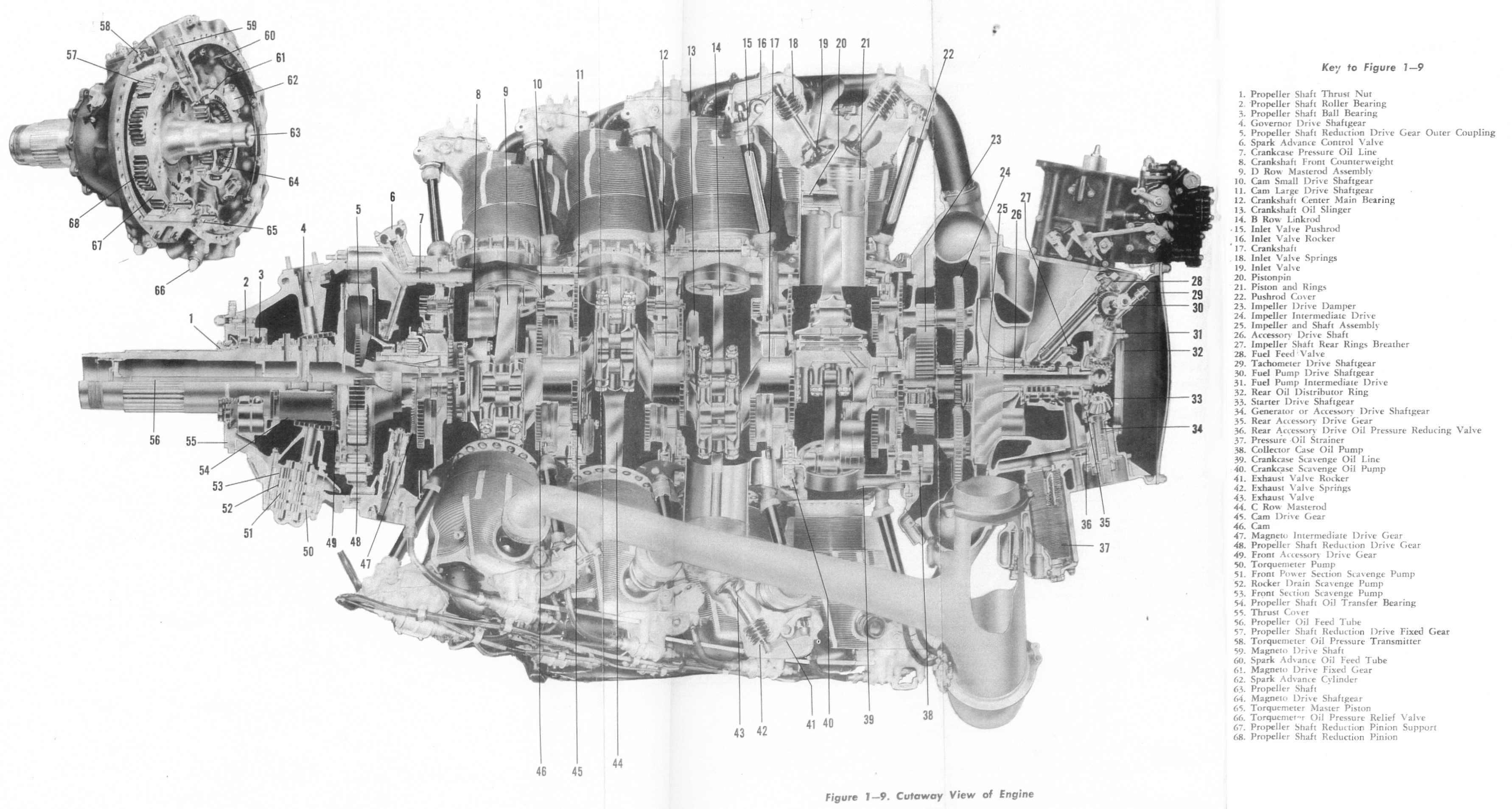
The R3350 had no less than 18 pinions.
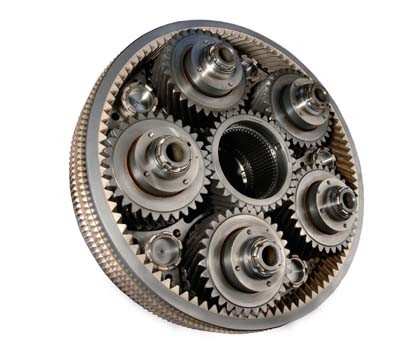
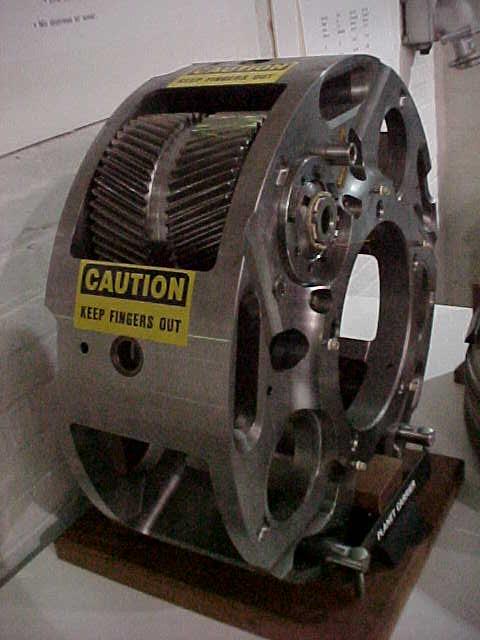
The Ford set weighs 8 pounds yet transmits 650 ft pounds in
the Power Stroke Diesel engine. The mass produced
cost is about $100.
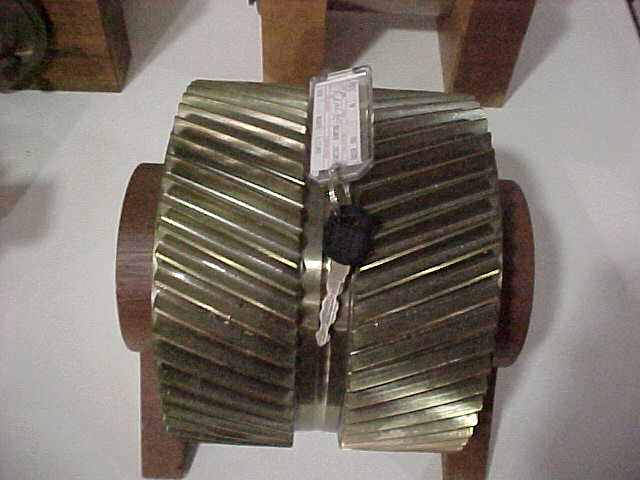
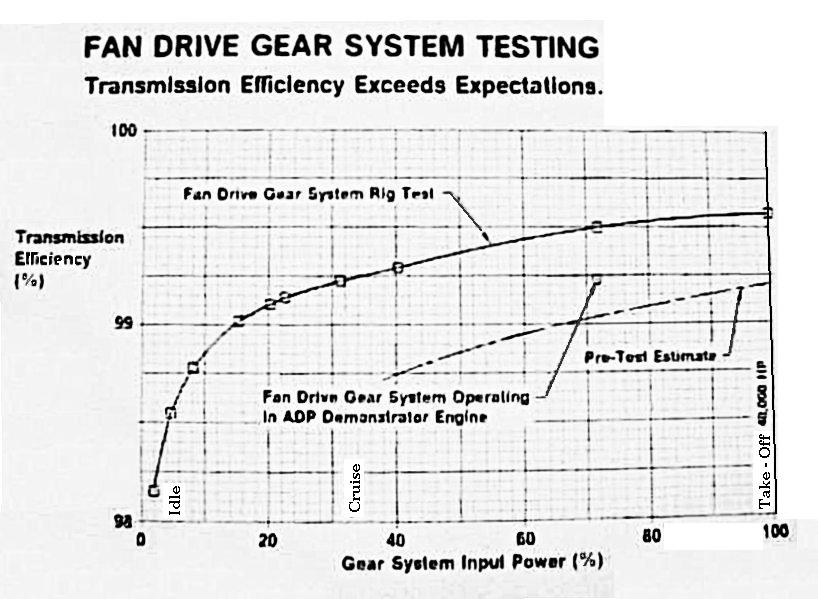
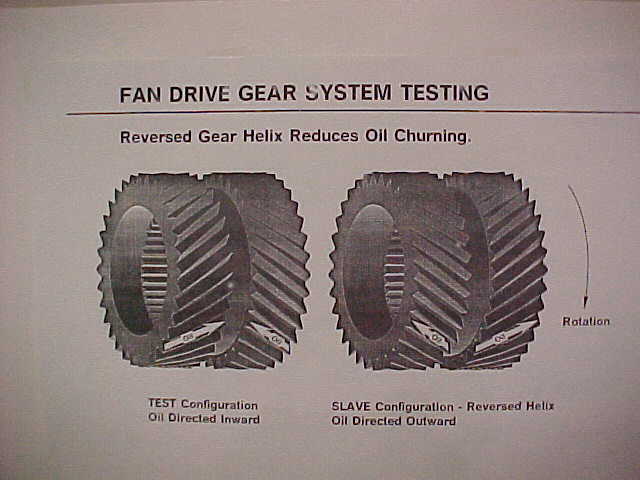
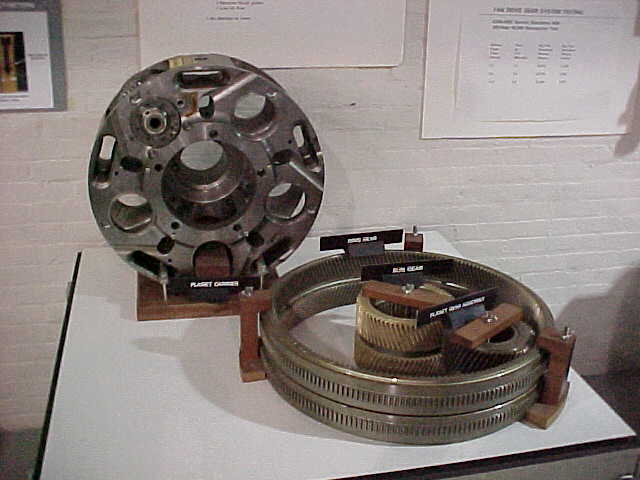
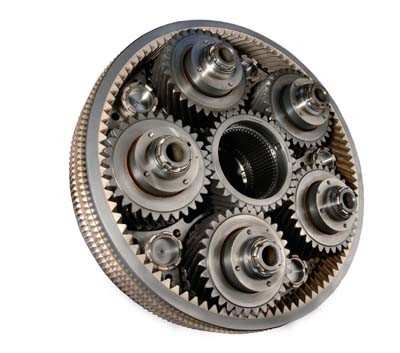
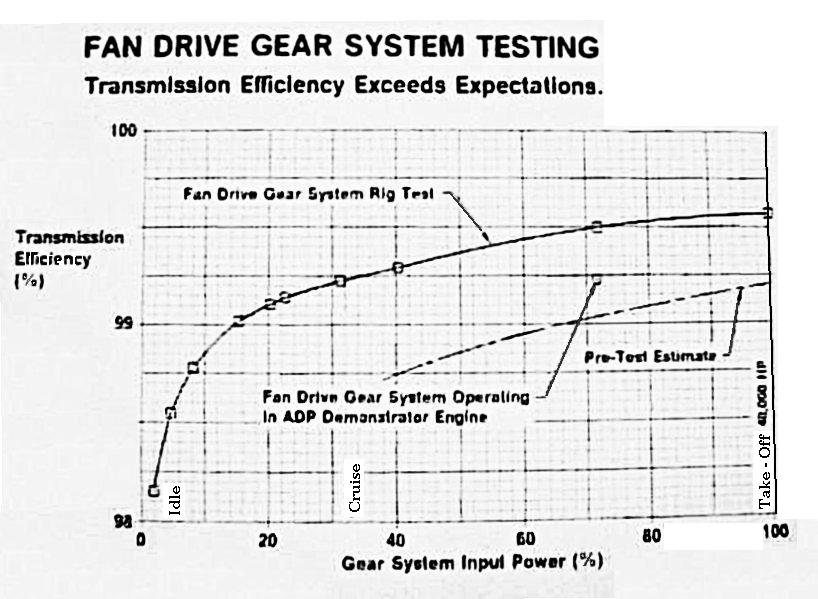
This P&W set transmits 50,000 HP in a geared turbo fan
application.
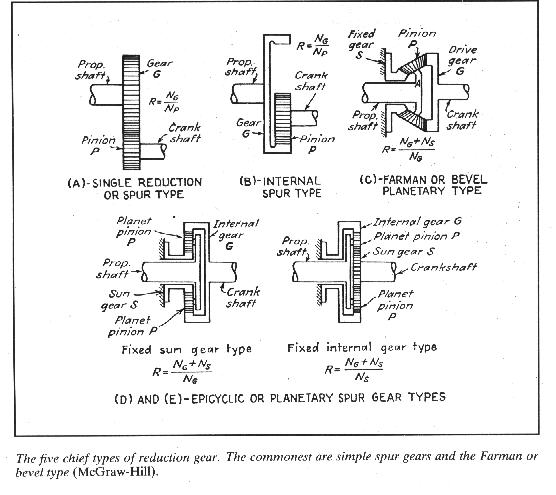
Planetaries have been used in aircraft engines from
the get go as that results in the lowest weight design.
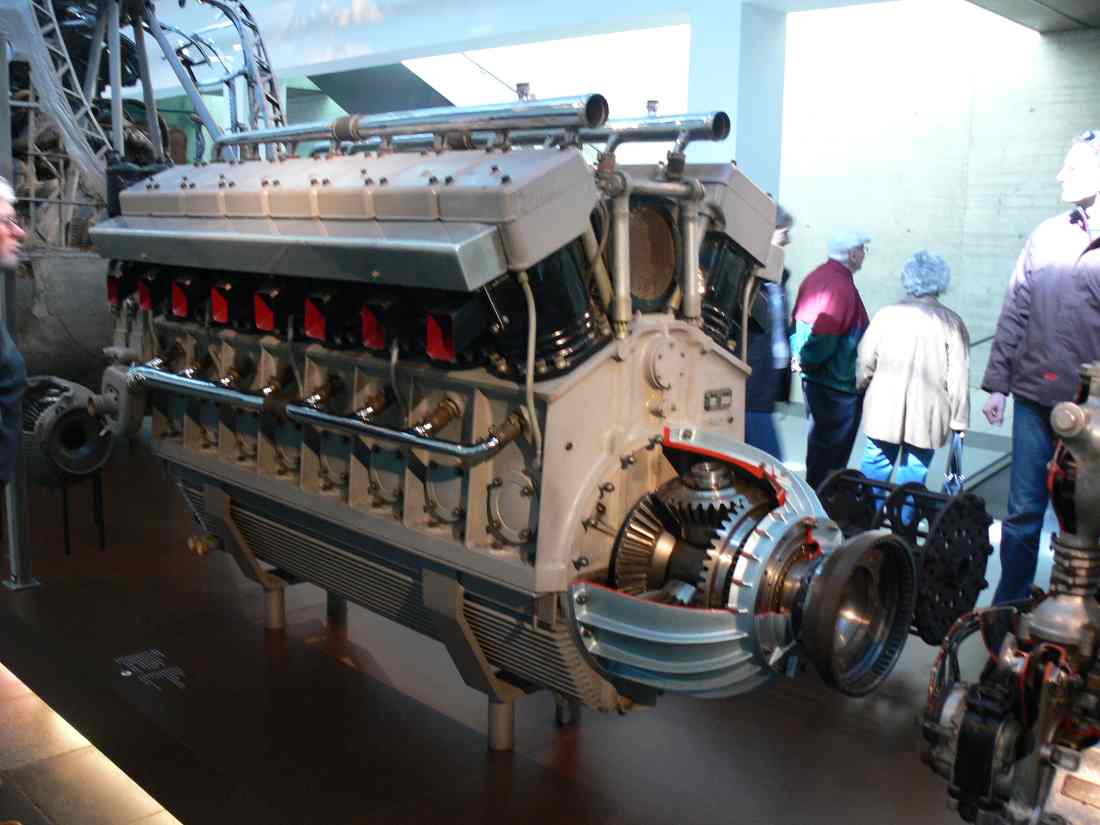
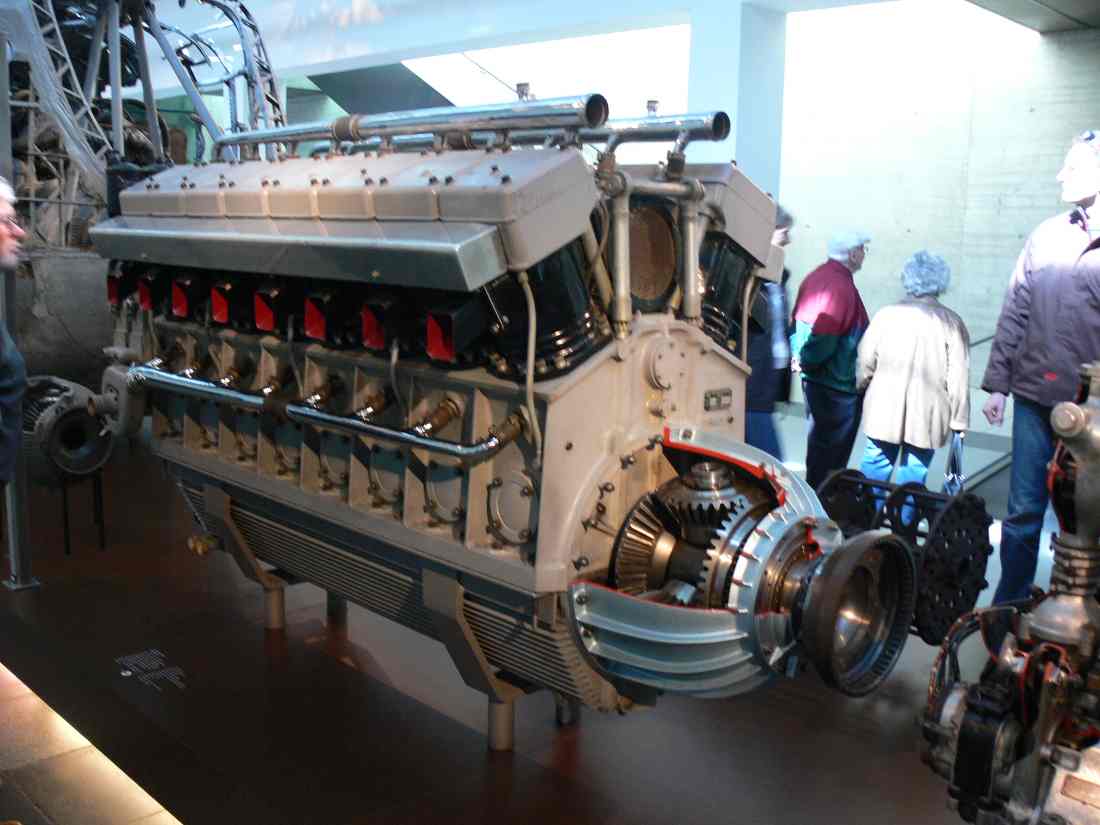
Many were bevel plantaries as in this Zepplin engine.
Spur gears have only been used in inline engines (mostly V12s)
to raise the thrust line (P51) or to allow a cannon to shoot through the
hollow prop shaft (ME109).
Paul Lamar
--
The Rotary Engine NewsLetter. Powered by Linux.
ACRE NL web site.
http://www.rotaryeng.net
Youtube key word PaulLamar2
Copyright 1998-2010 All world wide rights reserved.