Paul
I've been thinking about building a 3 rotor P-port, and some of the
sealing
techniques used around the
intake tube. I know you have suggested epoxys in the past but what
about using
lead or tin?
fairly easy to melt and will easily handle the heat. My thought was
to clamp a
steel plate to one side of the rotor housing
fill the water jacket up with lead or tin then mill the hole in the
rotor
housing for the P-port. Has anyone suggested that yet?
I think body shops have been doing that for years to fix panels on cars.
Tony
We finally have a reliable system that works and easily repaired after
a couple of years of trial and error AKA R&D :)
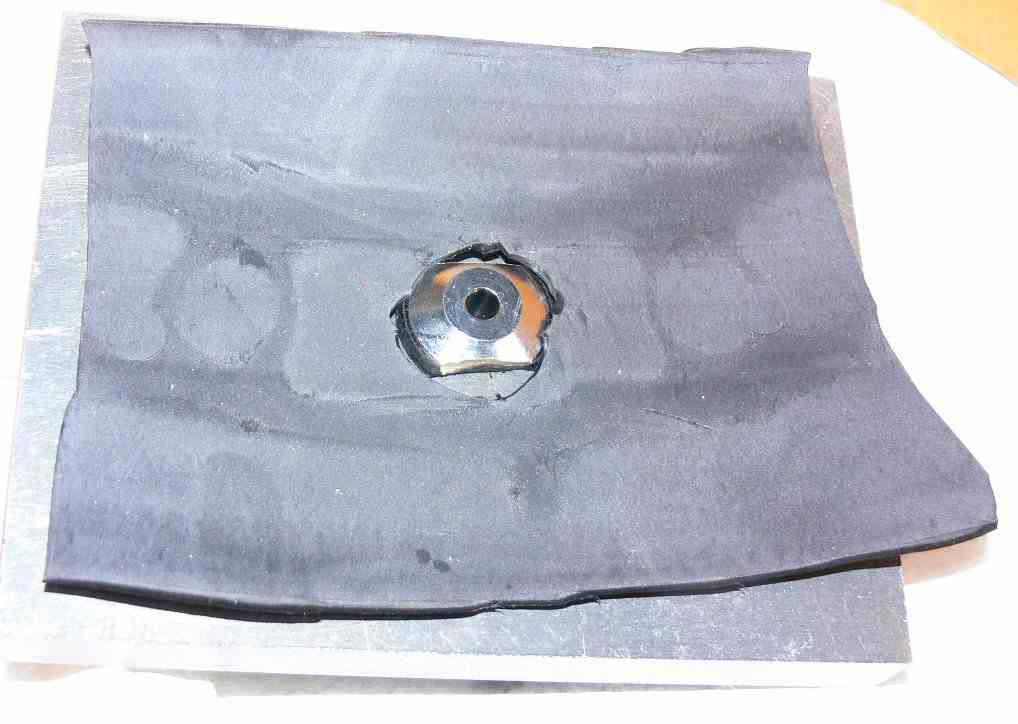
We don't really use epoxy anymore. We tig weld a SS tube to
the steel rotor liner. Pin hole leaks are sealed with liquid
silicone rubber.
http://www.rotaryeng.net/Welded-steel-p-port.html
We also have a youtube video or two on the subject.
See the attached pdf for a list.
There is no reason for the tin or lead to bond to the aluminum
so you would probably wind up with leaks.
Paul Lamar
P.S. Darn I forgot the attachments.
Here they are.
Paul Lamar
There are alloys used to sweat dissimilar metals together, along with
fluxes to clear oxides from the surfaces. Temps range between 350 to
1200f depending on metal types to be joined. --
http://www.muggyweld.com/index2.html
I am going to try this method when I do my P ports, both with the
stainless tube, and aluminum tube. A benefit may be eliminating any
silicone sealants required.
Although I can tig the stainless tube to the housing myself, I am not
certain it will be successful after the hard chrome gets melted and
mixed with the stainless on the liner, as I am not sure what the outcome
has been with this phase of the project.
Ed Carver
Mark Steitle has been flying for awhile with welded p-ports.
We have 4,400 hits around the world for almost a year
and no nay sayers yet :)
http://www.youtube.com/watch?v=NKJ00JsnS8A
Hard to guess how many have been built.
We only resort to the silicone if you find a leak
after the engine is assembled. It is rather
easy to check for leakage if you do this.
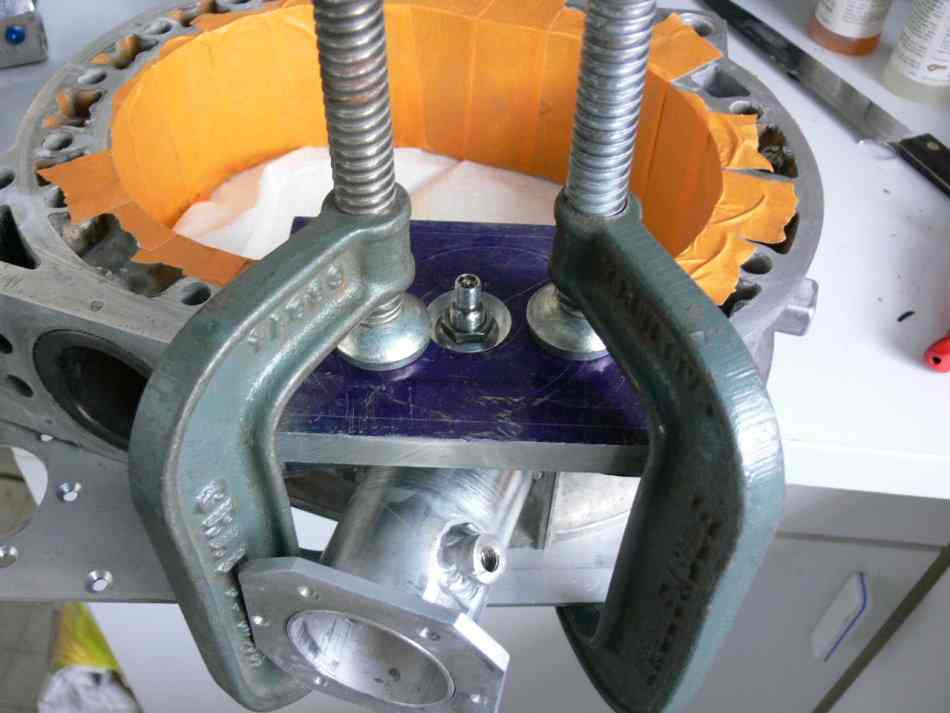
I have probably close to several hundred hours fooling
around trying to bond in p-ports. One engine developed leaks
after it ran and I had to drive half way to Denver to pick it up,
take it home, disassemble it and start over.
It can be done if you do everything exactly right and use just the
right procedures and materials. Aluminum is hard to bond to
as it develops an oxide coating that epoxy does not stick to
rather quickly when exposed to air. We discovered this
back in the 1960's when we tried to build bonded aluminum
monocoque race car chassis's at Chaparral.
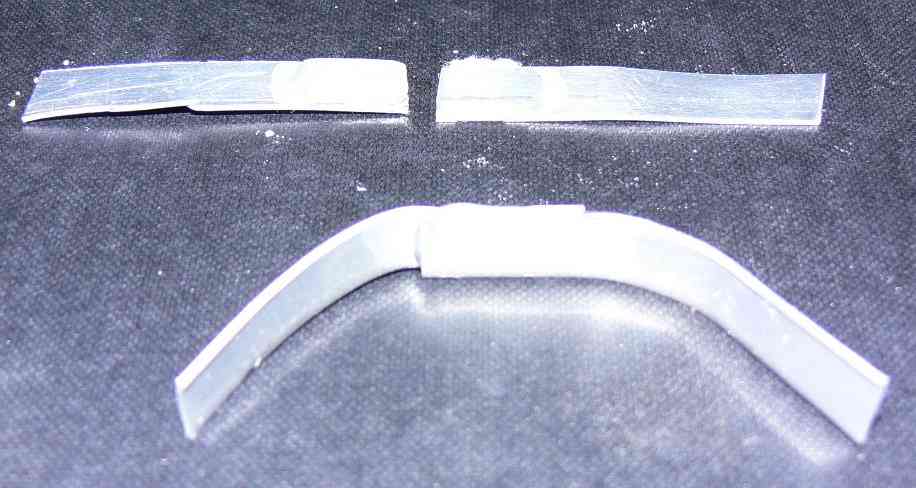
Here is an eye opening little test.
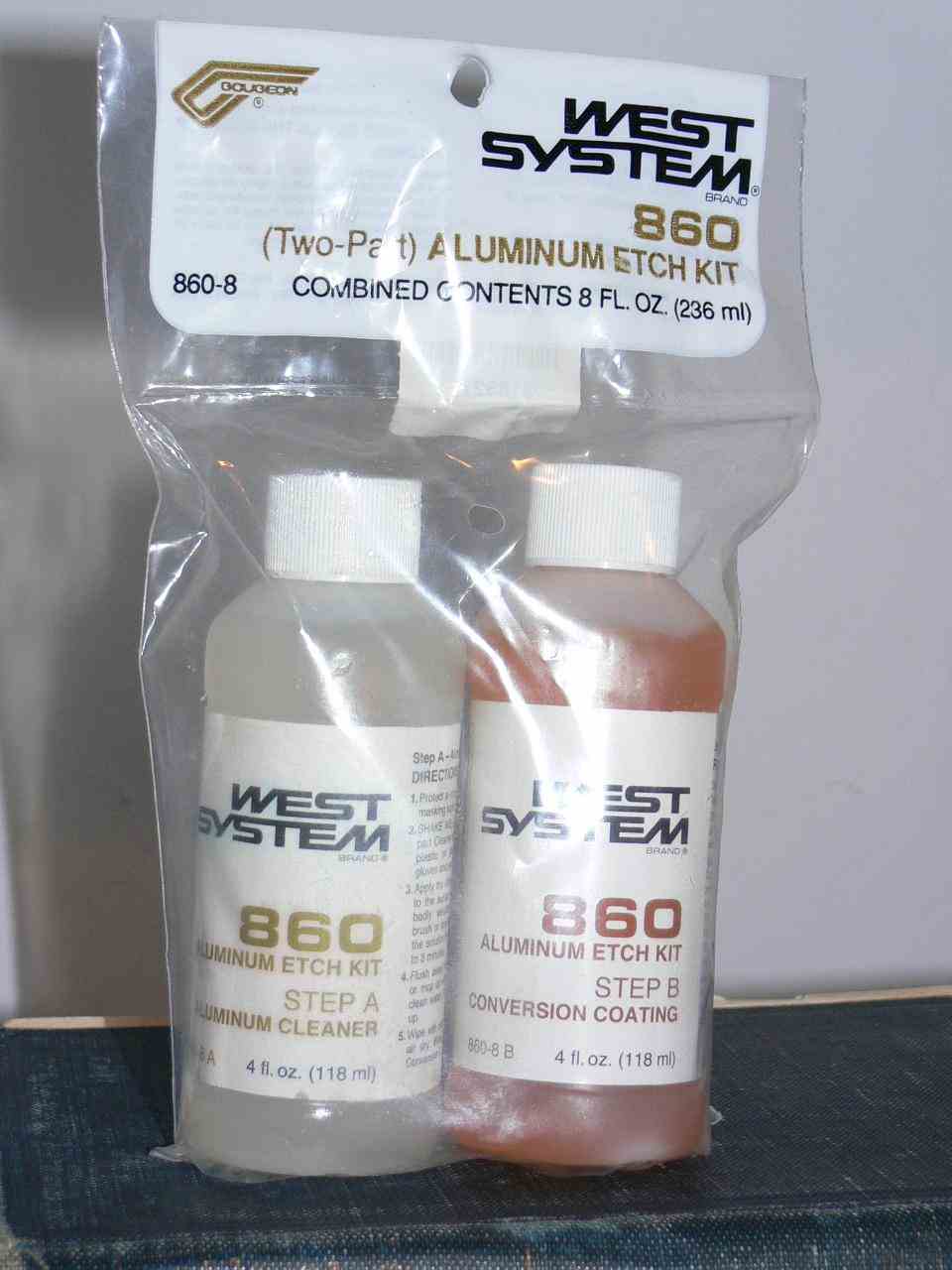
Take four small strips of aluminum. Bond two to together with
epoxy. Treat the next two with an aluminum prep kit and
bond them together. Now try to bend them both after cure.
Paul Lamar
--
The Rotary Engine NewsLetter. Powered by Linux.
ACRE NL web site.
http://www.rotaryeng.net
Youtube key word PaulLamar2
Copyright 1998-2010 All world wide rights reserved.