Hi there, I live in Ca and I suppose you live around my neck of the
woods, I am up in Sonora, closest airport is Columbia.
I read your article on the Fuel Injection installation on your rotary
engine website with big interest.
I have a VariEze, that I just love, it is very efficient.
I understand that Klaus S, have a similiar system for sale.
I want however a sequential Fuel injection system, and he claims that
his system is not sequential.
I don't know about rotarys, but in piston engines (I have an O-200), the
efficiancy will go up if you use a sequential FI system.
Soooo...looking at your plans on how to build one, I looked and looked
and finally I decided that the system you are proposing is a very good
system, and it can be made sequential.
The key question here is basically, the function of the 555 chip.
In order for this to work, the 555 chip has to open and close ONES per
command (Per trigger) .
I looked at the system, and can conclude that all the indication systems
can be common, intake pressure probe, etc.
The only difference actually is that there has to be four triggers,
instead of one. One for each cylinder, (I know, some more sophisticated
systems just have one camshaft sensor, but that means I have to ad a
timer clock, and it will start to be complicated in that way, I want to
keep it as simple as possible, and have four trigger points is not that
hard.
The whole question that will make or fail this project is the way the
TLC 555 chip works.
Can you please tell me how it behave once it is triggered, will it start
pulsing, for a while, (on and off) according to the internal clock, and
stop after a while...or will the TLC 555 shoot ONCE, after each time it
is triggered?
Reason I am asking is that a batch fired system , doesnt really matter
that much, the injector can sit and pulse, , and shoot fuel per the
pulses it recieves, no matter if the intake valve is open or not.
That, ( in a piston engine....and I assume also in a Rotary engine) will
lower the efficiency of the engine, as fuel will be delivered
differently for each stroke.
Some intake strokes, will get a little bit, and when the valve closes,
the injector squirts a bit more, and when the valve opens next time, it
squirts again, and now the engine is sucking in the previous fuel, plus
the fuel it is currently delivering.
So, some strokes will run lean, some is just right, and some is rich.
Therefore, if I want to build a FI system I want to build the most
efficient I can do ( Direct fuel injection will be a bit too much
problem to handle though, so on that I will pass) , and the best I can
build would be a sequential FI system.
We will run into another problem here, I will need bigger injectors, as
a batch fired system have no time restriction on its fuel delivery, ,
but a sequential system has to deliver all the needed fuel in a quarter
of the time. ( Intake stroke, or the time when the intake valve is
open.....it actually has a little bit shorter time to accomplish this
in, as you can not start spraying in fuel, just as the intake valve
opens, you have still pressure in the cylinder, and the full effect of
the overlap has not starting to take effect just yet.)
So I have about one fifth of the time to deliver allo the fuel I need.
Now, as I understand, the size of the injectors doesnt really matter,
this system can handle it all pretty good, and actually run the
injectors straight.
You seem to have already been doing this a little bit, and maybe can
come up with some general advice on this, but my main question is if the
TLC 555 chip will trigger once and give one pulse, or if it will
continue to pulse, after each time it is triggered?
Also, I live up in the boondocks, and the only thing around here is
Radio Shack, and they don't have much, are there a good electronic
retailer around where I can stock up on all the things needed around
here, ( lets say Stockton, Manteca, Modesto or thereabout)
I saw from the photos on the website, that you have some goodies, and
have made a really good set up, circuit boards, good fitting heat sinks,
and everything, did you do them yourself, or do you have a bunch
produced, ( for sale) .
I would appreciate to hear from you, and kick some ideas with you.
Roger Isaksson
http://www.rotaryeng.net/simple-cheap-555.html
I am not sure our approach will work as we have not tested it yet.
At 7500 RPM one only has about 8 milliseconds to work with for one
RPM. We are about to test it in the next six months unless something
more important comes up. I am am not sure how Klaus is doing it.
DigiKey or Mouser both give fast service on mail orders.
http://search.digikey.com
We also don't have any parts for sale just yet but you are welcome
to use our art work to build your own PC boards.
Frankly I am not sure timed is the way to go. I am about to instrument
and test another EFI system already sold for use in rotary aircraft
engines and will know more about that shortly.
http://www.hytekautomation.ca/
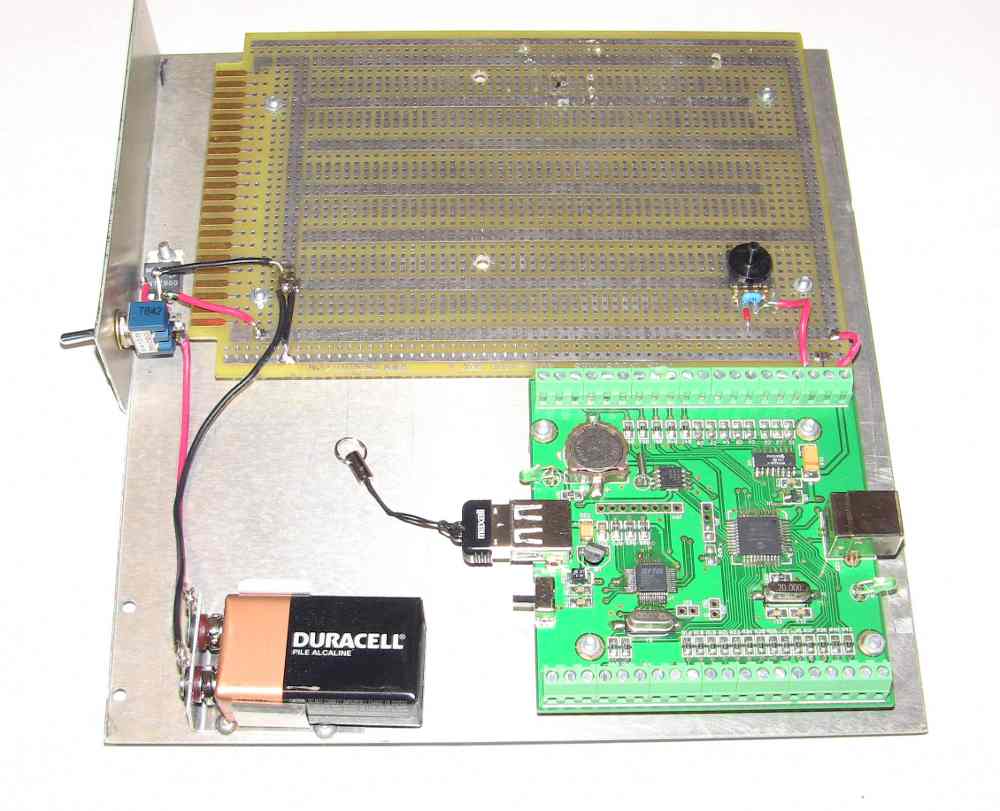
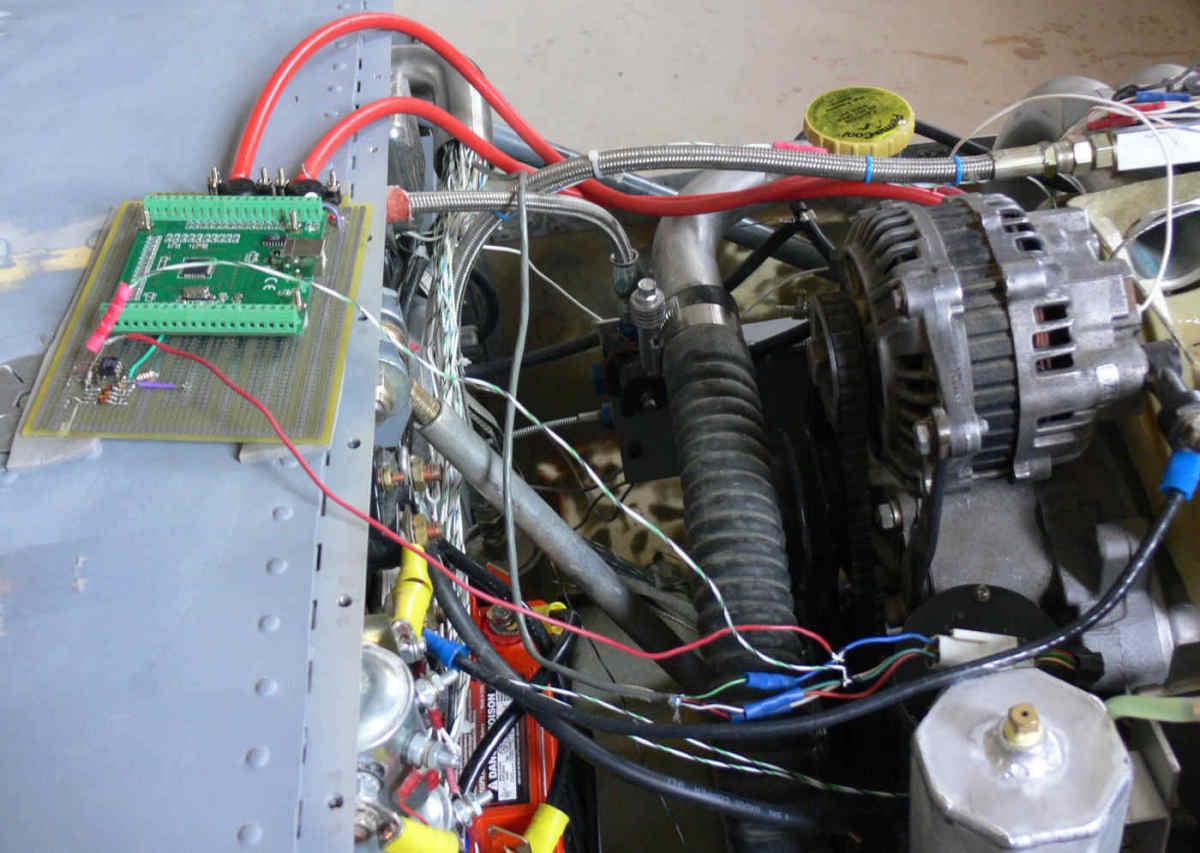
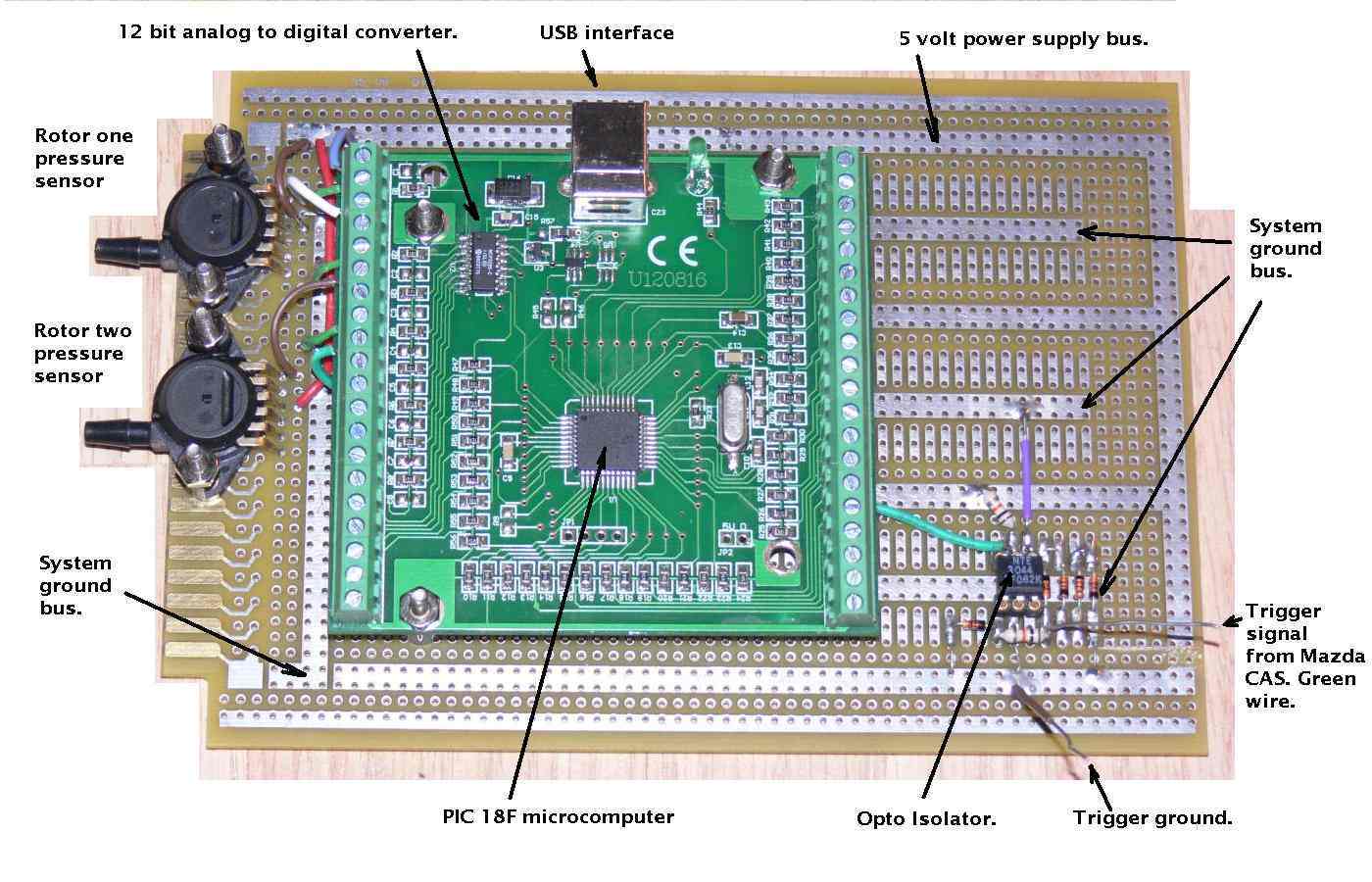
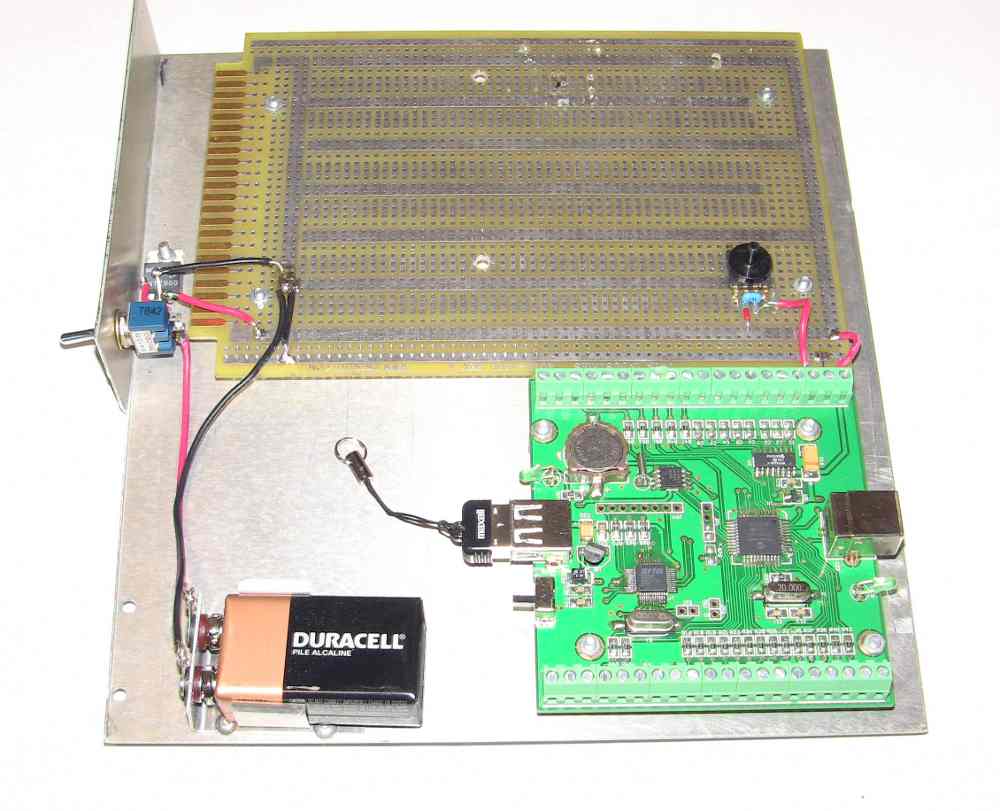
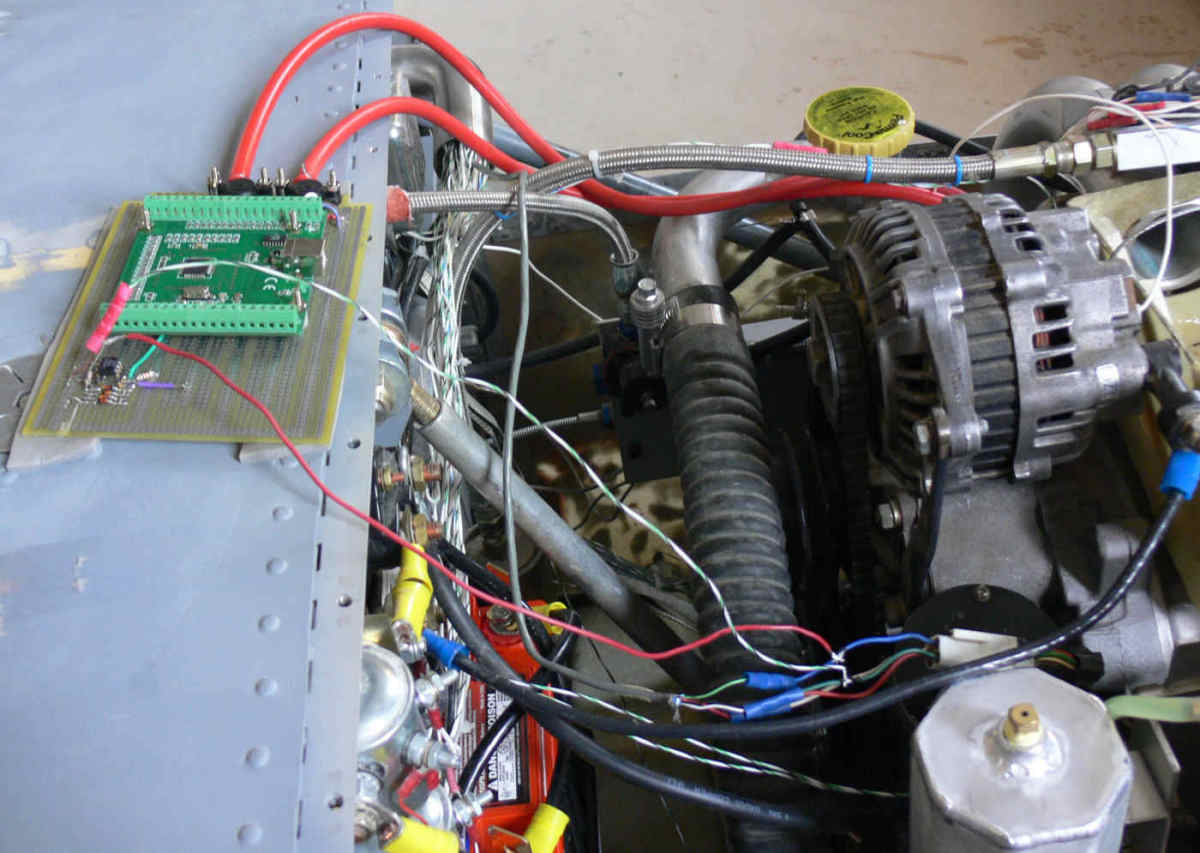
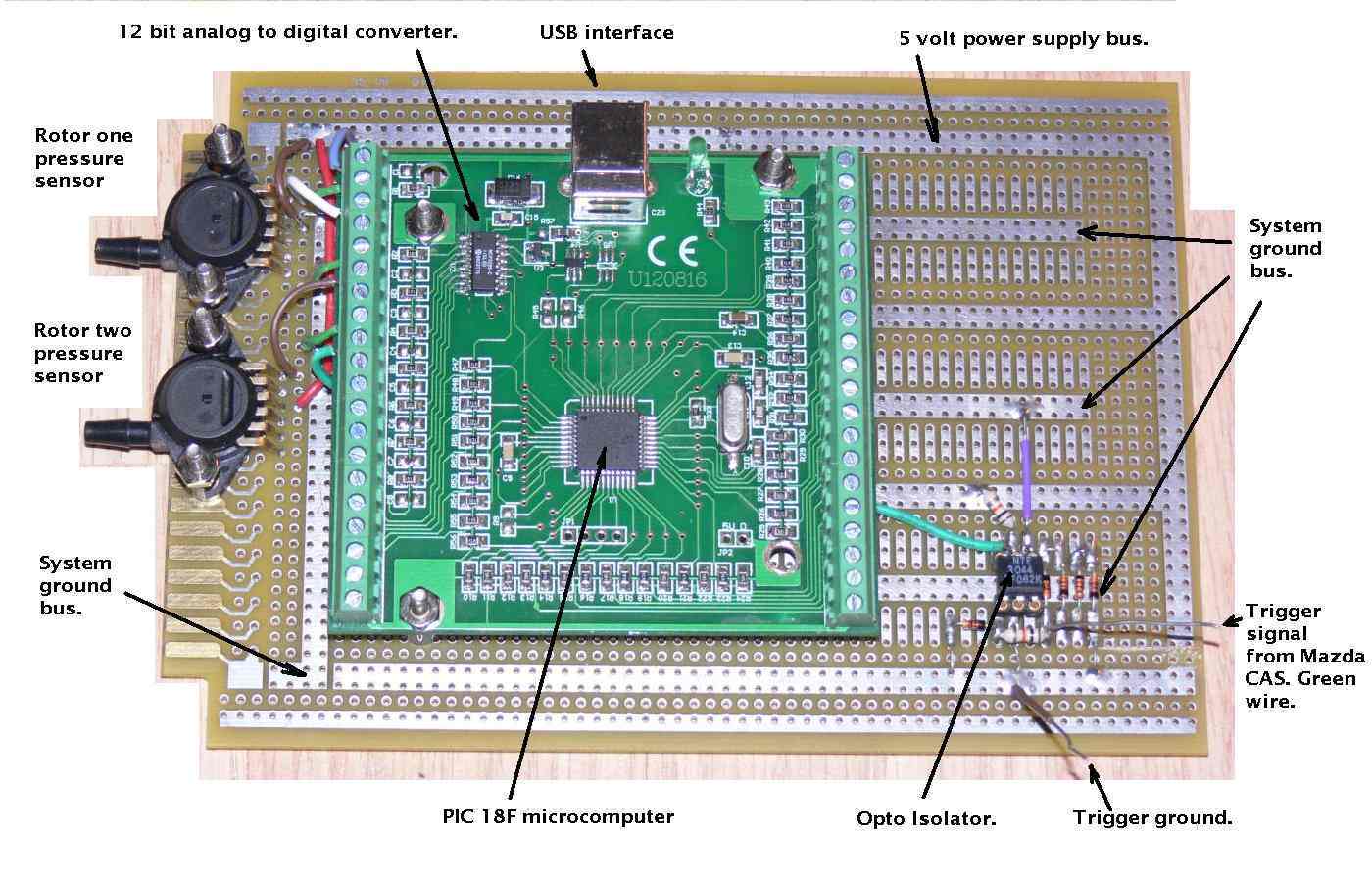
We will record when the fuel is injected into the manifold relative
to the e-shaft angle and of course how long the injector is open.
Manifold pressure will be recorded in several different places
to check for aerodynamic differences. All of this will be done over
a range of RPM's using an actual propeller for a load at a rate of
1000 measurements per second.
Stay tuned.
Paul Lamar
--
The Rotary Engine NewsLetter. Powered by Linux.
ACRE NL web site.
http://www.rotaryeng.net
Youtube key word PaulLamar2
Copyright 1998-2010 All world wide rights reserved.