I have a suspicion that an all alloy rotor would have problems
with keeping the fit of the pressed in e-shaft bearing with the rotor
expansion and contraction due to temperature. I was considering using
what I would call a flanged sleeve made of steel to mount the bearing
and stationary gear. The stationary gear fits into the face of the
flange, the bearing in the bore, and the alloy rotor fits over the
outside of the sleeve with dowel pins into the back side of the
flange.
It doesn't appear too difficult to CNC the negative patterns to cast
the
wax as a left and right side with the wax sections keyed together.
The
difficult part is machining the side seal grooves which was a major
stumbling block for rotamax. I was thinking of a router motor
swinging
in the proper arc over an indexing table but reading how much trouble
others have had with this it is obviously not that easy. Useing 398
for
the rotor doesn't seem to be a problem as far as galling with side
housings of the same material because the side inner and outer oil
seals
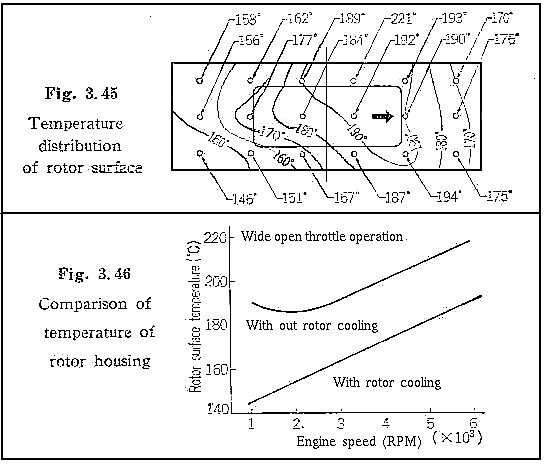
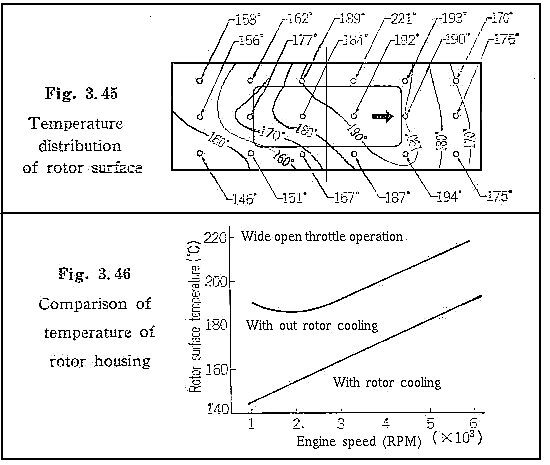
keep the parts separated. Temperature control of the rotor might
require
a modified control of an increased oil flow thru the rotor from the
stock Mazda design although a prototype of the stock type would be
tried first. Alloy parts with different compression depressions would
reuse the same flanged sleeve.
george grimes
There is a steel insert in Jeff's design for the rotor bearing.
The side seal grooves are a piece of cake for an NC mill.
Mazda mounts 3 rotors on a pallet and rotates the pallet to cut
three groves at a time with a broach.
Paul Lamar Graduate of a course in NC machining :)
Yes, there needs to be a greatly increased oil spray directly on the
inside of the rotor, accompanied with a powerful vacuum to draw it
out.
This should greatly reduce temps. I think a dual oil pump may need to
be used.
Does anyone think the Beryllium/alum cast rotor idea can't work?
Ed Carver
I am presently drilling into the issue of obtaining a small quantity of
the beralcast 310 and the nasa 398. Starmet is the exclusive vendor for
the beralcast, and a salesperson is kicking the ball back and forth
with
me. I have contacted one of the nasa employees about a direct
vendor for
the 398.
Normal alloy vendors sort of give me the blank stare when I ask them
about these materials. Never heard of them.
George, have you found a vendor for the 398?
Ed Carver
OK guys some things to think about. First the rotary's problem isn't
too much heat in the combustion chamber. Rather the problem is that the
long and narrow chamber REMOVES too much heat for best efficiency. This
is probably why Mazda hasn't made a aluminum rotor besides the cost.
Second the rotor is a nice casting and the side plates are probably a
better area to remove weight. Of course there isn't anything wrong with
a lighter rotor, but heat transfer through the rotor wouldn't be a big
plus. The last concern is to be sure that the apex seal slots don't
flex or wear too much. That can result in loss of a seal. The best
material for the light weight rotor might be ceramic, or one of the
cermet materials.
Bill Jepson
I want to point out to the many new guys that this is unnecessary.
These guys just like to push the envelope :)
The stock Mazda engine makes a great aircraft engine as is.
Paul Lamar
Ed Carver, I really haven't tried to source 398 yet. I like it for the
mechanical properties and would use it if available. Possibly there are
things available as scrap the way that 390-17 can be found at the
county
land fill. My next question is how to find out if the whole briggs
engine is 390 or just the cylinder block. I can use other alloys
for the
back side of the housing where there are no wear surfaces and use the
rest of the scrap there. If it is all the same alloy it would be easier
to just pull off copper and plastic parts then melt the whole engine.
george grimes
I just spoke to a nasa admin about getting some 398, and was told they
have licensed a foundry in the Chicago area to produce and distribute
this material within 3 to 6 months; apparently to the general public,
for purposes such as ours. I would say this is much slower going than I
could imagine. The 398 alloy has barely seen use since it was patented
nearly 10 years ago.
Still waiting on beralcast corp to reply about availability of product.
Ed Carver
Ed, most people on here are looking to save money on aircraft
engines. One gets the price down by using mass produced products.
Automotive piston engines are not durable enough for aircraft.
Light weight rotors are only cost effective if you would like
to turn the engine at over 11,000 RPM.
The p-port 2 rotor's excellent power to weight ratio is hardly in the
class of a hunk of lead :)
The p-port exist because we need an intake manifold of some sort
anyway and
the P-port fits all versions of the Mazda rotary and gives an extra
50 HP.
The stock RX8 manifold is too high to fit under a cowl.
IMHO one should focus on real problems if any. I would say
high on the priority list is getting some weight out of the PSRU.
True getting the weight out of a one rotor is also up there.
Light weight rotors will not help much.
Probably the last thing a 2 rotor needs for aircraft use is aluminum
rotors.
Are you talking one rotor engines. There you might save a little
weight.
Paul Lamar
Ed Carver, Did yiu get a name or E-maik address of the foundary in
Chicago,
george grimes
No George, the fellow simply stated they had released patent rights to a
foundry in that area to produce the material. I should call them back to
get the answer to that question. I intended to chase it down again in a
few months; but probably better to get the name of the shop. Will call
again monday. The fellow did seem to be forthcoming with willingness to
help us get the stuff.
Paul I can't imagine using a non p port arrangement. RX8 rotors are not
cheap. You will have to excuse my persistence in wanting to lighten
everything. I truly loathe this iron stuff. There is just no point in it
anymore unless there is a real good reason for why the parts cannot be
made of light alloys. Most of the engines I have worked on over the past
20 years have been made from alloys of aluminum, or mag.
It does remain to be seen what the costs will be for the materials. I
hav'nt gotten a reply from the beralcast/IBC corp yet about availability
of their beryllium casting alloy. Unless the stuff is excessively
expensive, I will continue development. So we will see how it turns out.
I have installed hyper alloy pistons in engines, many oems use them. The
pistons are nearly pressed into the cylinders; only .001in. side wall
clearance. The stuff does'nt expand much. It is also inexpensive to
create. Much less than forgings. The preferred pistons for racing in
most of the porsche atmospheric engines are made from one of the hyper
alloys, with, or without, a cermet dome coating.
Anyone who thinks it is just a terrible idea to create lightweight
rotary parts from a design perspective, tell me why it won't/can't work.
The whole thing just gets hotter. That appears to be the biggest hurdle.
Back to assembling my 993 C4 cab. (including air cooled lawn mower engine:)
Ed Carver
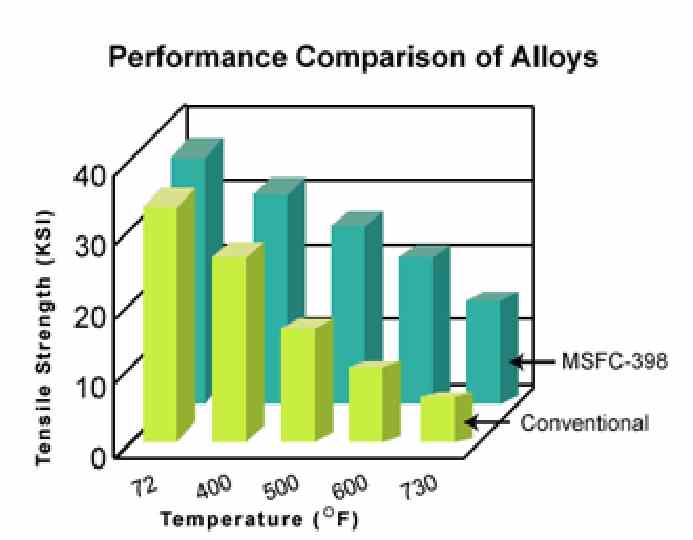
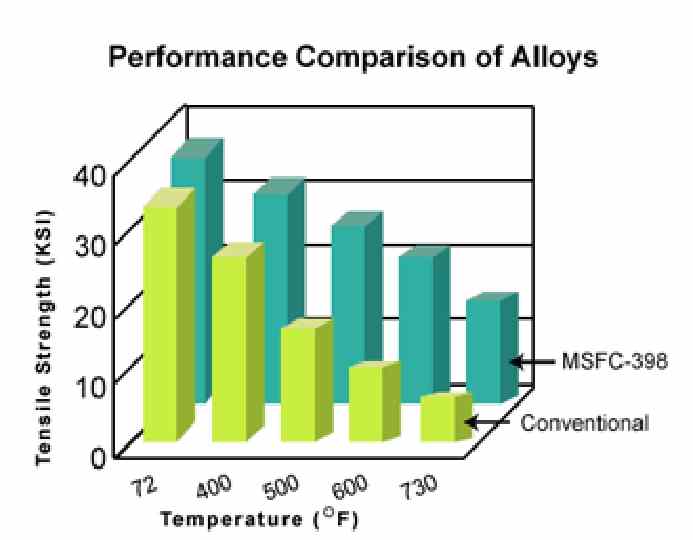
The point of the iron rotors is they run at 500 F.
Aluminum looses half its strength at 500F. Even 398
is 30% down.
The iron rotors are one
of the things that make the rotary so robust. I pointed that
out in my Kitplanes article. The rotors make up half the surface
area of the combustion chamber and are cooled by oil.
The oil cooling is 1/3rd the total cooling on the engine.
The rotor is always in contact with hot combustion
gases on one of its 3 faces. In a piston engine the individual
pistons are cooled at least 25% of the time on the intake stroke
and are only subjected to hot gases 25% of the time.
I would not fly with an aluminum rotor unless it was extensively
tested in endurance car racing like the Le Mans 24 hour race.
It might work but it is going to be very expensive indeed to
test it. Be/Al is another matter entirely.
Paul Lamar
--
The Rotary Engine NewsLetter. Powered by Linux.
ACRE NL web site.
http://www.rotaryeng.net
Youtube key word PaulLamar2
Copyright 1998-2010 All world wide rights reserved.