Paul,
Can you see the 20B P-ported, turbo , and super charged being able
to put
out 400 HP?
Regards,
Norm Parmley
Are you kidding? Do you mean 400 HP PER rotor? :)
Have you read the web site below? :)
http://www.rotaryeng.net/rb3rot1.jpg
I would not supercharge the engine. For every additional
100 HP you get out of the e-shaft the engine must develop
an extra 30 HP for the supercharger. Read BAD BSFC.
A turbo charger is a like a turbo compound engine recovering
waste HP from the exhaust. About 50% of the HP in a gallon
of gas goes out the exhaust in the form of heat.
Paul Lamar
Paul,
How many turbo-charged p-port engines do you know about? My experience
with exhaust systems would make me think twice about doing it due to the
overlap of the intake and exhaust strokes where both ports are open at
the same time. Any back pressure can cause the exhaust to be redirected
into the next intake stroke. Maybe that's why they don't turbo-charge
2-stroke engines. This also causes more heat buildup inside the engine,
and in my case resulted in failed o-rings. While a supercharger is less
efficient, it may be the better choice when boosting a p-port.
Mark
I have seen several. There is a picture of one on the front
page of the web site. I took the picture.
One could turbo charge a P-port RX8 motor and have no more
overlap than a turbo charged side intake port 13B.
What kind of O-rings failed? TES O-rings failed?
Actual measurements have shown the intake pressure always higher
than the exhaust pressure so if anything fresh air flows into the
exhaust.
Just about all competitive turbo charged drag racing rotary engines
are now p-ported.
Pressure is pressure so a supercharged engine will put as much heat
in as a turbo charger all things being equal like inter coolers.
Any time one compresses air heat is added.
The latest trick is use early peripheral exhaust port rotor housings
with RX8 side exhaust port end and center housings. That makes
three exhaust ports per rotor.
The rotary is as close as you can come to a turbo jet engine
without a turbine :) Unlike a piston engine the intake flow
never stops.
Notice there is nothing in a turbo jet engine to prevent the burner
heated air from blowing back into the compressor. Why does it work
anyway?
The fact of the matter is air has inertia. Once it gets going it
does not
like to change direction. Gases are interesting objects or devices
from a physics point of view. They have mass, viscosity and adheasion.
Much like molasses only thiner :)
Paul Lamar
Norm
I took your question as 400hp total which is only 133 hp per
rotor, about what I am
planning for a single rotor with a n/a p-port at about 8,000 rpm. 133
hp per rotor is very
easy with only a little boost required at lower rpm. It is possible to
get 400 hp
per rotor, but longevity is low and fuel burn + alcohol + nitrous very
high. The '91
LeMans engine produced 148 hp per rotor n/a at 9,000 rpm with variable
length
tuned intake and tuned exhaust.
Dan F
The variable length just broadened the torque curve.
Not what you need in an aircraft engine.
It added no power. Just pick a fixed length that gives
you max power at top prop speed RPM.
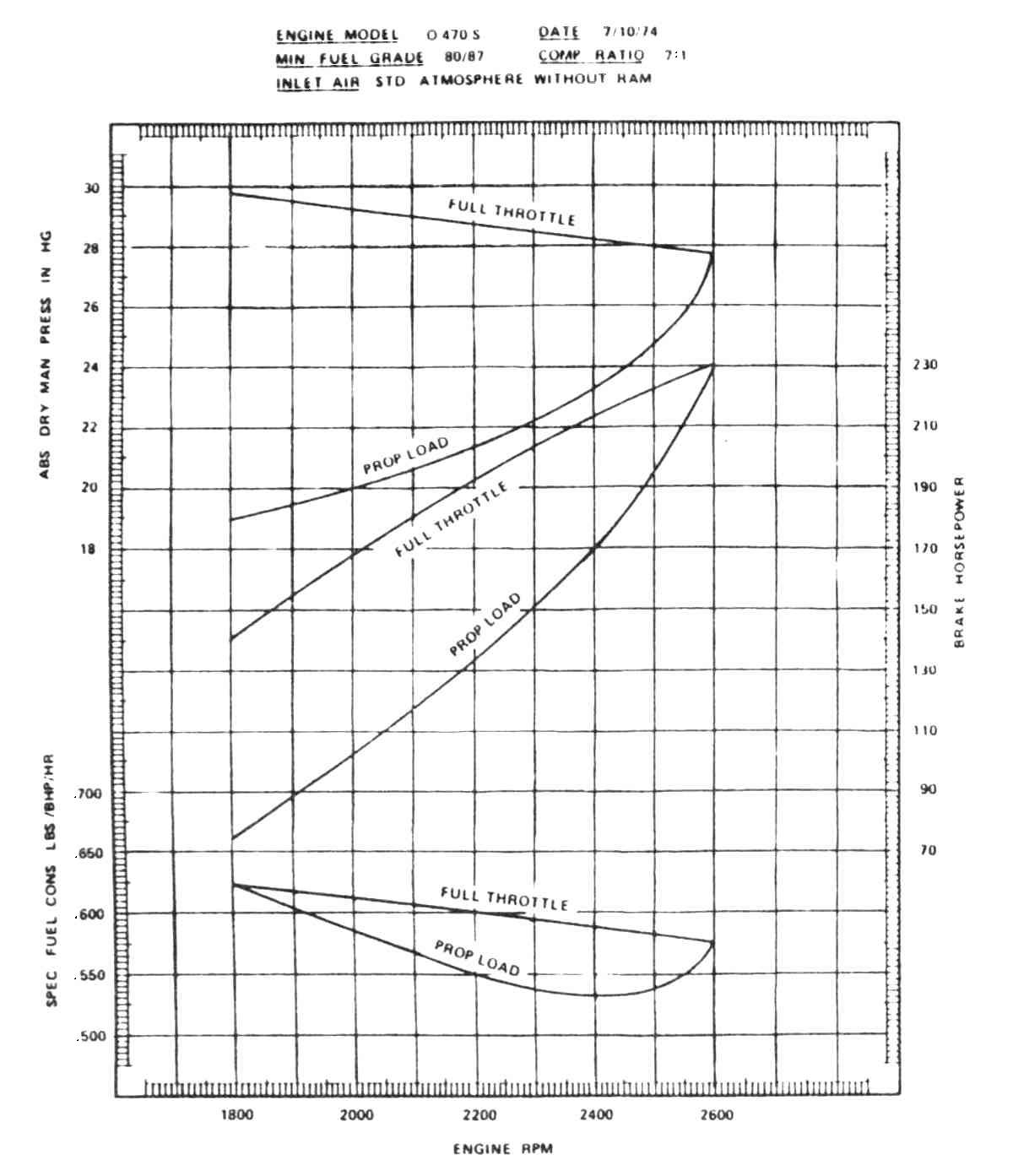
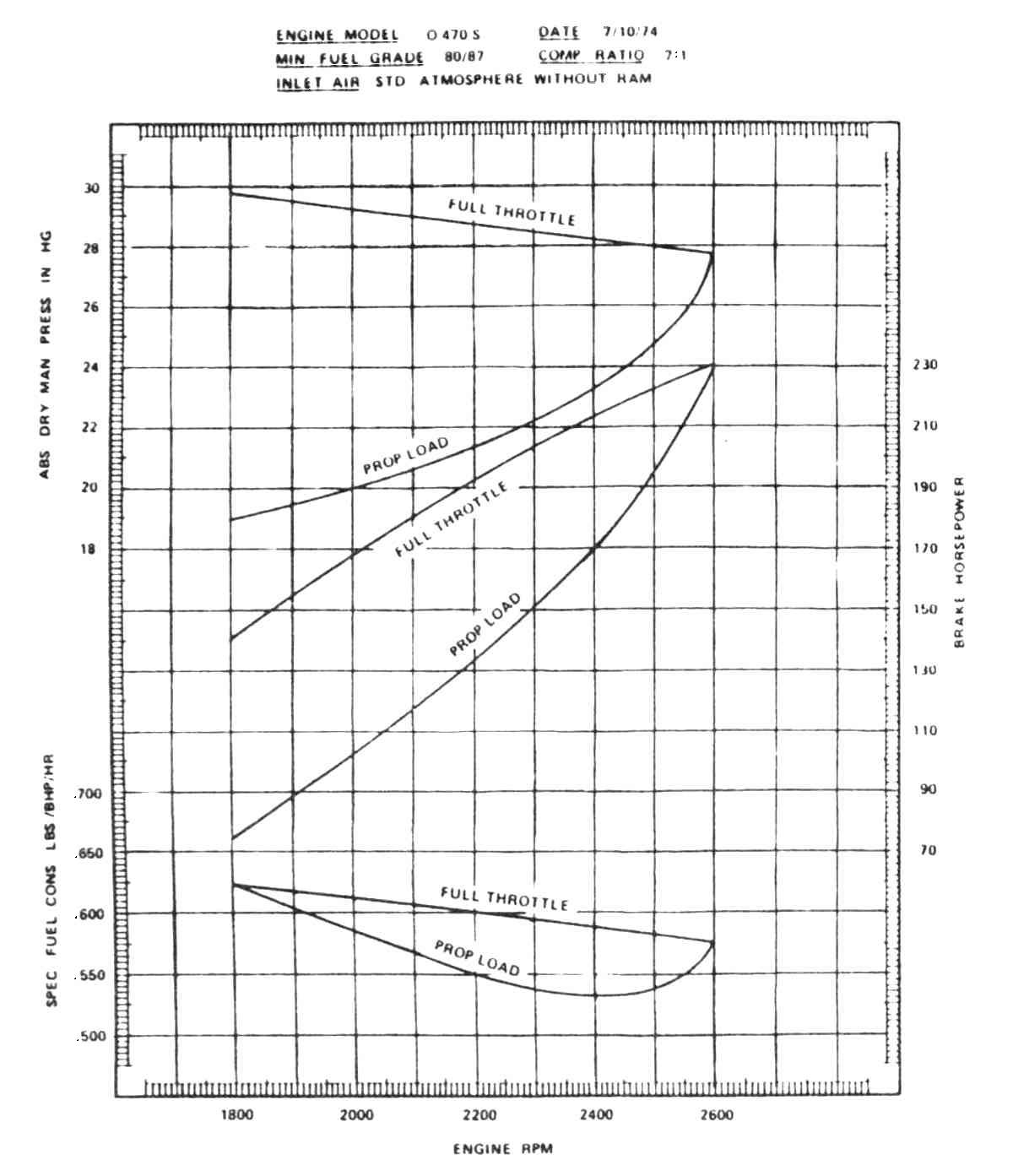
Prop load is the square or third power of prop RPM.
Low RPM boost has no use in an aircraft engine.
Paul Lamar
--
The Rotary Engine NewsLetter. Powered by Linux.
ACRE NL web site.
http://www.rotaryeng.net
Youtube key word PaulLamar2
Copyright 1998-2010 All world wide rights reserved.