I am aware of the fragility of the oil lines used by Mazda from their
oil metering pump to the point of injection, but is that a good reason
to do away with the pump for aircraft use? I suppose if you're a belt
and braces (suspenders) person it might be a good idea to run the pump
and add oil to the fuel as well. I understand that some 2 stroke oils
remain mixed better than others so surely the pump could be more
reliable, particularly if the Antipodean habit of using 2 stroke oil in
the sump is followed. There seems to be some strange belief out there
that 2 stroke oils are in some way inferior to the usual heavily
advertised engine oils that leave all sorts of deposits when burnt.
John Evans
That is one good reason but another is mixing spreads the oil
better in the rotor housing. There is no doubt in my mind
that synthetic oils, and two stroke oils are in that category, are
better. If in doubt give it the 500 degree F oven test.
The apex seals run 500 F at full chat.
Paul
Our house is regularly inspected by the neighbor's cat, his name is
Diesel, but as I don't feed him I haven't any cat food tins. Furthermore
my courage fails me when I contemplate the oven test you recommend:).
I'm not sure of its relevance anyway.
Two stroke oil is designed to burn cleanly and leave minimal deposits,
some are better than others in this regard.
"Crankcase" oils on the other hand are not designed to be burnt in the
quantities required in a rotary so they do tend to leave deposits.
Antipodean experience shows that under racing (or for that matter road)
conditions 2 stroke oil is satisfactory in rotaries, and is apparently
generally used.
Of course there is the possibility that conditions are different in the
Southern Hemisphere, perhaps it's Coriolis effect? Seriously, there
remains the possibility that motor racing does not raise the tip seal
temps as high as aviation use, but then dyno tuning would be similar to
aircraft use, so why doesn't 2 stroke oil gum up the tip seals as in the
recommended oven test?
I know it's inconvenient to have someone asking these questions, but if
this site is to have any resemblance to using "scientific method" we
must be prepared to put up with this and enjoy the challenge of bouncing
stuff off each other.
John Evans
-------------------------------------------------------
It is not inconvenient to have someone asking these
questions. We are just not in the business of
developing oils. We are focused on making the
rotary engine easier to install in aircraft.
Our secondary goal is educating people on
the advantages of the rotary.
My test is what are we going to gain by taking a risk?
If it is not broken don't fix it.
It has been working for at least 30 years.
It is a well known fact that 2 stroke oil works
fine when mixed with the fuel to lube the apex seals.
It is also a well know fact that 2 stroke oil burns
cleanly. Mix half and half 2 stroke oil with
gasoline and burn it. That will confirm that fact
in few minutes. There are literally a thousand or
more Mazda rotary powered cars in the US racing.
65,000 RX8's have been sold here year after
year until recently when everything dropped dead.
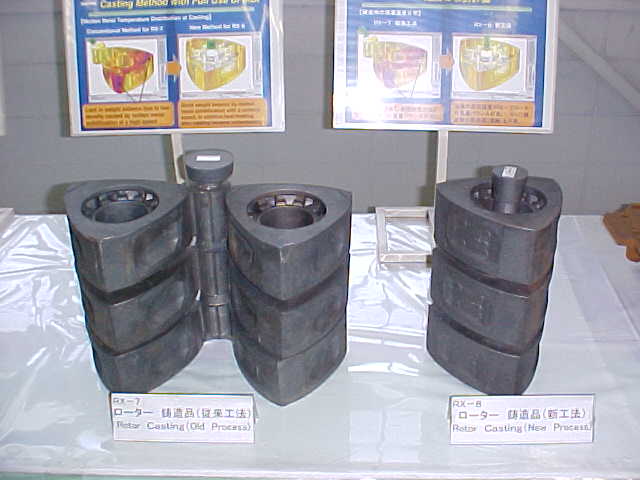
I contacted Mazda engineering in Japan about their
recommendation or lack there of on synthetic oil.
This was no small achievement. It took me quite some
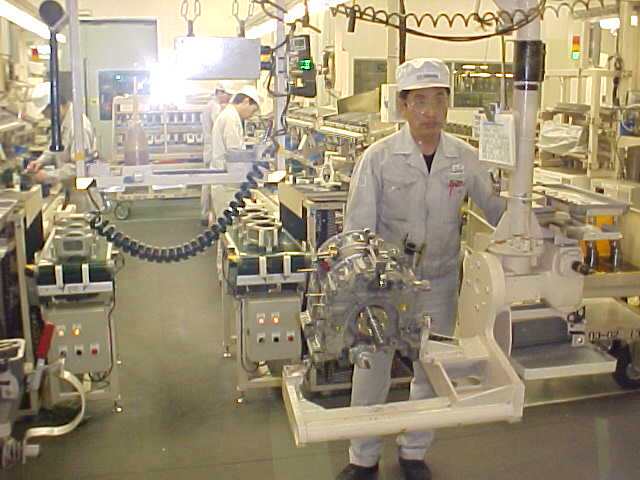
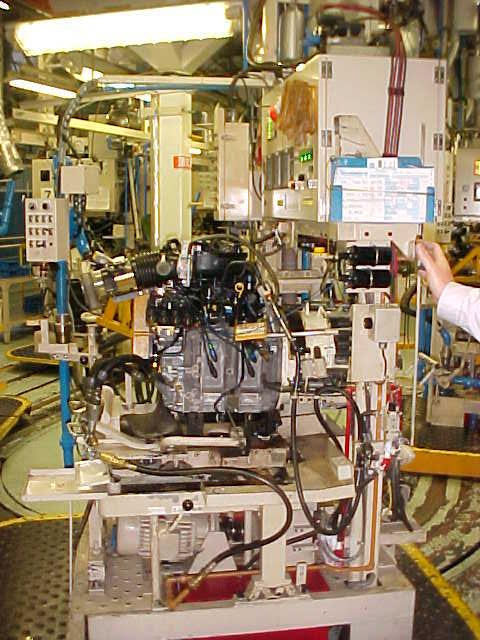
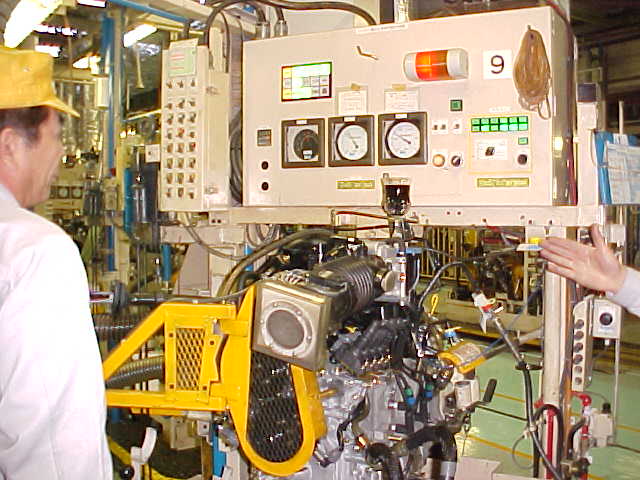
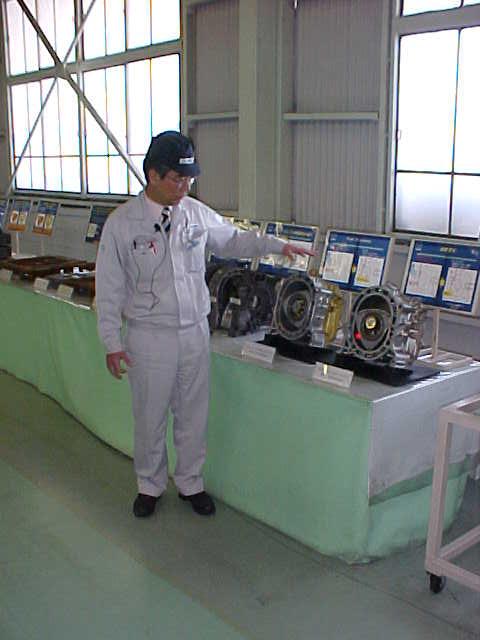
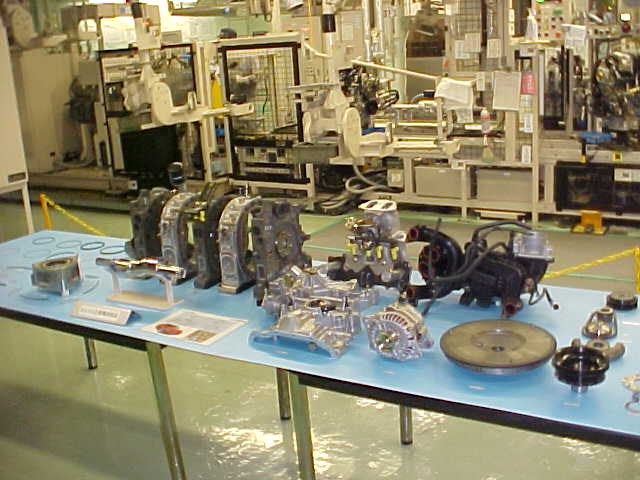
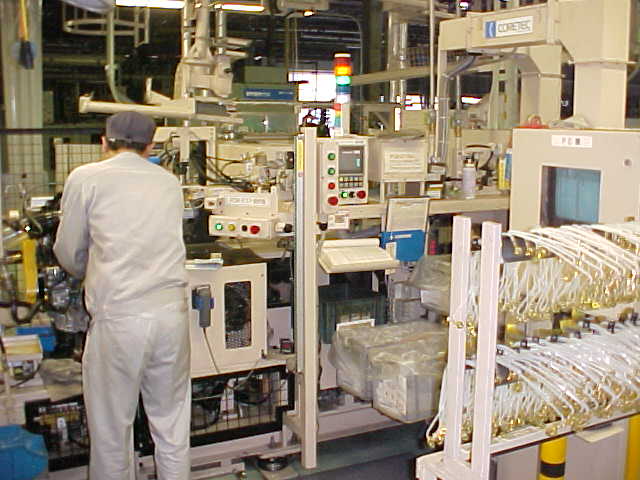
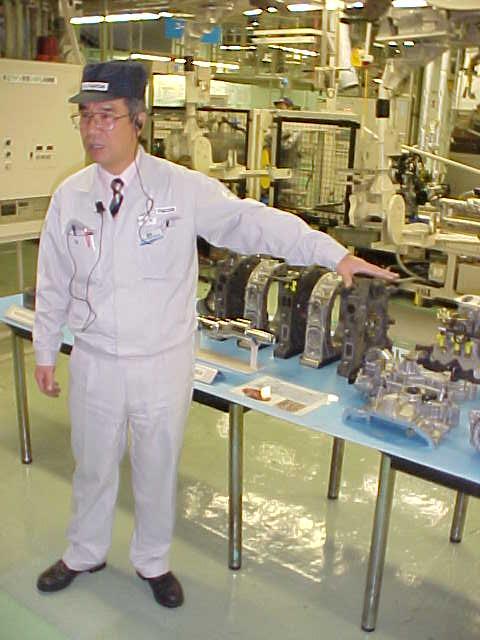
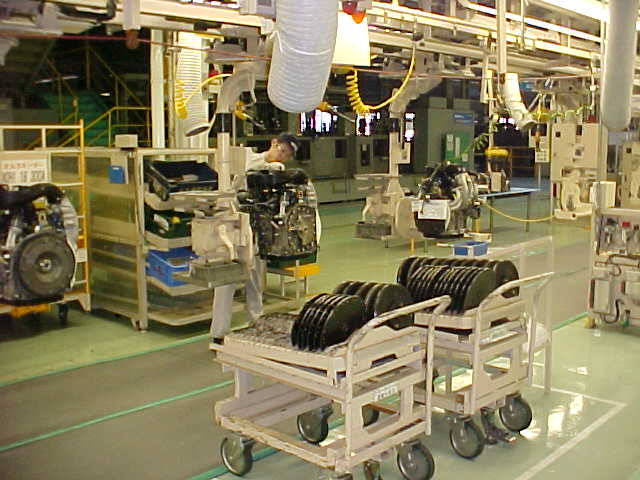
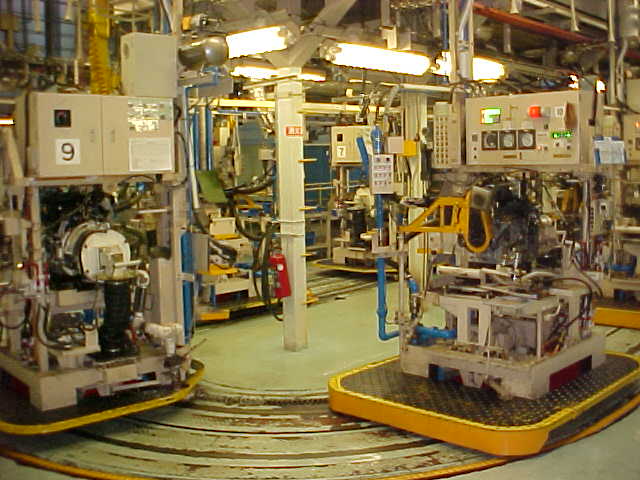
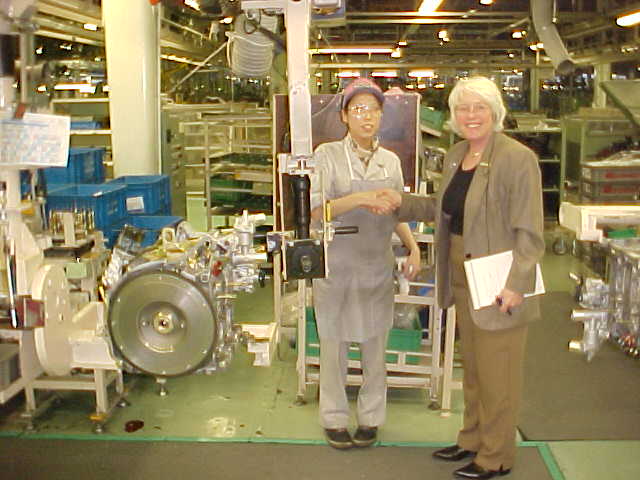
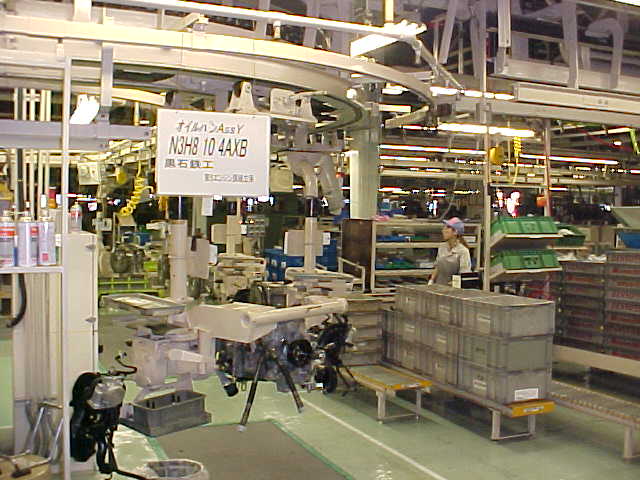
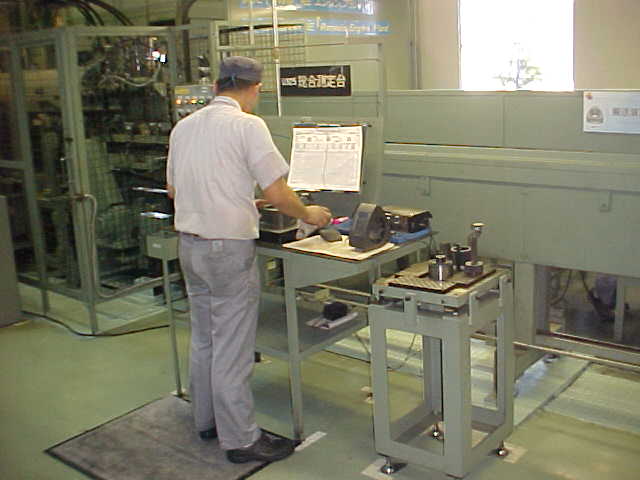
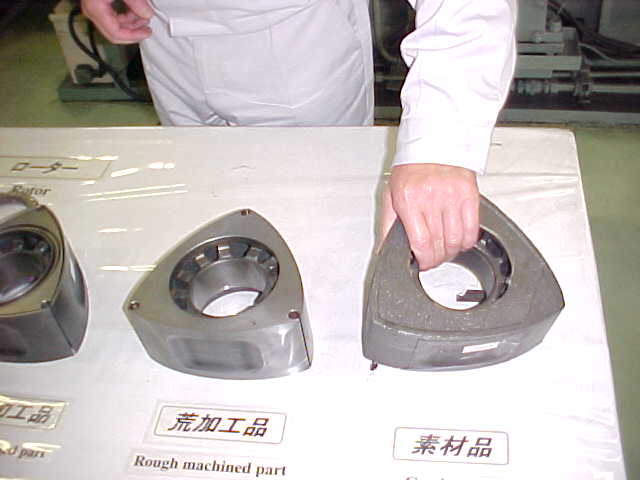
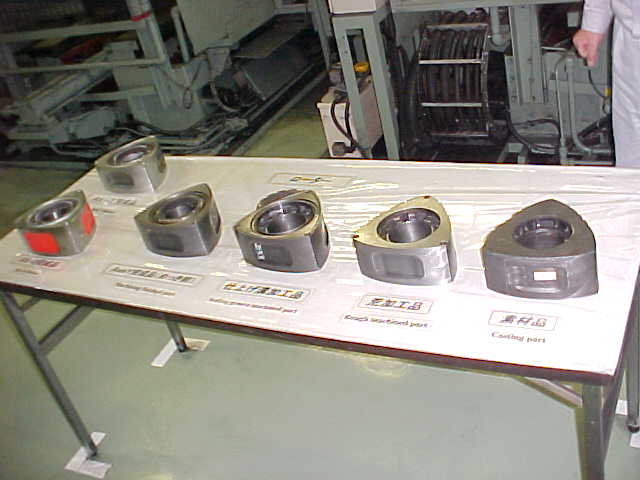
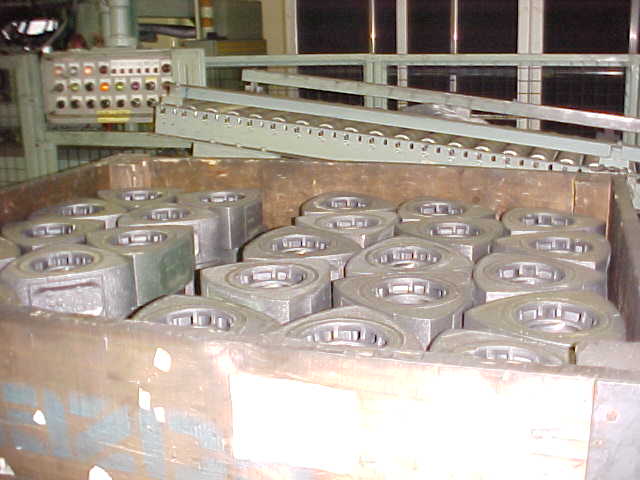
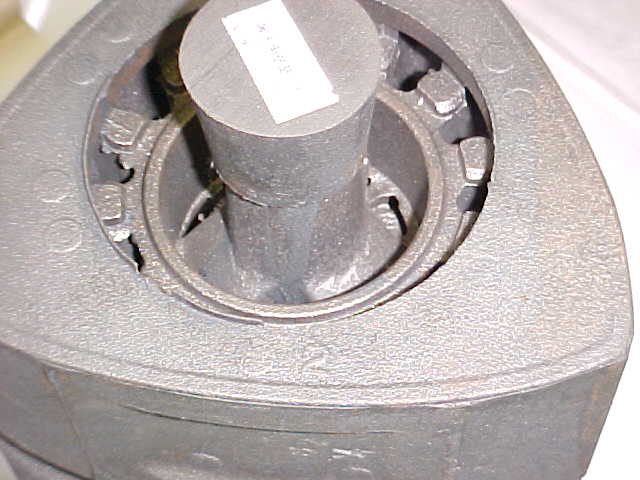
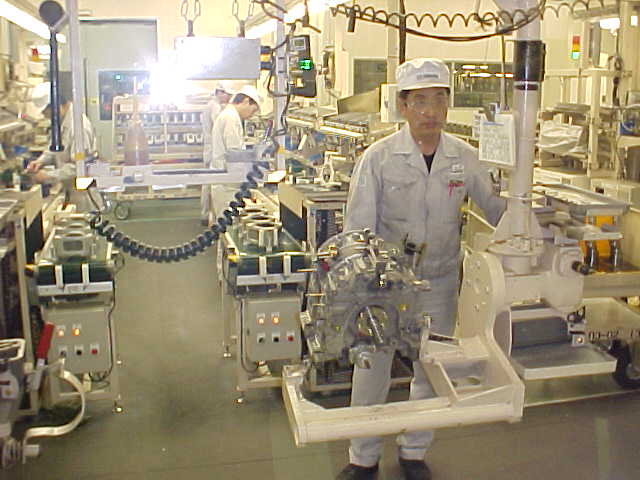
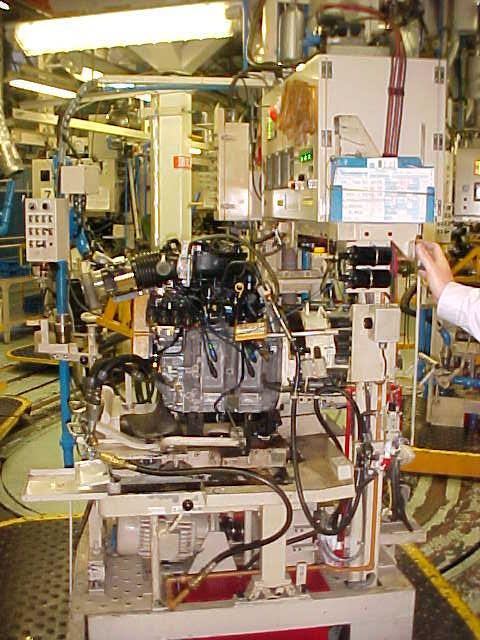
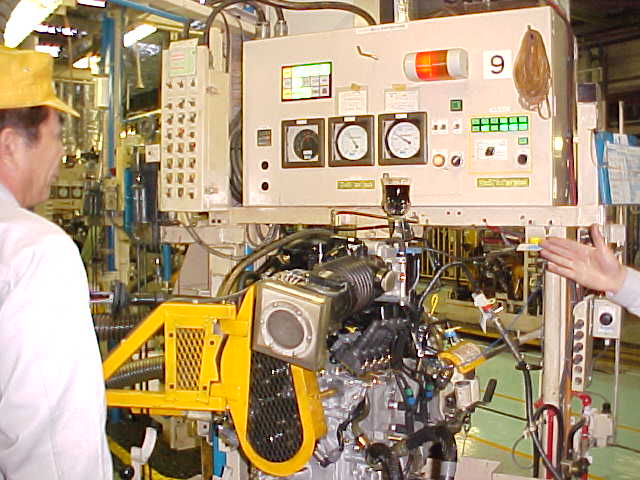
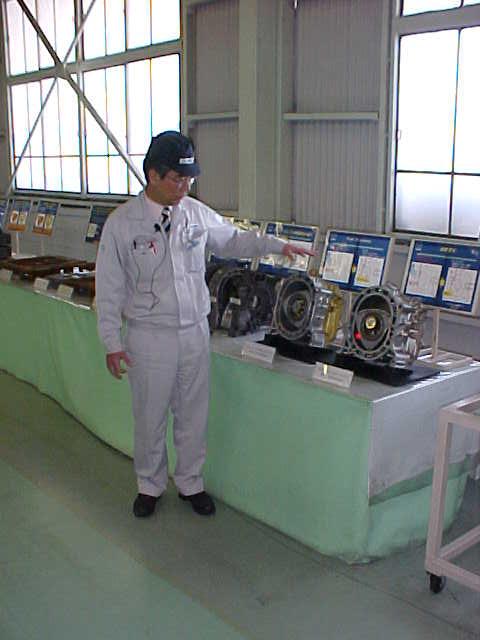
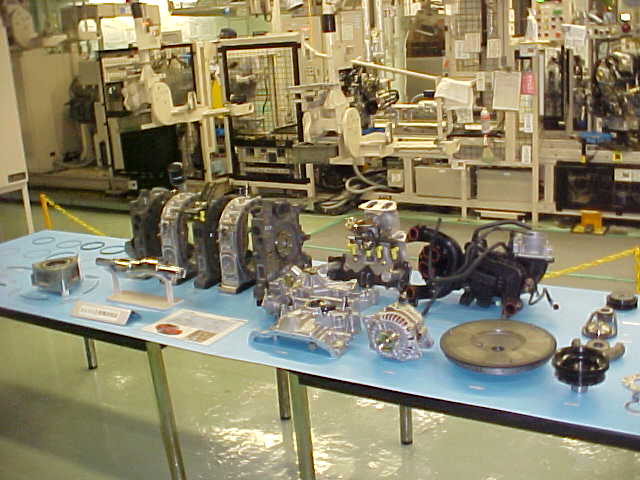
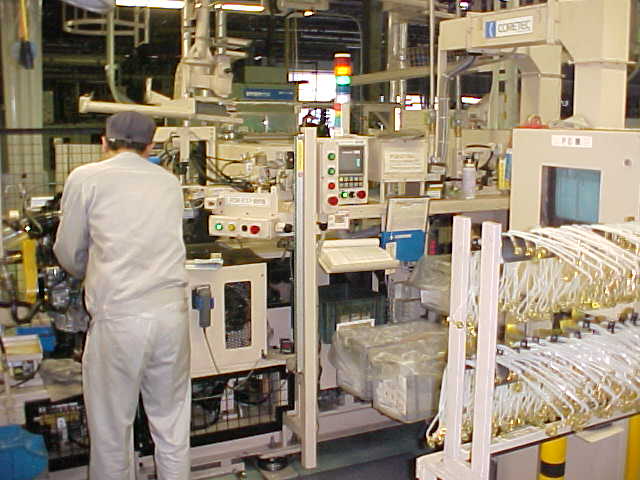
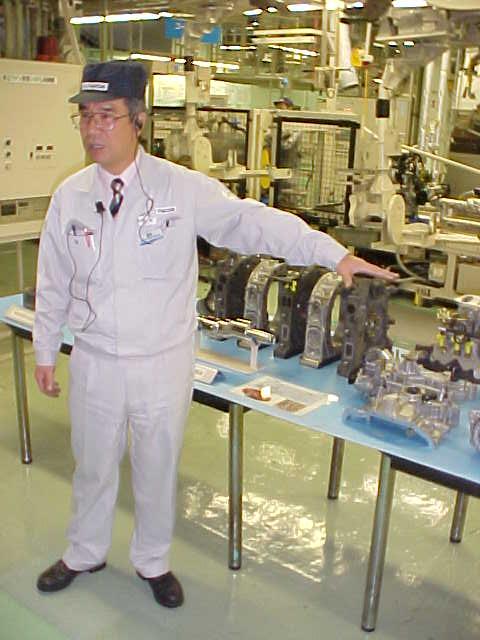
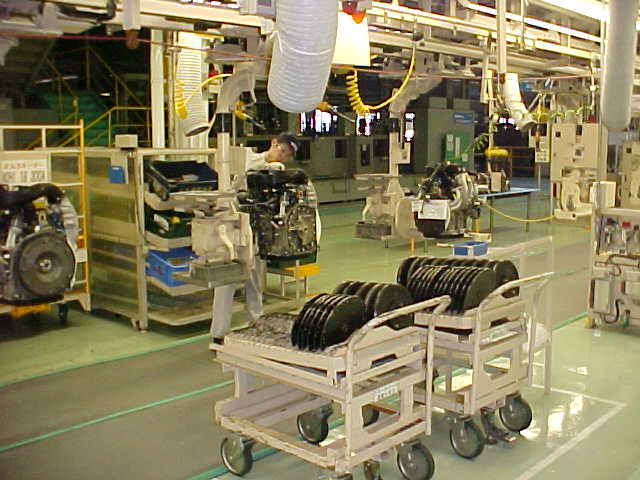
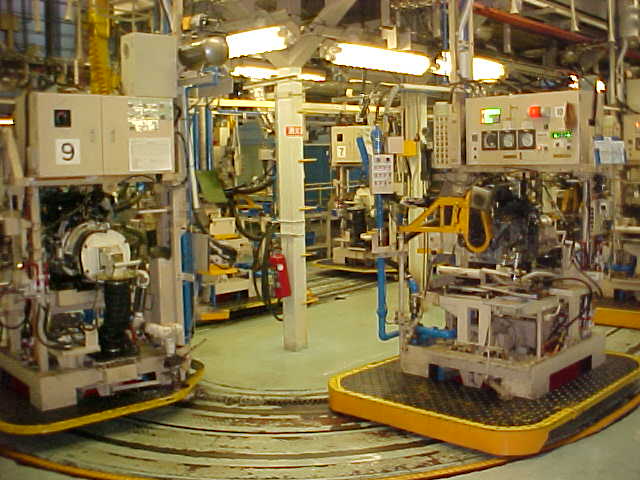
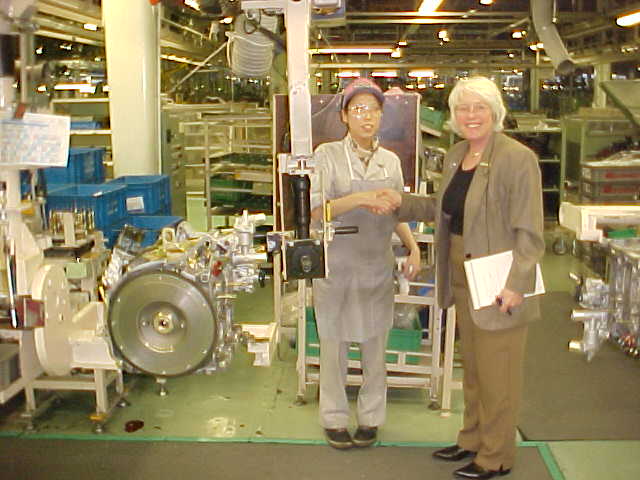
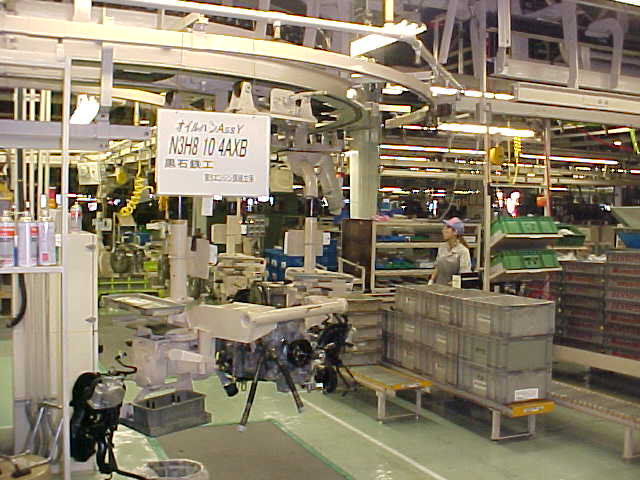
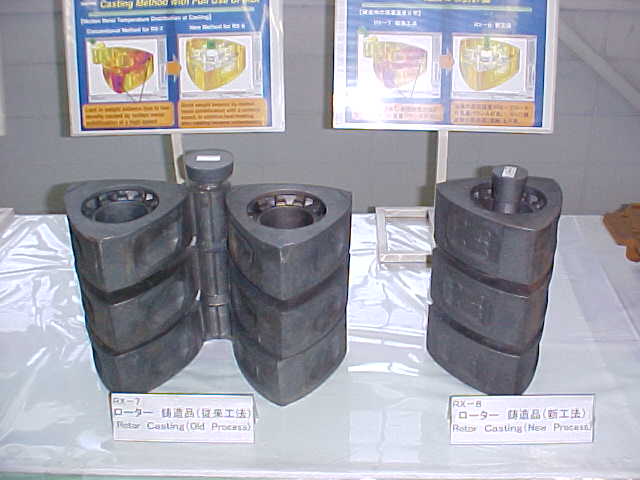
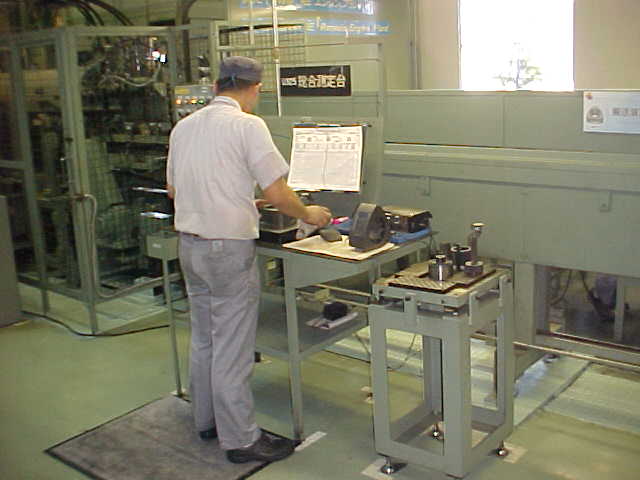
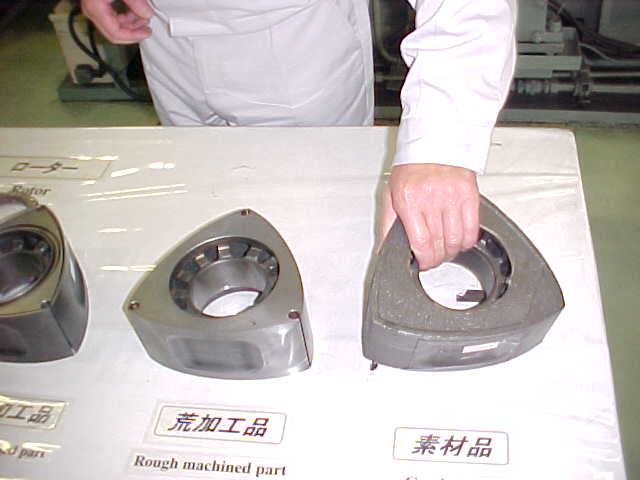
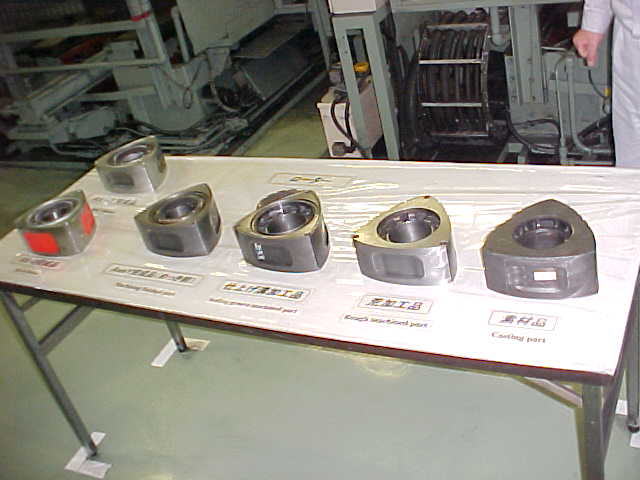
time. I also got a private tour through the rotary
engine assemble plant March 2004 in the bargain. The
guy standing to my left was (could be still be) the
chief engineer on the RX8.
Mazda claimed the reason they do not recommend Mobil 1
synthetic oil was simply because they have not tested
it. Idemitsu has formulated a special synthetic oil
especially for the rotary. That is now being sold
in the US. It is what I now use instead of Mobile 1.
I have owned at least three different rotary
powered cars since Mobile 1 has been available
and used it in these cars. I have owned six rotary
powered cars total since 1973. Some with over 300,000
US miles. I have other cars I also used it in.
Others have also used it with no problems. I do
know it stands up much better than all the half
dozen mineral oils I have tested at 500 F. There
are local hot spots in any engine under certain
circumstances so I am thinking why take chances
with something else?
I had a Dodge Caravan that had 200,000 miles on
it. Everything else failed except the engine.
It was fed Mobil 1 its entire life. The engine was
still running strong and passed California smog
inspection when I got rid of it.
The bottom line is what do you hope to gain by
using 2 cycle oil in the crankcase? How long
do you proposes to test it before you can conclude
it is OK let alone better?
Paul Lamar
--
The Rotary Engine NewsLetter. Powered by Linux.
ACRE NL web site.
http://www.rotaryeng.net
Youtube key word PaulLamar2
Copyright 1998-2011 All world wide rights reserved.