David
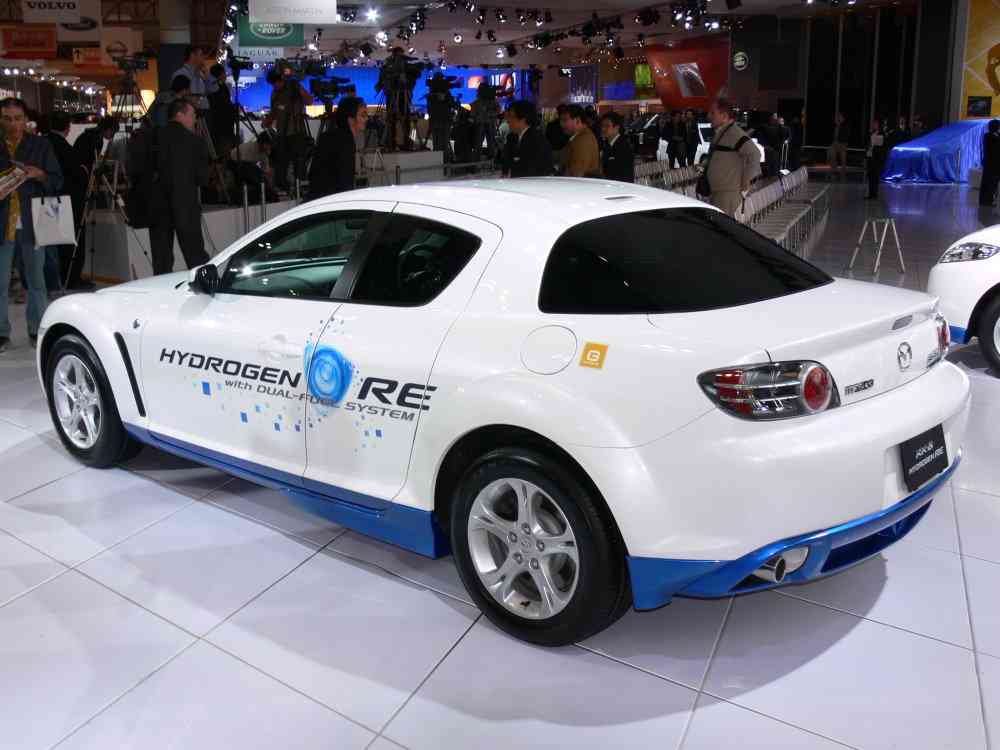
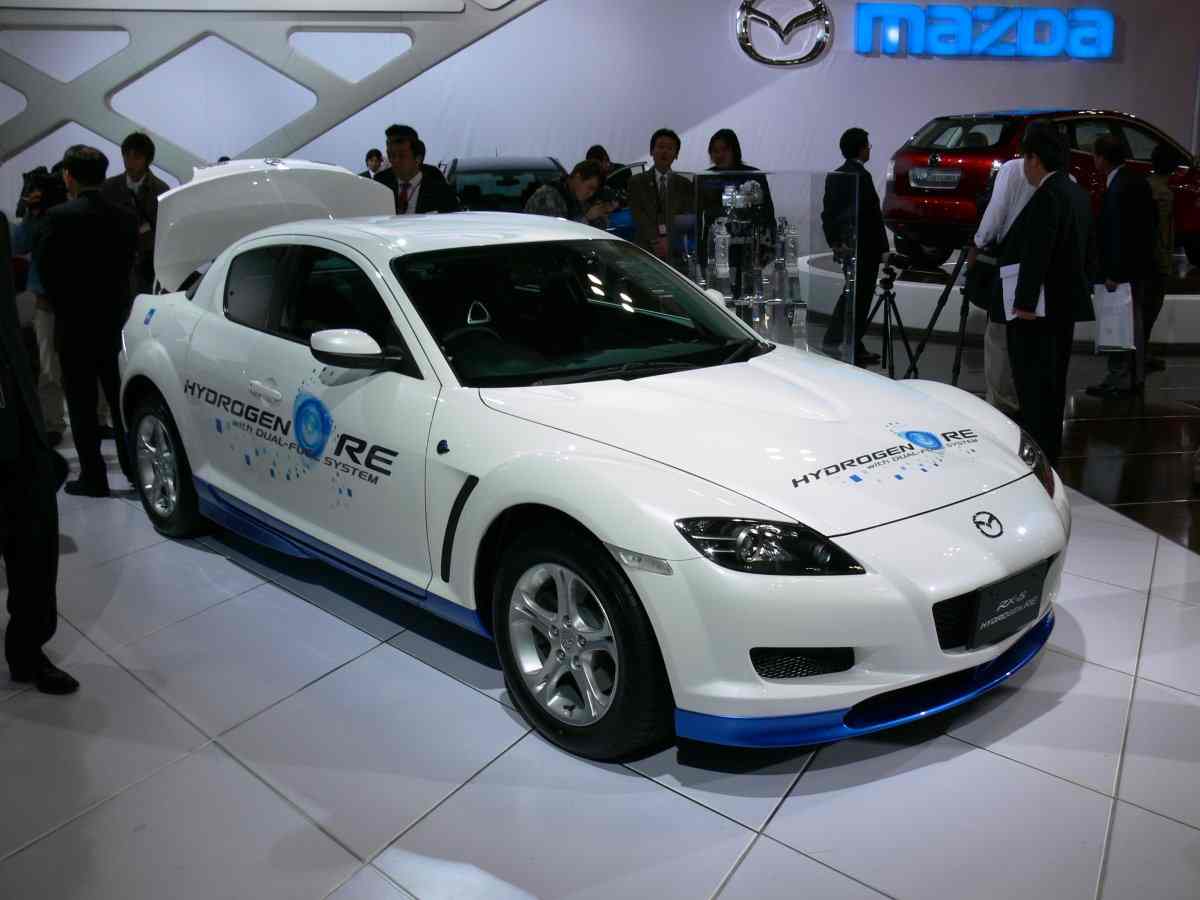
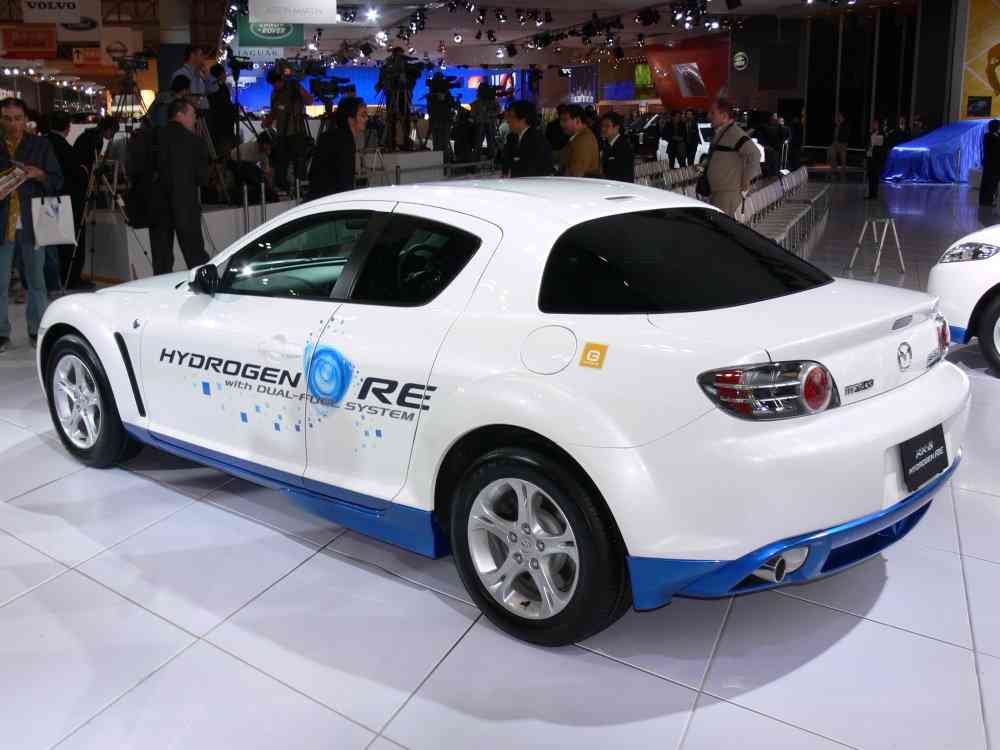
I have been following a website that is promoting Mazda type rotary
engines for light aircraft. With only 3 moving parts, there are a lot
less things to go wrong. You almost always make it home and they are
cheap to fix. They started talking about using acetone as an additive to
speed up the combustion so that all the fuel is burned from the sparking
of 2 spark plugs. They were speaking of a fast moving combustion front
and I thought that this may be an ideal home for Butanol. Butanol for
rotary engines. I have been asked how much it costs. It would seem to me
that with the way that gas is going, it may be cheaper to use butanol in
planes. Can you help me and would you like to speak with Paul Lamar at
the above website?
Peter Duffecy
David,
Few things packs such an energy punch as gasoline and diesel or jet
kerosene, and you will be hard pressed to get the distance you are
getting from it, from much of anything else. The fuel of choice is those
products, and the discussion of acetone, Hydroxy, multiple
sparkplugs etc is merely ways to ignite the fuel load as quick as possible.
Once burning, it will not burn quicker, but if it could be ignited in
more places than one, the process can be shortened.
However, what packs the energy, and what does the grunt work, is
gasoline, diesel or jet kerosene.
It is of course possible to burn all kinds of fuel in any combustion
engine, all kinds of gases, or burning liquids.....however the BTU out
of most other alternatives....to say it frankly.....sucks.
Certain combinations of methods or compounds can enhance performance ,
or economy, a NOS bottle will not only make you laugh, but it will pep
up the engine pretty much. A Top Fuel dragster run on so much nitro and
alcohol, that the compression stroke is close to hydraulic lock. A
smaller ammount of Propane in diesel trucks have, reportedly beneficial
effect on the economy, etc.
Yes an airplane engine , ( or an engine in any vehicle) can run, as you
suggest on Butanol, ...or Propane...or Hydrogen gas, ...or Alcohol ...or
basically anything that will burn and can be fed into the engine, ...
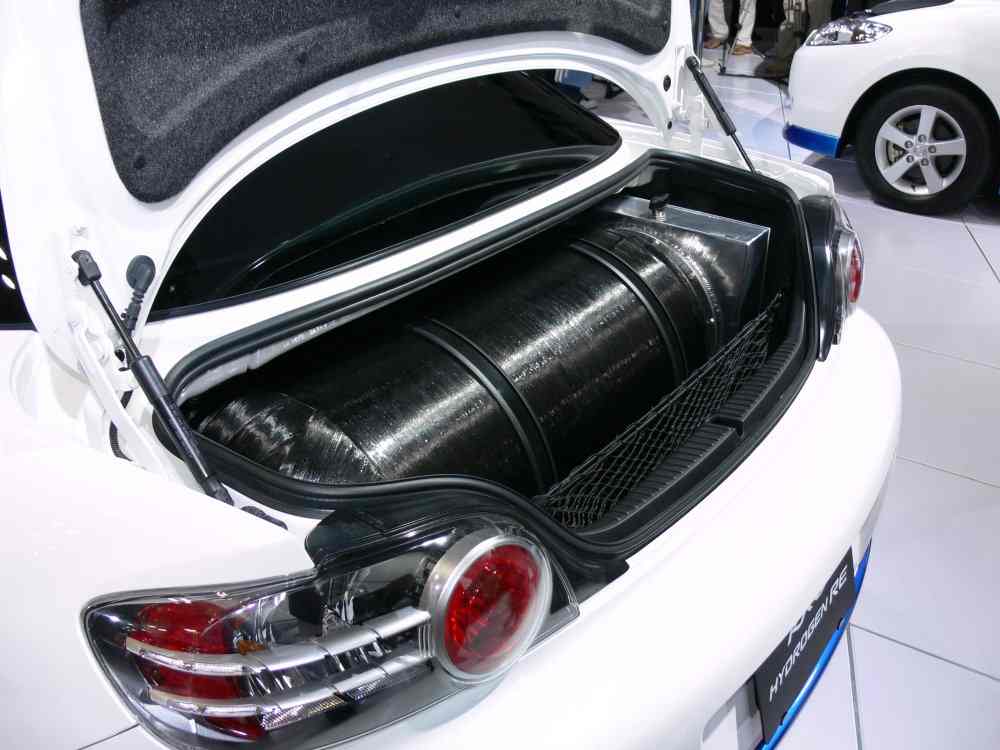
but run the numbers of volume and weight needed in order to be energy
comparable, and you will be surprised....not to mention the way some of
it has to be stored, in pressurized bottles. For the size, and weight,
you have to come up with some pretty good energy packing product to beat
gasoline, diesel or jet kerosene.
You might be able to do a 6 hr flight with gasoline, while you are bound
to do an hour and a half with alternative fuel. then once you land, it
is a matter of getting into a taxi with your gas canisters and getting
it filled somewhere, if you want to get home again.
Just because it is possible, and the fuel in question have a couple of
desirable features ...like ....perhaps....clean burning....doesn't mean
it is a viable way to go.
Alcohol, you need roughly twice the tank size if we compare that energy
with gasoline, so you have a choice, either you keep your tank size
intact, but fly only half as far, or fly as far, but double your
tank size...take a pick.
Same equation has to be looked into for any fuel alternative.
An equation that works for a city bus, it will not necessarily work for
an aircraft.
We have not even touched the issue of existing infrastructure
yet.....land in Wyoming and when the fuel truck get to you, ask him if
he has a special on Hydrogen today.
Roger
--
The Rotary Engine NewsLetter. Powered by Linux.
ACRE NL web site.
http://www.rotaryeng.net
Youtube key word PaulLamar2
Copyright 1998-2011 All world wide rights reserved.