Paul,
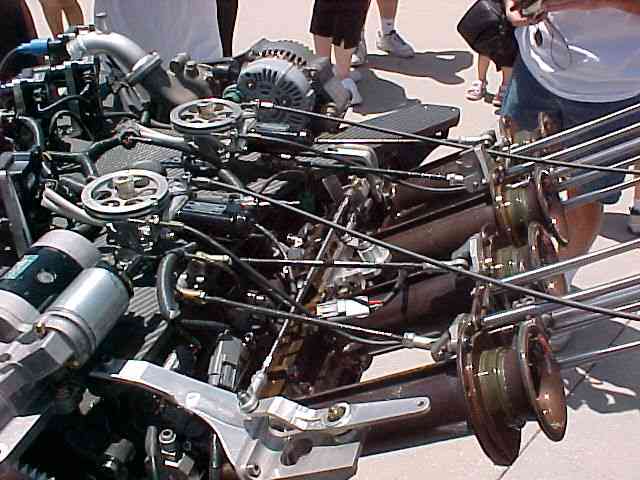
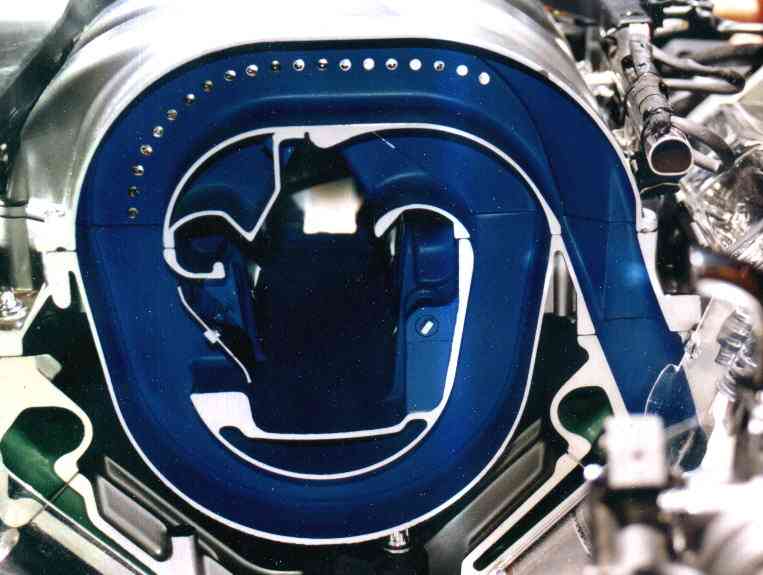
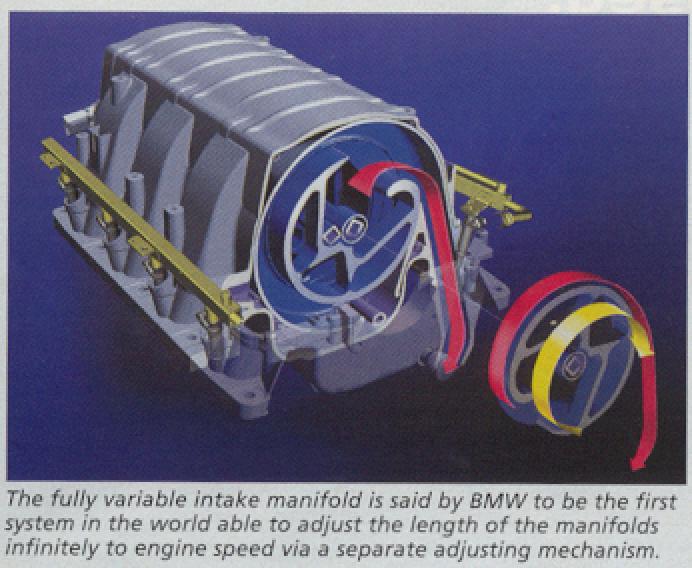
I realize that the intake and exhaust tubing diameter and lengths will affect
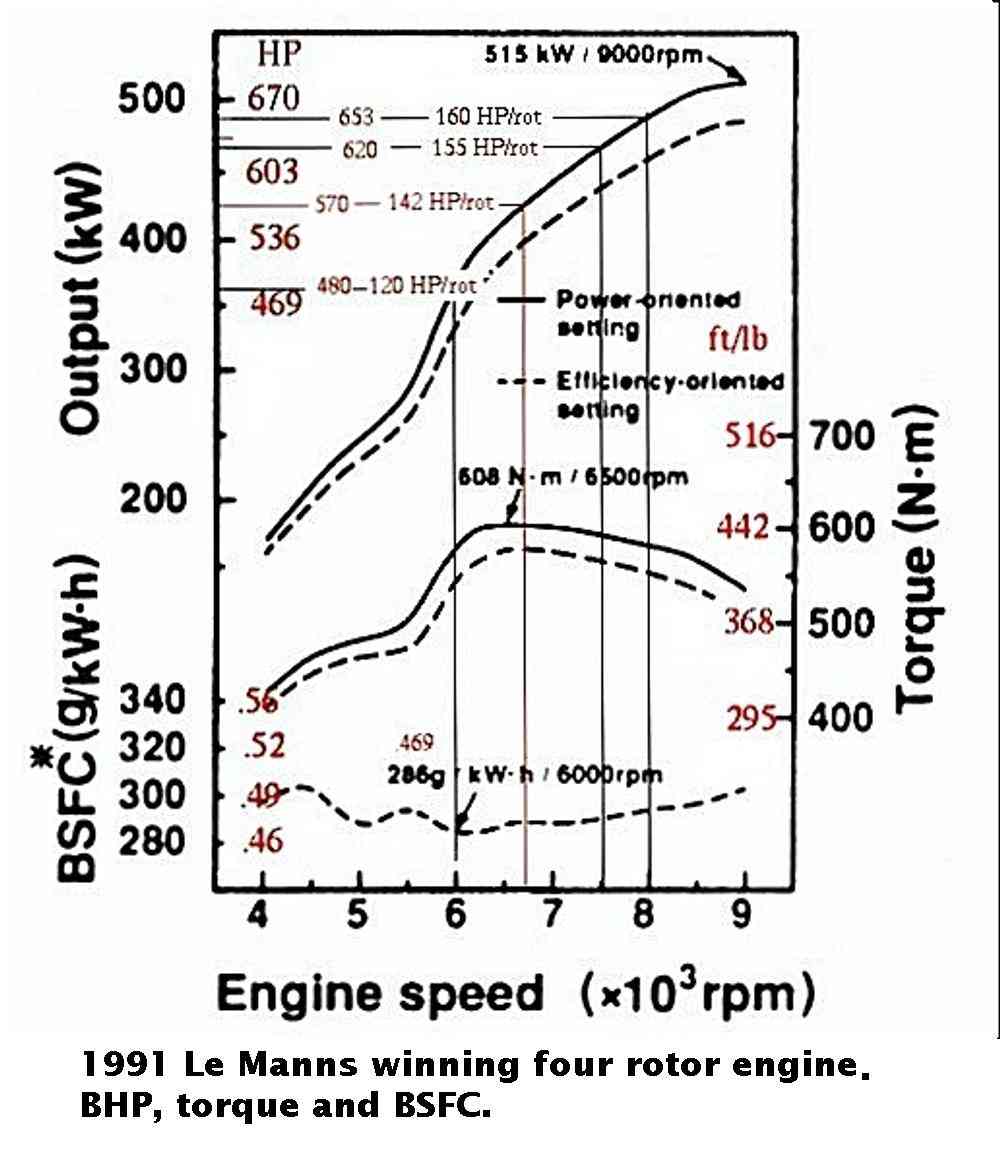
the torque (thus HP) curves. What would you attribute the dip in the curves
between 5000 and 6000 RPM? I also realize this is only one dyno run.
I would expect economy cruise prop RPM between 2000 and 2100 RPM which would
be about 5600 to 6000 RPM engine. With that in mind, a change in tuning of the
intake and exhaust would seem to be indicated.
Dale Davies
There is a thing called "Q" The higher the Q the purer the tone
and the greater the effect. That narrows the torque peak.
It also generates dips in torque over the RPM range. We don't really care
what happens below 6000 RPM as that is an ideal cruise
RPM where the loads on the rotor bearings are lowest. It is also
a low point on the BSFC curve or fuel burn.
I am not sure how to change that. Perhaps the 180 degree bends in the
tube is already doing it because our results are broader than
the Le Manns engine and we are getting slightly less HP.
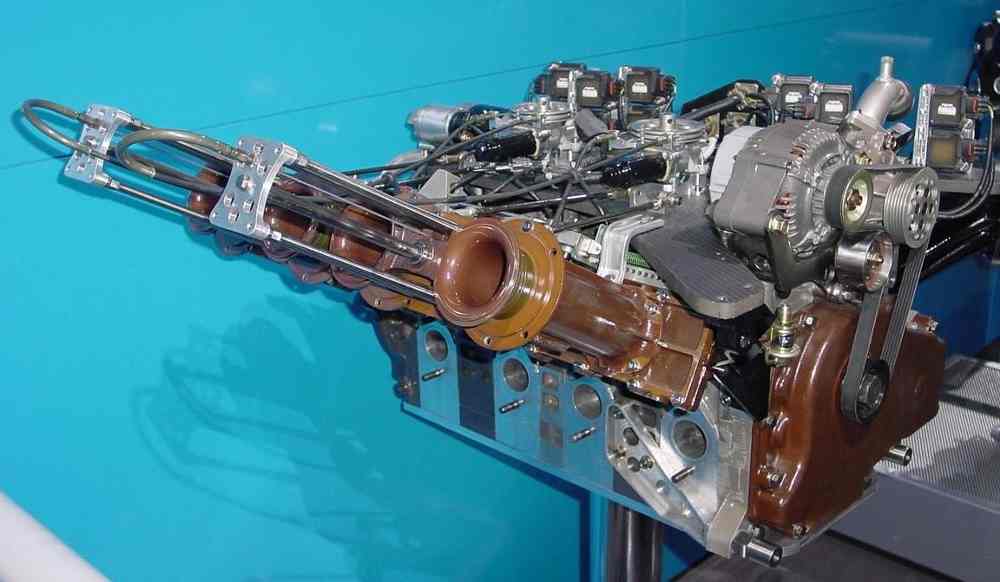
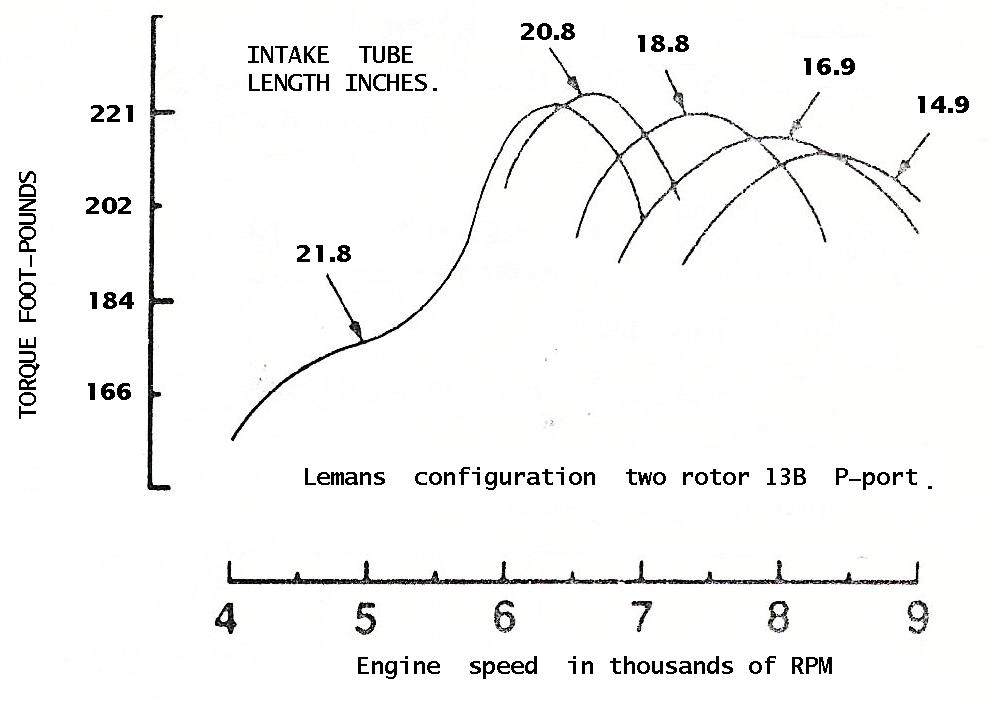
Here is the results Mazda got for the Le Manns engine. We tried
to copy that as closely as possible based on the gear box ratio
we had to work with.
http://www.rotaryeng.net/fund-of-intake.html
http://www.rotaryeng.net/Mazda_R26B_US.pdf
Paul Lamar
The Rotary Engine NewsLetter. Powered by Linux.
ACRE NL web site.
http://www.rotaryeng.net
Youtube key word PaulLamar2
Copyright 1998-2011 All world wide rights reserved.