Hi Paul,
Check out this article on the nuclear reactors in Japan.
There is a brief mention of how water is dissociated when it gets hot
enough.
Cheers Chris in nz.
http://bravenewclimate.com/2011/03/13/fukushima-simple-explanation/
------------------------------------------------------------------------
"Zircaloy with a melting point of 2200 °C" 4000 F
Zircaloy-4 (Zry-4) consists of 98.23 weight % zirconium with 1.45% tin, 0.21%
iron, 0.1% chromium, and 0.01% hafnium.
Zirconium (Zr) is a grayish-white, metallic element with an atomic number of 40.
It naturally combines with silica and oxygen to form the mineral zircon
(ZrSiO4), the primary ore of this element. Zircon has been known since biblical
times, and it has been called by a variety of names, including jargon, hyacinth
and jacinth.
In the late 1700’s, the German chemist Martin Heinrich Klaproth suspected that
there was a new element to be found in this mineral. He reduced the mineral
zircon to zirconium oxide in 1789, but never isolated the metal. In 1824,
Swedish chemist Jöns Jacob Berzelius isolated an impure zirconium metal, but it
wasn’t until 1914 when pure zirconium was finally produced.
Zirconium reacts with oxygen, forming a thin coating of zirconium oxide on its
surface. This coating protects the metal from further oxidation. Zirconium is
quite resistant to corrosion by acids and other chemicals, and is valued in
industry for this resistant quality.
Zirconium has no beneficial or adverse effect on living organisms, and is
resistant to corrosion. Based on these properties, it has proven to be a good
material for artificial limbs and joints.
Analysis of the rocks collected on the moon has shown that zirconium is a common
element on the surface of the moon.
Fourteen million tons of zirconium are in heavy-mineral sand deposits in the
United States. The sands are called zircon sands because they contain sand-sized
mineral zircon grains. Most heavy-mineral sands also have a high content of
titanium-bearing minerals, such as ilmenite and rutile.
Several American metal companies in Oregon and Utah recover zirconium metal when
recycling scrap metals created during metal production. Zirconium chemicals
(like zirconium dioxide) are made in Alabama, New Hampshire, New York and Ohio.
We could use some of that stuff for a turbo and turbo compound
turbine for the rotary let alone mufflers.
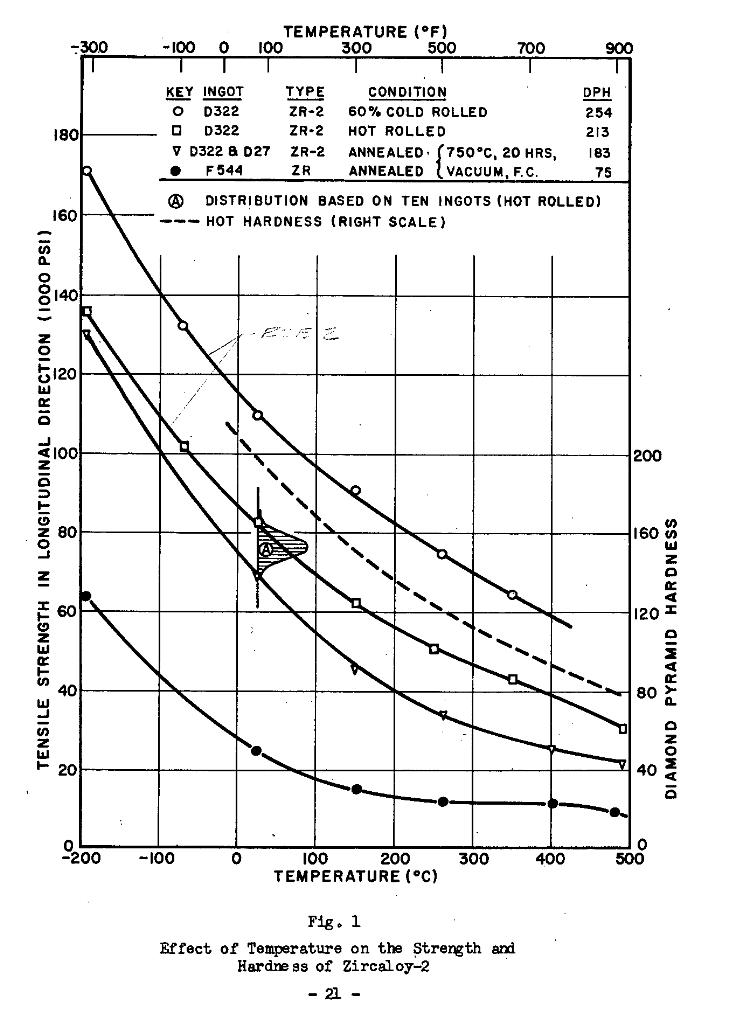
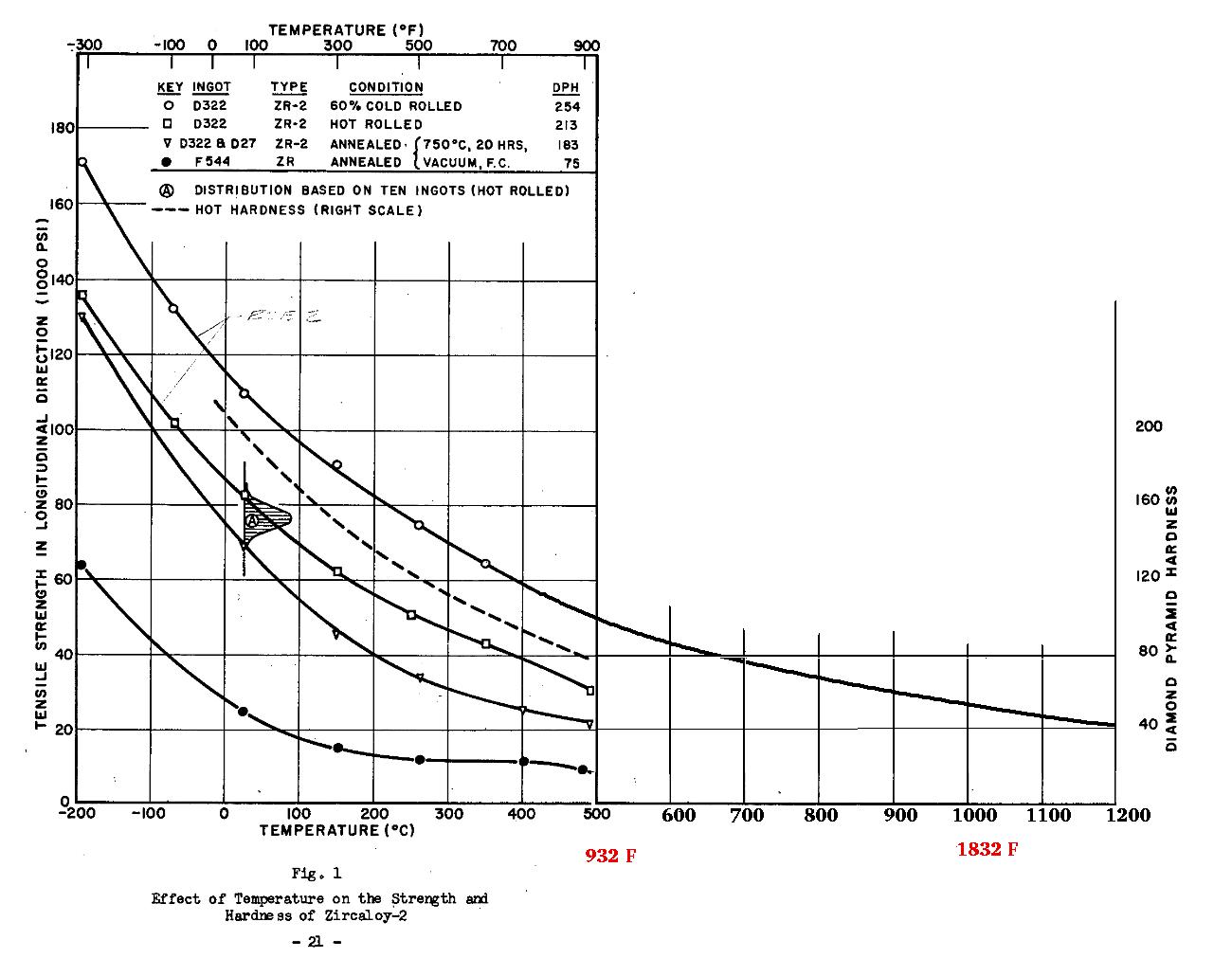
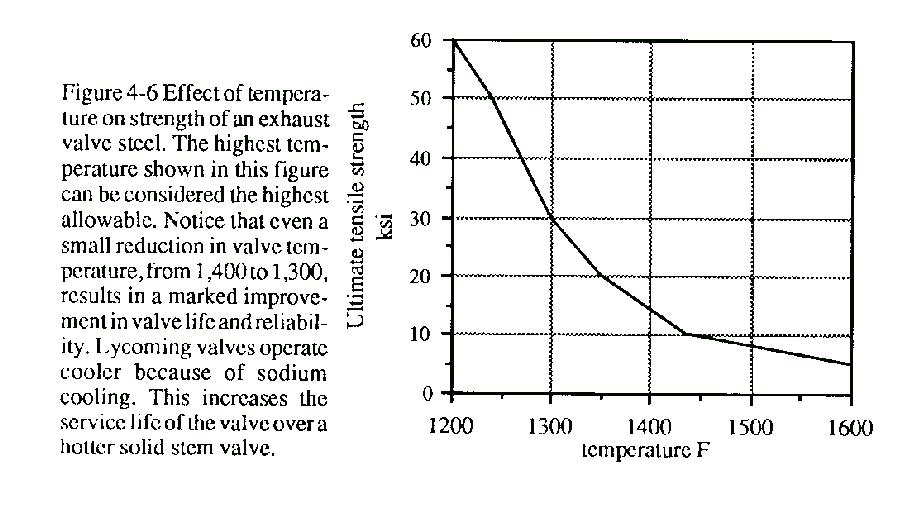
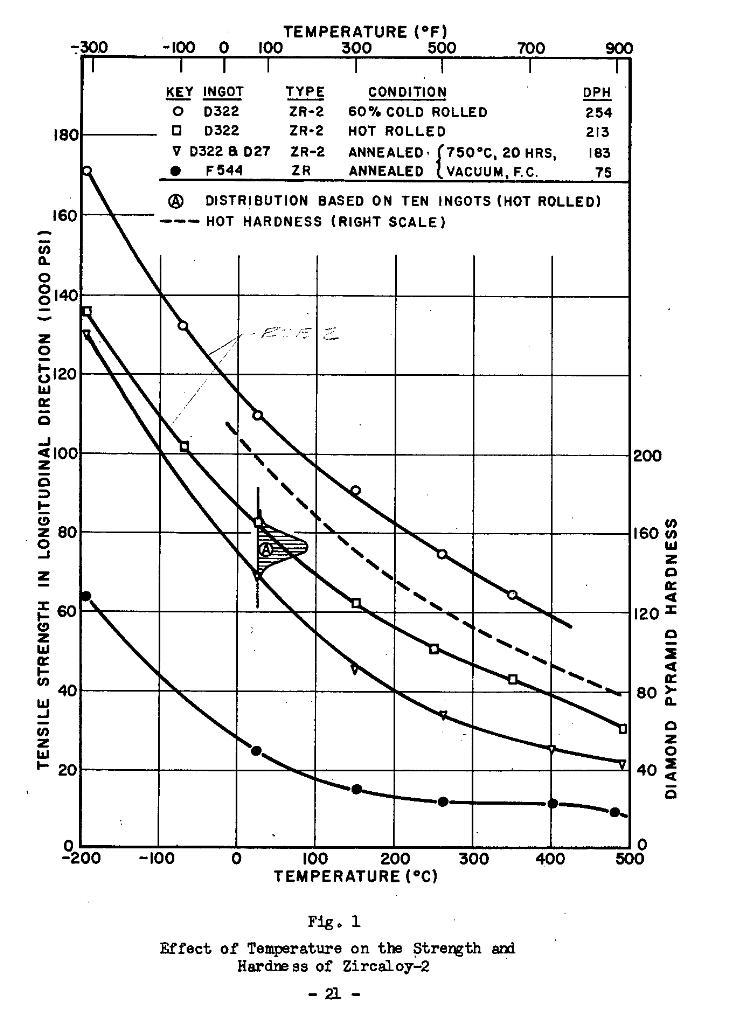
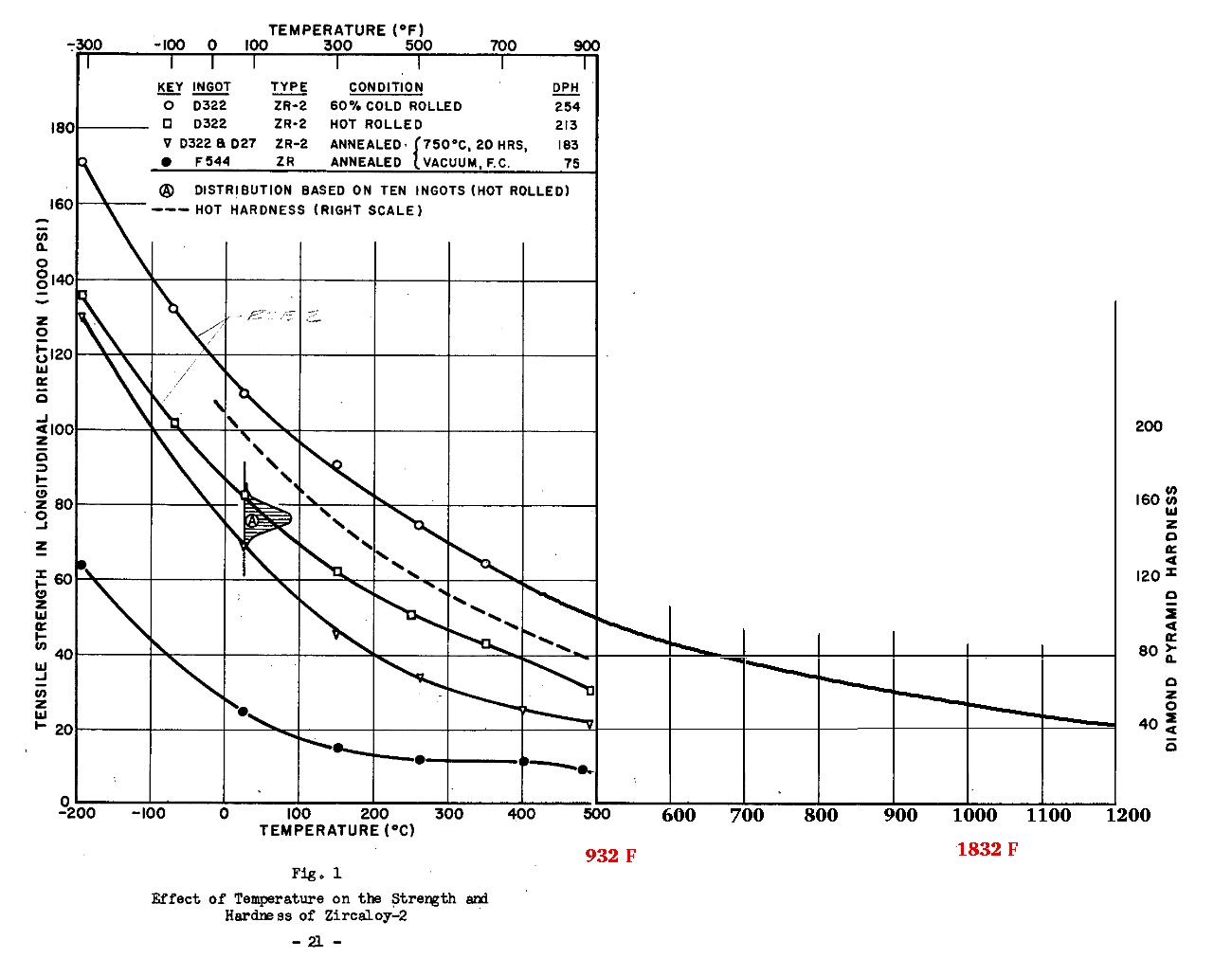
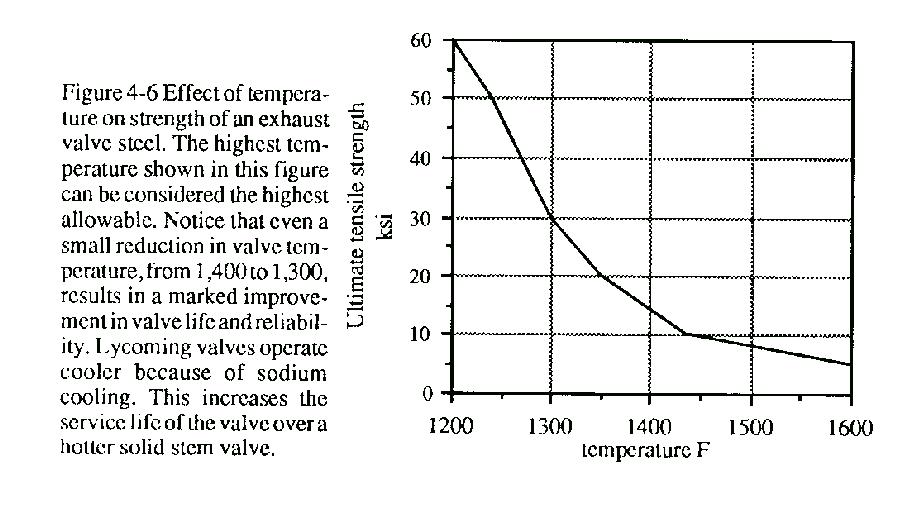
I extrapolated some strength data I found based on the 2700 C melting
temperature. Looks a lot stronger at high temp than valve steels.
What is really great about it is the density. It is about half way
between steel and aluminum at .2 pounds per cubic inch. That means it will make
great turbine blades.
Paul Lamar
--
The Rotary Engine NewsLetter. Powered by Linux.
ACRE NL web site.
http://www.rotaryeng.net
Youtube key word PaulLamar2
Copyright 1998-2011 All world wide rights reserved.