Mike had firmly riveted Tracy's case down on top of the structural
tunnel between the pilots feet. This area is subject to a lot of
vibration
merely by taxiing around the airport.
I had to unbolt the top of the tunnel to
get the case out of there. Took me a couple of hours as one
button socket head 10-32 head hex had striped out.
The circuit board is mounted upside down so if a chip wanted
to fall out it would have no real impediment.
I could see nothing obviously wrong with the circuitry except for
one solder bridge to ground on one of the 3 terminal 5 volt regulators.
It was the center lead and as I recall that is supposed to be ground
anyway.
Both computer chips were firmly in the sockets.
This EC2AX computer was built in 2001 so the electrolytic caps could
be deteriorated.
Apparently it was updated in 2003. These computers have mechanical relays
so it is not a good idea to bolt them down. Dave Leonard suggested shock
mounts and that is what I am going to do. I'll drill the rivets out
and mount it on rubber isolators.
IMHO the 10-32 socket button head screws are best replaced
with normal socket heads. Too bad I cannot find hex heads in 10-32.
I'll fly it for awhile and see if this fixes the problem.
Paul Lamar
Hey Paul;
Have considered hot-glue/rtv/silicon/conformal coating to try to keep
those PLCC and other components in place and protected?
Cheers
Cary
I hesitate to do that as Tracy needs to pop the chips out of there
for reprogramming. I don't think those old style chips can be re-flashed
while still in the circuit. I am guessing but embedded computer chips
have come along way since 2001.
I don't know what the history of this EC2 computer really is.
What was done when and why it was done. Perhaps
Tracy has records on it he can share with me.
Paul Lamar
--
DO NOT use commonly available RTV around electronics ... ever! It
releases acetic acid when it cures hence the vinegar smell. Guess what
happens when acetic acid gets near electronic circuits? Lots of corrosion!
There is a special version of electronic compatible RTV that uses a
different cure mechanism and does not harm electronics. Buy some if you
must use RTV around electronics.
SD
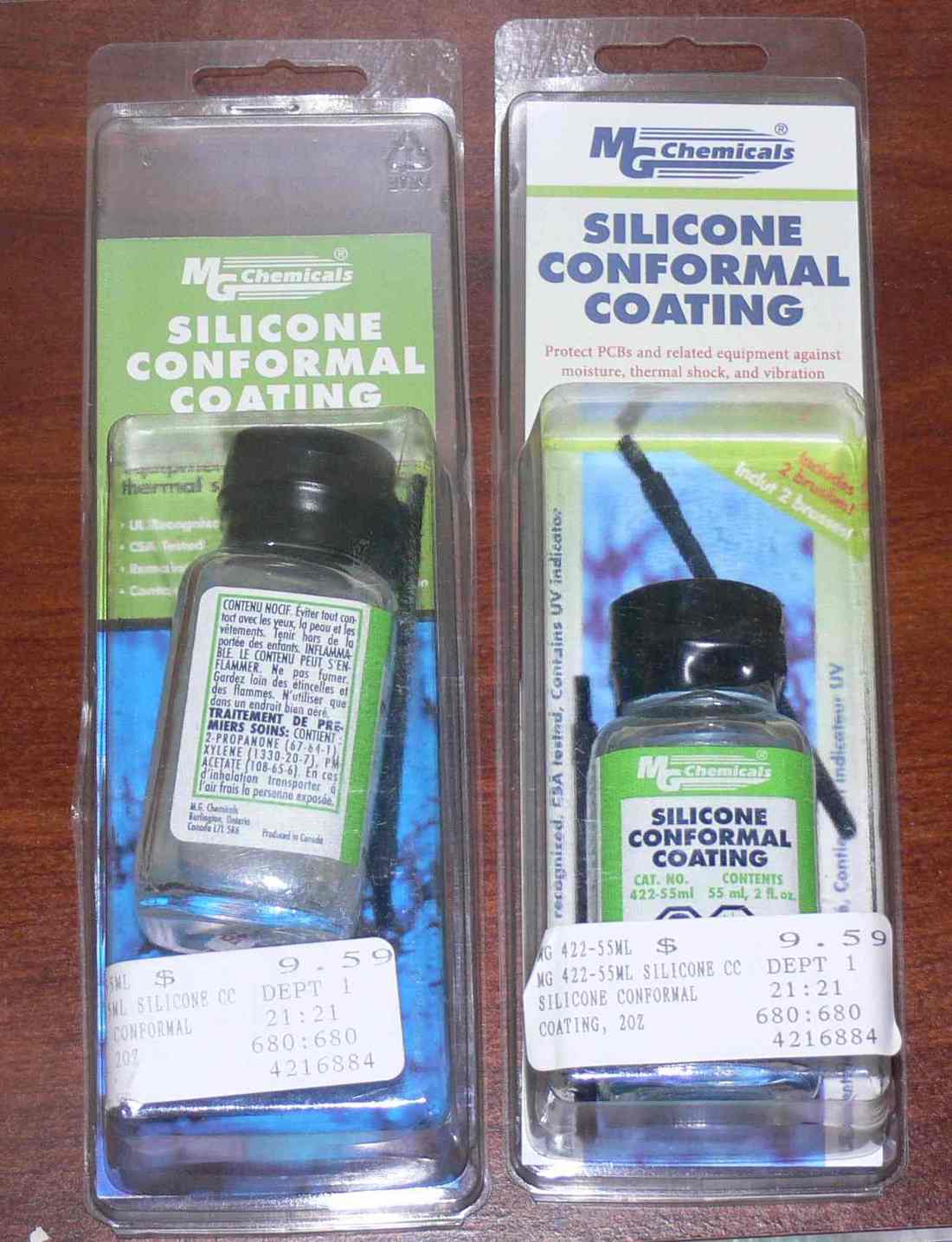
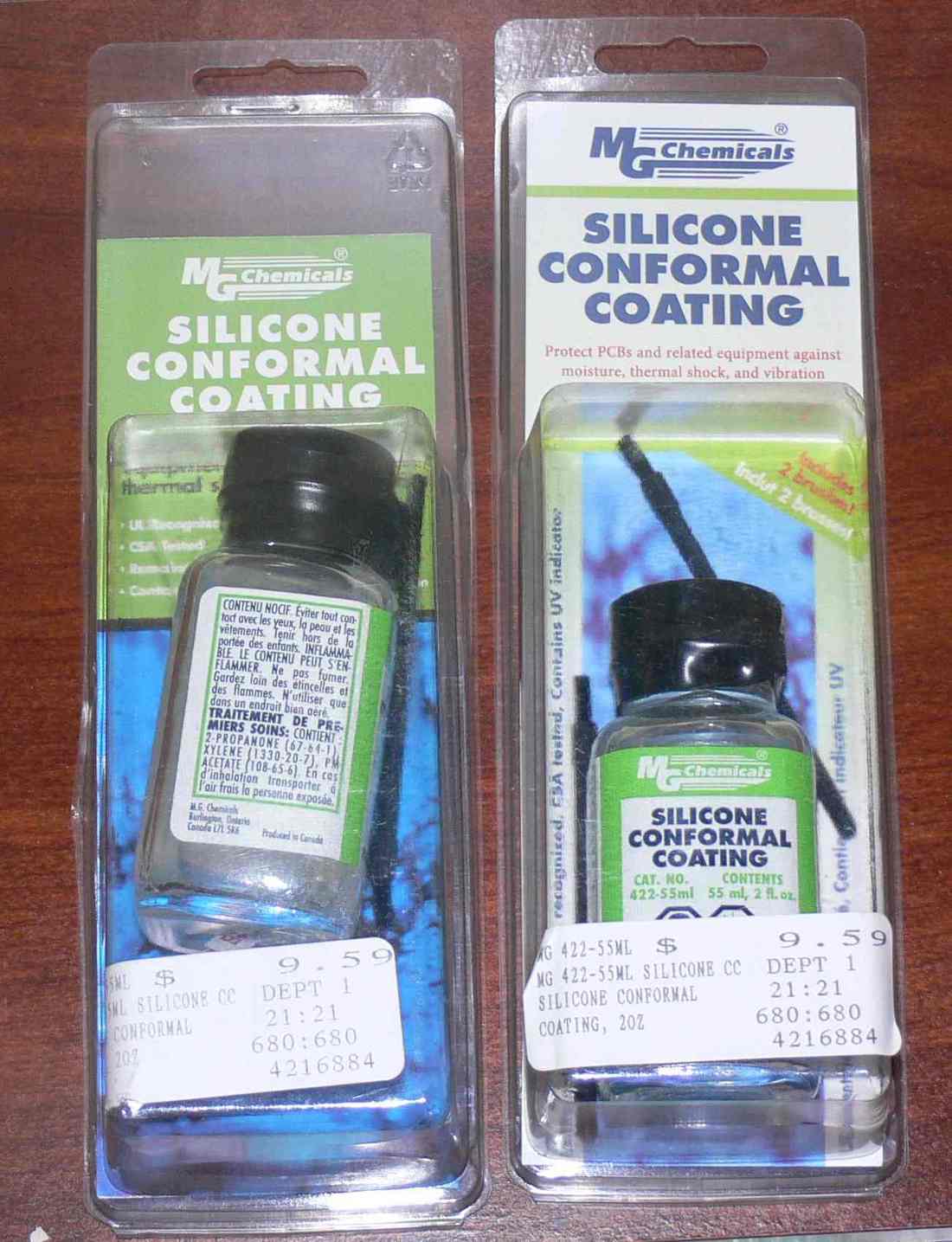
This is the stuff I use.
Paul Lamar
The Rotary Engine NewsLetter. Powered by Linux.
ACRE NL web site.
http://www.rotaryeng.net
Youtube key word PaulLamar2
Copyright 1998-2011 All world wide rights reserved.