Has anybody flown with one of these?
Paul Lamar
I Paul, glad to see you researching alternatives. I think you are
re-catching the flying bug.
I want to remind you about some of the extra work if you decide to
change out that circular hole for use as a T&B rather than the microair
tranciever that used to be here. First there is the issue of making the
hole larger, which is not to bad if you have a cutter, but a real pain
otherwise. then the old screw holes are bound to give you trouble, not
to mention possible interference with other items behind the panel.
More significantly, you would have to end up completely re-wiring the
comm radio. If your replacement radio does not have a built-in
intercom, then you would have to buy an intercom and mount and re-wire
that as well.
Thinking back, I now recall that mike was pretty sold on day VFR flying
only, which is why he did not install the T&B or lights. I agree with
you that a T&B is really an essential item and lights REALLY expand the
usefulness of the aircraft, even if you don't plan on a lot of night
flying.
That being said, the Comm radio is essential before first flight, while
T&B can be added at any time. Think how much easier it would be to just
plug in a radio and intercom rather than re-wire the whole thing. And
don't even think about using a hand-held. It is too cumbersome to
change frequencies to use in a fast aircraft like an RV, not to mention
poor reception and transmission qualities.
Anyway, just my two cents.
--
David Leonard
Turbo Rotary RV-6 N4VY
http://N4VY.RotaryRoster.net
http://RotaryRoster.net
You have some good points. I tested that loose Turn & Bank that came
with Mike's RV4 and it did not work, I don't know why but it could
be 28 volts.
I had only a 12 volt supply to test it with. I opened it up and it looks
OK. The motor brushes were in good shape. Klaus came over and looked
at the panel and he saw what he calls a turn coordinator. It was mounted
in the opening to the right of where the round radio was. He claims
this is not the same as a turn and bank AKA needle and ball. He
claims it is near worthless.
He looked at the spare turn and bank AKA needle and ball and said
that was the one to use. He told me German pilots are trained to fly
IFR on needle, ball and airspeed. There is not a lot of panel space
to work with. I'll know more after I get to work with what is there.
Your points on the portable radio are well
taken.
I sure wish it had an attitude indicator or artificial horizon as I
feel that is a good saftey device. You never know when you might run
into limited visibility. I have had that happen a lot in Alaska.
The new solid state artificial horizons look promising. Especially
if they
take in compass, airspeed and rate of climb data. The sensors for
airspeed
and rate of climb are super cheap at around $10 each. I am almost
tempted
to build my own as solid state rate gyros are used in toy
helicopters children
can learn to fly.
I could do a desertion on the difference between a rate gyro and
an attitude gyro but that is a story for another message.
Paul Lamar
I think that Klaus is mistaken. That instrument you have is a turn and
bank just like a needle and ball, only the representation is much more
intuitive. You are right that a horizon would be better, but at least
you have a nice big spot on your panel to put one if you don't get
one of
those solid state things.
One popular with the RV group is this attitude gyro from true track that
also includes a digital heading gyro. It is very nicely priced compared
to other electric gyros, especially since it is basically 2 gyros in
one. People who have them say they work very well.
http://www.trutrakflightsystems.com/products/ADI.html
Or, you can get an autopilot built into the same instrument if you want.
-- David Leonard
Sounds great. Price is right. Is this solid state gyro or mechanical
gyro?
I think some of the moving map software for "pads" is incorporating the
artificial horizon. IMHO this geo reference screen from WingX is near
perfect.
Paul Lamar
I don't know why you wouldn't look at the Dynon D10- They are light,
compact, have artificial horizon, altimeter, airspeed, AOA, mag heading,
VSI, slip indicator, can drive an autopilot , give relative wind, input
GPS and use that to drive the autopilot, Oat, and a few and a few other
things short of making your breakfast for you. And, since people are now
upgrading to the Dynon Skyview, you might be able to pick on up for much
less than the ~$2000 they were going for a few years back.
Just saying.
Brian Trubee
Technology is rapidly advancing with Android and pads. Cost are dropping
like stones in a swimming pool on solid state artificial horizons
3D moving maps. AKA synthetic vision. Thanks to super cheap solid
state rate gyros. The tech is well under $500 already including
hardware and software. I can buy a toy electric gyro that almost
flies it self for well under $100. Check out Harbor Freight.
Here is another idea. If you use two cheap (less than $10 each)
angle of attach sensors one on each wing and hook them to a computer
you can build a wing leveler.
Paul Lamar
Did I miss the link to these angle of attach sensors? I guess we could
use 4 to get level on two axis.
Sounds like another job for the atmel boards.
Thank you Paul.
Ed Carver
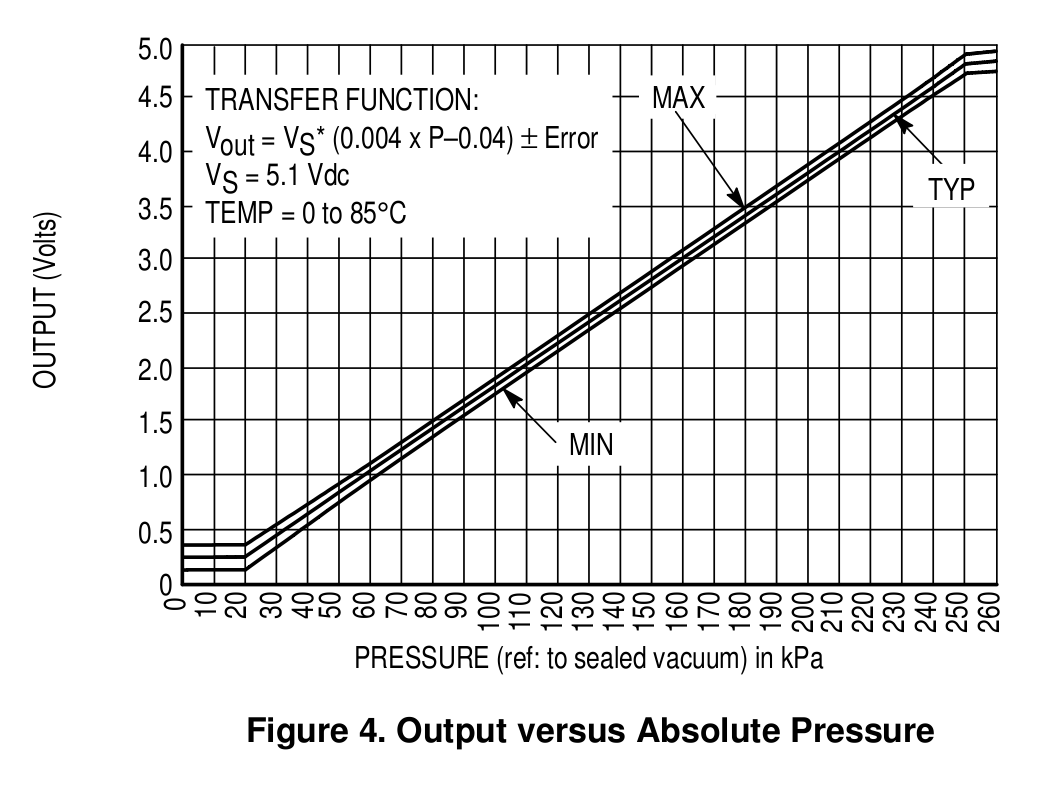
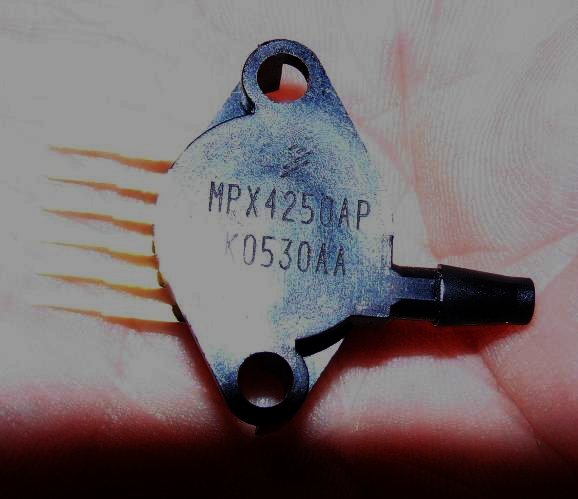
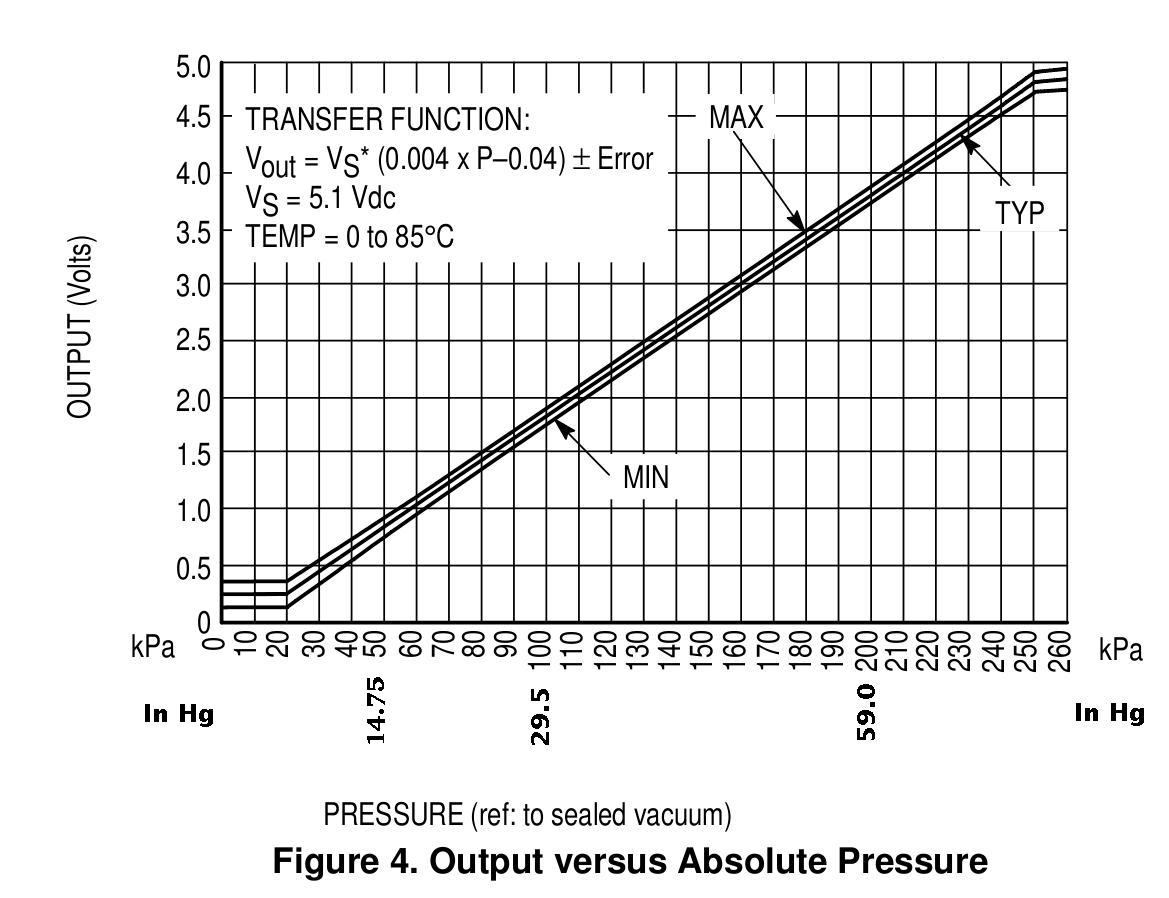
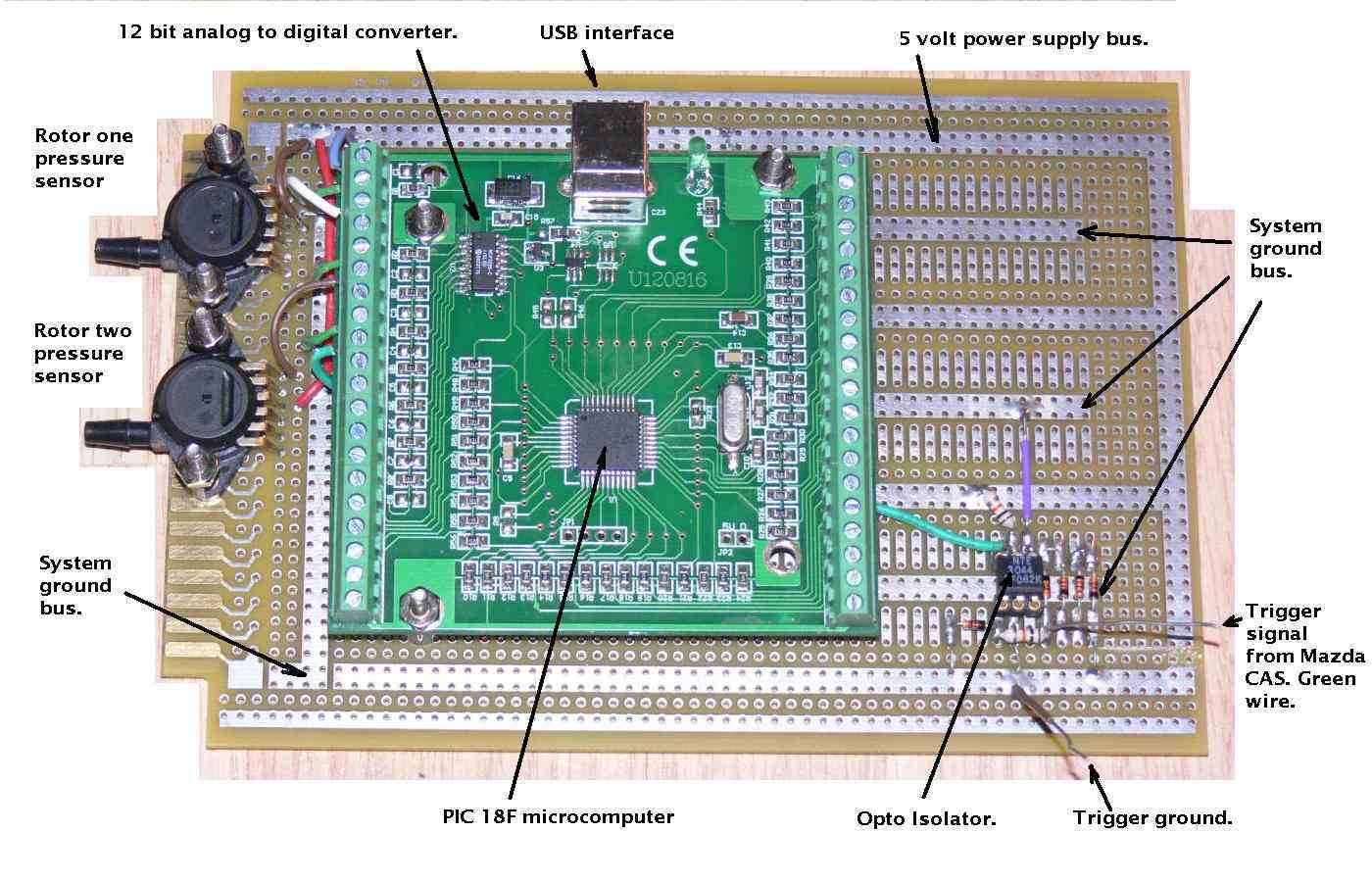
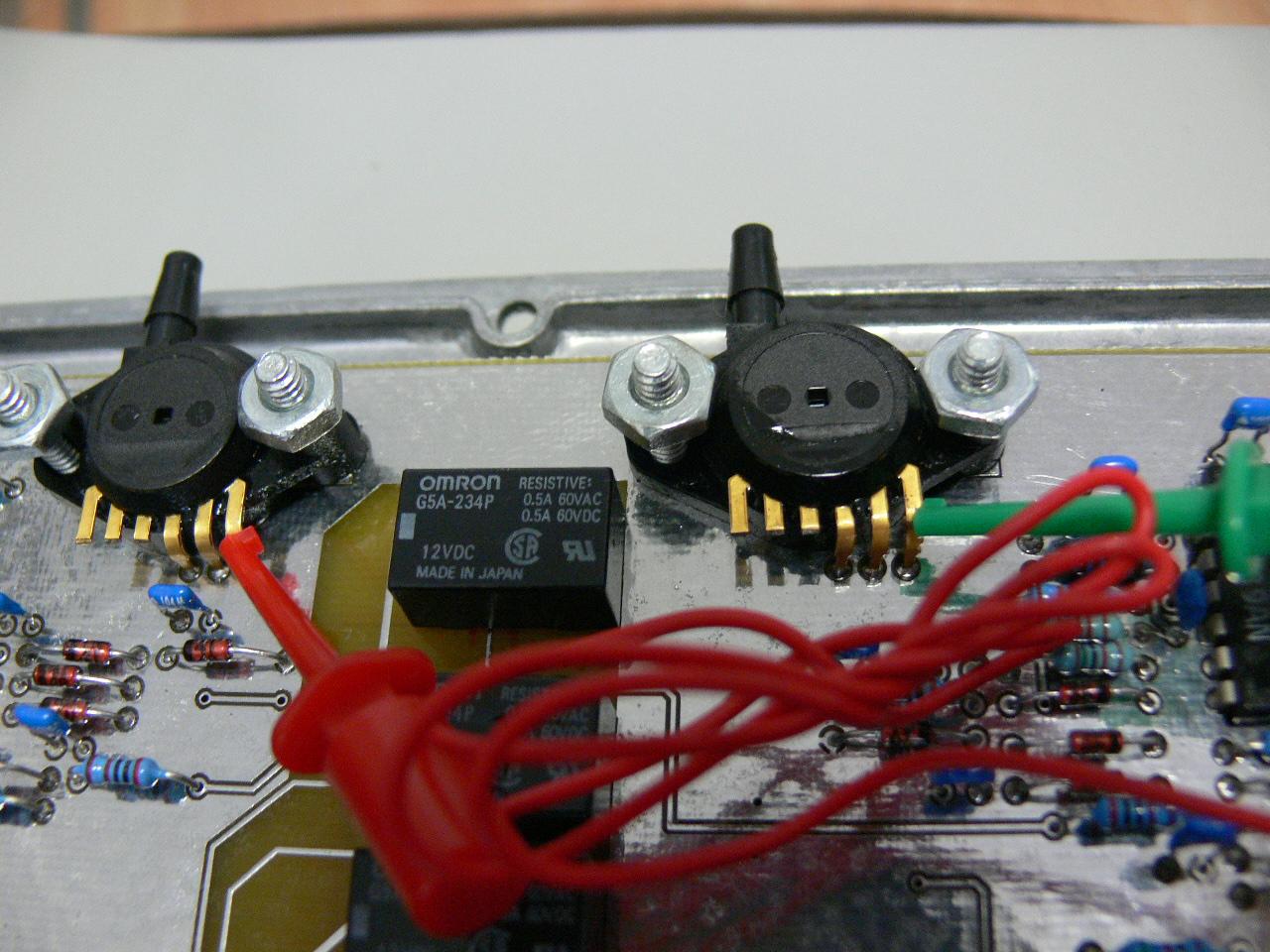
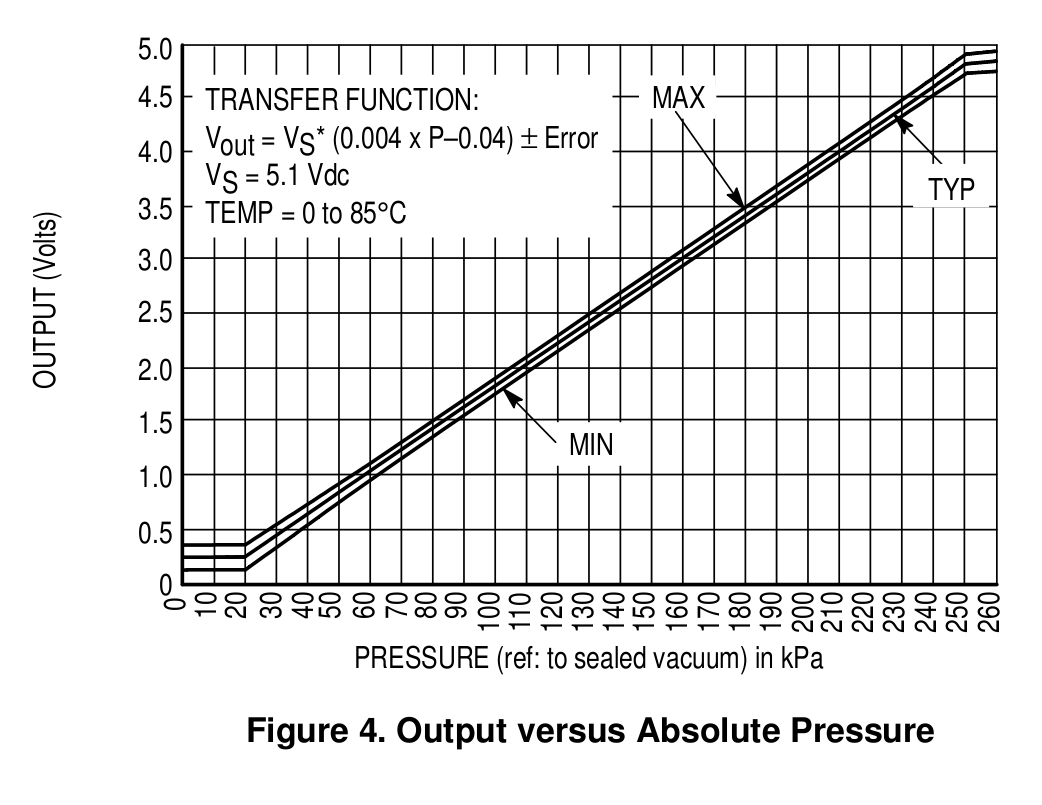
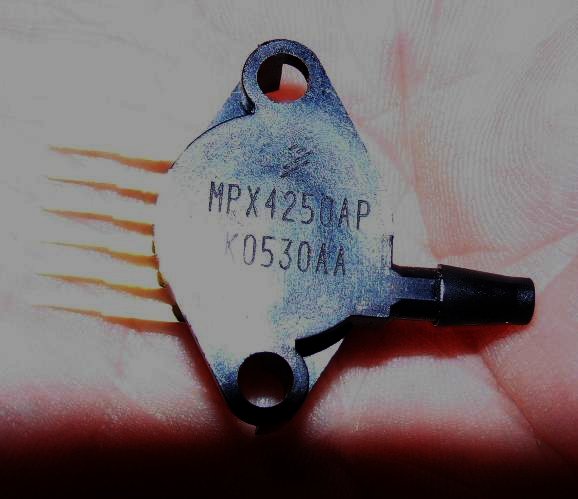
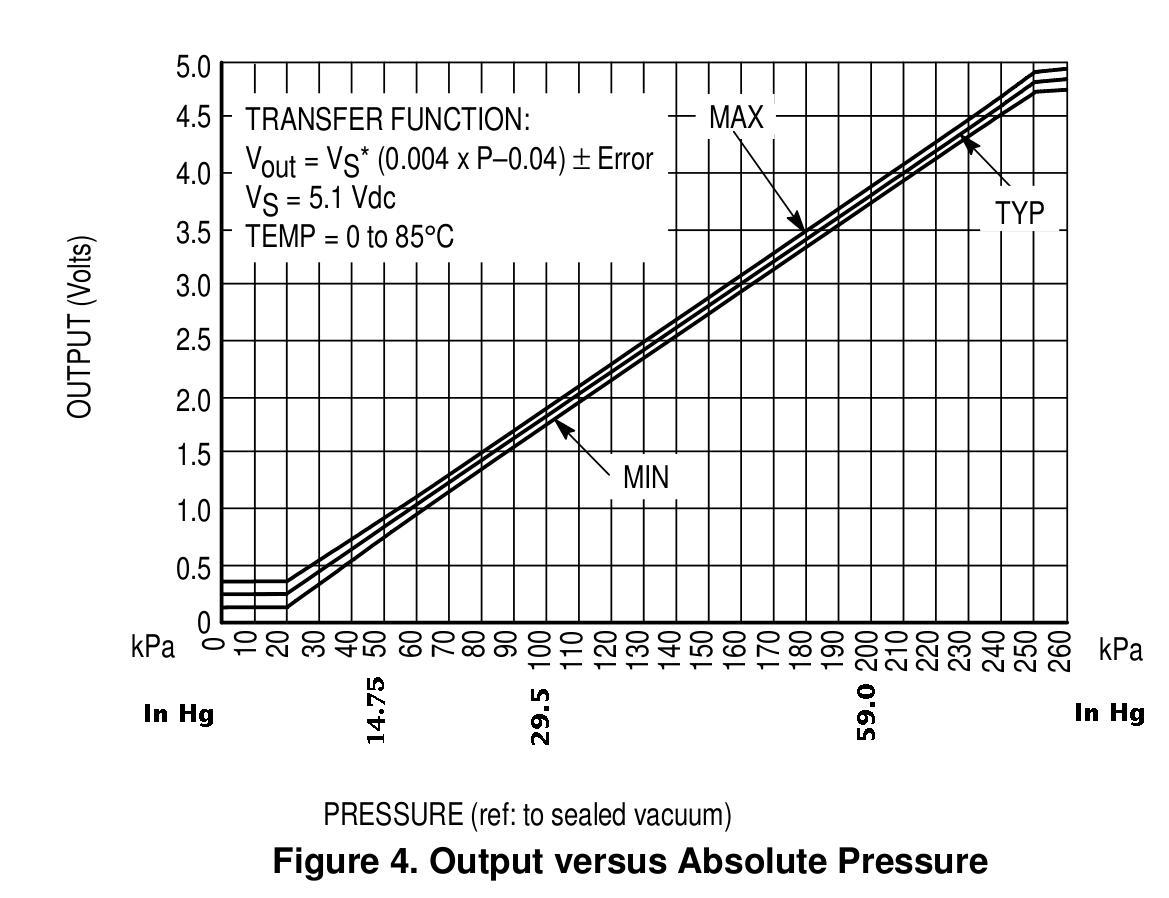
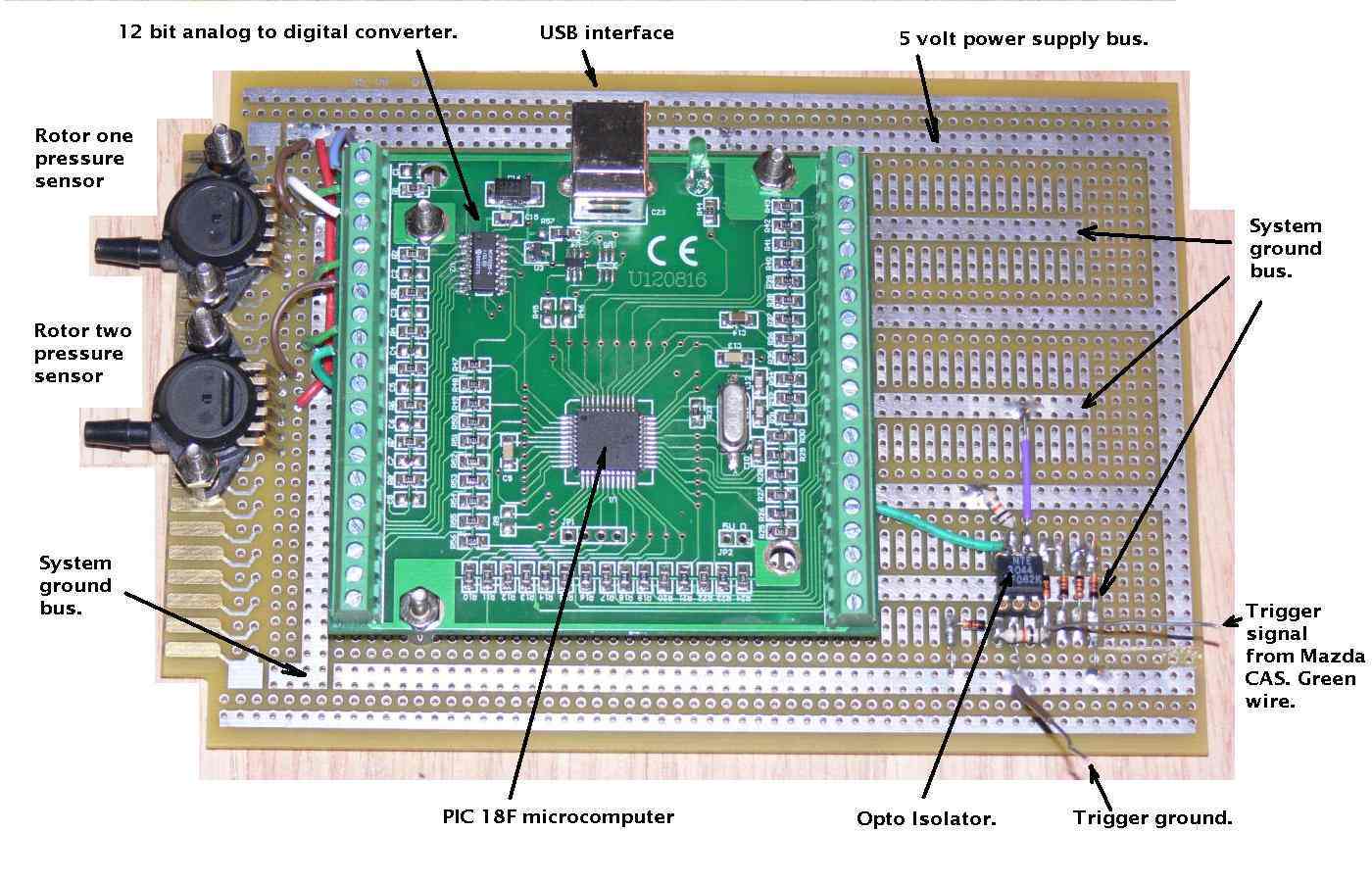
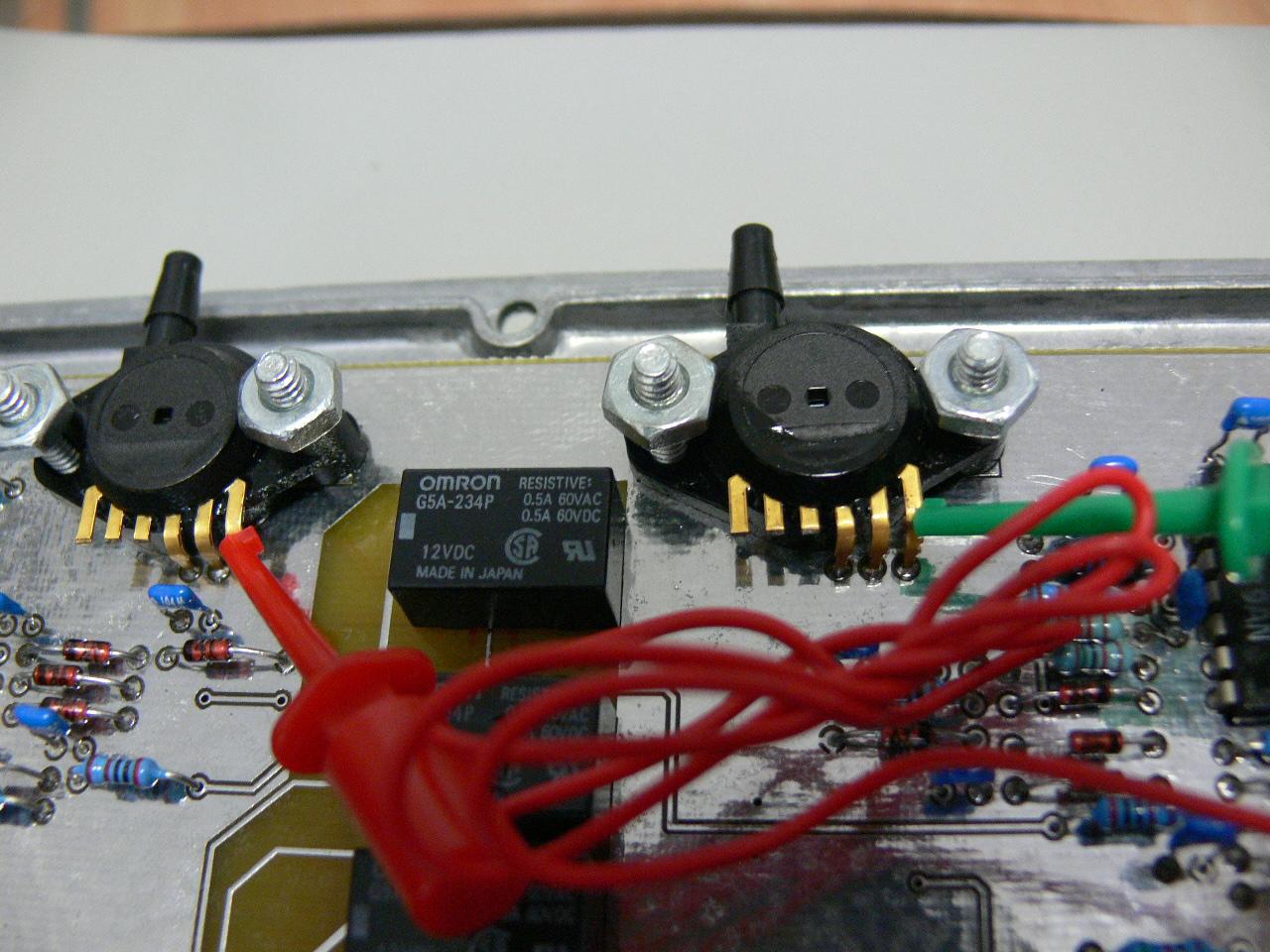
They are basically the same differential pressure sensors used in Tracy EFI.
There are merely two tiny pito tubes (just small holes) on the leading edge. One
on top of the curve and one below the curve. As the angle of attack increases
the pito tube on top looses dynamic air pressure and the one on the bottom
increases dynamic air pressure.
The Atmel software would be trivial to write in ZBASIC.
http://www.zbasic.net/
Paul Lamar
--
The Rotary Engine NewsLetter. Powered by Linux.
ACRE NL web site.
http://www.rotaryeng.net
Youtube key word PaulLamar2
Copyright 1998-2011 All world wide rights reserved.