Thanks to Murry, it seems a whole new set of cool possibilities has
arisen for warming up our Wankels.
It's been a long time since I worked on diesel trucks, so I was'nt aware
of Evans coolants. I just read through a couple long threads on an RX
forum debating the issue. For more than a year now I have read this
forum and have not heard of this stuff. If it's true the pressure
remains low, or even zero, then we should be chasing this one down in a
hurry. I have used water wetter for a long time in my porsches and MX
bikes. According to what I have read so far, I would have saved myself,
and a lot of other people, many headaches by using Evans coolant products.
So what is it? Are the diesel guys wrong, and are the few RX enthusiasts
similarly deluded, by promoting Evans products? Obviously, there are a
lot of advantages in using a coolant that does not vaporize within the
passages at or near zero psi; and what sort of pressure will we see if
we use it in our pressurized systems? If it does'nt vaporize, or
vaporizes very little, then we have a winner don't we?
The stuff's not that expensive. Who wants to be the first to try?
Search for Evans NPG+, on ebay.
Anyone have a good set of specs on this stuff?
Ed Carver
I know people have used it but someone mentioned the heat transfer
coefficient between coolant and metal is lower than ethylene glycol.
Evans coolant is mostly propylene glycol.
In order to properly test it one must have a "cylinder" head temp sensor.
Paul Lamar
It is not as good as water in carrying heat away but water has the
unfortunate tendency to turn into a high volume of steam if it gets a
little too hot. Steam is a pretty good insulator compared to water so if
enough steam forms on a hot spot the temperature will run away and the
engine will likely fail. They state pretty clearly that you should have a
high flow rate with their coolant to make up for the fact that it is not as
good as an equal volume of water. If you can safely run higher coolant
temps you can downsize your rad and reduce cooling drag. I have read
somewhere that 250F is the point where reduced rad size is balanced by
increased size needed for the oil cooler. In some installations the Rotax
four strokes where having failures due to poor cooling. That is why they
now require the use of NPG+.
Murry I. Rozansky
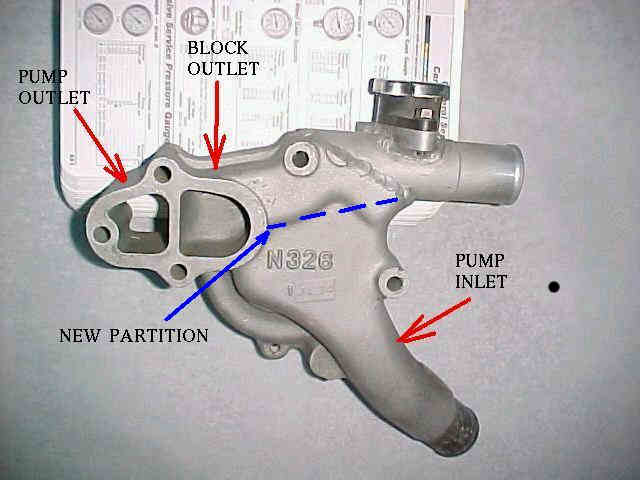
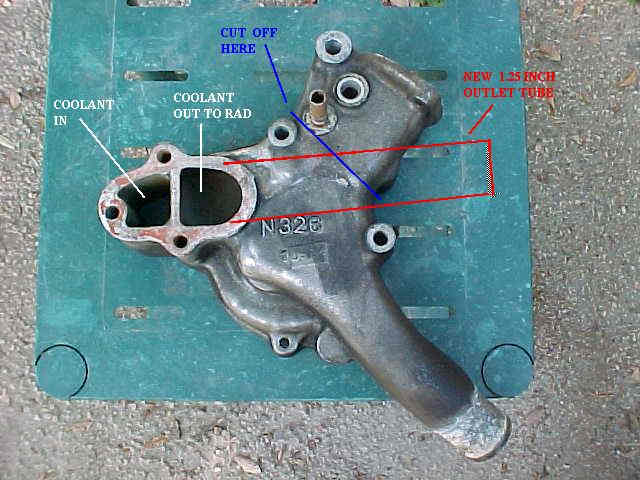
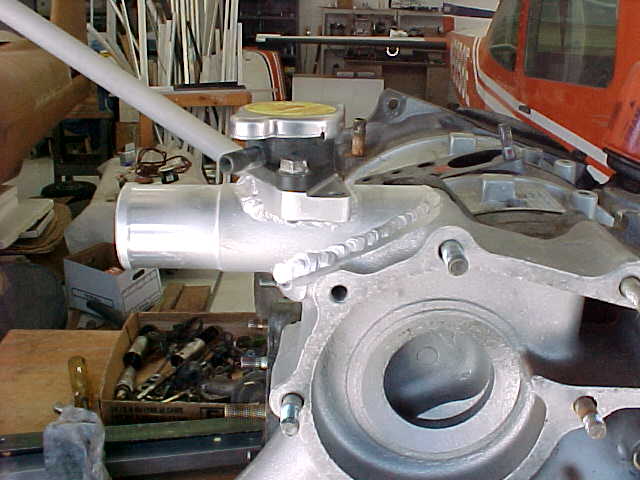
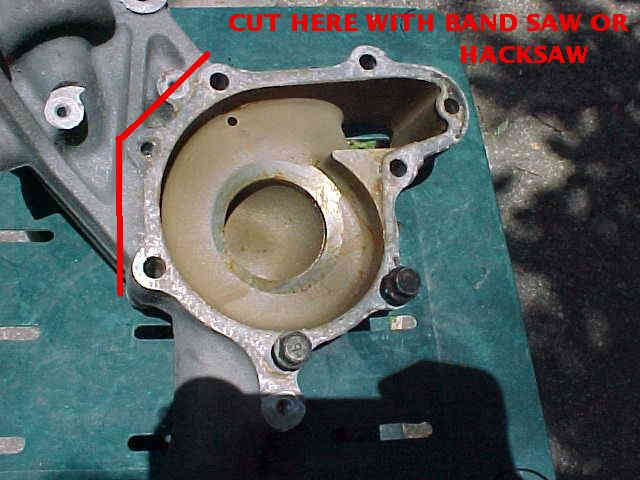
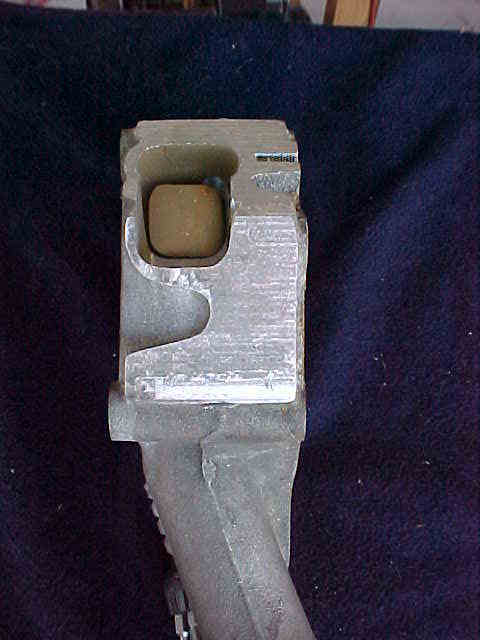
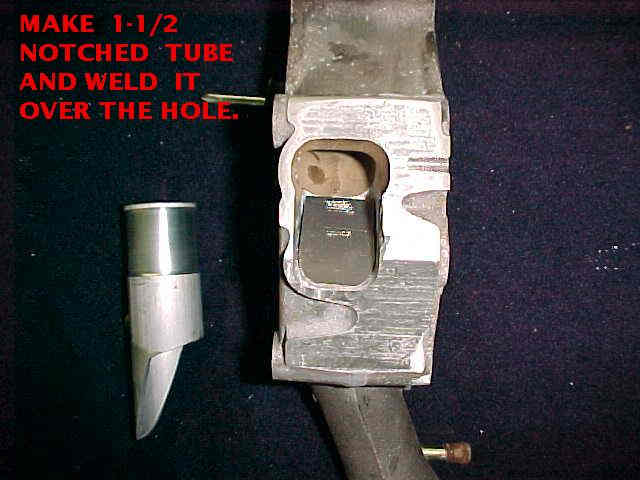
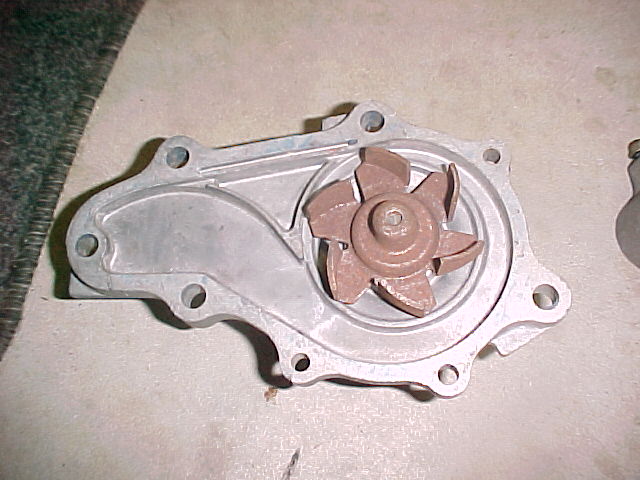
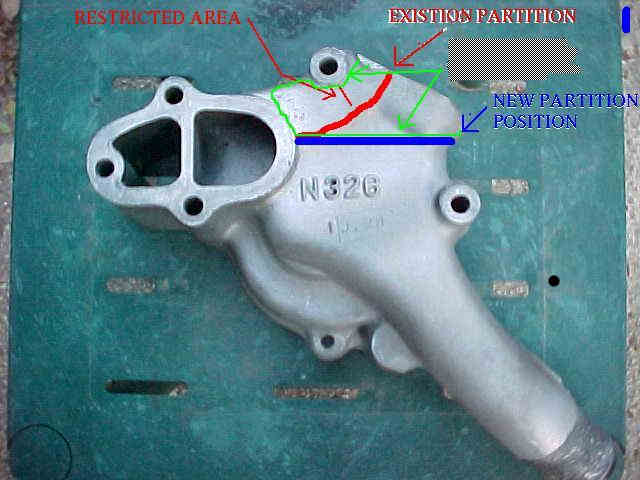
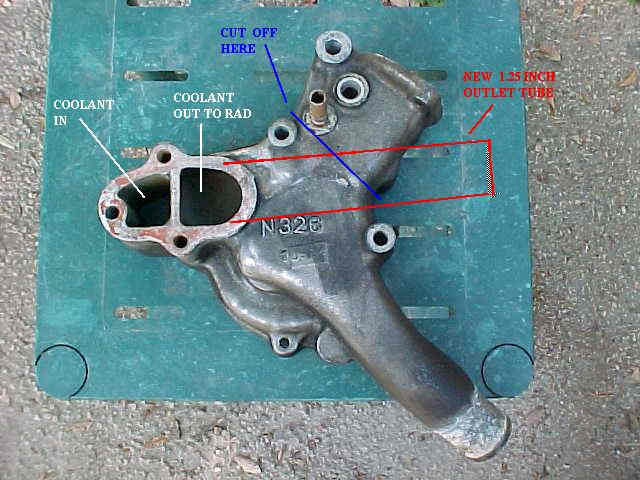
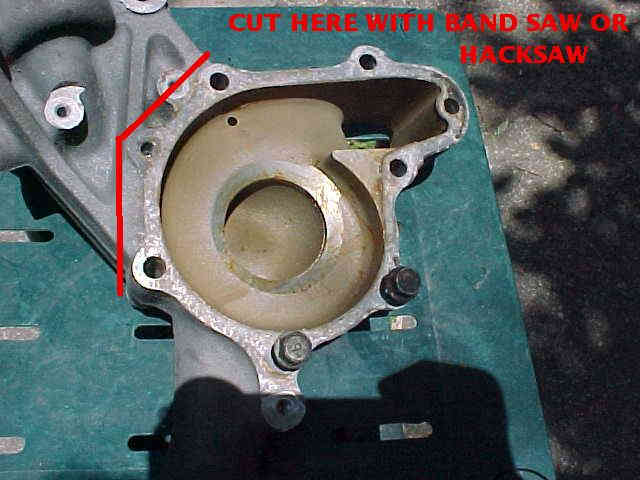
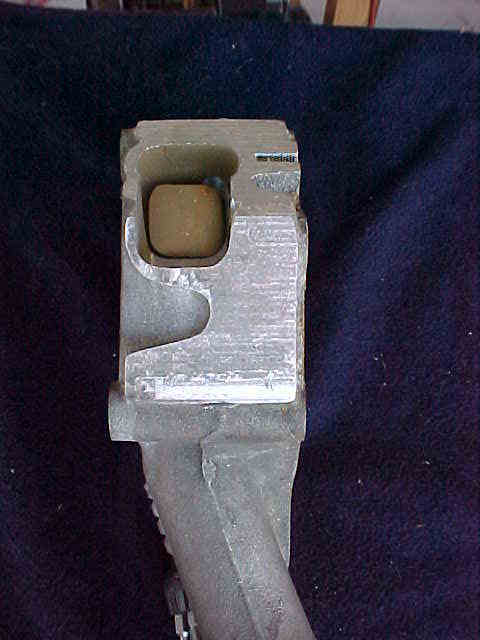
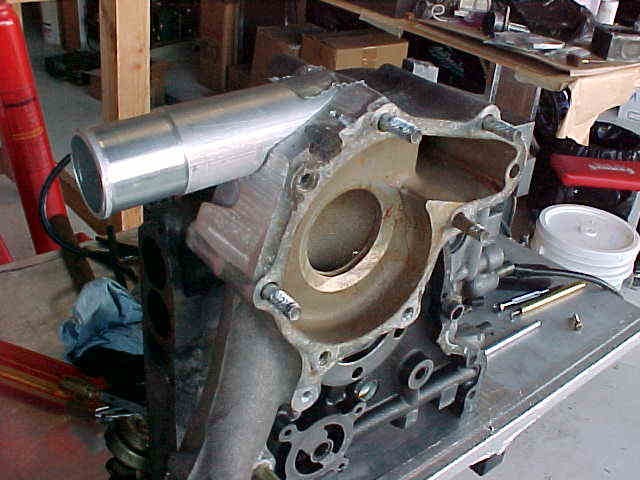
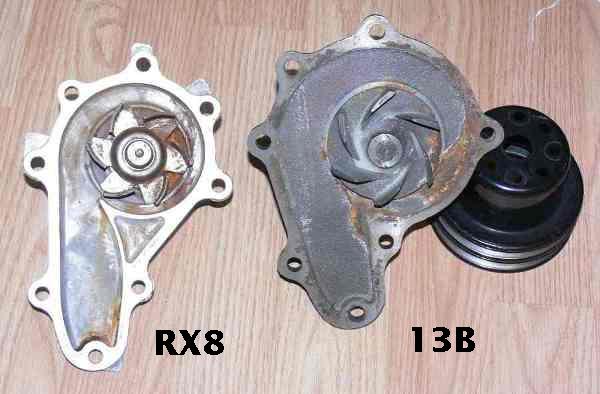
A simple way to increase the coolant flow rate in the Mazda 13B rotary is modify
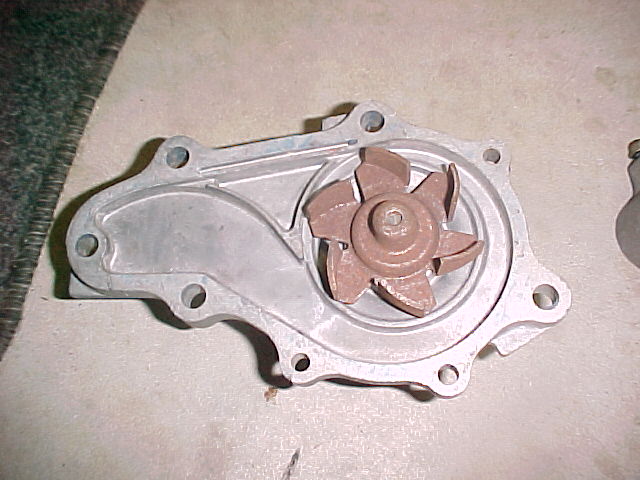
the pump housing to remove the block output restriction. Not possible in the RX8
pump unless you use a larger pulley on the e shaft.
BTW There is an after market impeller on the market for the RX8 pump. The cost
is so high you can hire a guy with an NC mill to copy the 2nd gen 13B impeller
for about the same amount of money. Perhaps Jeff will program his NC
mill and make a few of them for us.
Contact for Jeff. jeff doddridge
<4starr@cox.net>
Paul Lamar
--
The Rotary Engine NewsLetter. Powered by Linux.
ACRE NL web site.
http://www.rotaryeng.net
Youtube key word PaulLamar2
Copyright 1998-2011 All world wide rights reserved.