Paul,
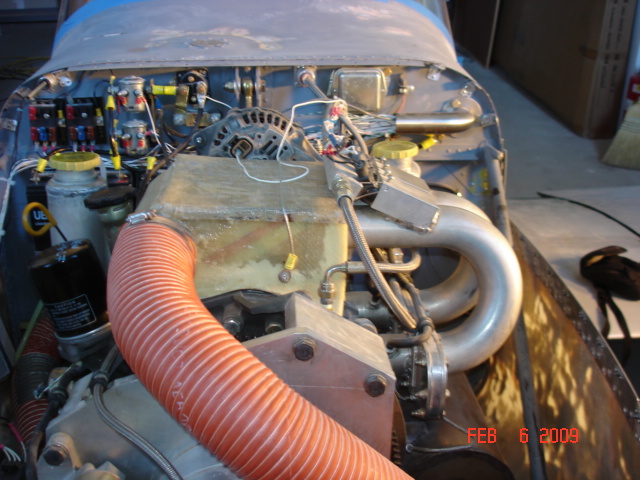
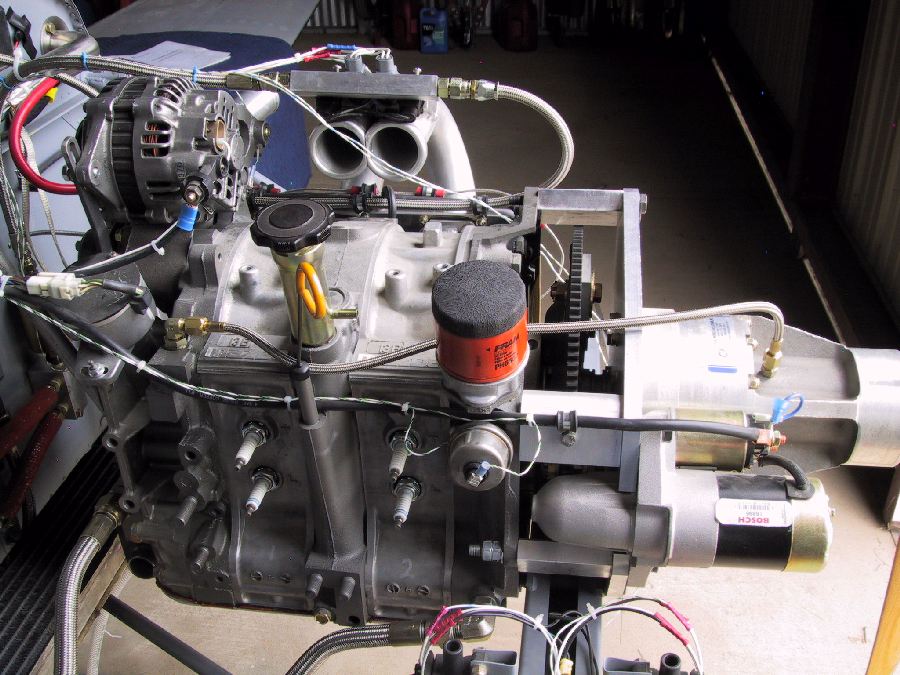
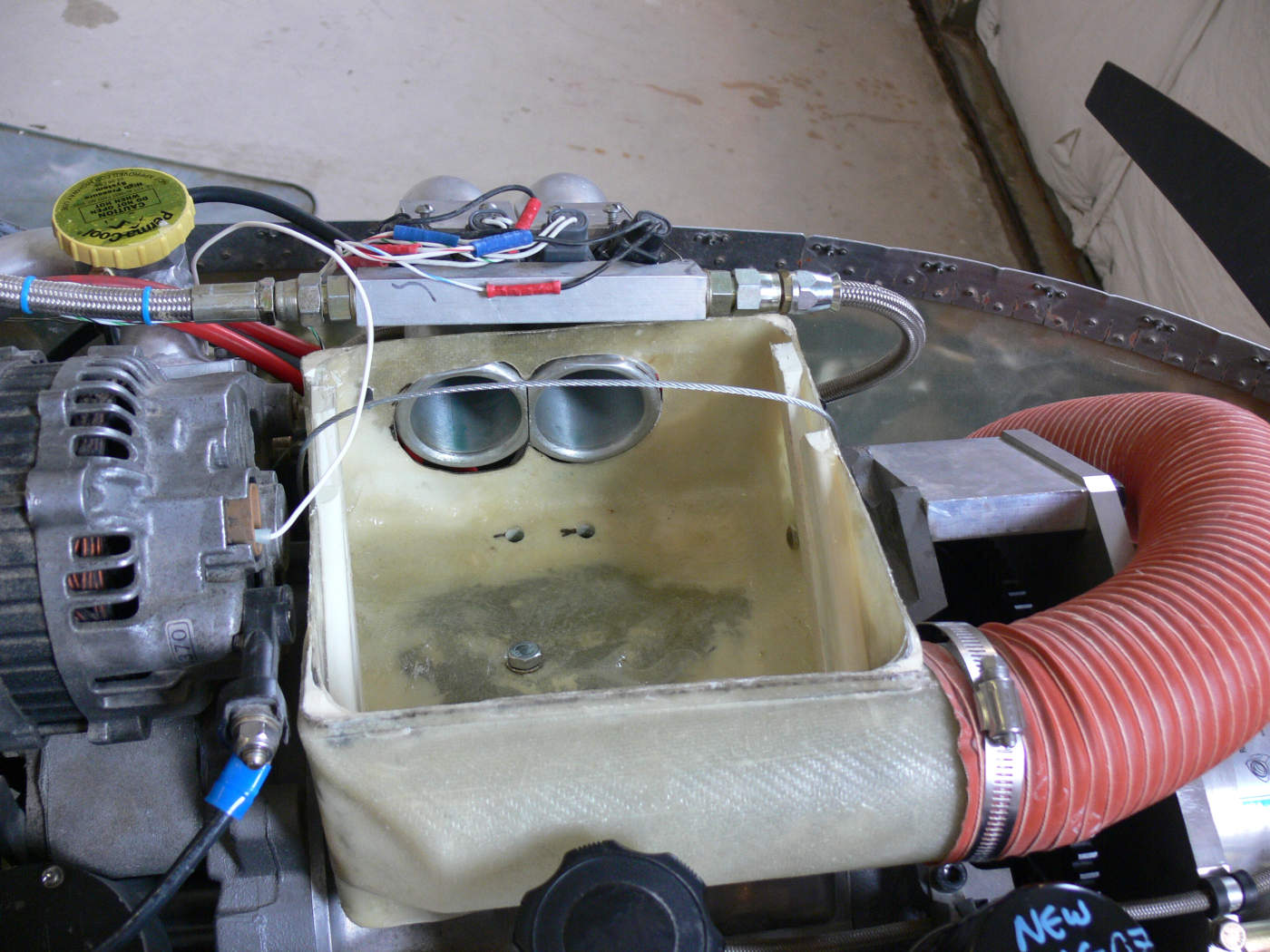
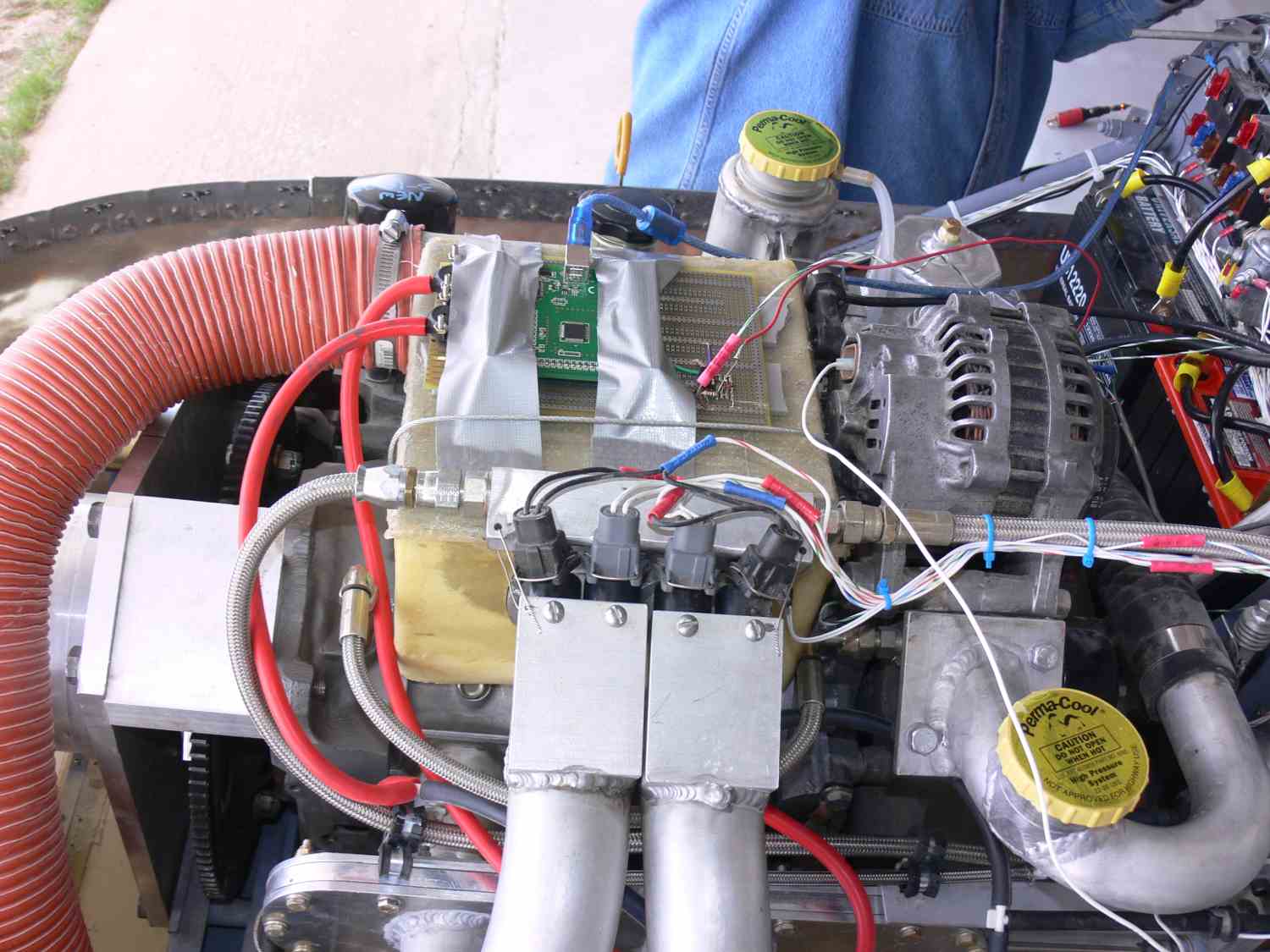
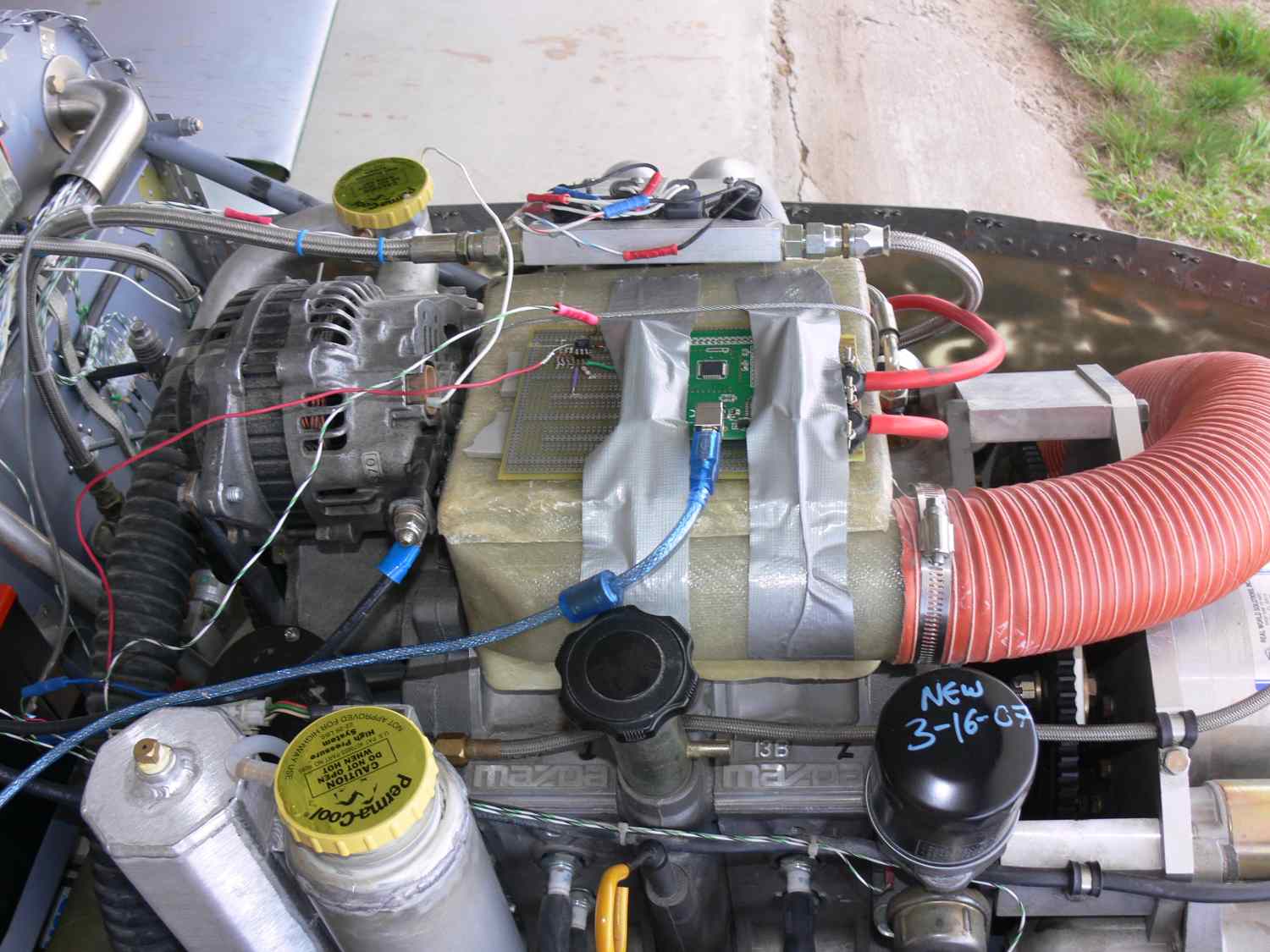
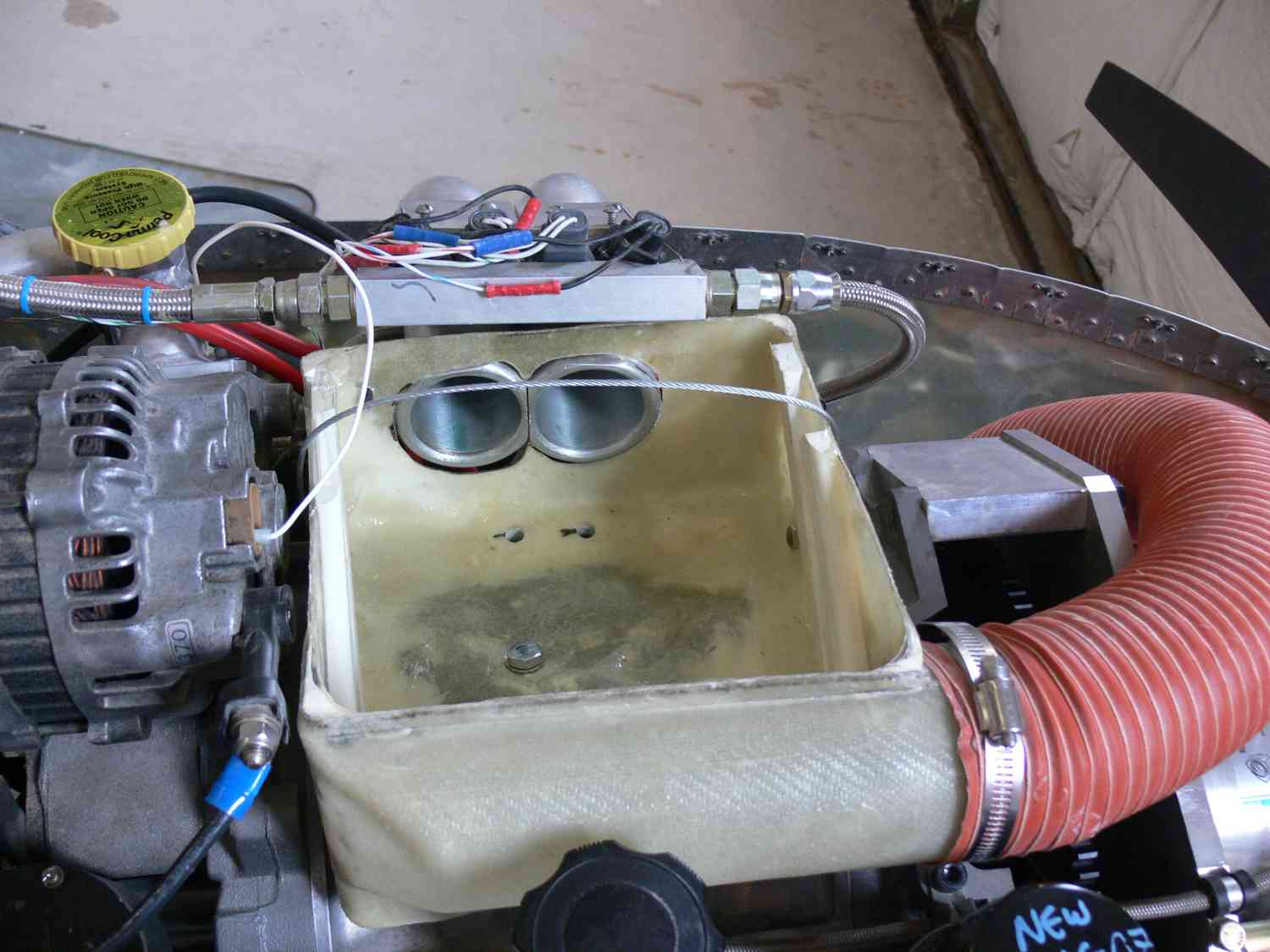
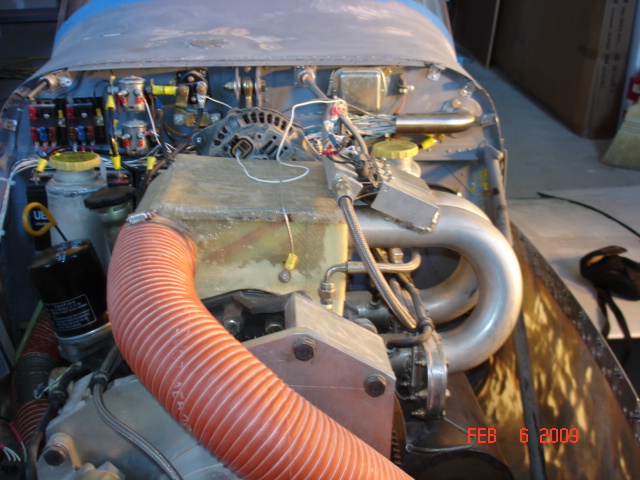
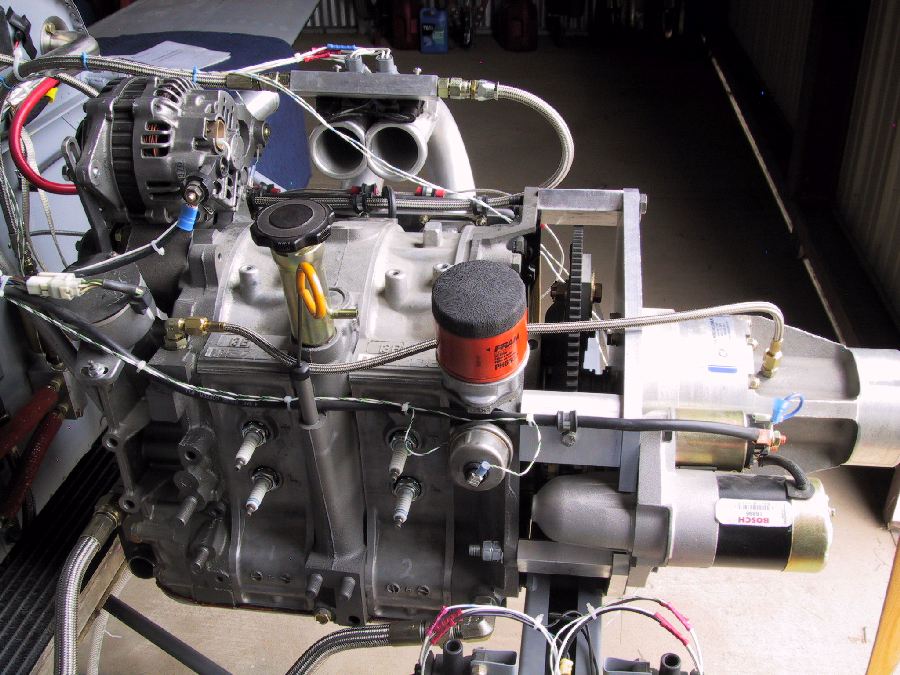
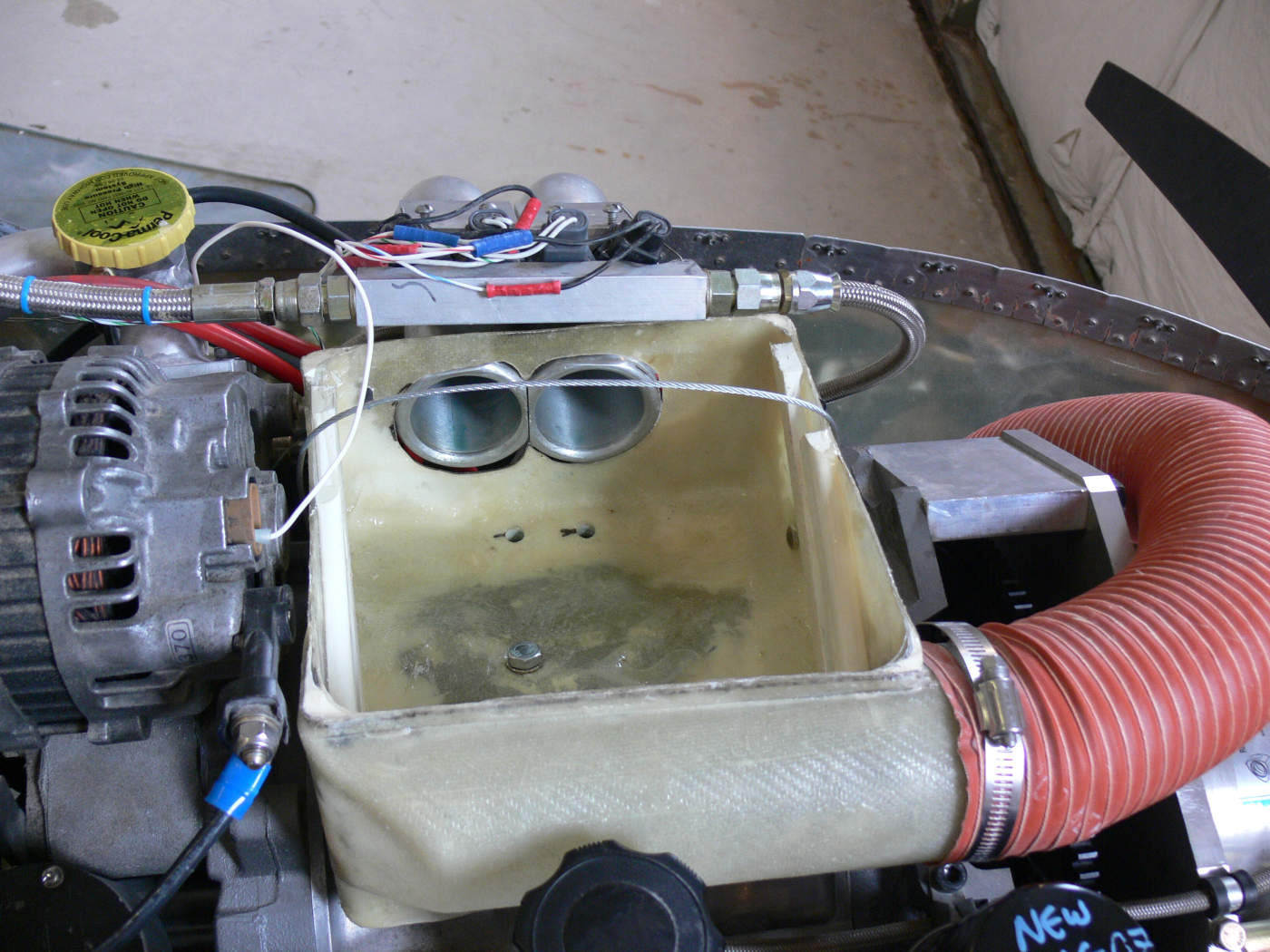
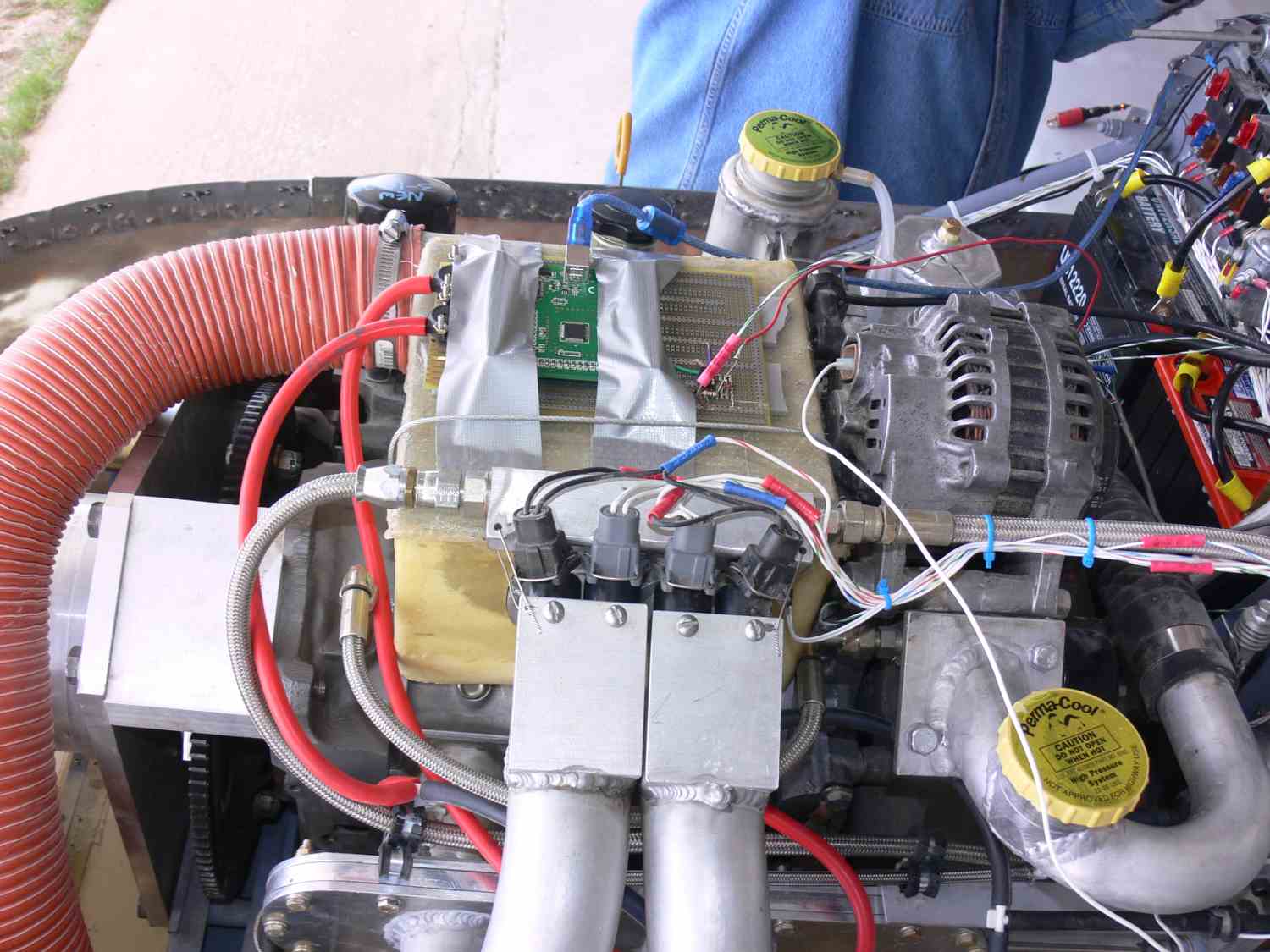
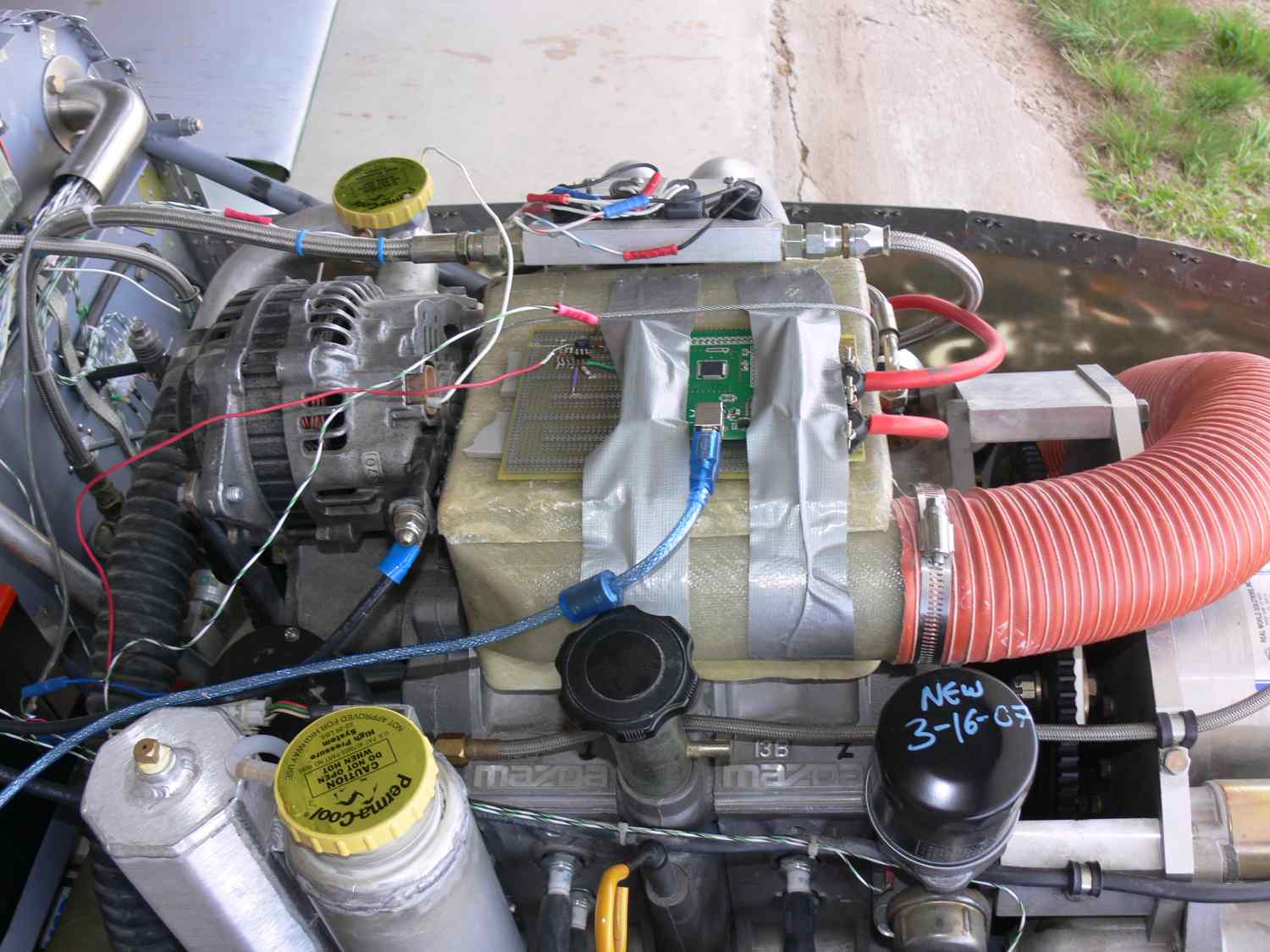
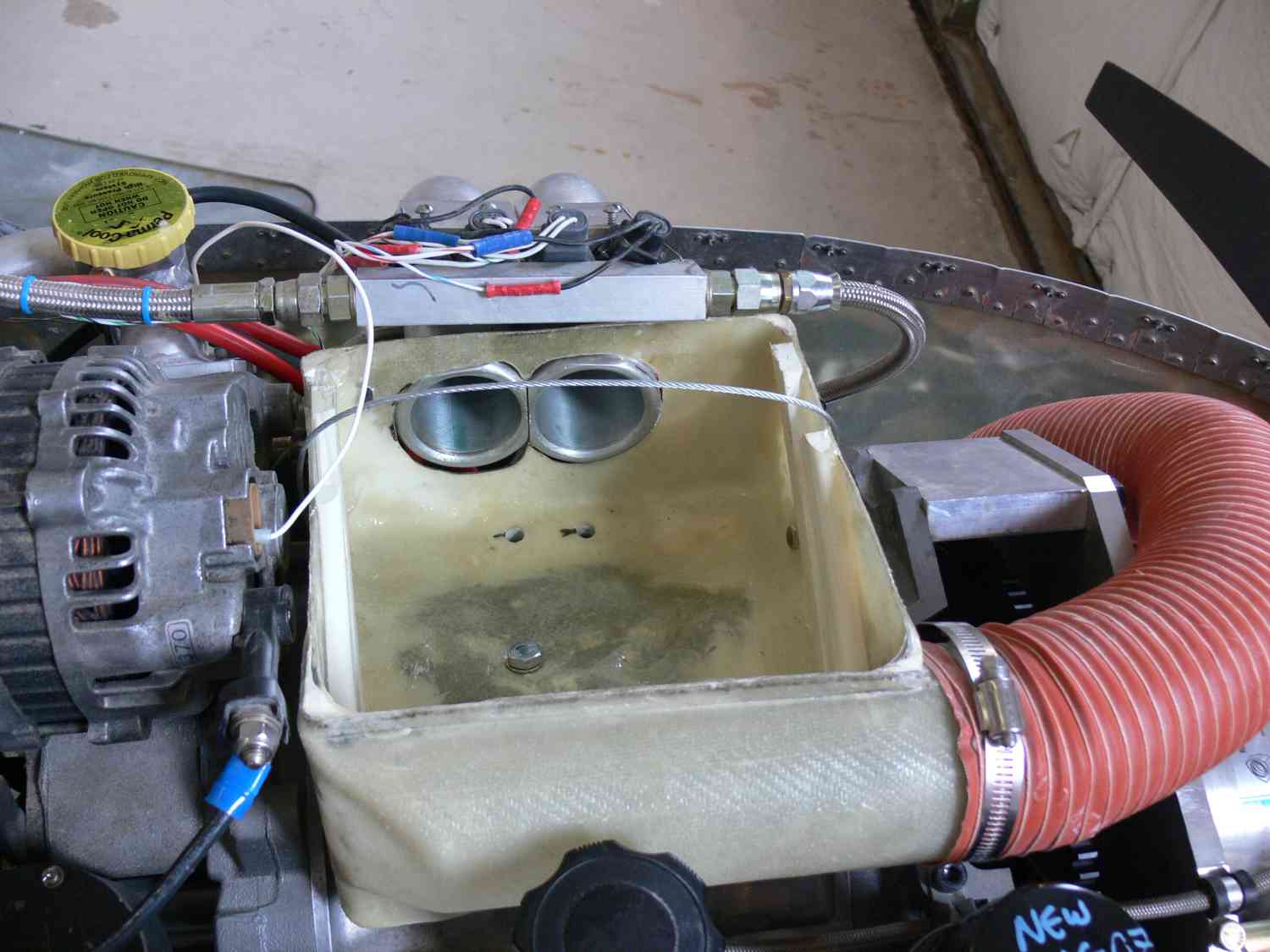
Here are five more pics of the induction manifold. The black plastic portion
has been cut in half, and I don't know what that's all about. An interesting
learning process, to say the least.
Herb Karkheck
My guess is 150 HP. If you want more you need to build a better man.
The best is a p-port.
Paul Lamar
Paul:
I keep wondering if there is much of a problem with fuel spitting back
in a p-port engine.
In an earlier life I ran a lot of snowmobiles. Some of the early Rotax
engines had a plastic hood over the throat/air-intake of the carburetor,
but many of the Tillotson carbs had just a short intake tube that was so
close to the operator's belling that sometimes a guy's jacket or pants
would get sucked into the carb and choke the engine out. It seemed that
my clothing was always damp with gas/oil caused by the mist that spit
back at certain rpms.
I once did a few calculations and attempted to make a tuned intake pipe
that extended back under the seat of the snow-machine; I wanted all the
gas to stay within the engine. The engine wouldn't even run.
An aircraft is not a good place to have unwanted gasoline-mist floating
about.
Robin B
Carburetor is the operative word. It does not spit back with fuel injection.
I could stand right along side this engine while it was running.
No sign of fuel mist and the injectors were a few inches from the
bell mouths. The ram air box was really unnecessary but I recommend
one anyway.
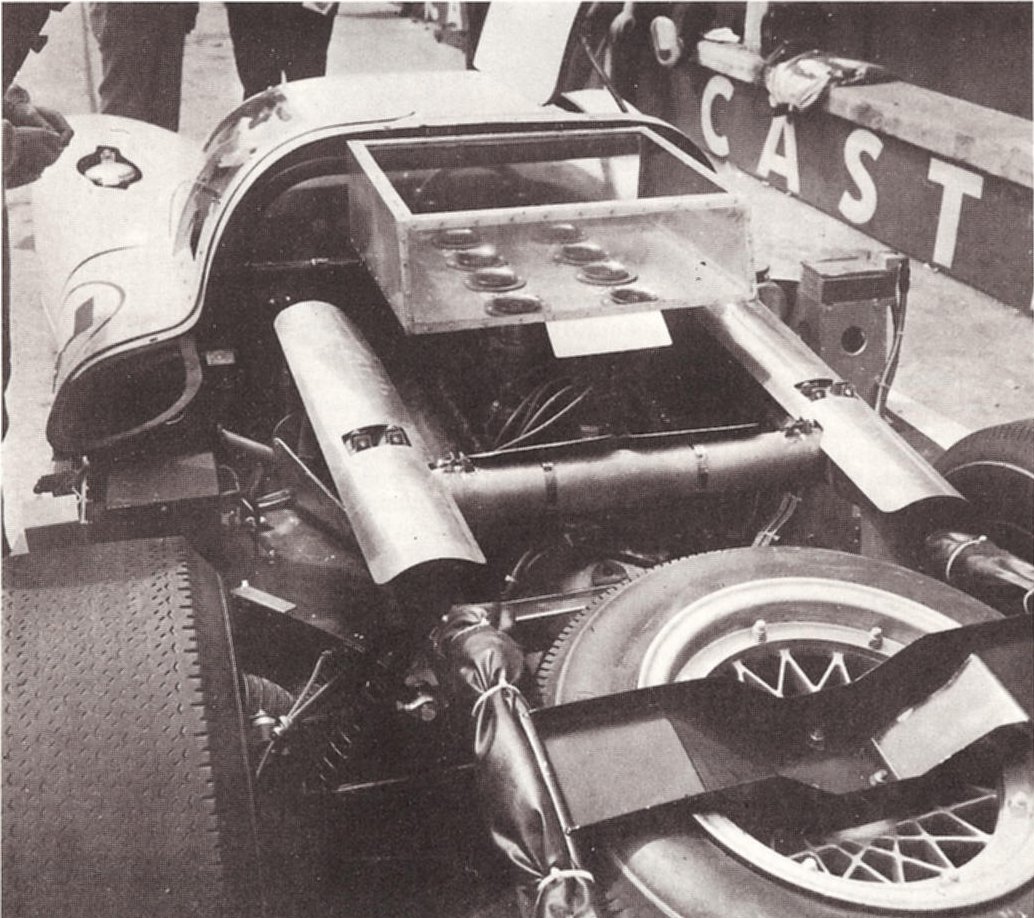
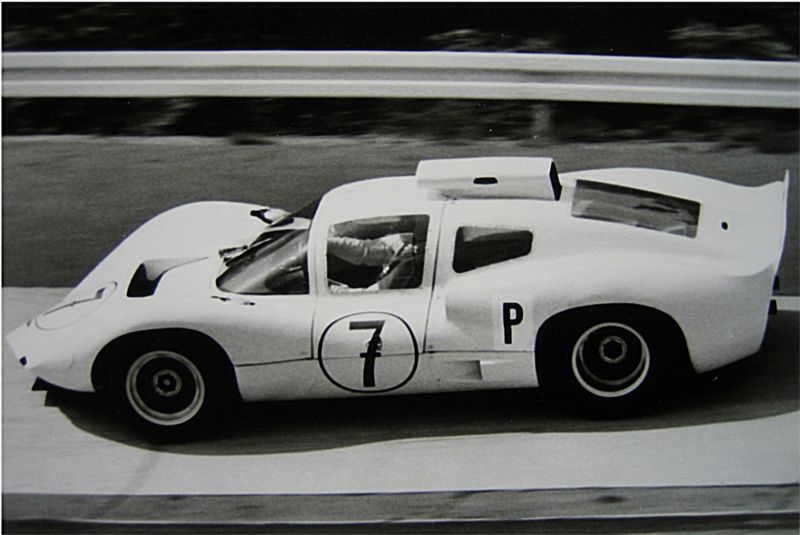
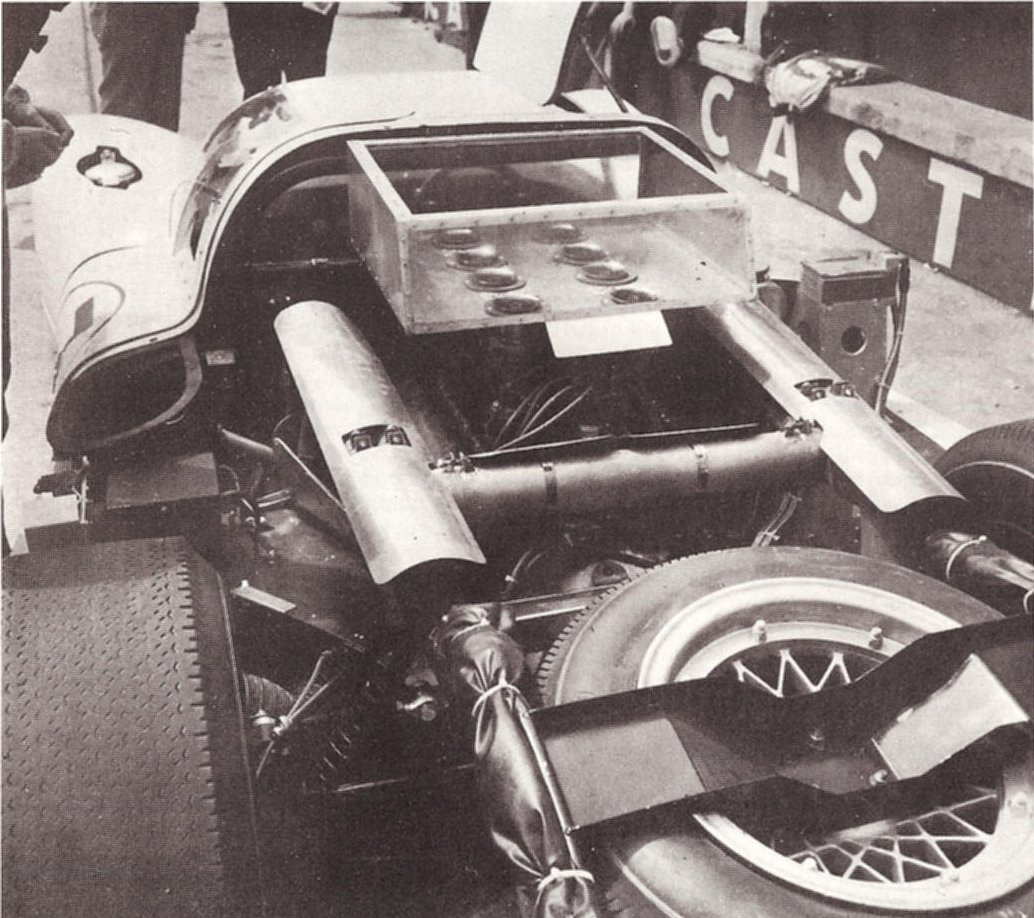
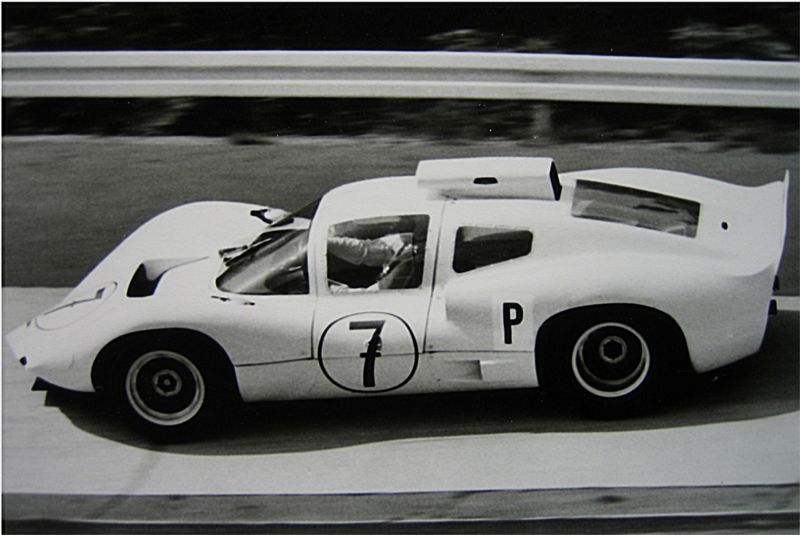
Way back in 1965 I dealt with carb spit box with the first ram air box
on a race car. This car won the Nürburgring in 1966.
Paul Lamar
--
The Rotary Engine NewsLetter. Powered by Linux.
ACRE NL web site.
http://www.rotaryeng.net
Youtube key word PaulLamar2
Copyright 1998-2011 All world wide rights reserved.