Looking for the rotory equiv of Lycoming IO-360 A1A.
Thinking #B something from the chart on the web site. Can you advise?
also would like recommendations for compatible constant speed prop.
John Hardin
Read:
http://www.rotaryeng.net/intake.html
http://www.rotaryeng.net/fund-of-intake.html
http://www.rotaryeng.net/Welded-steel-p-port.html
http://www.rotaryeng.net/HOW-TO-INSTALL-HOLLEY.html
http://www.rotaryeng.net/Mazda-p-port-press-wave-enhanced.jpg
http://www.rotaryeng.net/slide-throttle.html
At this point the only thing that seems to work is the MT or Hoffman
electrical props.
No constant speed gear box available.
Paul Lamar
You have forgotten the vari-prop.
http://variprop.com/
Works on standard gearbox.
C. Smith
Some Cozy people say that they are having good luck with IVO
Rich
Not really a variable pitch. Variable twist.
High power to weight ratio experimentals don't really need constant
speed props.
There is a problem is getting the right pitch and twist for
either cruise speed or top speed. Your choice. Ground adjustable
do just fine if they are twisted properly.
Constant speed props are great for getting a heavy airplane off the
ground and climbing out. Also good for sea planes where you need
a lot of low speed thrust to get on the step.
STOL is another matter but they tend to be rather slow anyway.
Now if you had fowler flaps and movable leading edge slats well
then yes. By all means C.S.!
Paul Lamar
Well, I guess I'm not as versed in the precise technical terminology. I thought
that twist was the change of cord angle relative to root along the length of the
blade. Pitch is the difference in the angle of the blade relative to the
"airflow". A C-182 with a CS seems to be a fine combination.
I don't understand the disadvantage of the CS.
In addition to T.O. and climb performance advantages for heavy and seaplanes is
there not also an advantage in being able to load the engine with the CS and
increase fuel burn efficiency in cruise? Is that not the best of both worlds?
C. Smith
Yes twist is the change of cord angle relative to root along the length of the
blade. But that is exactly what the IVO does. It is the only thing the IVO does.
Other than cost and weight there are no downsides to CS.
Yes there is an advantage in being able to load the engine with the CS and
increase fuel burn efficiency in cruise. However if you don't need the TO and
climb performance why pay for the extra cost and weight. Most runways we fly off
are at least 2000 feet in length with few obstructions. I have flown with Tracy
Saylor in his RV6 O-360 with CS and it breaks ground in about 300 feet.
The C182 prop weighs 50 pounds not counting the $1000.00 dollar governor.
You can set the cruise prop pitch angle for the best engine load and let
everything else be what it is. People do it all the time. The VAST majority of
experimental builders attempt to do just that with fixed pitch props. The
problem is one must sell the fixed pitch prop one has or send it back to the
builder if you get it wrong the first time as most people do. IMHO a ground
adjustable is more appropriate with little or no weight penalty.
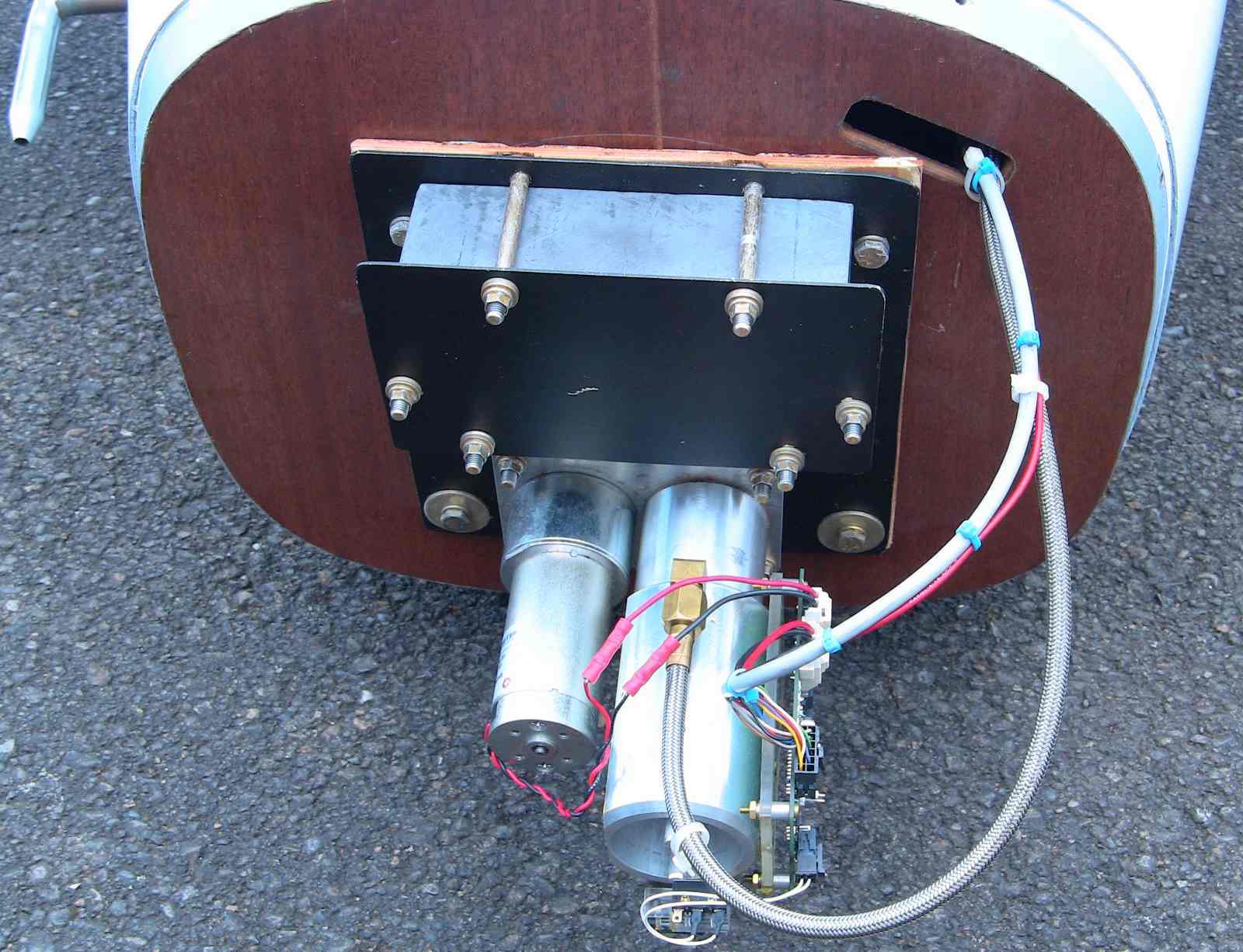
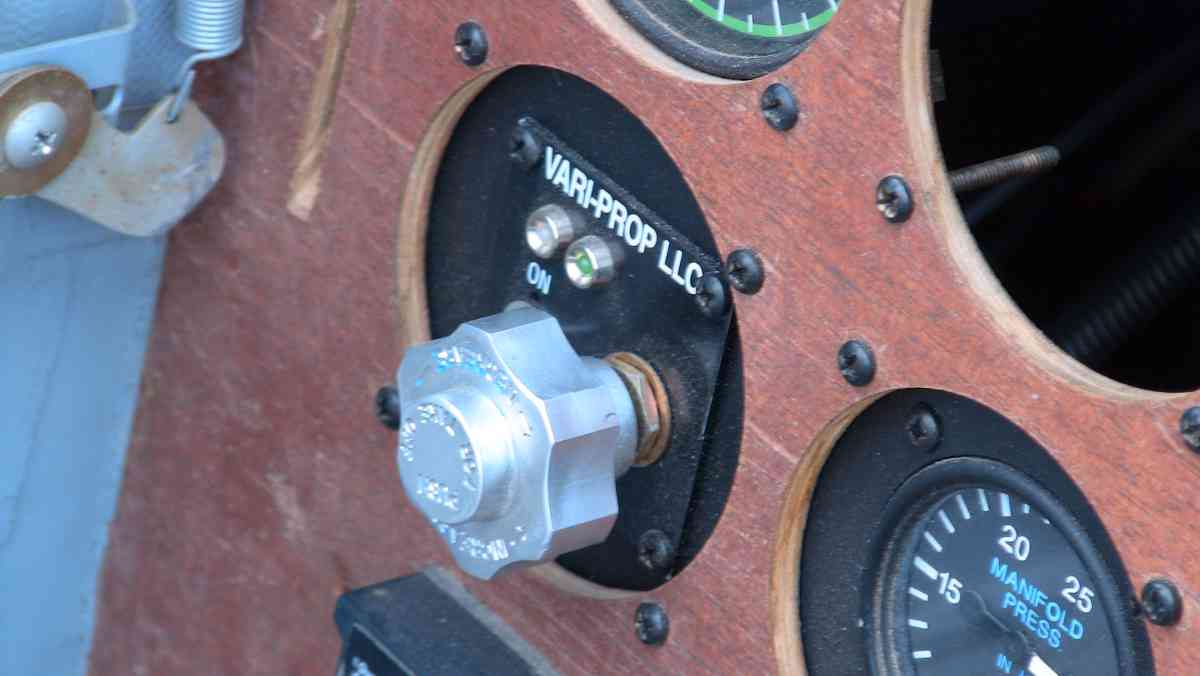
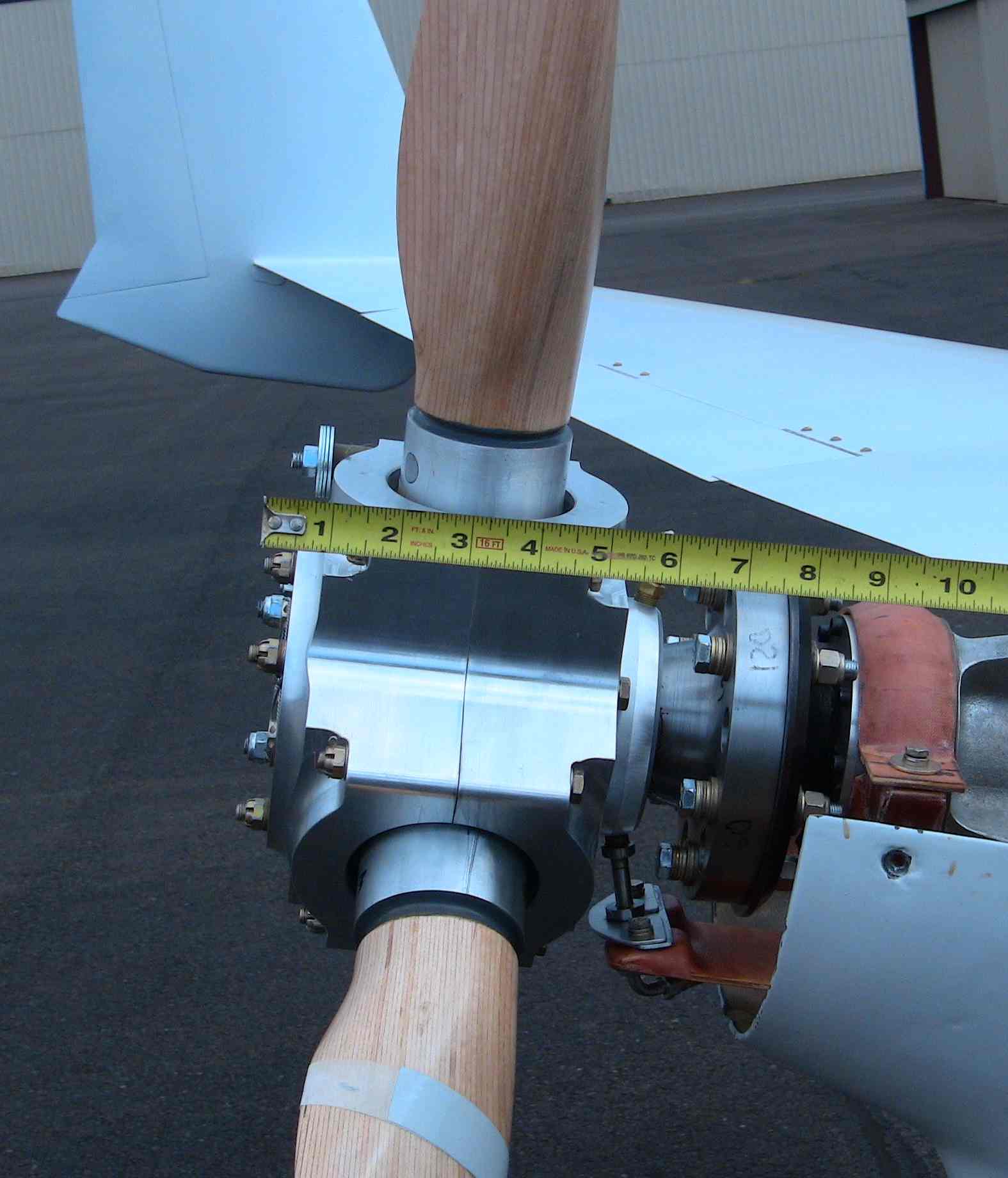
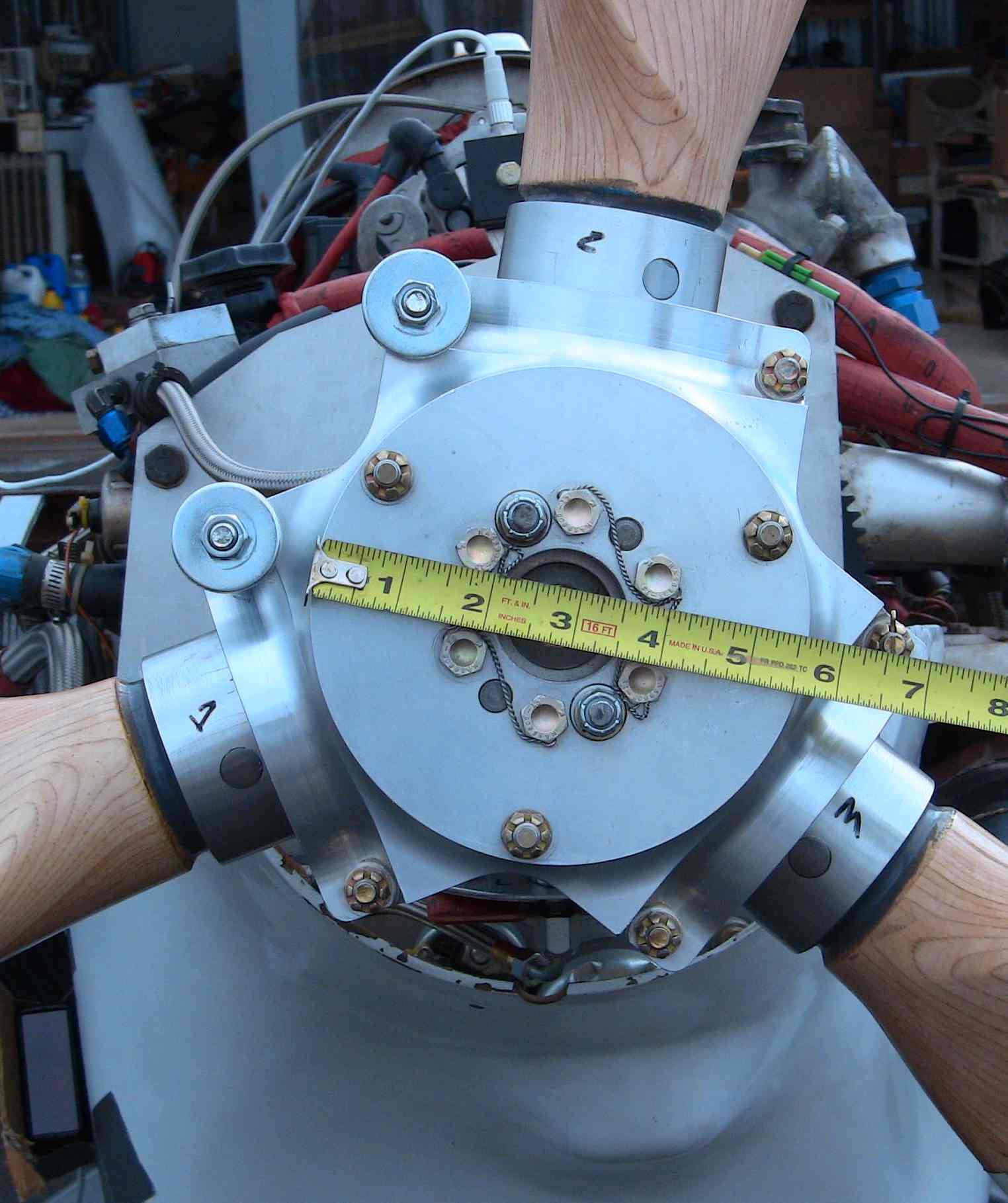
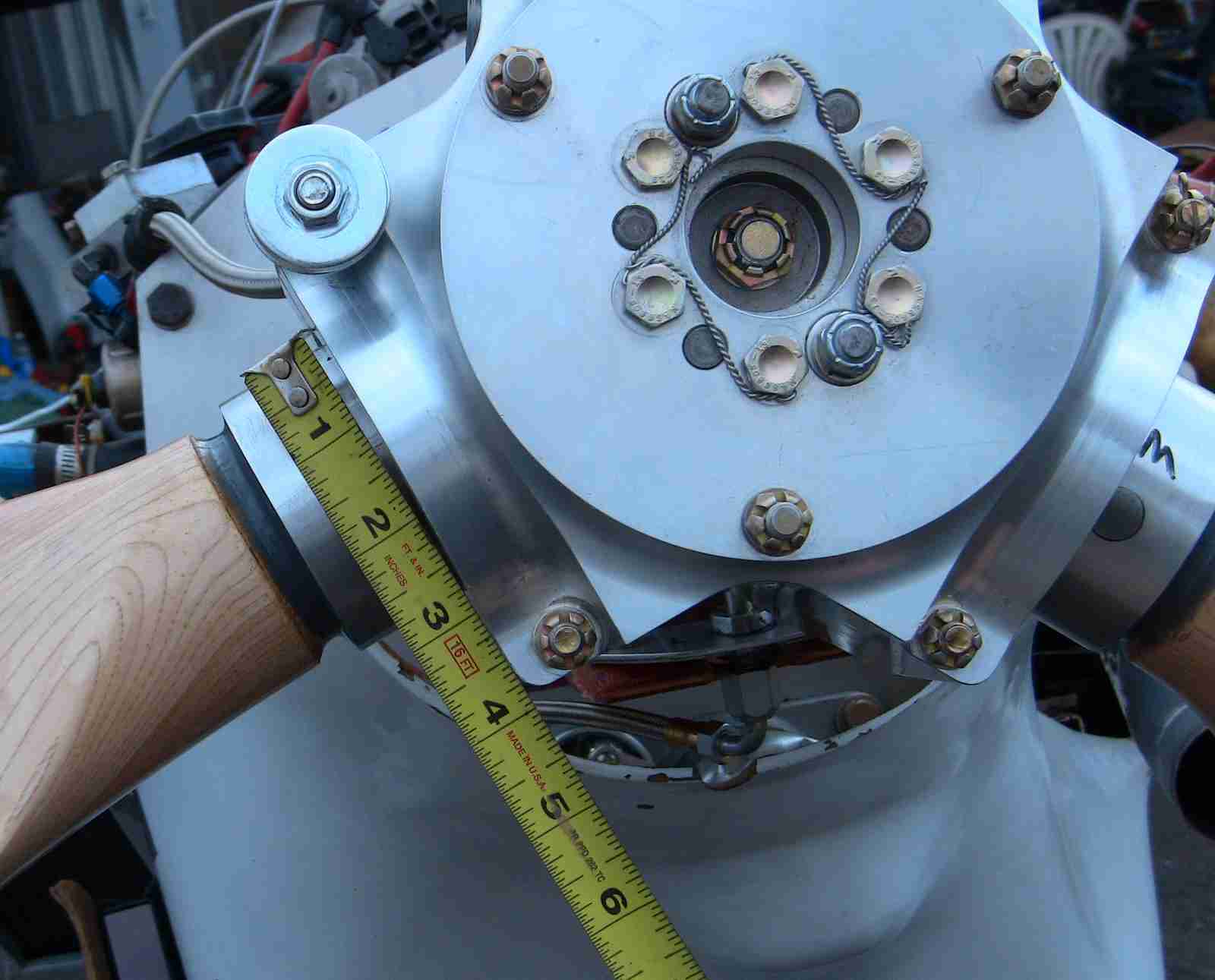
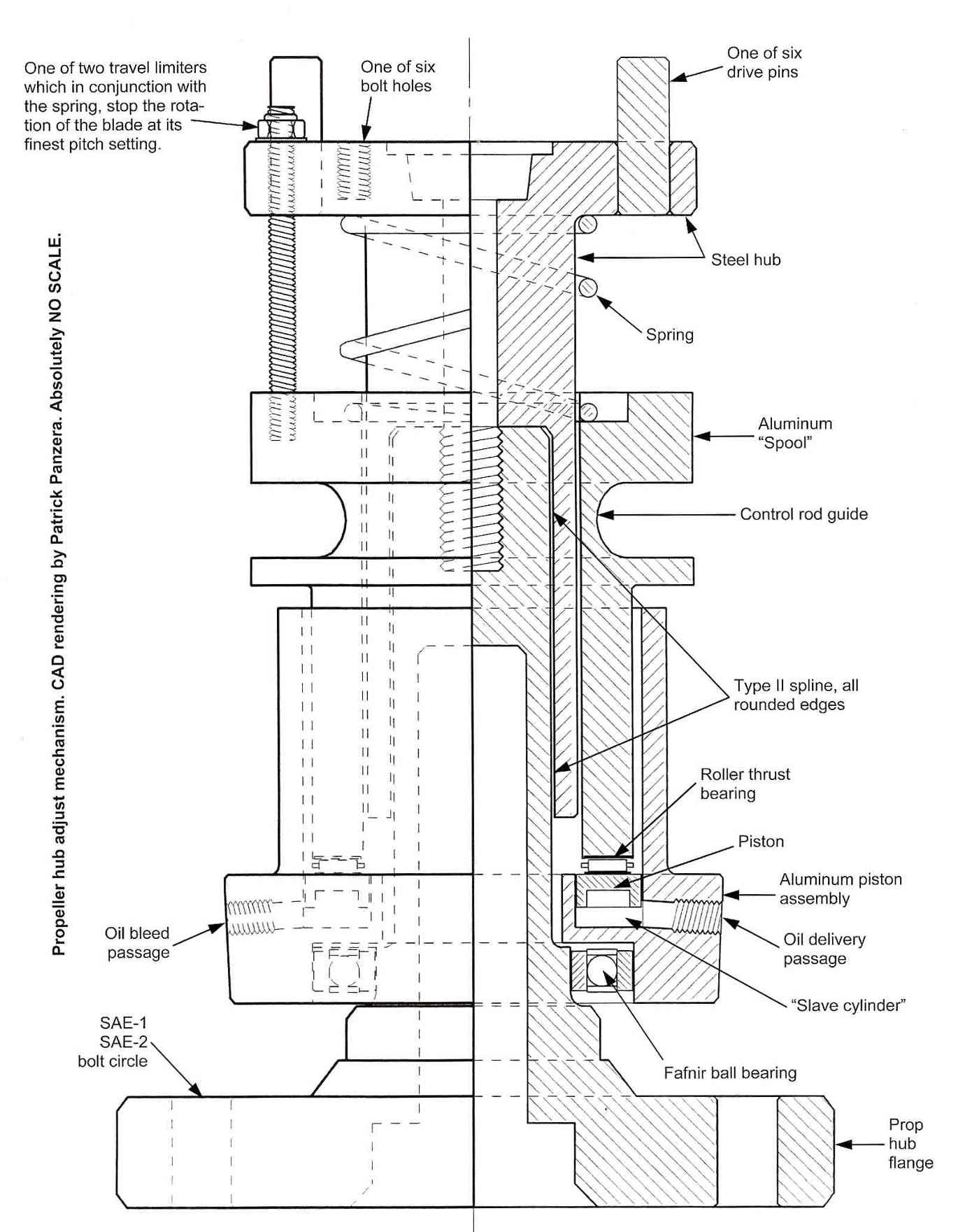
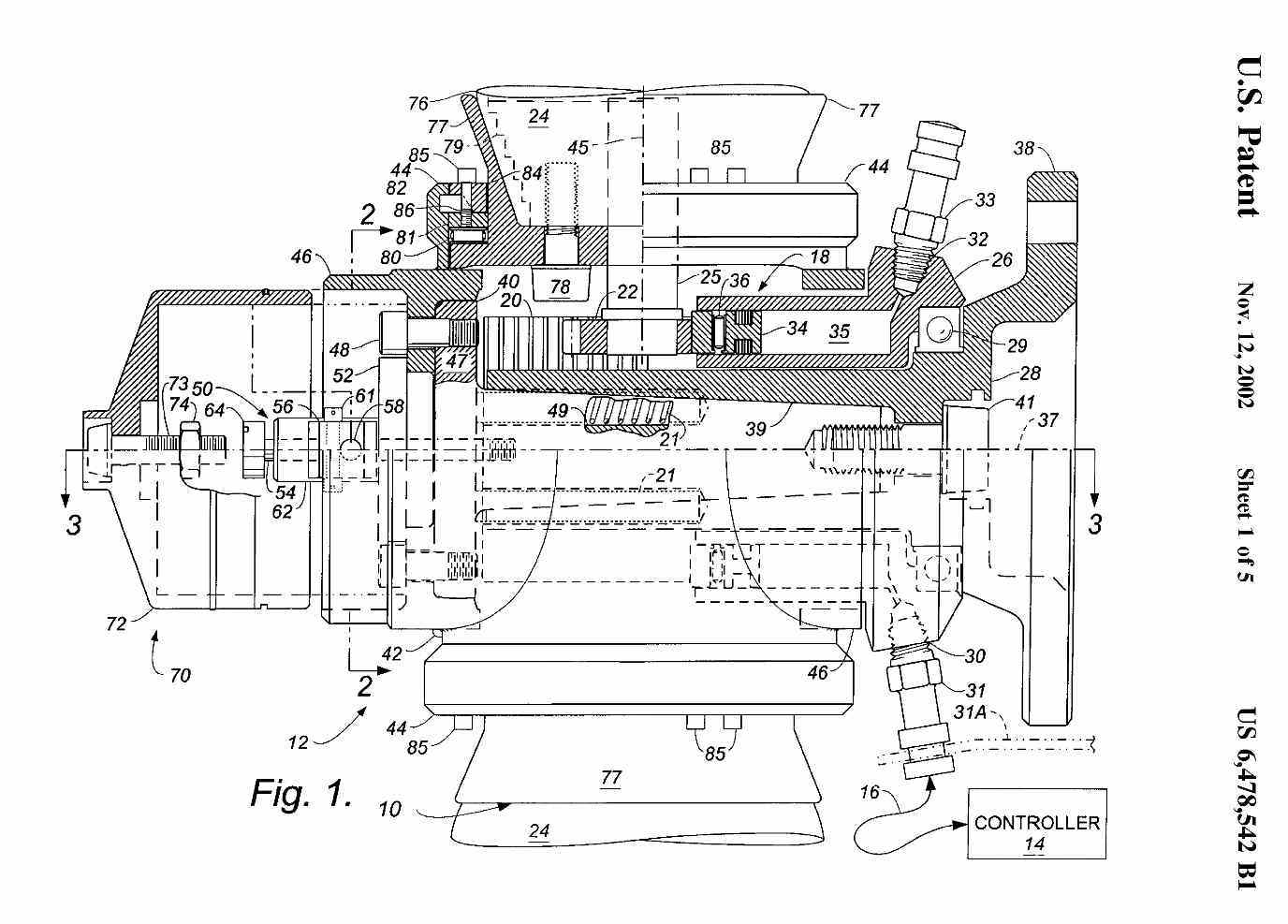
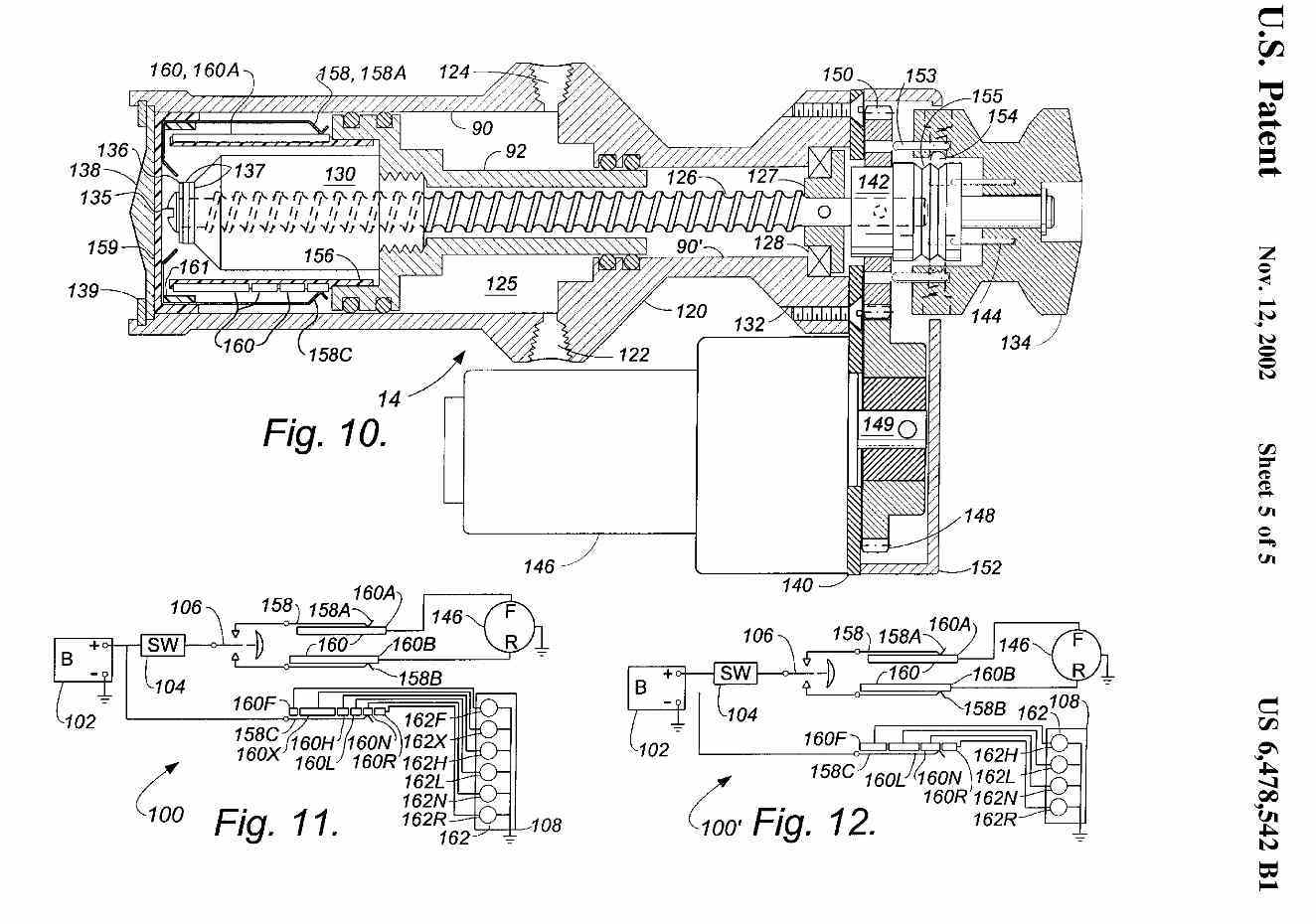
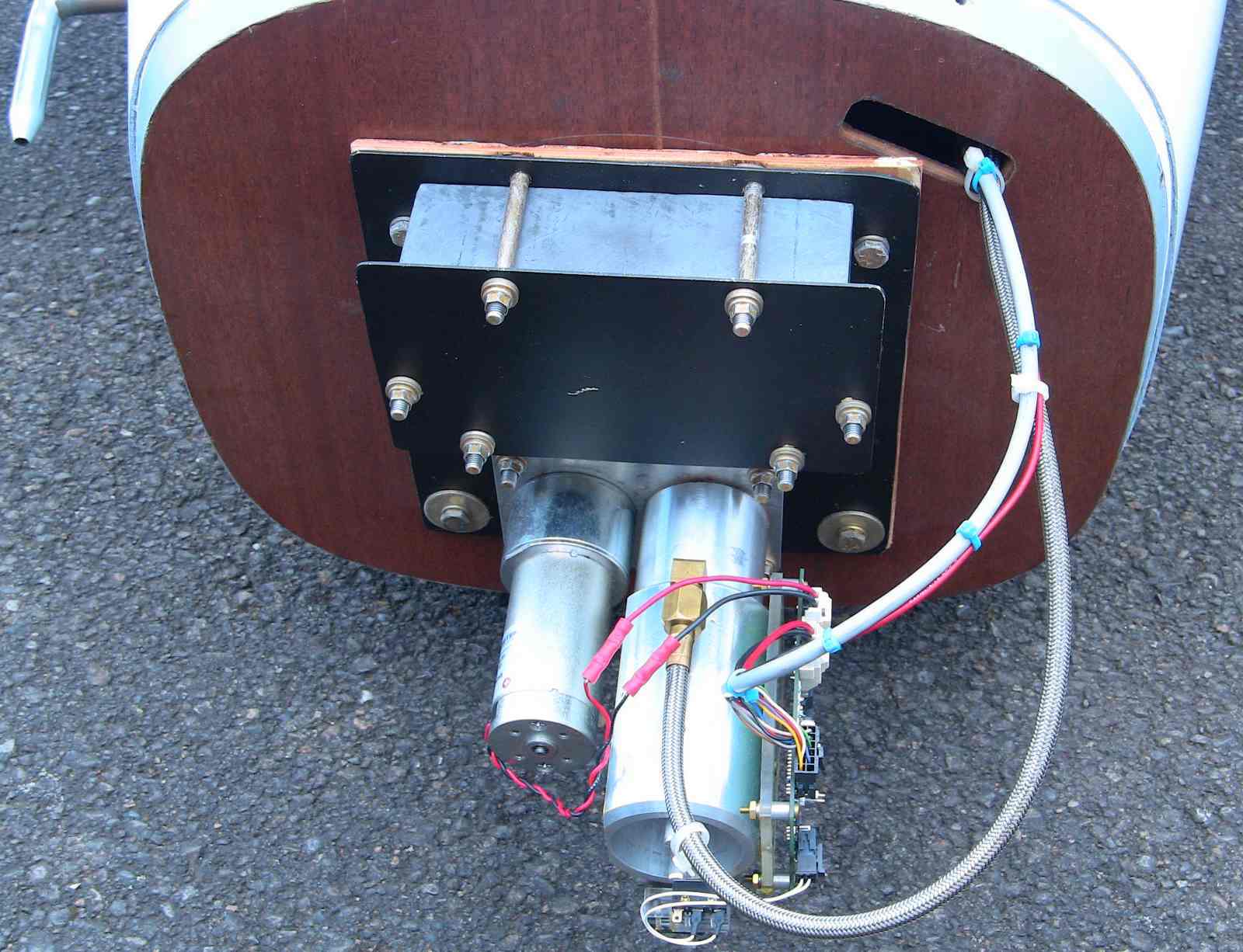
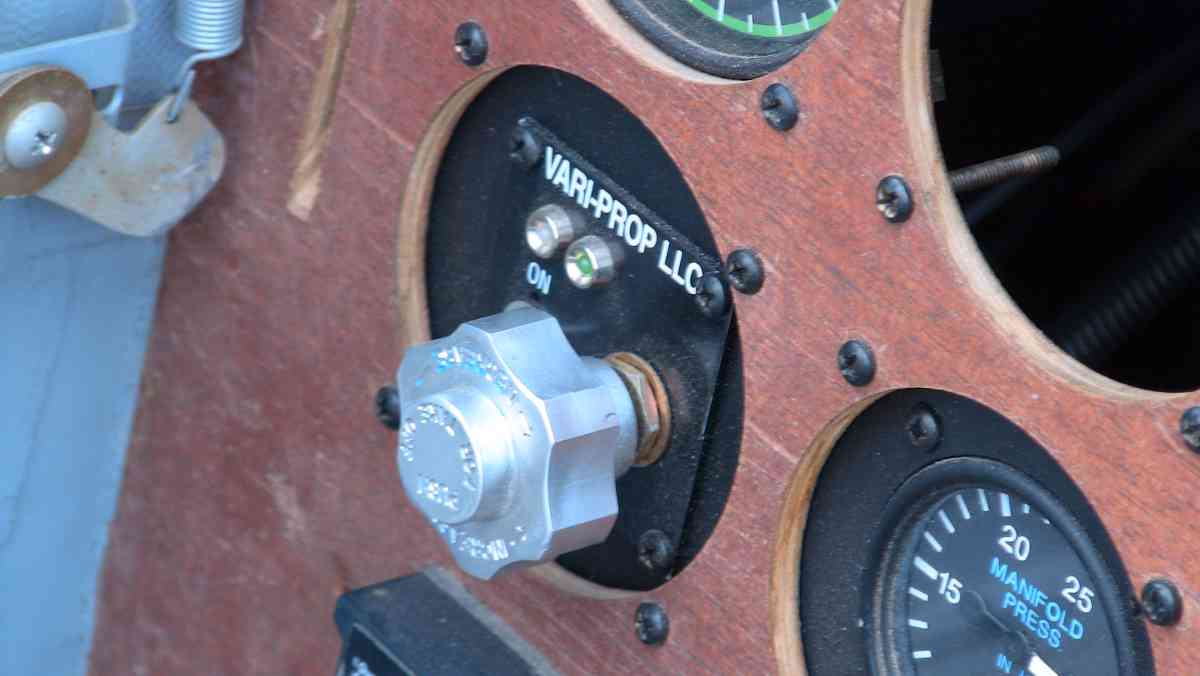
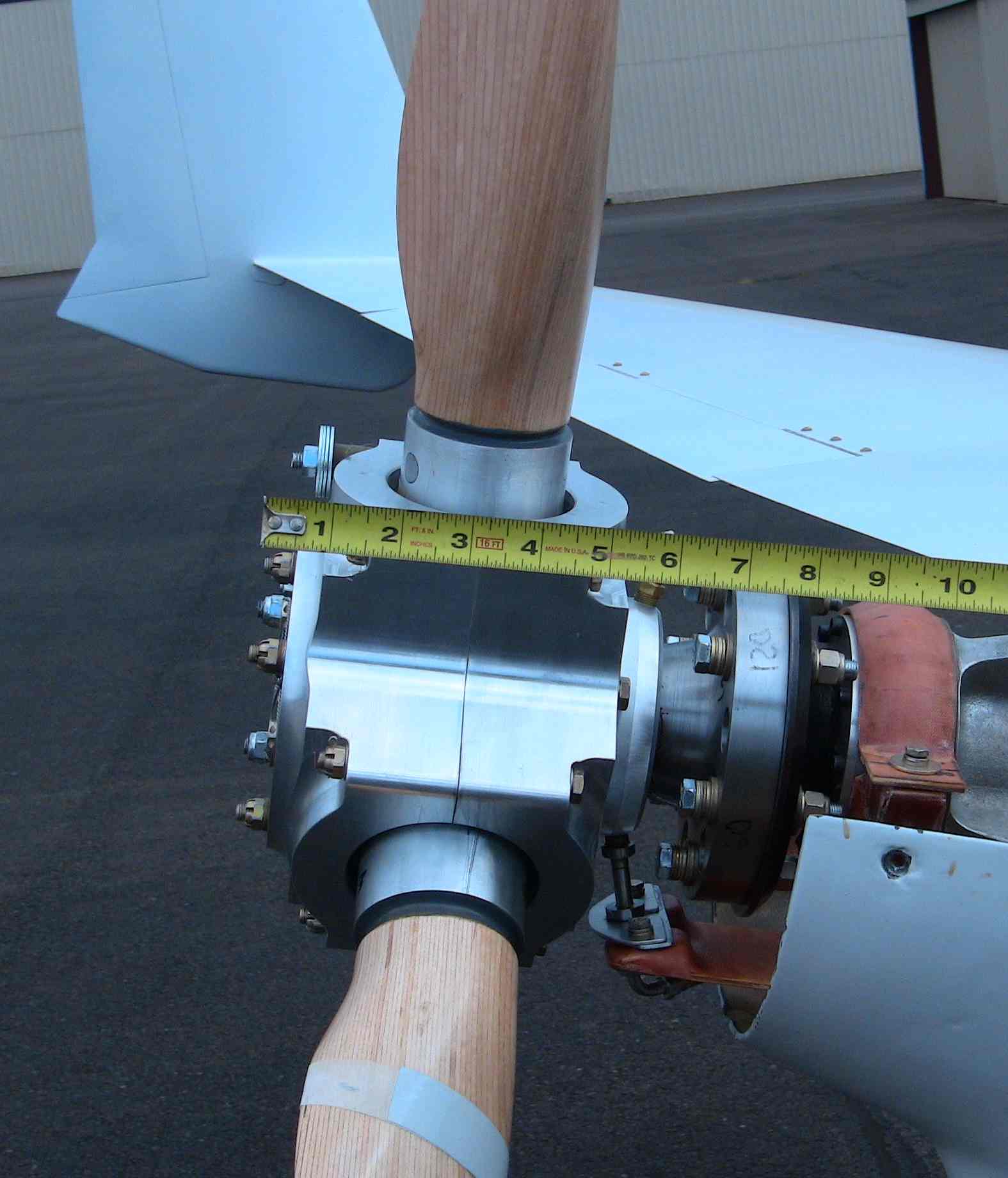
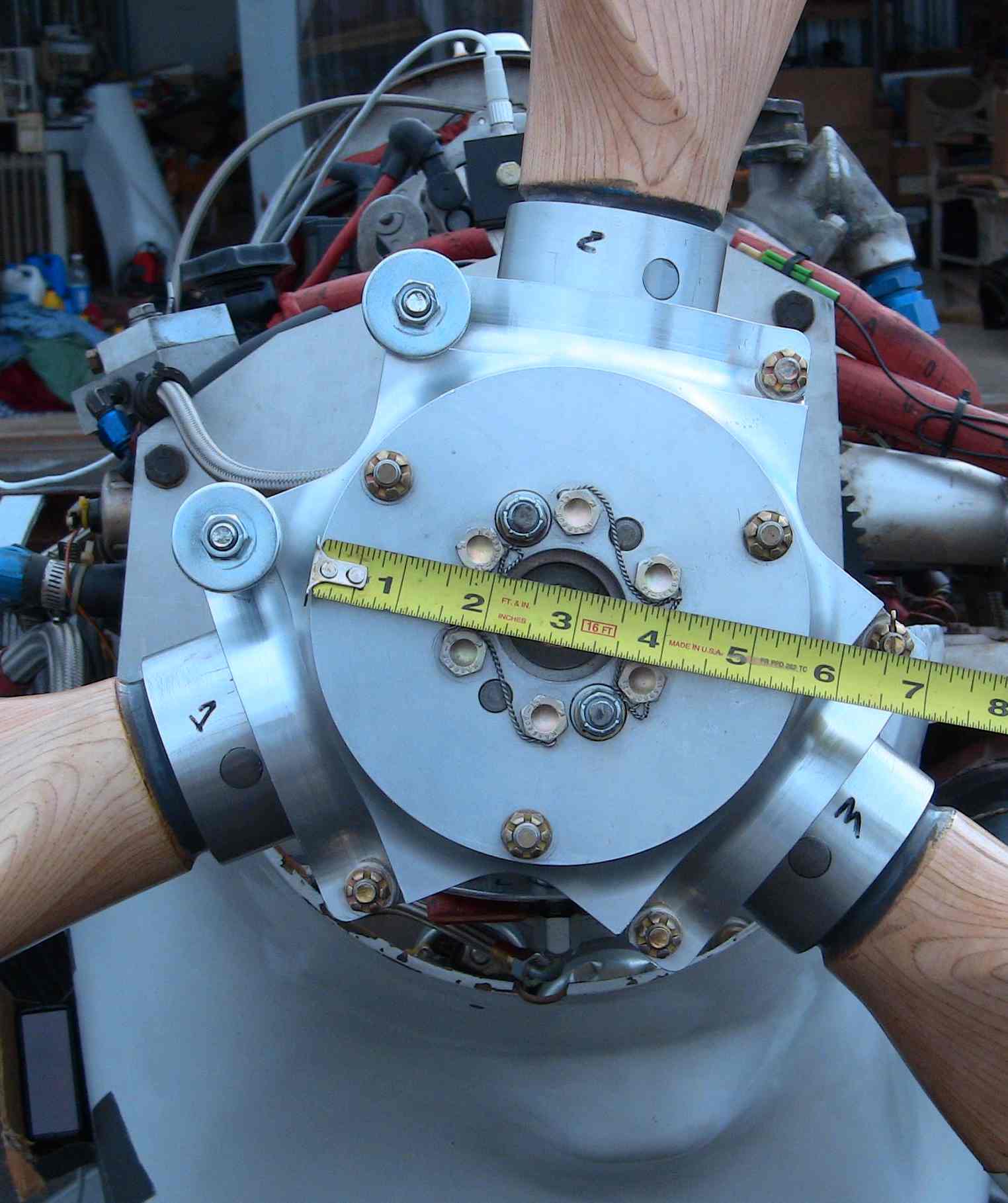
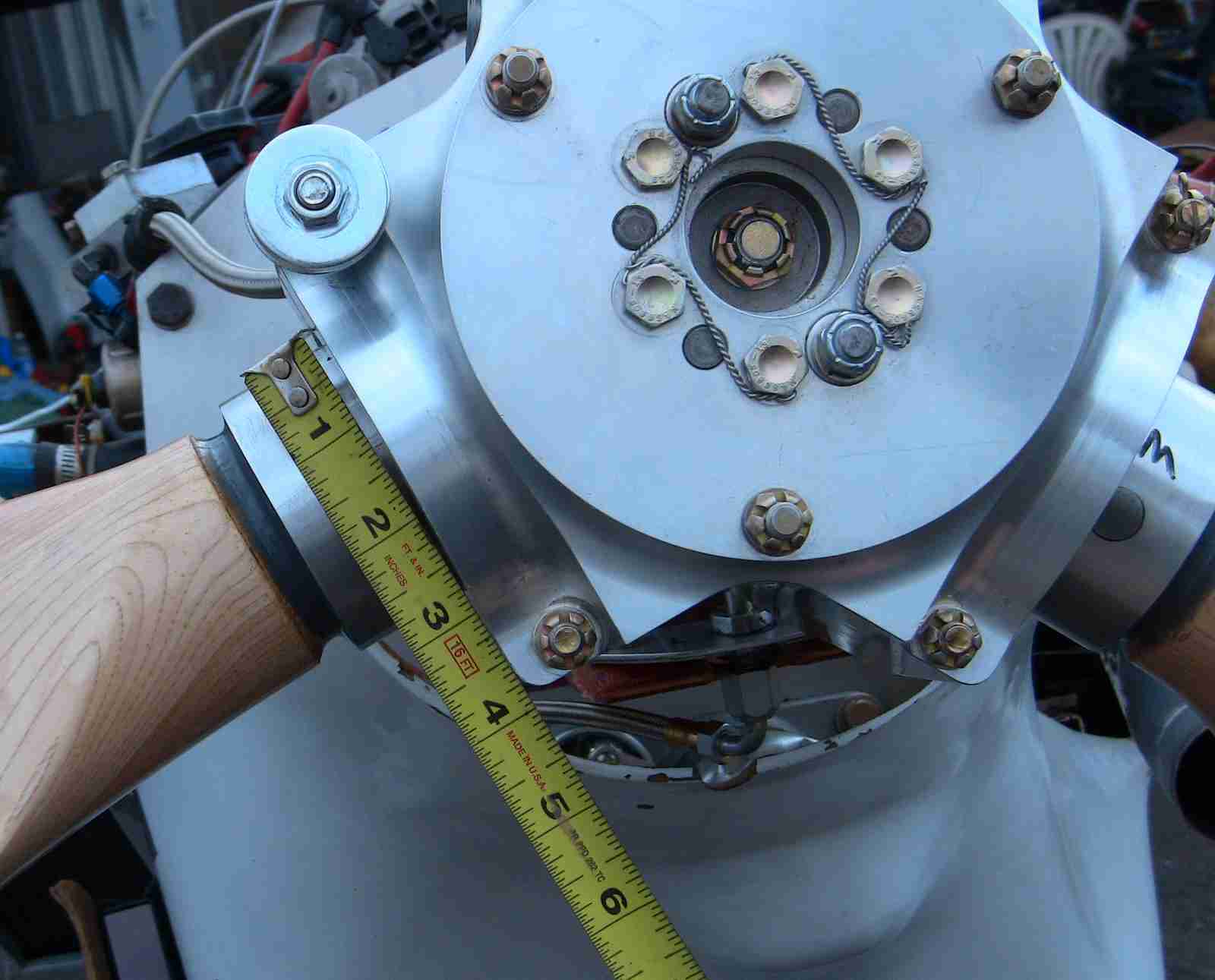
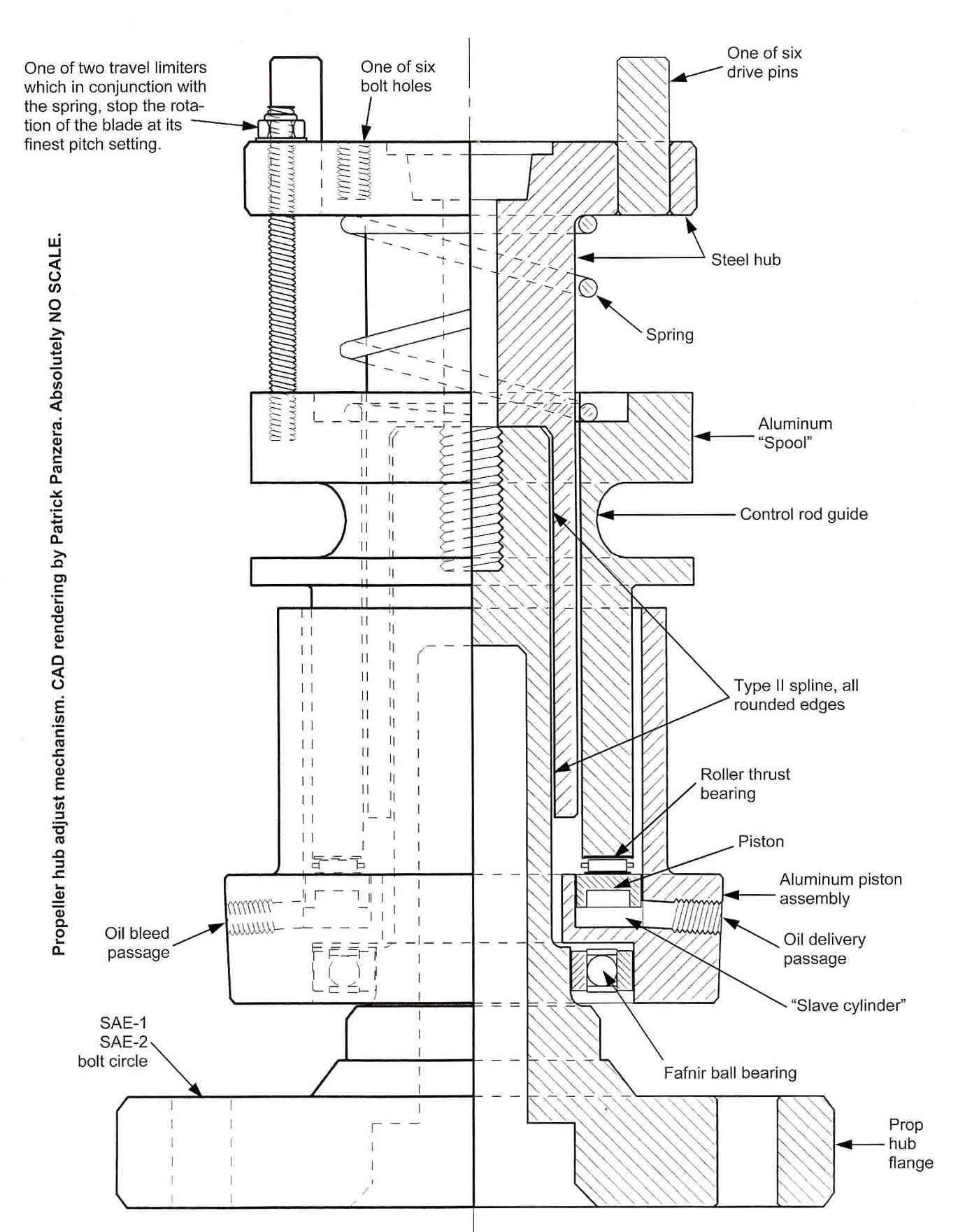
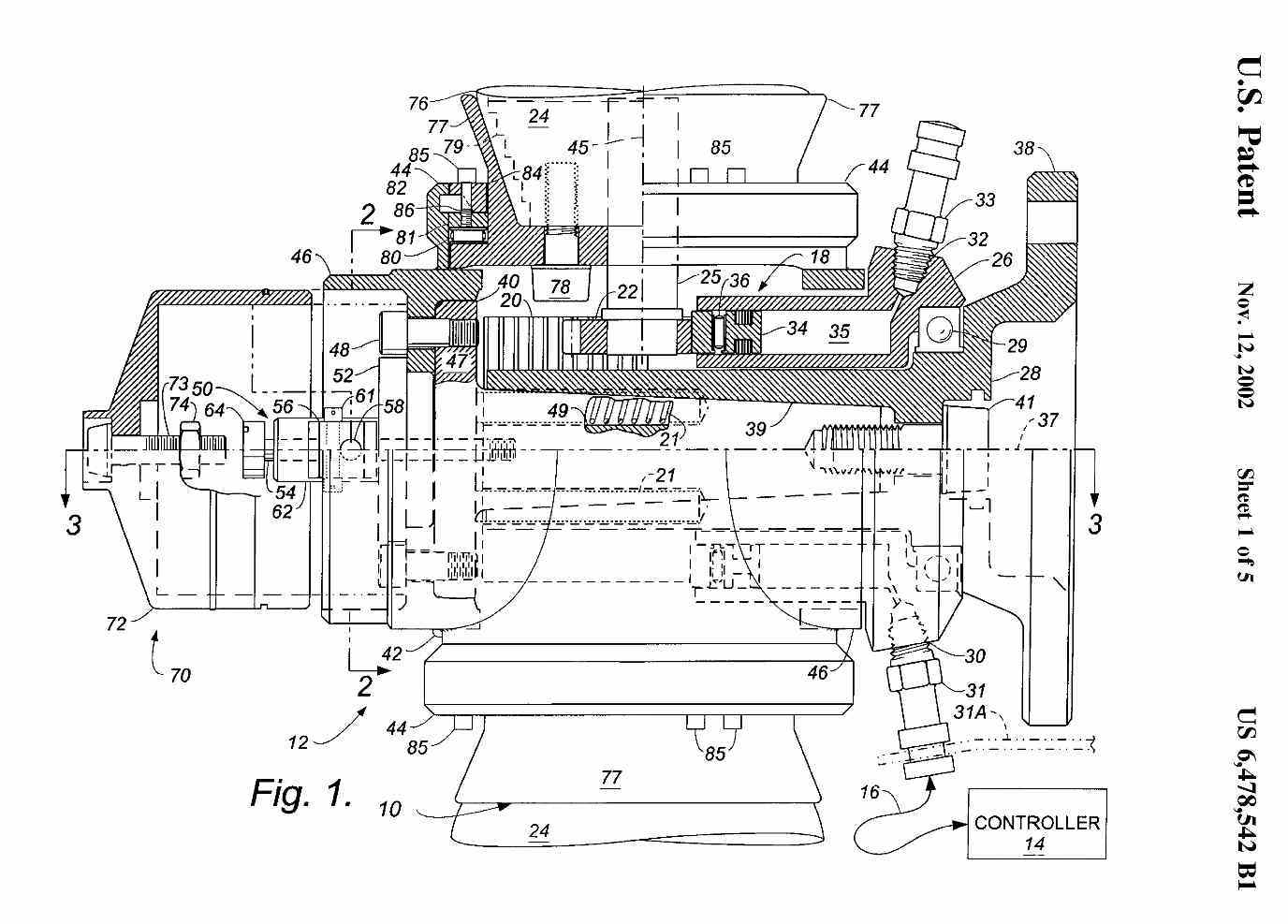
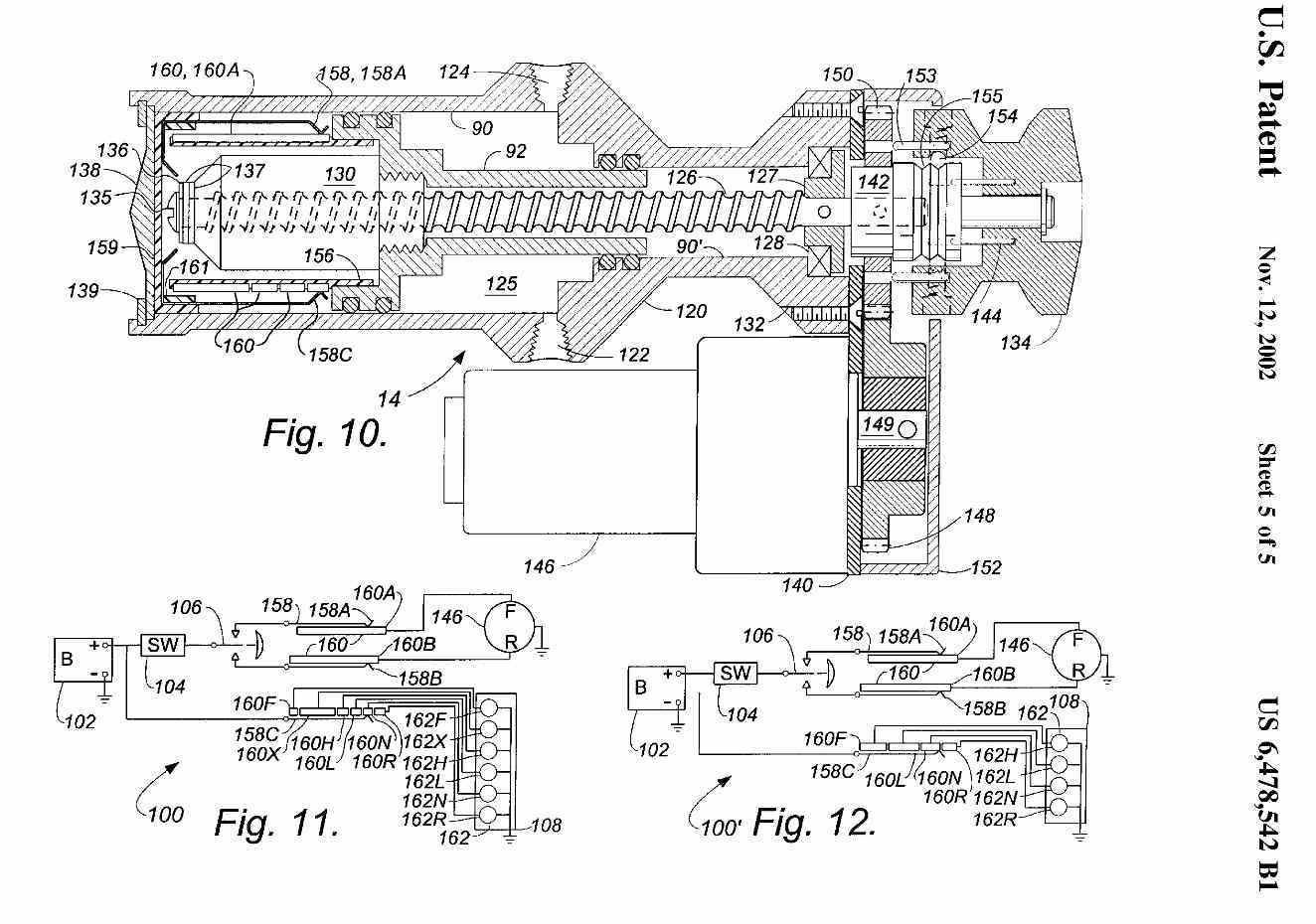
Here are some installed pictures of the Variprop on Perry Micks Long EZ.
The pump assemble is quite heavy.
Paul Lamar
--
The Rotary Engine NewsLetter. Powered by Linux.
ACRE NL web site.
http://www.rotaryeng.net
Youtube key word PaulLamar2
Copyright 1998-2011 All world wide rights reserved.