Hello Paul,
My name is David, I am from Spain and I'm doing a master's degree about
motorsports in Epsilon Euskadi's facilities (METCA, that is managed by Sergio
Rinland).
I have been reading your website and i find very interesting the Turbo
Compounding in order to improve the engine performance and efficiency, that's
why i would like to do the master's project about it.
Sergio Rinland suggested me to get in contact with you in order to find an
automotive company which is developing it, so i could help them in that
developing work.
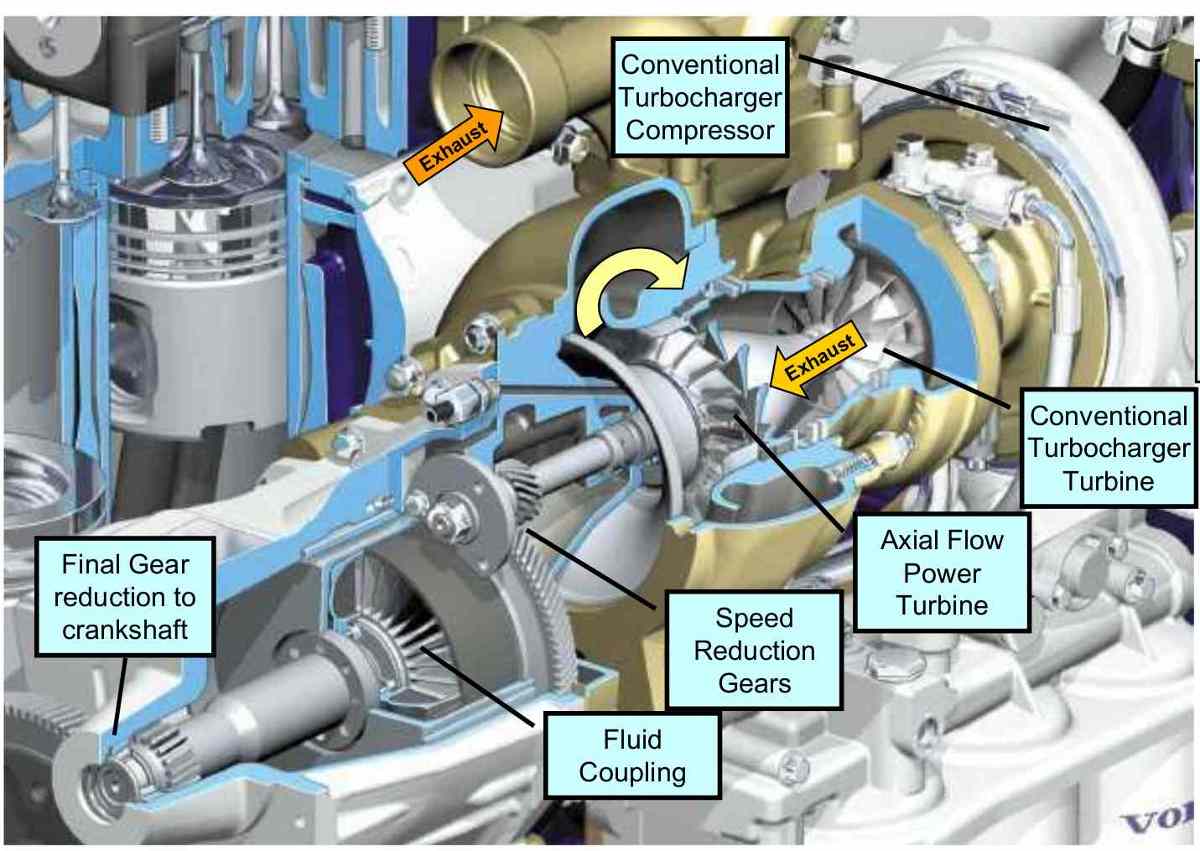
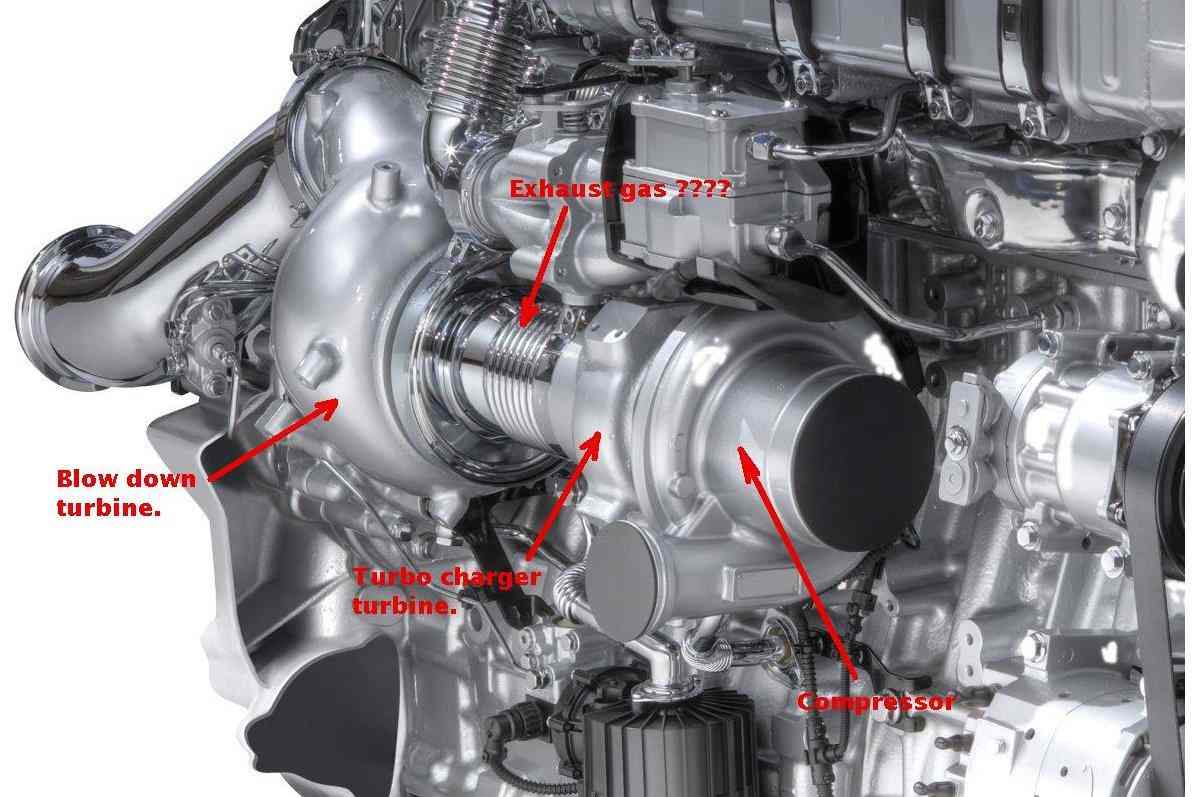
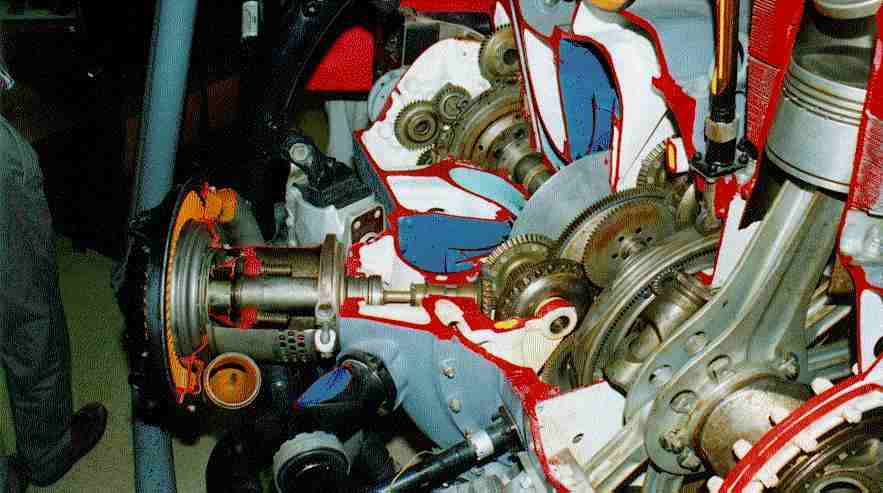
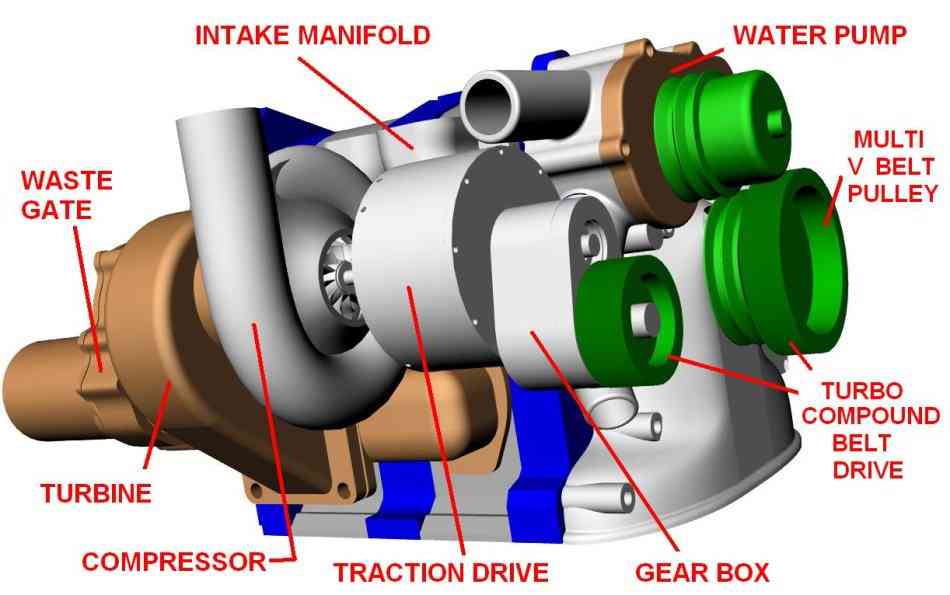
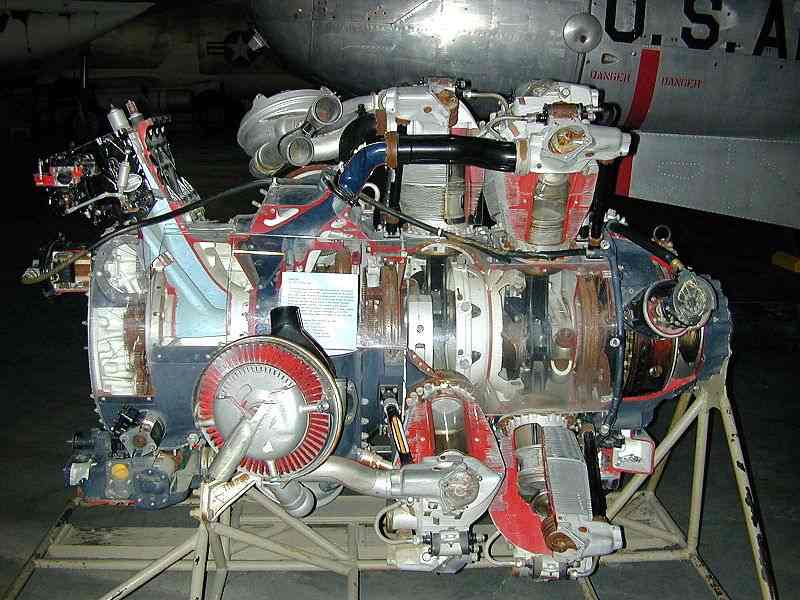
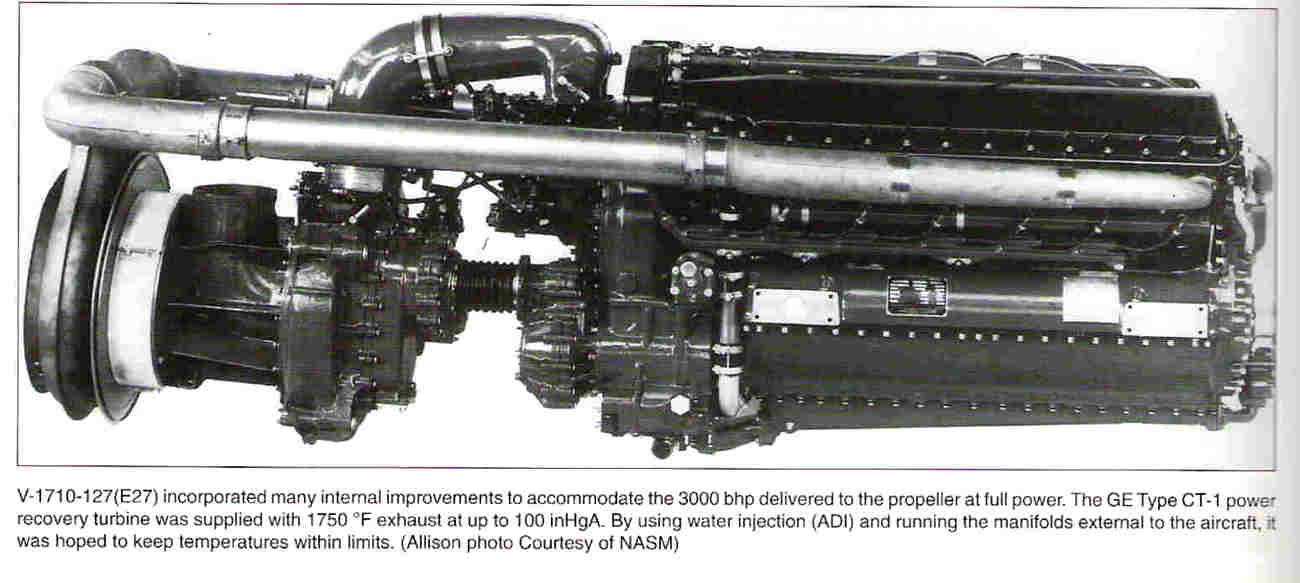
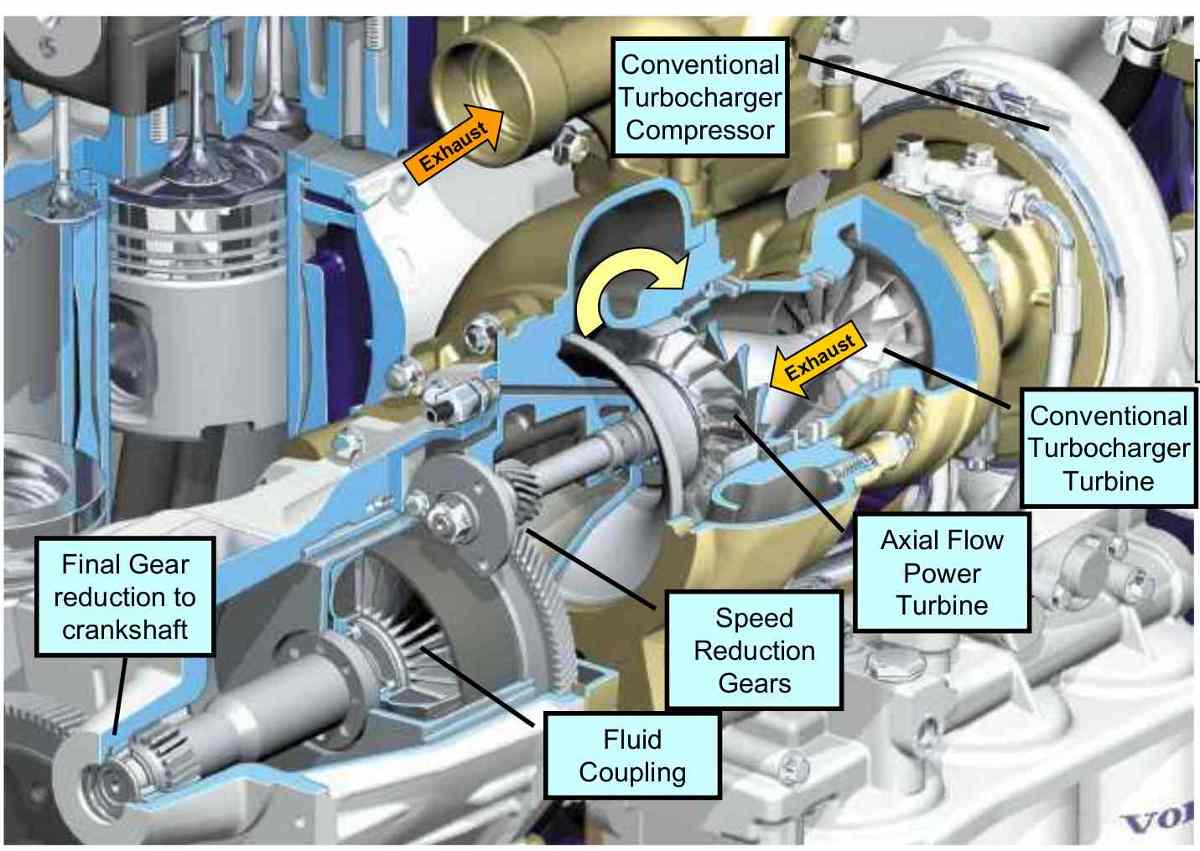
I have seen that the Turbo Compounding could be applied as it is in the
examples you show in your website, to transmit the turbines torque to the
crankshaft of the engine, but also, i think it could be interesting to use
it as a "battery charger" for a hybrid car.
I hope you can help me, because i think this is a very interesting project
that could help the automotive industry in the nearest future.
I look forward to hearing from you,
Kind Regards
Yes I know Sergio Rinland. I met him at the World Motorsport Symposium in
Oxford.
It can be used as a battery charger but perhaps that is not the best way to use
it. Each time one converts energy from one form to another there are some
losses. These losses rapidly multiply. If a generator is 90% efficient and
a motor is 90% the over all efficiency becomes only 81%.
Ultimately a car requires mechanical energy to move. The first thing one must
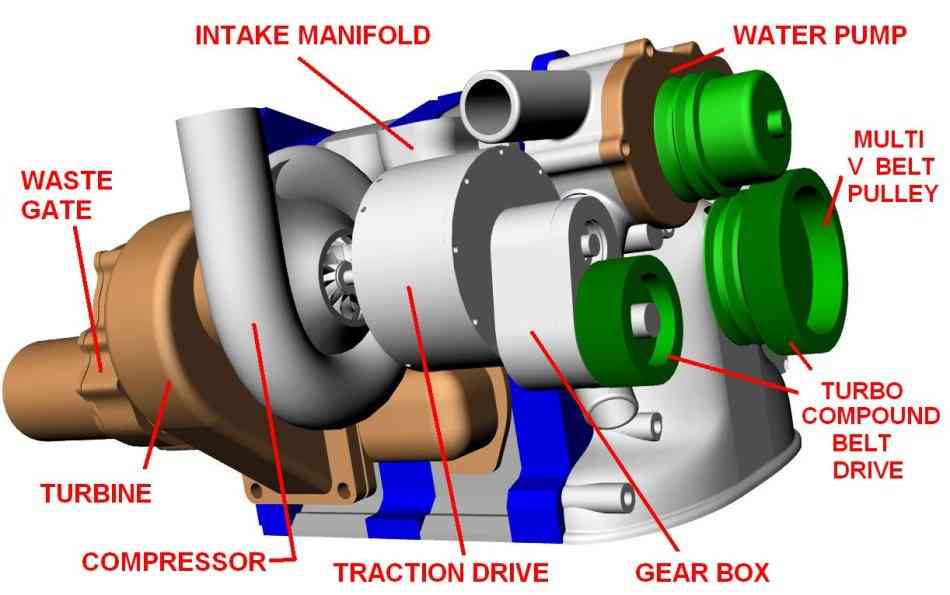
do with a turbo compound is to convert the momentum and heat energy in the
exhaust to mechanical energy. It is best to use that mechanical energy directly
to move the car for the reasons stated above.
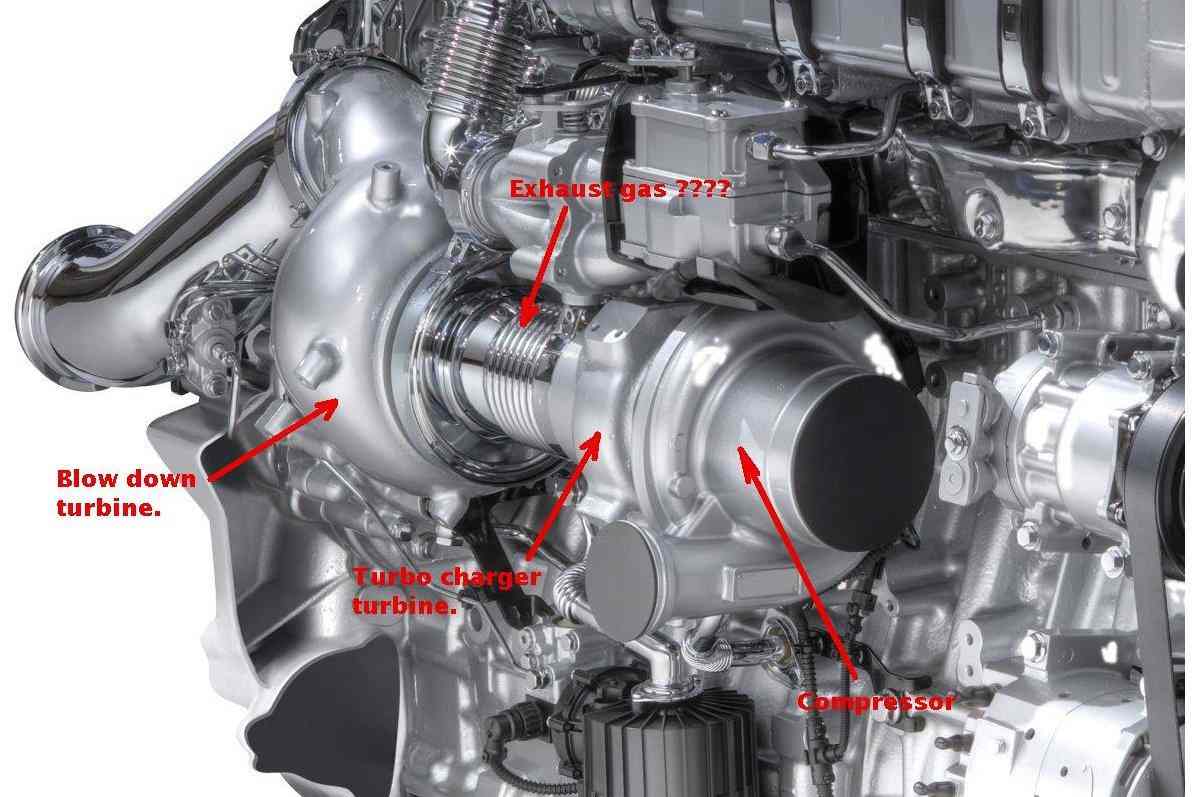
Turbo compound truck engines are rapidly
becoming the norm. Turbo compound ship engines frequently utilize the waste
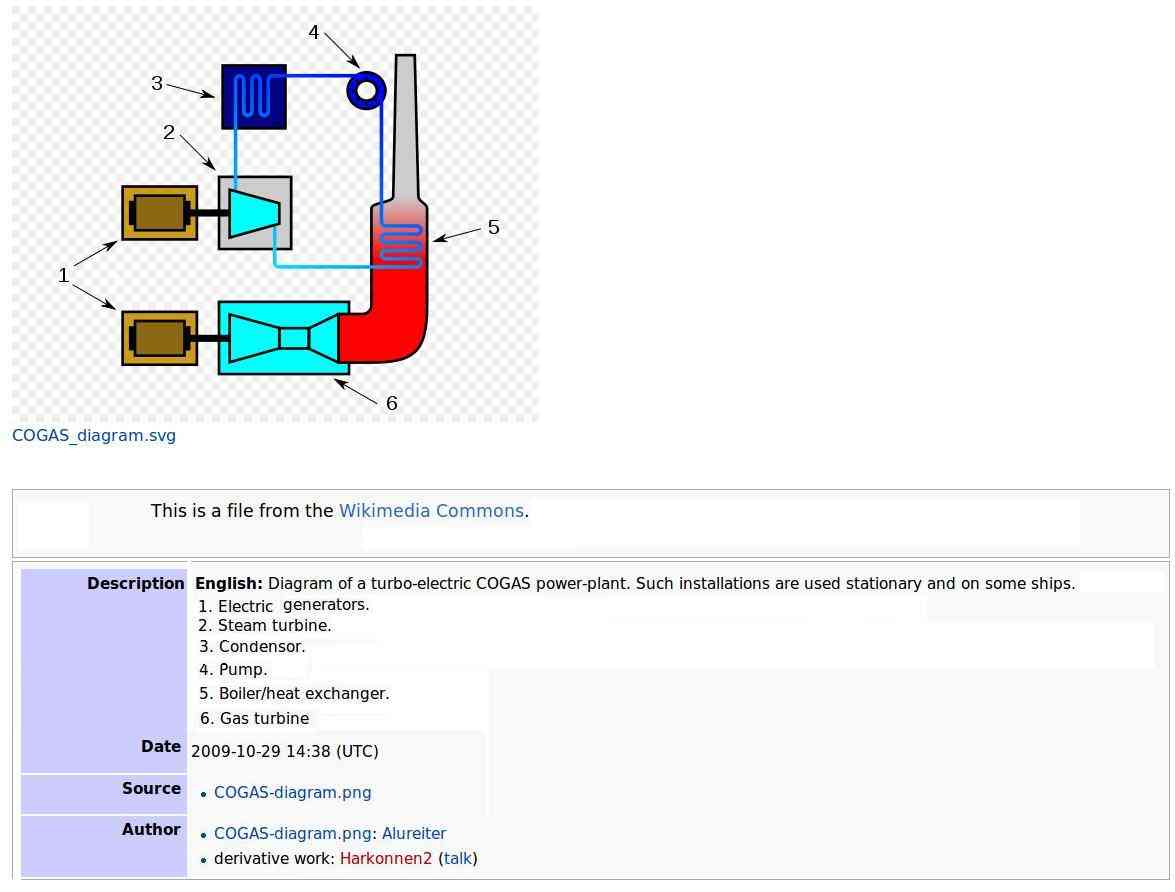
energy in the exhaust to generate electricity for use on the ship. Large gas
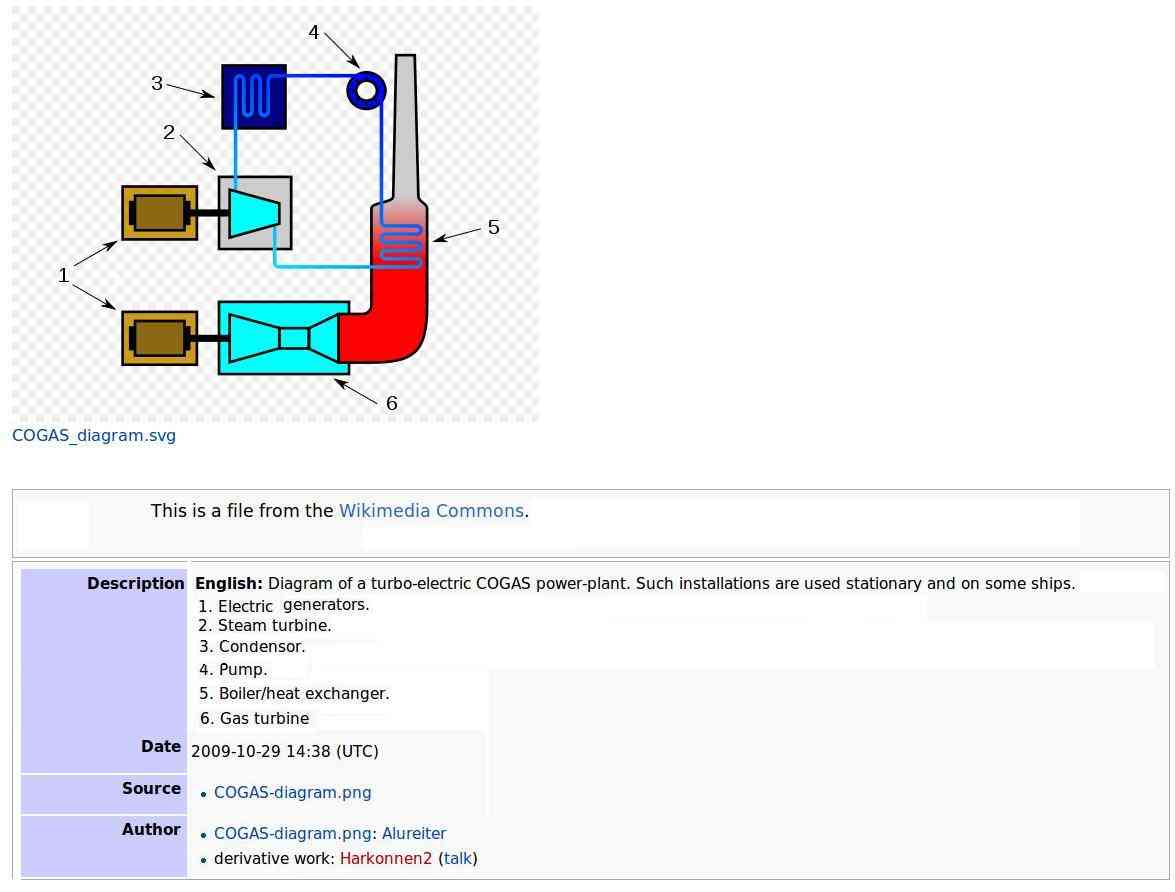
turbine power plants use the exhaust energy to generate steam for steam turbines
which increases the overall plant efficiency to over 50%. These are called
"combined cycle" or "bottoming cycle" power plants.
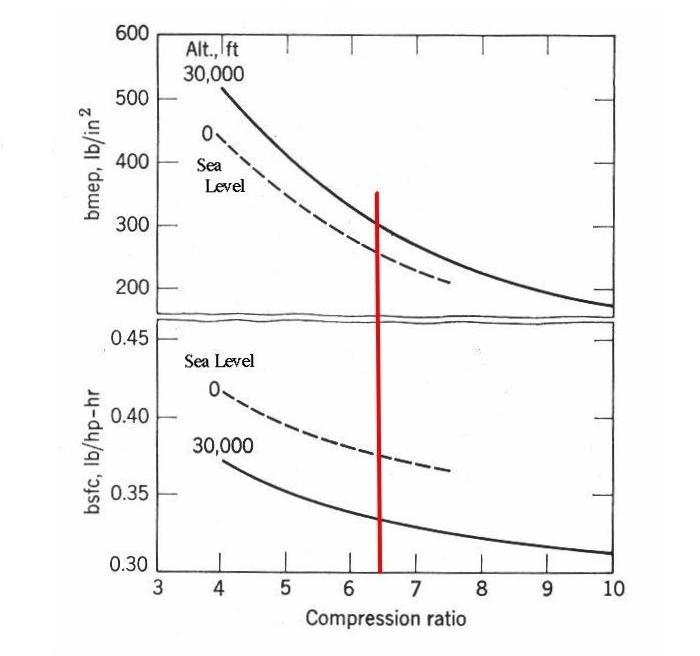
A typical car engine is less than 35% so herein lies the opportunity to
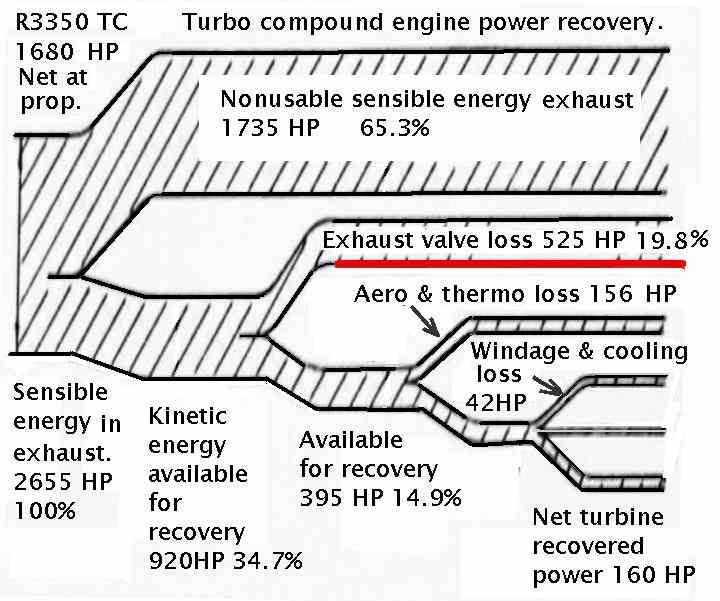
drastically reduce the world wide consumption of hydro carbon fuels. The piston
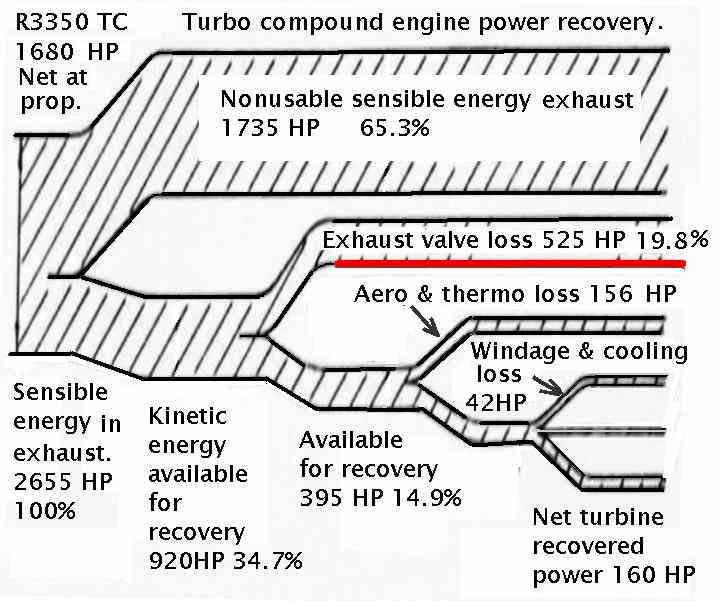
car engine loses 20% of the energy in the exhaust to aerodynamic and heating
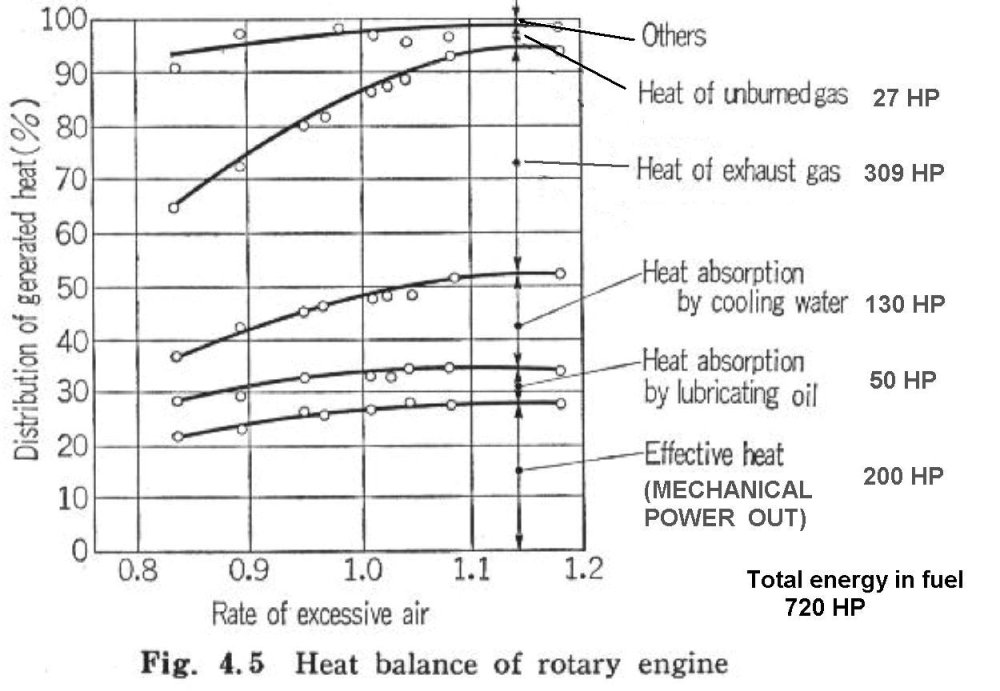
losses on the exhaust valve. Of course over 50% of the energy in the fuel
burned in the IC is lost to the exhaust.
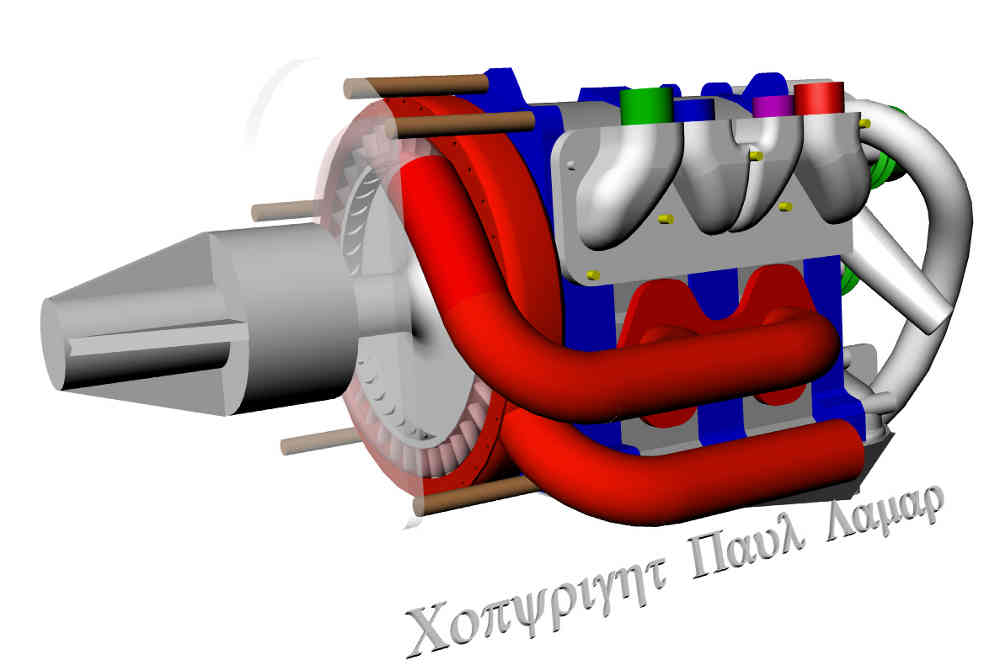
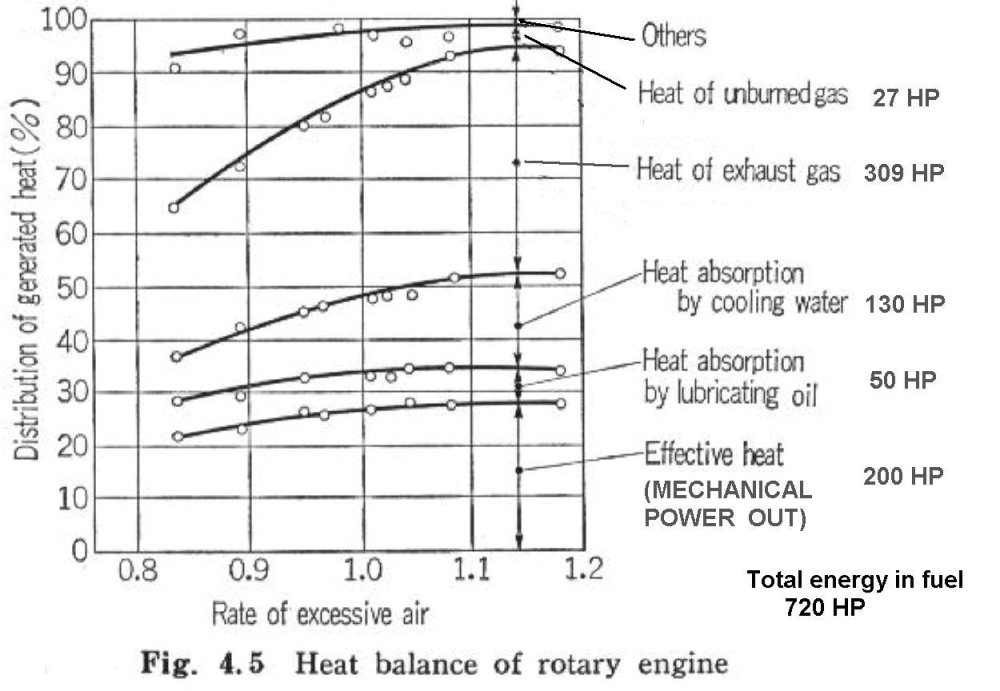
The Wankel rotary by comparison is "piston ported" so to speak so these exhaust
valve loses are drastically reduced. It has no exhaust valves. It is true the
current Wankel rotary design is 5 to 10% less efficient than the current piston
engine but it still remains the best choice for high power to weight ratio turbo
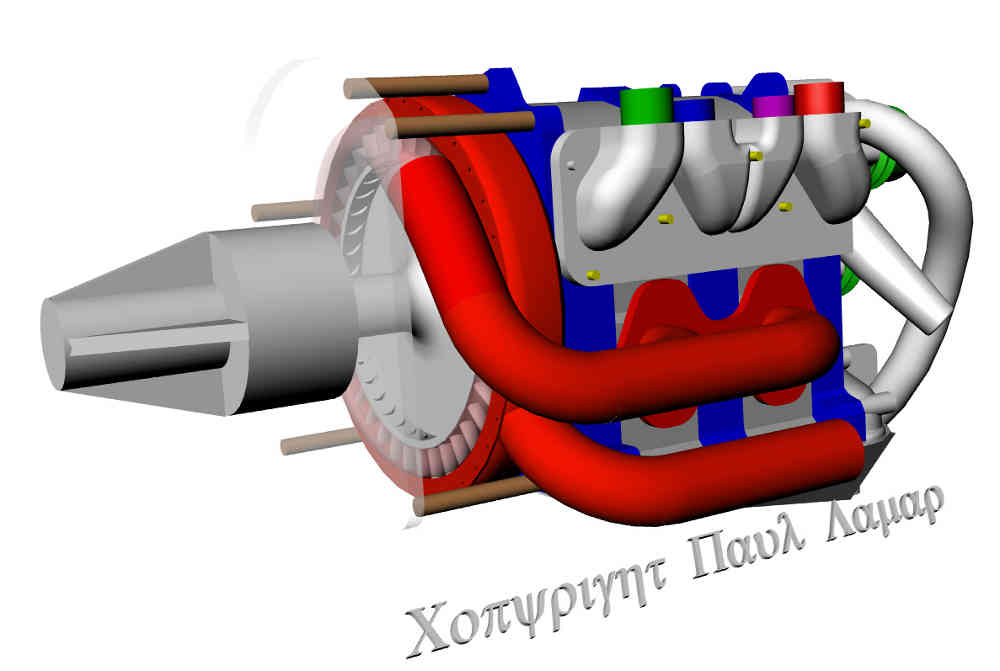
compound engine used to power both airplanes and cars. The turbo compound Wankel
rotary would become the most efficient internal combustion engine suitable for
vehicles. Engine weight is a key factor in the overall empty weight of both
airplanes and cars. A lighter vehicle is a more efficient vehicle.
The aircraft and recreational boat application of the turbo compound is
trivial while the real challenge is the wide dynamic range of the passenger
vehicle engine.
Paul Lamar
--
The Rotary Engine NewsLetter. Powered by Linux.
ACRE NL web site.
http://www.rotaryeng.net
Youtube key word PaulLamar2
Copyright 1998-2011 All world wide rights reserved.