This is the first time I have flown one of these
since I was fourteen or fifteen. I forgot how bad it
was.
Horrible handling airplane. Terribly un coordinated.
Don't learn in it unless you can afford to spend twice as much time
and money. The flying skills you learn are then useless for
flying any other type of modern aircraft.
However it is fun and challenging :)
Paul Lamar
--
Flying something like a Cub or Champ will make the automatic
parts of your brain ready to work without you thinking about it.
You call it bad, but it's actually perfect for flight training.
If you can make the Cub do your bidding, the only problem you'll
have with the RV is getting used to its small and light control
inputs. Some people might over-control in the first few moments
of transition. Hopefully you will get you a bit of stick time in
another RV before having to do it solo.
Matt-
The reason it is bad is nobody designs an airplane today with
out due diligence to coordination and aero balance of the
controls. There is no upside to uncoordinated and unbalanced
controls. It is like an old unstable car. Yes you can learn to
drive it but why do that if it can be made stable. Therefor I
disagree with the idea it is perfect for flight training.
Get lessons in a C172. After you have your license get checked
out in a Cub if you feel the need to find out what it was like
to fly in the 1930's. Build a replica of the Wright Flyer if
you really want to learn to fly a bad airplane. Yes it was the
first barely controllable airplane but technology improves.
The other Cub drawback is the early versions did not
have flaps so the flare is very nose high which totally obscures
the runway ahead. In fact Piper lost a huge law suite about 30
years ago because of this factor. As I recall it bankrupted them.
This had a very negative effect on the light plane industry.
Cessna stopped building and selling piston powered aircraft.
Congress had to enact a law prohibiting liability suites for
products 17 years or older.
Paul Lamar
Hi Paul, I think the big suit at that time was against Cessna for
failing seat latches that would leave the pilot in the back seat
hanging on to the yoke after lift off. I did not see any comments
on my "Bass Akwards" article. With such a knowledgeable group, I
was expecting something.
http://www.eaa.org/experimenter/articles/2010-11_bass.asp There
is a link to a side splitting segment from Top Gear. -- Murry
That was another one.
I had to modify my 182 for that one.
Paul Lamar
"The trike arrangement with the single front wheel leads to terminal
oversteer, a spinout, when pushed to the limit."
Not necessarily true. Under steer over steer has nothing to do
with where the wheels are and how many. I don't think he knows
what he is talking about using these terms in this context. Slip
angles vary with load and tire construction. The coefficient of
friction of a tire also varies with load. Higher load lower
coefficient of friction. Therefor side force generated can vary
widely. The major effect is the CG being behind the center of
side force. If what he says is true fully locking tails wheels would
be more popular. Has anybody on here flown a fully locking tail wheel?
Paul Lamar
Less than 40mph stall speed and you need flaps ? Virg
Have you ever hit a pickup truck on the runway at 40 MPH? :)
The flaps keep the nose down at slow speeds so one can see.
Paul Lamar
Awful lot of technology going on about landing a plane. Just fly it
down and land it. Ask RV4 pilots who fly a lot if you should make
wheel landing or 3 pt and do it. I can't even imagine not doing
wheel landing in cross wind, but haven't flown low wing tail
dragger. Also, you can see ahead with wheel landing just like if
flying trike gear. You touch down with nose as low or lower (since
no nose gear to hit first) than in trike gear. You keep pushing on
stick to keep nose down until tail finally falls on its own because
to slow to fly. Still have rudder control for few seconds. Then
slows down and you lose that. Now you better have brakes that won't
get hot and fail because the brakes are what you steer with. Forget
the tail wheel except for taxi (unless RVs are way better than other
taildraggers). If strong xwind and brakes fail you're going off the
runway. Just hope you're slow enough by then that you don't hit a
wing tip when you have to ground loop it to keep from hitting something.
But, you have good brakes. So, you will always be able to
steer. These RV tail draggers can't be hard to land or there
wouldn't be so many. You will be fine. Forget the cub and get dual
time with RV taildragger pilot or low wing warbird taildragger
pilot. They can show you best way to land it. But, I can't stress
enough to learn wheel landings. Then you can land anywhere any time
you need to.
Van
True wheel landings are the answer but that negates the whole idea
of a tail dragger in the first place. You cannot make a full stall
low speed wheel landing. That is the wing angle of attack is not
high enough. That also implies a longer runway is needed. Tail
wheels are supposed to be
better in rough, soft field, full stall landings off airport at the
lowest possible speed.
Yes you may have slightly less drag with a tail wheel.
The main problem is you can't see enough to keep it straight in a
full stall landing. One can learn to keep it straight if one had an
out side point of reference. The RV's are better as they have flaps
and are flown from the front seat.
The jpg illustrates a solution. It could also be done with a remote
video camera and monitor in the cockpit.
With all the slop in the tail wheel cable a Cub takes some learning just
to zig zag down the taxi way smoothly. I can't see out of the RV4
when taxing either but taking the slop out of the tail wheel cables
makes it much easier to zig zag so obstructions ahead can be seen.
Paul Lamar
Back in the 1960s, Vietnam era, the Air Force toyed with the idea of
resurrecting the P-51 with a turboprop engine as a ground support
plane. I believe some flying examples were built but the AF shelved
the idea because they didn't think they could retrain enough pilots
to fly a tail dragger ... and the P-51 did have a lockable tail
wheel. Locking it was on the pre takeoff checklist lest the torque
of the engine would steer you right off the runway on takeoff.
And shopping carts do make good trainers .... just put a case of beer
in one and have the trainee run it around the market backwards for
half an hour. Then they understand.
PS, I learned to fly in a military flying club at Ft Gordon, GA. All
we had was PA-!2 and PA-18 Cubs and a Cessna 140 and a 195 with the
Goodyear castering main gear. I never flew a nose dragger in my
first 100 hours.
SD
The purpose of tail wheel is so you can land on rougher field
without breaking off the nose gear. If you have the runway do a
wheel landing unless for some strange reason an RV lands better in a
xwind in 3pt than wheel landing. In wheel landing you can put that
wing down and land on one wheel just like trike gear to keep from
drifting across the runway. The problems don't start to arise
until tail gets low. If you try to 3pt in cross wind, its a real
bad feeling when you start drifting across the runway and your nose
is stuck in the air and you have very little directional control
because going too slow.
Van
There was a reason that prior to WWII the majority of airports were
large grass fields that allowed one to land into the wind regardless
of where the wind was coming from!
SD
Also, prior to WW2 many roads were still gravel. In Alberta Canada, hi-way 2
is a major route from the border with the USA through Calgary, Red Deer, and
Edmonton and a loop through Peace River and back to Grand Prairie. It was not
paved until after the war. There were many public works programs undertaken in
the years after the war and road building and improvements were high on the
priority list. I expect the US had similar situation also.
CIS countries are in rural areas in the '50s time line. To get an idea, check
Belarus twenty years after. There is a series of 12 videos by an aid society.
Quite informative and revealing seeing the roads they deal with. Paul toured
there and can relate.
Dale Davies
You can say that again. The autobahns in east Germany were in such bad
shape in 1991 you could not drive over 30 MPH. Russian roads were almost
as bad. Nobody really worked in the commie block. The saying was:
"We pretend to work and they pretend to pay us." The currency was worthless
because you could not buy anything worth having with it. The cars were jokes
like the Traubant and you could not buy houses or land. If we are not careful
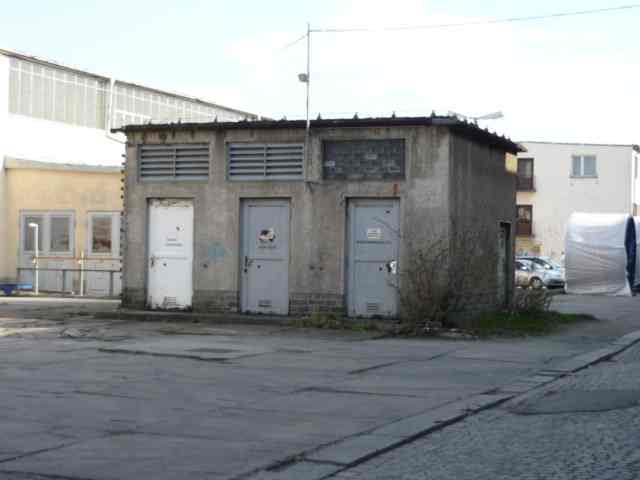
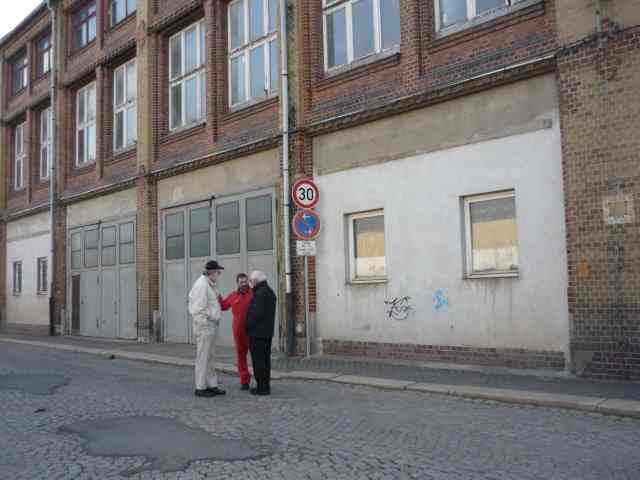
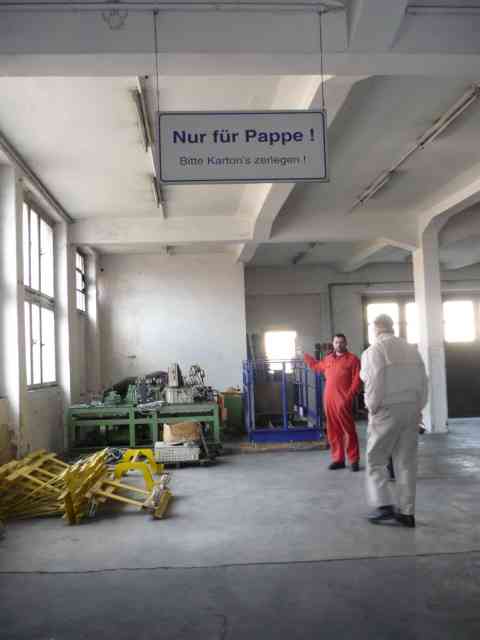
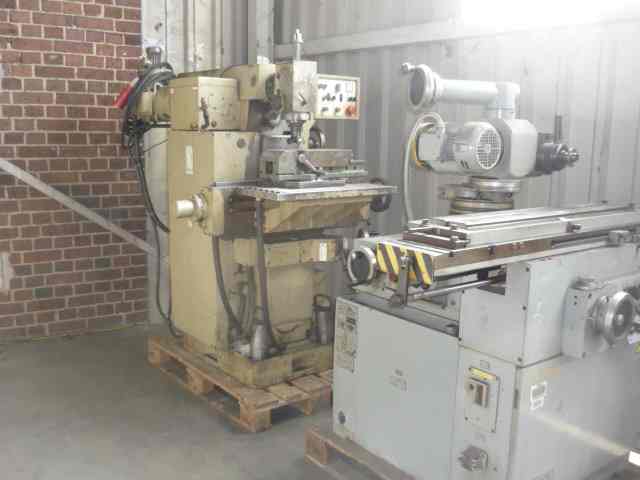
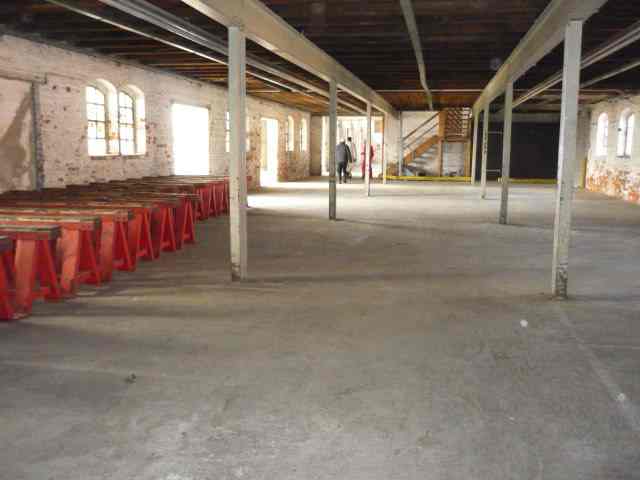
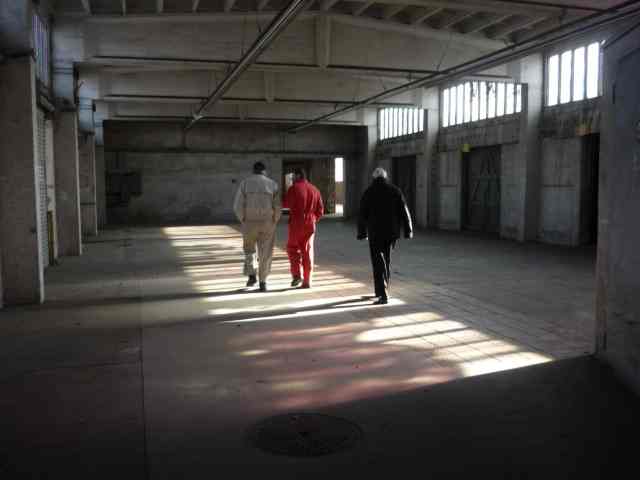
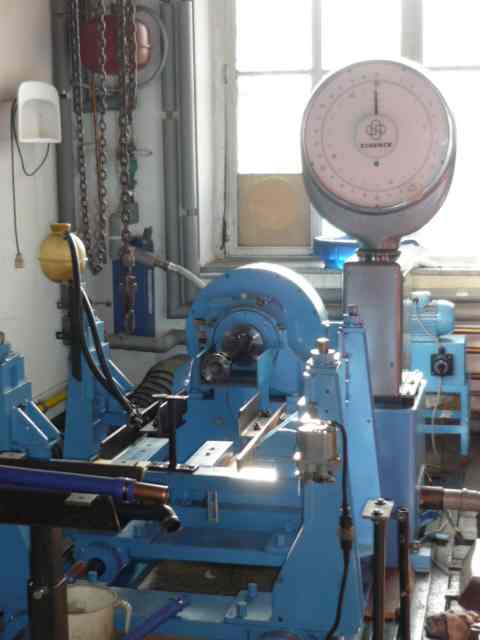
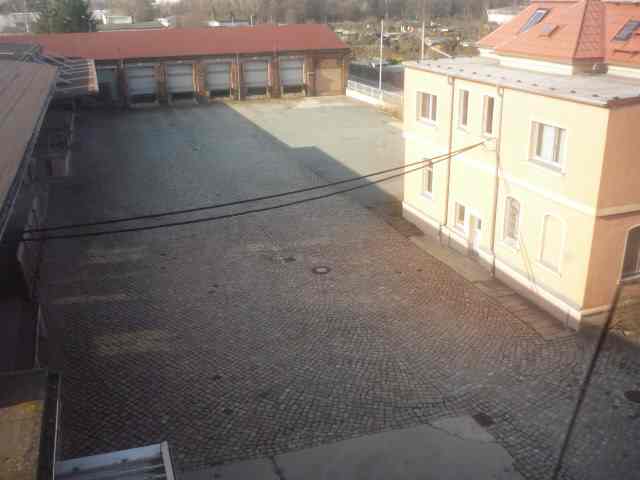
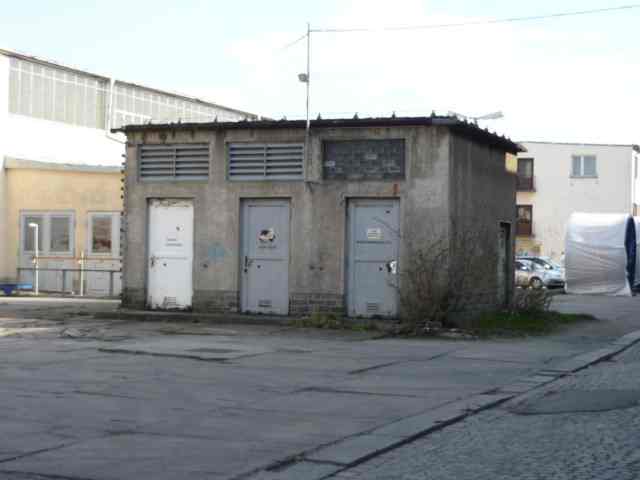
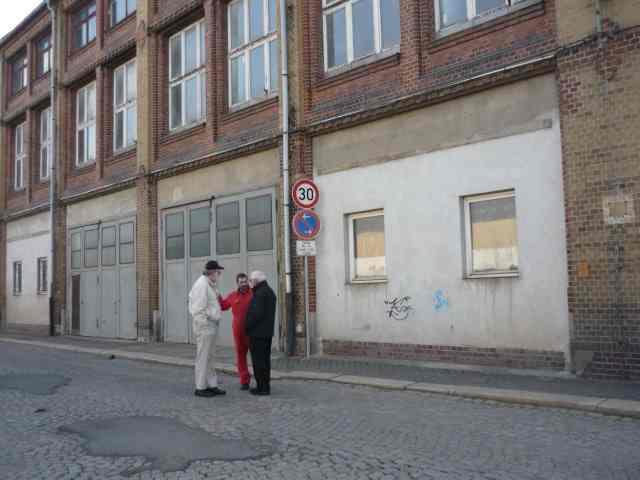
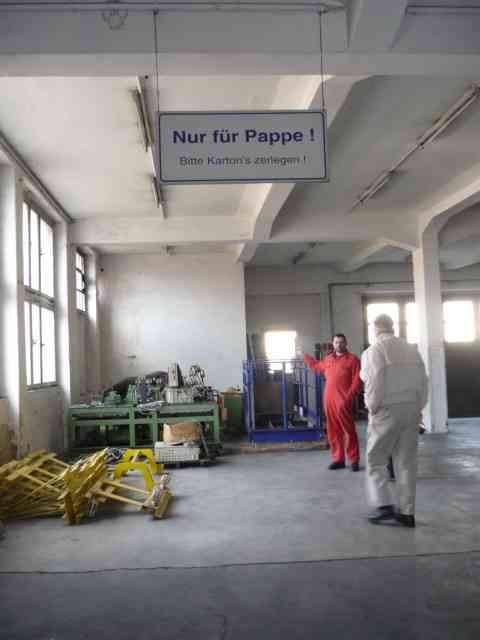
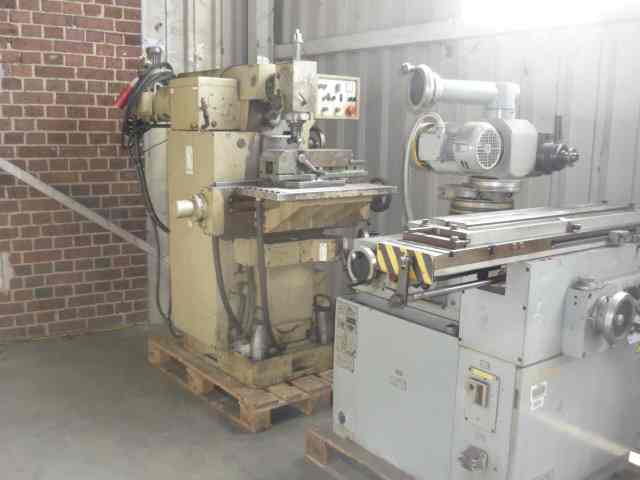
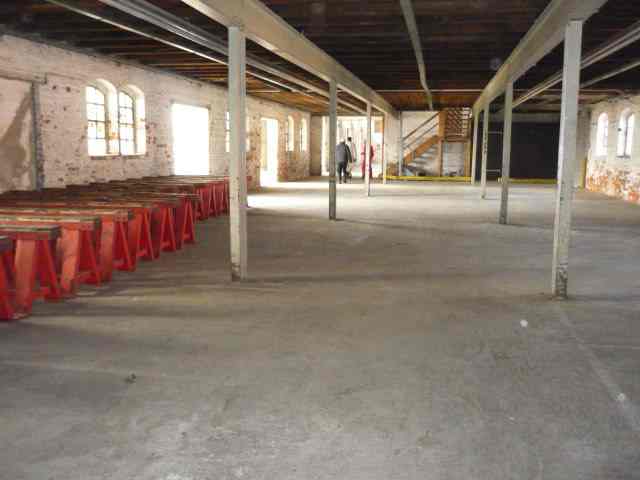
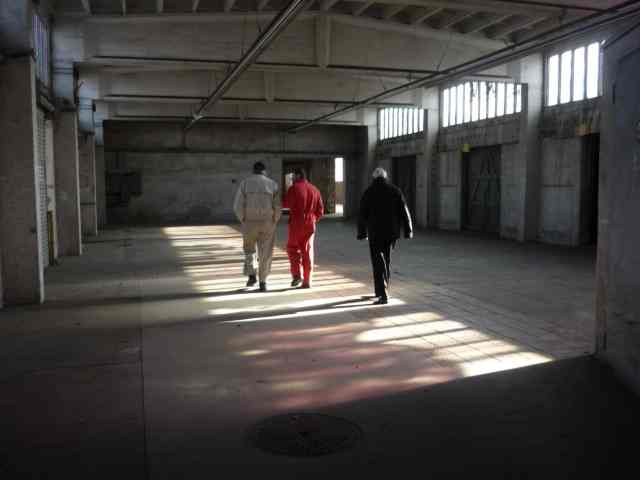
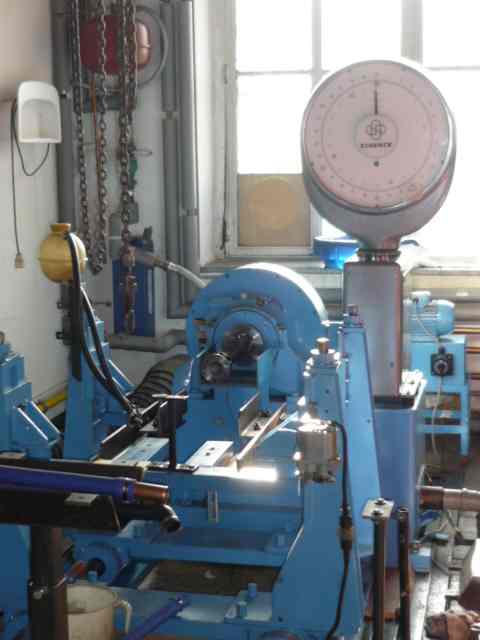
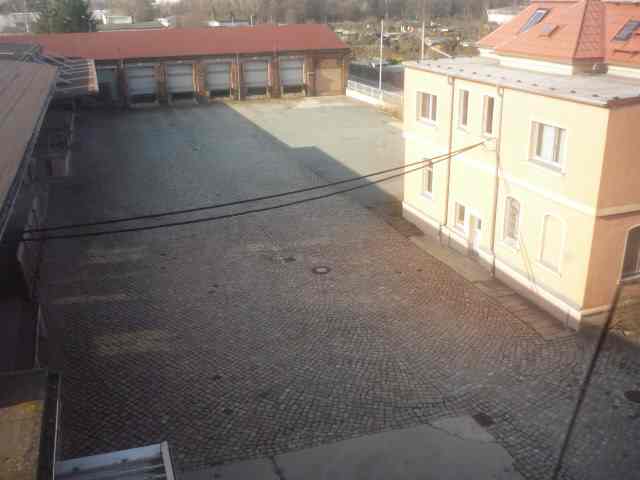
it is going to happen here. Here are some pictures of the old now empty Traubant
factory.
Paul Lamar
--
The Rotary Engine NewsLetter. Powered by Linux.
ACRE NL web site.
http://www.rotaryeng.net
Youtube key word PaulLamar2
Copyright 1998-2011 All world wide rights reserved.