ADVANCED AIRCRAFT ELECTRONICS, INC
http://www.advancedaircraft.com/
Does any body have any experience with this antenna mounted in
the wing tip of an RV?
A regular whip antenna can have as much as 3 pounds of drag at 230 MPH
which
translates to a HP requirement of about 2.3 HP. That is a fuel burn of
about
1.2 pounds an hour or about .2 gallons an hour.
"Advanced Aircraft Electronics Inc. (AAE) offers a series of aircraft
antennas
specifically designed to be used without a ground plane. This means that
composite aircraft and fabric covered aircraft can now have their
antennas
mounted totally within the structure. "
Paul Lamar
Paul,
I do not have experience with these antenna,but I heard they are really
good.They are called Bob Archer antenna after the designer.You can google
Bob Archer antenna for more info.They have them at Air craft Spruce for a
cheaper price.I believe they also have these antenna for metal air craft.I
think I might have one installed inside the Horizontal stab. of the KIS
Cruiser,do you remember the cable that was sticking out of the horz. stab.
that we did not know what was it for,I believe that might be for this type
of antenna.I have to take the horz. stab. to the airport and connect the
cable to my hand held radio to see if that is true.
Michael Hart
Hi Again;
From Bob Archer.
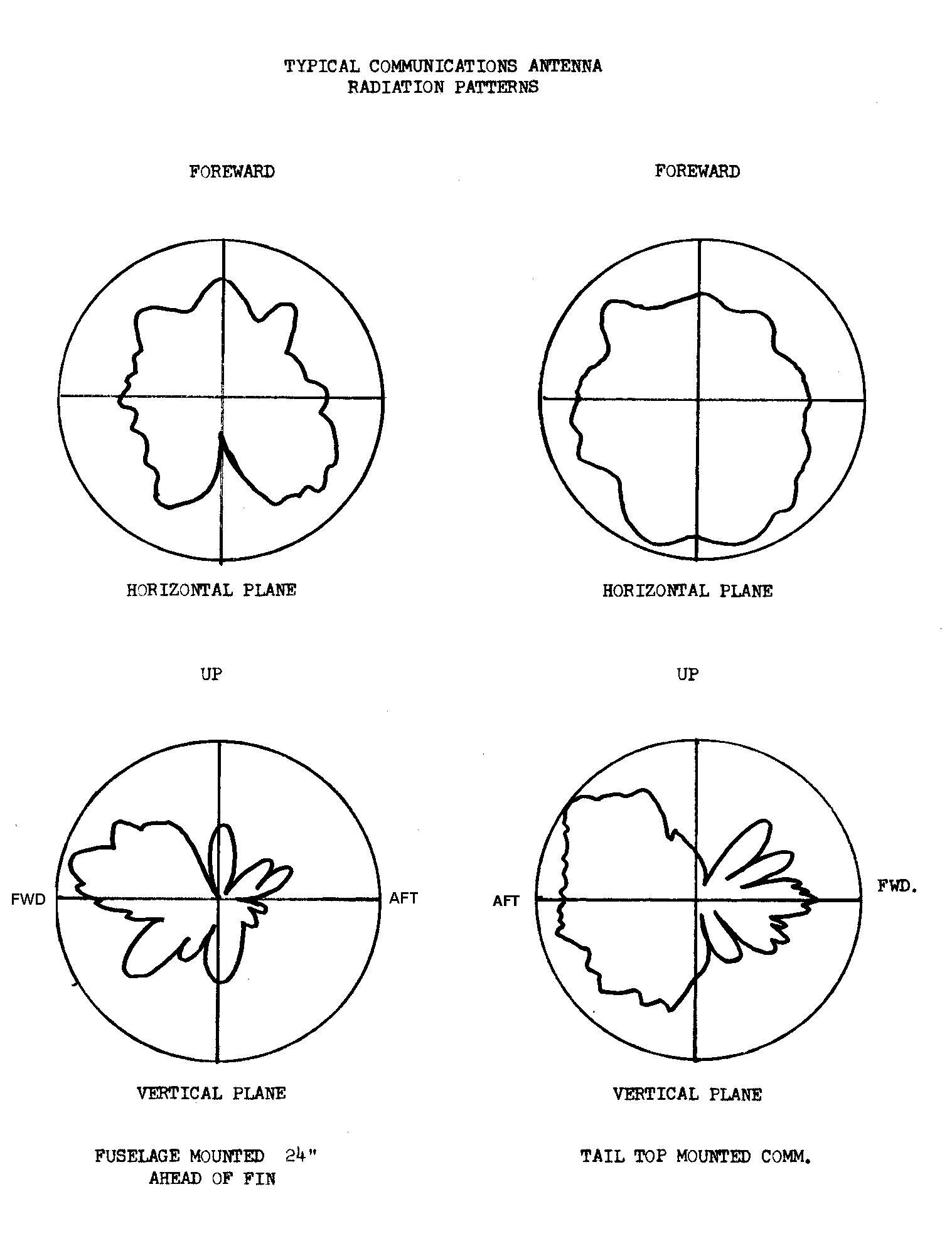
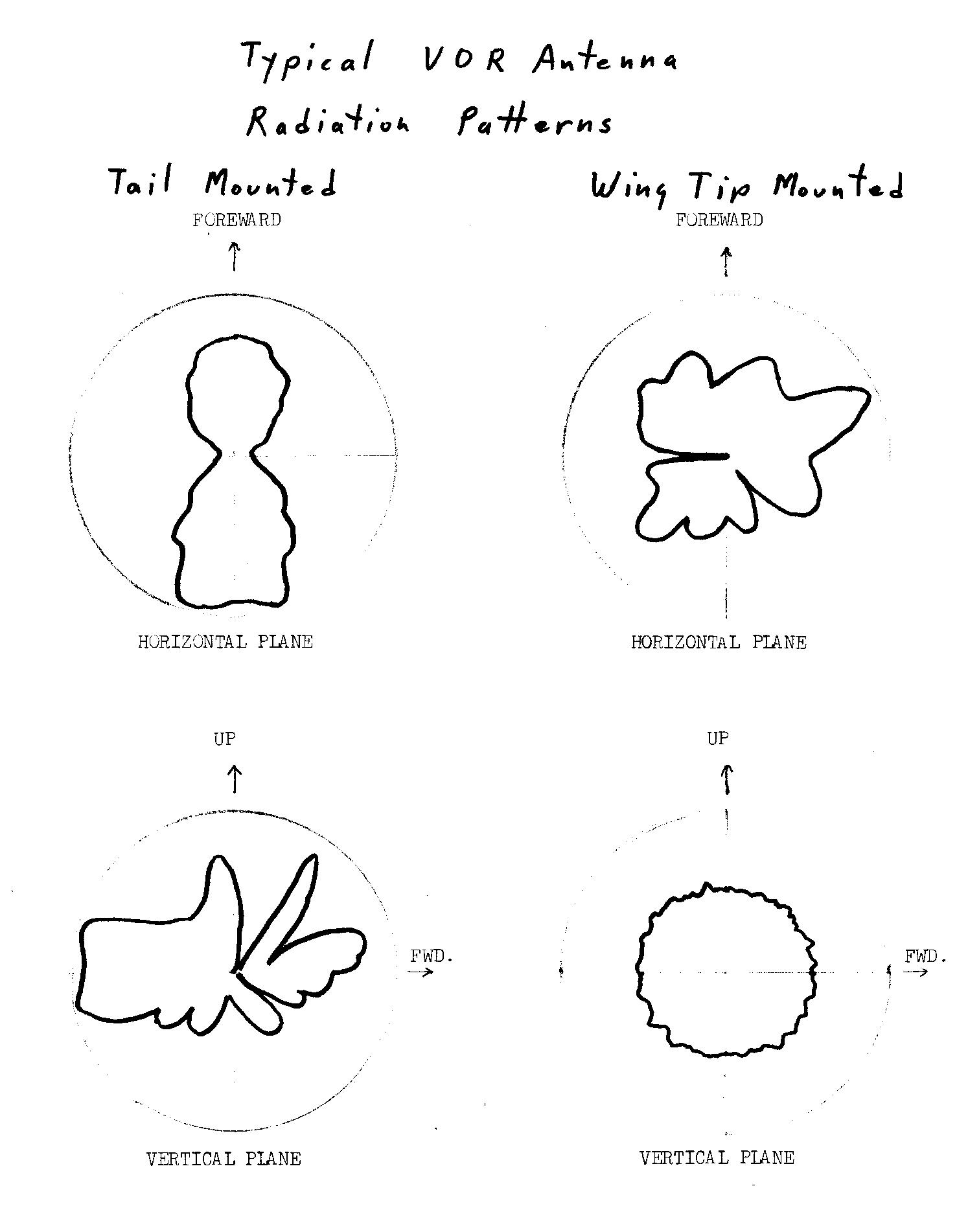
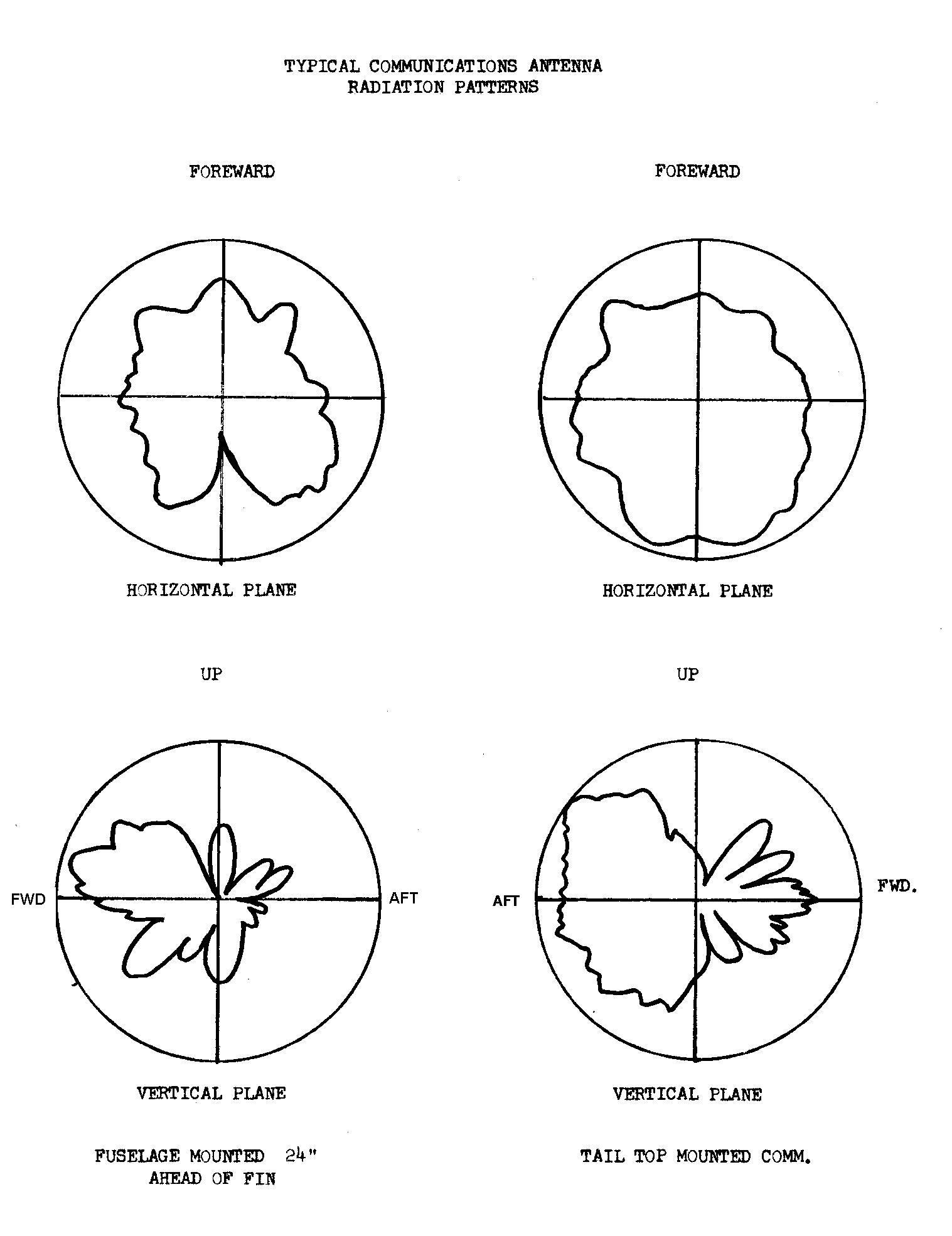
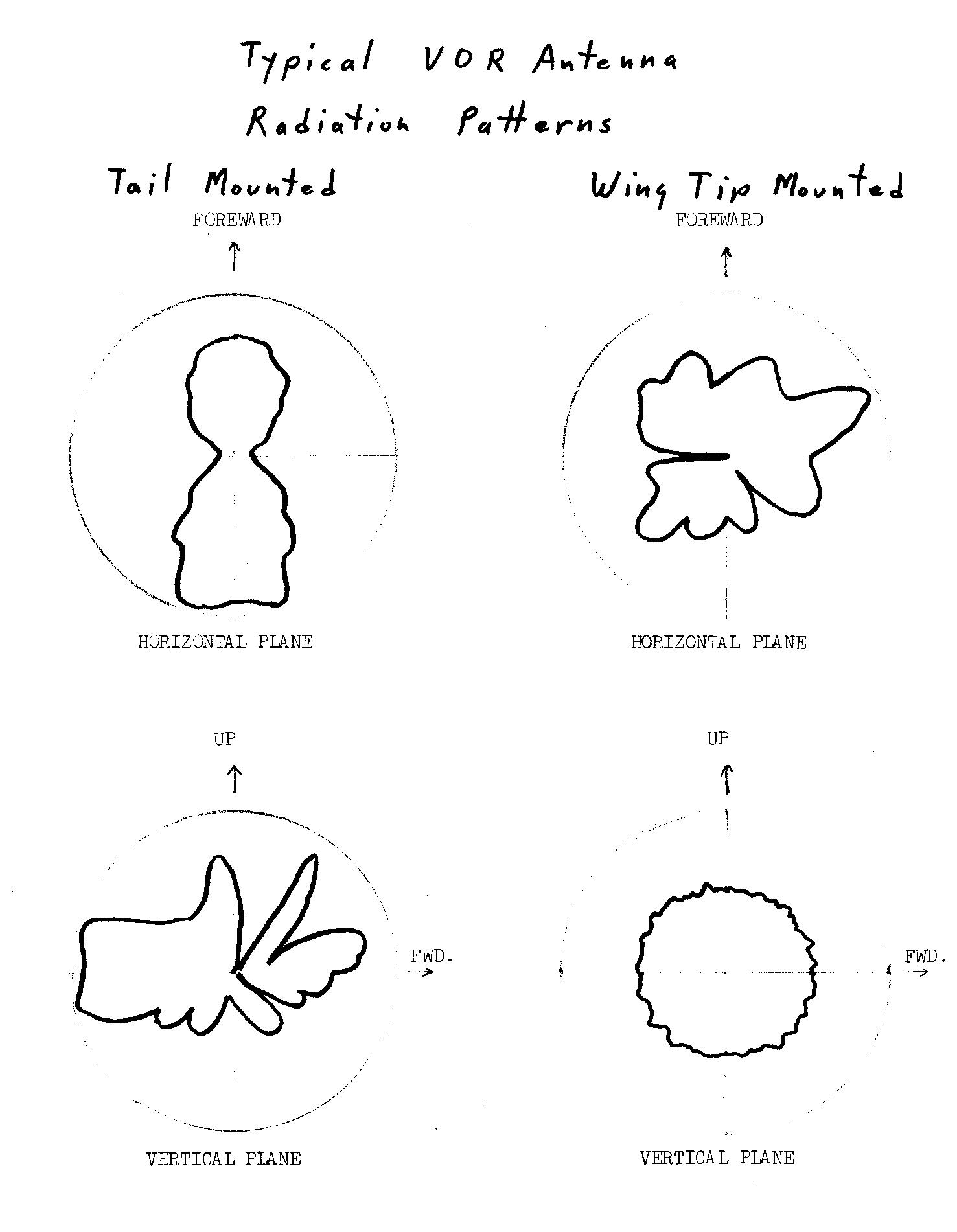
I will attach a couple of sheets of radiation patterns. One is of Com
antennas, one set being a monopole a quarter wavelength in front of the
vertical stabilizer and the other ion top of the vertical. The second is a
standard Vor rabbit ears on the top of the vertical and one of my wingtip
Vor antennas. All horizontally polarized antennas have two nulls in their
patterns, dipoles have nulls off the ends of the elements and if swept the
holes fill up a bit. The wing tip VORs have two nulls also but, as you can
see in the patterns, one is off the opposite wing tip and one is aft about
45 degrees on the antenna side. But the nulls are very sharp and difficult
to find. We had an FAA test pilot that could find them but he couldn't hold
them. In normal flight you would never notice them.
The antennas are very efficient. Coms also. I had a pressurized Lancair IV
owner tell me that he could track the VORs over 200 miles. He was building
another one and wanted a set of antennas. His #8 Com antenna in the tail was
just as good. He was based at Palomar airport and would tune in the ATIS
from Bakersfield.
The SA-001A com antenna is not that good because it does not have enough
vertical dimension. I only did them because I had a RV-6 builder twist my arm
so I re-tuned a VOR antenna for the Com band and told him how to install it.
He flew out over the ocean about 50 miles from Van Nuys airport tuned in the
ATIS and flew flat circles at 5000 ft. and said he always had reception.
BUT, he had the older Horner type tips that enabled more vertical dimension.
Most folks with the later tips now use them for emergency and close in like
gnd. control etc. So I never bothered to do patterns because the cross
polarization wouldn't look very good any way. They would work well in
winglets, I have had several folks with winglets tell me how well they
worked.
If anyone has more questions just let me know.
Regards
Bob
--
Bob what do you think of using a dipole (with balun) glued lateral to the inside
of the middle of the canopy on an RV4. Of course it would have a lot of
curvature with the tips pointing down at the longerons.
Paul Lamar
The Rotary Engine NewsLetter. Powered by Linux.
ACRE NL web site.
http://www.rotaryeng.net
Youtube key word PaulLamar2
Copyright 1998-2011 All world wide rights reserved.