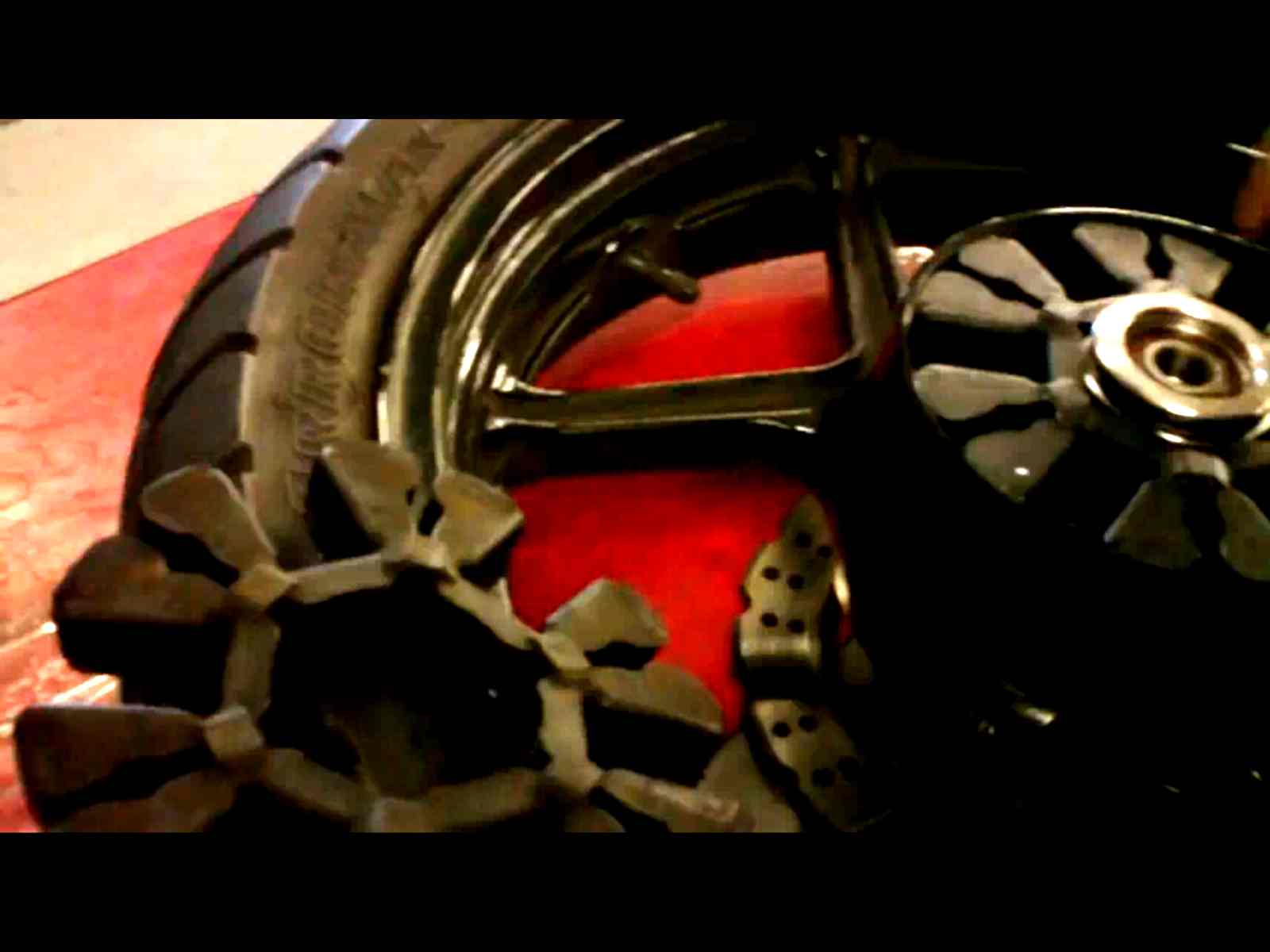
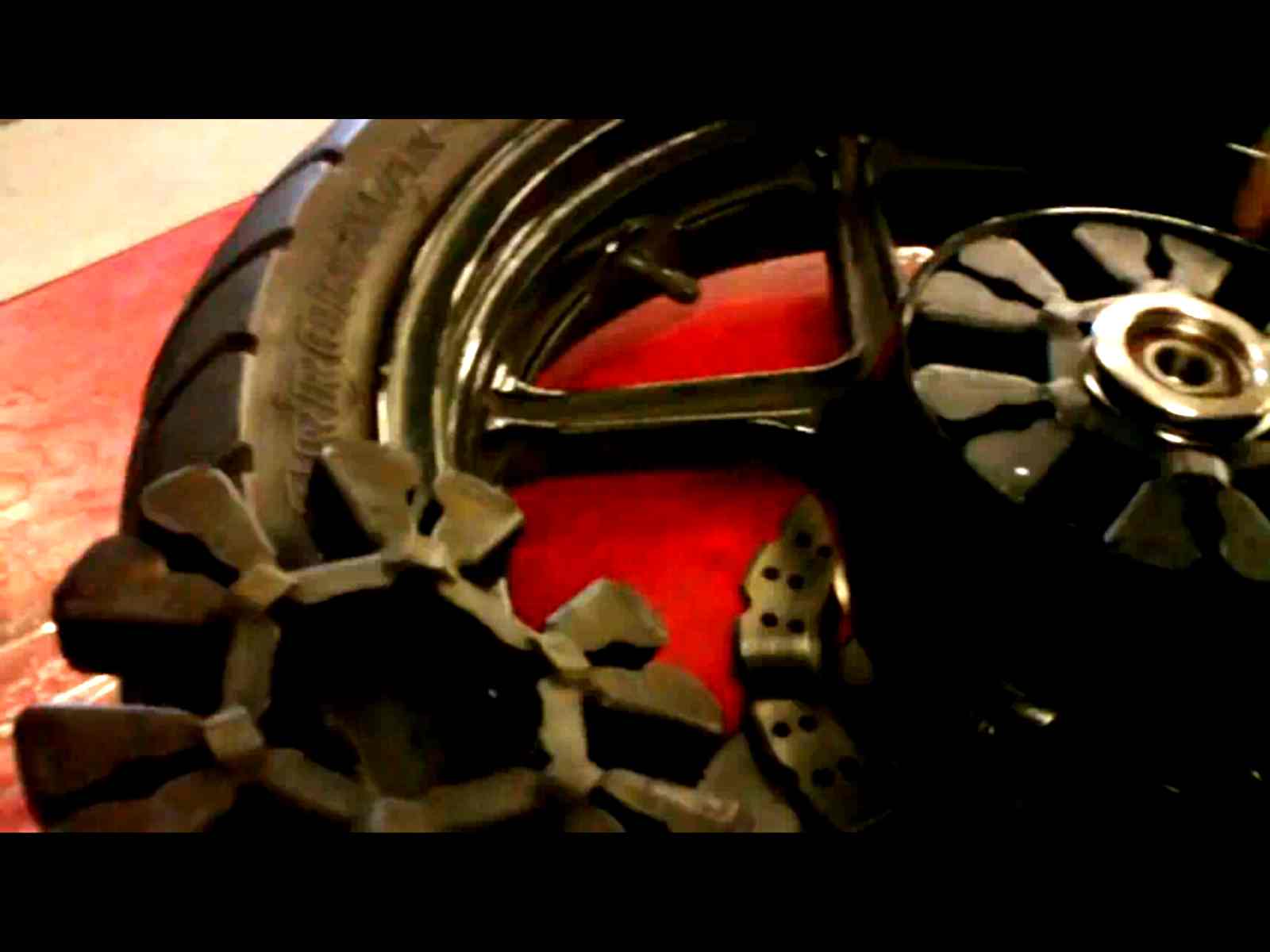
It occurred to me the current damper is not working as well as it should.
Rubber is just as incompressible as hydraulic oil and the current
rubber dampers are completely enclosed in the current design.
There is no room for them to distort and absorb the shock.
I think we need to copy the motor cycle style torque damper.
Making them round makes no sense. They should be more or less
cubes of rubber in housing large enough to distort.
I am working on a 3D for a new design. It will be similar to
this Yamaha design. We may be able to buy the rubber parts
from a motor cycle parts seller.
Paul Lamar
There's a lot I don't understand about torque pulse damping. To me the ultimate
torque pulse damper is a heavy flywheel, or at least one with a lot of its mass
peripheral, that way less energy goes into heat that has to be dissipated and
more stays in the system to do work. This is why a flywheel alternator makes a
lot of sense.
I saw a radial engine - a prototype I think, at Oshkosh using a "Dynastart",
but the guy admitted it didn't have much starting torque until it was fed 24 volts.
I don't understand why motorcycles have that damper set-up in the back wheel,
leaving all the bits upstream to have their own little torque pulse dogfight, to
me it seems it should all be damped out before it gets into the drive train, at
least they mostly seem to have a crankshaft alternator.
Would the spring loaded cam arrangement found on British single cylinder
motorcycles be a better solution?
John Evans
These are airplane engines. Heavy flywheels are not the way to go.
An ounce of rubber is worth a pound of engineering :)
Here is a shot of a moto rear wheel torque damper. Parts are cast into
the rear wheels so those parts must be fabed for our use.
Paul Lamar
--
The Rotary Engine NewsLetter. Powered by Linux.
ACRE NL web site.
http://www.rotaryeng.net
Youtube key word PaulLamar2
Copyright 1998-2011 All world wide rights reserved.