Hi, my chapter pres sent me this:
NTSB Identification: ERA11LA444
14 CFR Part 91: General Aviation
Accident occurred Sunday, August 07, 2011 in Paducah, KY
Aircraft: HODGES SAMUEL J RV-7A, registration: N462WP
Injuries: 1 Minor,1 Uninjured.
This is preliminary information, subject to change, and may contain
errors.
Any errors in this report will be corrected when the final report has been
completed.
On August 7, 2011, at 1340 central daylight time, an experimental
amateur-built RV-7A, N462WP, was substantially damaged during a forced
landing after takeoff from Western Kentucky Airpark (5KY3), Paducah,
Kentucky. The certificated private pilot/owner/builder was not injured and
the passenger incurred minor injuries. Visual meteorological conditions
prevailed, and no flight plan was filed for the local personal flight,
which was conducted under the provisions of 14 Code of Federal Regulations
Part 91.
According to the pilot, the airplane was equipped with an automotive
conversion Mazda 13B rotary engine. After an uneventful preflight
inspection, the pilot taxied the airplane and conducted a pre-takeoff
run-up of the engine. During the run-up the pilot tested the dual ignition
system and the primary and secondary engine control computers for proper
function. Noting no abnormalities, the pilot proceeded with the takeoff.
While climbing the airplane at an airspeed of about 100 knots, and about
200 to 300 feet above the ground, the pilot noted that the engine began to
"stumble" and lost partial power. The pilot responded by switching engine
control computers, enriching the mixture, and then began searching for a
forced landing site. He did not note any abnormal engine instrument
indications, and could not recall the engine's rpm during the descent.
During the forced landing to a nearby road, the airplane struck a mailbox
and a ditch, damaging the left wing tip and the right wing spar.
After the airplane was recovered to the pilot's hangar, the pilot and a
Federal Aviation Administration inspector conducted a test run of the
airplane's engine on the day following the accident flight. According to
the inspector, the engine started immediately and exhibited smooth and
continuous operation at an idle power setting.
Not much of a clue as to what happened.
I have had a reply from a distributor; may have SGF price and availability
soon.
Murry
Ed, have you heard anything about this on the grape vine?
Paul Lamar
Yes, Paul
Sam's engine started sputtering approx 200 ft altitude after take off. He
switched to controller B but no effect. Engine continued to run but
sputtering - .producing no useful power. Landed on a dirt road encountering
mail box and fence - no one seriously injured. One wing totaled, the other
repairable, fuselage OK.
Engine ran fine back at the hangar with FAA inspector observing - best
guess (and that is all it is at this point) is he may have had "vapor lock"
fuel problems. OAT was 98F and he had been running up the engine prior to
take off. He does have return to tank fuel system which normally is pretty
effective in preventing "vapor lock" - so it possibly has another cause - as
yet undetermined. He is also checking to make certain it was not muffler
blockage as well.
That's about all we know at this point.
Ed
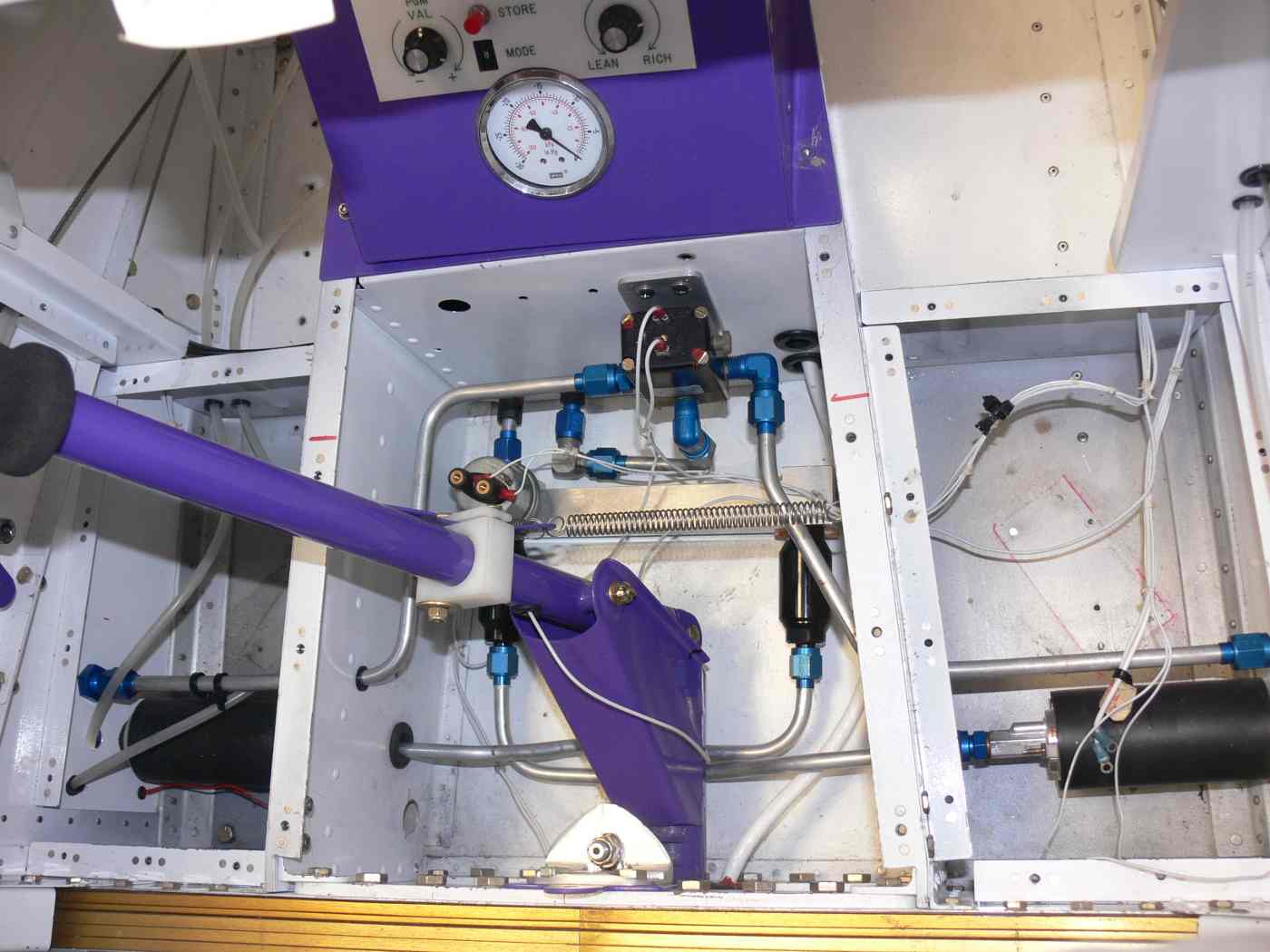
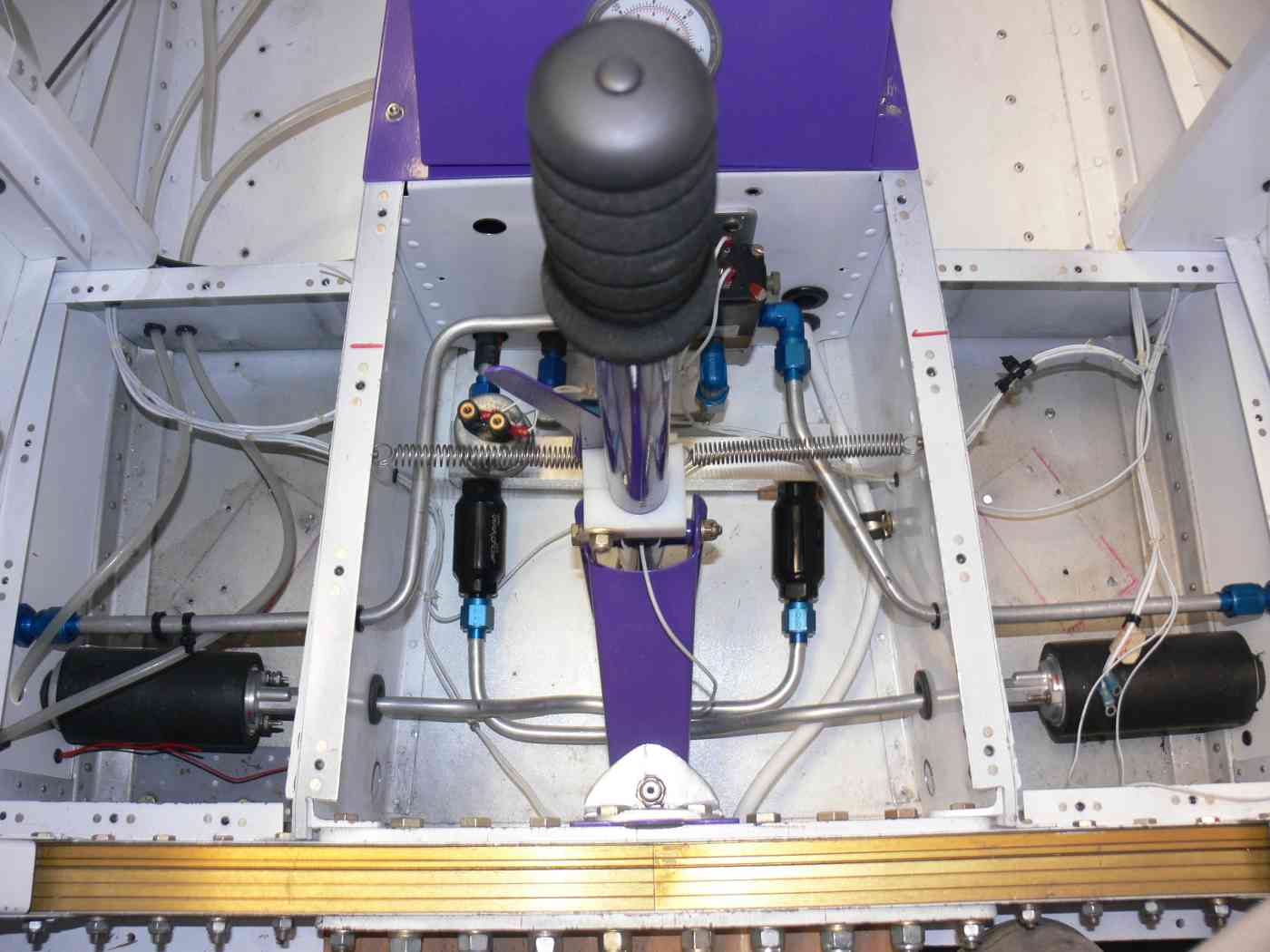
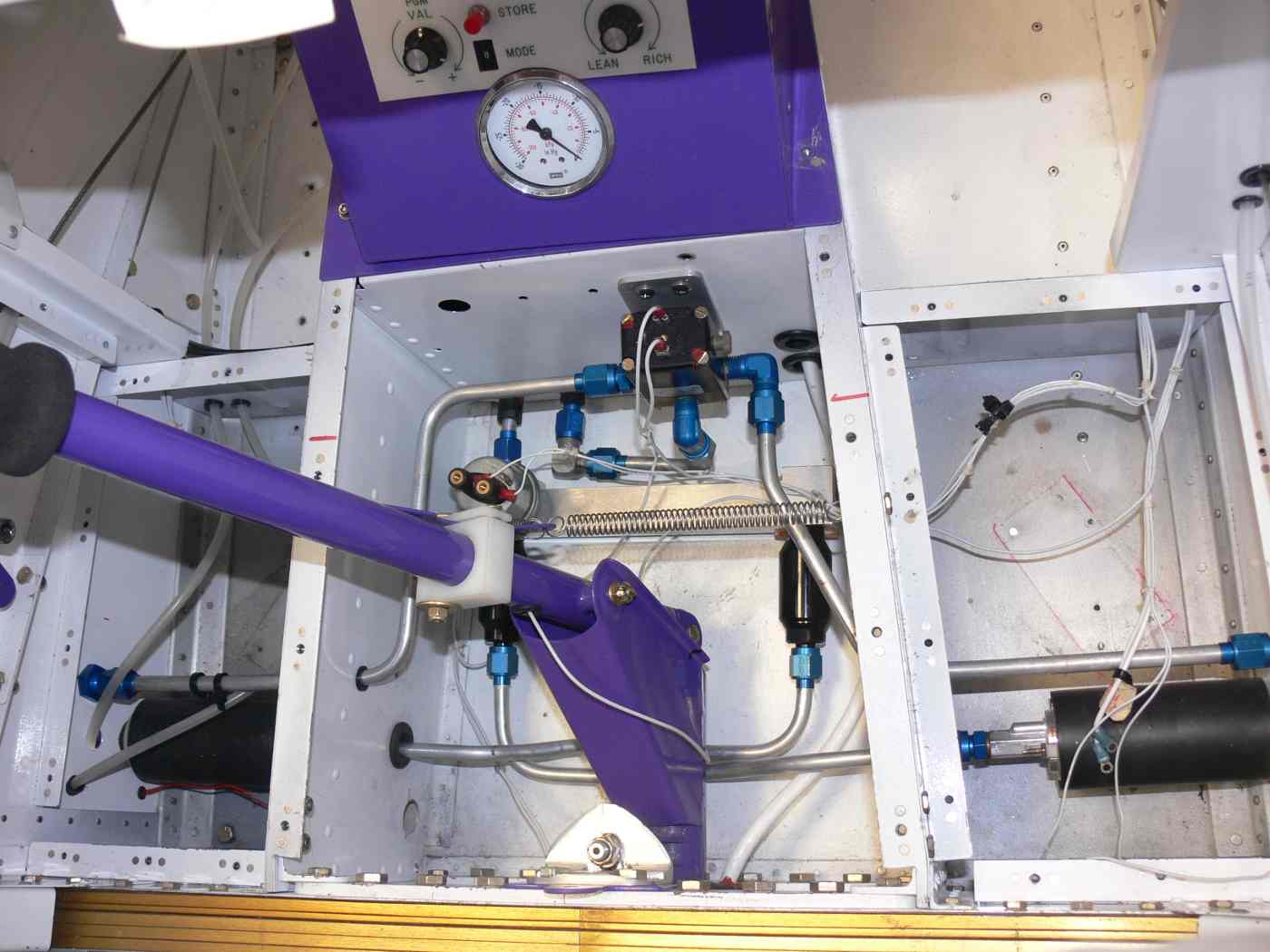
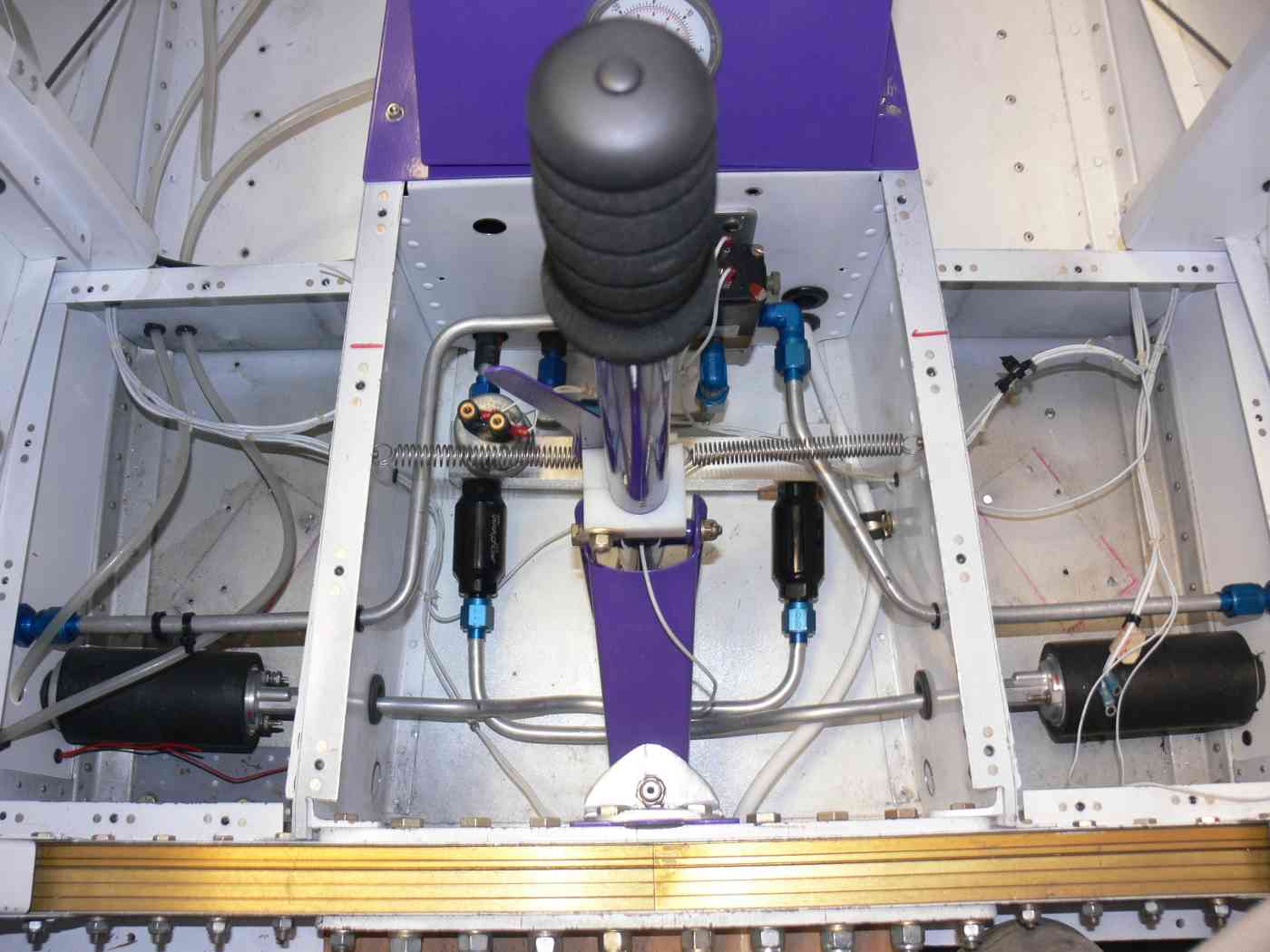
Thanks Ed, Got any info on how and where Sam's fuel pumps were installed?
I assume they were Walbro from Tracy. Is it possible he had water in the
fuel?
Here is what I did to Mike's RV4 pumps. Seems to work on the ground.
I have yet to fly it as I am still trying to get an RV tail dragger check out to
satisfy my insurance company.
Paul Lamar
--
The Rotary Engine NewsLetter. Powered by Linux.
ACRE NL web site.
http://www.rotaryeng.net
Youtube key word PaulLamar2
Copyright 1998-2011 All world wide rights reserved.