GFCurtis Jr.
Is there any internet links to you can provide so we can see your S/VTOL
concept Mr Curtis.
Sammy
Sammy
I am working on a United States Patent Application so what I can reveal is
limited, but lets explore what is public knowledge by other inventors.
My V/STOL invention is based upon proven science from various tested
X-Plane
Aircraft in Full Scale Programs by major Aeronautic Companies. The
invention can produce just a lift component, and/or flight control in VTOL
and STOL, then converting to Conventional Flight Control in normal flight.
Although I can not show how it is done, but I can give you its fundamental
application in existing VTOL flight systems, namely Helicopter and
Autogyro
VTOL methods. In addition the need for thrust provided by TurboFan
Engines
is mostly cost prohibitive to civil aviation use, but could be used in
commercial application.
What I envision for civil aviation is based upon a hybrid aircraft
commonly
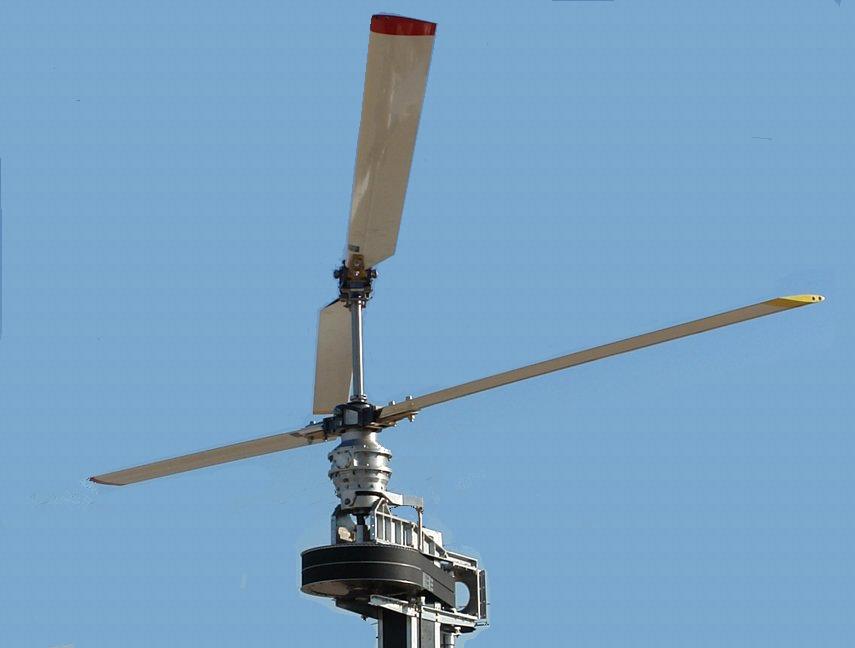
referred to as Compound Helicopter, Compound Airplane, or Slowed Rotor
Aircraft, examples listed below.
Piasecki Aircraft is working with Vectored Thrust Ducted Propeller (VTDP)
in
which a helicopter receives a wing, it functions to unload the lifting
duties of the Rotor in high speed fight allowing greater speed from the
helicopter, and reduced work load on the Rotor as it is slowed in high
speed
flight.
http://www.piasecki.com/x49a.php
Carter Aviation approaches this in a different way, they use the same
unloading of the Rotor as the wing takes over lift component of flight at
high speeds along with a Slowed Rotor, but use a pre-rotor spin-up to
provide the VTOL lift at take-off and land using the natural Auto
Rotation of a Autogyro VTOL.
http://www.cartercopters.com/highlight_video.html
My invention is limited in this civilian version in that it uses less
flight/lift modules, but provides significantly increased lift to each of
these helicopter and autogyro concepts. My modules would be arranged
along
the wings of either the Piasecki Aircraft, or the Carter Aviation
Aircraft.
For example the UH-60 used in Piasecki testing normally produces 22,000
lbs.
of lift. Adding a TurboFan to produce 10,000 lbf thrust, then using my
modules would produce an additional 20,000 to 30,000 lift to the X-49A,
thus
combined with Rotor Lift and my modules 42,000 to 52,000 lbs. Once the
aircraft is out of VTOL or STOL operation each module would become a
normal
functioning component of the wing in conventional flight mode.
More in line with civil aviation use a Slowed Rotor Carter Aviation
version
with my lift/flight control modules could add 3,000 to 12,000 lbs. lift
dependant upon lift module configuration & installation weight of 1,500 to
4,000 lbs. over the four performance spreadsheets given by Carter Aviation
below:
http://www.cartercopters.com/pav_11g.html
Hope this helped you understand the basic concept, I like the use of these
METAWing modules in conjunction with a Rotor, since it adds dual
redundancy
lift and flight control to the power-out auto rotational safety aspect of
a
Compound Heli/Autogyro/Plane and my METAWing flight...
GFCurtis Jr.
PS - I think with full scale testing a civil aviation version of a
METAWing
Carter Aviation Slowed Rotor can be made to thermal given the right wing
aspect ratio, light weight construction, and use of new electrical
power/battery applications can be incorporated, imagine hours of free
flight
and land in your backyard, or with complete safety in auto rotation...
Thanks GF, I understand the difficulties with revealing your
designs while still aquiring patent rights. We'll have to wait
before we can visualise your META wing design.
Both the Piasecki and Carter designs look like they have much
merit, but there are a couple of detrimental issue's I can
see. One being the main rotor downwash striking the fixed wings
during hover flight. This must reduce avialable lift and entail some
kind of limitation on the wings surface area. I see Piasecki have
reduced this by folding down its flaperons. I think folding the wings
rearward or rotating them so their angle of attack was perpendicular
to the ground would possibly be better solutions to this issue.
Downwash will strike Carters tail plane as well.
Another issue is yaw control and counteracting main rotor torque
during VTOL and stationary hover flight also. Both designs look
as if they cant provide the lateral thrust to control yaw without
some forward thrust being added as well. Adequate hover flight
yaw/pitch control is a common problem found with most
VTOL/STOL designs, usually overcome by some kind of
vectored thrust system placed at the empenage.
Sammy
As long as you have a rotor you will have severe speed limations.
You perhaps can bump it up 20 MPH or so but the wave of the future
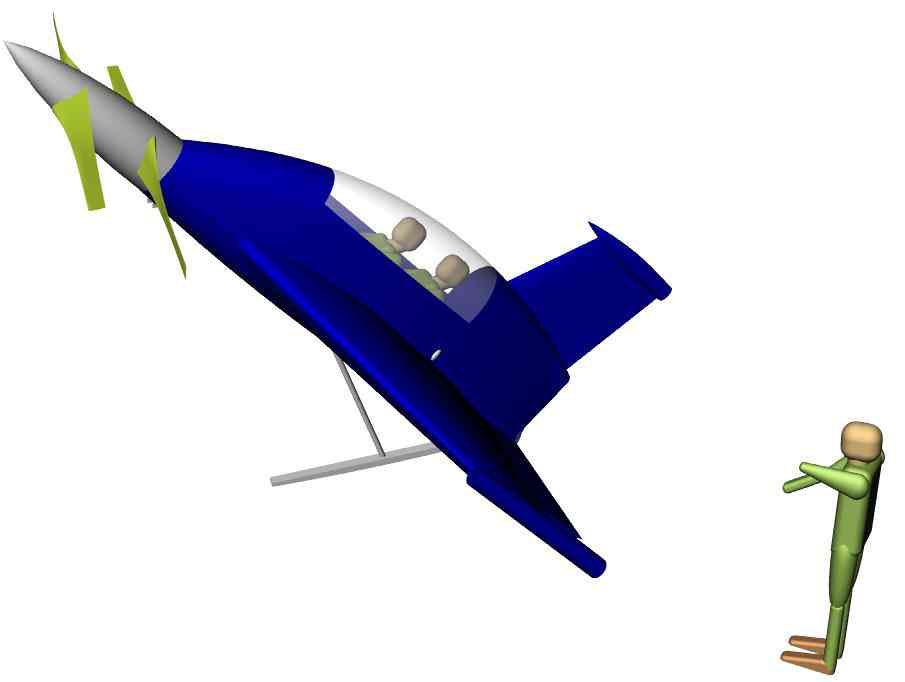
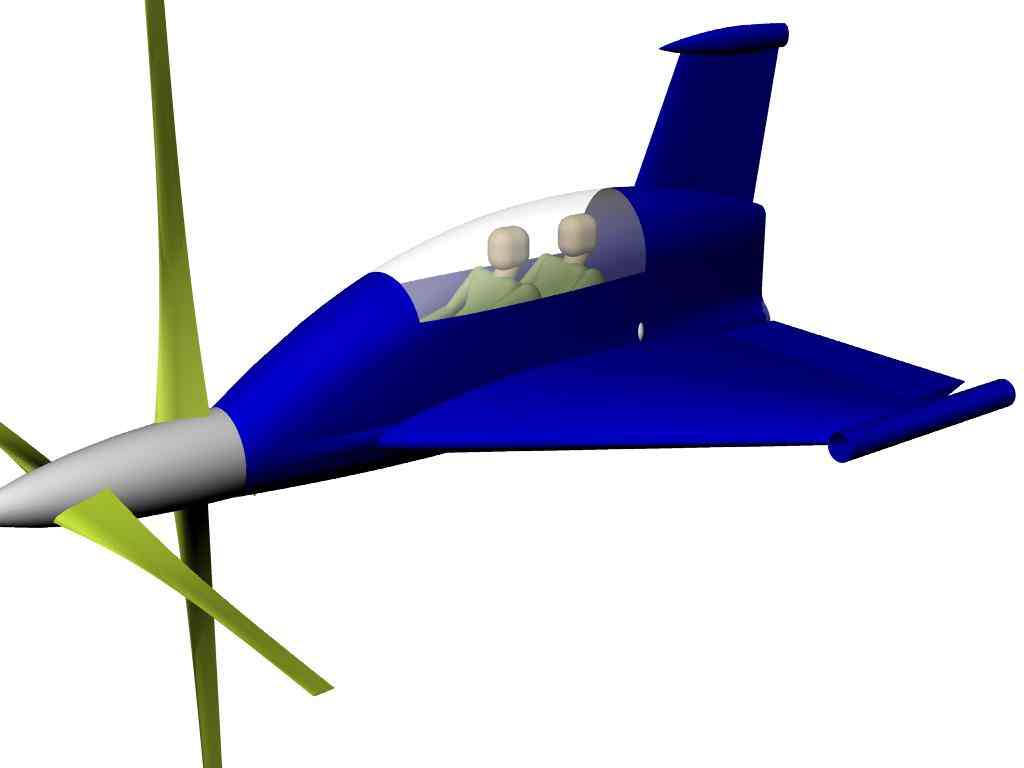
IMHO is tilt rotor.
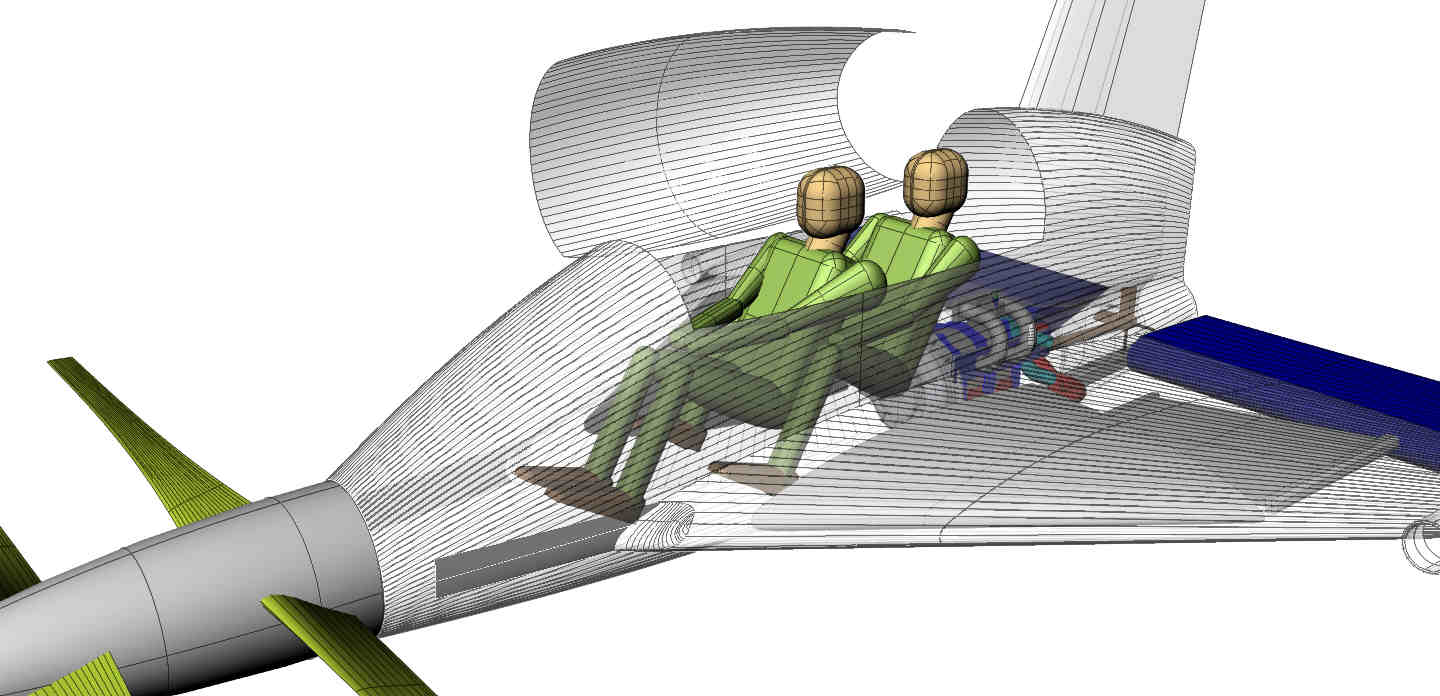
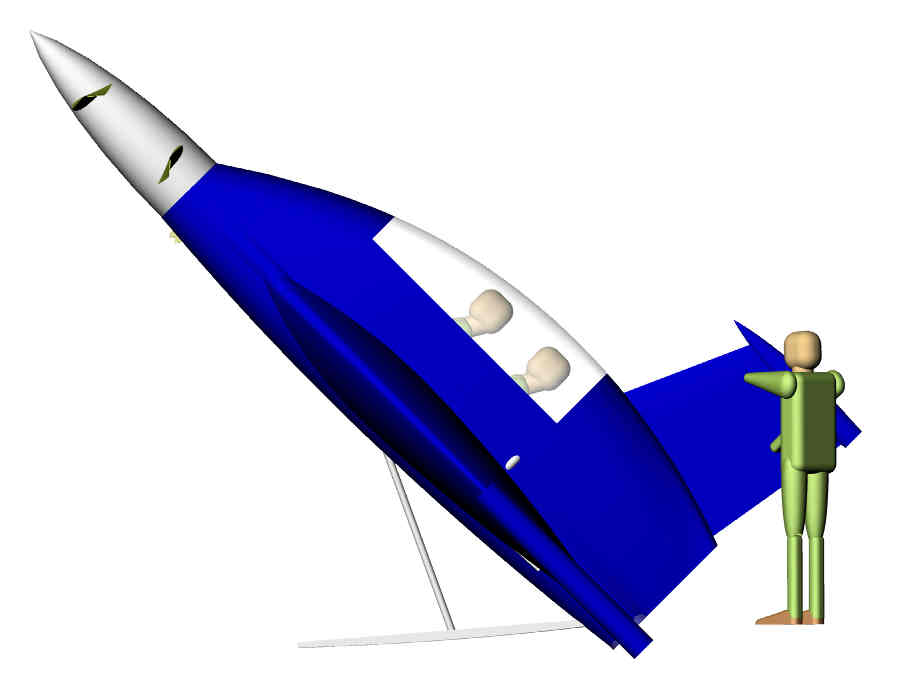
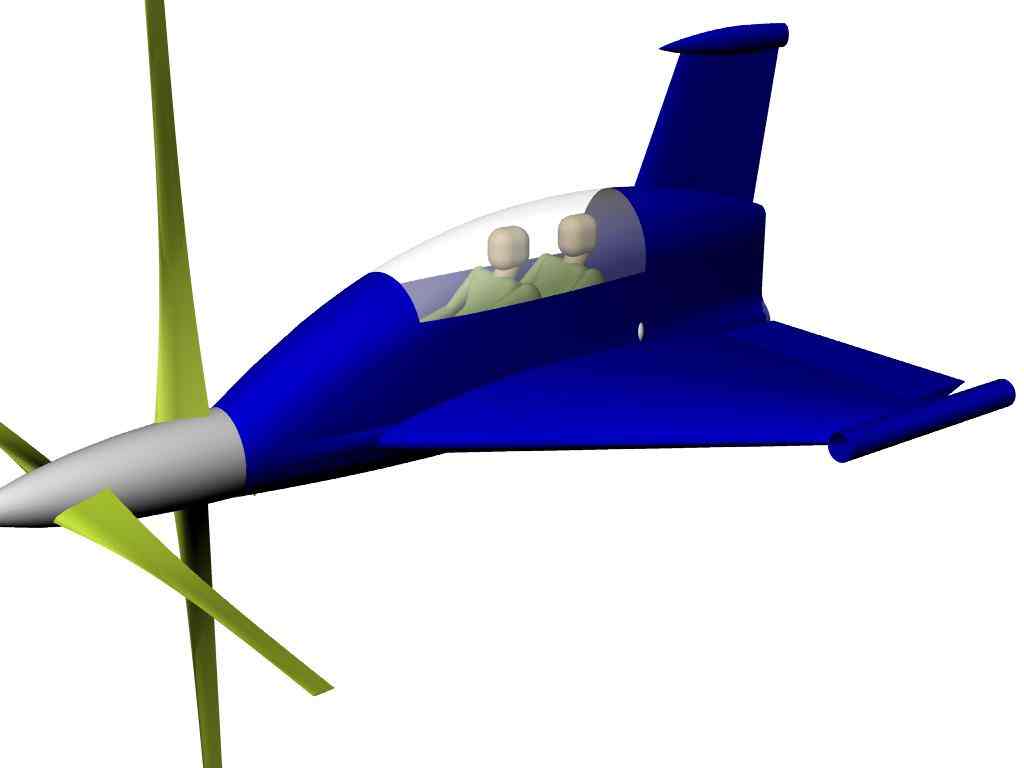
The old tail sitter problems can be over come with modern electronics.
http://www.rotaryeng.net/VTOL.html
Paul Lamar
--
The Rotary Engine NewsLetter. Powered by Linux.
ACRE NL web site.
http://www.rotaryeng.net
Youtube key word PaulLamar2
Copyright 1998-2011 All world wide rights reserved.