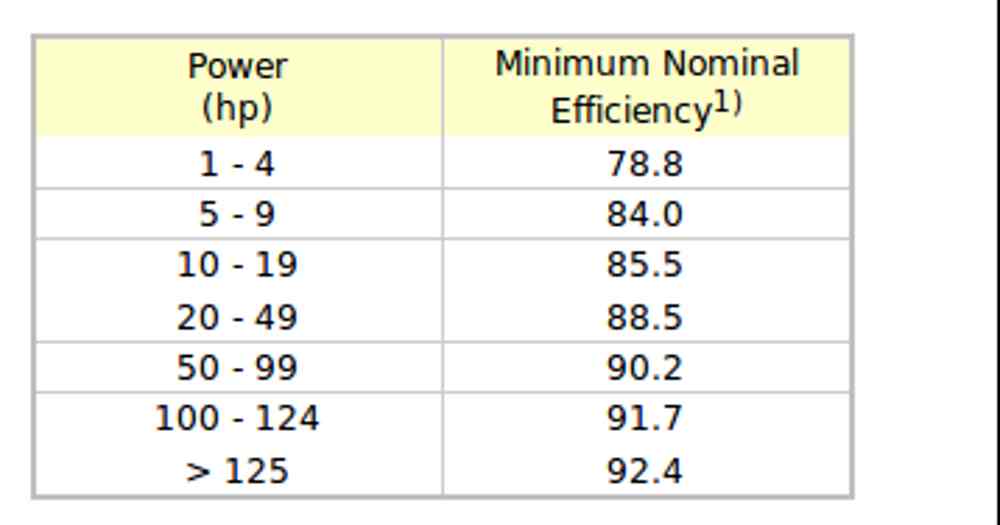
The problem with TC generators and electric motors is efficiency.
Lets say the generator is 80% and the motor is 80%. The overall efficiency
becomes 80% times 80% or 64% overall. The weight of course is out of
sight.
A pure mechanical system can be 98% efficient.
Paul Lamar
Hi Brian
Do you have a link to these pancake motors and generators described above
?
Regards
Bill Mc Donald
Those efficiency levels --- (efficiency becomes 80% times 80% or 64%
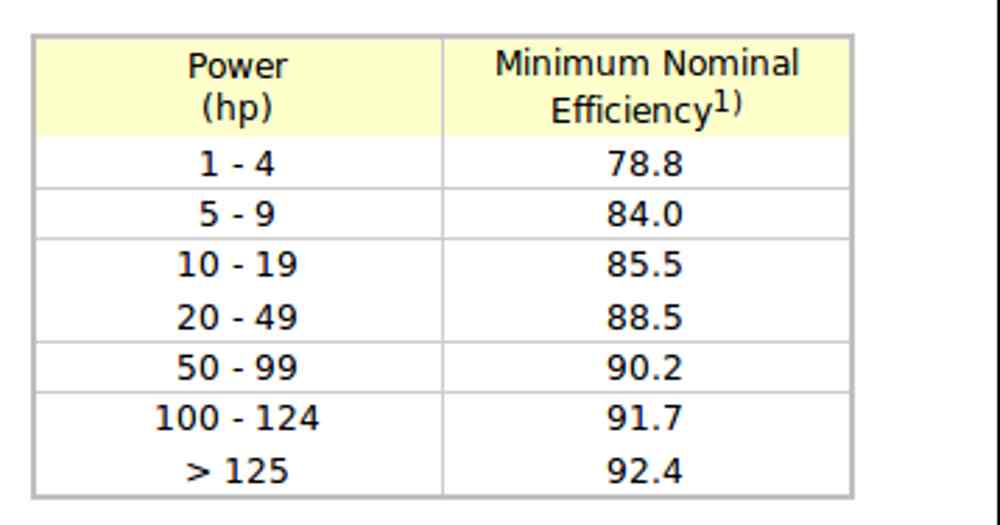
overall) --- are for older technology motors. New state of the art only just
becoming available are 95% for smaller hp sizes and 97% for larger 100 hp on
up sizes.
That yields 95% times 97% or 92.15% overall.
If you were to use a direct drive aero motor then you would be 97% x 97% or
94% overall.
One source for prototype quantities (expensive at the moment is ---
http://www.launchpnt.com/portfolio/aerospace/uav-electric-propulsion/
Others are also working on this Halbach pancake type of motor with varying
levels of current availability. The technology is so promising that many
motor companies are jumping on the technology bandwagon. Putting it another
way, in the year or so it would take someone to design and maybe fabricate a
prototype design for initial flight tests, one or more sources will be
available.
There are at least 3 markets driving the developments - electric aircraft
with several in test flights - DARPA for their combi VTVL retractable blade
helicopter and king of them all, the automotive, motorcycle and scooter
market. This is the major compelling driver for in wheel or beside the wheel
direct drive for 4 wheel drive electrics and hybrids etc aka all the OEM's
see big volume markets so we'll benefit from the extreme competition.
Cheers,
Brian Feeney
alaia design
"If you were to use a direct drive aero motor then you would be 97% x 97% or
94% overall."
What do you mean "a direct drive aero motor"?
Not according to google :) there will always be copper resistance and therefore heat
and therefore HP loss in copper wires unless you are talking about super cooled super
conductors which take lots of energy to cool.
I'll believe 97% eff. electric motor eff. when I see a perpetual motion machine :)
Of course electricity does not grow on trees. The coal fired power plants are
at best around 30%. That does not include the required copper transmission lines
and the copper wound transformer losses necessary to get electricity from
one place to another.
If you are talking solar cells you are going to need really big wings to
get well over 100 HP.
http://www.engineeringtoolbox.com/electrical-motor-efficiency-d_655.html
"The electrical power lost in the primary rotor and secondary stator winding
resistance are also called copper losses. The copper loss varies with the
load in proportion to the current squared."
"Iron Losses. These losses are the result of magnetic energy dissipated when
when the motors magnetic field is applied to the stator core."
"Stray Losses.Stray losses are the losses that remains after primary copper
and secondary losses, iron losses and mechanical losses. The largest
contribution to the stray losses is harmonic energies generated when the
motor operates under load. These energies are dissipated as currents in the
copper windings, harmonic flux components in the iron parts, leakage in the
laminate core."
"Mechanical losses includes friction in the motor bearings and the fan for
air cooling."
All of this depends on heavy batteries. Anybody that has a notebook computer, cell phone
or rechargeable aaa batteries knows how that goes. They suck with very limited life :)
IMHO electric airplanes are a dead end and a gross waste of money.
Paul Lamar
--
The Rotary Engine NewsLetter. Powered by Linux.
ACRE NL web site.
http://www.rotaryeng.net
Youtube key word PaulLamar2
Copyright 1998-2011 All world wide rights reserved.