Paul,
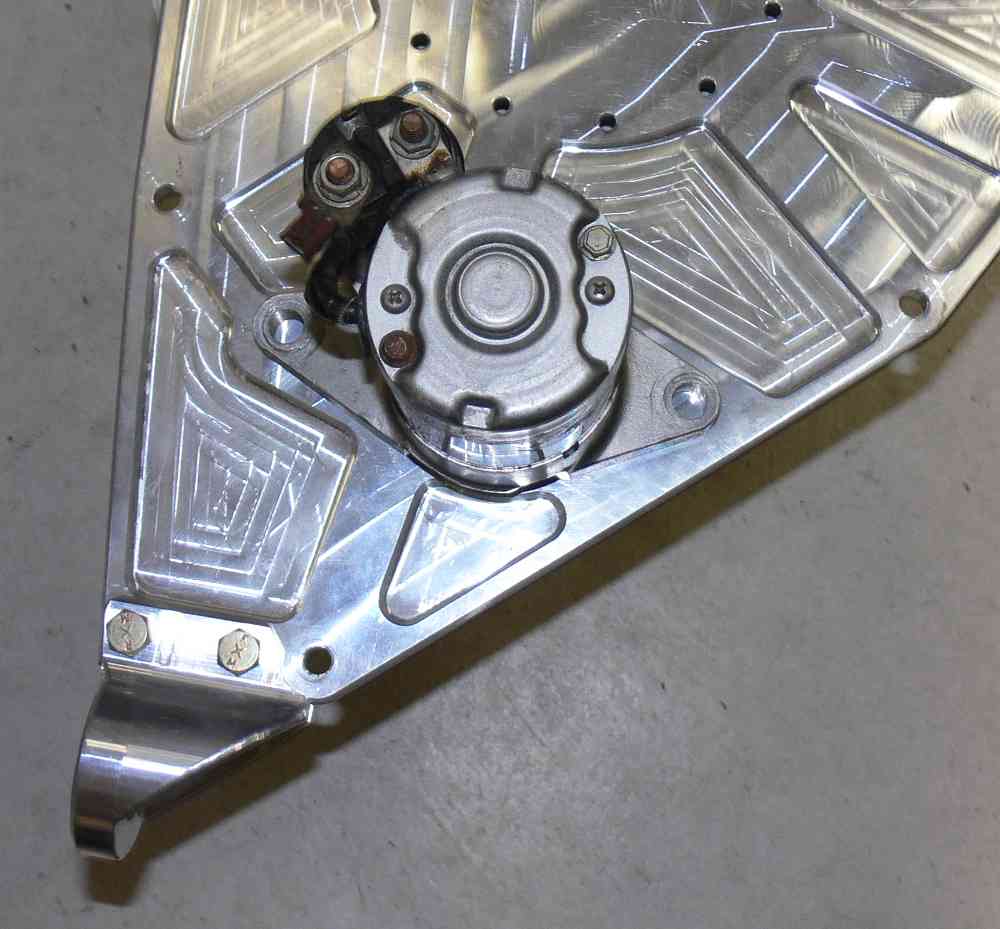
I have changed the design on the font motor mount. It used to be an
aluminum angle attached to the front of the engine utilizing the oil pan
bolts. When I decided to use the 3rd gen front cover the 2nd gen oil pane
had to be modified for the different bolt pattern in the front cover. The
new design permits the engine to rest on an aluminum angle but is secured on
the side by picking up holes in the sides of the front iron. The left side
has a hole tapped in a convenient location. The left side has 2 casting
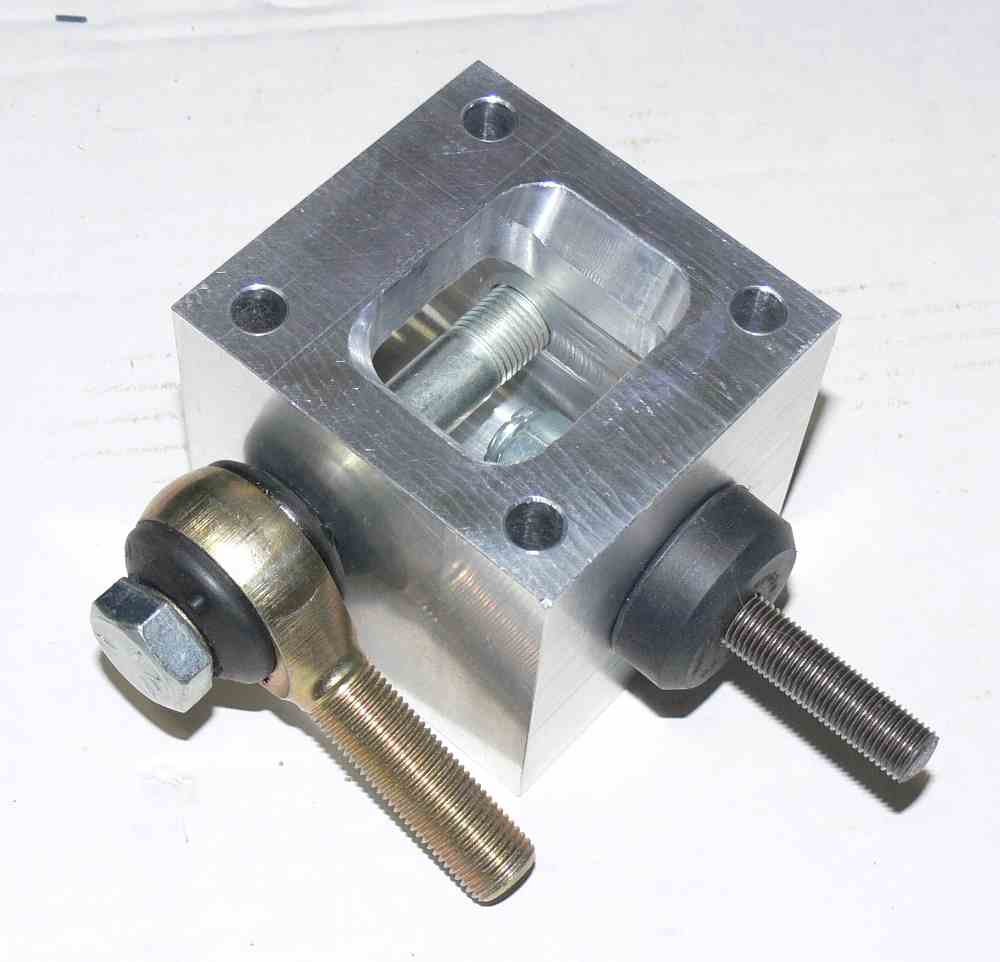
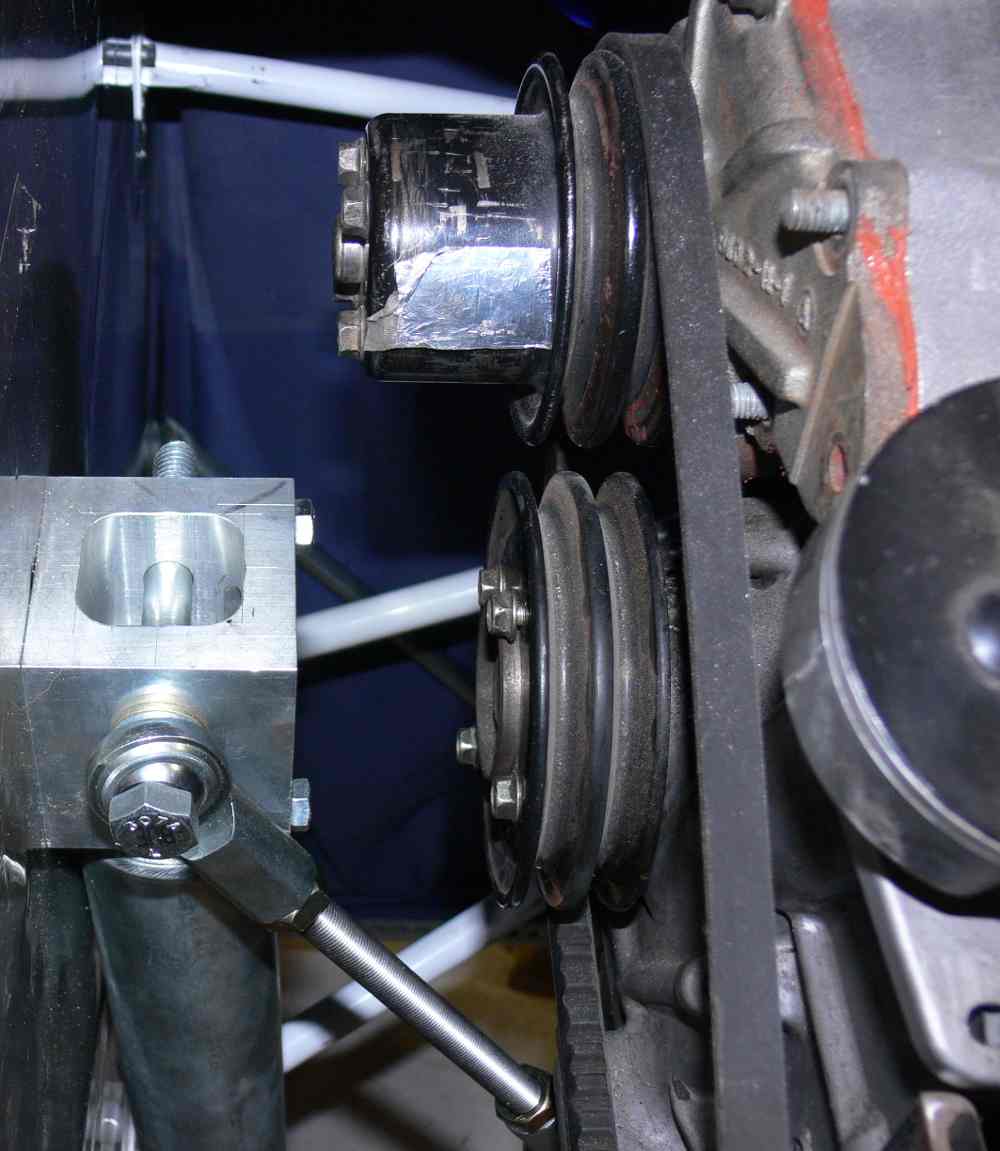
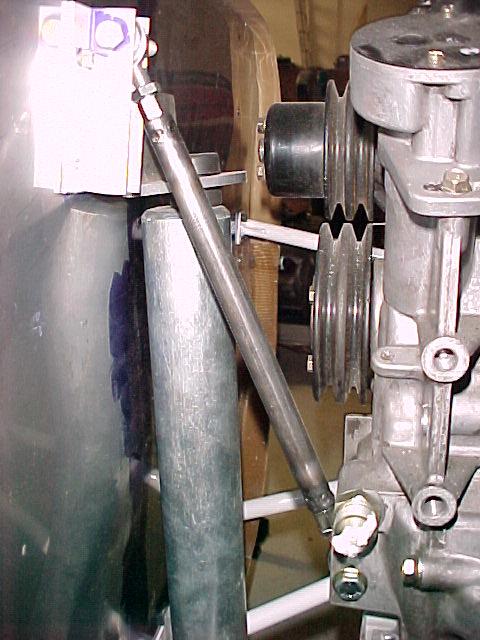
holes that are not tapped. My question is would it be OK to drill through
the aft hole and tap it for the mount? It wold penetrate the crankcase but
could it be sealed with a thread sealant? Or am I inviting trouble? It is
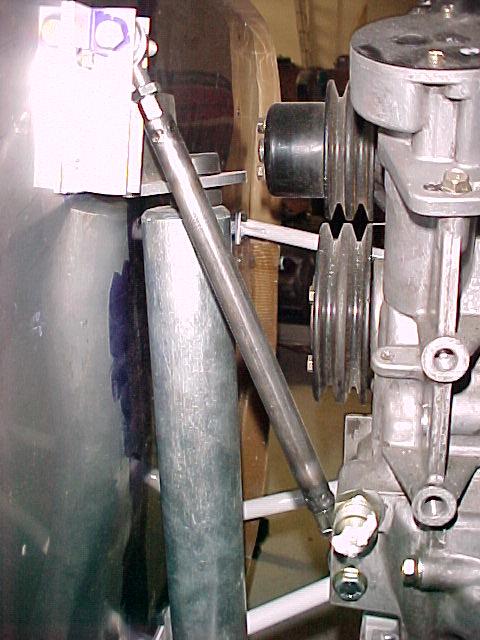
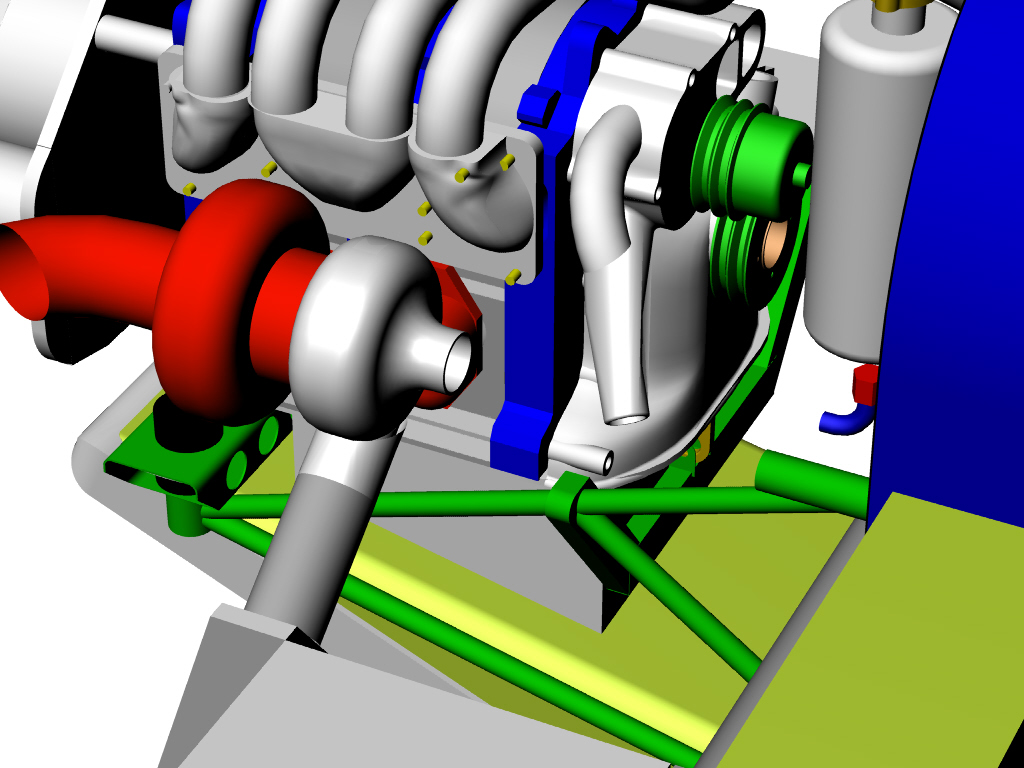
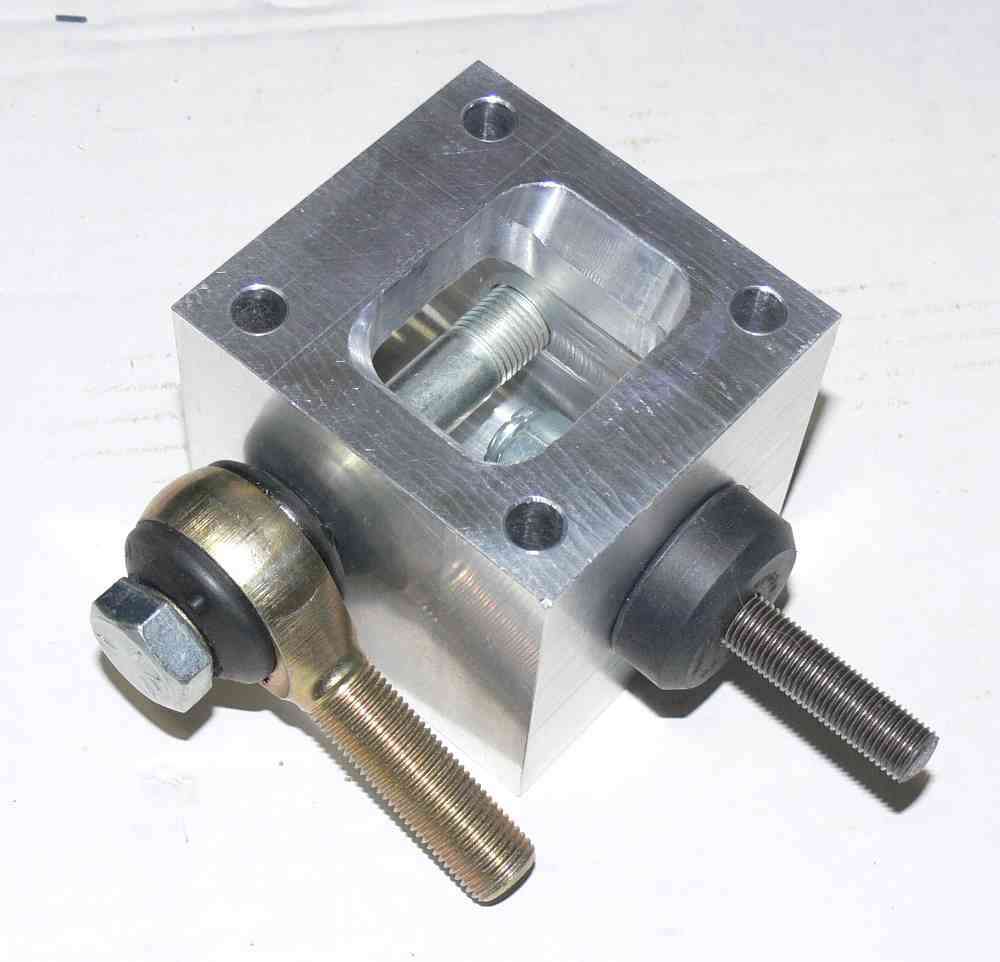
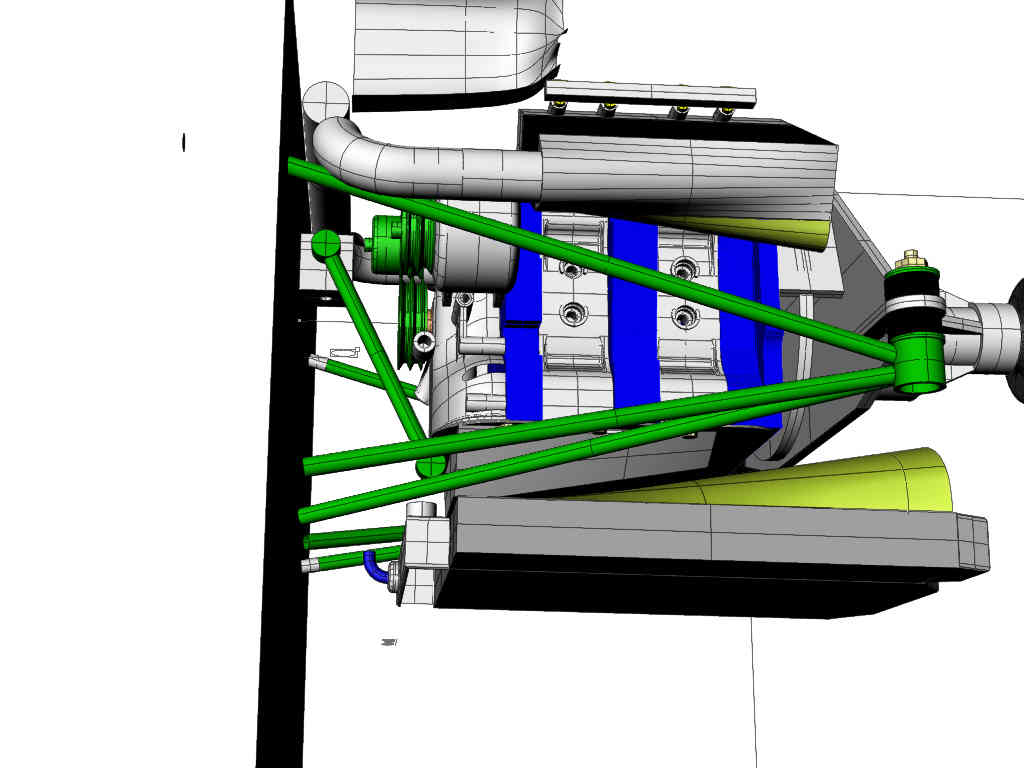
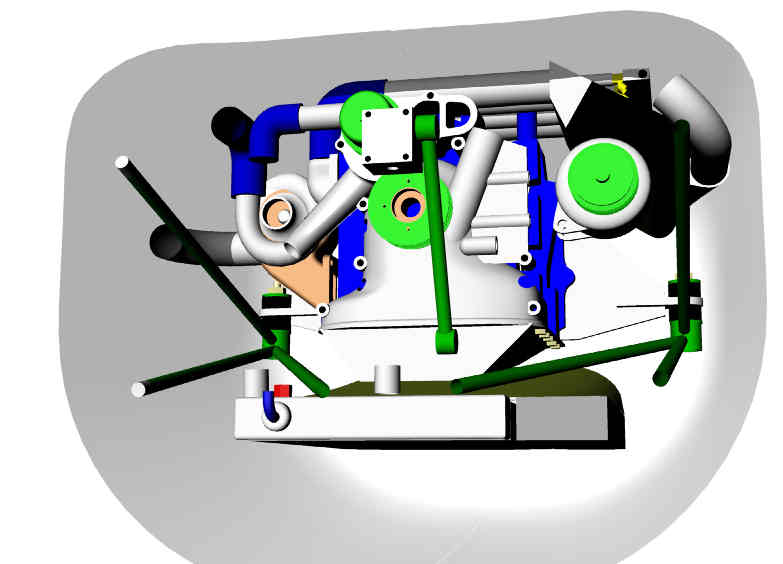
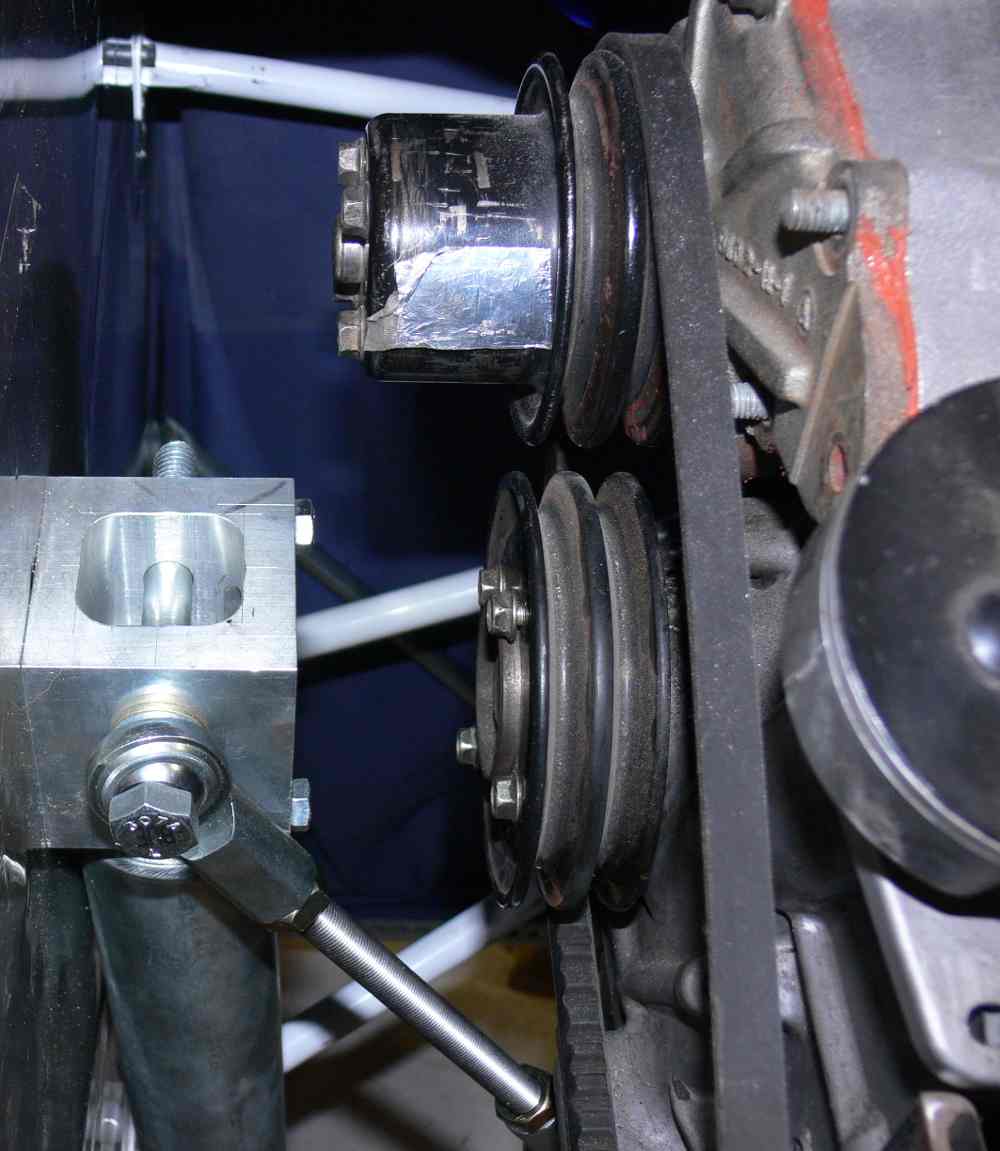
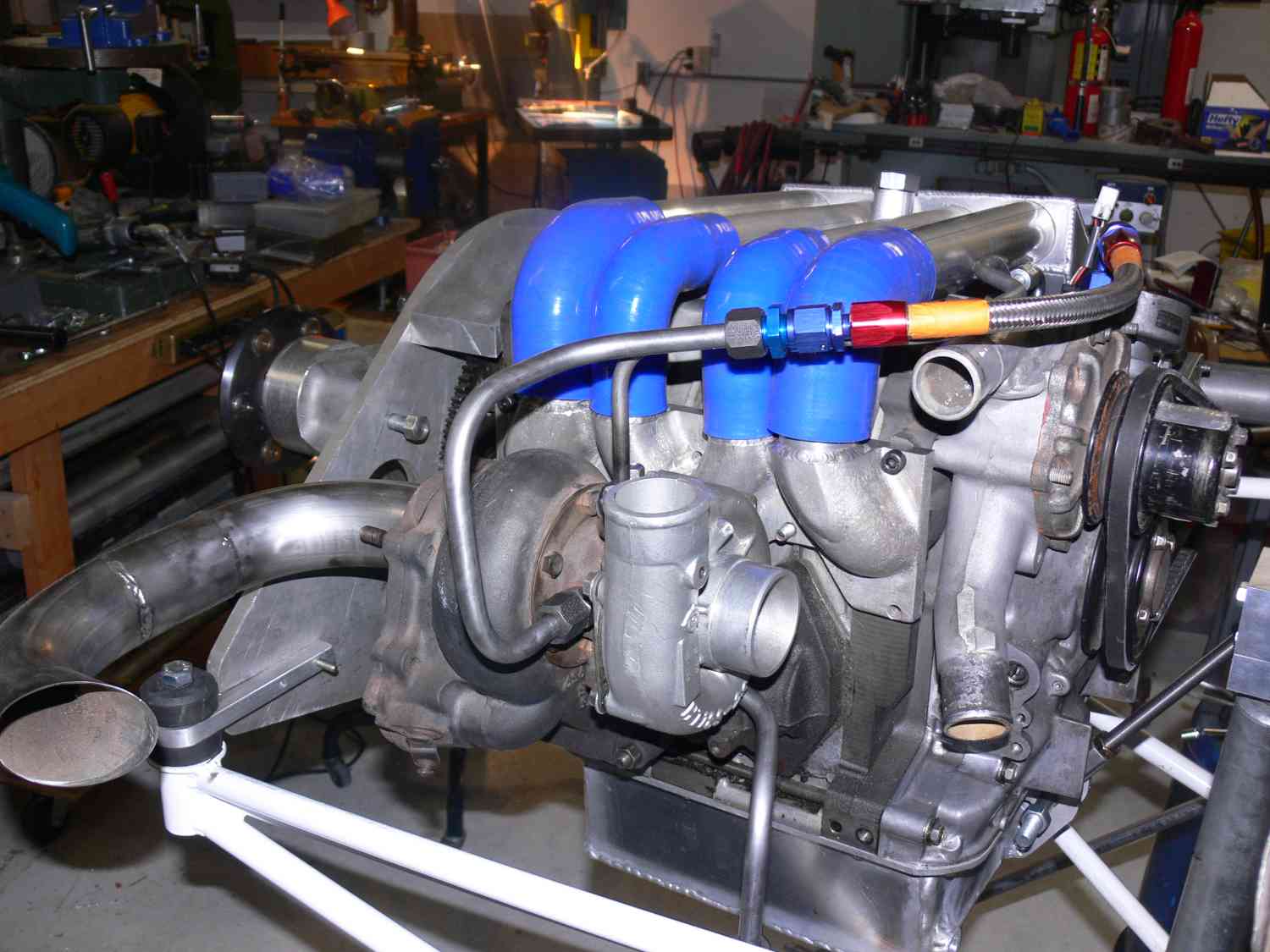
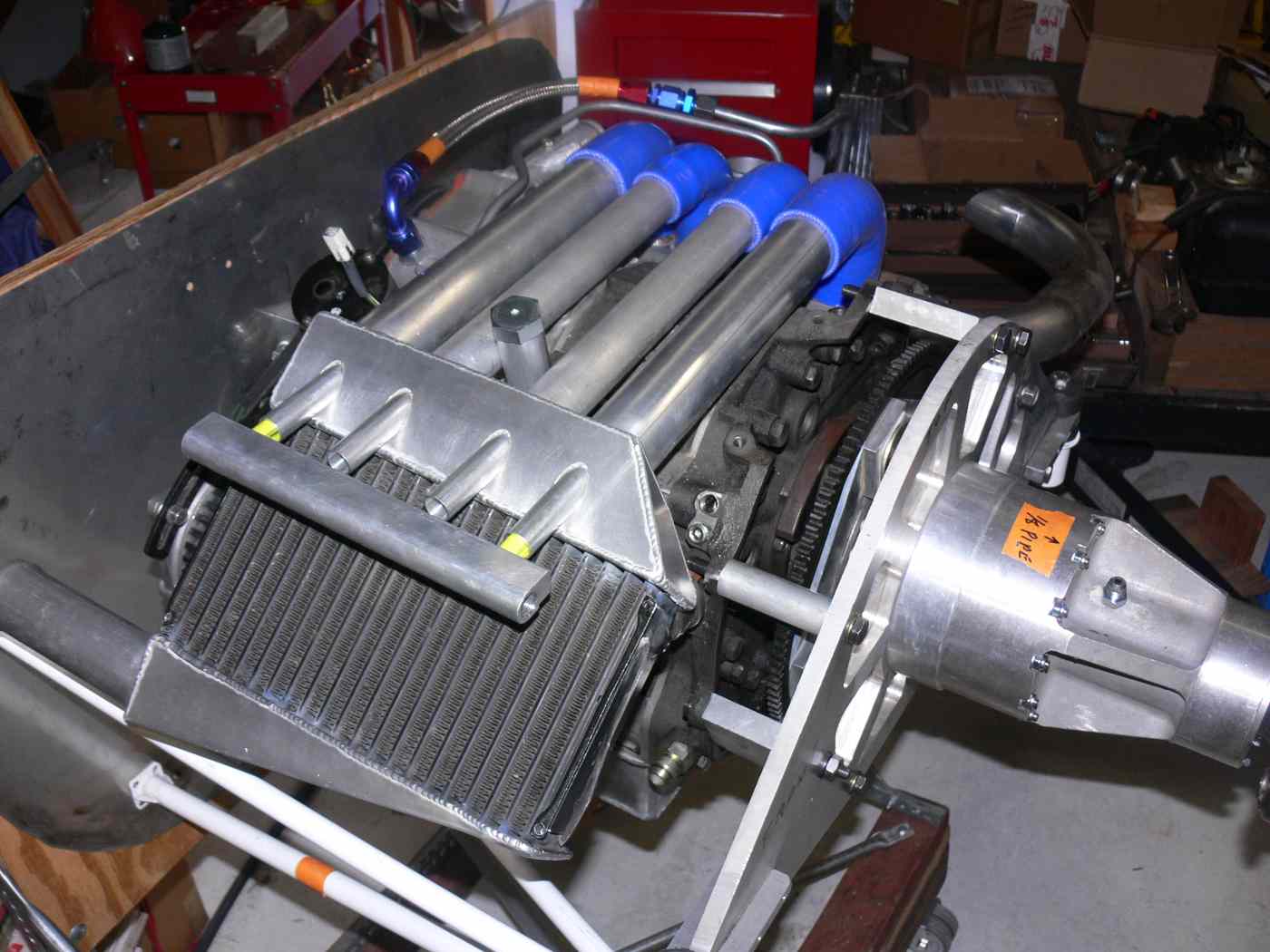
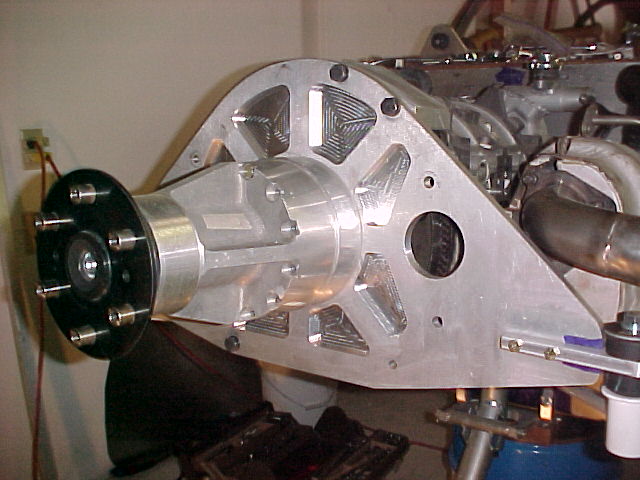
not into any oil passage. See pics. Thanks for any help.
Joe Berki
LimoEZ
Looks like it will work but the beam looks a bit over kill.
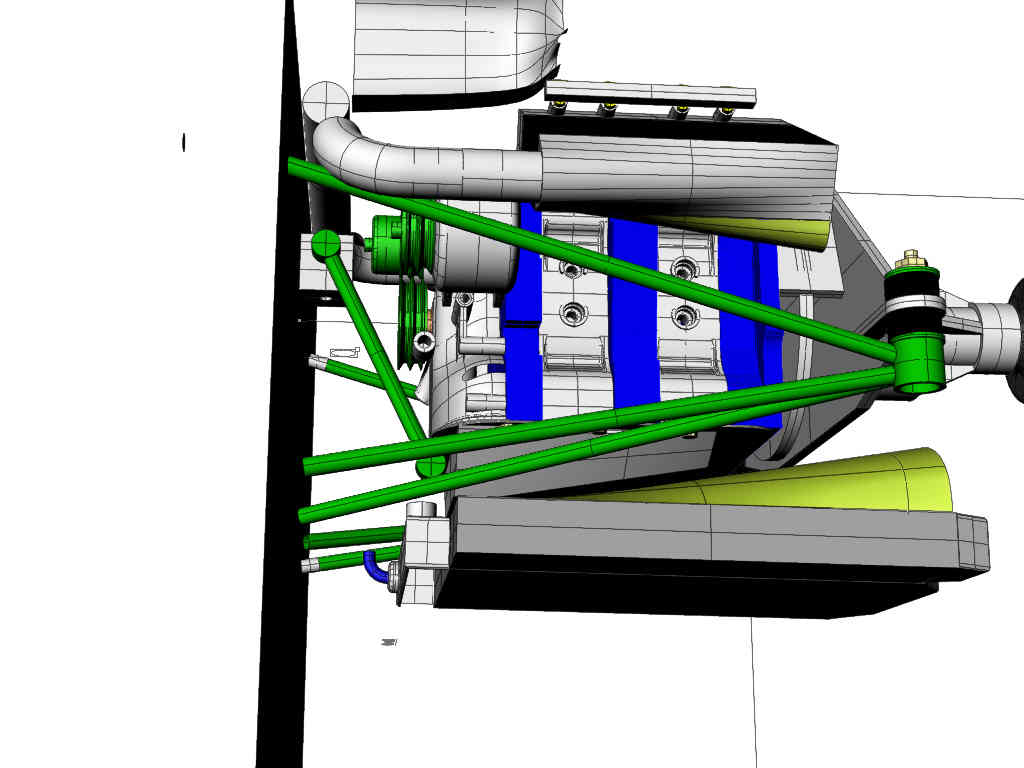
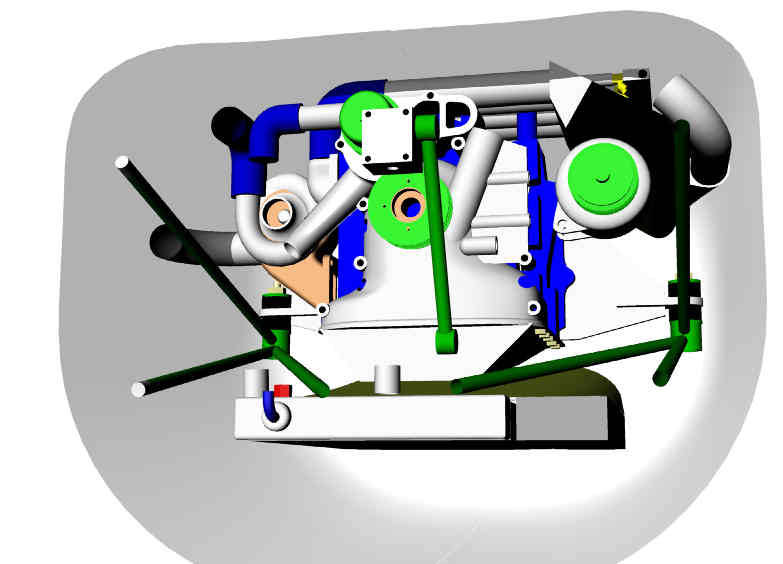
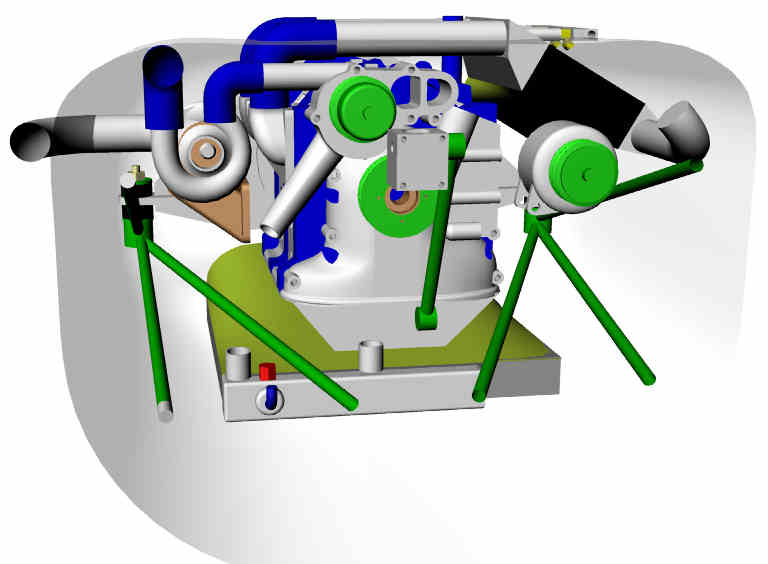
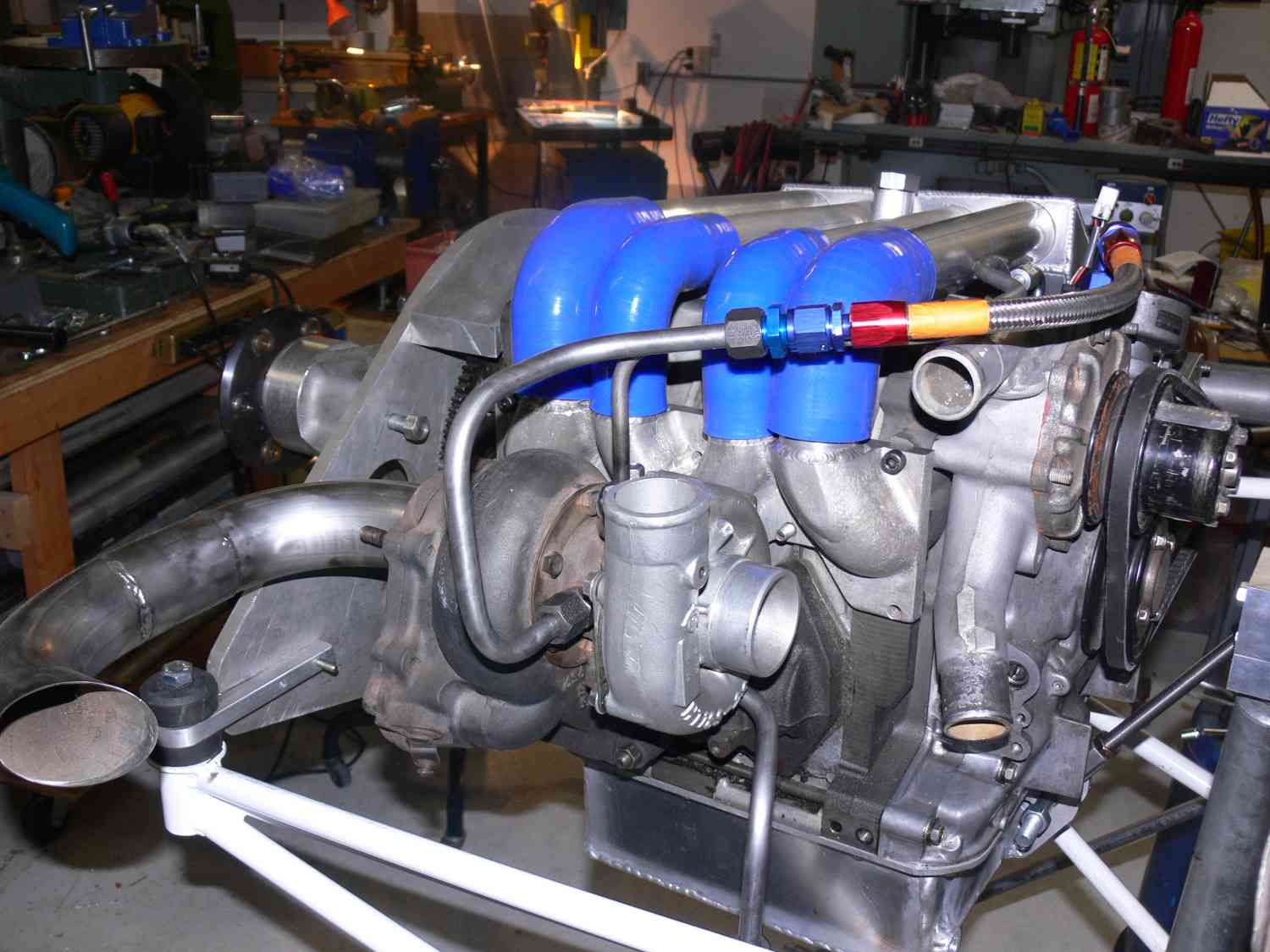
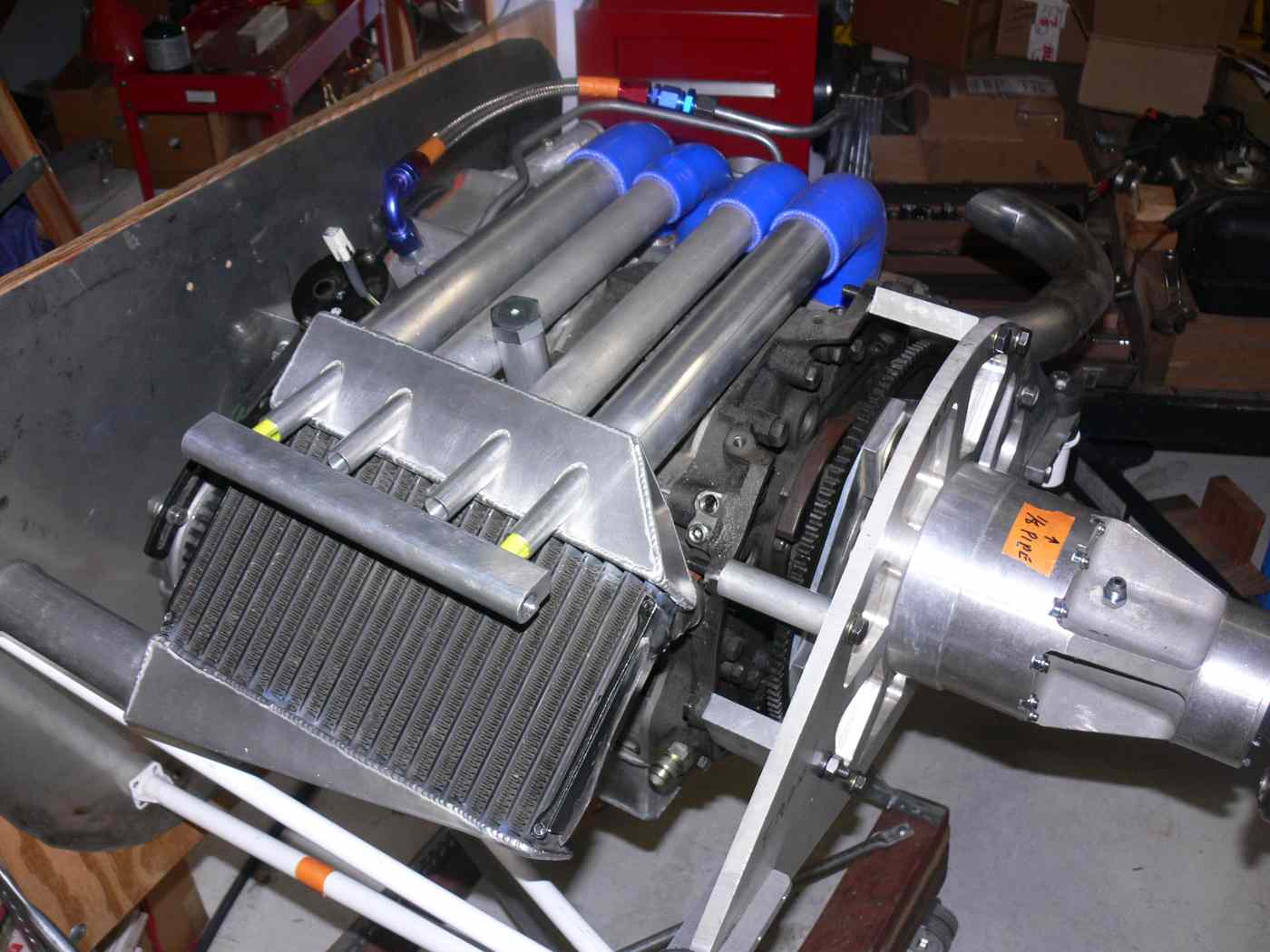
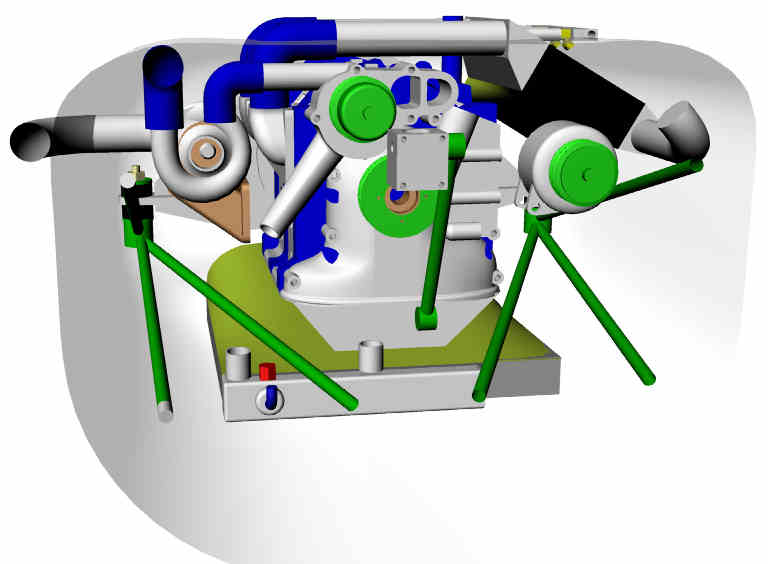
What does the whole mount look like now? Take some new pictures.
Is it still the same as the old mount. Third picture.
What are you going to use for rubber bushings on the front mount?
Paul Lamar
Paul,
That looks like the mount on the KIS cruiser that you sold me,except that
the Kis does not have the rear bracket and mount. Do you think the mount on
the KIS is adequate or do I need to do something about it.The engine on the
KIS has a 2 rear mounts to the gear plate.
Michael Hart
Those are front mounts on the motor plate.
Joe's airplane is a pusher. He is discussing the front mount
on a pusher which is the rear mount on the tractor Kis Cruiser.
Sorry for the confusion.
Your motor plate mount is perfectly adequate and in fact has been crash tested
to the point of wrinkling the fuselage of a BD4. It is designed to 6 G's
while most certified motor mounts are designed to 4.5 G's.
I made some suggestions to Joe but he did not implement all of them.
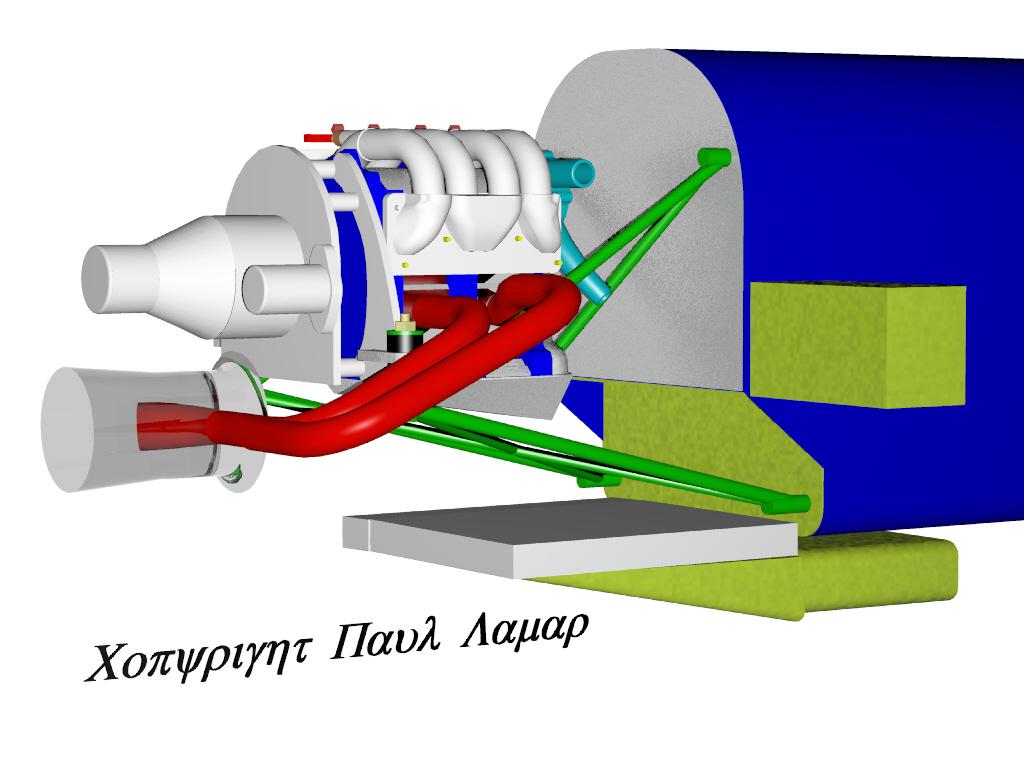
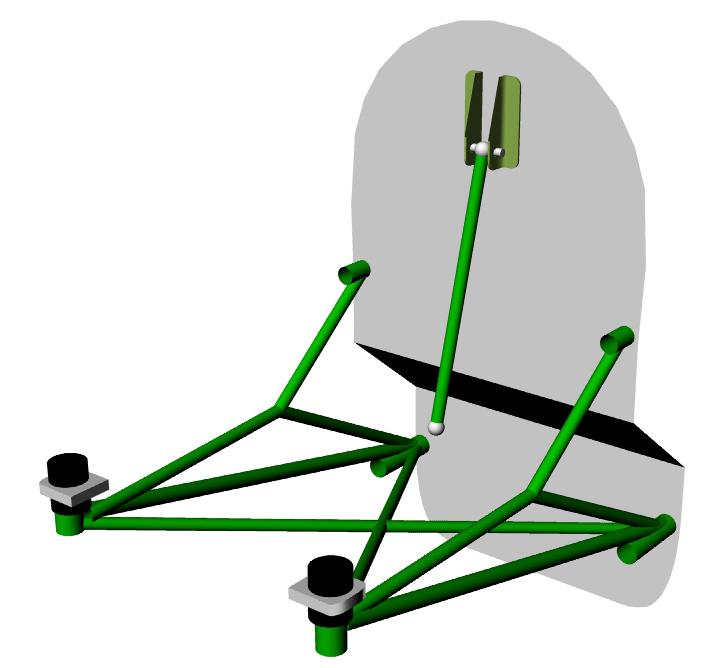
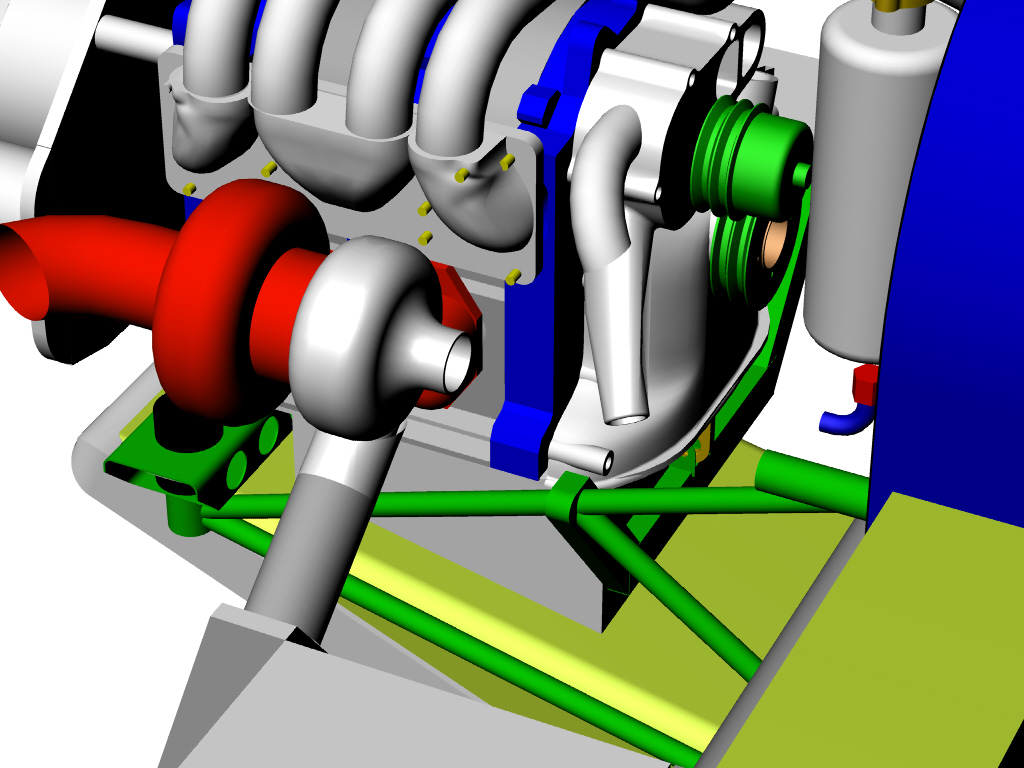
One that he did NOT implement was the front pusher mount which
is like your rear mount. He is still developing his own front (pusher) mount
design. Rather than weld it to the oil pan like yours he is trying to come up
with a bracket that bolts to the front (pusher) end housing.
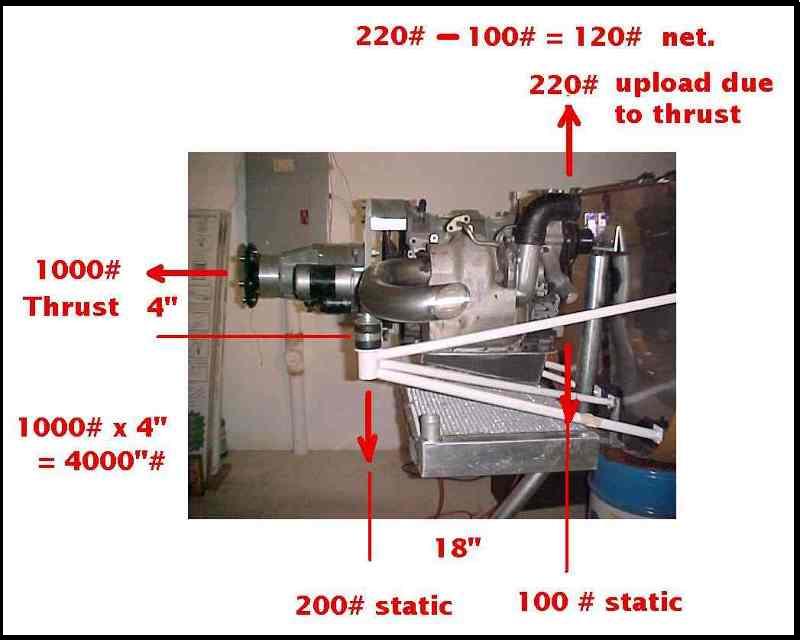
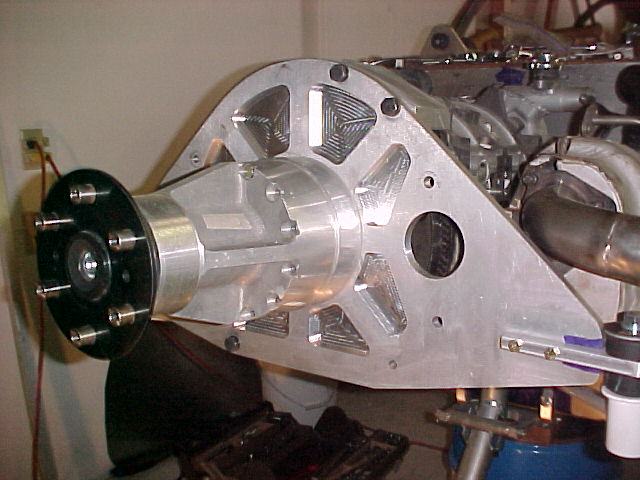
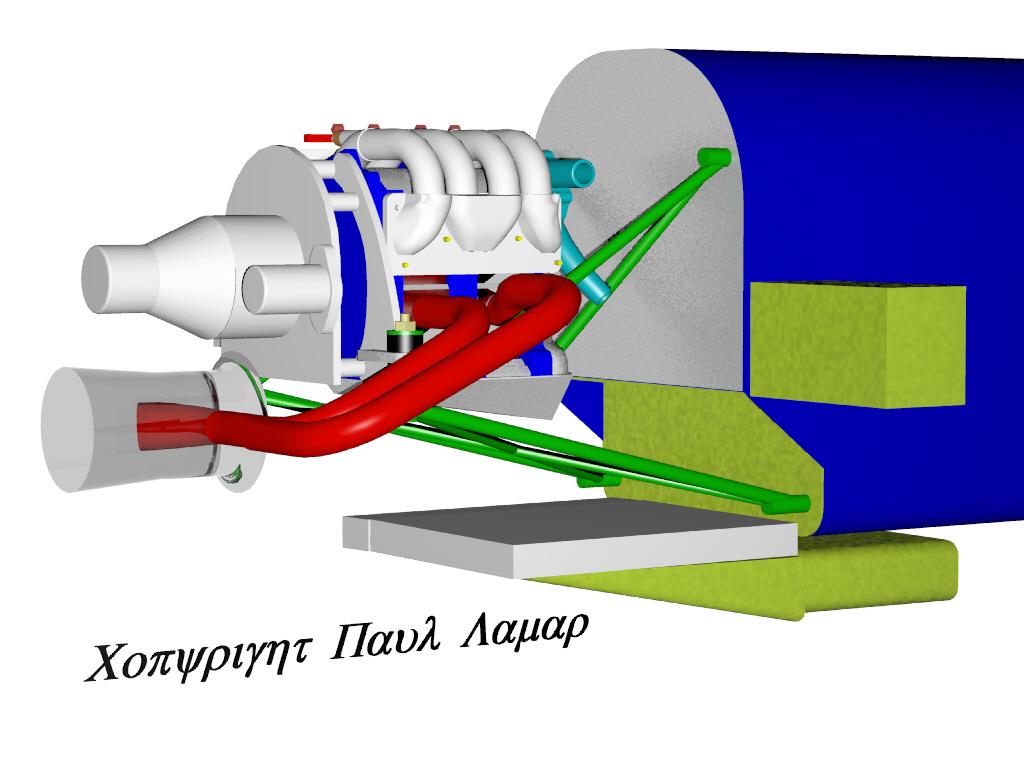
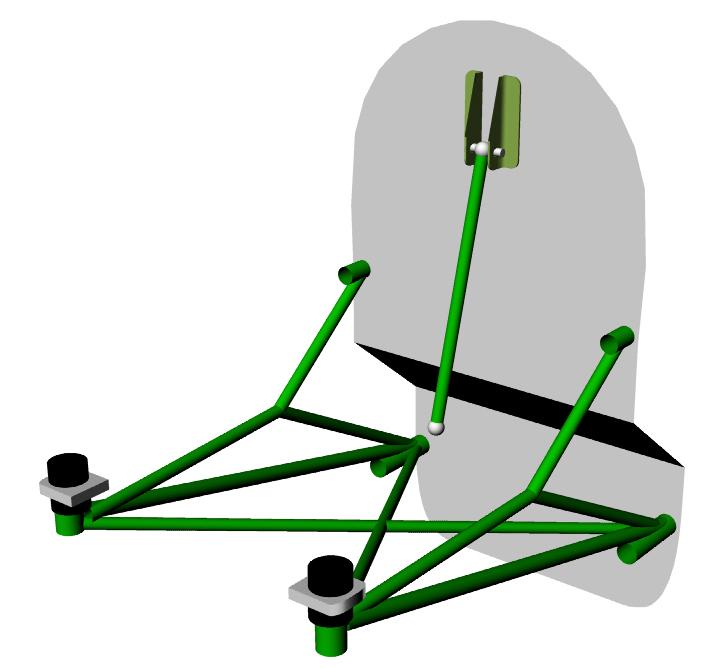
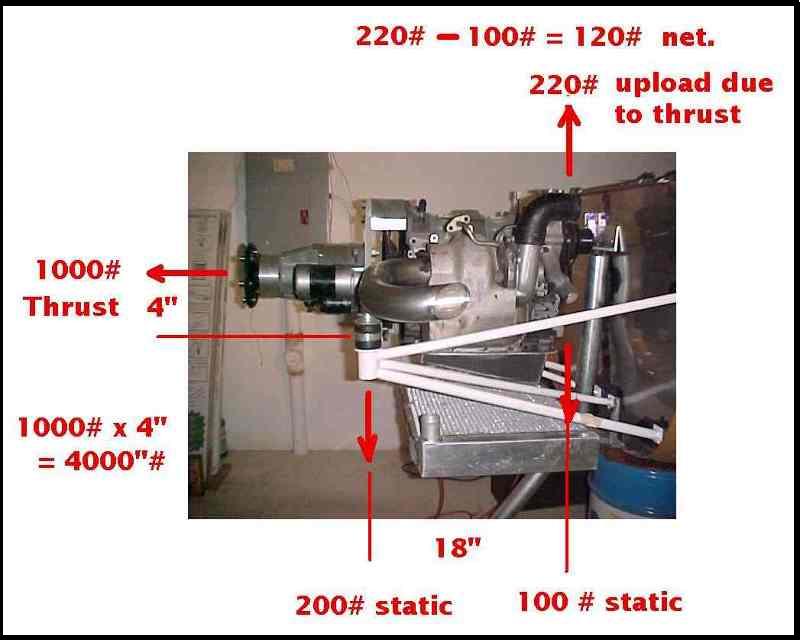
Here are the suggestions I made to Joe. First 3 pictures.
For the new guys:
We started out in the very beginning 12 years ago with the motor plate like Michael has
and then Bill Schertz came up with the Schertz beam. Joe used a modified form of the motor
plate that was bolted directly to the rear end housing. We then advocating the Schertz beam
for awhile until Jeff did a NC machined motor plate which cut the over all weight. That is
the current recommended system only slightly different than Micheals. The Schertz Beam is no
longer advocated as it is heavier over all and more costly. However several airplanes
are flying with it including Bill Schertz.
For more back ground on all this read
http://www.rotaryeng.net/motor.html
Paul Lamar
--
The Rotary Engine NewsLetter. Powered by Linux.
ACRE NL web site.
http://www.rotaryeng.net
Youtube key word PaulLamar2
Copyright 1998-2011 All world wide rights reserved.