Hi,
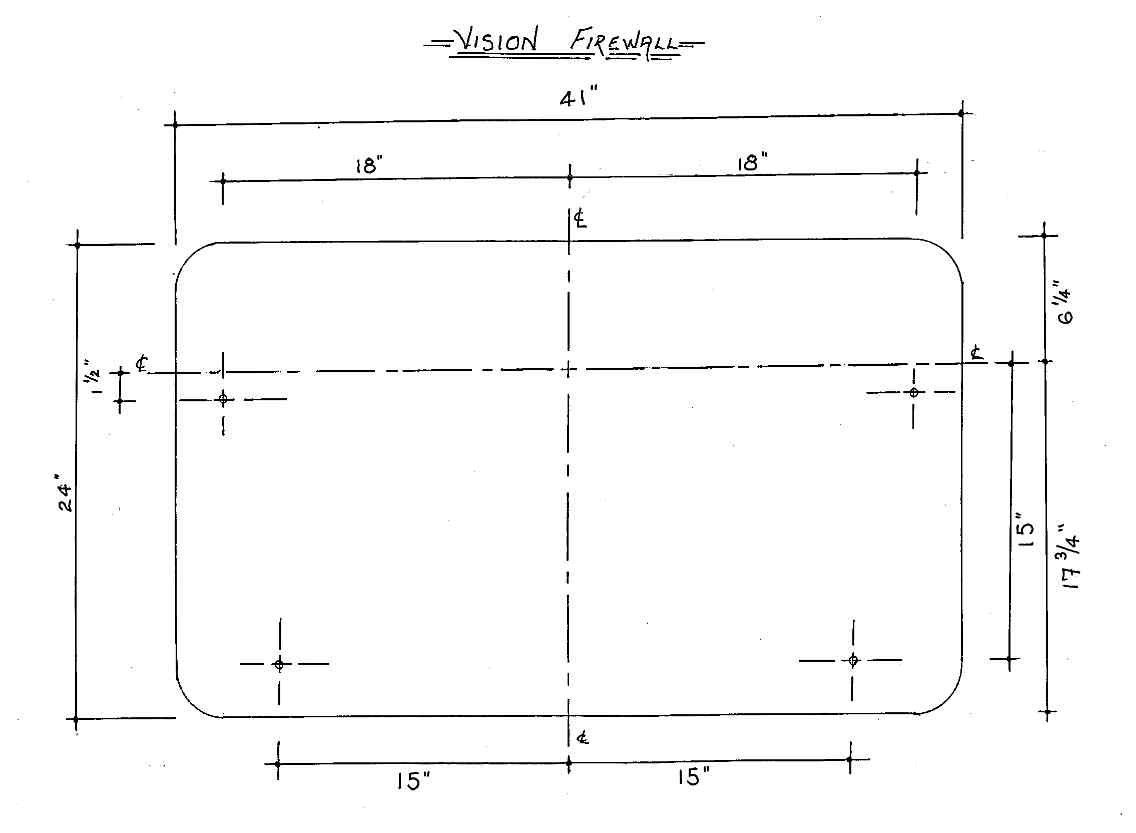
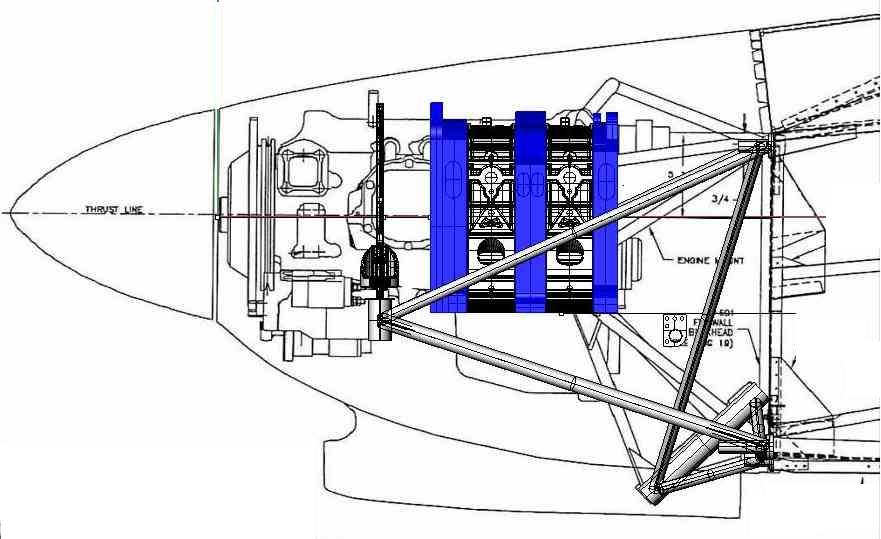
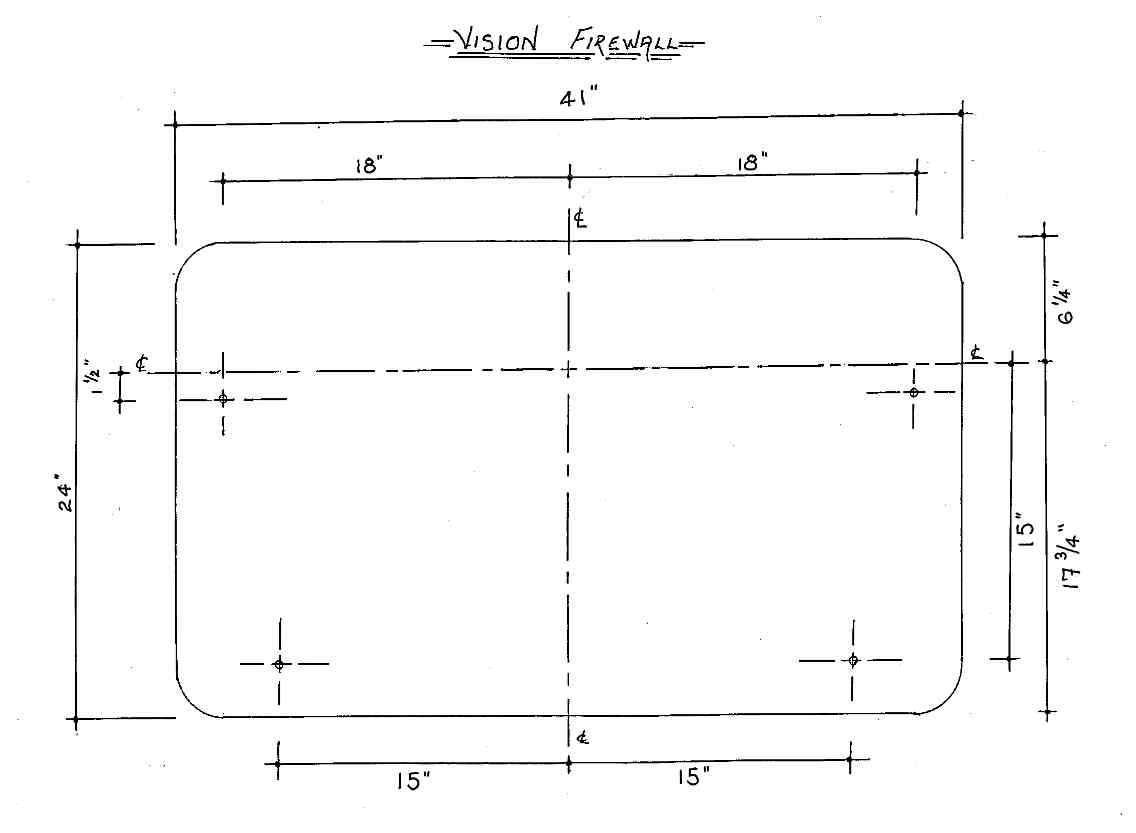
I inquired a long time ago on engine mounts for my Vision. I supplied you with
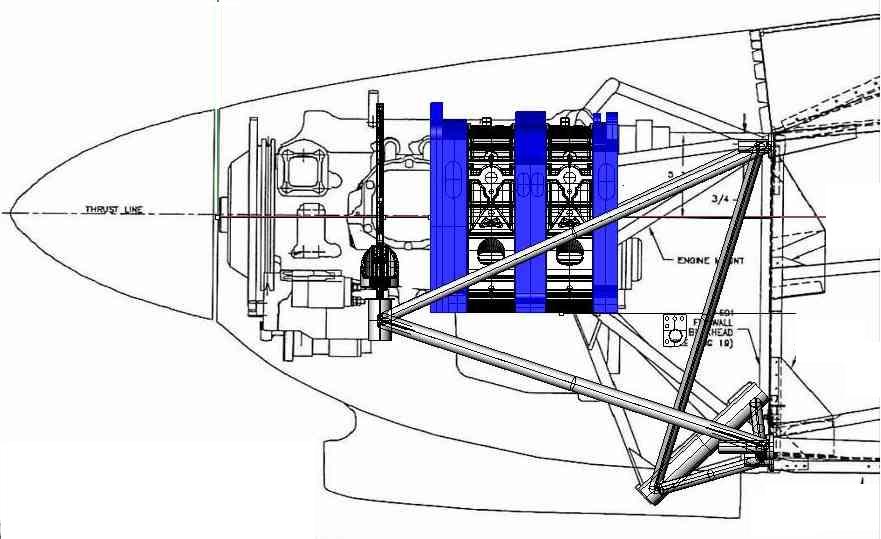
a drawing as per plans (Vision Firewall) meant for the Subaru 2.2lit engine.
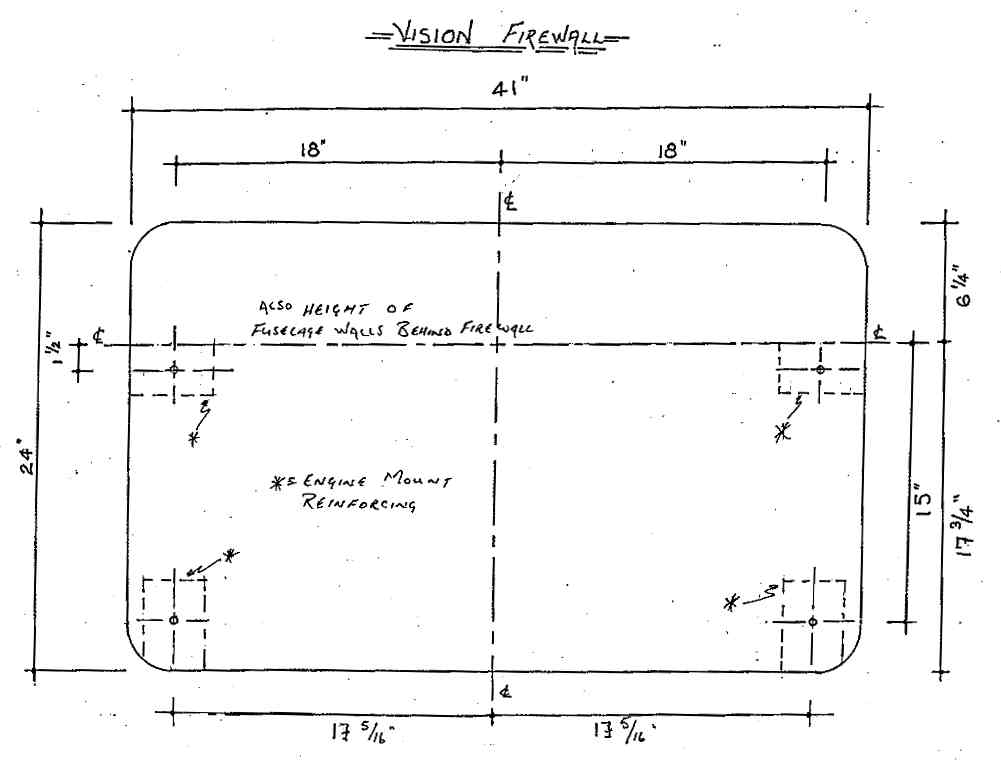
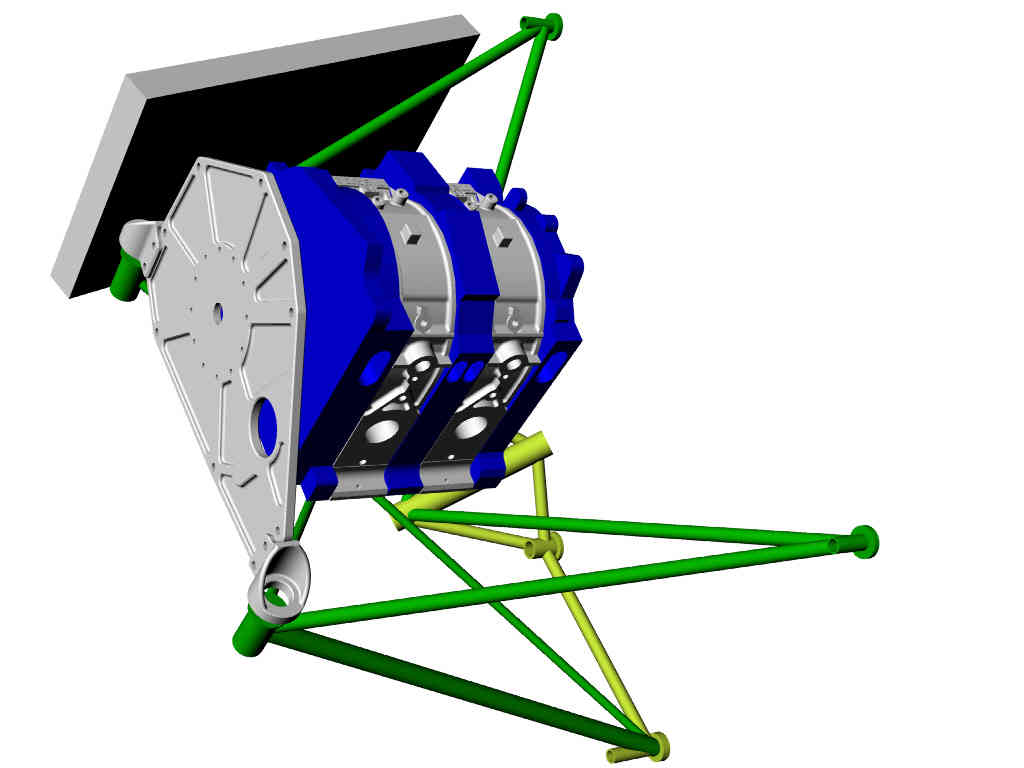
I'm planning to install a 13B n/a engine. You then supplied me with a modified
drawing. I moved the two bottom holes as far to the bottom corners as you
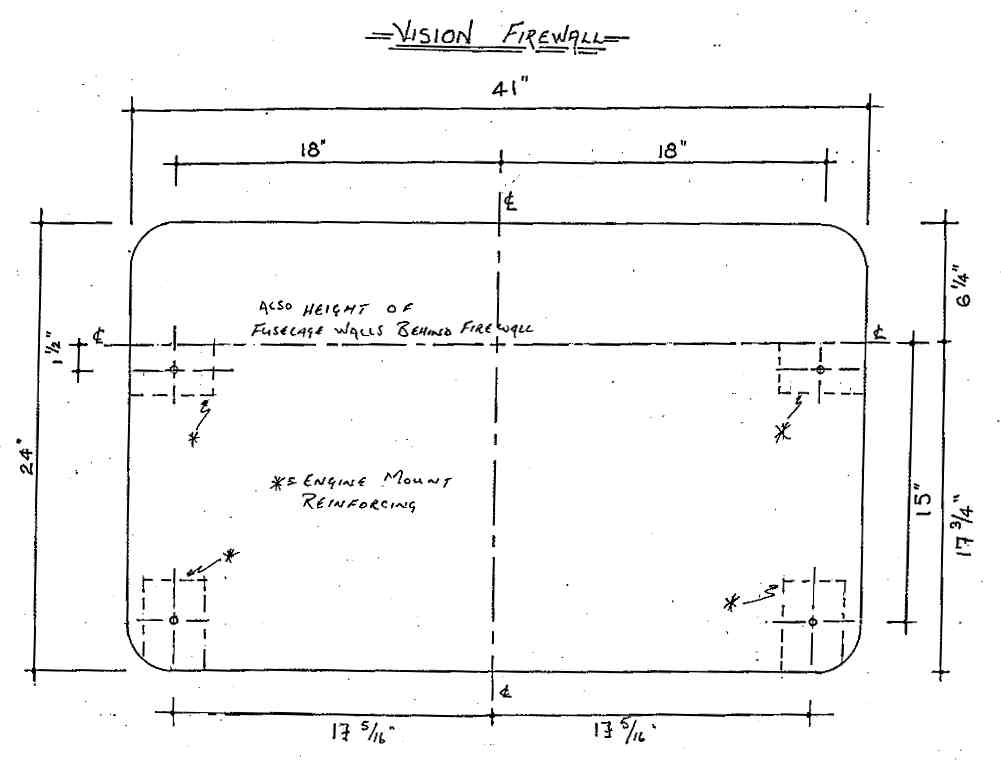
suggested but my problem at the top is that, the top centre line is also the
height of the fuselage sides which forms part of the re inforcement points for
the top engine mounts.
As usual I have my quota of questions:
1. Can I do it as per my new drawing (VISION FIREWALL 2) or do I need to make
some other plan?
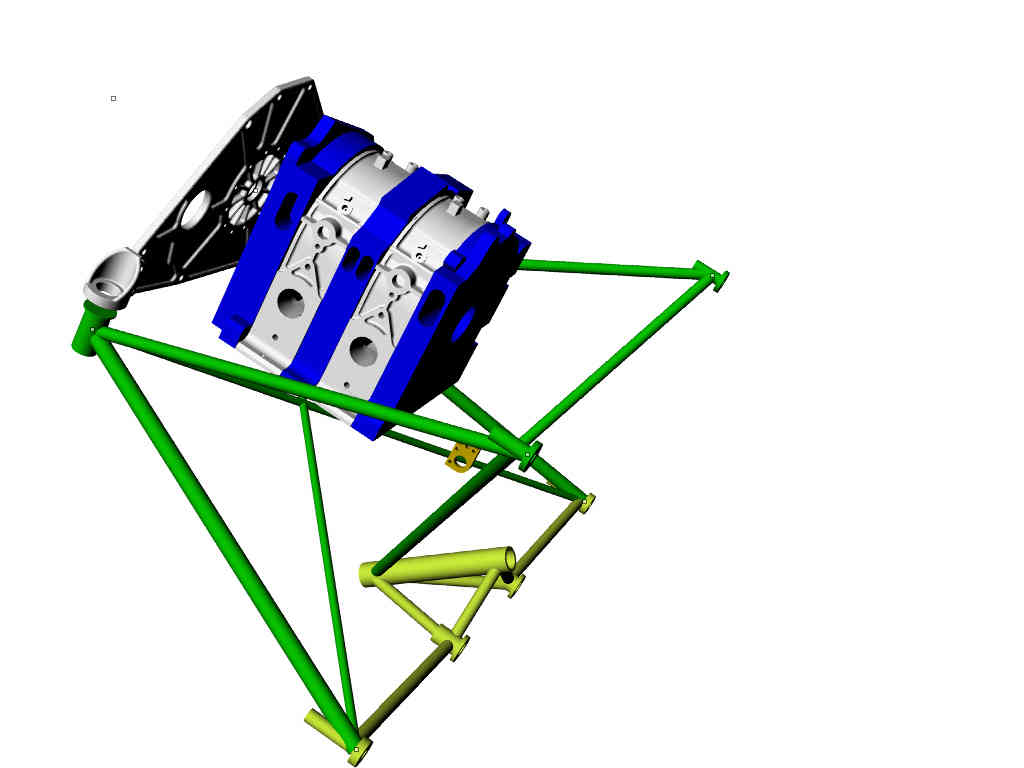
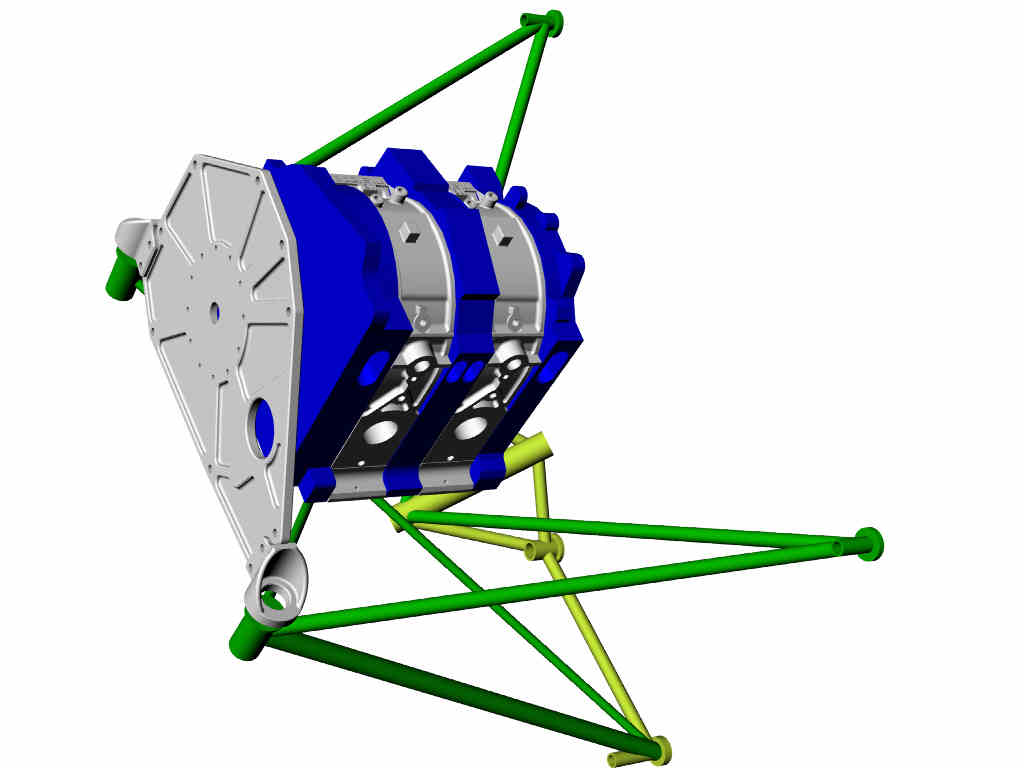
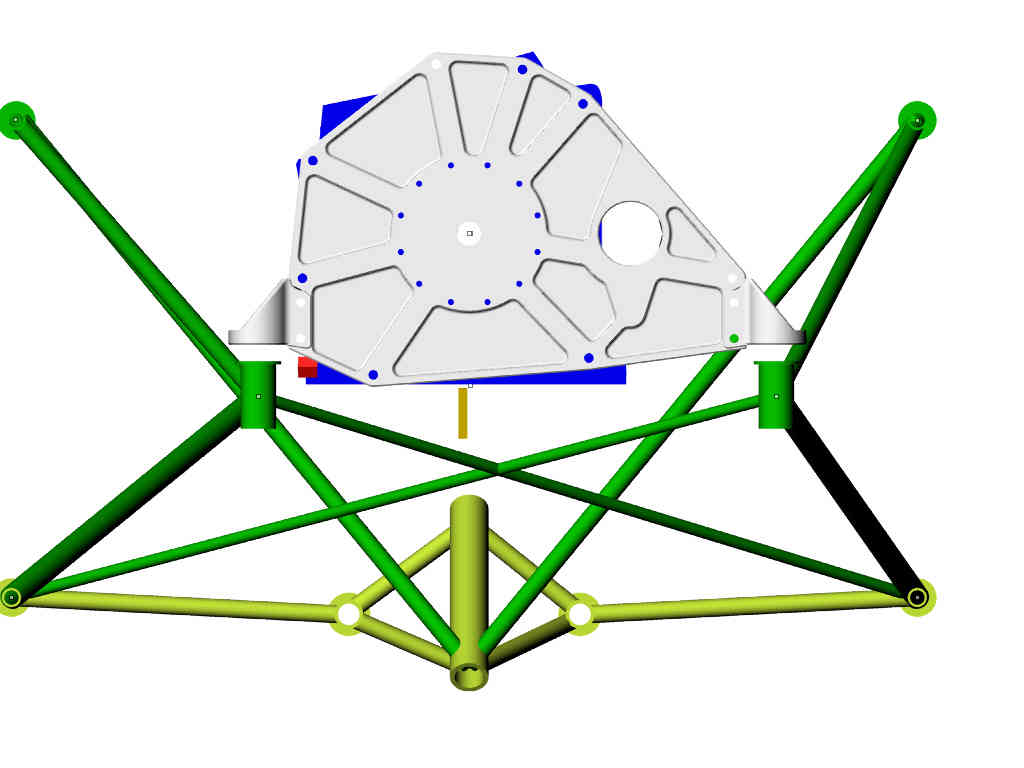
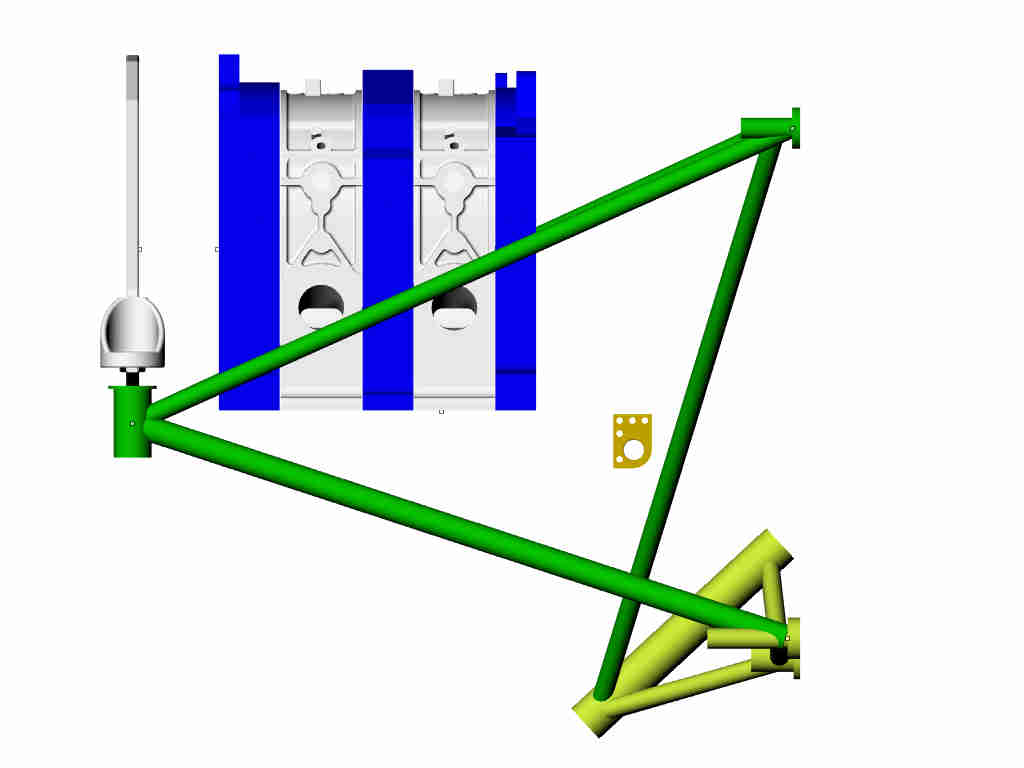
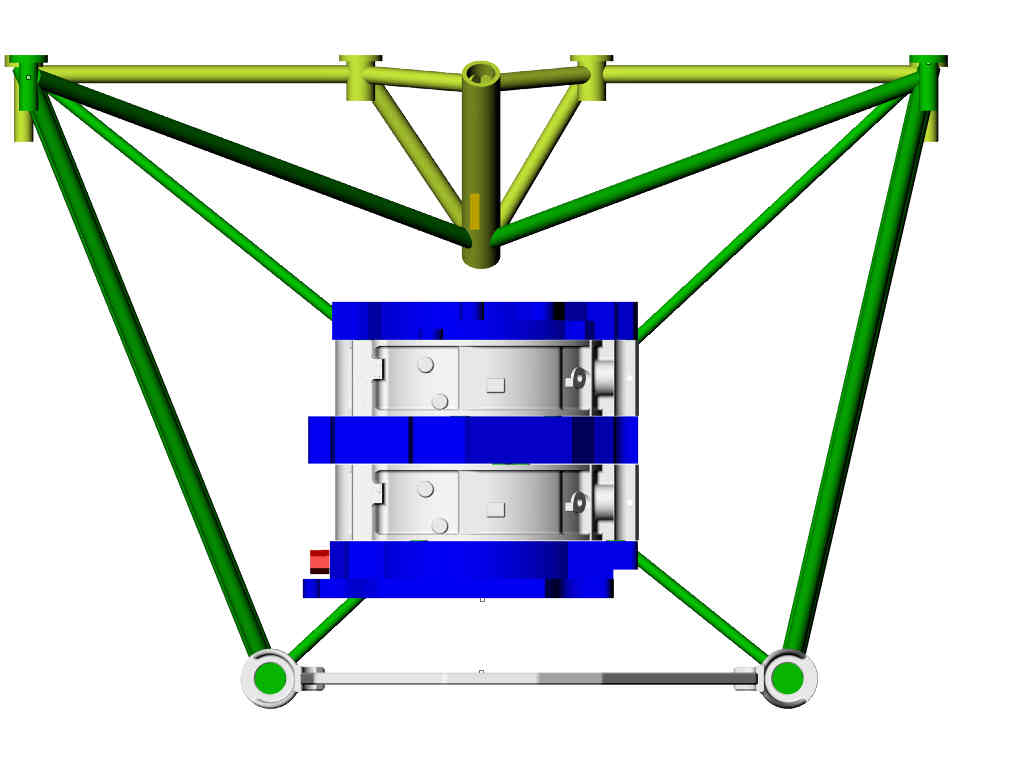
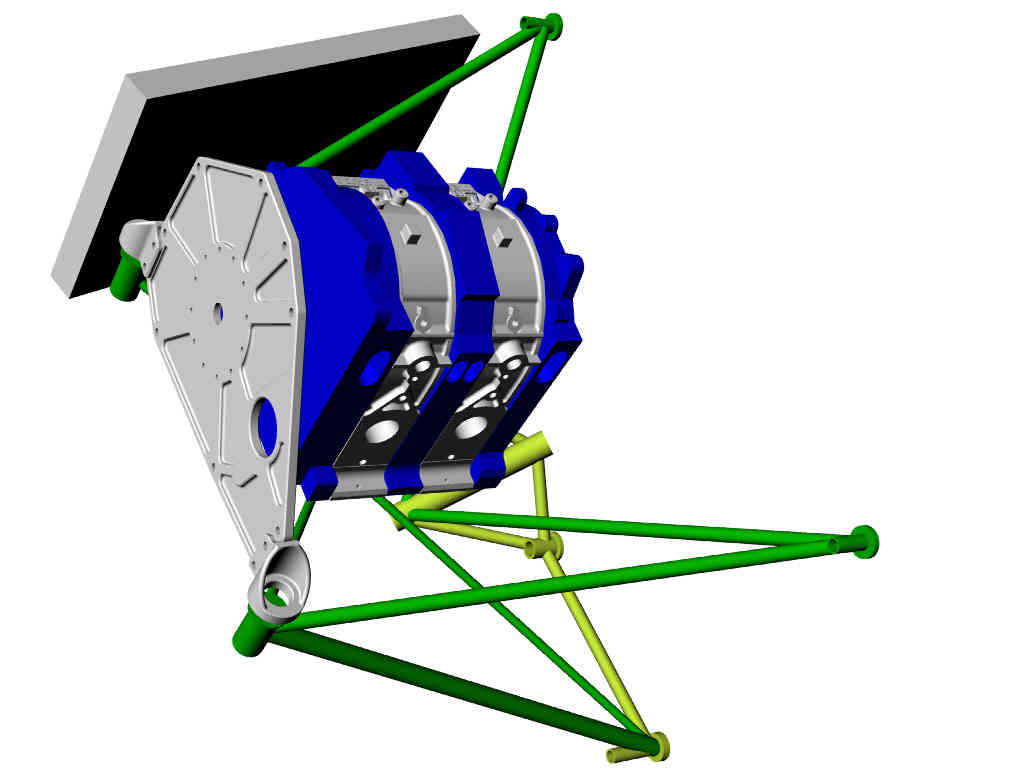
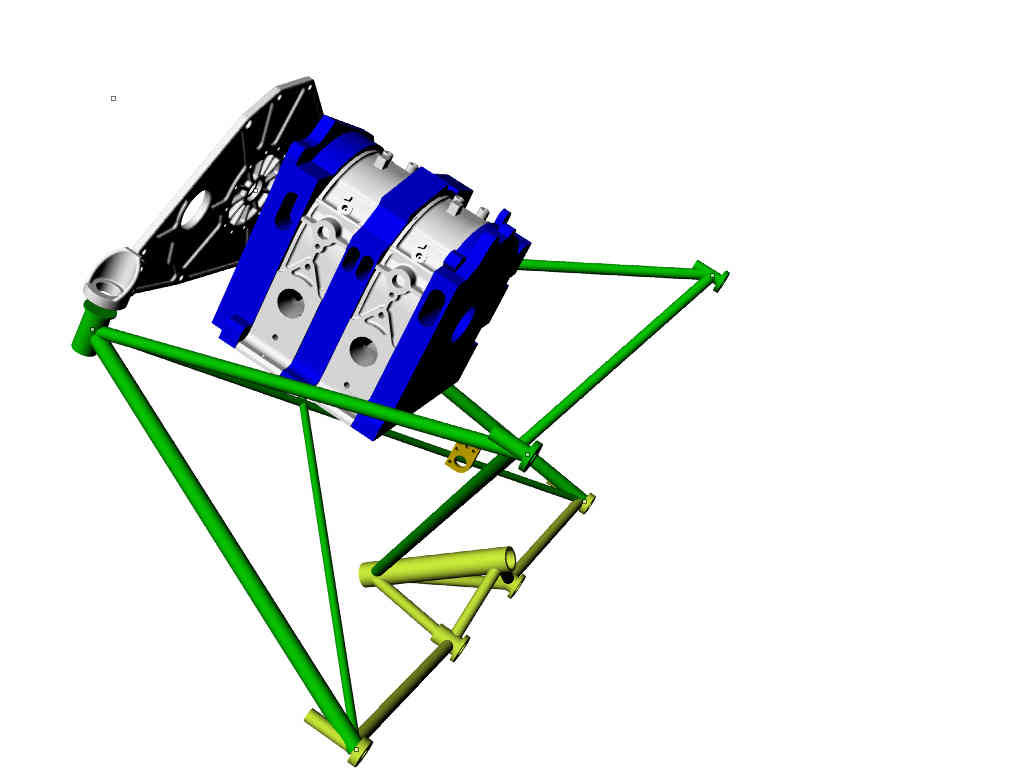
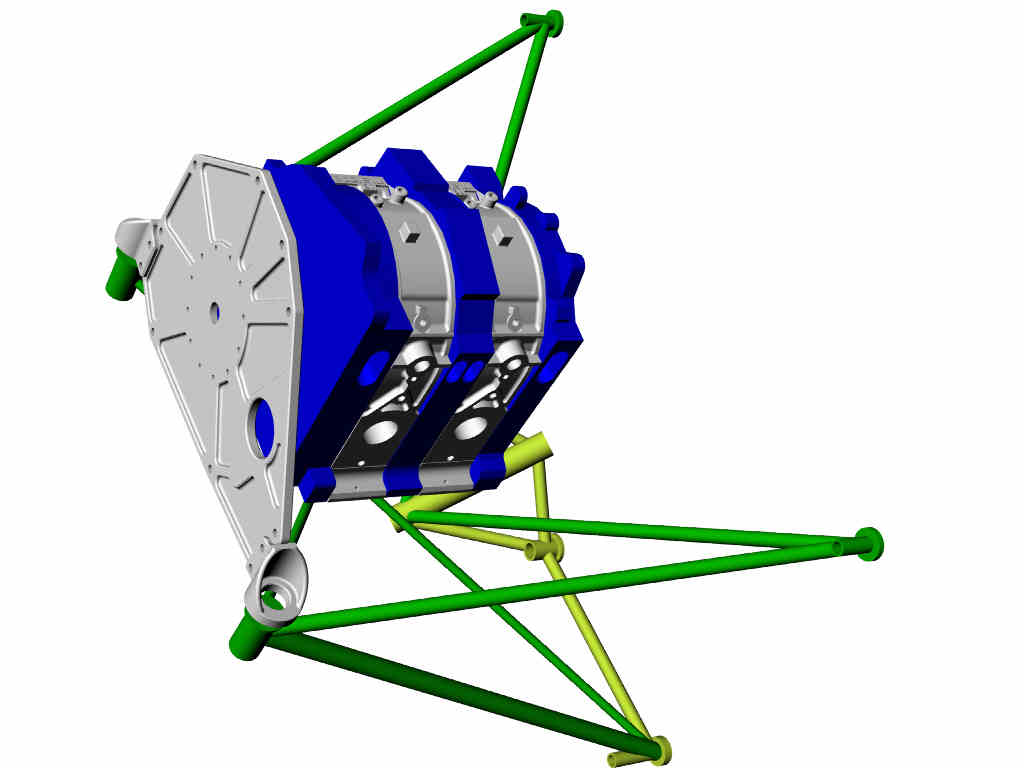
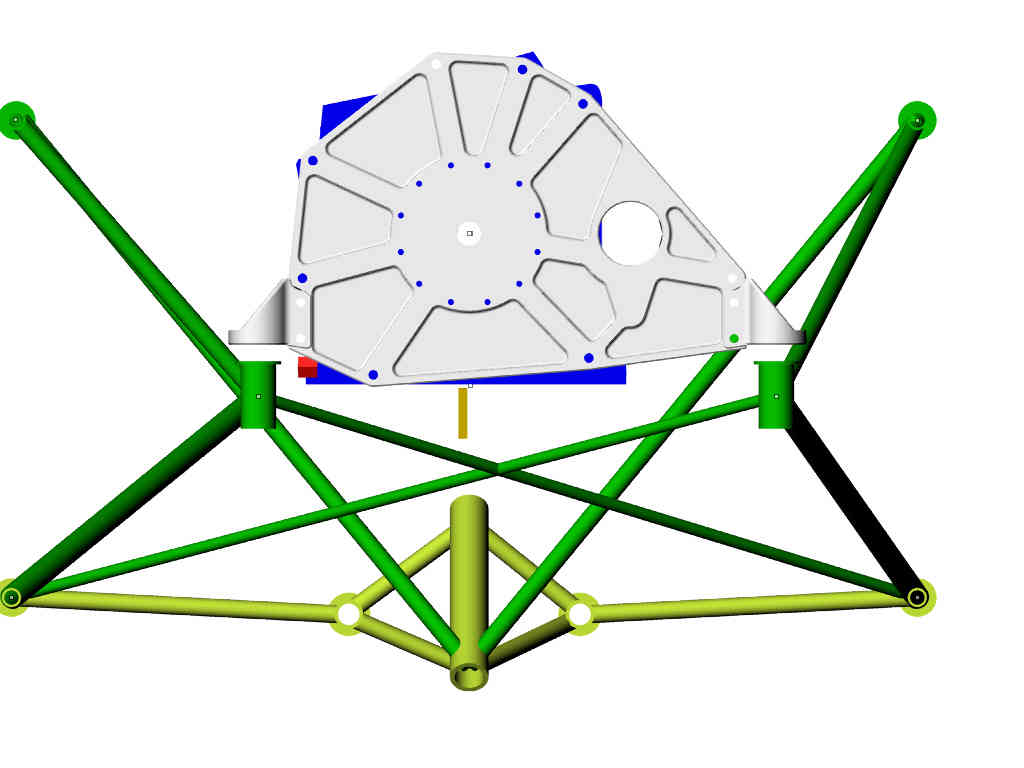
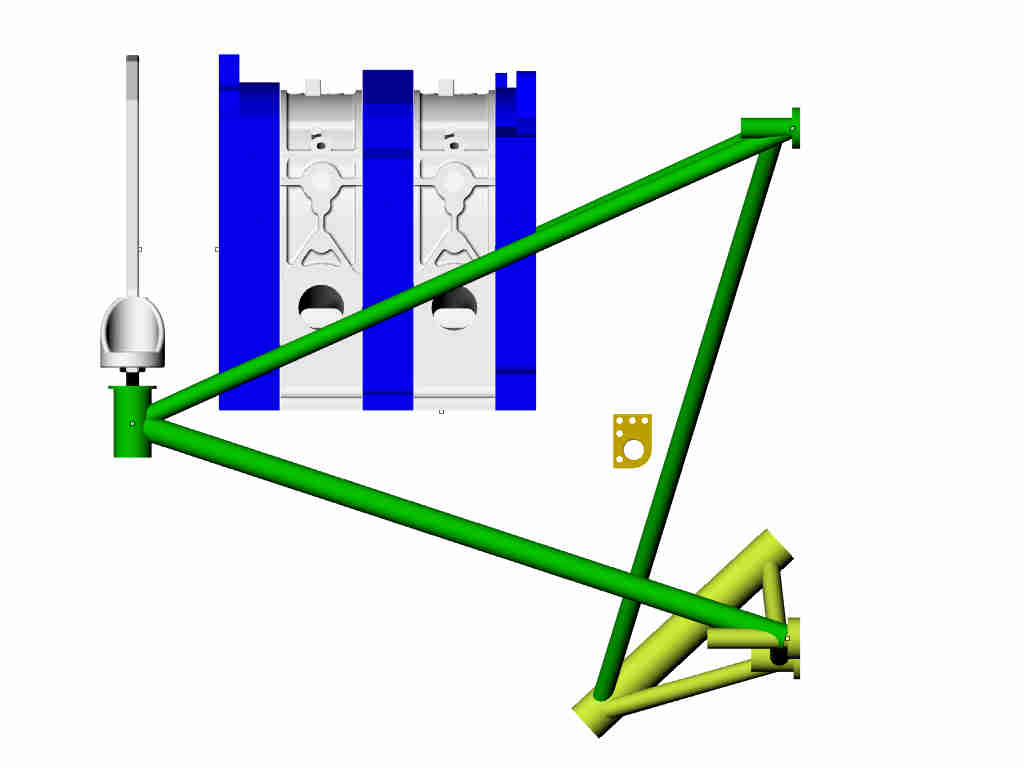
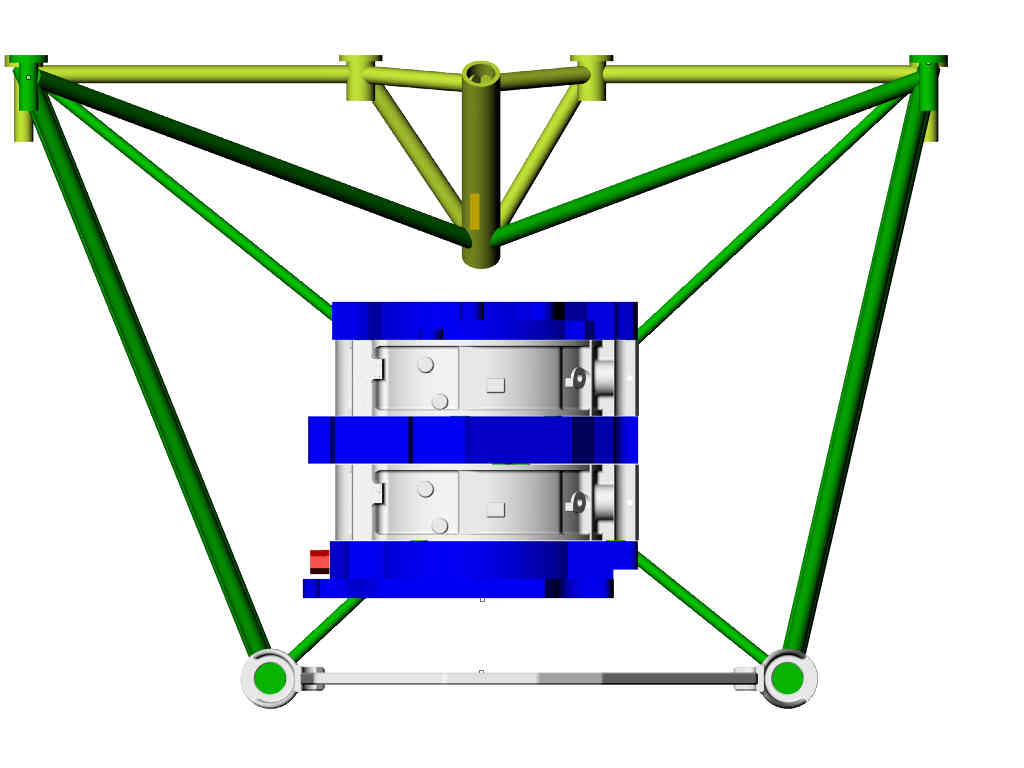
2. Can you supply me with a detailed drawing for the mounts, including
tubing sizes?
3. Is round tubing stronger than square tubing (4130) for the same diameter
and wall thickness? Square tubing works much easier.
4. I was thinking about using an aluminum plate between the engine and the
sump as suggested by Tracy Crook and maybe four rubber engine mounts (two in
front and two at the rear) between the bottom mount tubes and the aluminum
plate. Any good?
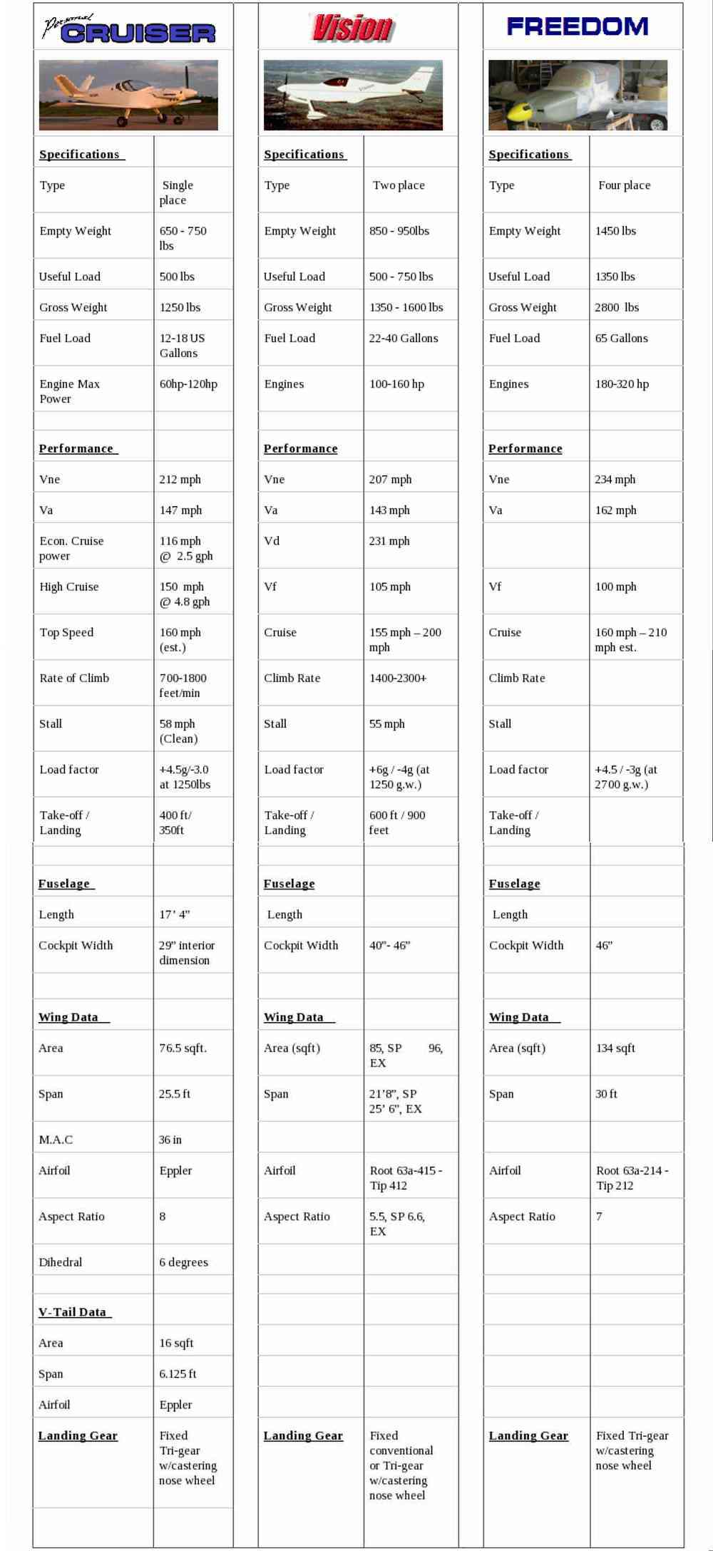
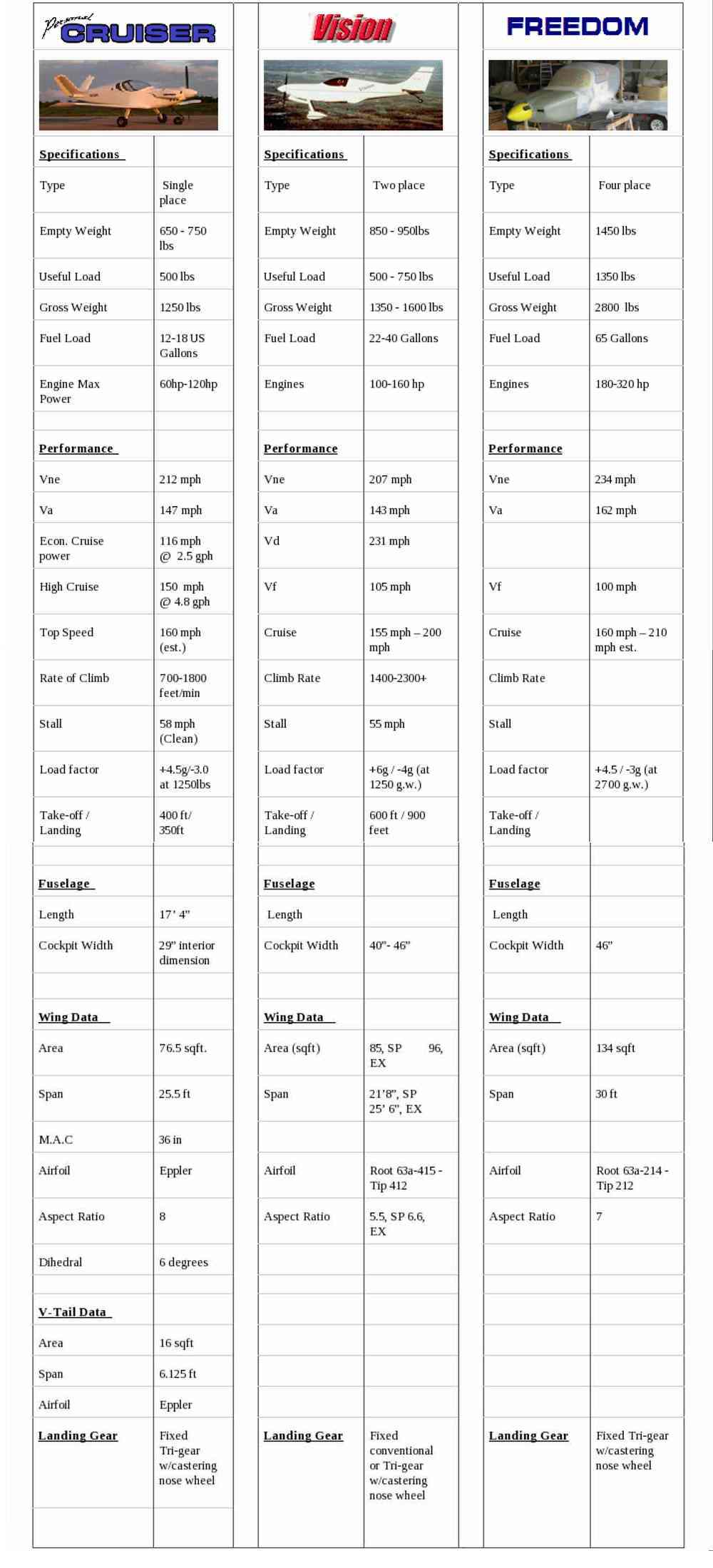
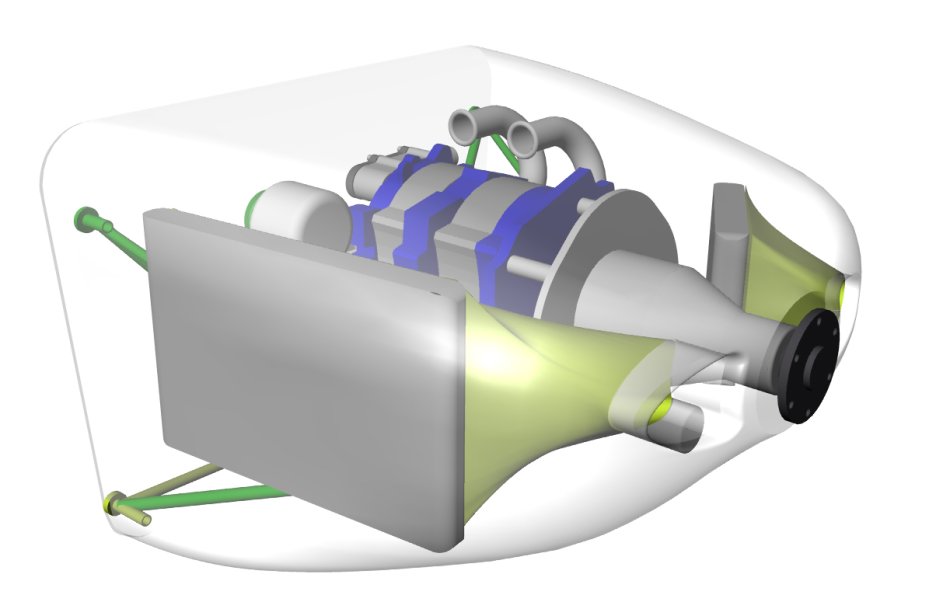
BTW, the Vision is an all composite aircraft with roughly the same specs as a side by side RV.
Regards,
Pierre
South Africa
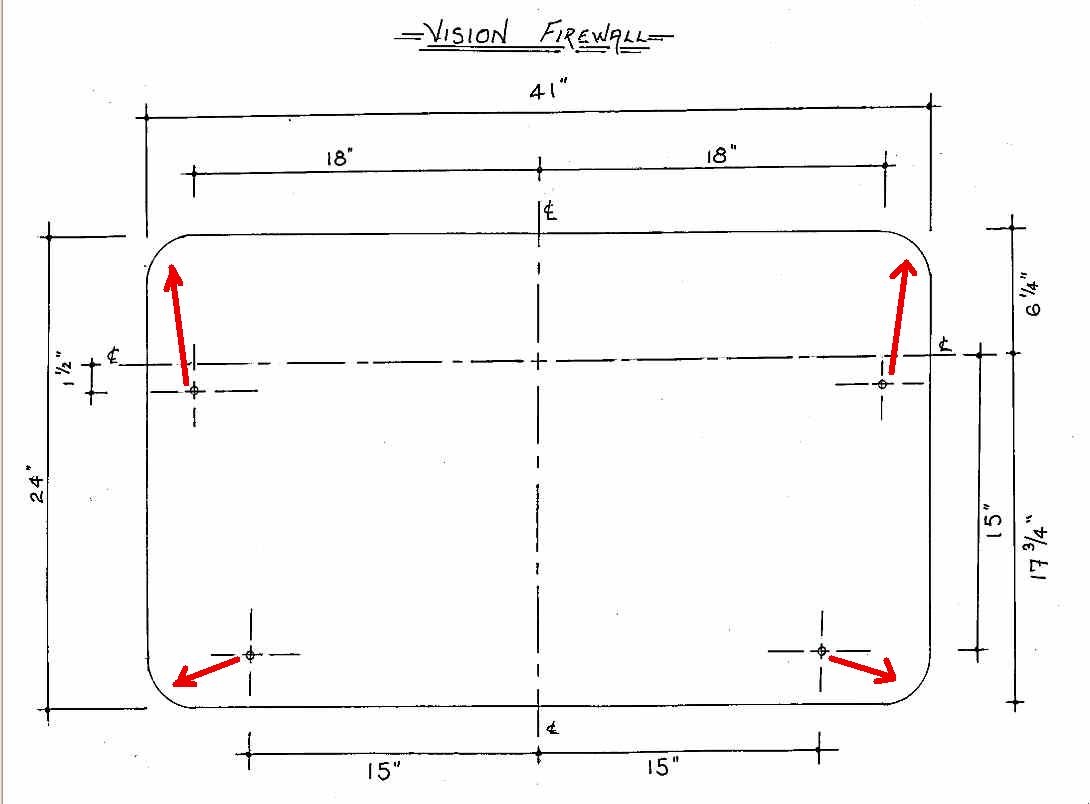
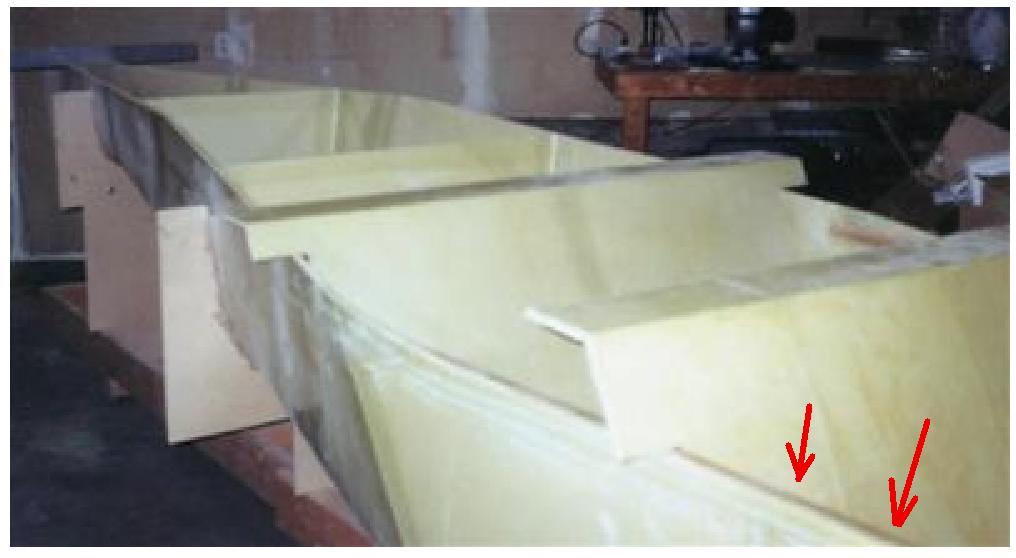
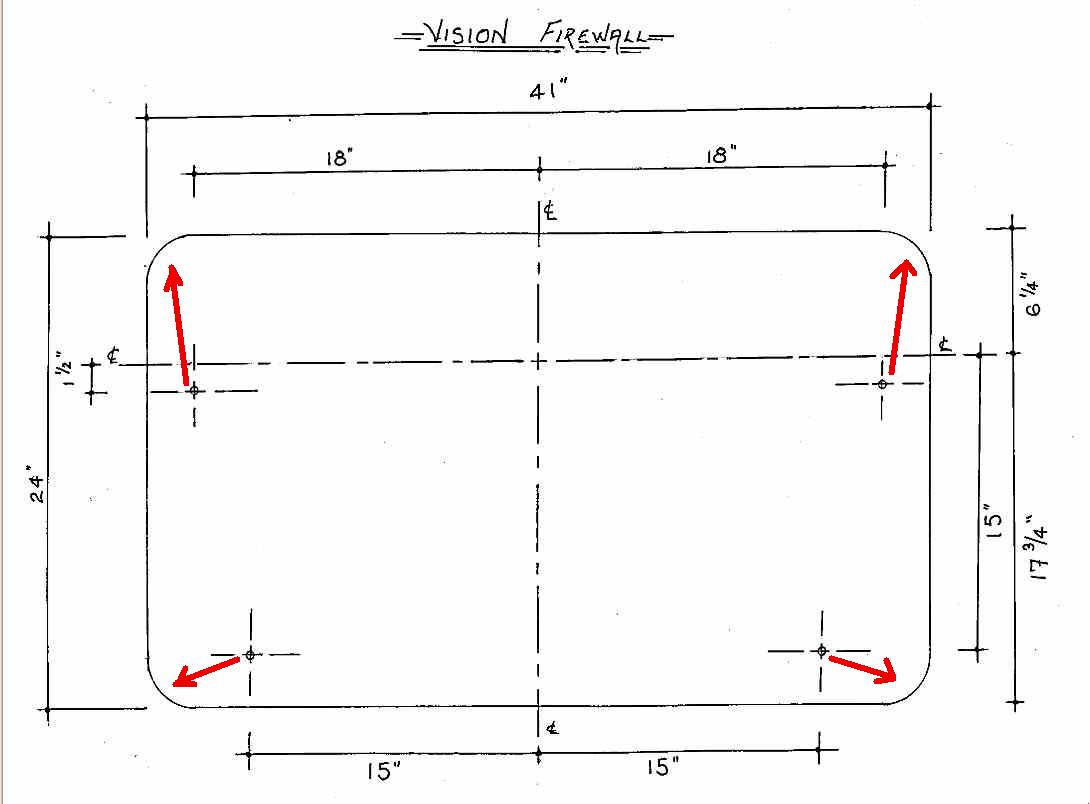
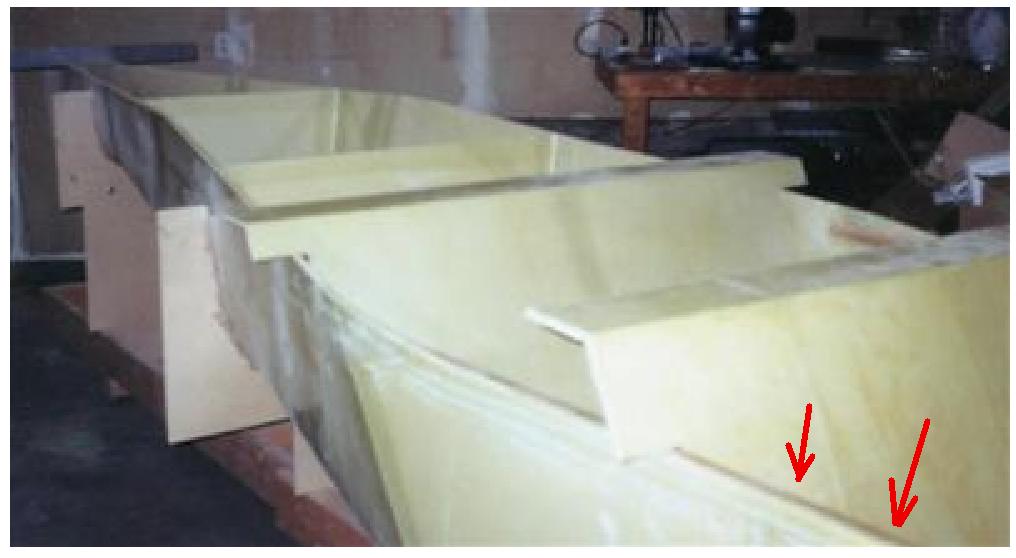
1. What prevents you from moving the top hard points closer to the top?
Can you take some pictures of the inside of the molding or scan the
planes in that area? Are there longerons in the area pointed to by
the red arrows? If so the original top hard point can be used but
it is less than an ideal configuration as the loads fed into the fuse
are higher.
2. Yes.
3. Square tubing is heavier but it works fine. I can do the dwgs in square
tubing if you wish.
4. It works of course but it is heavy and there are twice the opportunity
for oil leaks. It also transmits a lot of unwanted heat into the rubber
motor mounts. The two front mounts take all the load so the rear mounts
go along for the ride. It places the front exhaust pipes in close proximity
to the front rubber bushings so a melting problem is common. Also it
is harder to fit the exhaust pipes in as well as the front mount support
tubes get in the way.
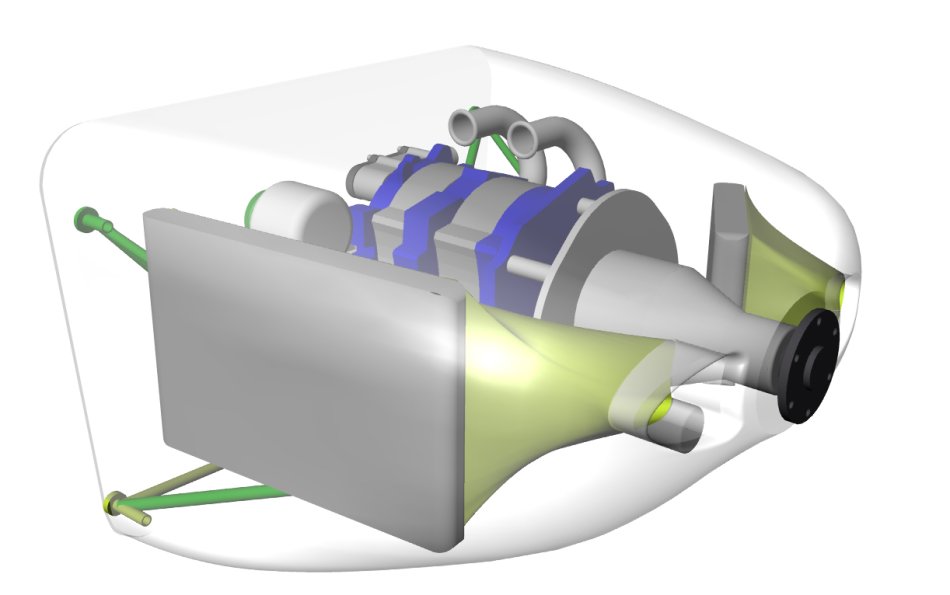
Jeff's motor plate works better as there are no high torque,
600 ft pound prop loads (83 kilogram meter) on the the spacers between the adapter
plate and the block. The front rubber mounts accept these loads directly. An asymmetric
adapter plate mount gives plenty of space for the exhaust and or a turbo charger.
If cost is an issue I have no problem with locally made asymmetric
adapter plates.
Given all that I don't do oil pan type plate mount designs.
Paul Lamar
--
The Rotary Engine NewsLetter. Powered by Linux.
ACRE NL web site.
http://www.rotaryeng.net
Youtube key word PaulLamar2
Copyright 1998-2011 All world wide rights reserved.