Hi Paul,
My EFISM calculates RPM based on the period between injector pulses since
they are (for the rotary engine) 360 deg apart or once per revolution. I
run the chips at 32 Mhz which gives me a CPU clock internal of 1 usec. The
PIC 18F6722 has its own CCP module which has several configurations you can
select as to what pulse conditions you want to trigger it. At 32 Mhz the
time required for rpm calculation is insignificant compared to the period
between pulses even at 8000 rpm. This is all integer math - no floating
point, because its just not needed when you have a resolution of 1 usec tics
for the period compared to even a 1 Msec period.
The module is set up (in the EFISM) case to measure the period between
pulses in clock cycles. Then this clock cycle count of the rotation period
is turned into an RPM through the following calculations.
//These two calculations are done prior to enter Tach RPM display Loop.
PPR = Pulses per Revolution.
if (Tach_ConfigRPM.Tach_PPR = 0) then //used for sine
wave generators Westach for a PPR of 1/2 or once per 720 deg cycle
Tach_K := 60000000 * 2 //1/2 PPR
else
Tach_K := (60000000 div Tach_ConfigRPM.Tach_PPR); //
1/2 PPR //used for all other PPR values
//The Tach_K calculation is done once in the initialization period of
the EFISM so only the following division is done each pulse interval
RPM_Tach := Tach_K div R_Period; //RPM calculated based
on TACH_K constant, R_Period has the number of clock tics between pulses
the chip module counts the clock ticks between injector pulses and then
adjusts for whatever PPR (Pulse per rev) figure is being used (its 1 for the
rotary and 2 for most 720 cycle piston engines ) and then figures in the
constant 6000000 to turn it into time/rpm. The constant is naturally
dependent on the CPU clock cycles which is dependent on the oscillator freq
which is dependent on the chip - so will vary for other chip frequencies or
different chip types. Remember I do not use a separate TACH input - its all
derived from the injector cycle.
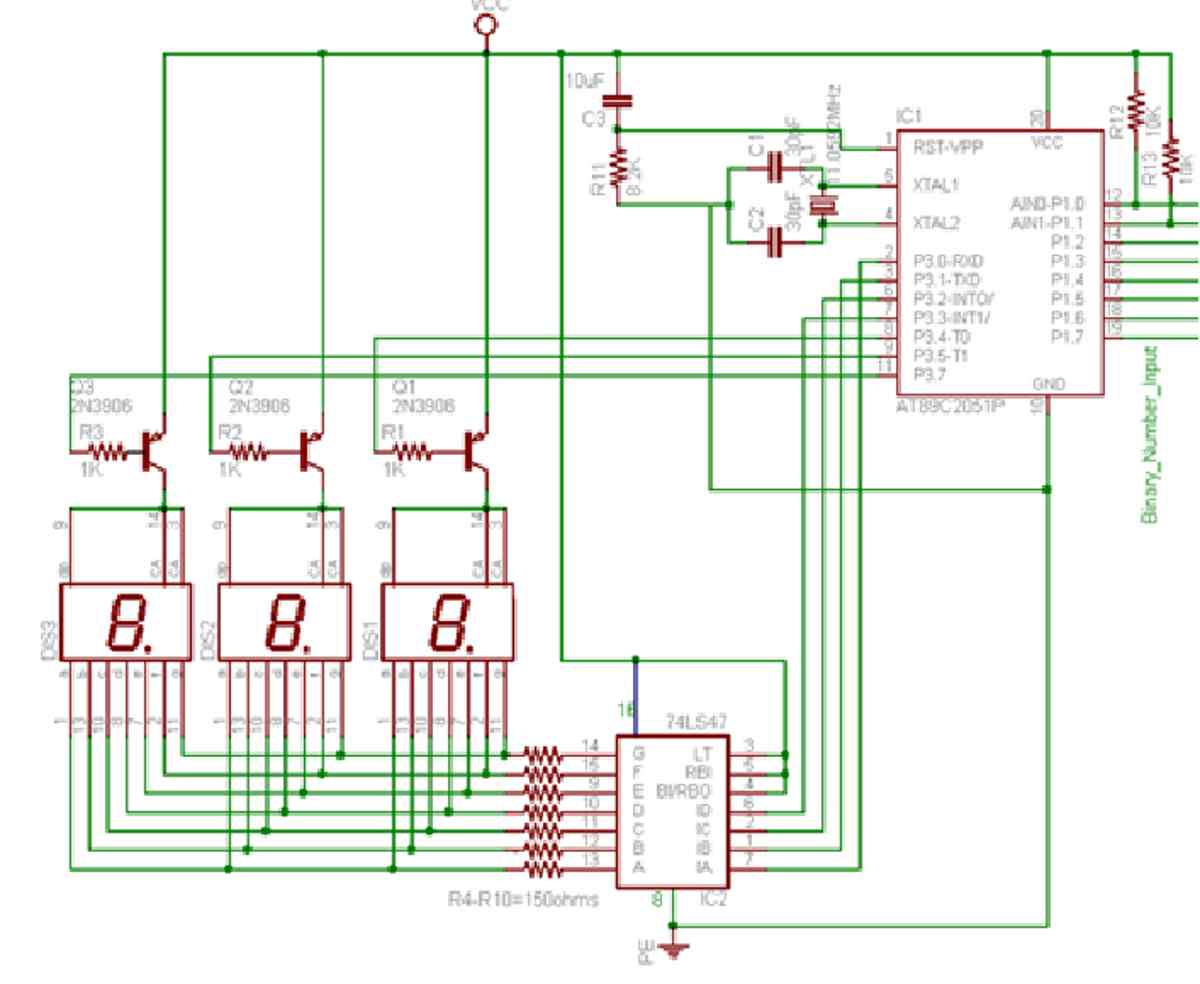
Regarding the 7 Seg displays, no I did not notice a drop off in brightness,
but I used a "ganged" set of 4 in one module - rather than an individual 7
seg module for each numeral. Don't know if that would have made a
difference or not.
Regarding the EFISM TACH - for one customer who wanted to use the EFISM as
his primary Tach (which it really was not intended for - the RPM data was
available so I just threw it in). In his case, I moved the rpm from the
display screen you see it on - to the display screen with the air/fuel ratio
bar at the top and fuel flow displayed. The Fuel Used was moved to the
display where the rpm had been displayed. So this gave the customer
air/fuel ratio, fuel flow and RPM on one screen. I also made the rpm Digits
larger to where they filled the display horizontally.
Ed Anderson
Henry Nee wrote:
Paul,
Not sure if you are still looking for a separate RPM meter. I found
one in China that operates on 12V supply for about US$10. The maker
claims that it measures the duration of the pulses and convert it to
RPM so it can update pretty fast but did not give me an exact time.
From my readings, it seems that most of those meters operates on two
modes. For lower RPM, they measure the duration between pulses, and
for higher RPM, they measure the number of counts per second or 0.1
second, depending on the accuracy you want.
If you are still thinking about a dedicated RPM meter, it has 0.5" LED
display, and can count up to 9999 RPM.
Add another $10 or so for mail. Let me know.
regards,
Henry
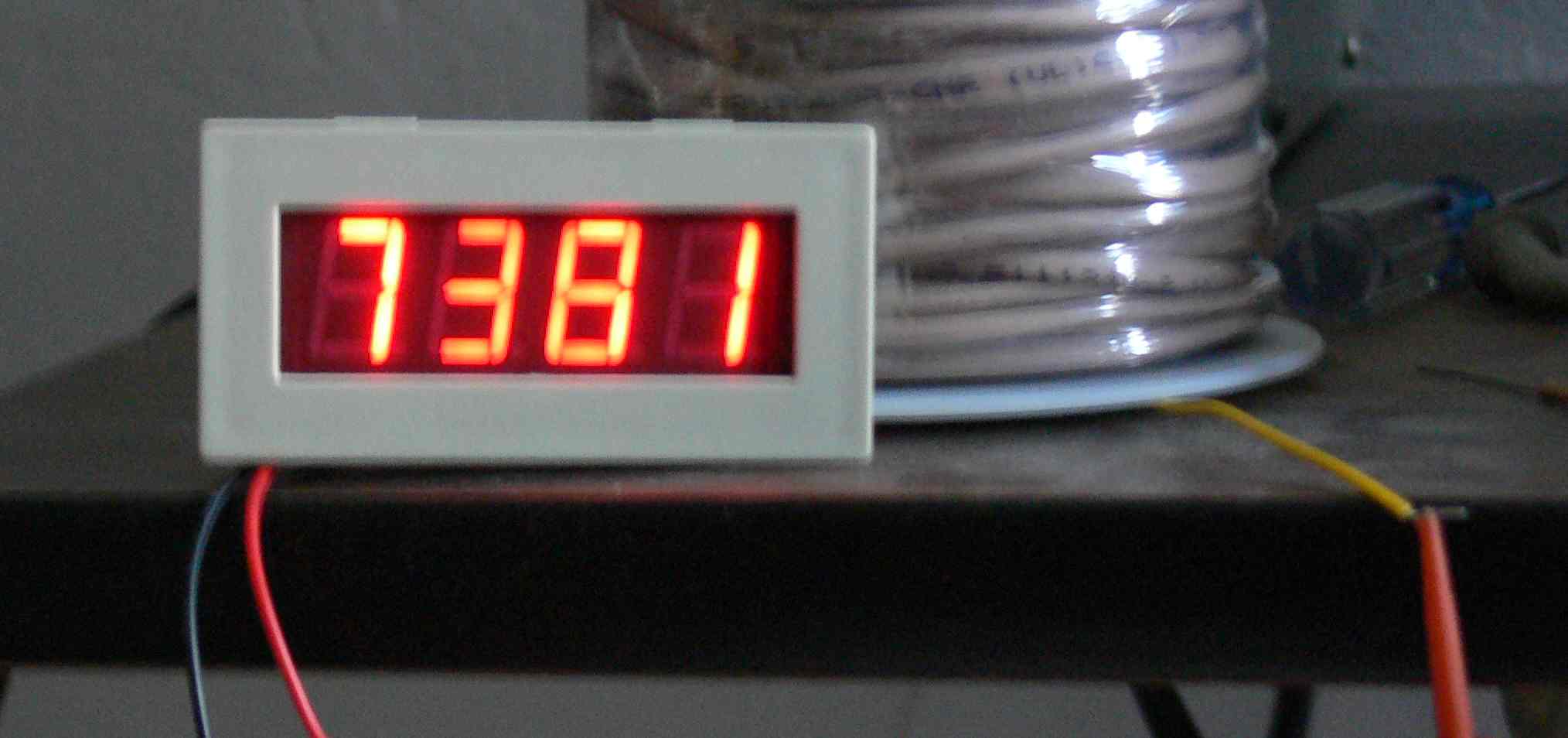
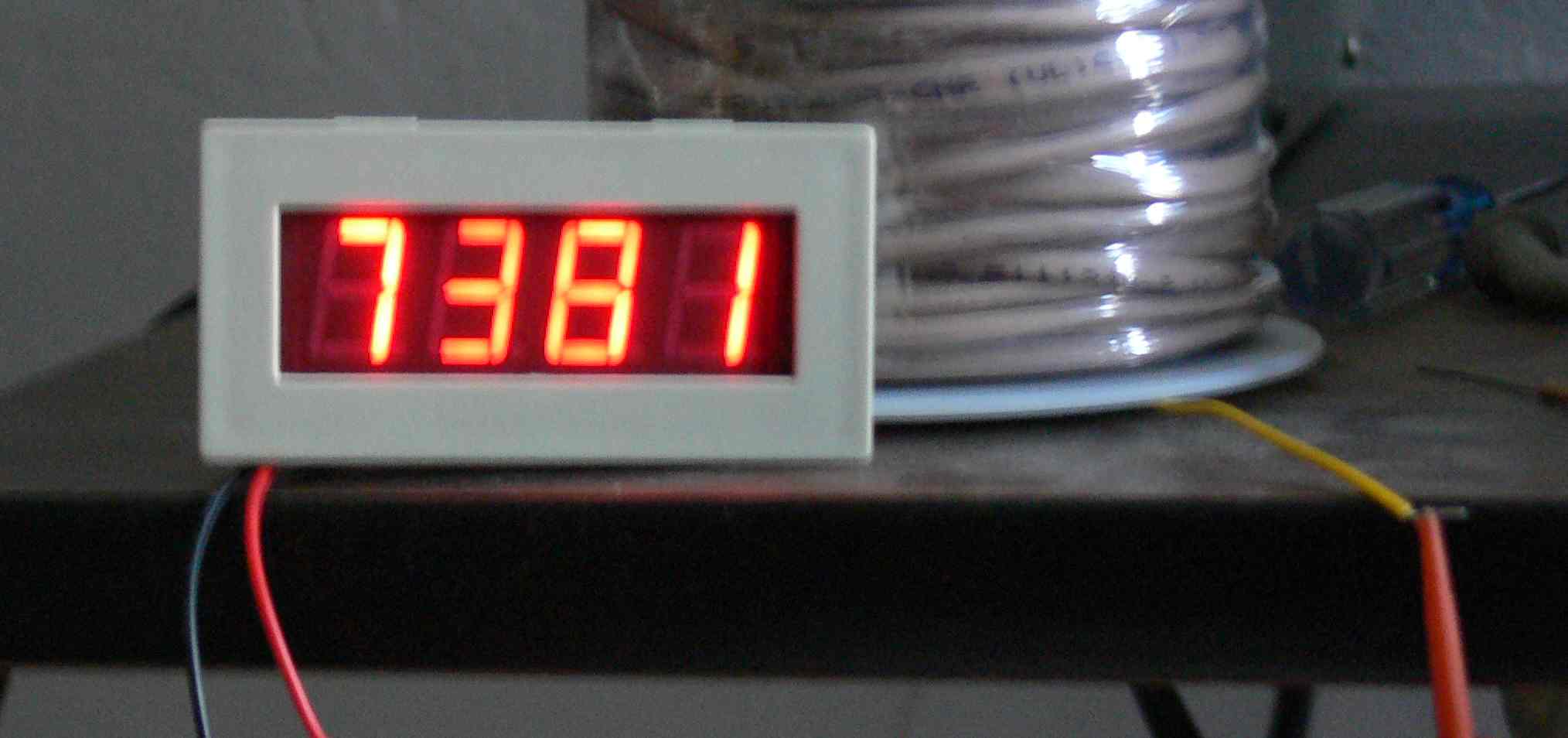
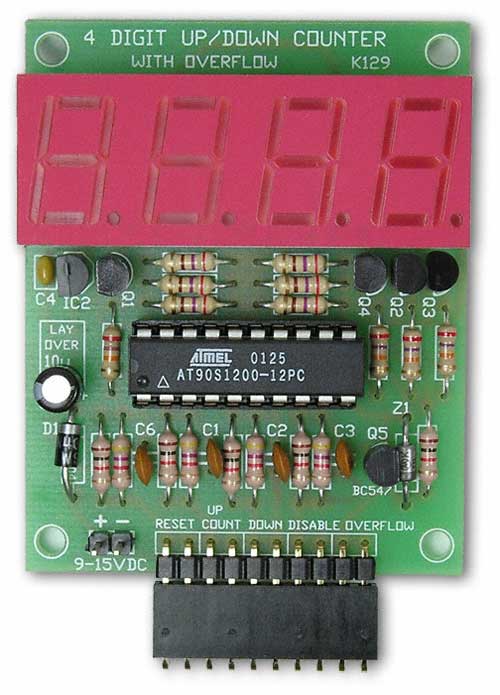
Henry sent me this $10 digital tach from Hong Kong.
Works pretty good. Thanks Henry.
The display is what we call multiplexed where in the
segments are blinking on an off at high speed.
If you try to take a picture and the camera lens snaps at the
wrong time the display will blurred. However the human eye
is not quick enough to see that. The net effect is the
display is not quite as bright as it could be. However
I can still read it from across the room.
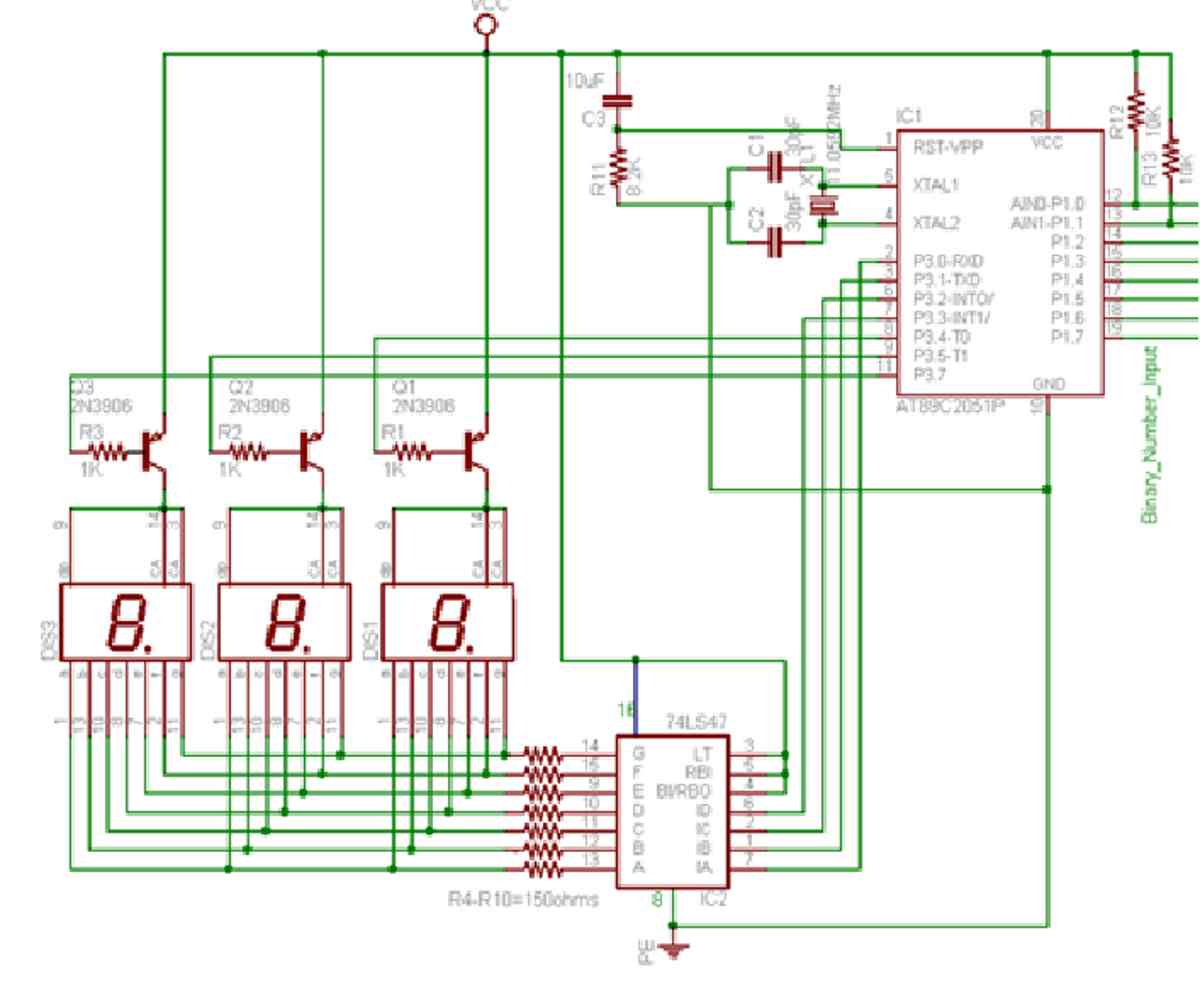
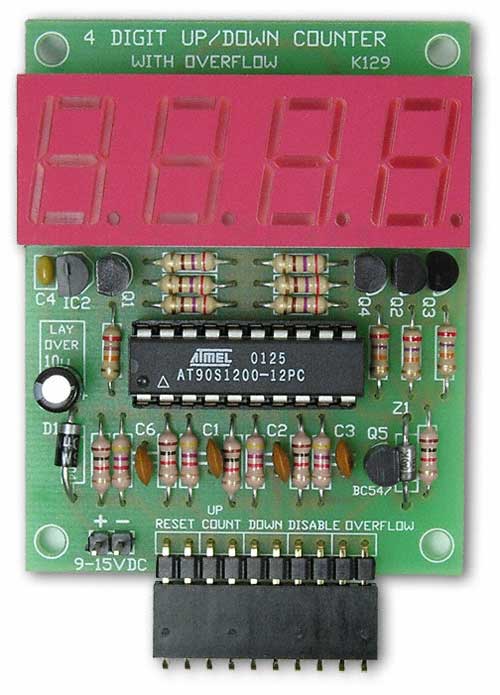
This is done with some sort of low cost single chip
computer. I can't tell you which one as the part number
has been sanded off the chip :) It is about
one inch by 3 inches. Probably an Atmel.
It also has a serial in/out connection so it can send tach
data to another computer. Could be used to feed RPM to
a 555 EFI system that had a look up mix trim table.
Paul Lamar
--
The Rotary Engine NewsLetter. Powered by Linux.
ACRE NL web site.
http://www.rotaryeng.net
Youtube key word PaulLamar2
Copyright 1998-2011 All world wide rights reserved.