Back in the days of Rotomax they asked me to help
them design and build a belt PSRU in secret. I did some dwgs
for them and here they are. Rotomax are no longer with us after a
widely publicized crash because they could not understand or solve
the rotary engine charge cooled problem.
Attaching a traditional SAE prop flange was the heaviest part about
my new Rotomax belt drive design.
It just occurred to me our new Ford C9 planetary
PSRU light weight method of attaching the prop to the shaft
can be used.
I added that to the 3D's at the end. The 3D dwg's say it all.
This method of attaching a prop was invented by Warp Drive to my
knowledge and is now supported by no less than Sensenich,
one of the oldest prop companies around. Ironically it was
used in the first Rotomax belt drive design. At the time I did
not recognize the advantages.
IMHO this is one of the most significant inventions in
prop hub design since the beginning of aviation. Not widely
recognized or appreciated yet. It looks too simple
as most good inventions are.
IMHO our planetary driven, large diameter aluminum prop shaft
PSRU design is in the same category. It owes it viability
to the invention of the large diameter ceramic ball bearing.
One new invention leads to another.
Dave Lemon,
This belt drive should be an option for your proposed new one
rotor, LSA aircraft engine.
Paul Lamar
Was there a photo or drawing file?
Bill Jepson
Lots of them. Where you trying to get them on your smart phone?
Paul Lamar
I did not receive them either. Forwarded an e-mail to a friend and he did not
get the print part.
Dale Davies
Here they are again.
Paul,
- Can you summarize the tradeoffs/pros/cons of this cog belt PSRU design
- compared to the new planetary gear design (expected cost, reliability,
- weight, prop hub location, etc). I'd previously come to think of cog
- belt designs as having important limitations (e.g. trouble dissipating
- the heat from belt flexing/friction leading to reduced belt life) and
- axial loads on the eccentric shaft and bearings that made the approach
- less desirable than a planetary gear design.
Mark W.
Ha! That would be a lot of work.
To summarize see the jpg.
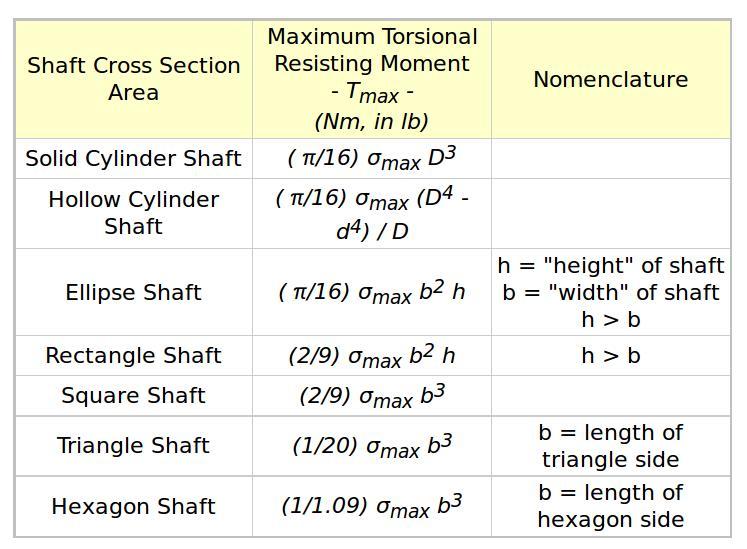
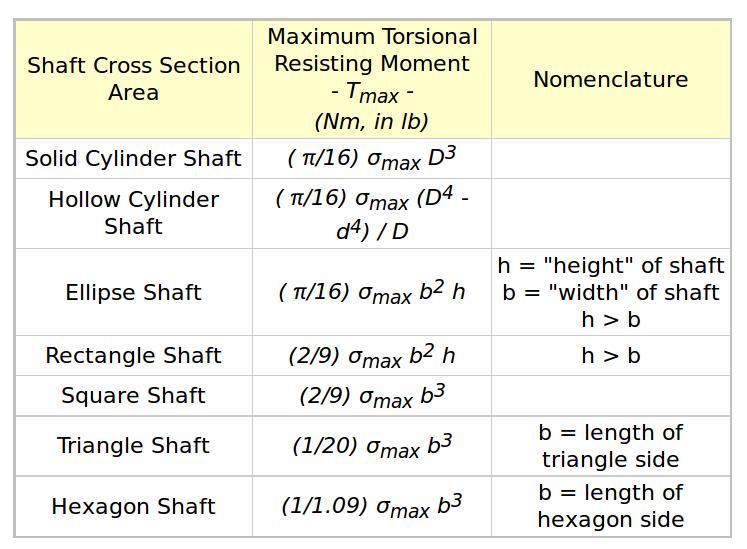
In other words the strength of a shaft goes up with
the diameter to the fourth power so it makes sense
to use a larger shaft. Previously the diameter of
shafts was limited by the size and weight of the ball
bearings required. The bearing ball diameter had
to go up due to the high RPM of the balls.
Ceramic balls can rev faster so the
ball bearings can be used in the thin category
with smaller balls.
My guess is the belt PSRU would be lighter and cost about the same.
However we are talking one rotor here and not 2 rotors.
However the box weight would be about the same for a one rotor
or 2 rotor while the belt would not be suitable for the 2 rotor
in the same size.
The belt shaft/bearing problem is solved by the thin section ceramic
ball bearings.
Go back and re read all the messages we sent out in the last month
or two on this subject. All of these issue were discussed. If you deleted
them shame on you :)
Paul Lamar
--
The Rotary Engine NewsLetter. Powered by Linux.
ACRE NL web site.
http://www.rotaryeng.net
Youtube key word PaulLamar2
Copyright 1998-2011 All world wide rights reserved.