Hi Paul,
Sorry to bother. Are you still busy with the design of the engine mount
for my Vision, in square tubing, or did I miss your mail?
Pierre
I just forgot. I'll work on it some more.
Square tubing does not buy you much as there is a feature
in Rhino that can fit round tubes together.
It is called unwarp. I think 4130 square tube is a lot more
expensive than round. Also harder to find in the required
sizes.
You mark a round tube with a center line and then make a paper pattern
of the end of the tube unwraped. Tape the unwrap pattern to the round tube and cut
on the lines.
A round tube notchere is quicker and easier.
Also there are some low cost tube notchers from China that work fairly
well designed for round tubing joints.
Here are the tube dimensions. You can use round or square.
There are 3 sizes. 1/2 inch 1 inch and 3/4. Round or square
4130. All .049" thick wall.
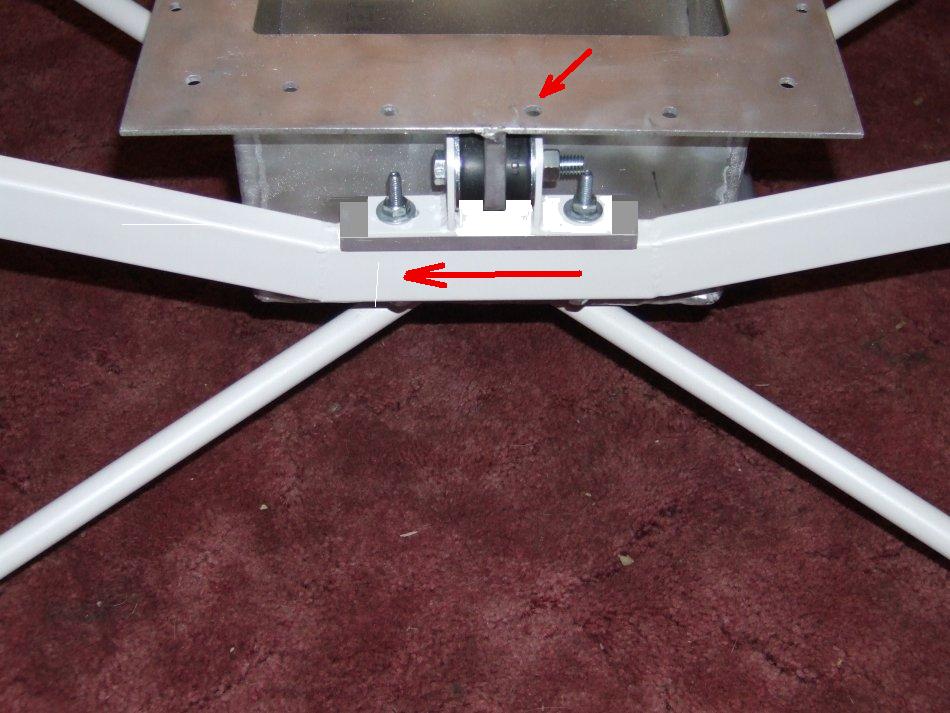
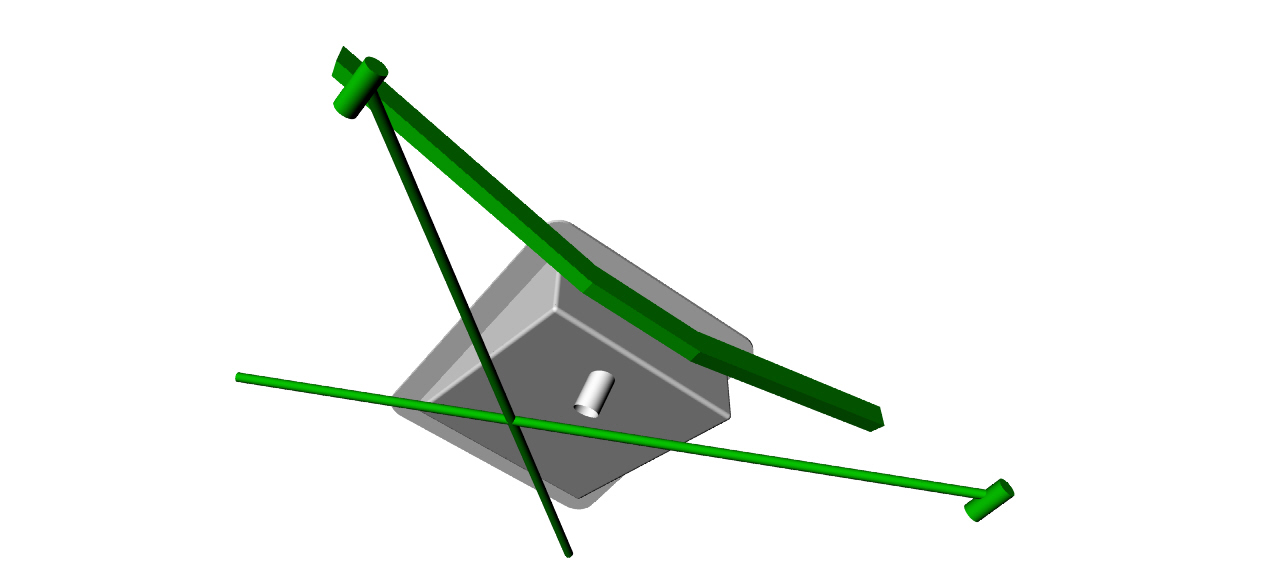
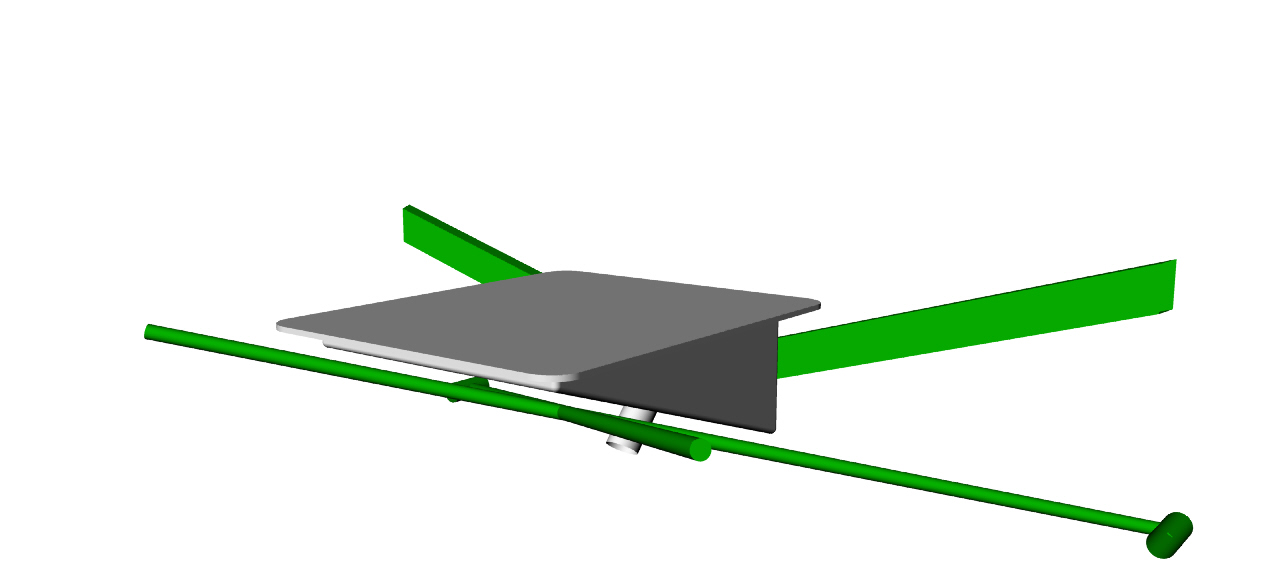
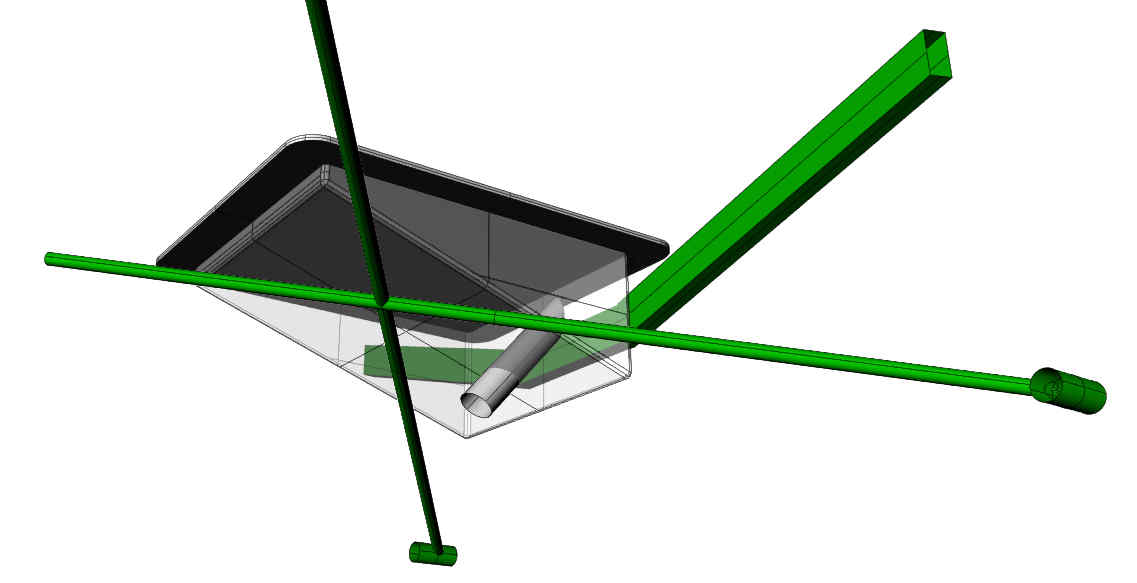
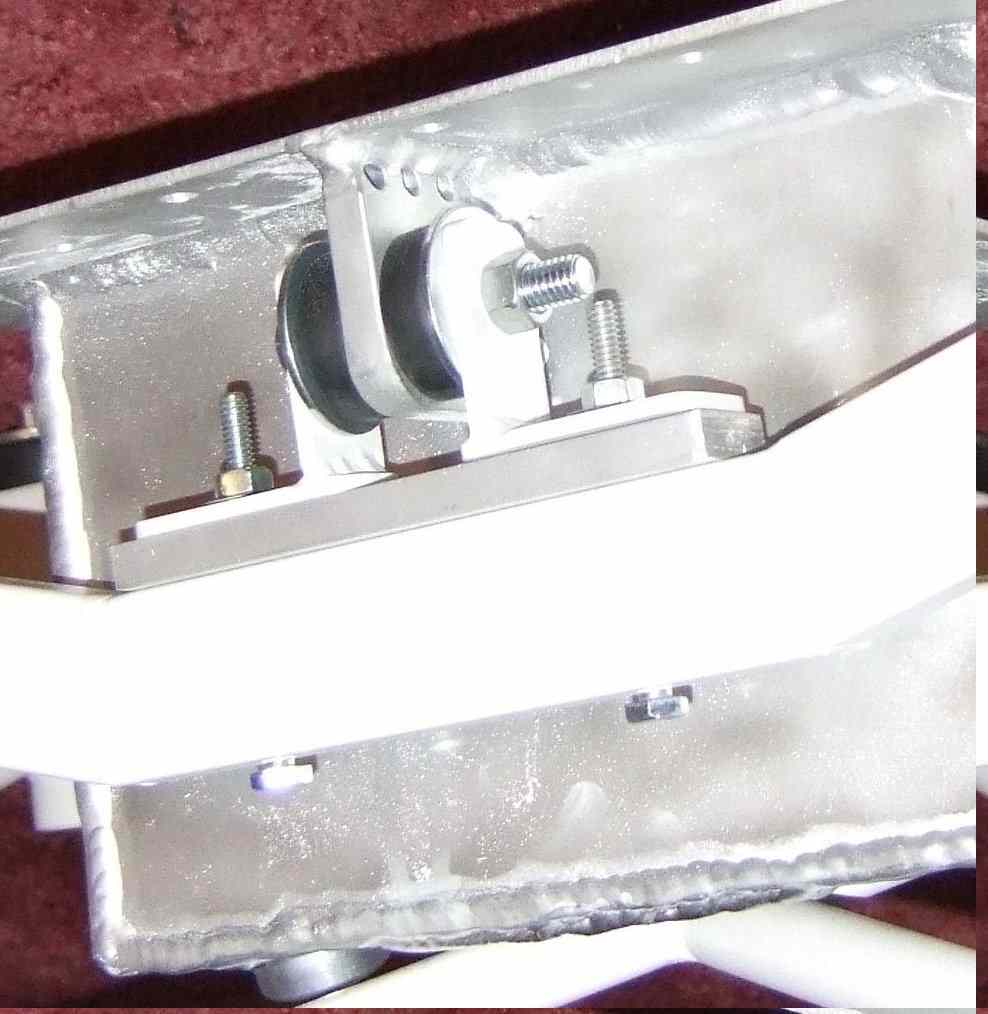
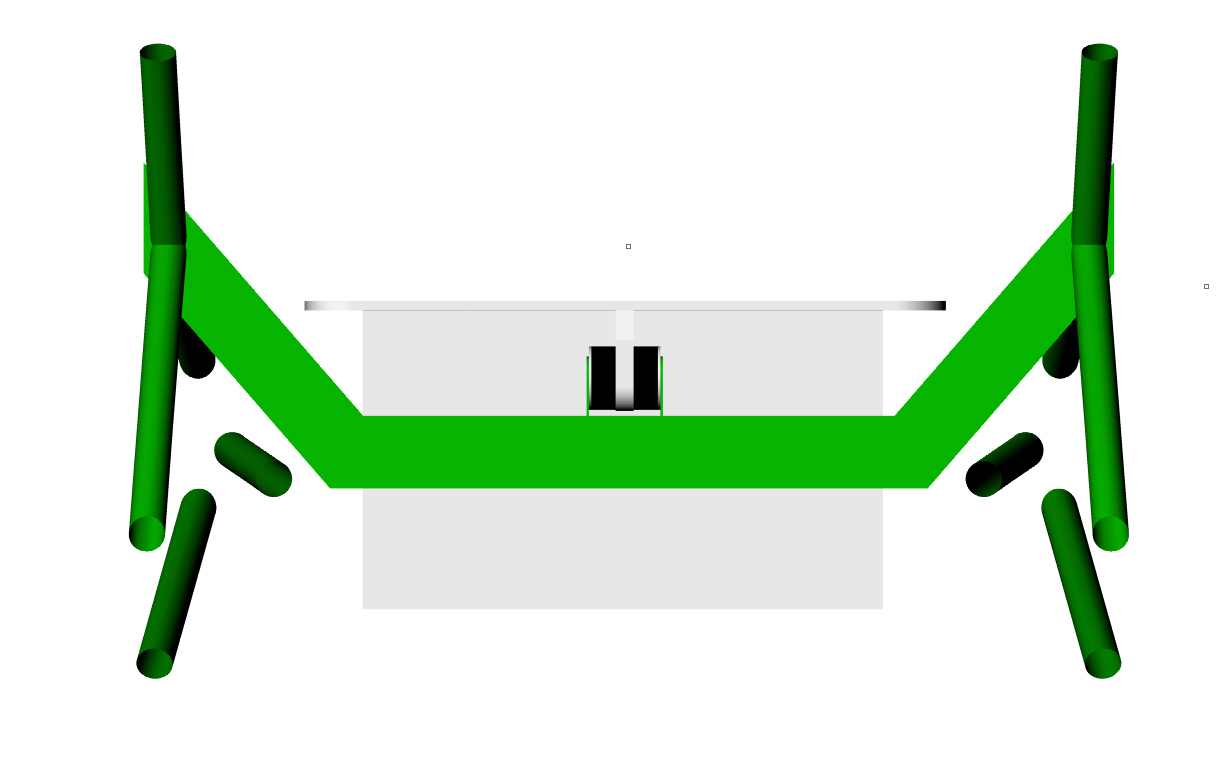
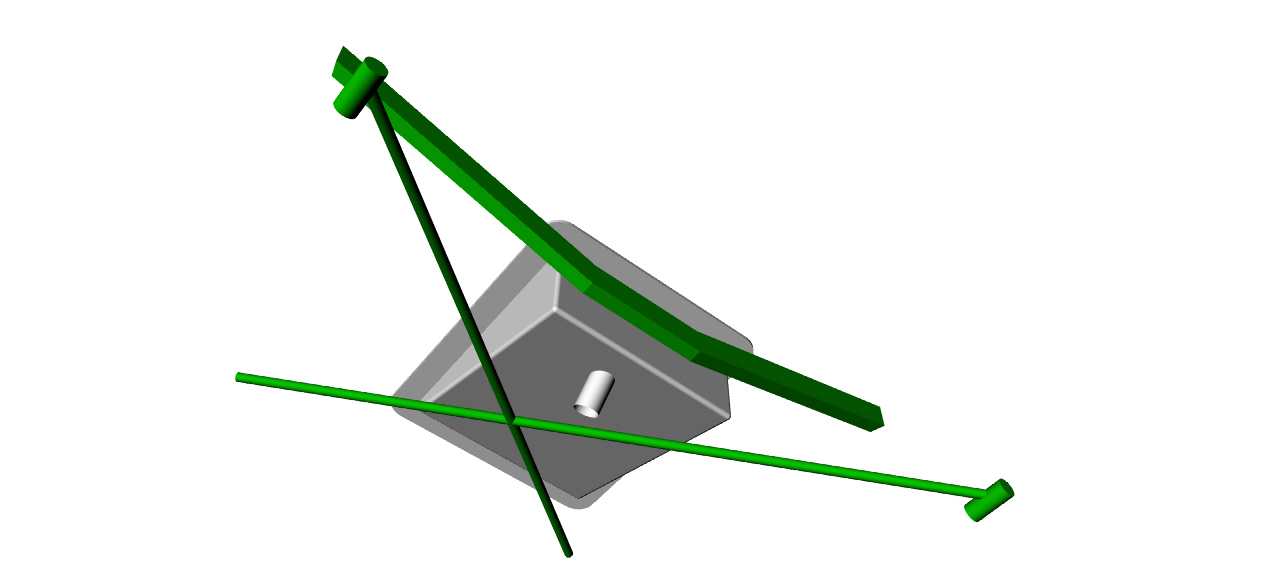
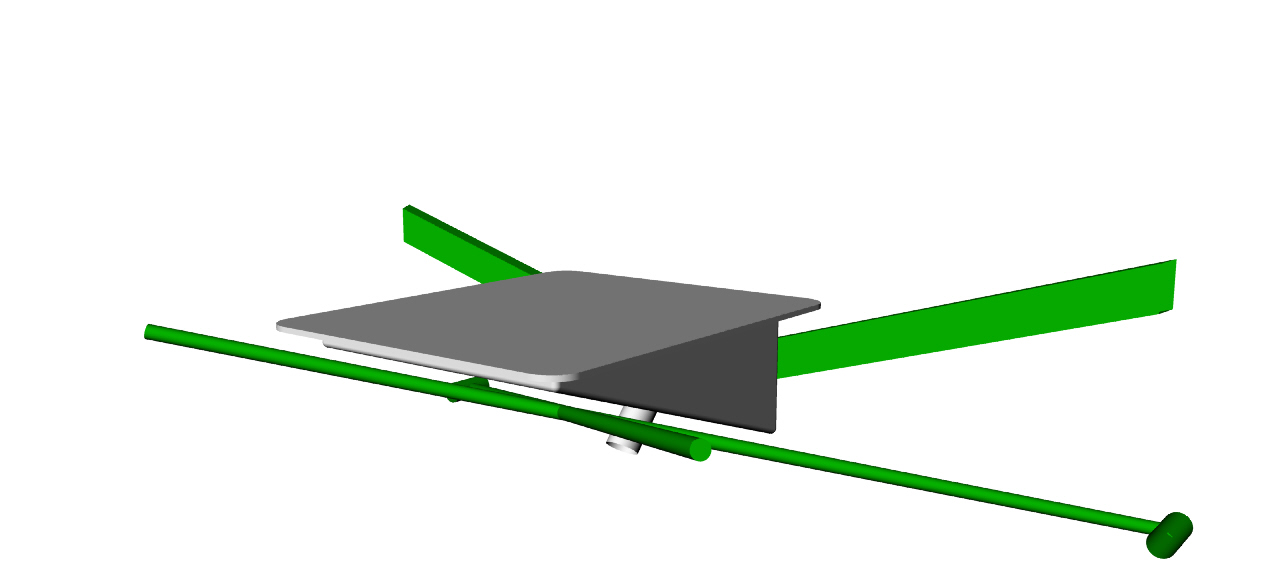
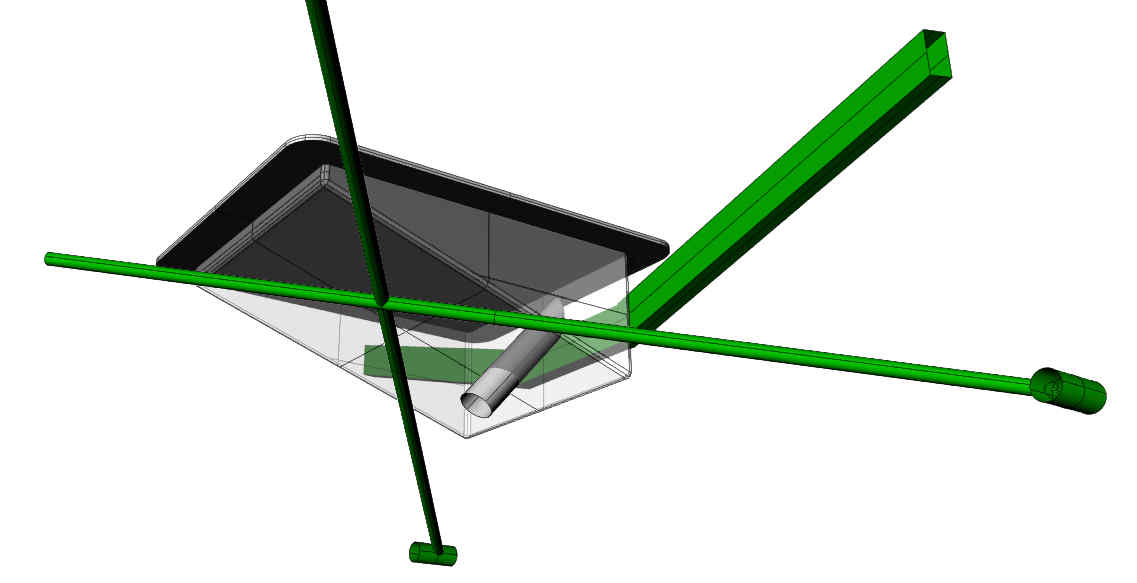
Think of making a jig. Here are some pictures and 3D jig ideas.
Paul Lamar
Thanks so long. Few questions:
1. How does this tie up with the nose gear running through the oil sump?
2. Would it not be stronger if the oil sump was made out of 4130 steel plate?
3. How effective would the oil cooler work as a cabin heater?
Thanks,
Pierre
Here are some dwgs on just that.
4130 .049 steel sheet is an option. Double up on the .049 4130 where the nose gear
socket goes through the bottom of the oil sumps. That is the high stress area.
4130 .049 would be about the same weight as a aluminum sump made from
3/16 or .195. The aluminum sump would have an oil temperature advantage
on take off. It would take the oil longer to heat up. You will also
have to stiffen the flange of the steel pan to prevent oil
leaks.
The oil cooler would be very effective as a cabin heater but don't
put it in the cockpit. You will roast in the summer time. Just divert the hot
exhaust air to the cabin with a large butterfly valve. The back side of
the cooler should have free air exit to the outside of the cowl.
BTW for the new guys this type of nose gear mount was used on the Questair Venture.
The advantage is the high loads go directly into the main mass at the front of
the aircraft. Namely the engine. In other words they are reacted by the mass of
the engine directly. The rest of the aircraft mass ahead of the CG goes along
for the ride.
Paul Lamar
--
The Rotary Engine NewsLetter. Powered by Linux.
ACRE NL web site.
http://www.rotaryeng.net
Youtube key word PaulLamar2
Copyright 1998-2011 All world wide rights reserved.