Hi, in flange type rotary joints the torque is transferred through
the matting surfaces through friction. The bolts are loaded in
tension to supply sufficient contact force and thereby the friction
to carny the torque. If the bolts are loose and loaded in shear
they will usual fail. If they are sufficient to carry the load in
shear on paper they should be able to provide enough clamping force
if tightened enough. Sufficient contact area is also needed. If
you are familiar with the aircooled VW flywheel mounting you will
see the problems with pin type shear couplings on engines....
Murry I Rozansky
Far too many years ago when I worked with paper-mill technology,
the Defibrators (the machines the ground up wood chips into cotton-like
wool) had a a huge motor (~ 600 to 800 HP if I remember correctly)
driving about a 5" diam shaft turning a 3' diameter grinding disk.
The entire shear-load was handled in a tapered-friction-fit hub
that was maybe a bit wider than yours (maybe 3 or 4 inches wide).
But there were no pins, no splines, no keyways, no RTV or Loctite used.
Nothing but skin-friction transferred all that torque, and I never
knew one of them to slip. Admittedly, there was a huge nut that
was well-tightened on the end of the shaft that held everything together.
R
BTW Robin do a longer signature file than just "R" :)
We have lots of R's on here and you are not allowed to copyright
the capital letter "R" :)
Paul Lamar
I notice "Lamar" is copyrighted on many bill boards, I guess names
are allowable;)
I cut the female splined extension off of the planet set. Now wish
I would have left it in place for the reason Robin mentioned above.
We could have put a pipe thread on it or something to thread into
the end of the shaft.
Ed Carver
Correct :)
"Tapered" is the key word Ed. I don't think a steel taper will work
in an aluminum shaft.
Paul Lamar
Engine power is transfered from the crankshaft to the flywheel by
friction between the crank mounting face and the flywheel. The bolts
are not to transfer the torque, they supply the clamping force to
enable the friction required. This should work fine on the planet
carrier to the Al shaft. It is the trick to ensure the bolts do NOT
work loose from the expansion and contraction as the parts heat and
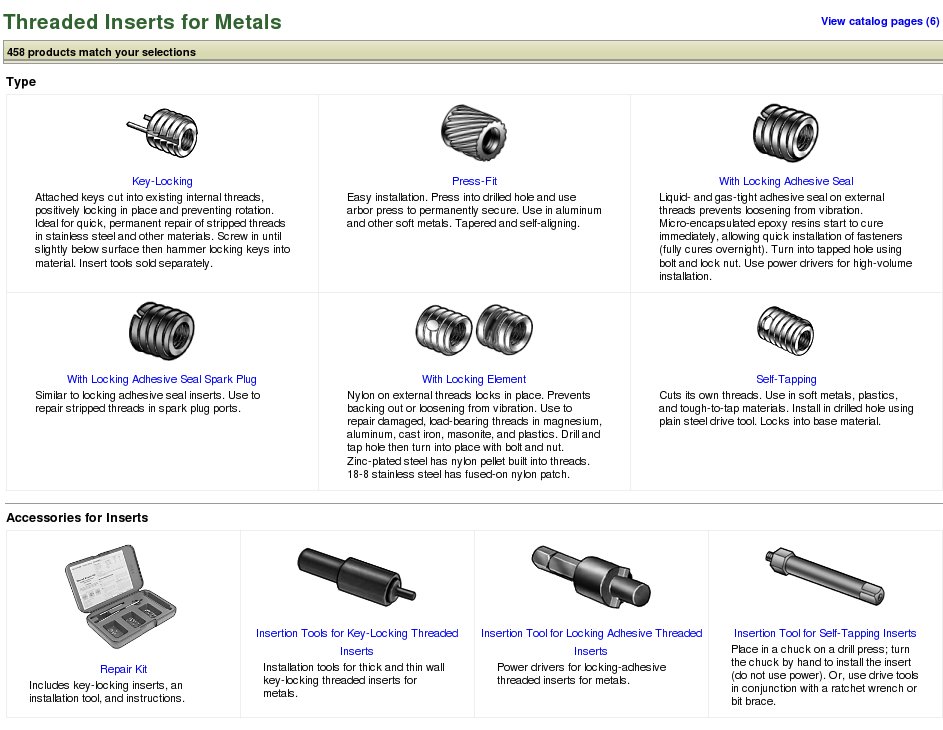
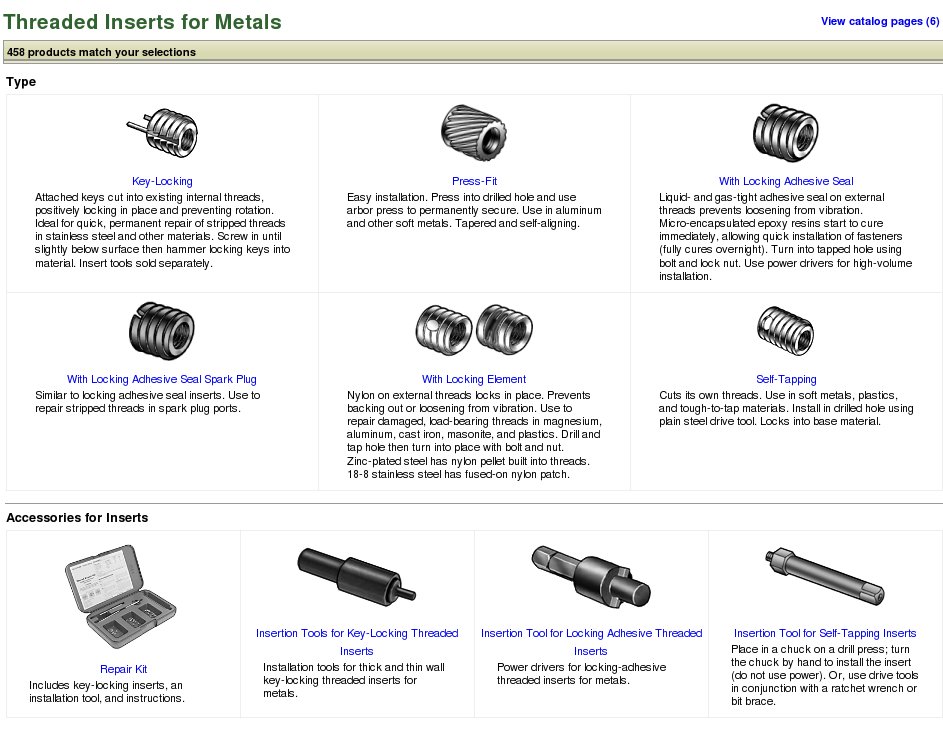
cool. Inserts in the Al or studs with a long thread in the Al to
prevent pulling the threads in the Al.
Dale Davies
I have an aluminum fitting on the RV4 PSRU adapter plate with a 4130
3/8 course thread eye bolt holding the entire empty weight of the
RV4. That is over 1000 pounds. The length of the threaded portion in
the aluminum is about inch and a half.
Paul Lamar
One and a half inch is good for that weight. It would hold much more.
The problem is the heat cycles and vibration with the bolts torqued
up. The clamp load needs to be maintained under working loads and
after many heat cycles. The bolts alone will not be sufficient if
the clamp load of the bolts goes away because the heat cycles
compressed the Al or pulled the threads out over time.
Dale Davies
If you are bolting one piece of thick aluminum to another the
temperature cycling is likely to cause a problem with threads as the
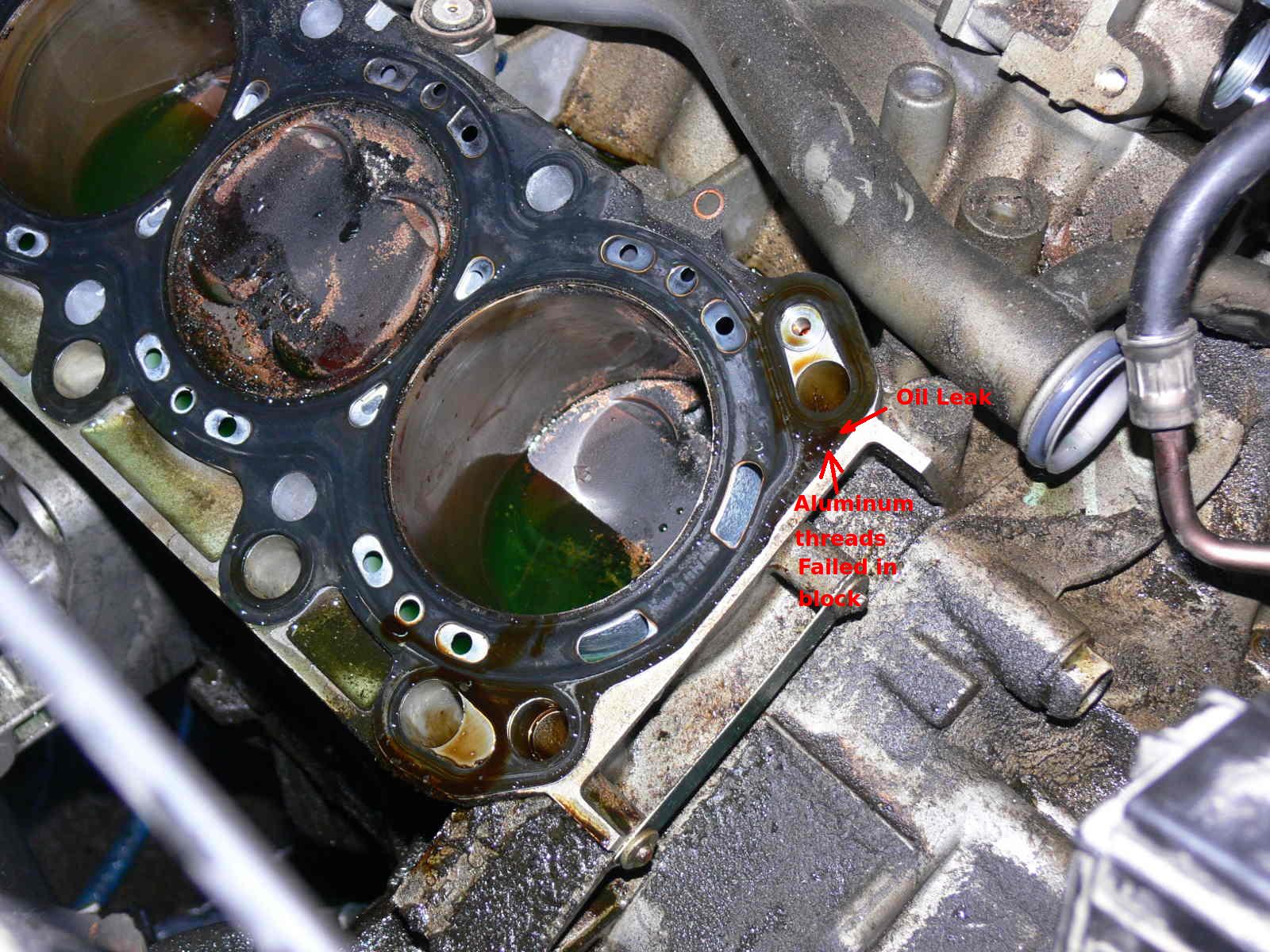
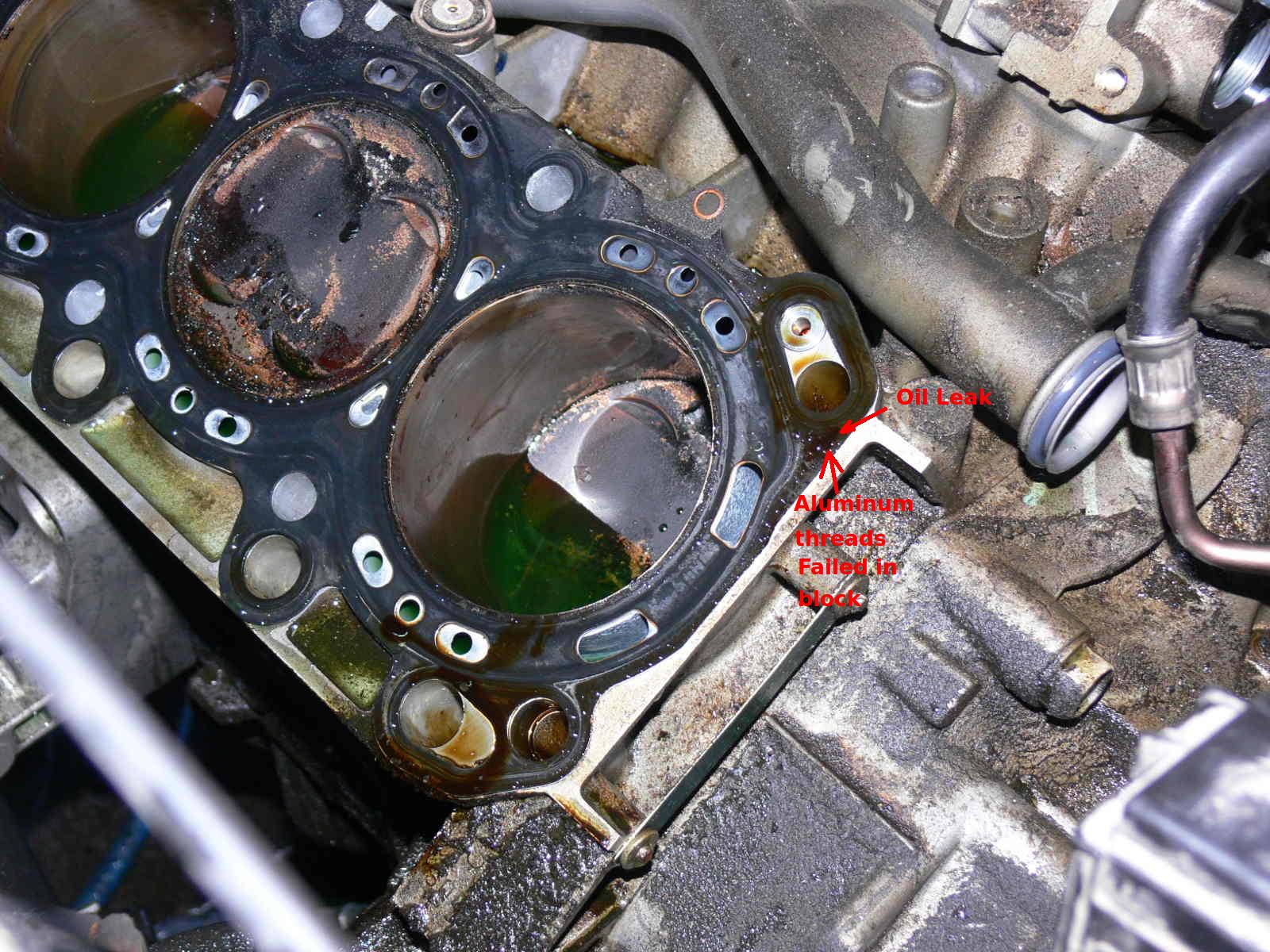
steel bolts do not expand along with the thick aluminum. My Honda V6
Odyssey had that problem with the head bolts. The heads were 4 inches
thick and the head gasket actually failed in the area of the overhead
cam shaft oil gallery causing a bad oil leak. Subaru's will have the
same problem. It took 8 years and 130,000 US miles.
In this case that it is not an issue as we are bolting a steel planet
carrier to an aluminum shaft. The steel bolt and the steel planet
carrier expand at the same rate.
In any event there is always thread inserts.
Paul Lamar
--
The Rotary Engine News Letter. Powered by Linux.
ACRE NL web site.
http://www.rotaryeng.net
You Tube key word PaulLamar2
Copyright 1998-2012 All world wide rights reserved.