Paul, It's been nice to have some time today to devote to learning about programing
in assembly language.  As I've read over some recent posts, I have a couple of
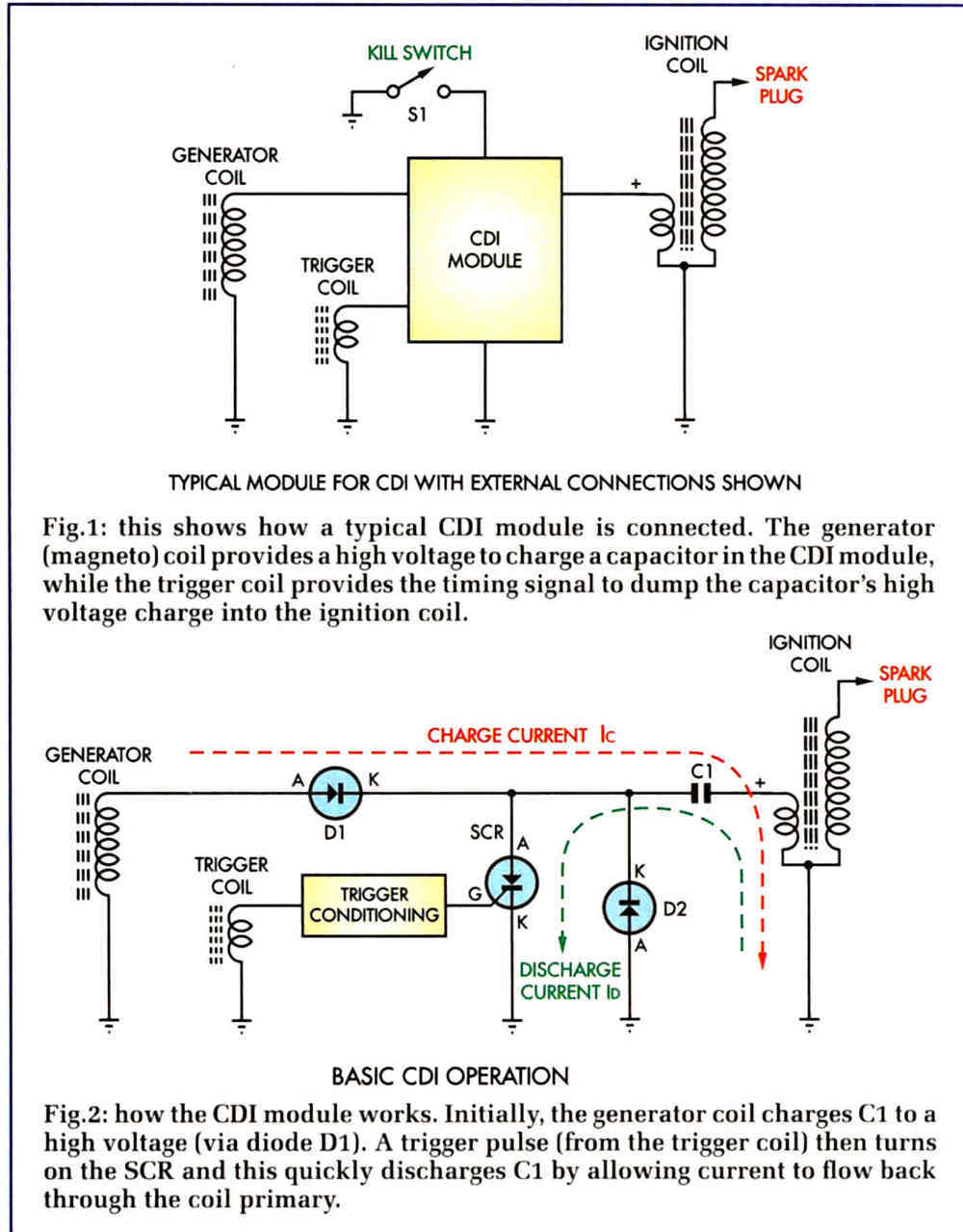
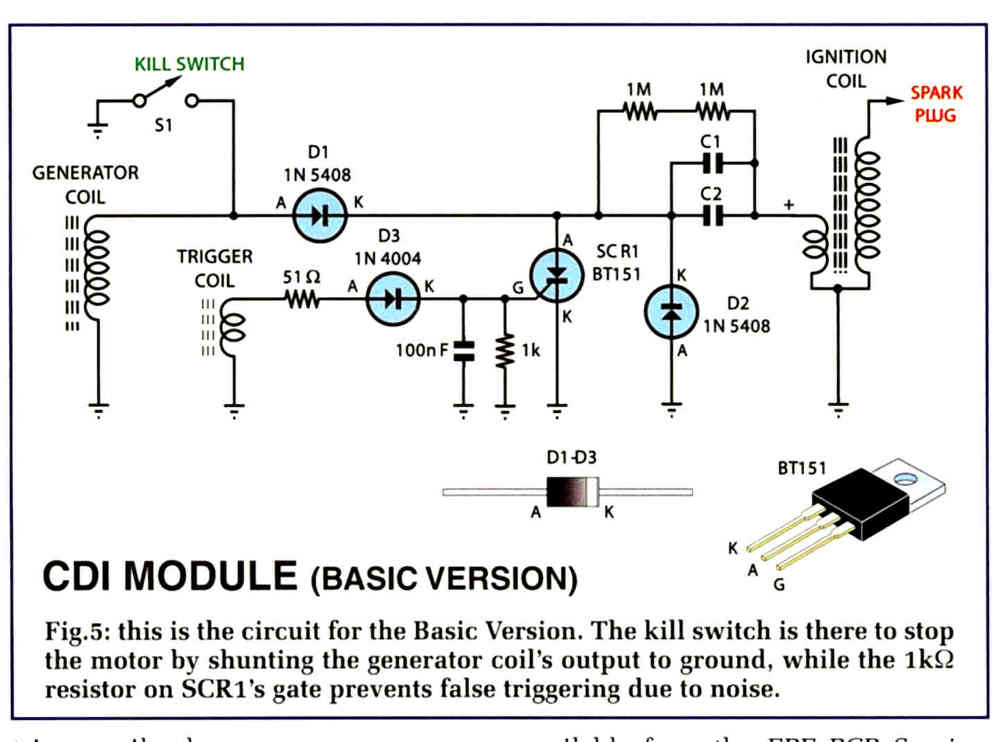
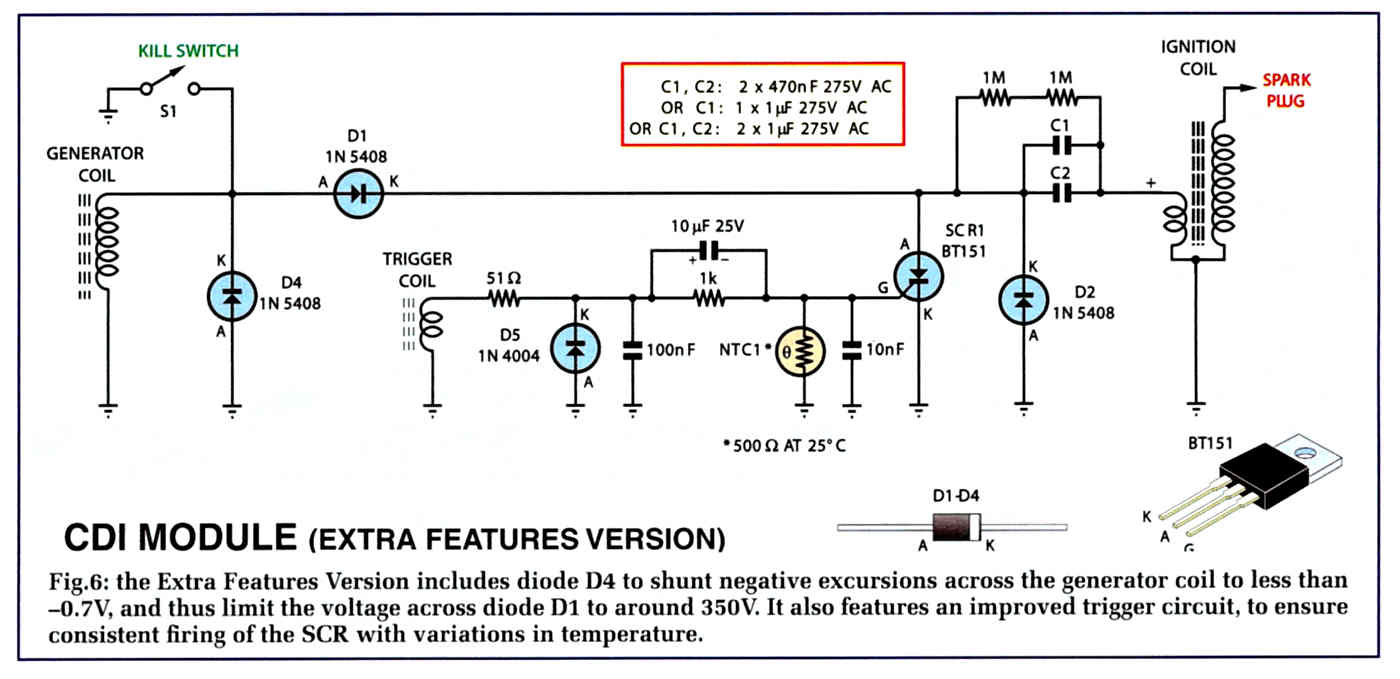
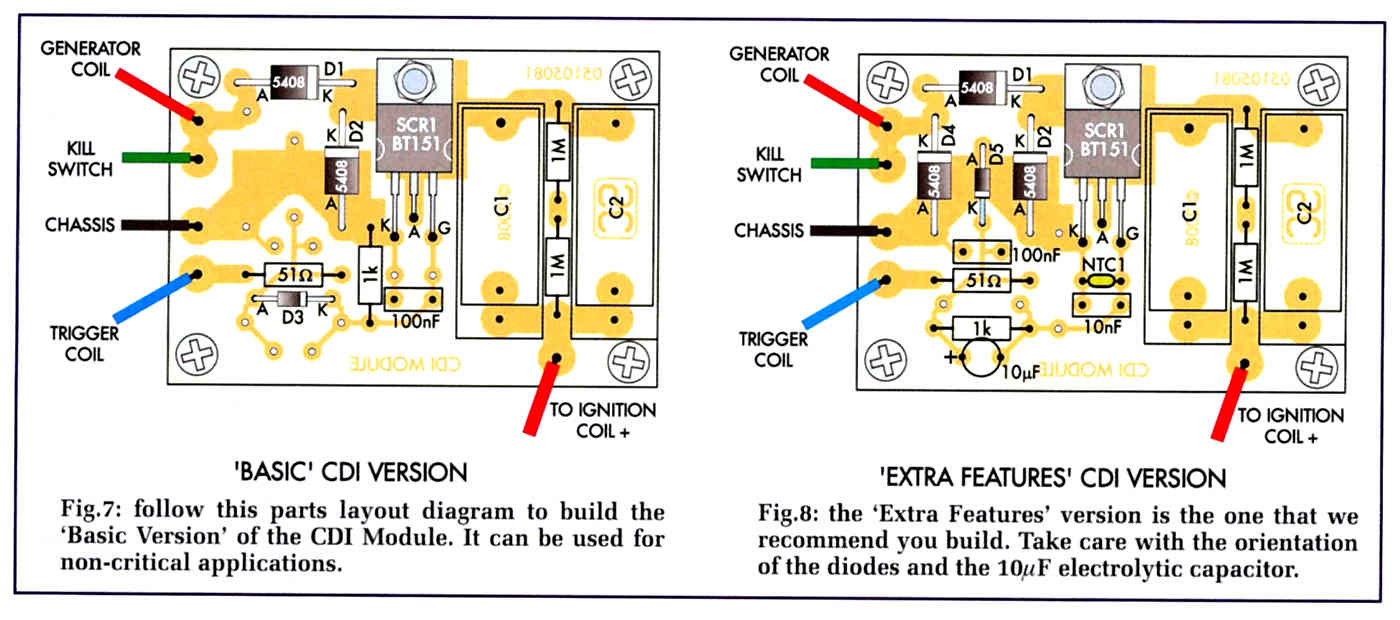
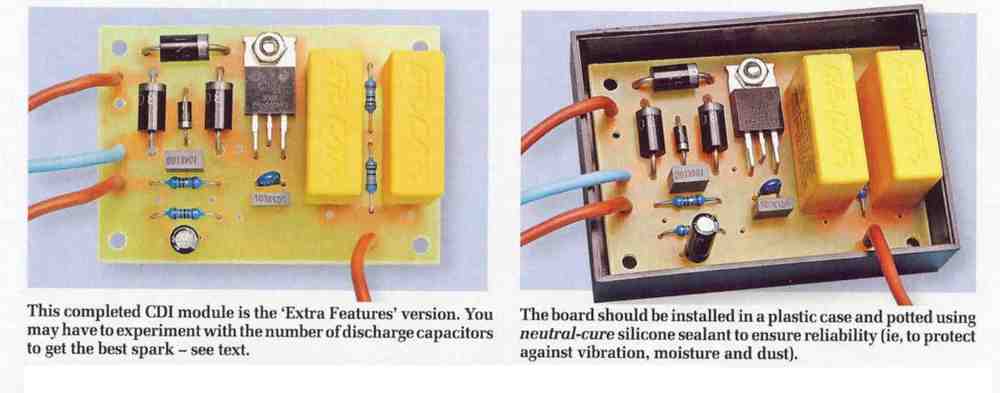
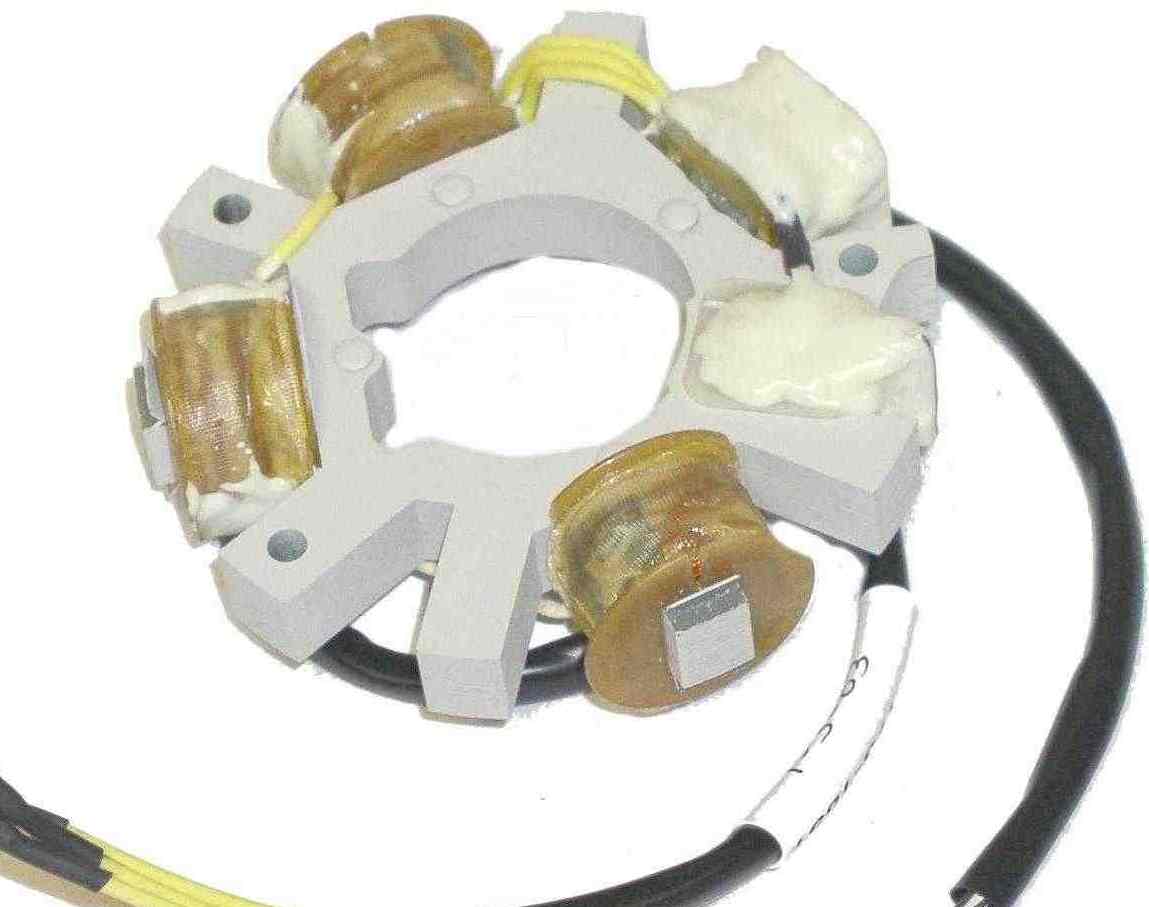
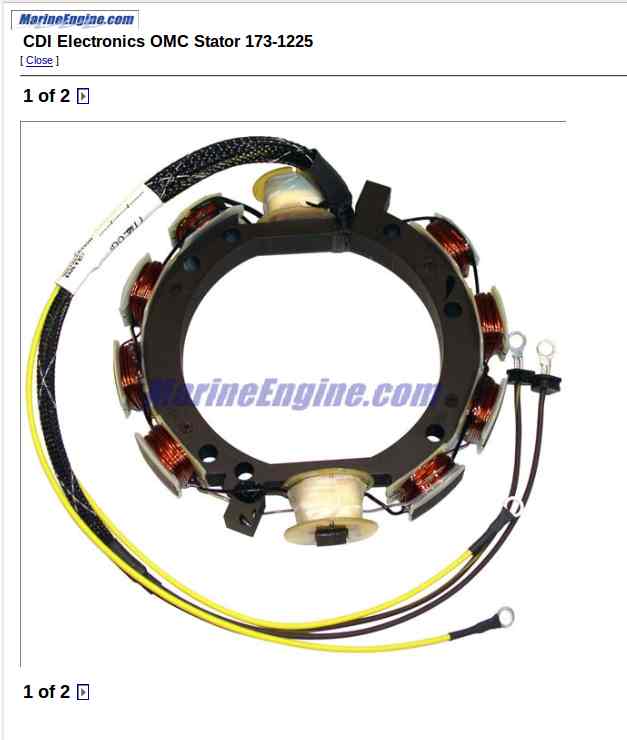
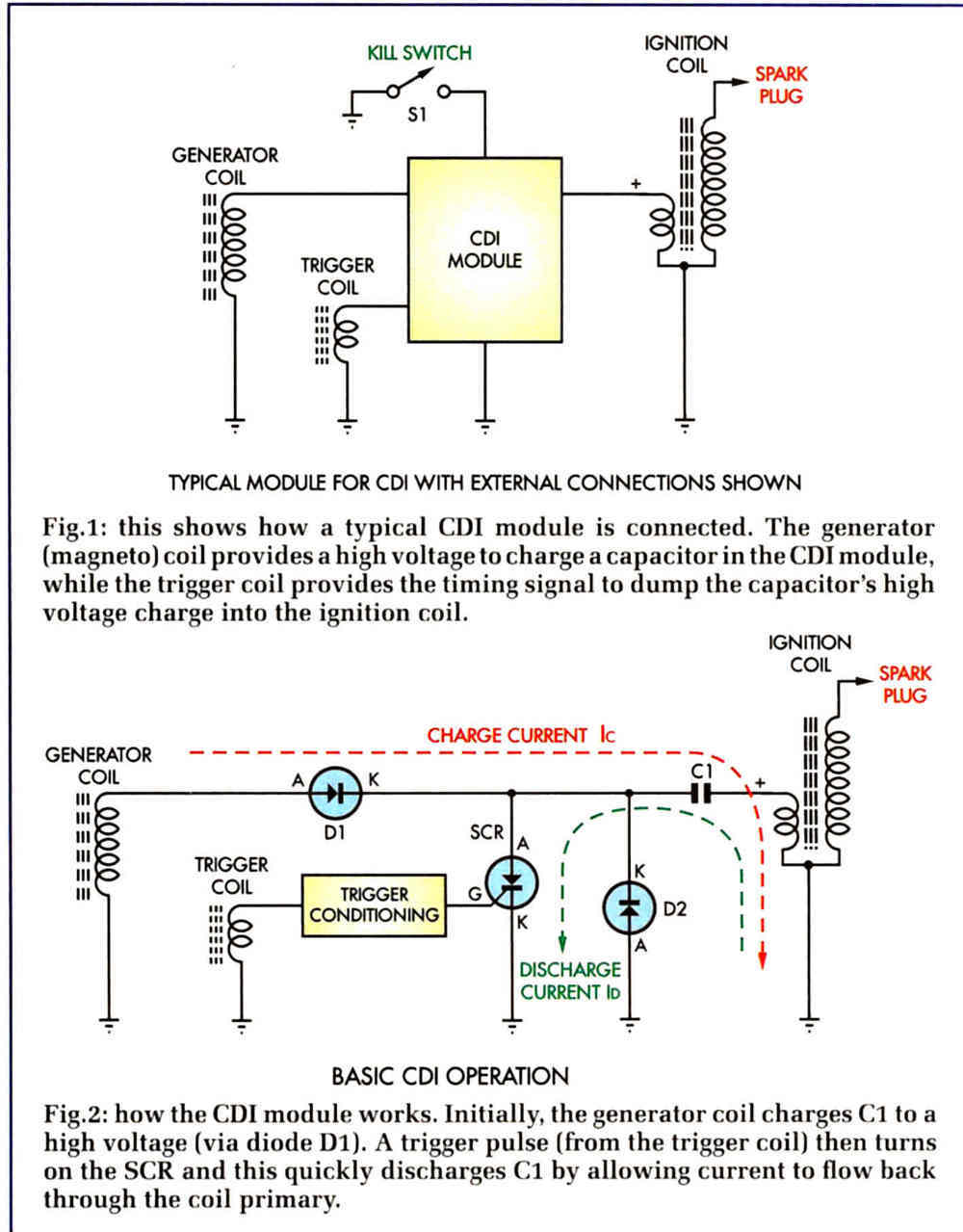
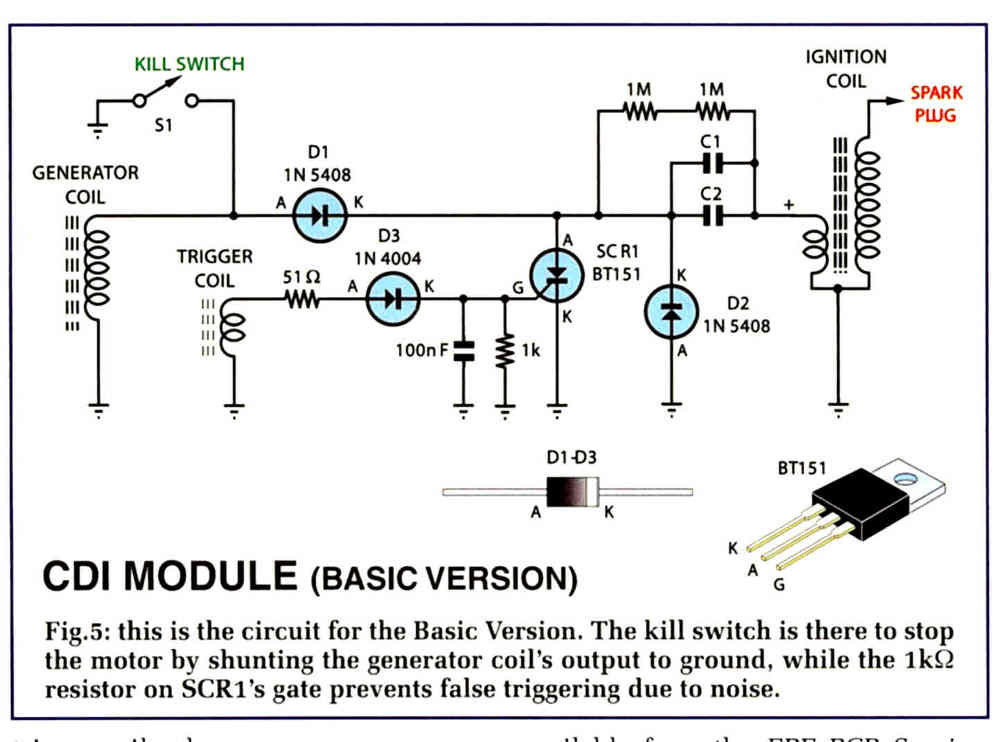
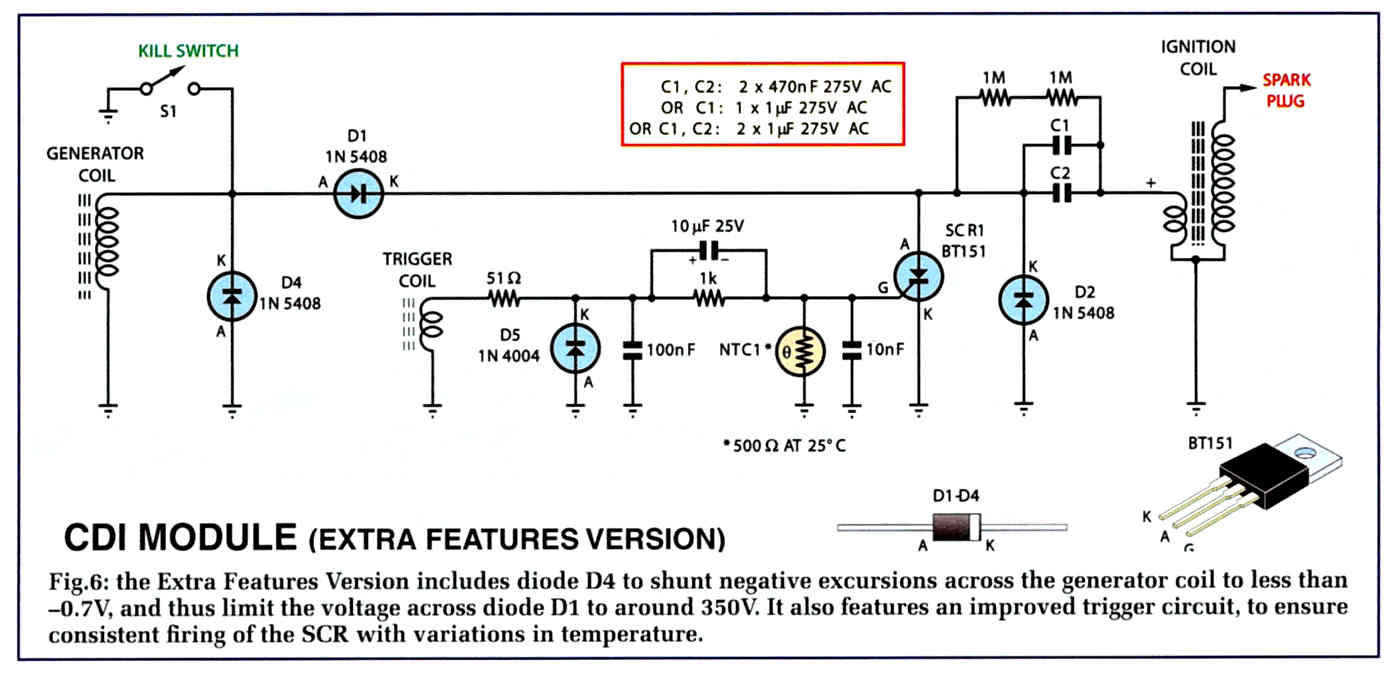
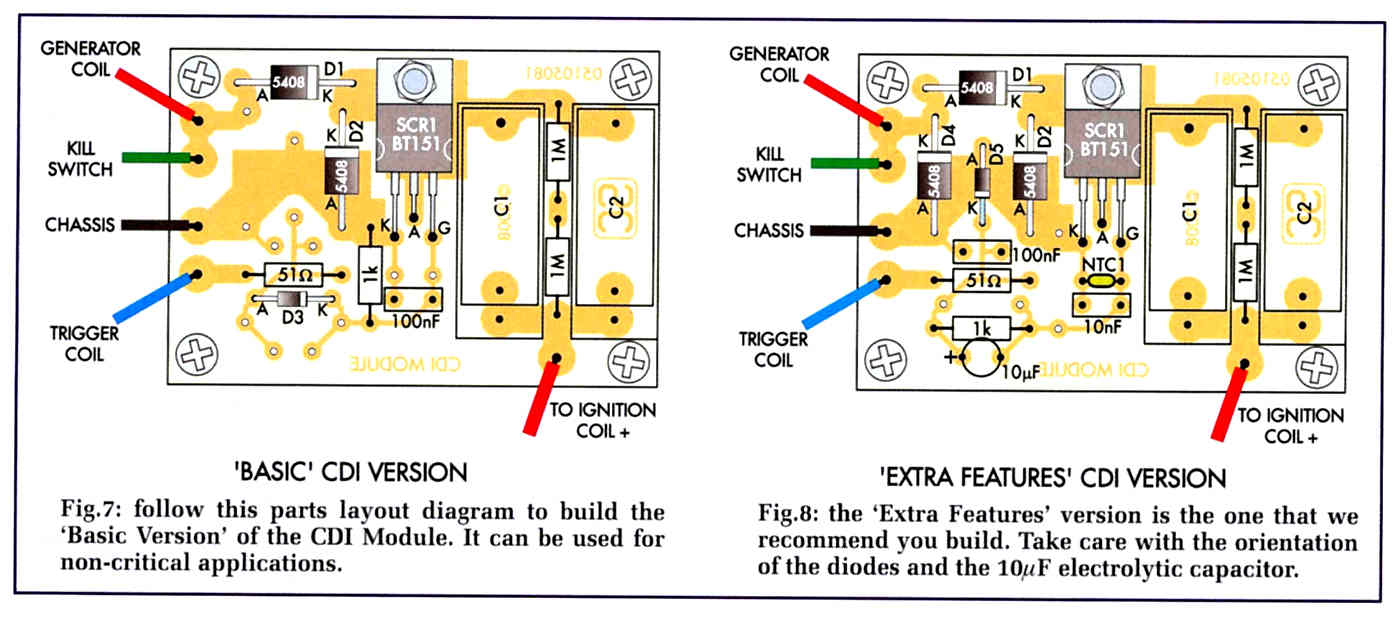
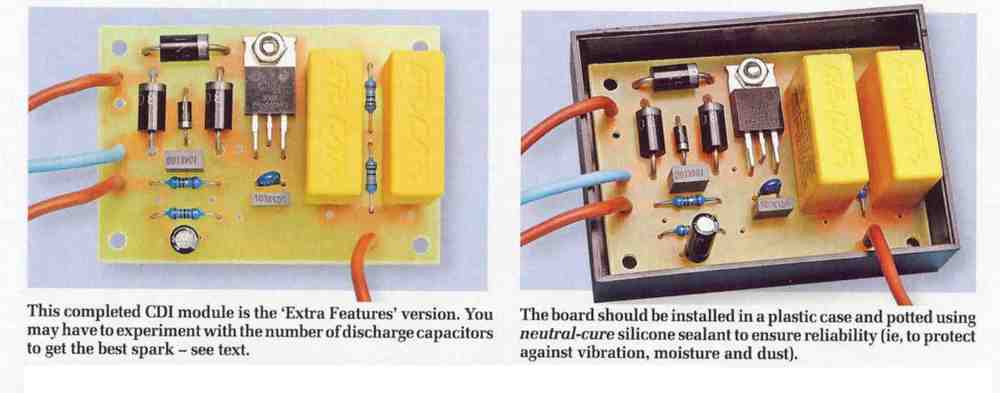
questions.  I am pretty much convinced that capacitor discharge is superior to coil
ignition for the high rpm we are dealing with, and I'm pretty sure that's the way I'd
like to go.

1. But, am I correct in assuming that issues of dwell time would not really have to
be accounted for in the software design if capacitor discharge is used (thereby
simplifying the programing needed)?


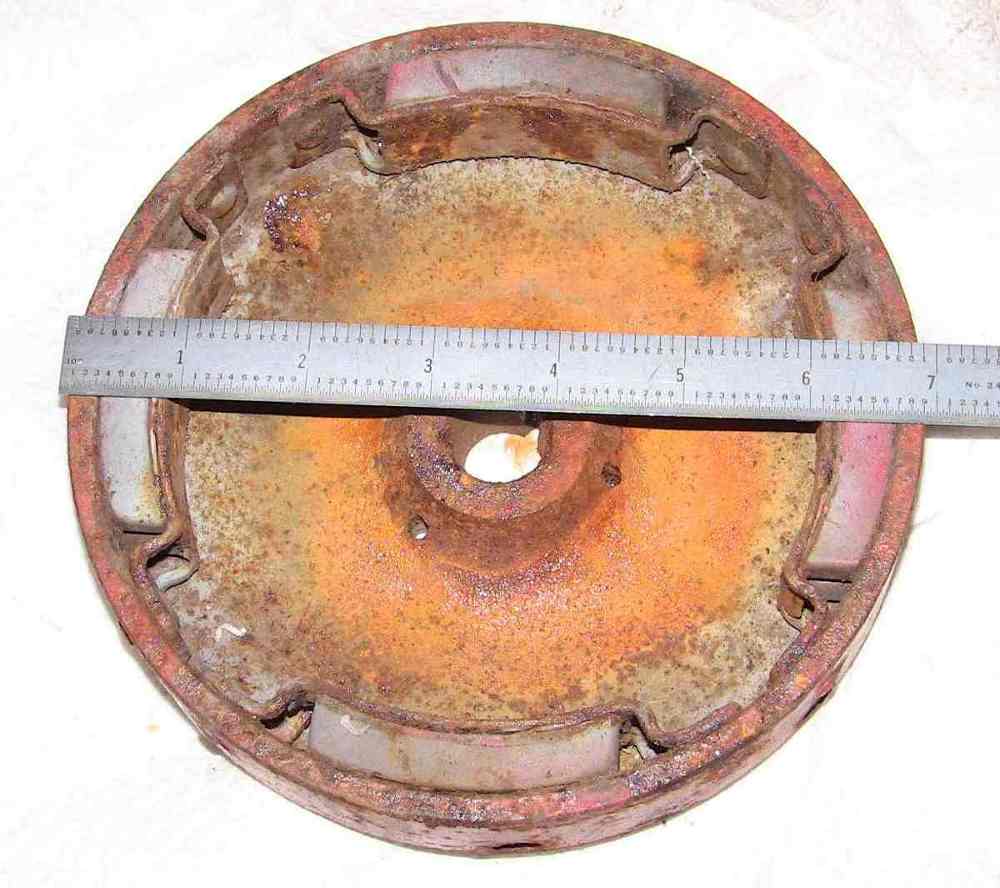
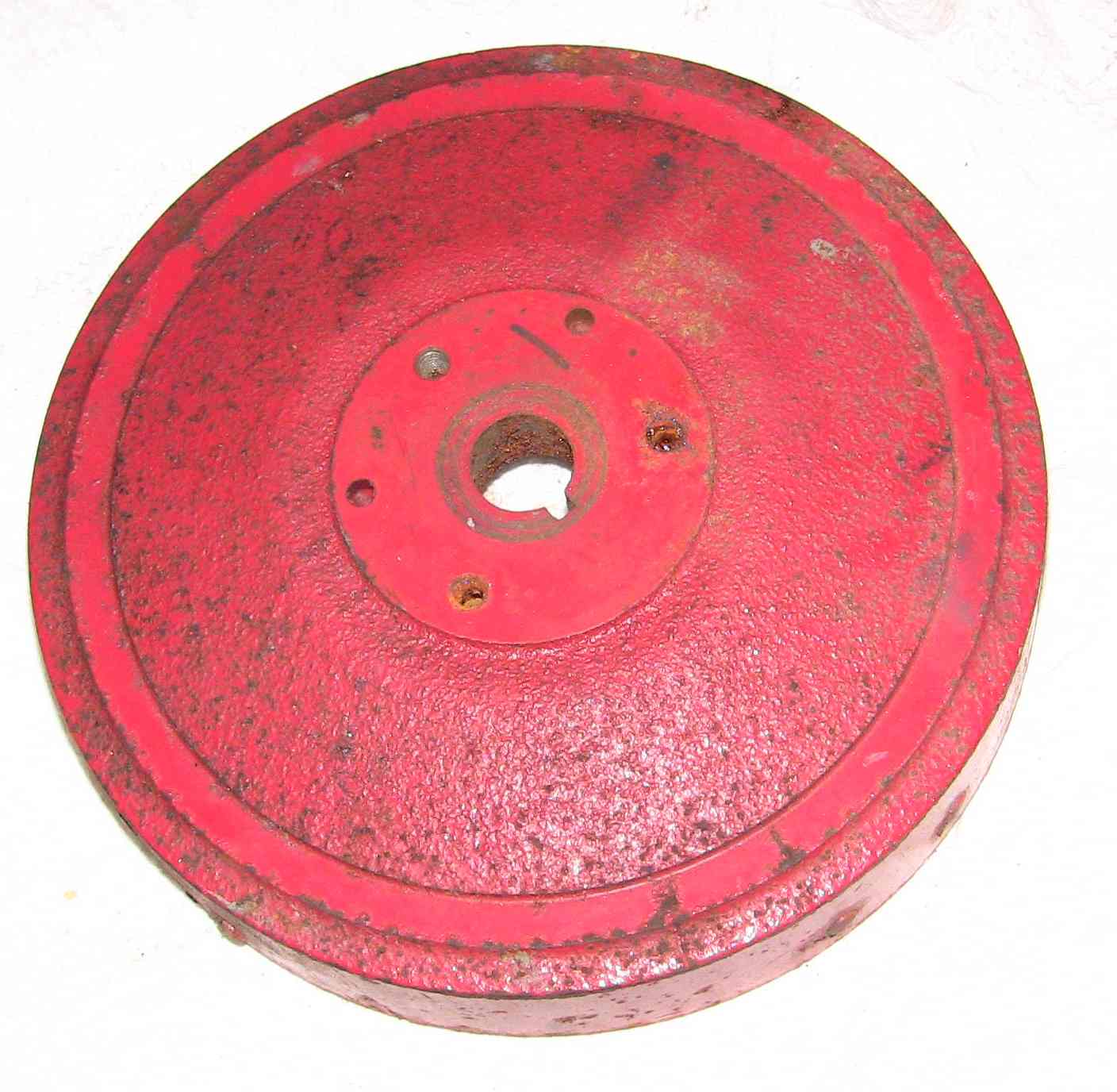
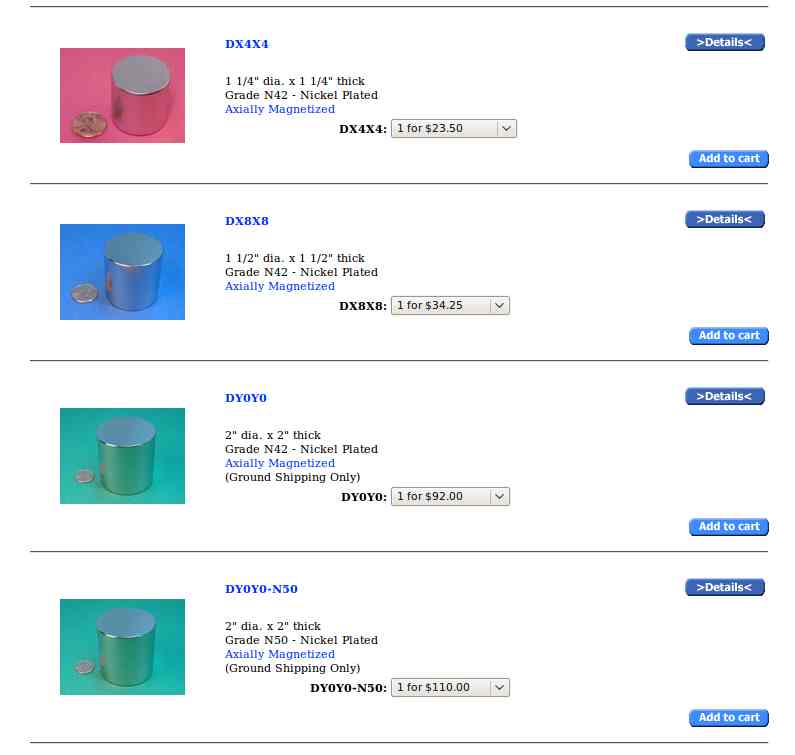
2. Second, would it be simpler, from a software perspective, to use a magnet fixed to
the flywheel (or in my case the gear at the prop end of the belt reduction-drive)
with a hall-effect sensor, as detailed on several other posts, to count rpm and
locate tdc or another useful reference, rather than counting gear teeth?  I assume
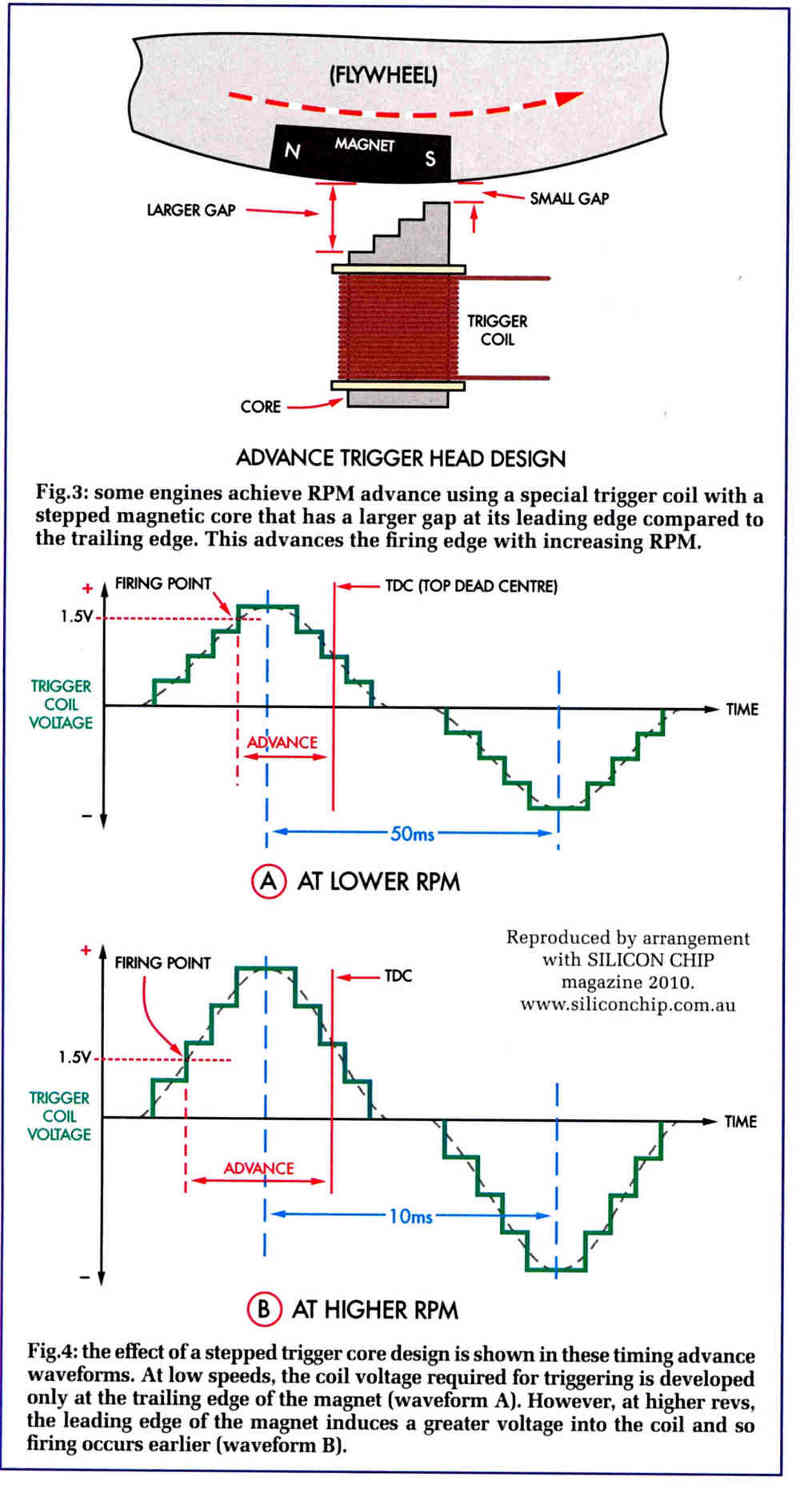
that advance has to vary depending on rpm as in recips, so all we are really looking
for is a way to locate tdc so the cpu has a reference.  The design of the reduction
unit is such that I could pretty easily mount a magnet and pick-up, so I was
wondering if that might be a simpler way for me to go. Thanks,Bob

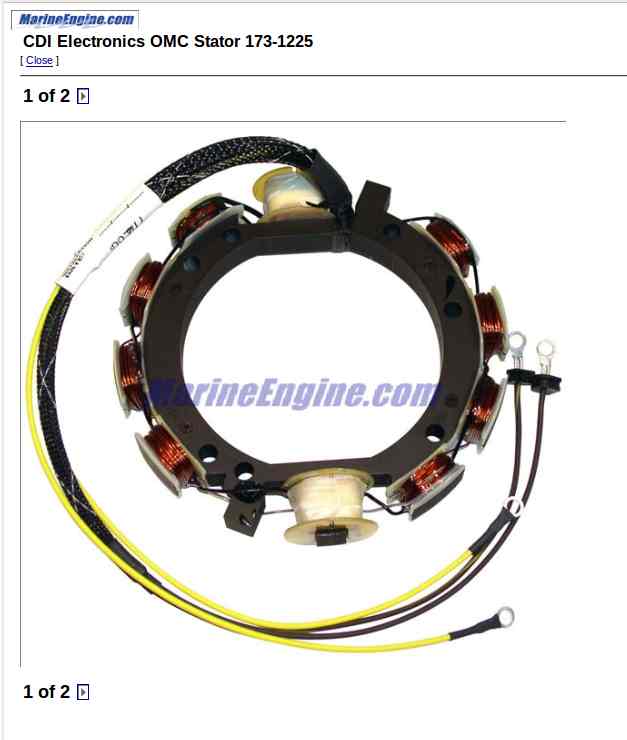
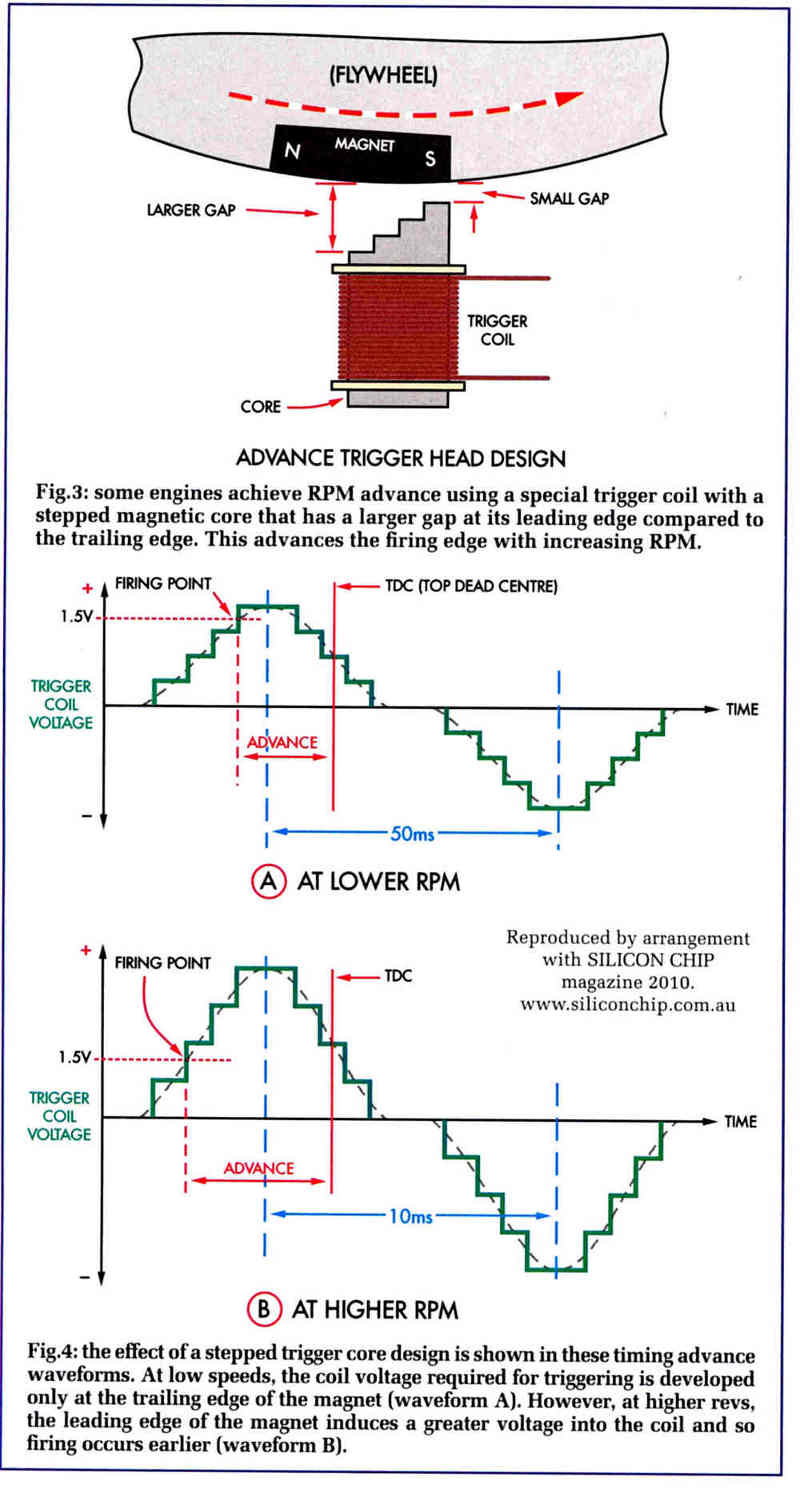
1. No doubt about it. That is the way most outboard ignitions work. Problematic is
vacuum  and RPM advance while the 8051 micro computer can deal with that easily.

BTW Part of the learning of 8051 systems with USB ports effort is the ability to
leverage off relatively cheap net books and tablets to display important engine info
in the cockpit. Intrinsic to the 8051 with USB ports is the ability to talk in both
directions. Not so important with ignition systems but much more important with EFI.

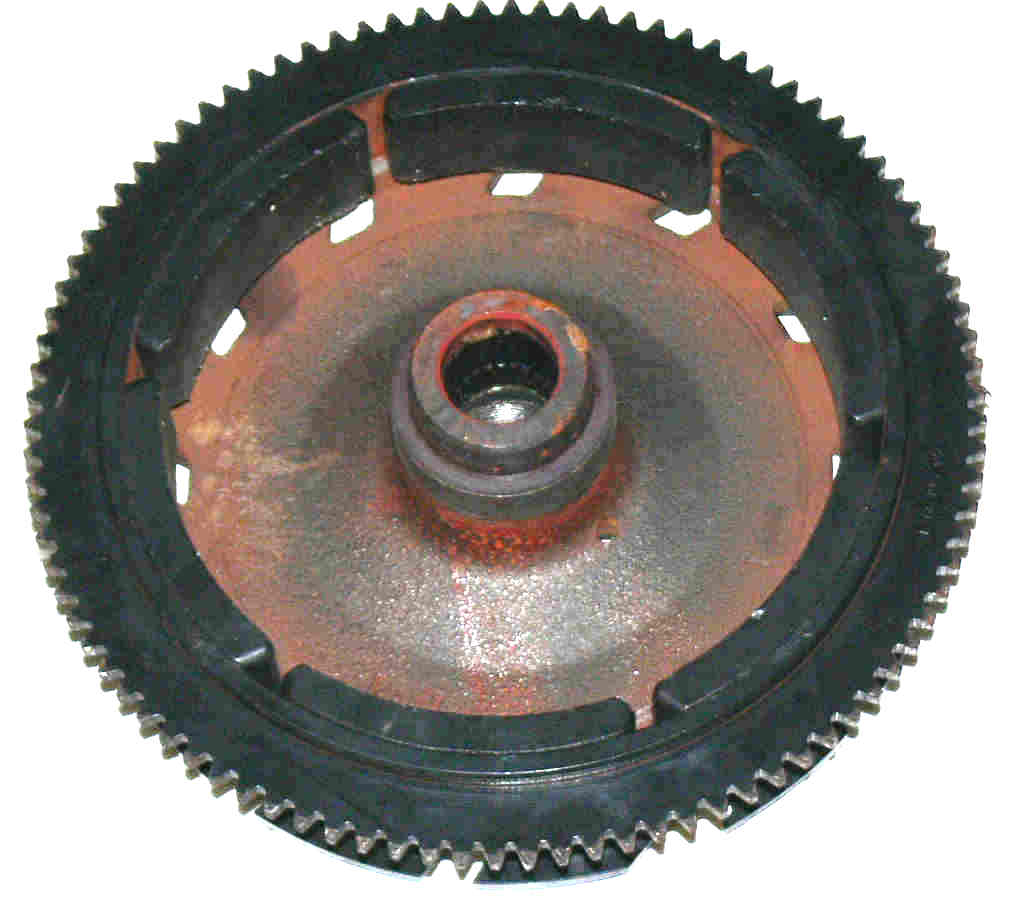
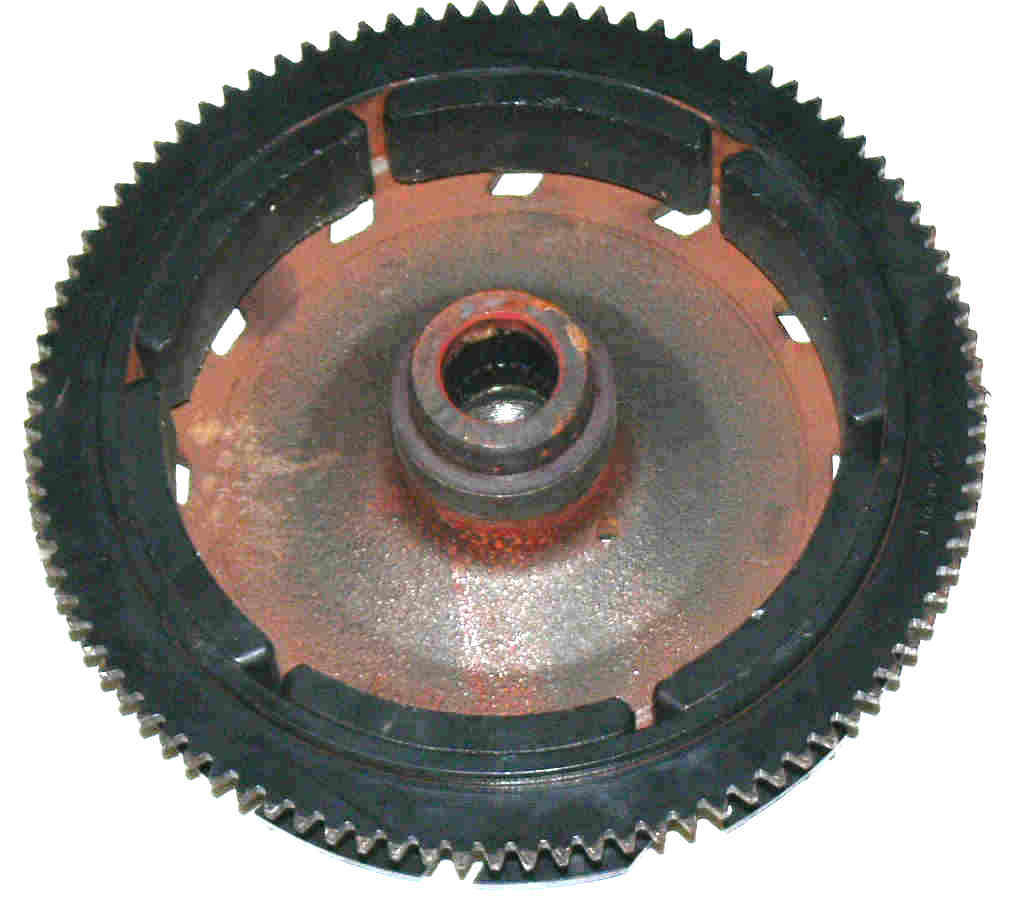
2. One can determine the RPM much quicker merely timing (using the 8051) the
occurrence of a flyweel tooth passing a mag sensor. One or two instructions. Mag
sensors for anti lock braking systems are about $20. The second function is knowing
the exact angle of the E-shaft for when to inject the fuel or fire the plug.

Calculating that in software by math methods makes the program far more complicated.
To determine shaft position you just count flywheel teeth. Each tooth is worth about
3.5 degrees of e-shaft rotation. We are adding hardware to simplify the program. In
this case hardware is cheaper than software.

Paul Lamar


--
The Rotary Engine News Letter. Powered by Linux.
ACRE NL web site. http://www.rotaryeng.net
You Tube key word PaulLamar2
Copyright 1998-2012 All world wide rights reserved.