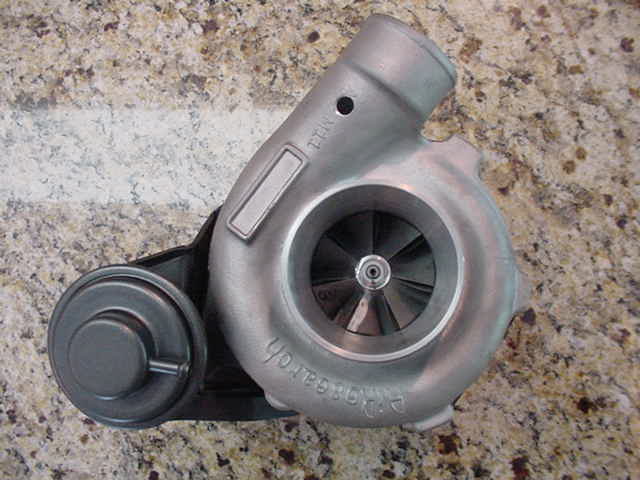
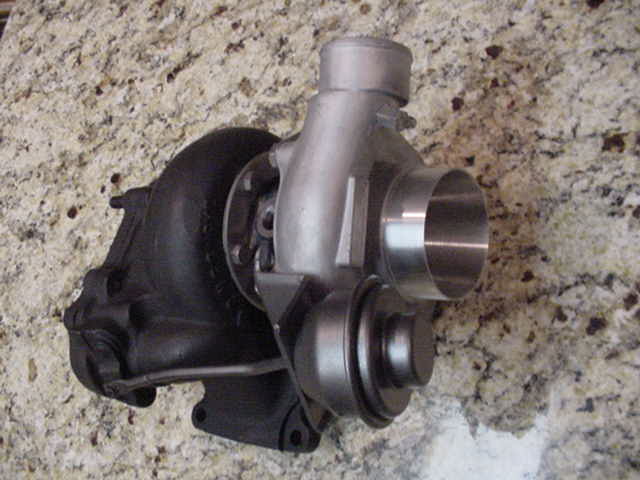
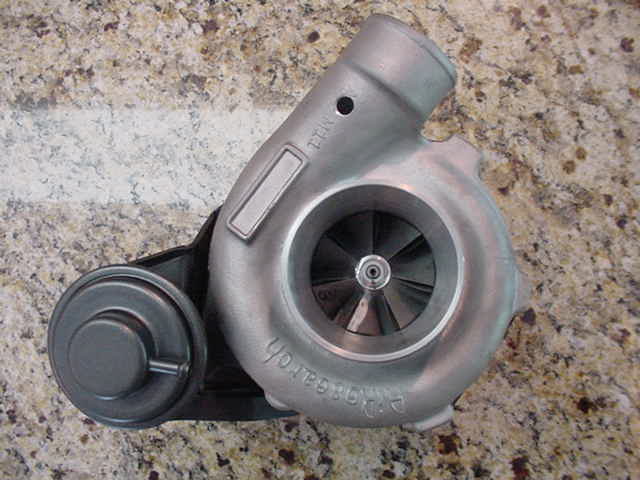
I have decided to use a turbo p-port 13b on my Wheeler. I have the core
engine completed and sitting on the engine mount at the moment. Before I
make the engine mounts, etc. and start laying out the rest of the engine
compartment I need to confirm a couple of things-

My plan is to have around 250HP or so (maybe a little more) and end up with
a modest boost at take-off power. The boost will be controlled to maintain
this power level if desired up at altitude.

1. The first question is about the intake runners. Is it necessary to
maintain the 18 inch length of the runners even if I run a turbo? Or, can I
run the turbo discharge into a plenum with just enough tubing to make it in
to the plenum after the throttle plates?

2. Is sufficient heat available from the cooling water (read heater core)
to provide cabin heat at high altitudes in cold weather. Here in FL heat
wasn't much of an issue other than having too much of it, but in the
Carolinas in the winter I have seen OAT below 0 at 12,500'. That's cold.  I
remember that the rotary uses the oil as a means to remove waste heat, so
would it be a better idea to use oil as a means to heat the heater core for
cabin heat?

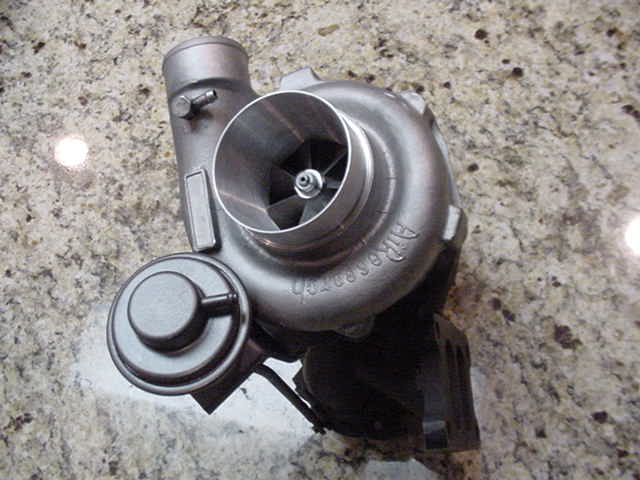
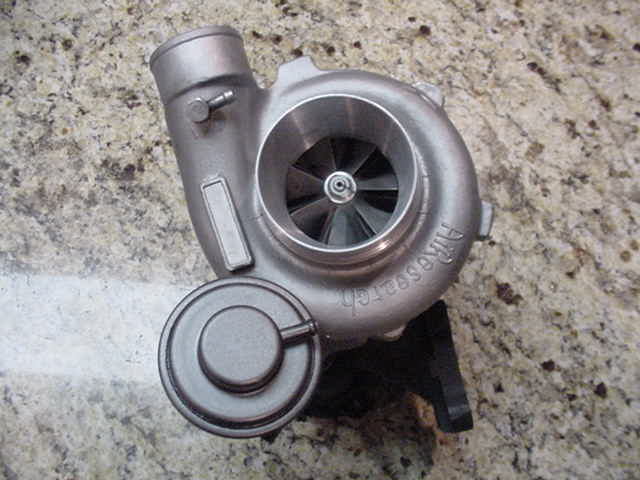
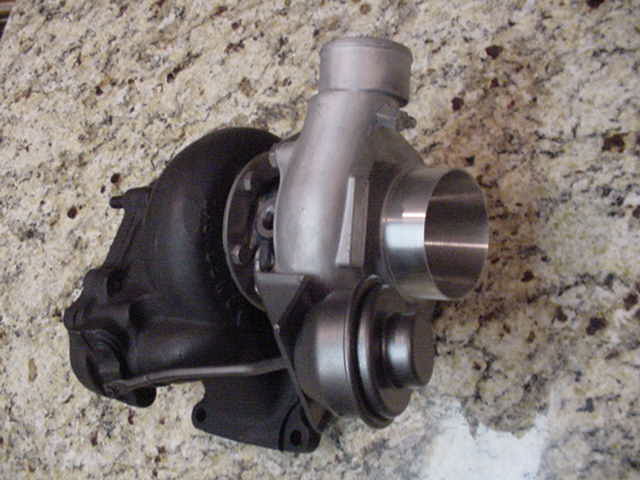
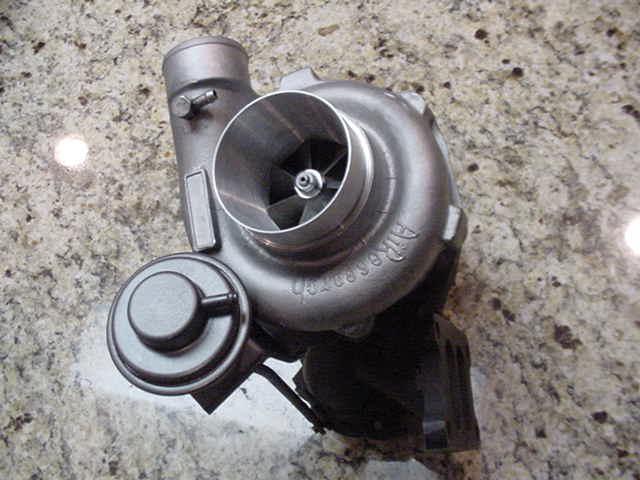
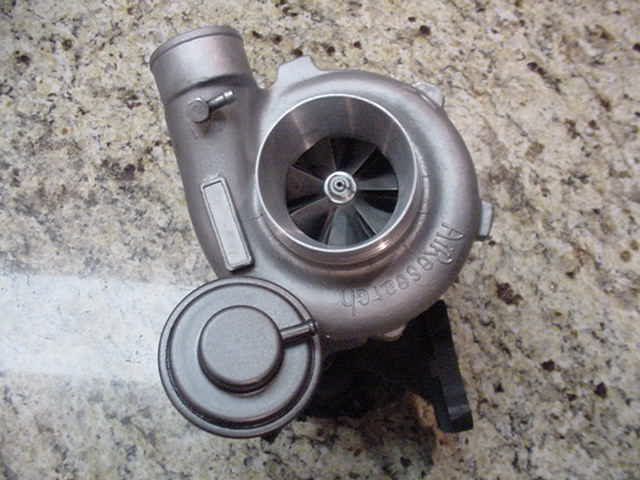
3. There has been a lot of discussion about turbos and getting them to live
longer than an hour or 2 with the rotary. I have found 2 types of turbos
that are described as "continuous running"- one has ceramic bearings and
the other has a "floating journal".  Advice here would be helpful- the
turbo I select will determine the exhaust header selection.  A model number
or something would be a great start.

Kevin Alderman

On the intake length the 18 inches are still an advantage with a turbo as during
the low boost phase there is still a breathing advantage. That translates to slightly
lower fuel burn per HP generated.

If you send me a sketch of the fire wall I'll do a 3D layout of the motor mount
and turbo installation.

The KIS  shown has a higher thrust line than most aircraft so the position of
the thrust line relative to the top of the firewall is important for 18 inch runner
clearance.

Paul Lamar

-----------------------------------------------------------------------
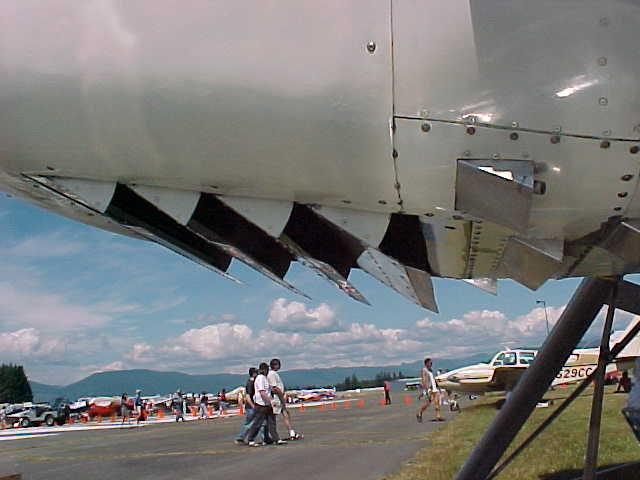
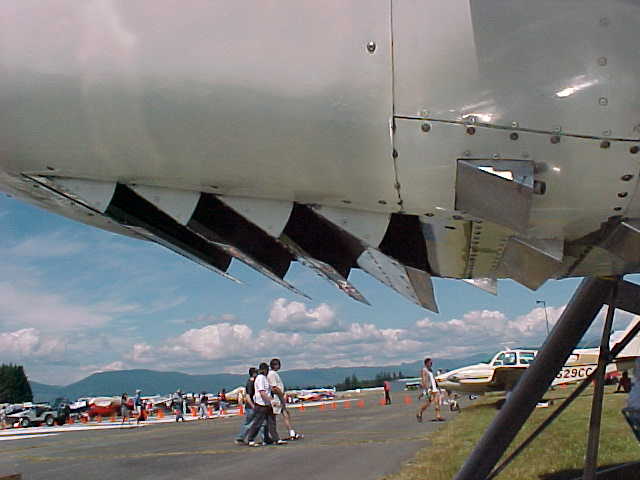
If you put cowl flaps under the rad and then duct the used cooling air to the cabin
it should be sufficient. The big problem with rotary aircraft turbo's has been the
1700 to 1800 F exhaust gas temperature.

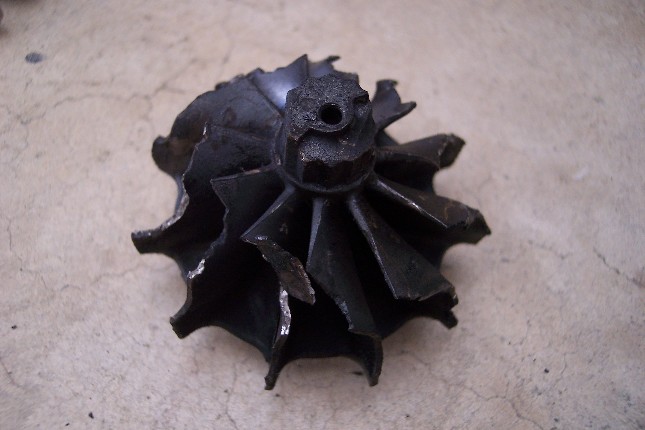
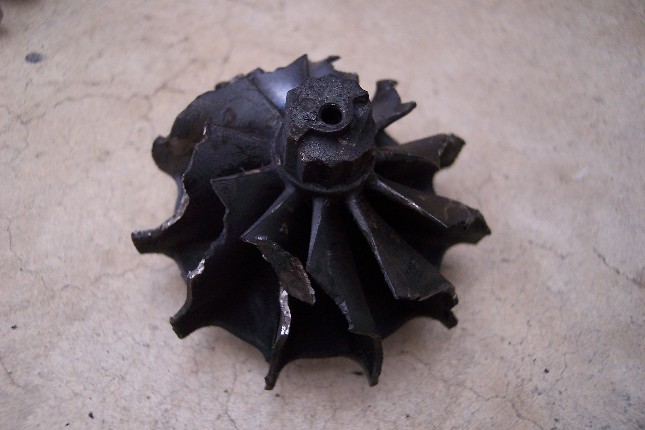
The blades on the turbine are thrown off because of a combination of extra high
rotary exhaust heat and high turbine RPM. A stock turbo charger tachometer from
Garrett solves the problem by putting a 80,000 RPM red line on the turbo charger.

Dave Leonard is now getting some good results with a BNR modified stock 1991 RX7
turbo by going 230 MPH in an RV6 at Reno last year. The side intake manifold is a bit
crude so you will do much better with a p-port.


Paul Lamar
-------------------------------------------------------------------------------
From: David Leonard <wdleonard@gmail.com
Date: Sat, 19 Nov 2005 17:39:30 -0800

Actually that can apply to the turbo as well. When I was n.a. it was no fun to lean
too aggressively because then power dropped off too much and I couldn't keep up with
the other RV's.  With the turbo I can then just give some more throttle to make up
for the power lost with leaning the engine.  The reduces energy losses at the
throttle body and allows for good power in addition to being well LOP.

BTW, don't forget that there is an optimum mixture ratio beyond which additional
leaning causes the BSFC to go back up again.  I'm not sure exactly where that is, but
it is somewhere 100-150 deg LOP.

Just got back from a great day of formation practice with the SoCal Van's Air Force.
 Great fun!  Tracy, I'm not sure what you did with my computer update, but with just
a little more tweaking it finally seems to lock on!  Idle is improved, and in
particular idle while moving fast is improved.  I didn't have to touch my mixture
knob all day!! (I used to have to make constant adjustments)  I am talking start up,
to shut down, periods of flight idle, ground idle and flying at altitude - never
touched the mixture knob.

There was no way I could do that before the upgrade, even after LOTS of tweaking of
the EC2.

I have it tuned so that at idle I see about half scale on the mixture meter.  But
when I give it power it quickly drifts off the lean end of the scale.  This keeps my
EGT's less than 1650 and my fuel burn about like the lycomings.


 BNR Supercars 393 Coupland Rd.
Branchville, AL 35120   (205) 640-1193
BNRsupercars@yahoo.com / AIM: BNRsupercars

The compressor is a 60-1 and the turbine is a TO4 clipped to fit in
 the stock housing.  With the wastgate open can only make about 30" MAP
at that altitude, but I can't use it all because my prop is not big
enough.  I hit 6700 engine RPM but I didn't feel comfortable
staying there.  I plan a catto 3-blade in the near future.


Dave Leonard
Turbo Rotary RV-6 N4VY

-----------------------------------------------------------
Dave now has the 3 blade.

I suspect a stock TO4 would work as well.

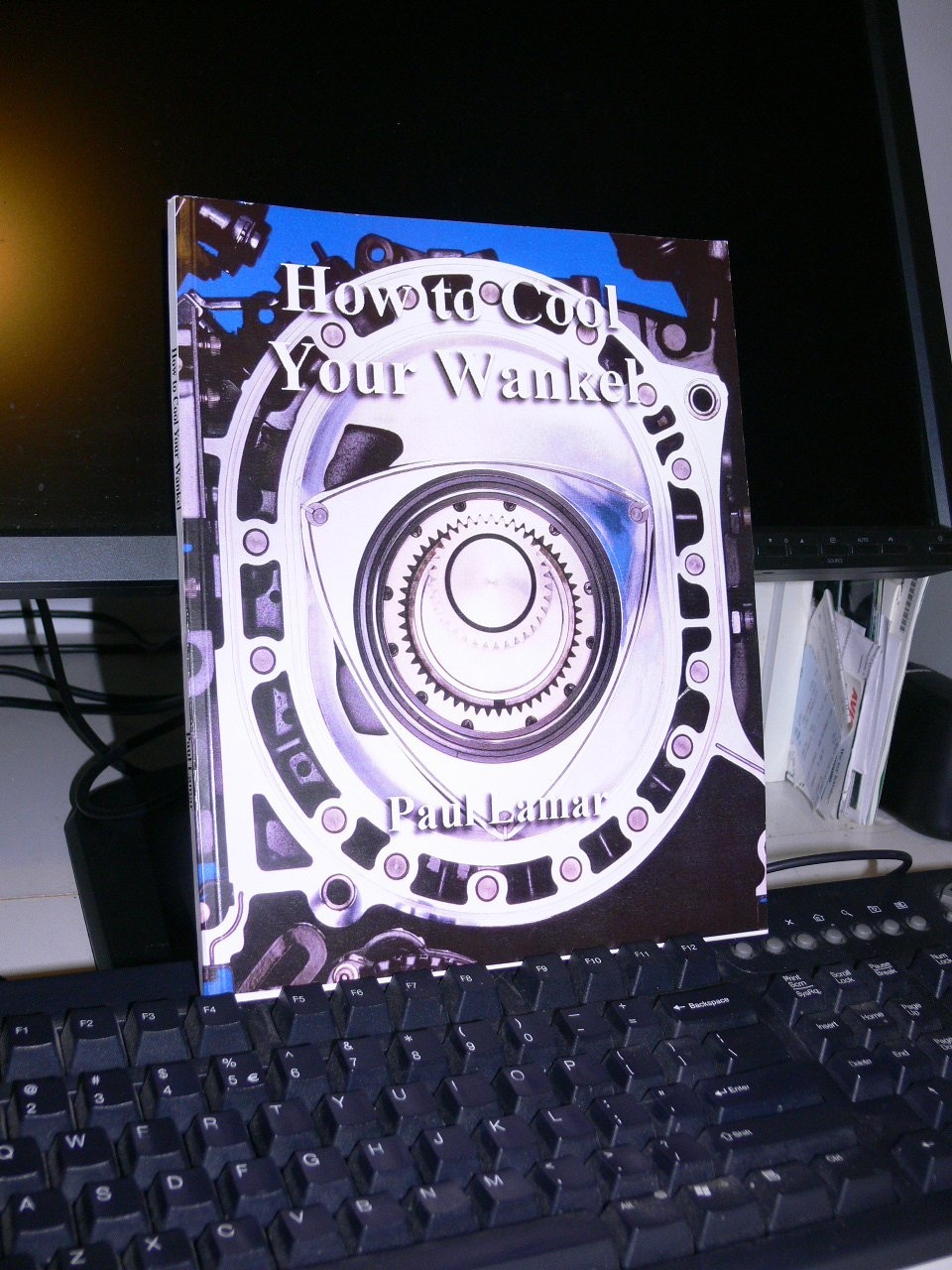
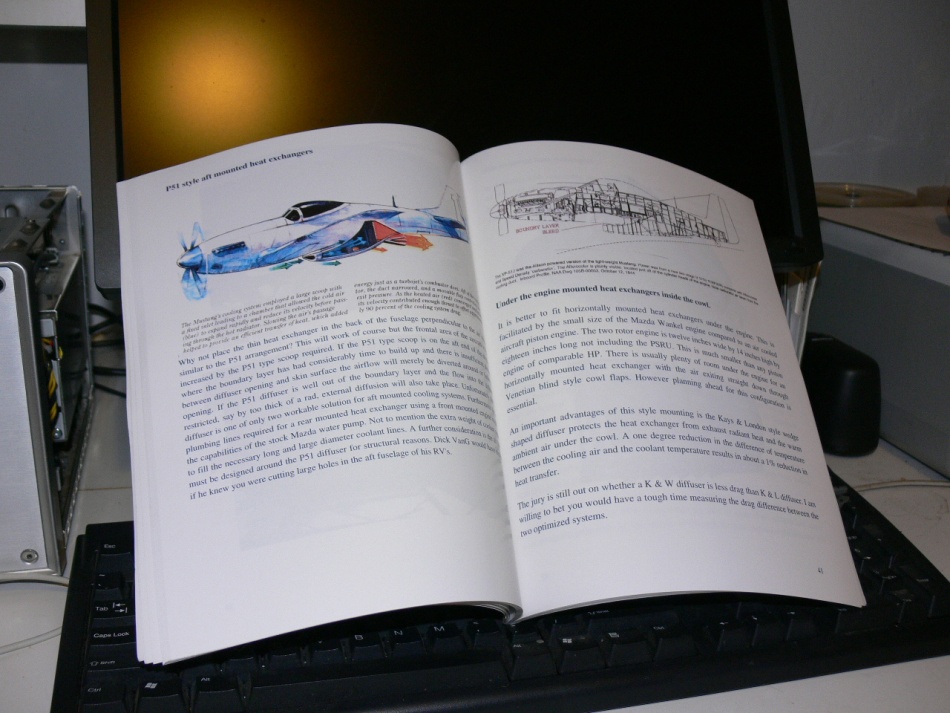
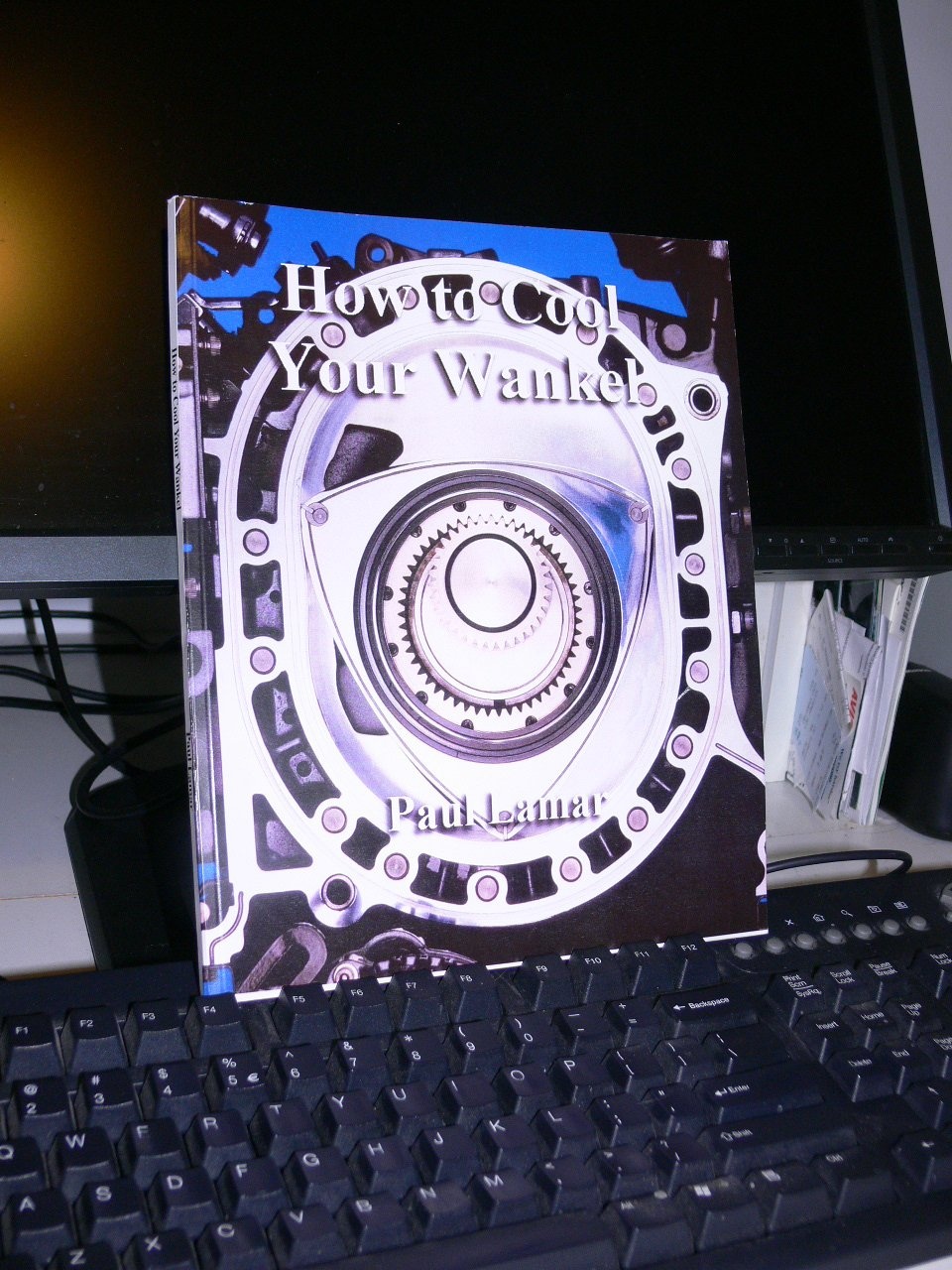
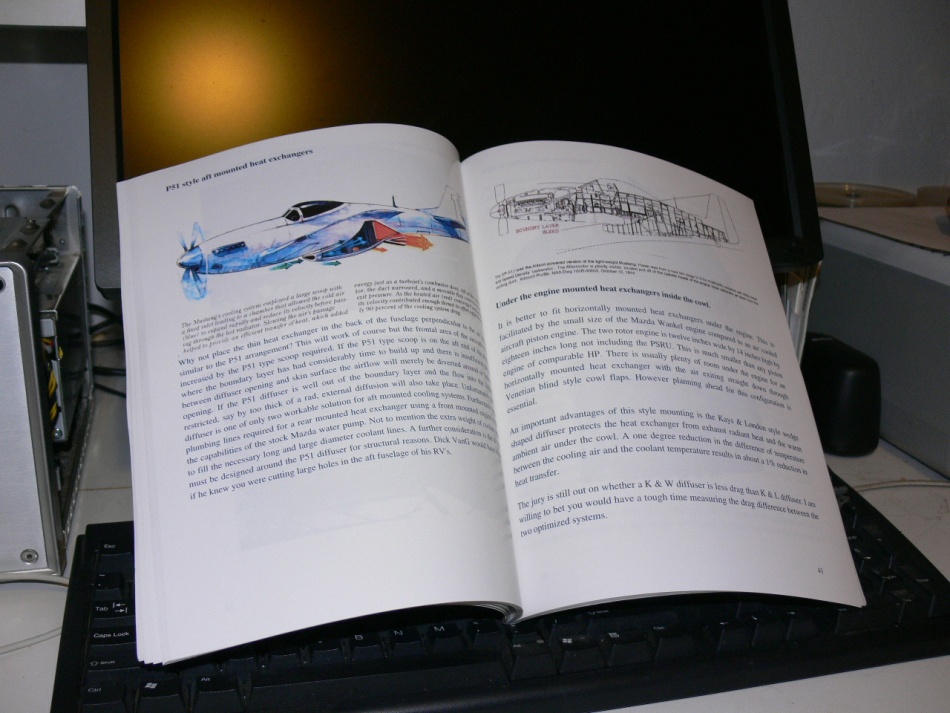
BTW if you don't have my book "How To Cool Your Wankel" it is a good investment
for only $30 cash money. Free mailing.

Paul Lamar
830 E Santa Maria St
Suite 303
Santa Paula CA
93060

No checks, MO or CC's. Cash only. send it certified if that bothers you.

Paul Lamar


The Rotary Engine News Letter. Powered by Linux.
ACRE NL web site. http://www.rotaryeng.net
You Tube key word PaulLamar2
Copyright 1998-2012 All world wide rights reserved.