I have decided to use a turbo p-port 13b on my Wheeler. I have the core
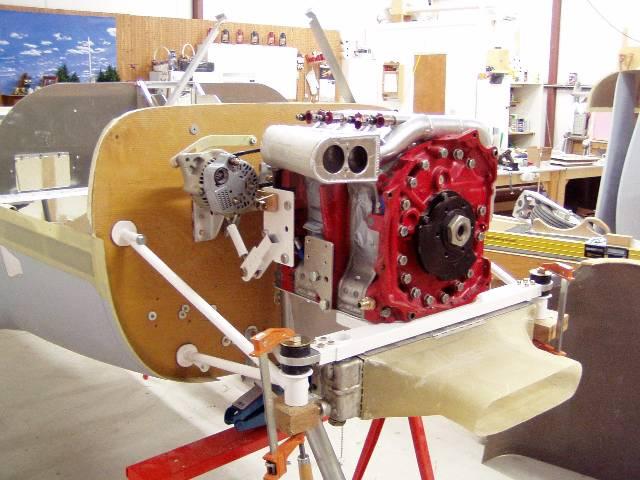
 engine completed and sitting on the engine mount at the moment. Before I
 make the engine mounts, etc. and start laying out the rest of the engine
 compartment I need to confirm a couple of things-

 My plan is to have around 250HP or so (maybe a little more) and end up with
 a modest boost at take-off power. The boost will be controlled to maintain
 this power level if desired up at altitude.

 1. The first question is about the intake runners. Is it necessary to
 maintain the 18 inch length of the runners even if I run a turbo? Or, can I
 run the turbo discharge into a plenum with just enough tubing to make it in
 to the plenum after the throttle plates?

 2. Is sufficient heat available from the cooling water (read heater core)
 to provide cabin heat at high altitudes in cold weather. Here in FL heat
 wasn't much of an issue other than having too much of it, but in the
 Carolinas in the winter I have seen OAT below 0 at 12,500'. That's cold.  I
 remember that the rotary uses the oil as a means to remove waste heat, so
 would it be a better idea to use oil as a means to heat the heater core for
 cabin heat?

 3. There has been a lot of discussion about turbos and getting them to live
 longer than an hour or 2 with the rotary. I have found 2 types of turbos
 that are described as "continuous running"- one has ceramic bearings and
 the other has a "floating journal".  Advice here would be helpful- the
 turbo I select will determine the exhaust header selection.  A model number
 or something would be a great start.

 Kevin Alderman

 On the intake length the 18 inches are still an advantage with a turbo as
 during
 the low boost phase there is still a breathing advantage. That translates
 to slightly
 lower fuel burn per HP generated.


 If you send me a sketch of the fire wall I'll do a 3D layout of the motor
 mount
 and turbo installation.

 The KIS  shown has a higher thrust line than most aircraft so the position
 of
 the thrust line relative to the top of the firewall is important for 18
 inch runner
 clearance.

 Paul Lamar


I am using the Viking mount that I have- the Viking is 4 inches narrower
than the Wheeler but that was a minor modification.  The problem at the
moment is the thrust line and the cowl that came with the plane. When the
engine is centered up I only have 1 inch or so between it and the cowl on
top. I measured my Connie and the only way it would have worked is because
the high point is at the extreme rear at the mags. The mags would have been
about 1/2 inch from the cowl. I can get more clearance by lowering the
thrust line, not my first choice.

The later Wheelers have a conventional tail not the cruciform tail that I
have- and the thrust line is about 2 inches lower. I assume that the tail
had something to do with placement of the thrust line. The only recurring
complaint about the CT Wheeler is that it has low tail authority on
landing. Moving the propwash and thrust line down might make this worse.

The good news is that my cowling is 46 inches long- which gives me about a
half acre under the cowl for the engine. The 13B looks quite small naked
under there at the moment. I have the plane blocked up at the spar, and
with the engine sitting in place I still need 100 lbs just to get a neutral
CG. With that info, I need to get as much of the engine done as possible
(hanging parts on it) so that I can get my WB right.
Which means turbo, etc. is up on the list.

I have reservations about using the cooling air ducted into the cockpit.
The cowl flaps that you showed are under the plane at the exhaust- and any
exhaust leakage particularly under the cowl would be directed into the
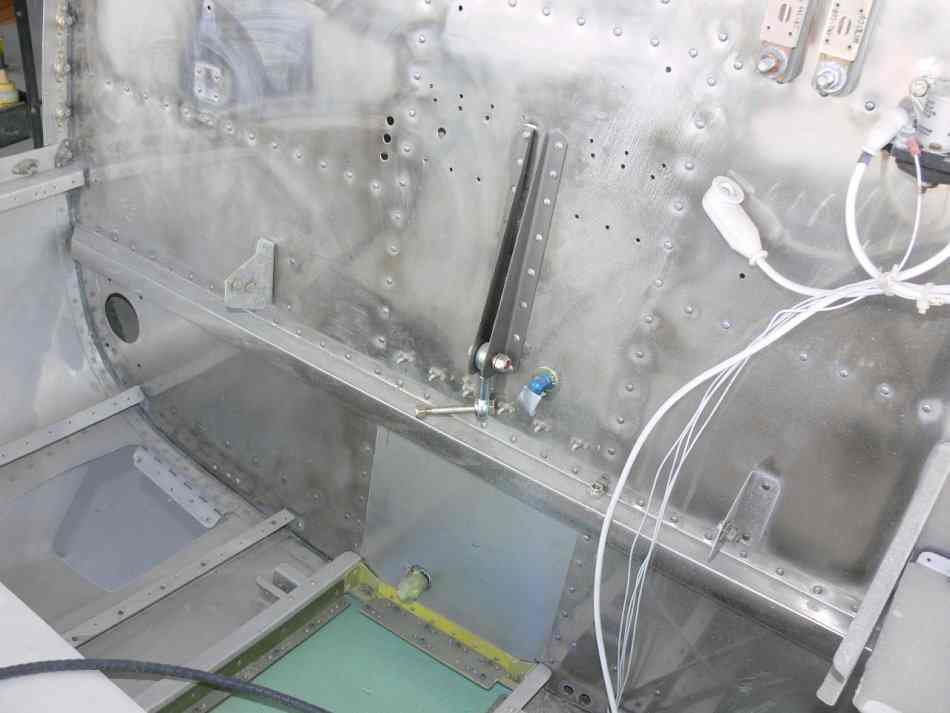
cockpit. My ventilation is through NACA vents on either side of the plane
well away from any exhaust. The air from these vents will be ducted through
air vents to the passengers, or can be diverted through an RX8 heater core
mounted behind the panel.

Kevin Alderman

Yes I can see that you have less clearance under the the cowl than a KIS cruiser.
That rules out the 18 inch up and over intake runners. I assume you are using the
Viking nose gear as well. Moving the thrust line down without moving the entire motor
down would affect the prop clearance as well of course.

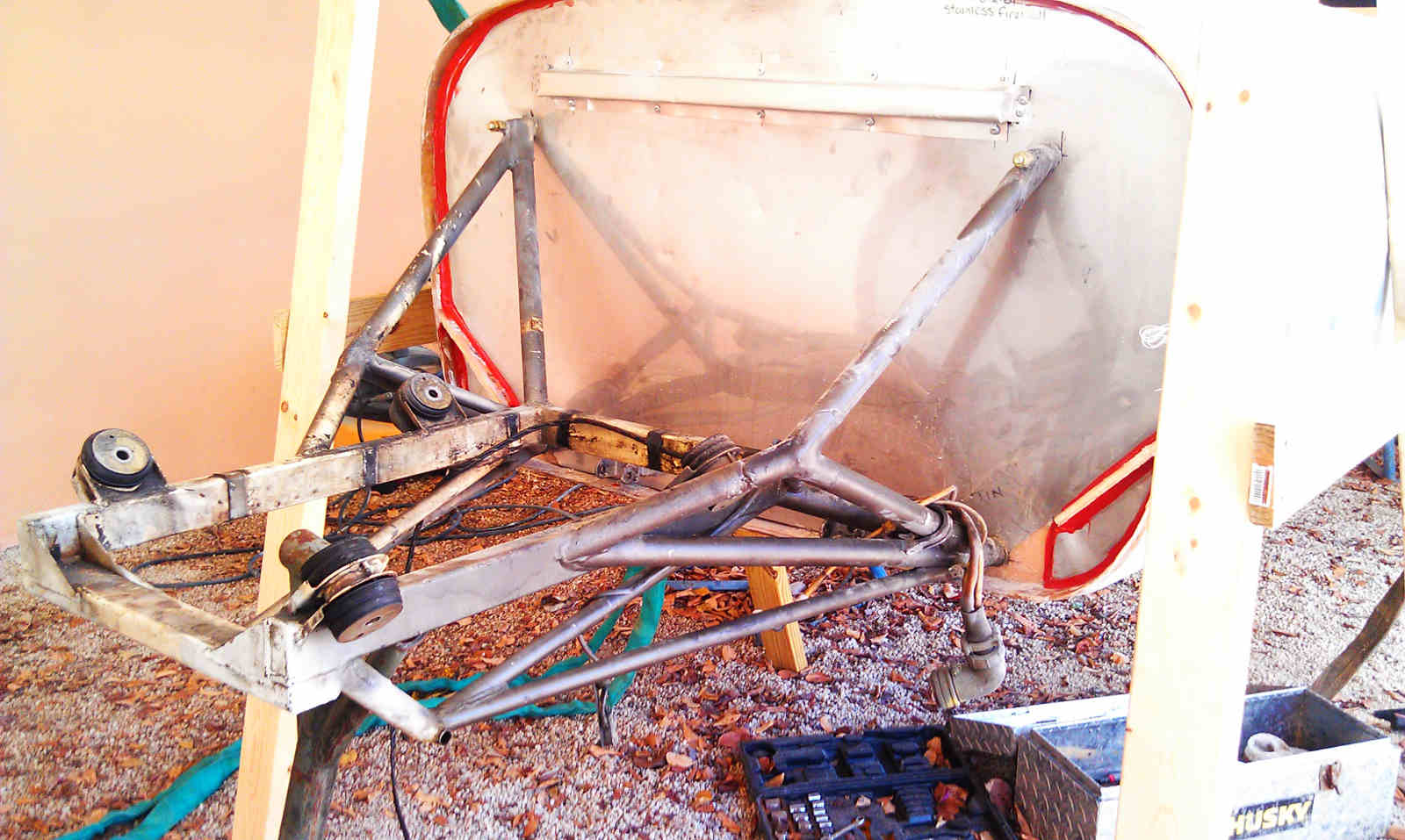
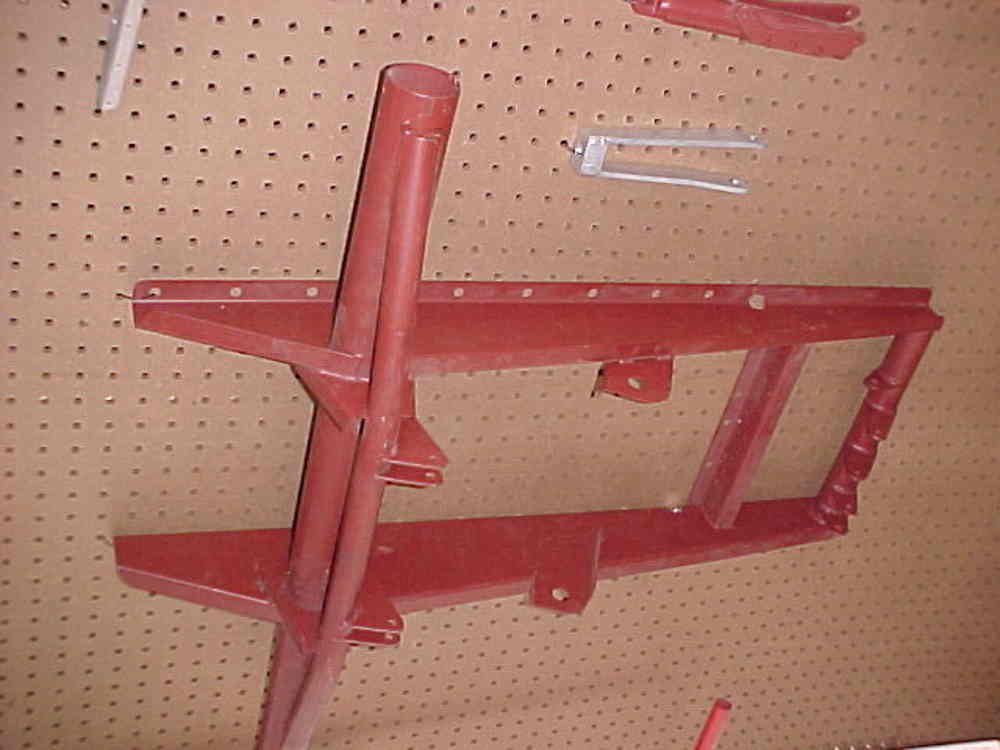
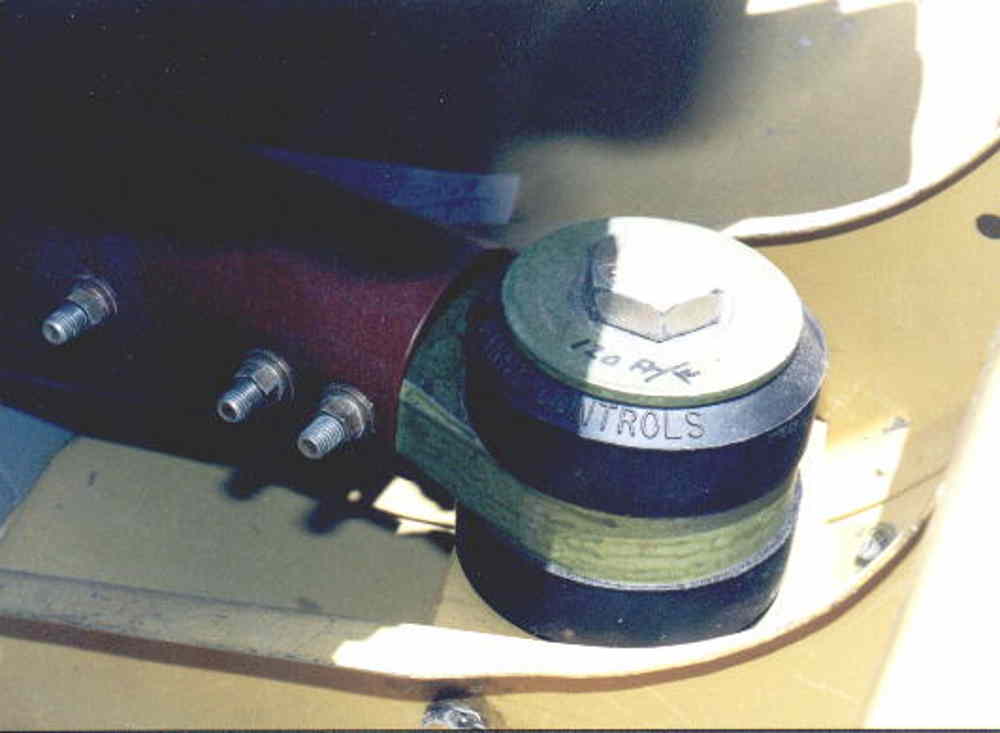
Your scheme of using a beam to pick up the front connie mounts will work well with a
custom oil pan. That will put the engine/GB/prop CG right over the front connie
mounts. The rear connie mounts can be ignored.

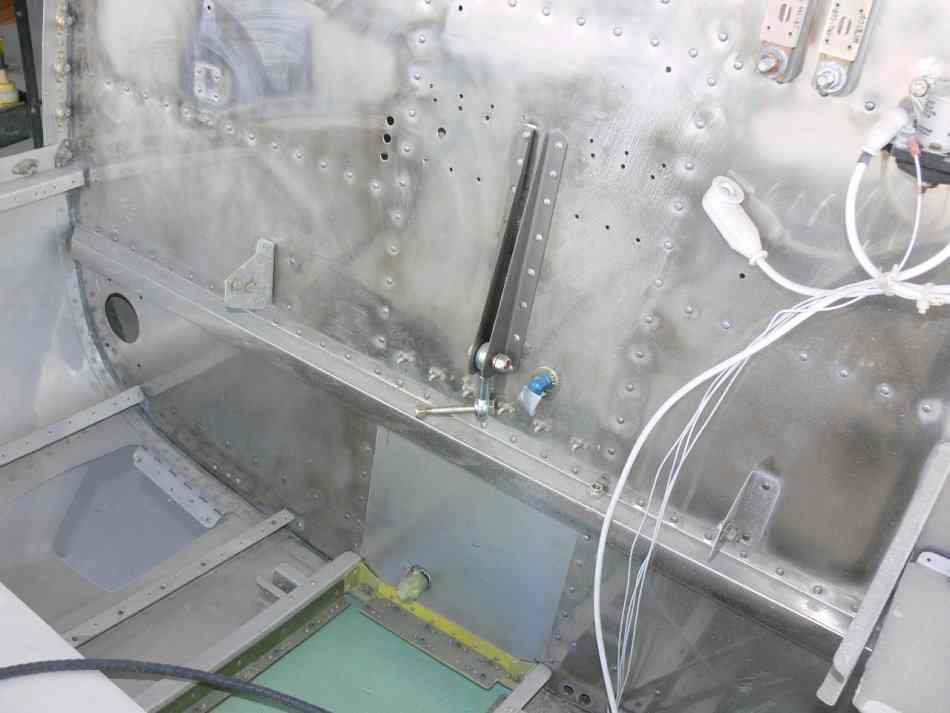
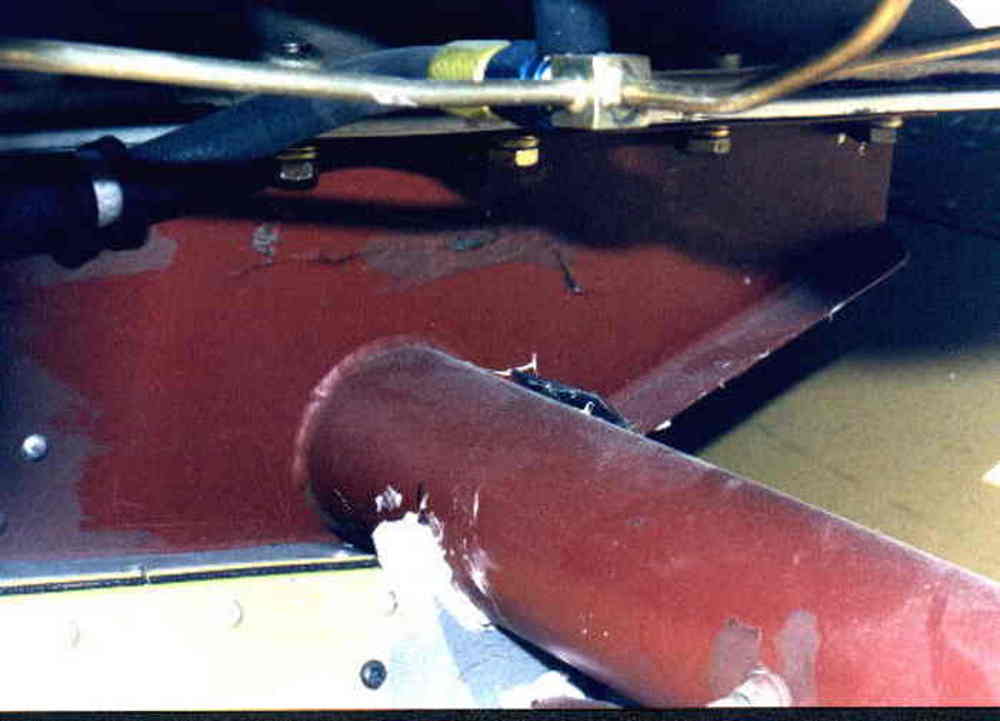
We used to use that and called it a Schertz beam. It was patterned after the QuestAir
Venture mount. Here is some shots of the QA set up.

I assumed you were going to use a simple 180 degree side exhaust out of the turbo but
a RX8 heater core will also work well.

I can still do a 3D of your set up if you give me a few dims such as the distance of
the thrust line down from the top of the firewall and the dims between motor mount
points.

Paul Lamar
--
The Rotary Engine News Letter. Powered by Linux.
ACRE NL web site. http://www.rotaryeng.net
You Tube key word PaulLamar2
Copyright 1998-2012 All world wide rights reserved.