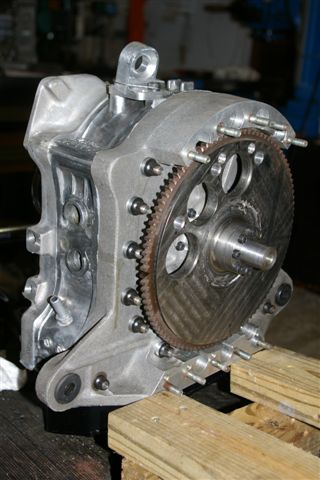
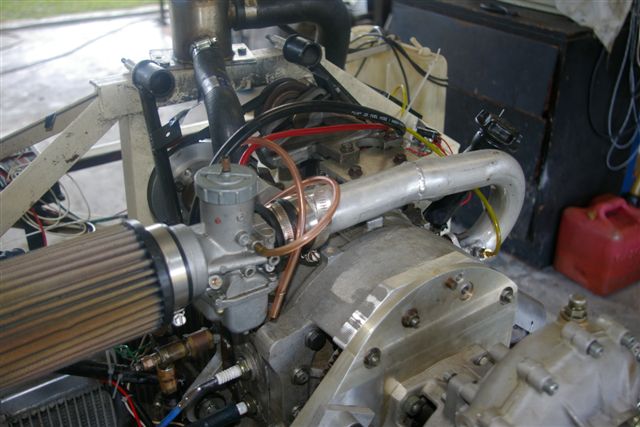
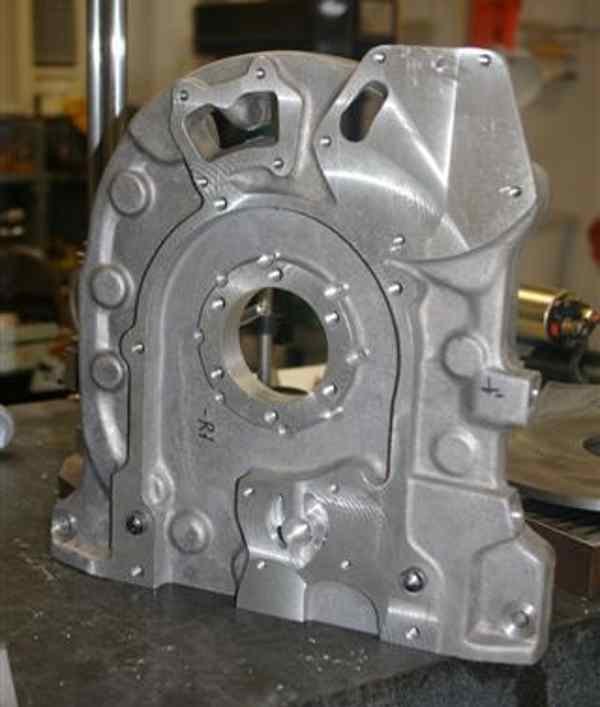
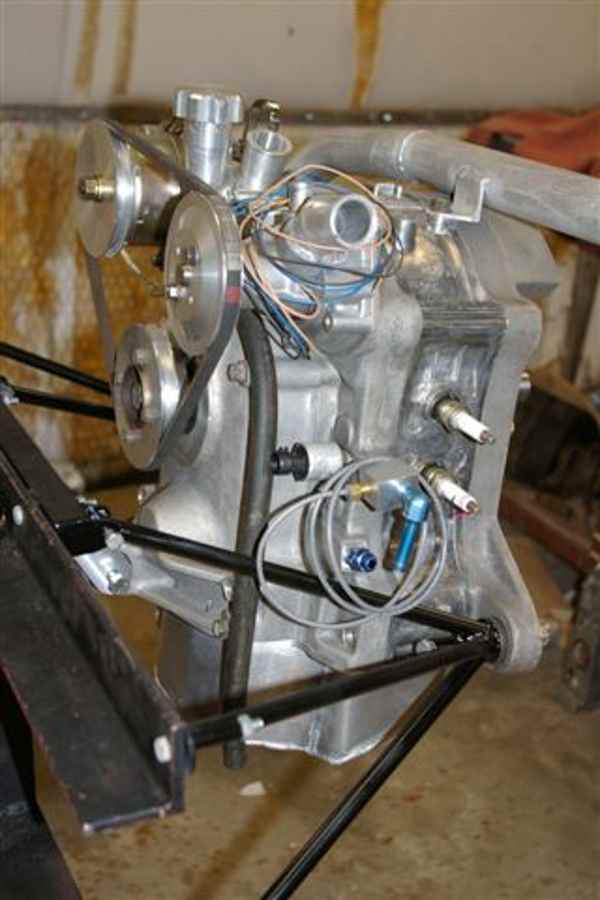
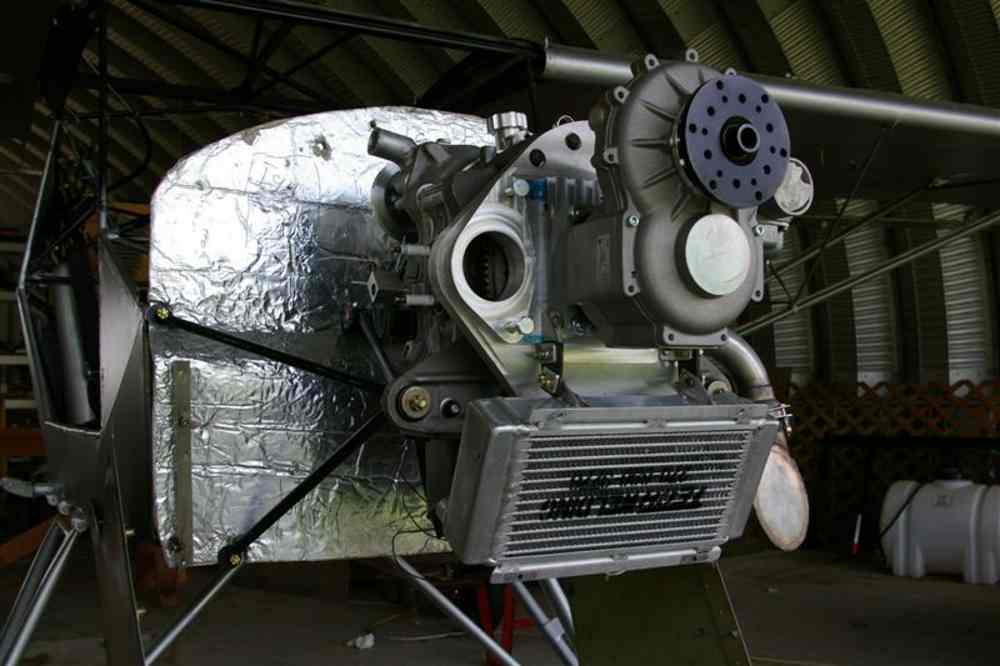
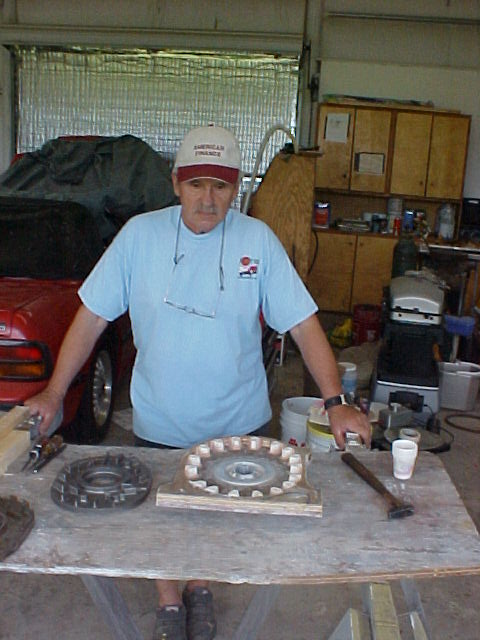
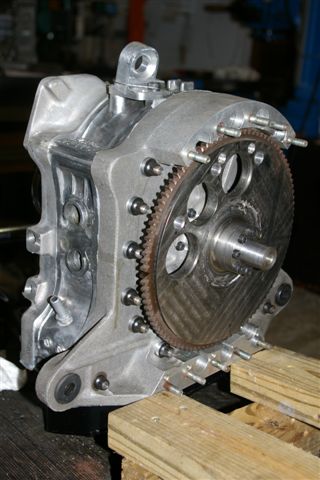
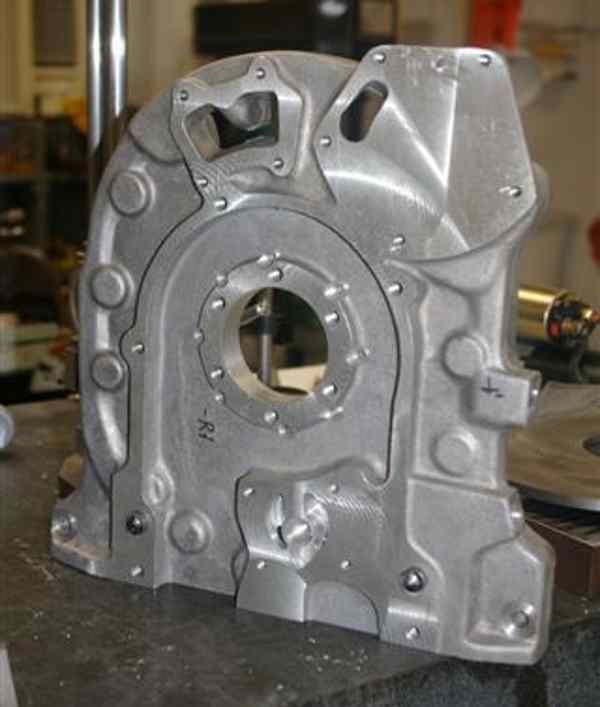
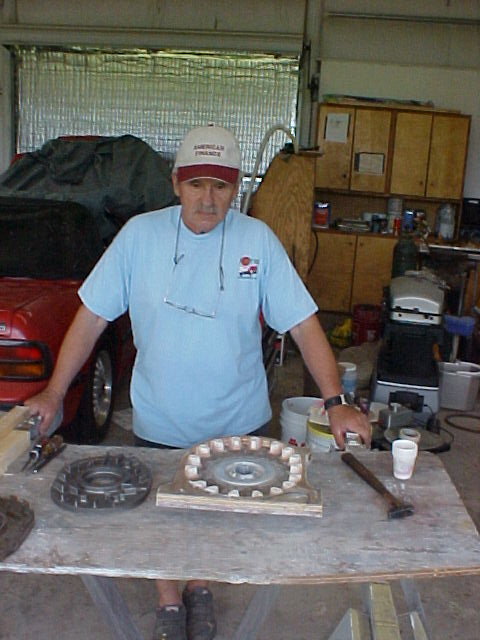
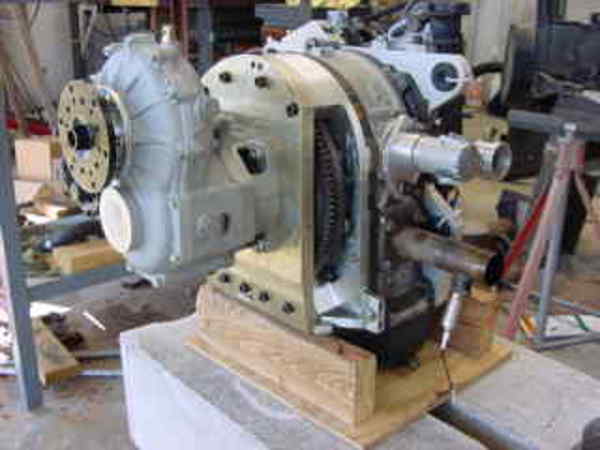
I think Jeff (jeff.doddridge@gmail.com) cut these down for Mazdatrix.
It does away with the round oil seals which I suspect we don't need.
The oil seals have unavoidable friction which in theory burns slightly more
fuel.

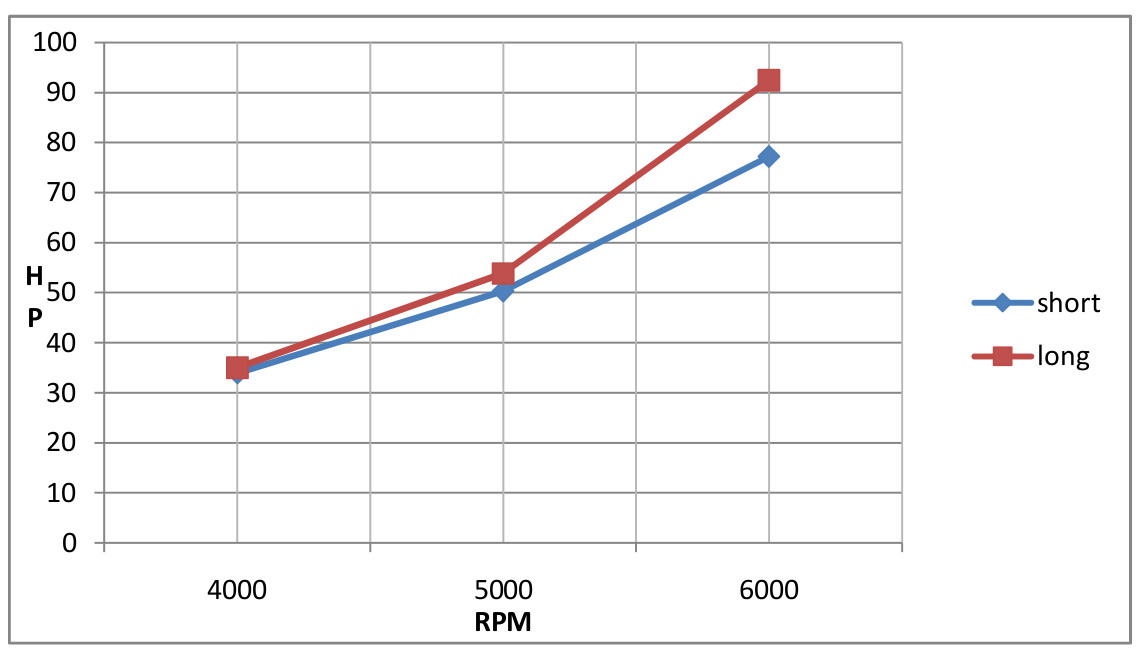
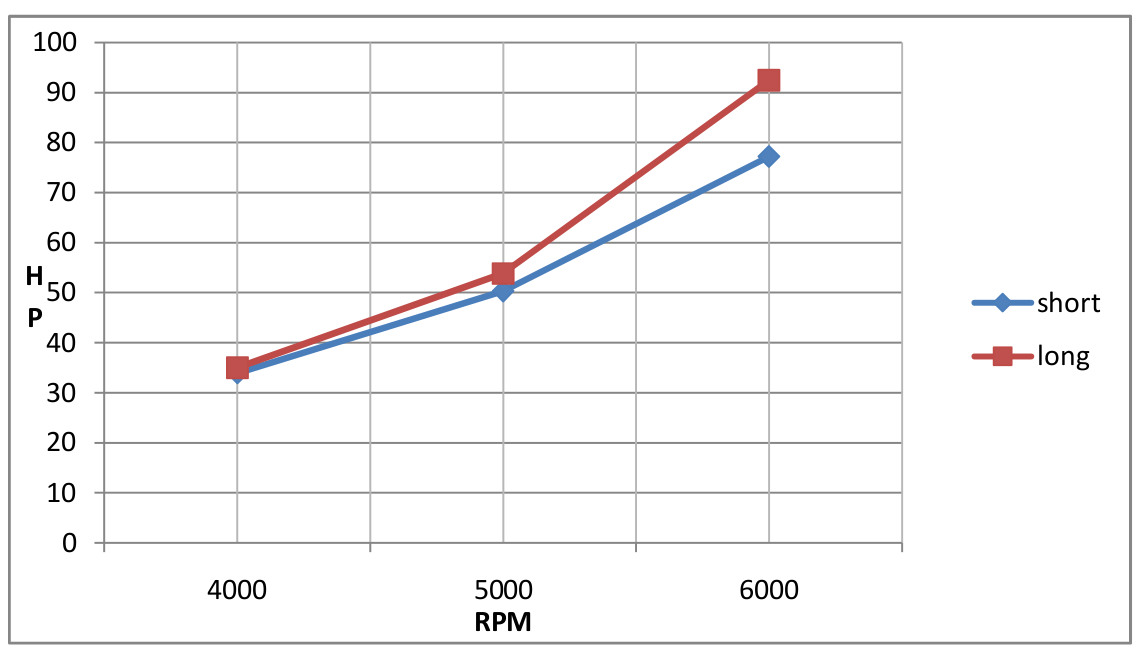
My guess, based on these enclosed charts, is a 33% reduction in rotary
engine friction. The engine will generate more power at the same RPM as
well.

Furthermore the side seals will get more oil for possibly lower side housing
wear.

It also cuts the weight of rotors so the counter weights are slightly
lighter and the load on the rotor bearings is reduced at any given RPM.

My Mazda Cosmo had melted oil seal O-rings and I drove it for years.
It smoked like a radial engine when you started it up but then it stopped
after a few seconds. I never noticed higher oil consumption.

Mazda mentioned this when they were talking about the first rotary engine
they
built. It ran fine but they had to add the oil seals to solve the start up
smoke
problem.

I think they will work fine in a p-port aircraft or racing car engine.

Sorry about the cell phone pictures. I forget my good camera when I visited
Mazdatrix.

Paul Lamar

Paul,
Best idea I have seen in a while. as long as the side seal gaps are done
very well, this should work fine. I once worked a an engine that a school
had rebuilt and the oil seals were installed upside down. Smoked like a navy
smoke layer.... but the side seal gaps were big as well. I like the increase
in corner seal oiling.... I think I might have to build one of these to
try....
Larry

Great minds.........:)

Paul Lamar

Paul,
for anyone doing this, make sure you radius off all the sharp corners left
by the end mill...... unless you like cracks
Larry

I just had another idea. The amount of oil retained in the rotor after the
engine
stops depends of the size of the large oil drain back oil in the center
housing. This
oil will leak down and get to the bottom of the engine to create smoke on
start.
Making the large drain back hole even larger will reduce the quantity. It
will also
cut a bit of weight out of the center housing.

Another possibility is a tiny .032" dia. drain hole drilled in the bottom of
the
rotor housings letting the accumulated oil slowly drain back to the oil pan.

This may eliminate the smoke on start up.

Paul Lamar
--

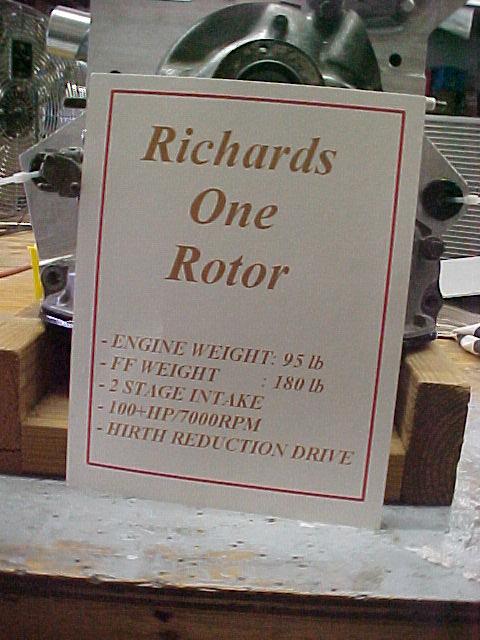
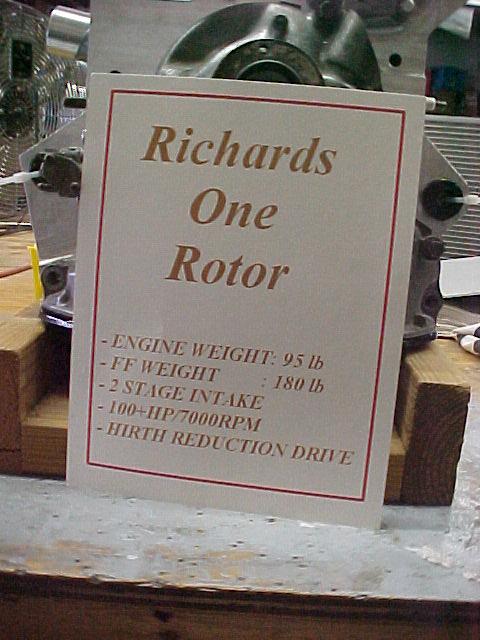
I hope Richard Sohn and any other single-rotor developers are seeing this.
A
reduction in rotor weight pays off doubly for them due to the concomitant
reduction
in counterbalance weight.  Also, of course, the main thing is that reducing
the mass
of the rotor increases the "minimum bearing load" RPM a bit, which improves
HP for a
given weight (if the PSRU can allow us to use it).

Of course, it all depends on being able to do this without too much
trouble/expense,
and the modification needs to prove itself to be as durable as the original
rotor has
proven to be.

Richard, how about a progress report (new thread)?

Mark W.

I am still there and following.
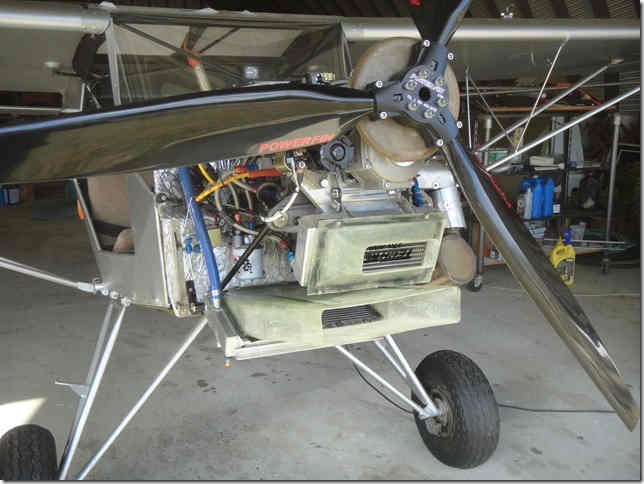
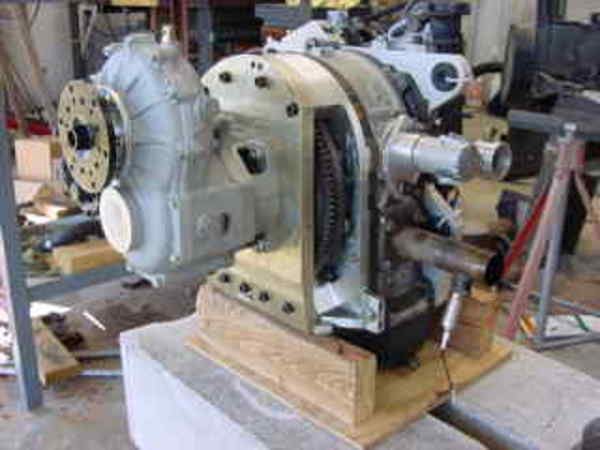
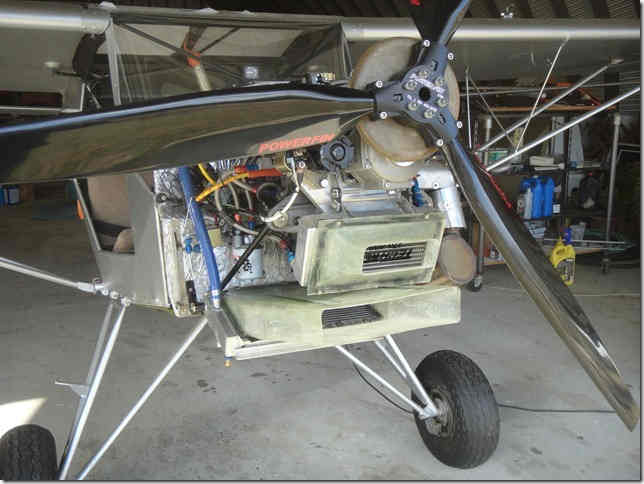
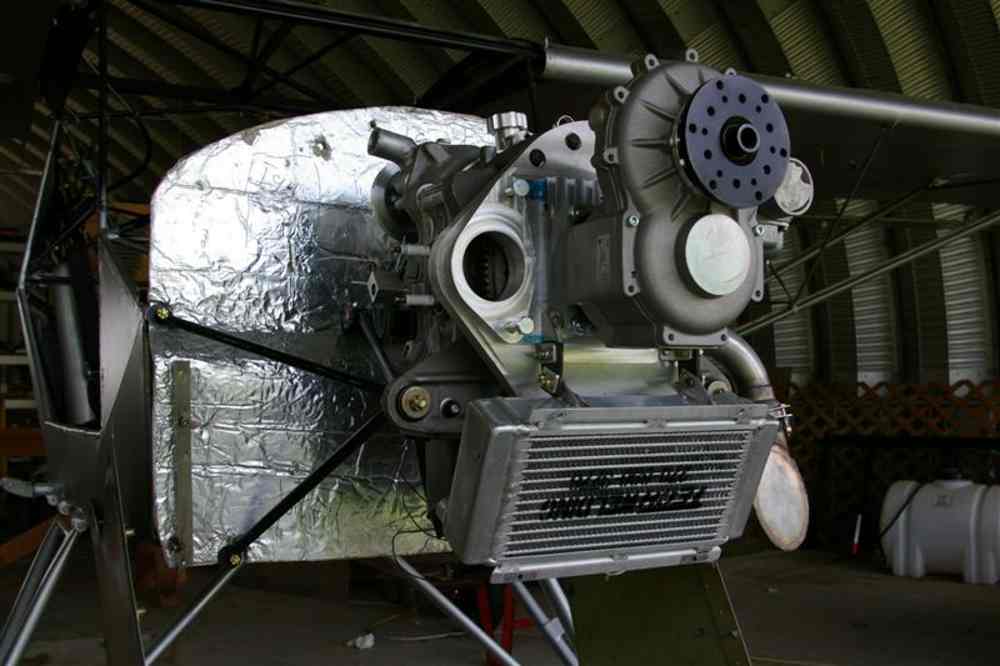
First, the single rotor is in the AC, and today I finished the weight and
balance. All systems are a go with minor hick ups. Non of the hiccups on the
engine. Those were with the instruments, the alternator, ignition and fuel
system. That happens when you have nothing to lean on. But it looks like
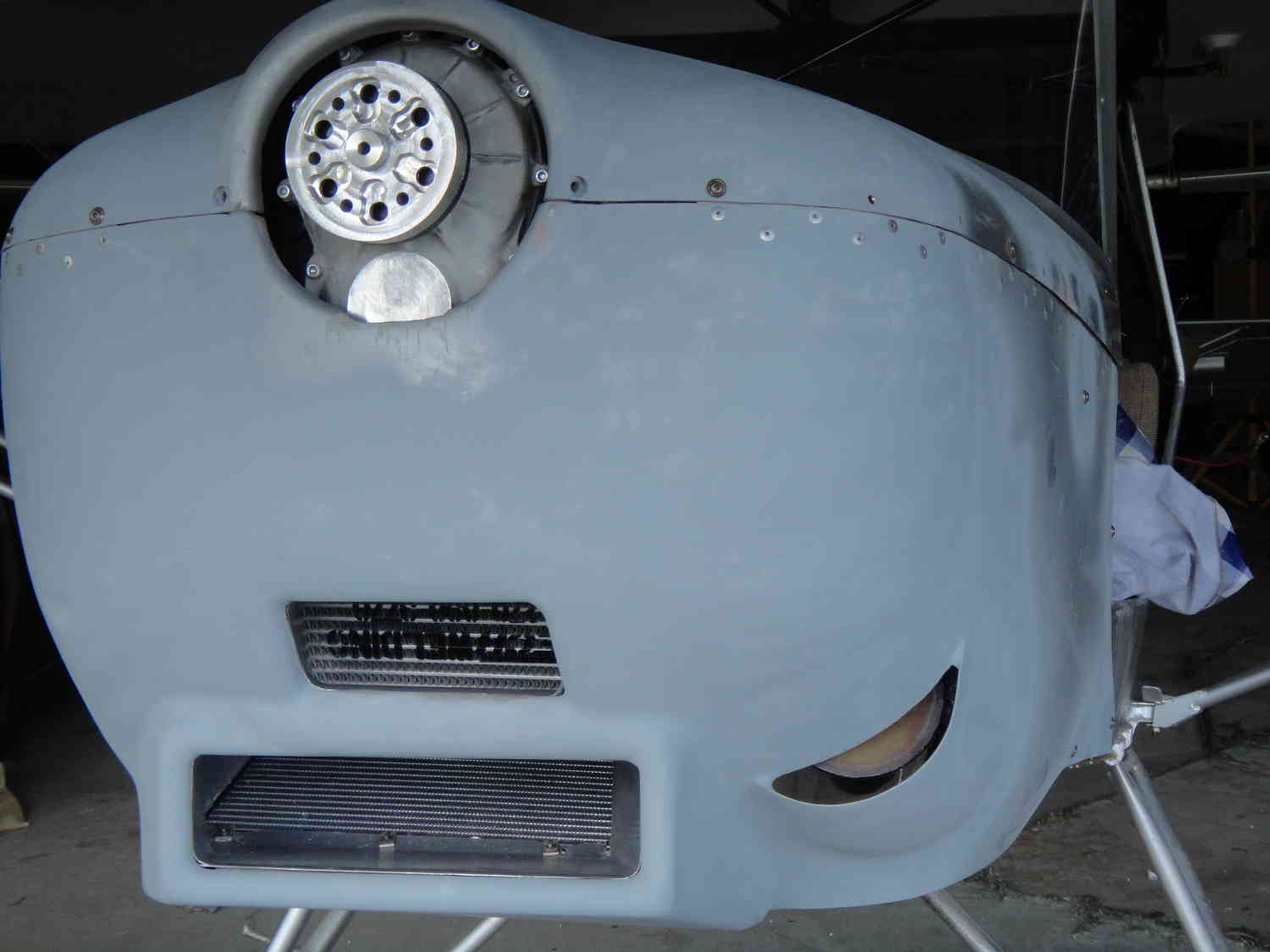
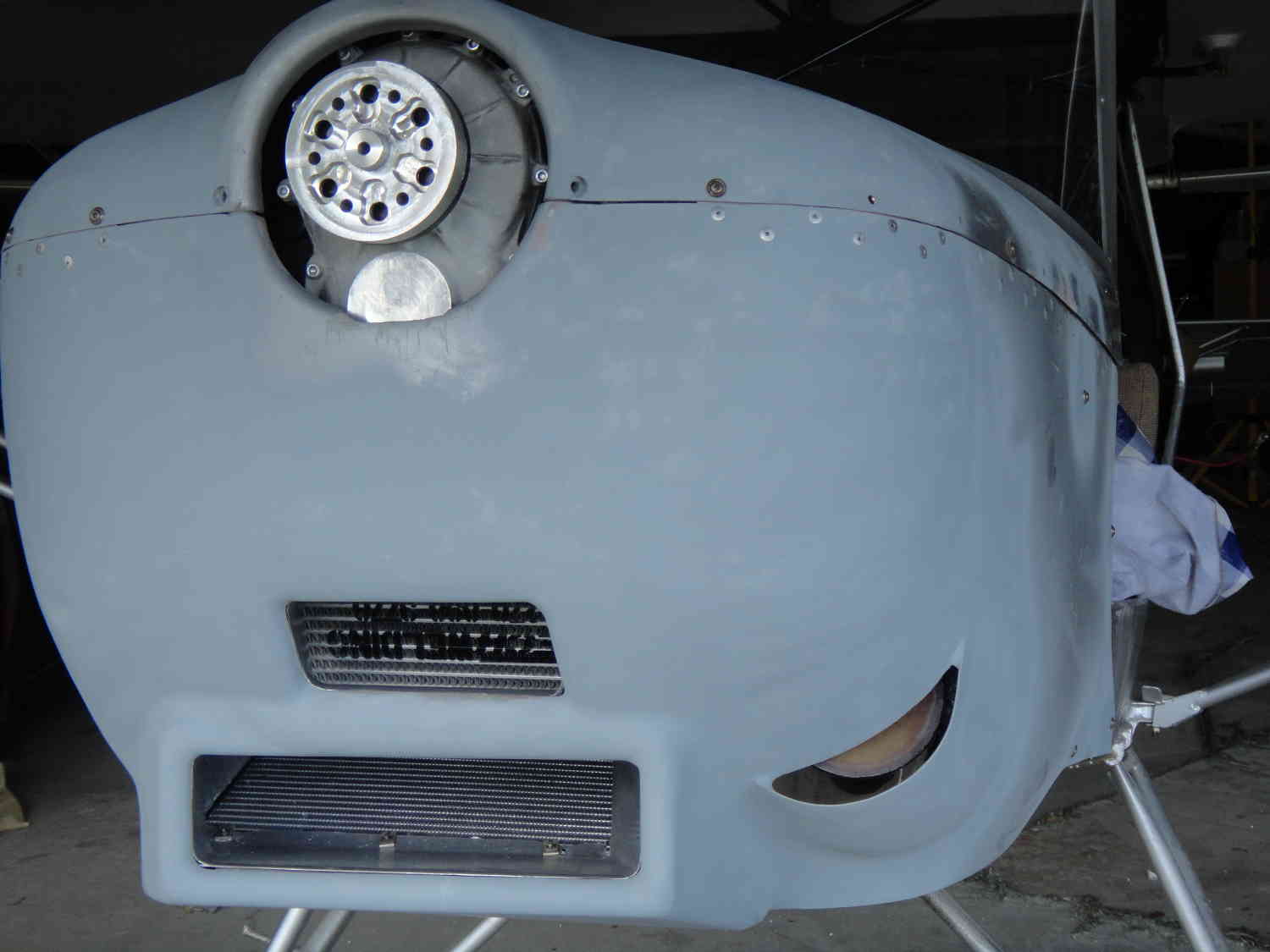
everything is finally together. Even the cowling is done less paint.

On the light weight rotor idea, I am thrilled, since the balance weight
situation is a major issue on a single rotor, in regard to weight and space.
I may use an old rotor and let the mill doing some chipping on it and see
what kind of weight reduction we are talking about.


Richard Sohn
N2071U

http://www.fairpoint.net/~res12/home.html


--
The Rotary Engine News Letter. Powered by Linux.
ACRE NL web site. http://www.rotaryeng.net
You Tube key word PaulLamar2
Copyright 1998-2012 All world wide rights reserved.