In a message dated 6/18/2012 7:34:47 P.M. Eastern Daylight Time,
rotaryeng@earthlink.net writes:


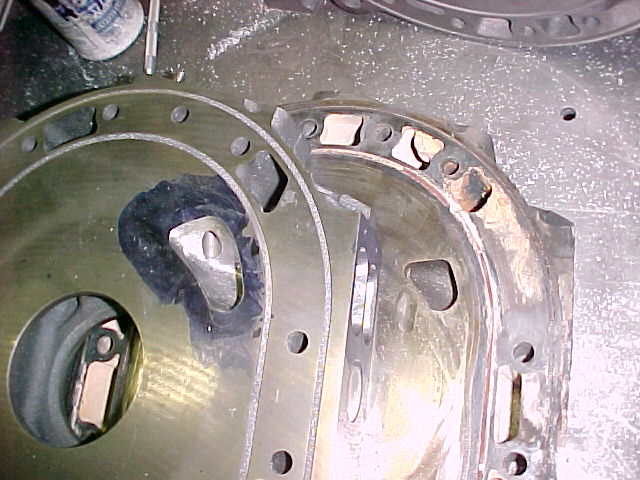
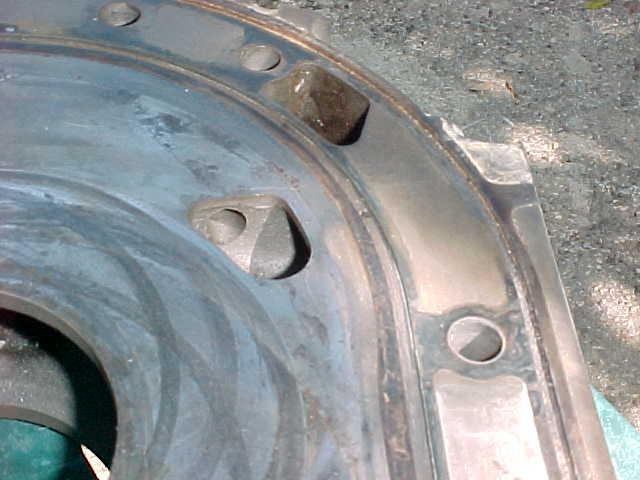
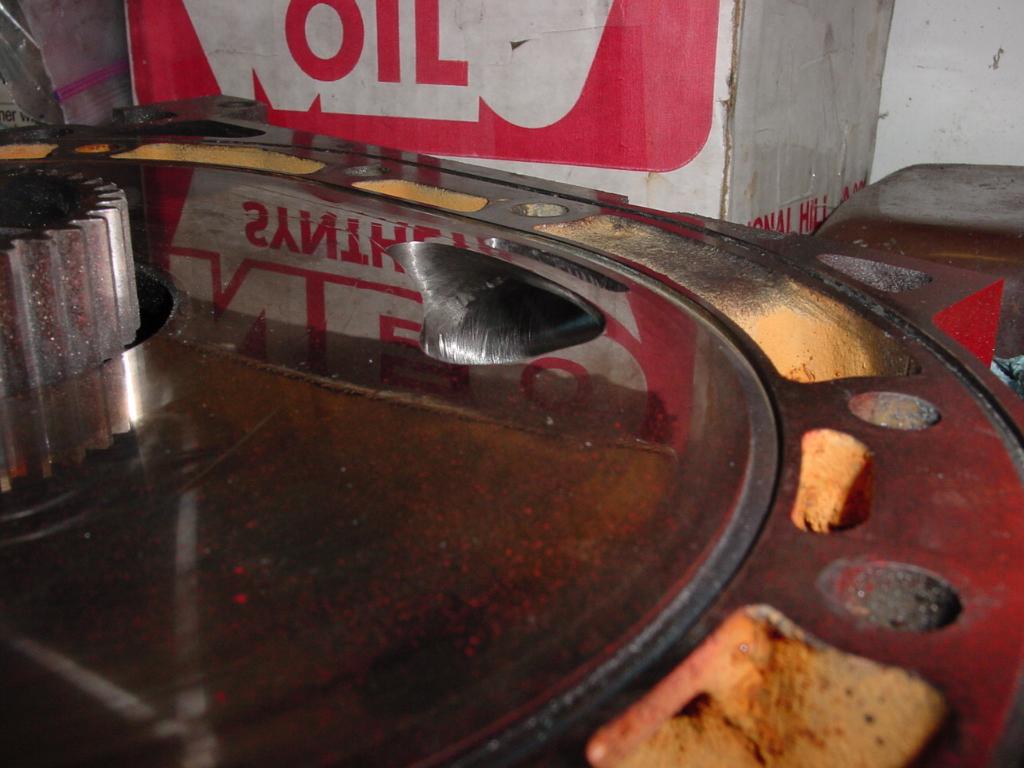
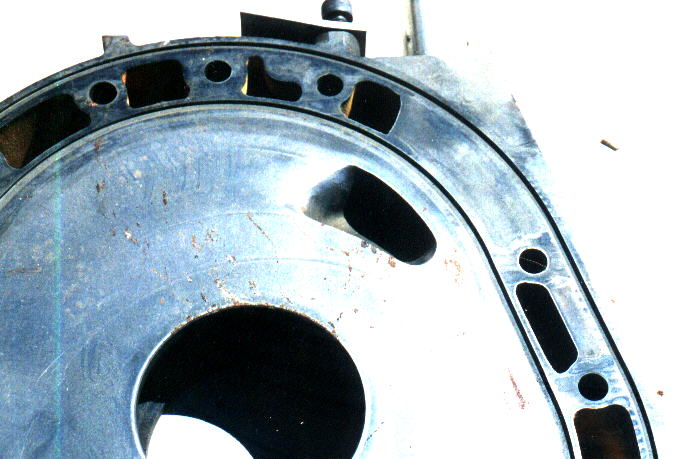
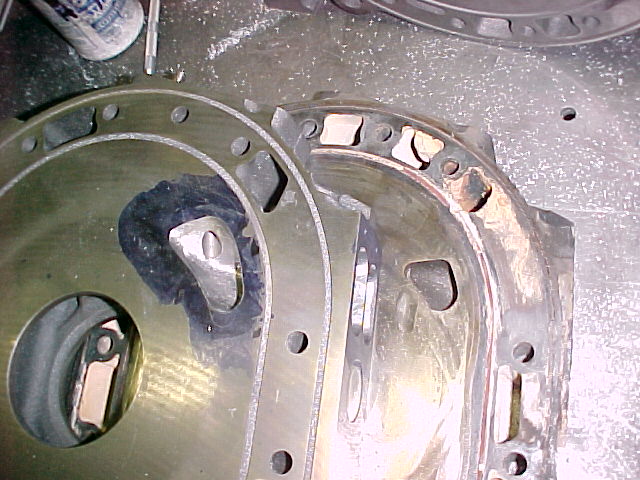
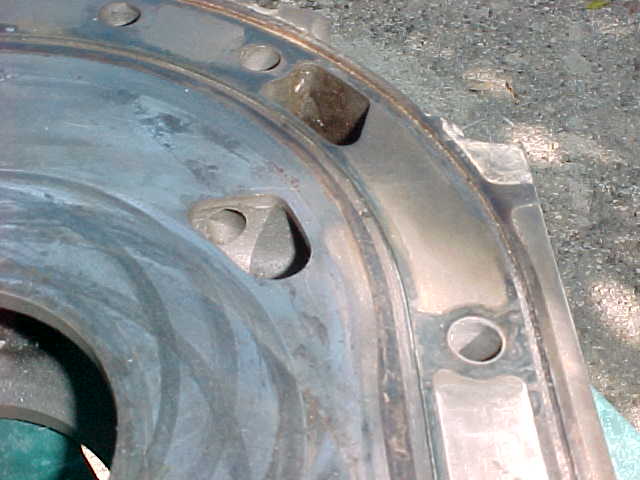
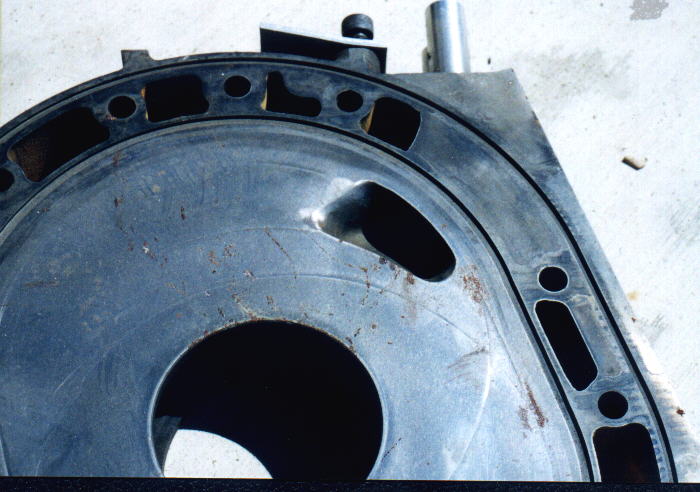
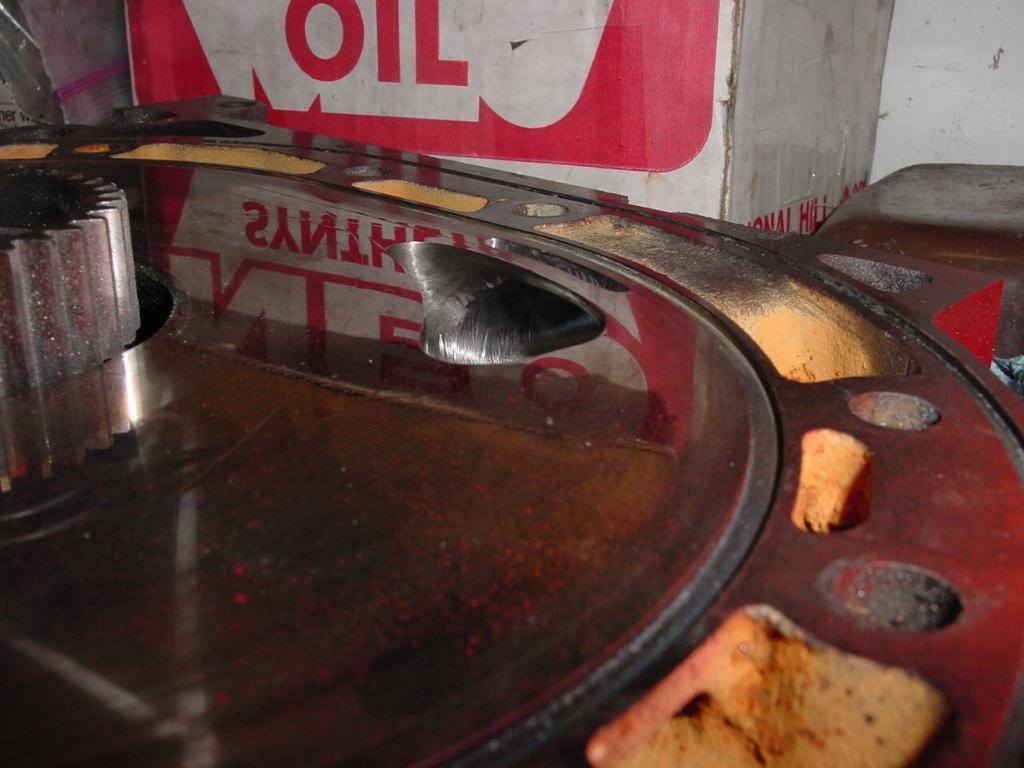
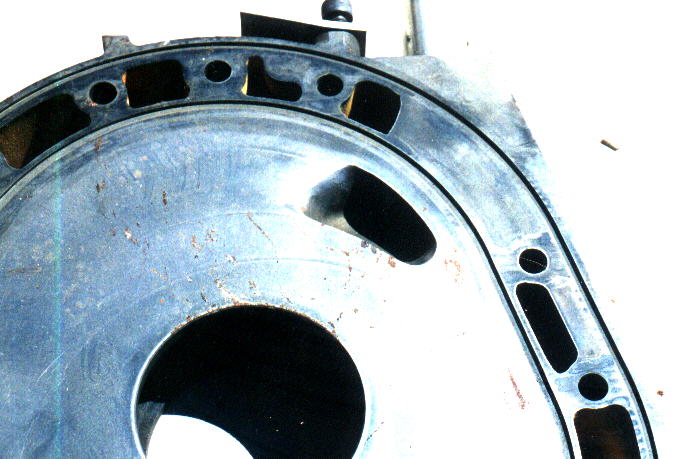
I  think Jeff (jeff.doddridge@gmail.com) cut these down for Mazdatrix.
It does  away with the round oil seals which I suspect we don't need.
The oil seals  have unavoidable friction which in theory burns  slightly
more
fuel.

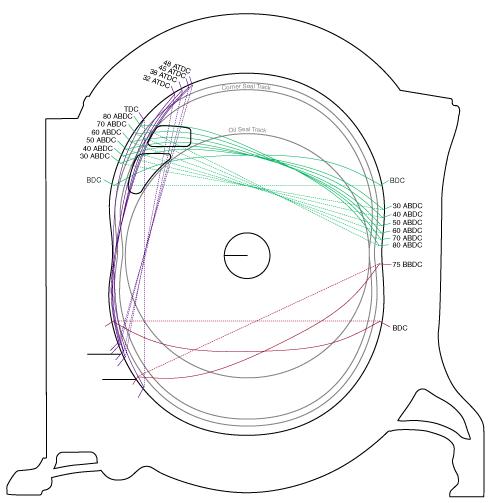
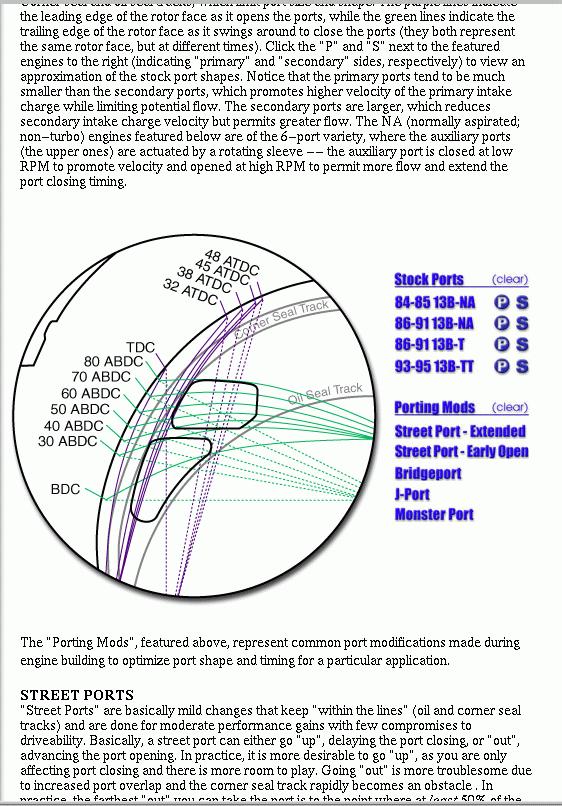
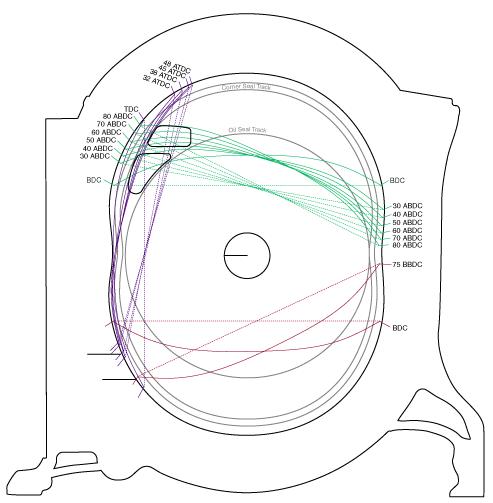
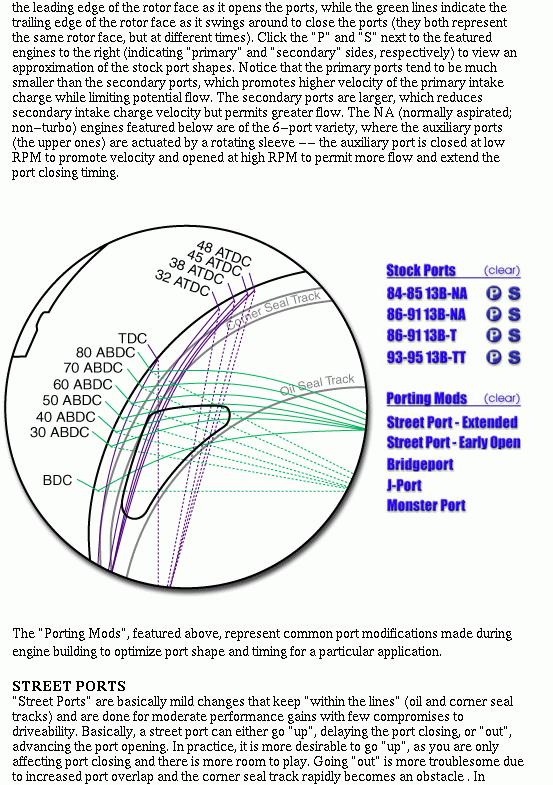
My guess, based on these enclosed charts, is  a 33% reduction in rotary
engine friction. The engine will generate more  power at the same RPM as
well.

Furthermore the side seals will get  more oil for possibly lower side
housing
wear.

It also cuts the  weight of rotors so the counter weights are slightly
lighter and the load  on the rotor bearings is reduced at any given RPM.

My Mazda Cosmo had  melted oil seal O-rings and I drove it for years.
It smoked like a radial  engine when you started it up but then it stopped
after a few seconds. I  never noticed higher oil consumption.

Mazda mentioned this when they  were talking about the first rotary engine
they
built. It ran fine but  they had to add the oil seals to solve the start
up  smoke
problem.

I think they will work fine in a p-port aircraft or  racing car engine.

Sorry about the cell phone pictures. I forget my  good camera when I
visited
Mazdatrix.

Paul  Lamar

Paul,
Best idea I have seen in a while. as long as the side  seal gaps are done
very well, this should work fine. I once worked a an  engine that a school
had rebuilt and the oil seals were installed upside  down. Smoked like a
navy
smoke layer.... but the side seal gaps were big  as well. I like the
increase
in corner seal oiling.... I think I might  have to build one of these to
try....
Larry

Great  minds.........:)

Paul Lamar

Paul,
for anyone doing this, make  sure you radius off all the sharp corners left
by the end mill...... unless  you like cracks
Larry

I just had another idea. The amount of oil  retained in the rotor after
the engine
stops depends of the size of the  large oil drain back oil in the center
housing. This
oil will leak down  and get to the bottom of the engine to create smoke on
start.
Making the  large drain back hole even larger will reduce the quantity. It
will  also
cut a bit of weight out of the center housing.

Another  possibility is a tiny .032" dia. drain hole drilled in the bottom
of  the
rotor housings letting the accumulated oil slowly drain back to the  oil
pan.

This may eliminate the smoke on start up.

Paul  Lamar

Hi  Paul,
You guys are always coming up with  something new
for rotaries, as I have said before I think that if even a  fraction of
the effort that has been put into
piston engines into  rotaries the rotary would not be on the bottom of
"joe blow"  wanna  list. The big factories do not have all the answers.
John Burey.

Paul,    I would be concerned about opening up the size of the center
housing where  the E-shaft passes thru.  The shaft and rotors operate in  a
semi-flooded condition to remove heat from the rotor. Enlarging the  hole
would reduce the oil   volume in this area. Also the   "dogleg"  in the
E-shaft appears to me to pump any oil that gets to  the center housing back
to the pan and with a lower oil level foaming of  the oil could be a
possibility. The removing of this much surface area  would also reduce the
amount of heat that can travel thru the center  housing to the water
jacket.  A small  (.090?) hole at the bottom  of the red line in  the
attachment would vent to an area of nearly  equal pressure and lower the
retained shut down oil level  slightly.

It would seem that the real issue  is oil that finds it's way past
the rotor side combustion seals which is an  area lower than the drain.  I
see in the other attachment an idea to  vent the bottom of the rotor
housing. This area is under constant  combustion pressure from the
continuous expansion strokes and would vent  into the oil system
both exhaust gasses and some particulate  residues.  This could however be
made to work. Rather than going thru  the water passage it would seem better
to go through the clearance between  the tension bolt and it's hole which is
relatively large in the rotor  housings, moreso than the side housings which
are drilled holes. These  holes run between the water jacket seals and are
therefore not intended to  be sealed from coolant, however "O" rings similar
to those around the  hollow dowels could isolate a bolt hole.  The oil port
would need to  be sealed during operation but open at shut down. I might
suggest a plunger  ported to be closed by the exhaust pressure  or by engine
oil pressure  on a differential area spool as used in a balanced pressure
hydraulic  relief valve. The large area side overcomes the smaller area side
because  they see the same pressure..

When we get  done chewing on this bone how about a thread dealing
with exhaust  headers.  So far it seems that 32" long is the only advice.
How about  diameter and is the diameter constant or increasing slightly.
Also I read  something about  an inverted cone a few inches from the end of
the  header which reflects a sound wave back up the pipe to cancel the
outgoing  wave sound. Apparently having it at a distance still allows some
exhaust  scavenging because the pressure wave reflects back from the end of
the pipe  similar to the intake runner at 18" length.      With parts  from
Jeff  and RWS we can get the engine bolted to the airframe   with a prop,
the EFI and ignition.  We now have a handle on the  cooling thanks to your
book so might it be time to tinker with the exhaust  side a little.

george grimes

Due to the complex orbiting motion  of the rotor the cooling oil, what there
is of it,
stays out near the  apex seal slots. It is less oil than most people think.

There is not  going to be a lot of exhaust gases coming through .032 dia.
hole.
The  hole is drilled in a vertical rib in the bottom of the rotor housing.
It
does not
intersect cooling passages.

Paul Lamar


Did  some playing with a 12A rotor to see what impact it could have on my
single  rotor
work.
The impact would be significant, if it works.
The rotor  in the picture weighs 3,500g versus 4357 in original
configuration.  Running
this weight through balancing analysis shows less balancing moment  required
on the
balance weight than on a two rotor. This alone is worth  pursuing this for
the single
rotor.
Machining the rotor on the CNC is  a no-brainer.
Who came up with that idea anyway?  Probably the most  significant one in a
long time.
The only technical issue still open is  demonstrating rotor balancing. If
MazdaTrix
can do it, I would put that  rotor in my test engine and see what happens.
Anyway, thanks to the guy who  came up with this.

Richard  Sohn
N2071U

http://www.fairpoint.net/~res12/home.html


It  was Jeff as far as I know.

Paul Lamar

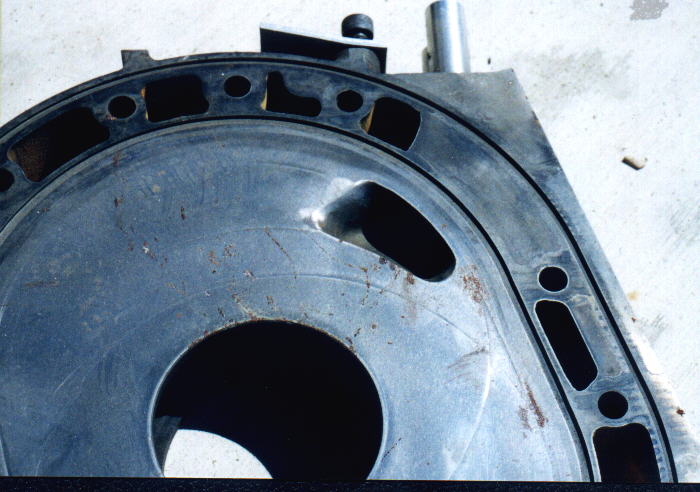
This last jpg is of a  Wankel AG rotor. No oil seals.

Paul Lamar


Man, the more I  read about the rotary, the more I like it.  Seems VERY
durable as  well.

Barron


We often wish for something and after attaining it, are disappointed.

I lost both oil scraper "O" rings on the face of one rotor in a 12A at the
track. A very nice sized plastic bag over the grill did in my oil temps and
 fried the "O" rings. Some drivers operate in a constant state of "Helmet
Fire"  and cannot read gages once under way.
 It looked like a DDT truck fogging the track. The scrapers were sharp  and
still in place but one had multi segment seals. No racing that  weekend.

Comparing a fuel cooled rotor (no oil scrapers) to an oil cooled  rotor
(two oil scrapers with "O" ring seals) may not yield good data.

My side seals are set at zero clearance on installation, but that had no
effect on the smoking problem.

There have been some people who have ported into the path of the outer oil
scraper, and it apparently works for more power. They do not warm their
engines  on the false grid. Because they smoke a bunch.
Once at speed they still smoke a lot but you cannot tell how much as it is
being mixed with local air at such a fierce rate.


Further, the rotors at some 10 pounds each, provide a considerable flywheel
 effect that helps with the torque spikes and stresses on the reduction
gears and  torsional damping system.

In race cars the rotors and flywheel are reduced in weight so as to remove
a recurrent acceleration load as you go through the gears.
Think about carbon fiber drive shafts.

It pays bigger dividends than chassis weight reduction. Second biggest is
the weight of wheels, tires and brake rotors. All unsprung weight and
flywheel effect that loads the brakes up hundreds of times per race.

Lynn E. Hanover

Lynn, your bridge port may have something to do with the smoke.
I don't recommend removing the oil seals for anything other than P-ports.

Paul Lamar

--
The Rotary Engine News Letter. Powered by Linux.
ACRE NL web site. http://www.rotaryeng.net
You Tube key word PaulLamar2
Copyright 1998-2012 All world wide rights reserved.